 YardMate

Japanese Beautyberry
Callicarpa japonica
Easy · Beginner friendlyAbout Japanese Beautyberry
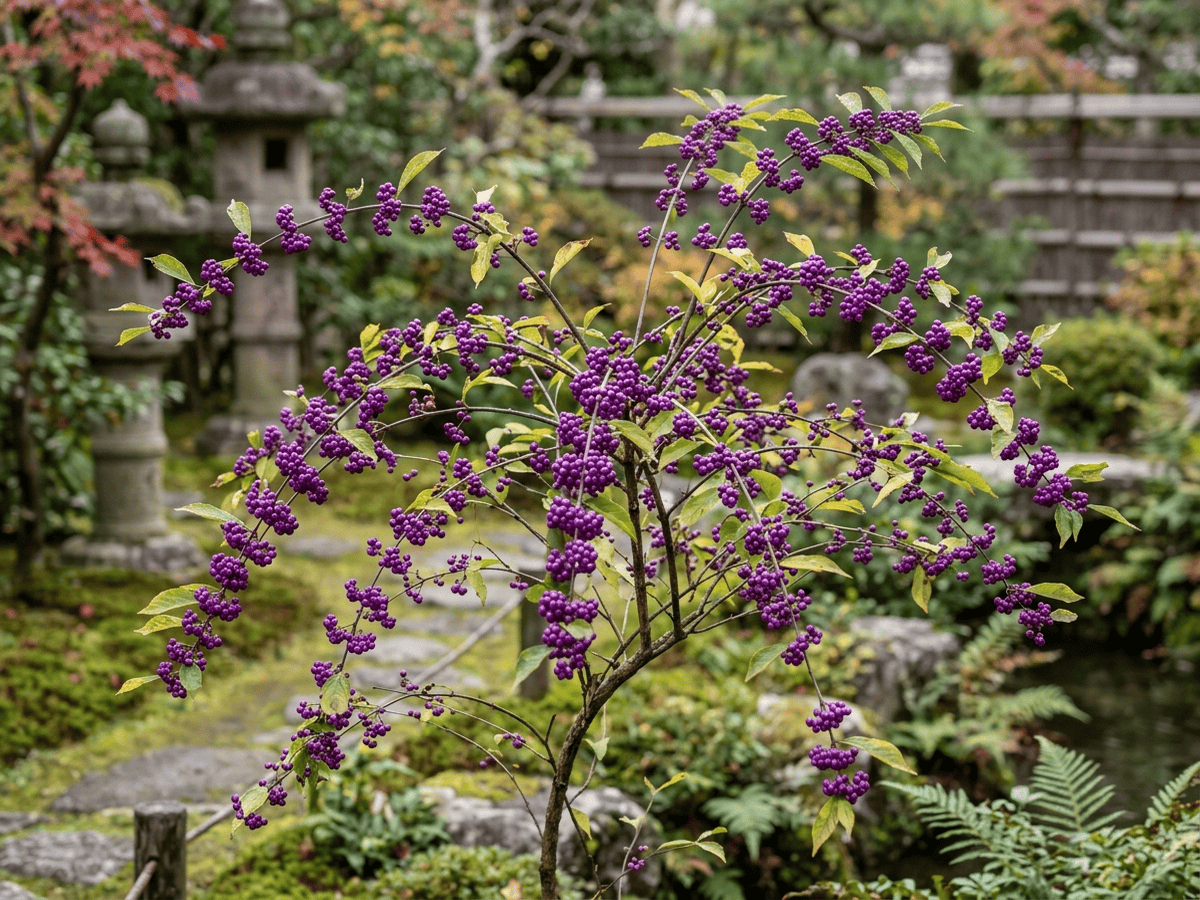
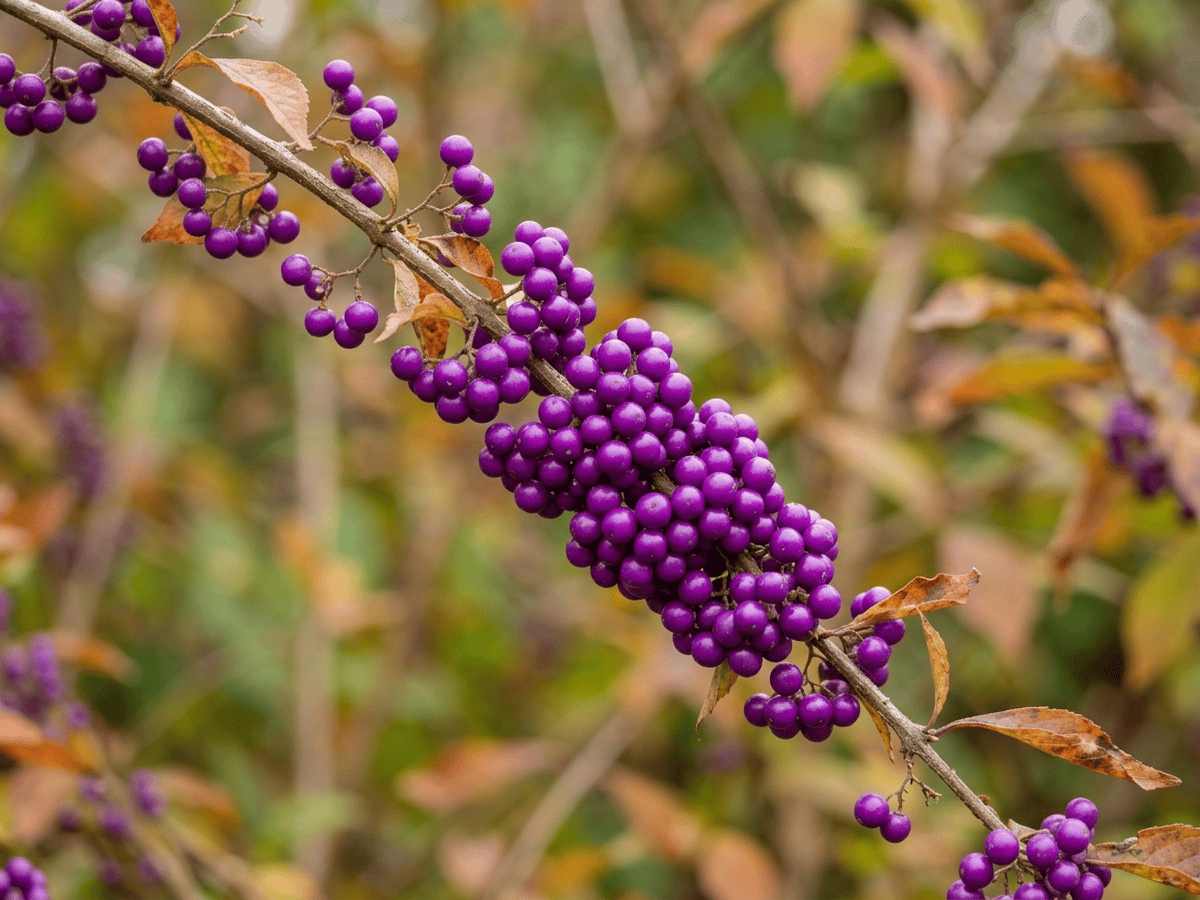
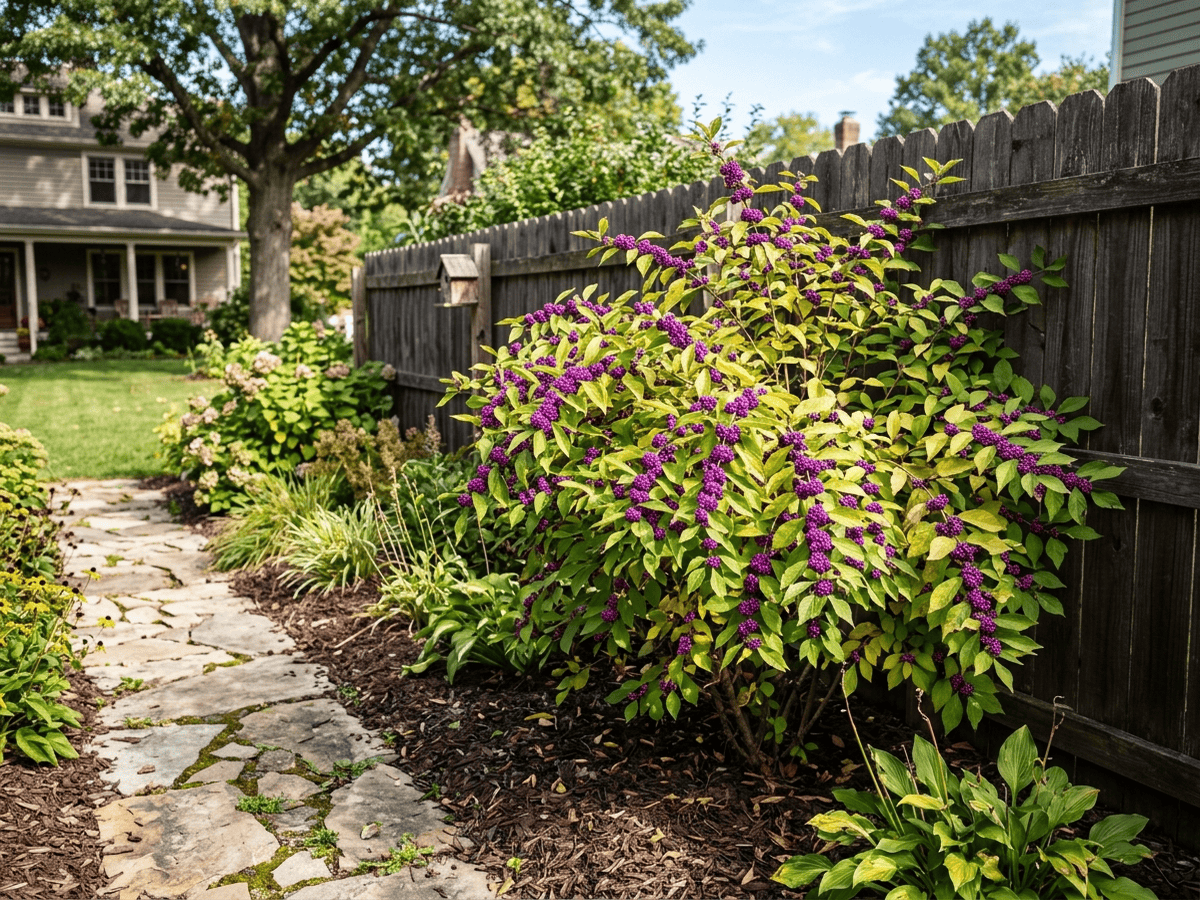
Japanese Beautyberry is an elegant deciduous shrub growing 4 to 6 feet tall, native to Japan, Korea, and Taiwan, producing small pink summer flowers followed by arching stems lined with violet-purple berries in fall. More refined and compact than its Chinese relatives, with subtle yellow fall foliage. A favorite of Japanese-style American gardens and collectors.
- Shade-tolerant
- Deer-resistant
- Fall-color
- Wildlife-friendly
How to care for Japanese Beautyberry
Watering
- Springevery 5 days
- Summerevery 3 days
- Fallevery 7 days
- Winterevery 14 days
Soil · Rich & loamy
- Top dressingBark mulch15%
- Main mixRich loam + compost 3:170%
- DrainageGravel15%
Use fully finished compost — fresh compost burns roots.
FERTILIZER
Balanced Feed 14-14-14
An even feed covers all three needs at once, keeping leaves, roots and blooms moving together with nothing pushed out of balance.
- Nitrogen · Leaves
- Phosphorus · Roots + Blooms
- Potassium · Strength
- Springevery 45 days
- Summerevery 60 days
At a Glance
- NativeEast Asia
- Height4–6 ft (1.2–1.8 m)
- Spread4–6 ft (1.2–1.8 m)
- Flower colorPink, White
- Foliage colorGreen
- Fruit colorPurple
- SoilLoamy, Well-drained
- LocationsYard
Bloom time
BLOOM CYCLE
Peak bloom
Jun–Aug
Small pink flower clusters midsummer
Toxicity
No toxicity has been reported for this plant. Still, it is wise to keep pets from chewing on any houseplant.
Educational information, not medical or veterinary advice. If exposure is suspected, contact a doctor or veterinarian.
DISTRIBUTION


- Native
- Introduced
- East Asia
History
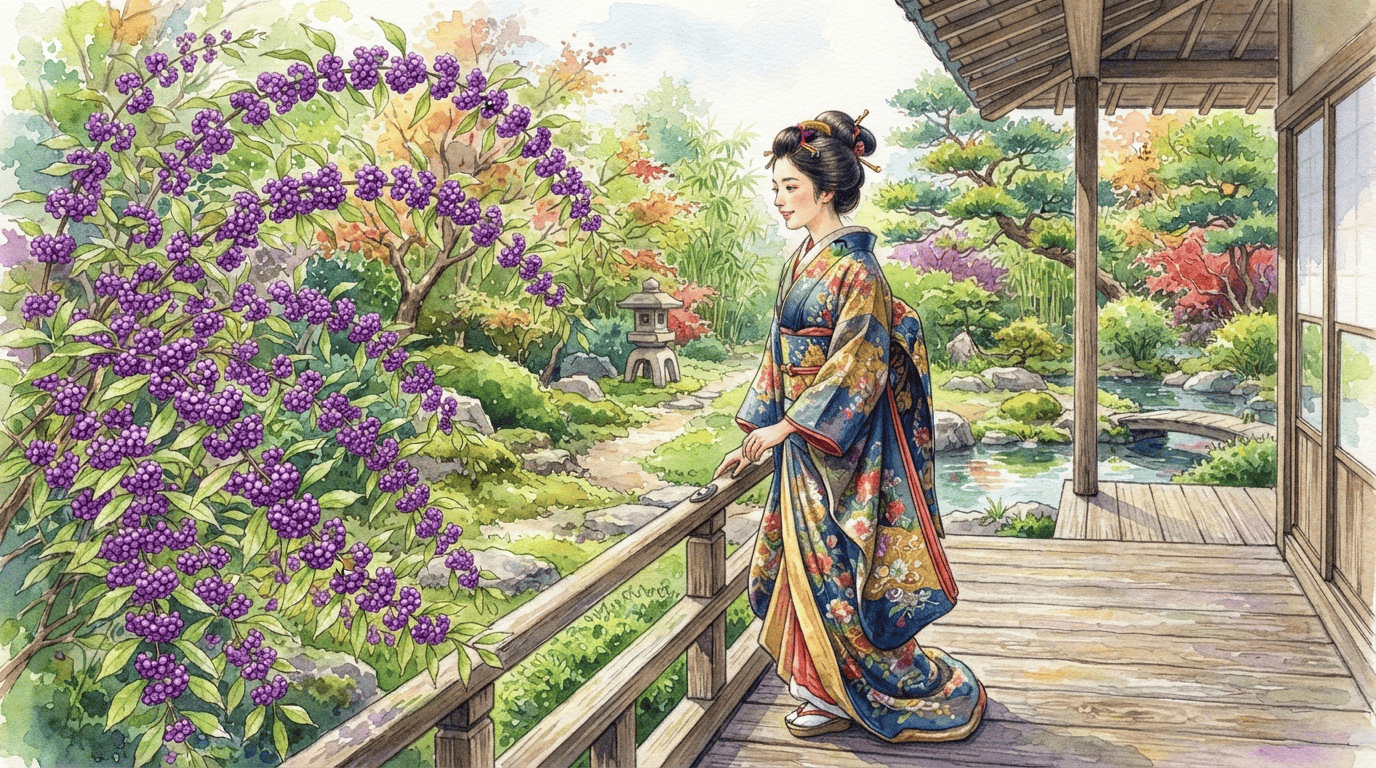
Callicarpa japonica grows wild in thickets and forest edges across Japan, the Korean Peninsula, Taiwan, and eastern China. The Swedish botanist Carl Peter Thunberg described it in Flora Japonica (1784) from specimens collected during his 1775-1776 residency at the Dutch trading post on Dejima island, Nagasaki. Japanese gardeners named it murasaki-shikibu ('Purple Shikibu') after Murasaki Shikibu, the 11th-century author of The Tale of Genji, evoking both the color of the berries and courtly elegance.
Philipp Franz von Siebold reintroduced it to Europe in the 1840s via the Leiden Botanic Garden. The white-berried form 'Leucocarpa' is a prized variation grown in Japan and the West. Unlike the hardier C. giraldii, it requires milder winters and is common in southeastern US landscapes.
Cultivated in Japanese gardens for centuries as 'murasaki-shikibu', named after the Heian-era author of The Tale of Genji whose name means purple color. Introduced to American gardens in the 19th century. The white-fruited 'Leucocarpa' form is popular among collectors for contrast plantings.
Symbolism & meaning
What It Symbolizes
The Japanese beautyberry holds a refined beauty cherished in Japanese garden tradition, its understated arching habit and violet autumn berries chosen by tea masters and poets alike. Another layer is literary: the plant honors Murasaki Shikibu, author of The Tale of Genji, whose name means purple. To plant one is to keep a thousand-year line of refined sensibility alive in a corner of the modern garden.
- Refined beauty — elegant form valued in Japanese culture
- Murasaki Shikibu — named for classical Japanese author
Where the Name Comes From
The name Japanese Beautyberry points to Japan. 'japonica' refers to Japan, where the species is most common and culturally significant.
Uses & Fun Facts
- Showy violet-purple berry clusters along arching autumn stems
- Bright berries feed mockingbirds, robins, and other songbirds
- Late-season berry shrub serves as autumn garden focal point
Related plants
More Callicarpa plants
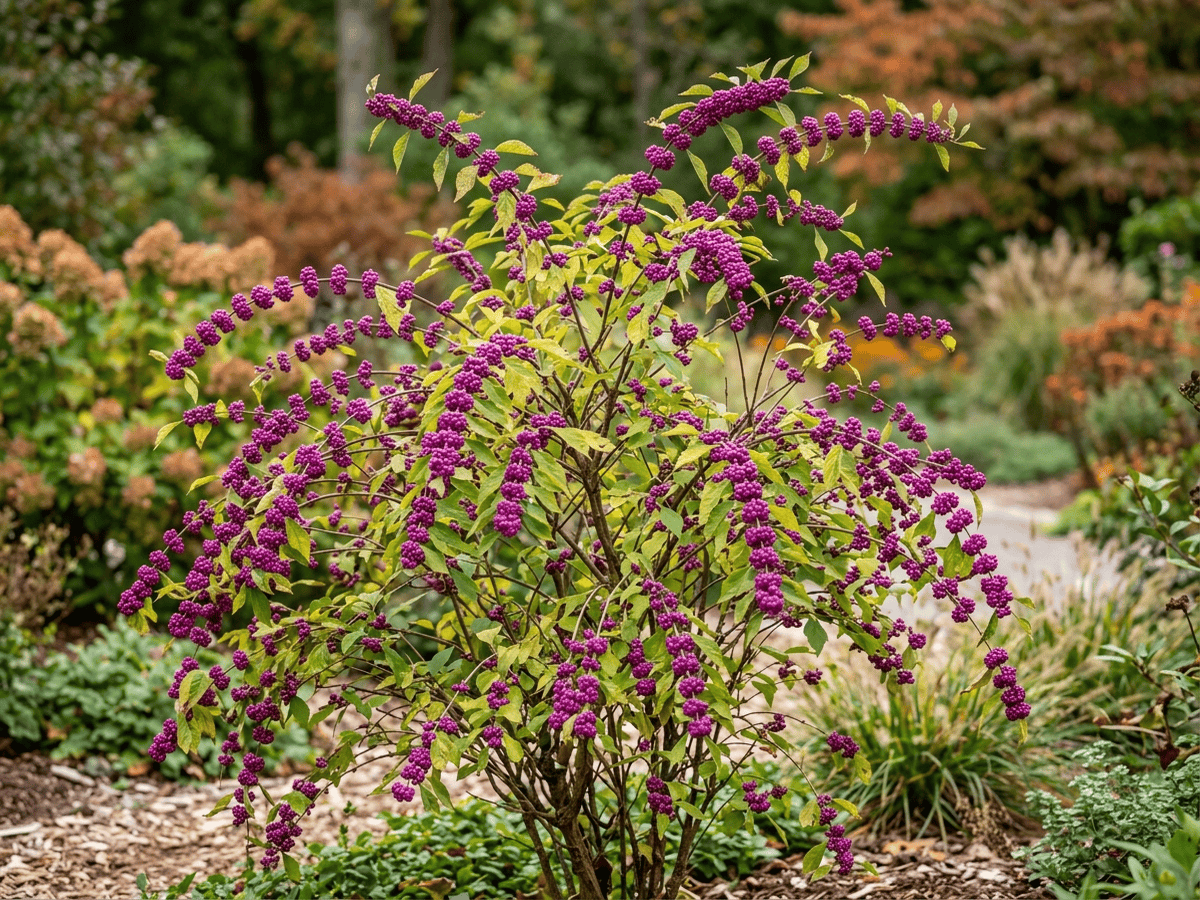 American BeautyberryCallicarpa americana
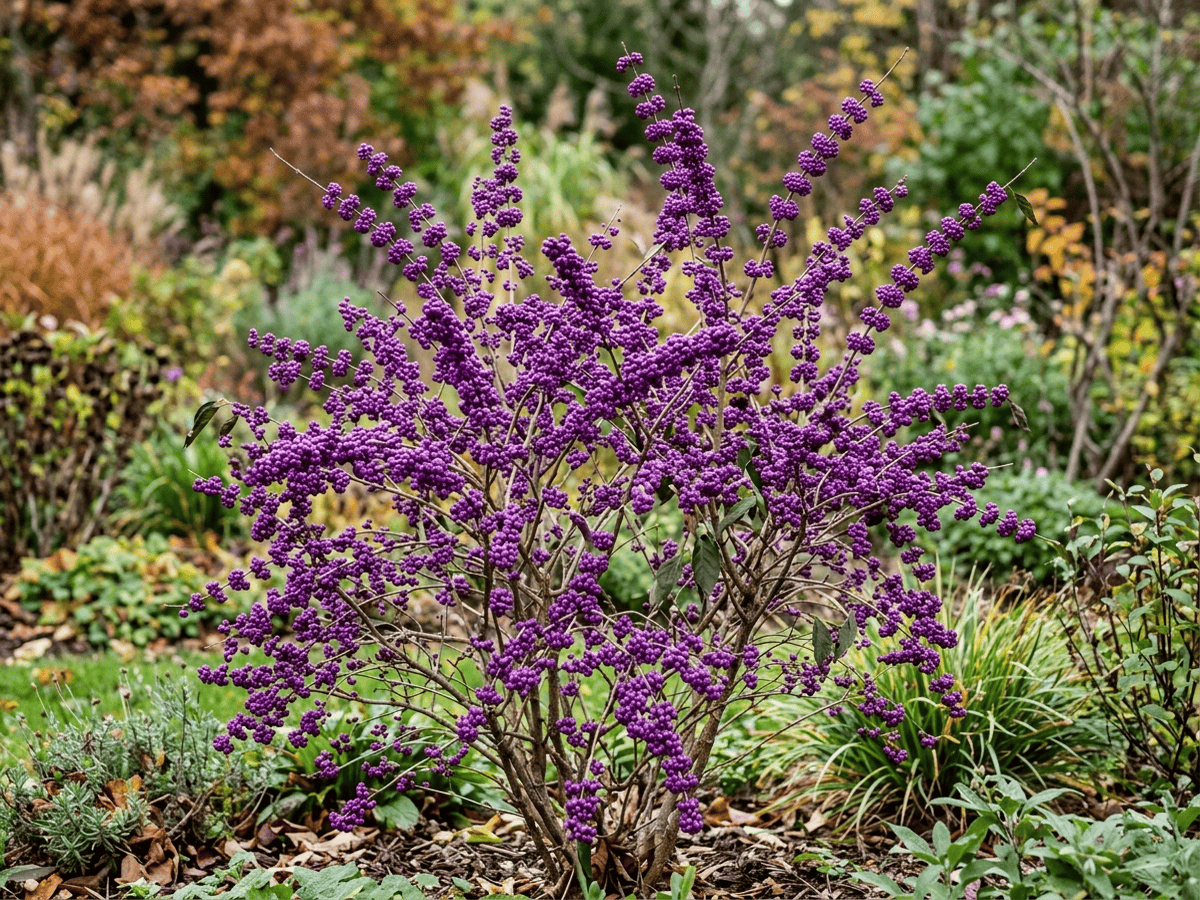 Bodinier's BeautyberryCallicarpa bodinieri
 Purple BeautyberryCallicarpa dichotoma
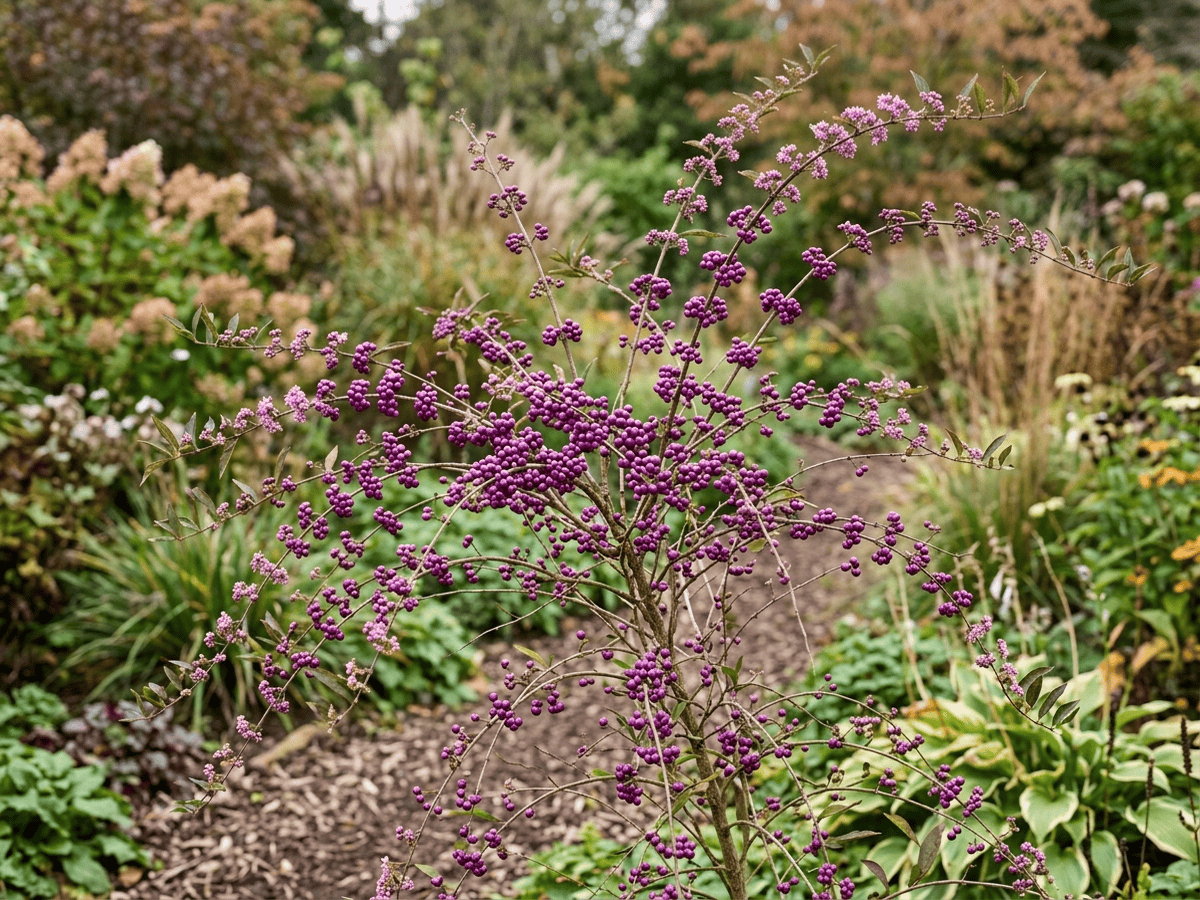 Callicarpa giraldiiCallicarpa giraldii
Plants with similar care
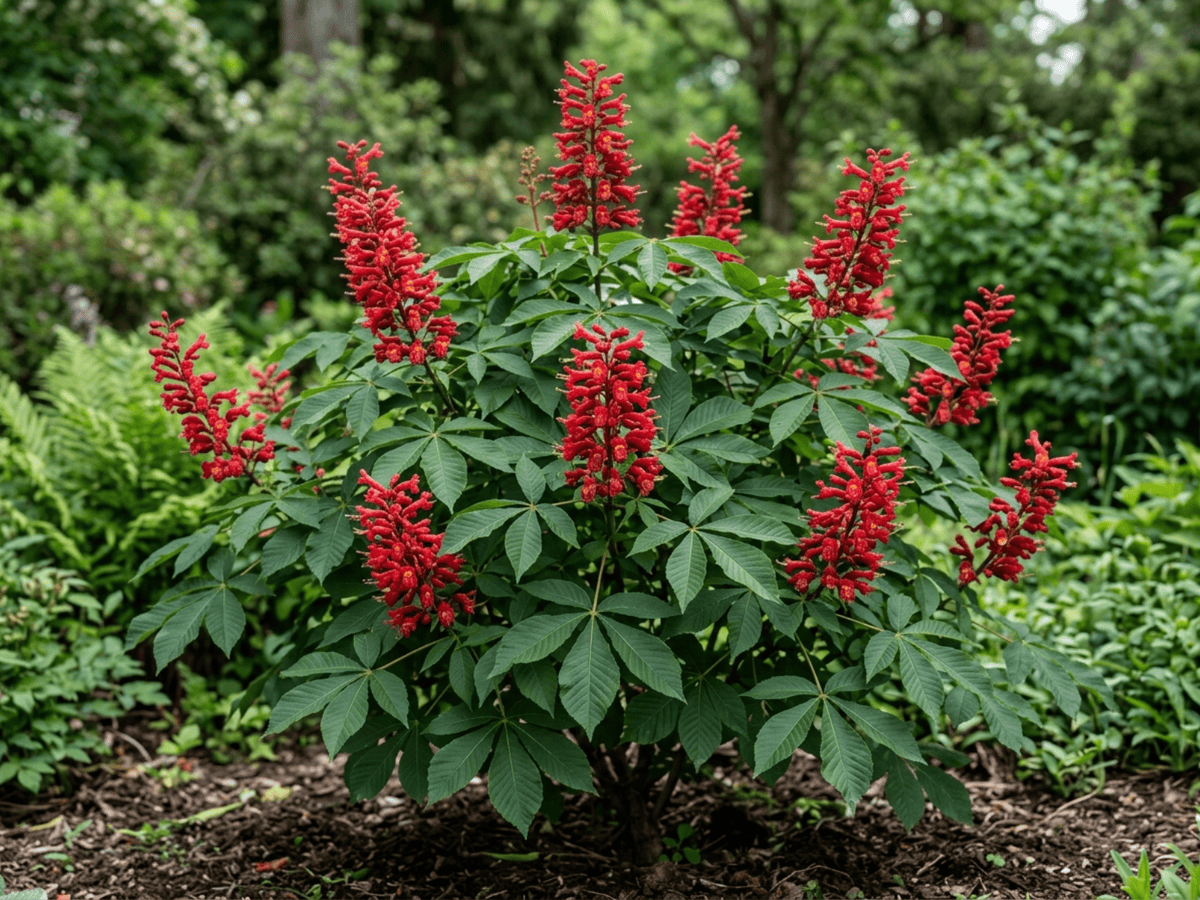 Red BuckeyeAesculus pavia
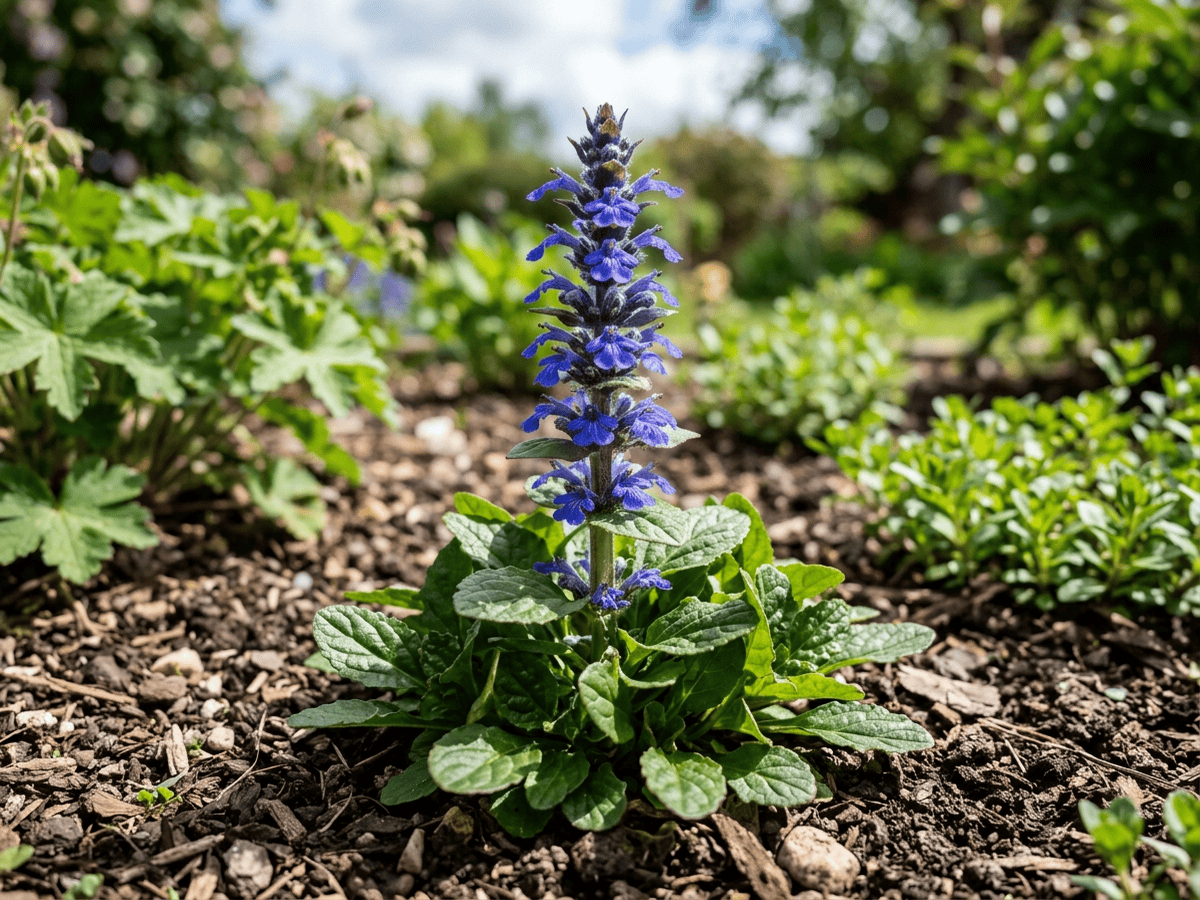 Blue BugleAjuga genevensis
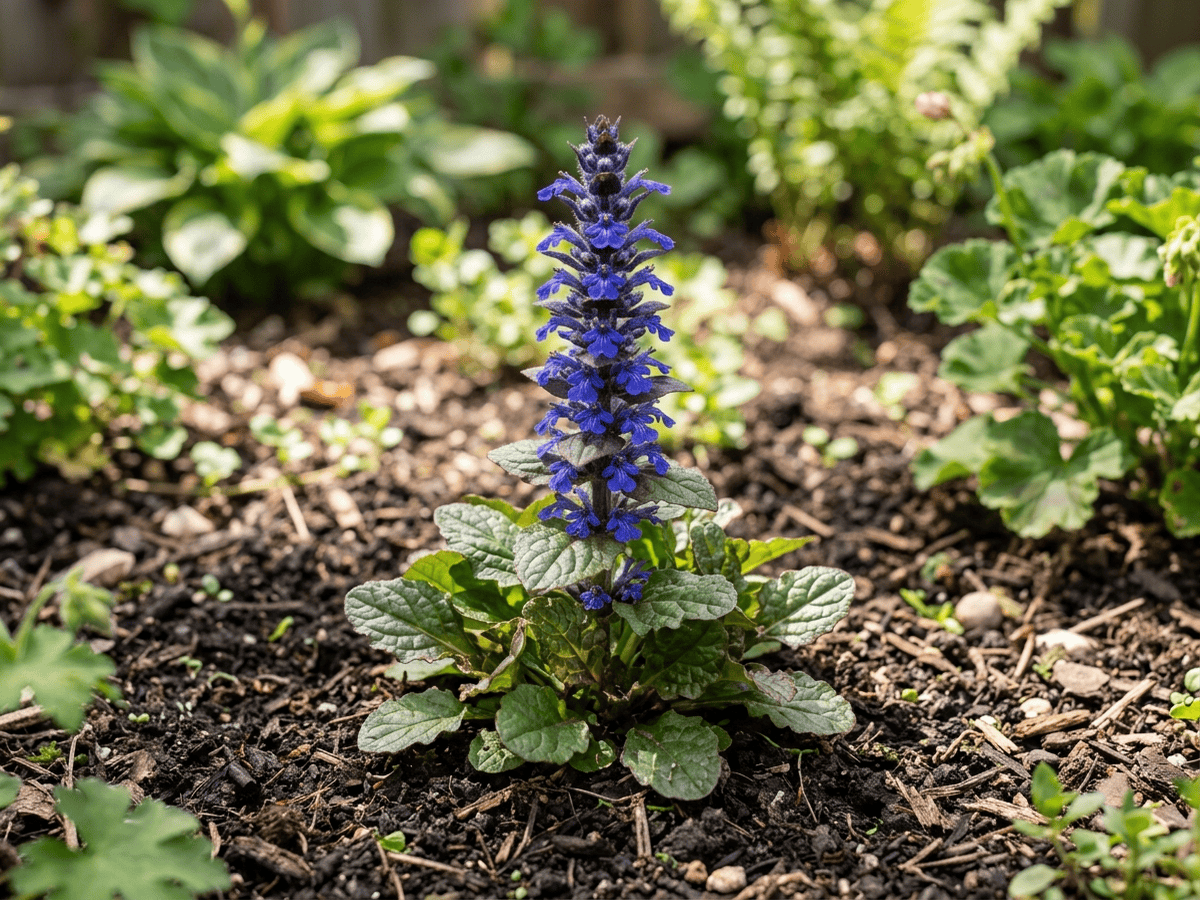 Pyramidal BugleAjuga pyramidalis
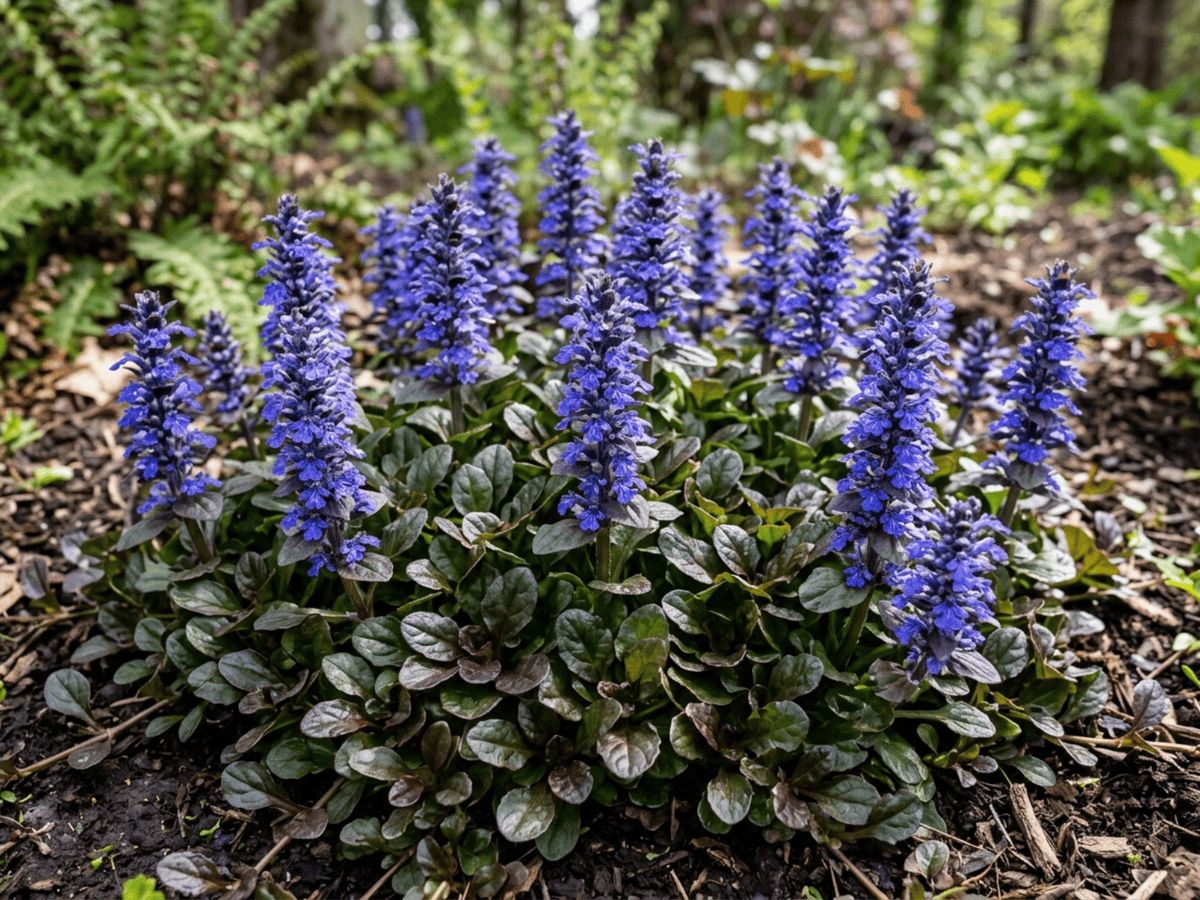 Carpet BugleAjuga reptans
Frequently asked questions
How often should I water Japanese Beautyberry?
In summer, water about every 3 days; in winter, about every 14 days. Adjust for heat, pot size and drainage.
How much light does Japanese Beautyberry need?
Part shade: 2–4 hrs direct. Watch the leaves — scorching or stretching means the light needs adjusting.
Is Japanese Beautyberry toxic to cats or dogs?
No toxicity has been reported for this plant. Still, it is wise to keep pets from chewing on any houseplant. Educational information, not medical or veterinary advice. If exposure is suspected, contact a doctor or veterinarian.
Is Japanese Beautyberry easy to grow?
Yes — it is considered an easy, beginner-friendly plant.
When does Japanese Beautyberry bloom?
It typically blooms Jun–Aug in the Northern Hemisphere.
YardMate
Identify any plant in seconds
Snap a photo — YardMate names the plant, diagnoses problems, and reminds you when to water.
Download on the App Store