 YardMate


Hairy Bittercress
Cardamine hirsuta
Easy · Beginner friendlyAbout Hairy Bittercress
Hairy Bittercress is a small European winter annual mustard naturalized throughout the US, forming low basal rosettes of compound leaves with small rounded leaflets and sending up short stems topped with tiny white four-petal flowers followed by slender upright seed pods that explosively release seeds when touched. A universal weed of lawns, nursery containers, and flower beds, especially notorious for hitchhiking into gardens on newly purchased nursery plants.
- Edible
How to care for Hairy Bittercress
Watering
- Springevery 7 days
- Summerevery 5 days
- Fallevery 10 days
- Winterevery 14 days
Soil · Rich & well-draining
- Top dressingCompost10%
- Main mixPotting soil + compost 3:180%
- DrainageGravel10%
Top up the compost layer each season.
FERTILIZER
This plant needs little to no feeding.
At a Glance
- NativeEurope, Western Asia
- Height0.3–0.8 ft (0.1–0.2 m)
- Spread0.3–0.5 ft (0.1–0.2 m)
- Flower colorWhite
- Foliage colorGreen
- Fruit colorGreen, Brown
- SoilWell-drained, Loamy
- LocationsYard
Bloom time
BLOOM CYCLE
Peak bloom
Feb–May
Tiny white flowers February through May
Toxicity
No toxicity has been reported for this plant. Still, it is wise to keep pets from chewing on any houseplant.
Educational information, not medical or veterinary advice. If exposure is suspected, contact a doctor or veterinarian.
DISTRIBUTION


- Native
- Introduced
- Europe
- Western Asia
History

Cardamine hirsuta is native to Europe and western Asia. Linnaeus described it in Species Plantarum (1753). The genus name derives from Greek 'kardamon' — its peppery flavor linking it to cress — and the species is part of the Brassicaceae family with the characteristic spicy mustard-oil compounds.
Young leaves and flowers have a peppery watercress-like flavor and are used in European spring salads and as a garnish. It has become one of the most common weeds in horticultural container production worldwide because seeds hitchhike in nursery potting media; mature seedpods explosively launch seeds up to 3 meters when touched, contaminating surrounding pots and neighboring property. Genome-scale studies have made C. hirsuta a model organism for studying how seed-pod dehiscence evolved.
It blooms across winter in mild climates. Native to Europe, introduced to North America centuries ago and now one of the most widespread weeds in the American nursery trade. Hitchhikes into gardens on purchased nursery plants, then releases explosive seeds to establish in surrounding beds. Modern foragers enjoy the peppery leaves as a free winter salad green.
Symbolism & meaning
What It Symbolizes
Hairy Bittercress is a small sharp joy for the patient forager — tiny rosettes pack a peppery bite welcome in early-spring salads. It is also the classic nursery stowaway, arriving uninvited in the soil of newly bought pots and seeding itself with quiet enthusiasm. Its meaning is ecological observation: a reminder that the most determined wild greens often travel by way of garden centers, not woods.
- Small sharp joy — tiny plants pack peppery flavor
- Nursery stowaway — arrives uninvited in pots of purchased plants
Where the Name Comes From
'Cardamine' from Greek 'kardamon' an ancient plant name; 'hirsuta' from Latin means hairy, for the small hairs on leaves and stems.
Uses & Fun Facts
- Peppery young leaves eaten in salads as wild cress
Related plants
Plants with similar care
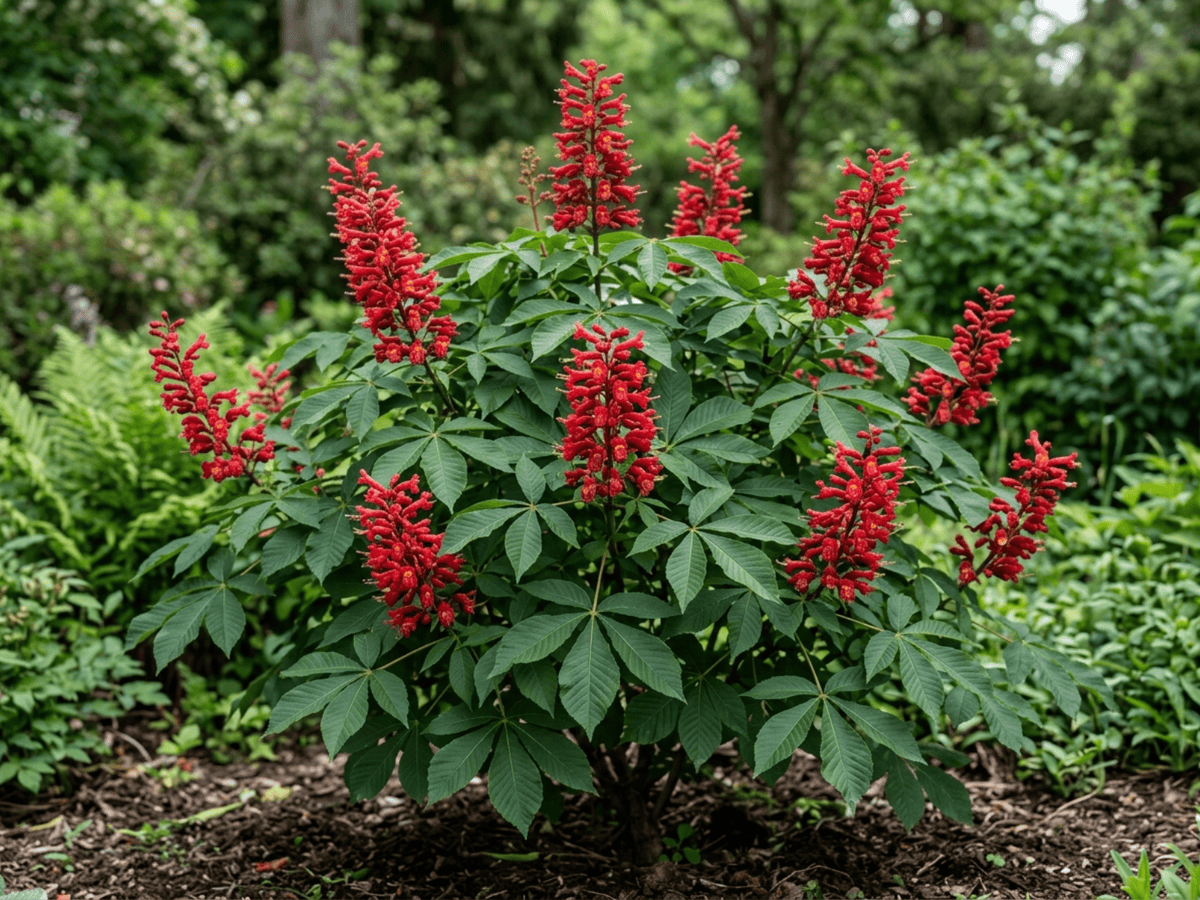 Red BuckeyeAesculus pavia
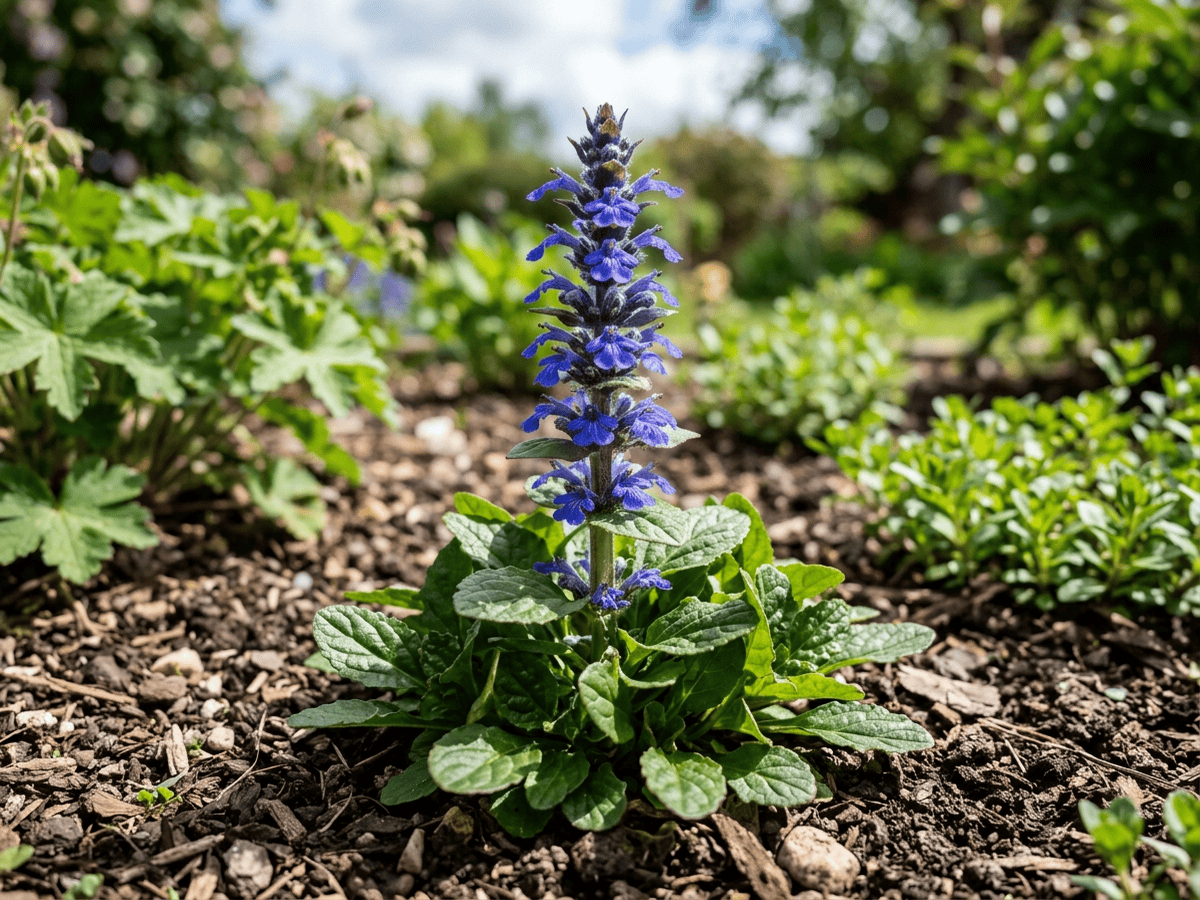 Blue BugleAjuga genevensis
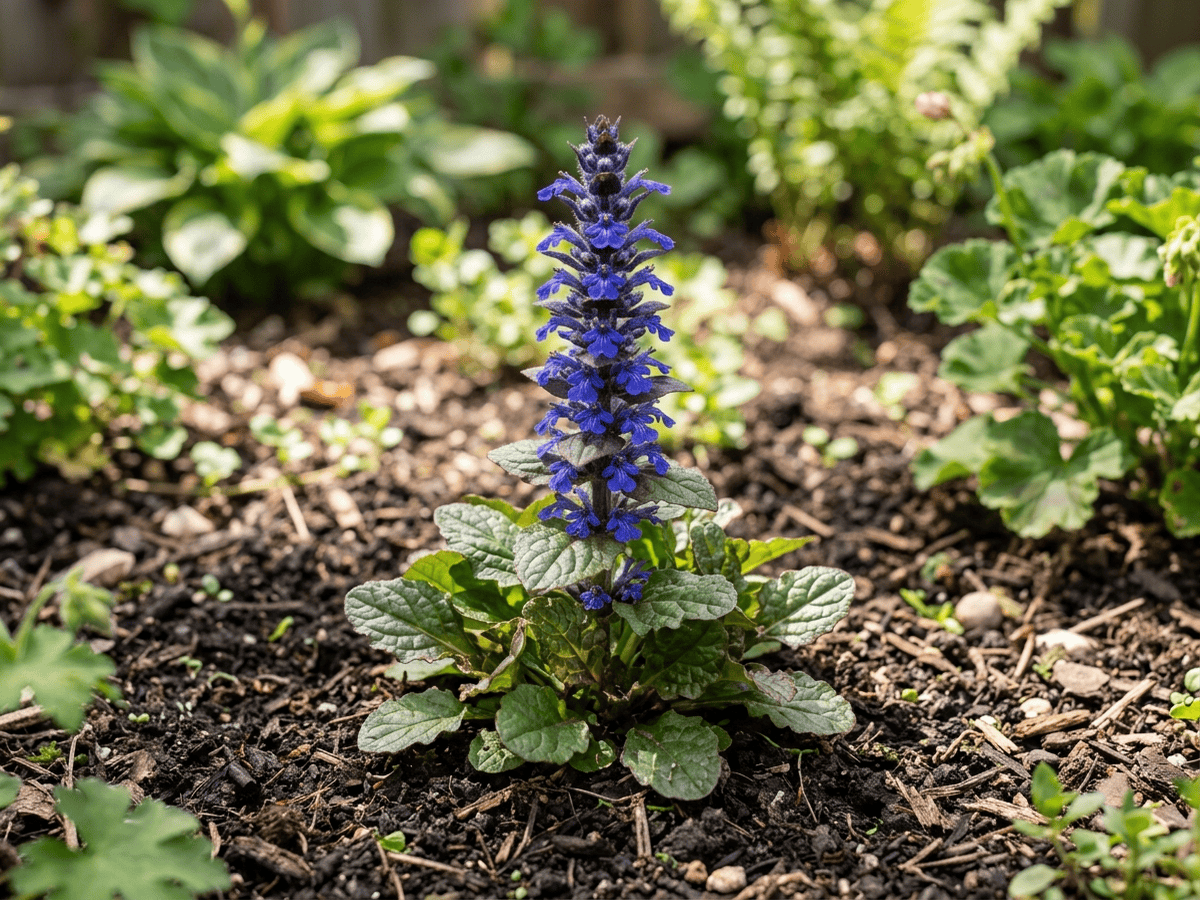 Pyramidal BugleAjuga pyramidalis
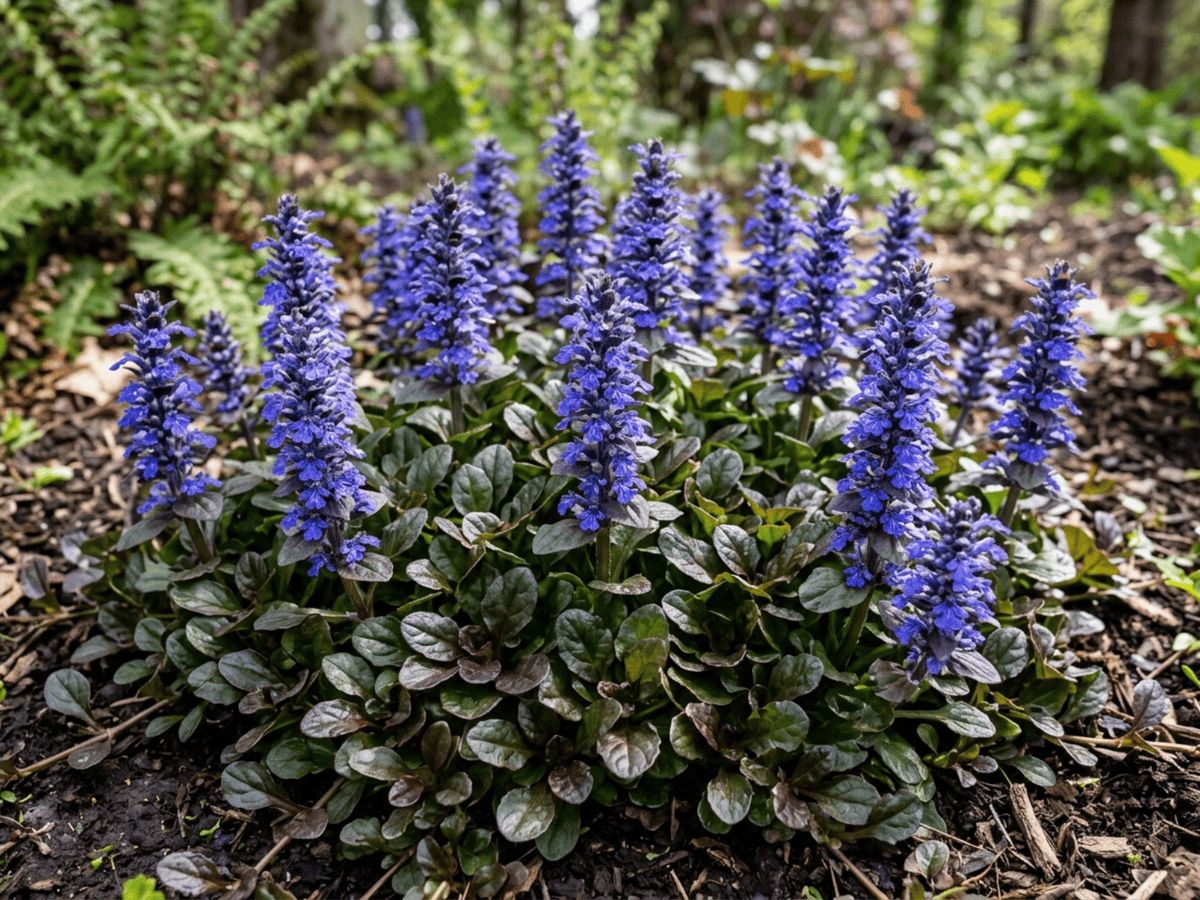 Carpet BugleAjuga reptans
Frequently asked questions
How often should I water Hairy Bittercress?
In summer, water about every 5 days; in winter, about every 14 days. Adjust for heat, pot size and drainage.
How much light does Hairy Bittercress need?
Part shade: 2–4 hrs direct. Watch the leaves — scorching or stretching means the light needs adjusting.
Is Hairy Bittercress toxic to cats or dogs?
No toxicity has been reported for this plant. Still, it is wise to keep pets from chewing on any houseplant. Educational information, not medical or veterinary advice. If exposure is suspected, contact a doctor or veterinarian.
Is Hairy Bittercress easy to grow?
Yes — it is considered an easy, beginner-friendly plant.
When does Hairy Bittercress bloom?
It typically blooms Feb–May in the Northern Hemisphere.
YardMate
Identify any plant in seconds
Snap a photo — YardMate names the plant, diagnoses problems, and reminds you when to water.
Download on the App Store