 YardMate
Saguaro
Carnegiea gigantea
Hard · Experienced growersAbout Saguaro
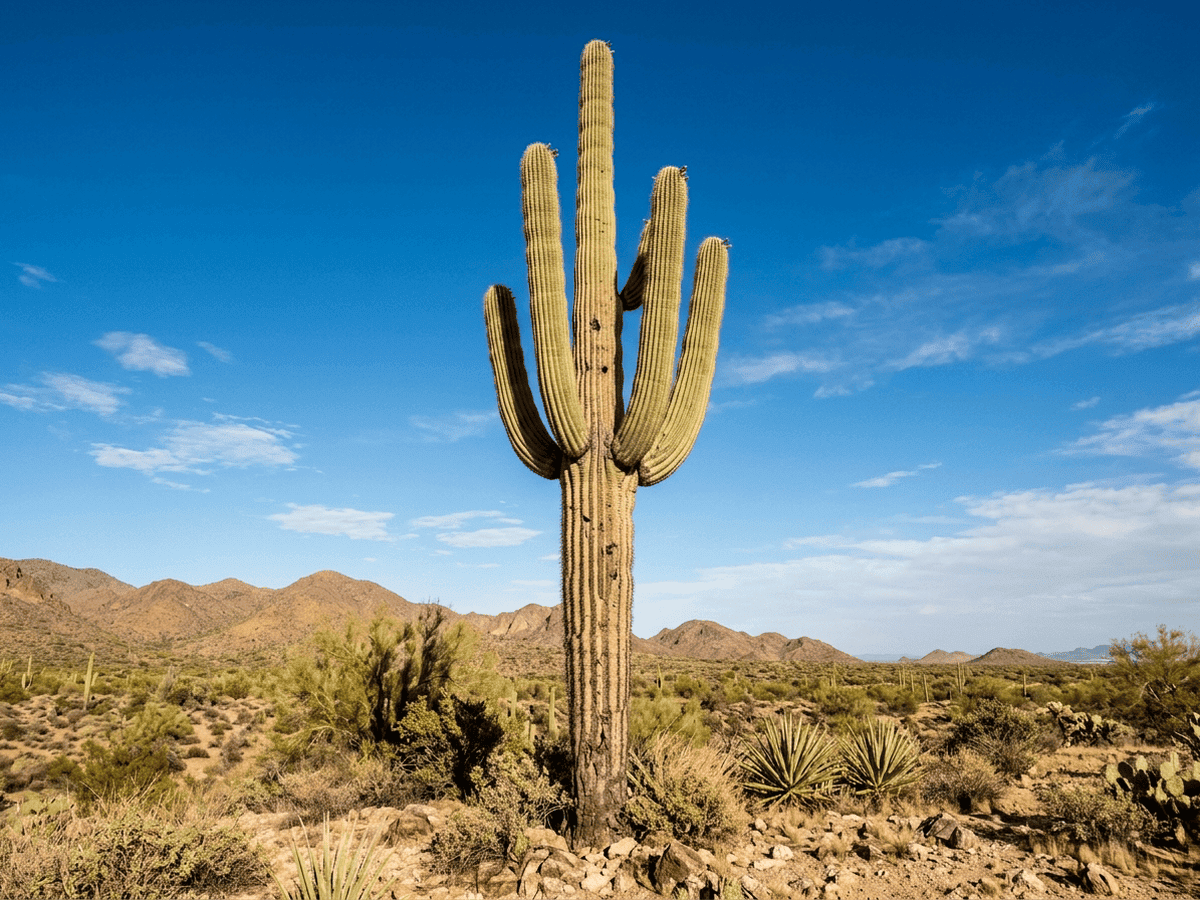
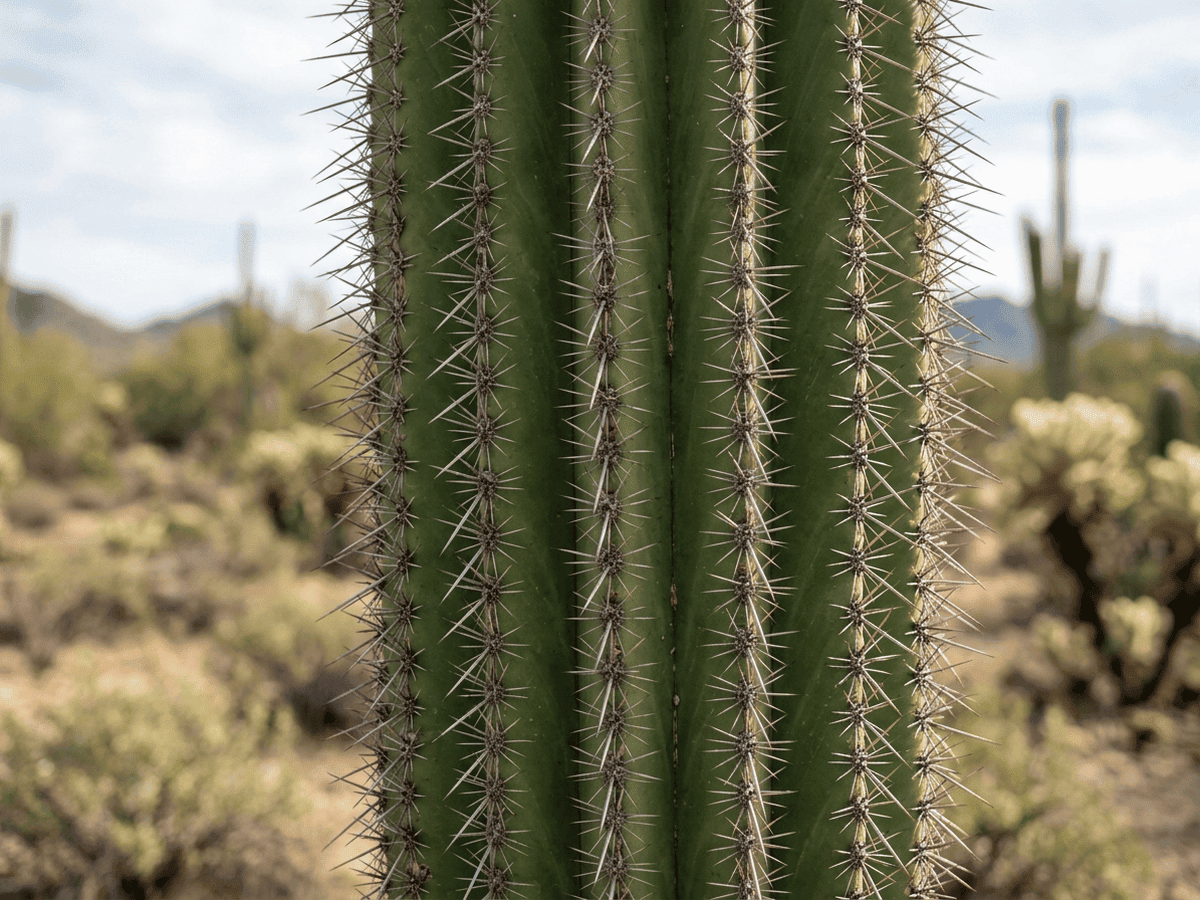
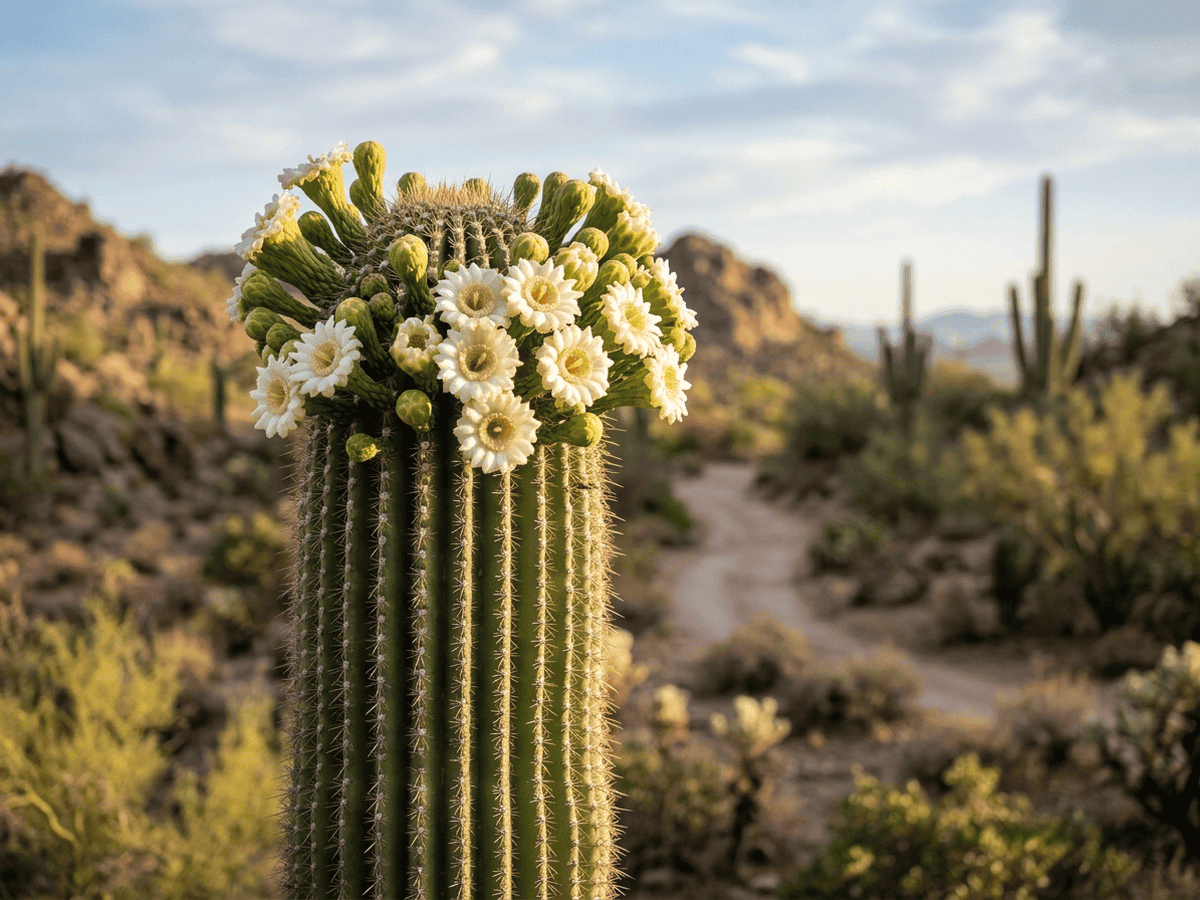
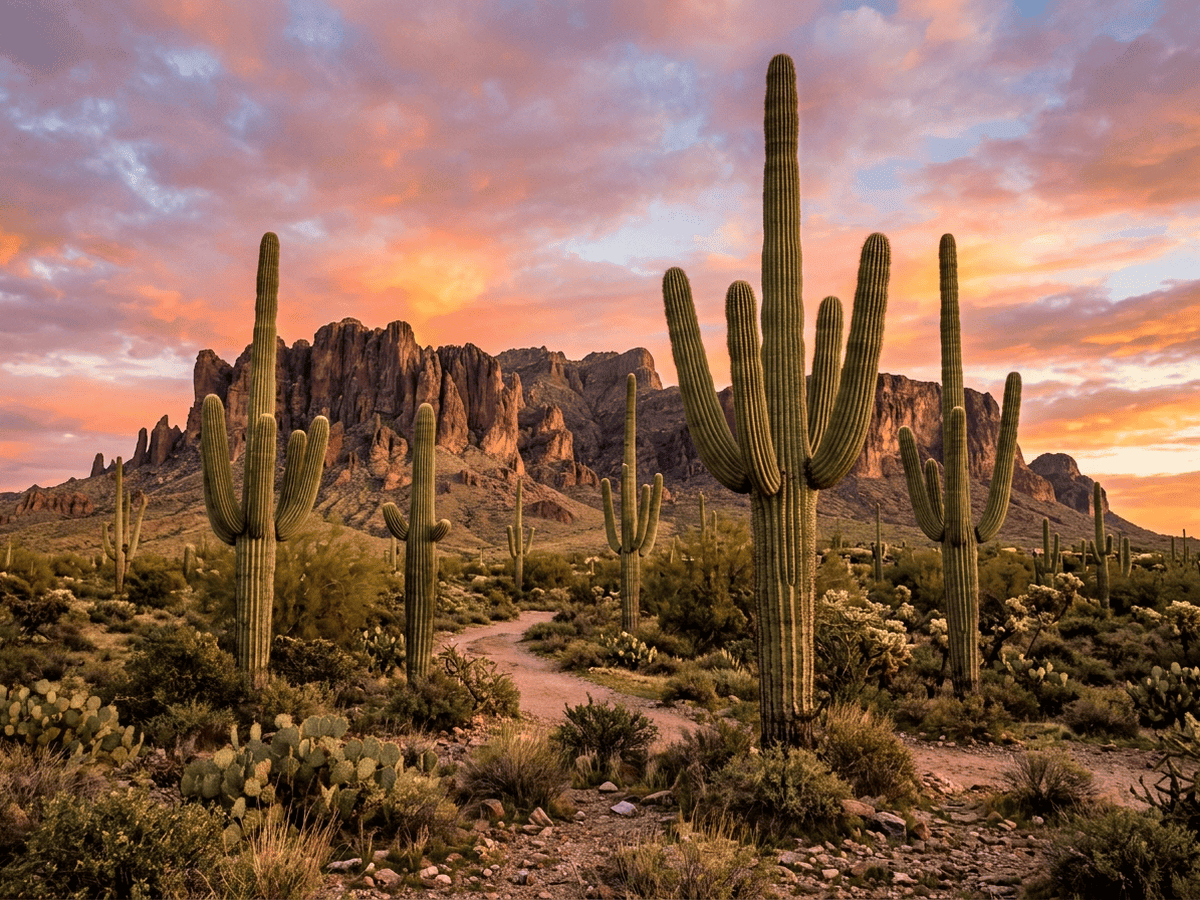
Carnegiea gigantea—the Saguaro—is the iconic columnar cactus of the Sonoran Desert, native to southern Arizona, extreme southeastern California, and northwestern Mexico. Growing 40–50 feet tall over a lifespan of 150–200 years, it develops its characteristic branching arms only after 75 years or more, each arm potentially weighing hundreds of pounds. White waxy flowers bloom nocturnally in May and June, pollinated by lesser long-nosed bats and white-winged doves; the red fruit that follows has sustained the Tohono O'odham people's harvest traditions for millennia. The Saguaro is the state flower of Arizona and a protected species—removing or harming one without a permit is illegal. In gardens, young specimens are prized for desert and xeriscape landscapes, growing with the extreme patience their long lifespan demands.
- Drought-tolerant
- Pollinator-friendly
- Showy-fruit
- Slow-growing
- Edible
How to care for Saguaro
Watering
- Springevery 30 days
- Summerevery 15 days
- Fallevery 30 days
- Winterpause watering
Soil · Fast-draining
- Main mixSand + pumice + soil 1:1:150%
- DrainagePumice / gravel50%
Keep grit at half the mix or more — this soil is meant to dry out fast.
FERTILIZER
Cactus & Succulent Feed 2-7-7
Hold the nitrogen back and growth stays compact instead of soft and stretched. Phosphorus and potassium carry the roots and the flowering.
- Nitrogen · Leaves
- Phosphorus · Roots + Blooms
- Potassium · Strength
- Springevery 30 days
- Summerevery 60 days
At a Glance
- NativeNorth America
- Height30–50 ft (9.1–15.2 m)
- Spread10–20 ft (3–6.1 m)
- Flower colorWhite
- Foliage colorGreen
- Fruit colorGreen, Red
- SoilWell-drained, Sandy
- LocationsYard · Balcony
Bloom time
BLOOM CYCLE
Peak bloom
May–Jun
Flowers are large and white, blooming in late spring.
Fragrance
LIGHT FRAGRANCE
Nocturnal white flowers have a faint sweet fragrance; bloom at night to attract bat pollinators.
Toxicity
No toxicity has been reported for this plant. Still, it is wise to keep pets from chewing on any houseplant.
Educational information, not medical or veterinary advice. If exposure is suspected, contact a doctor or veterinarian.
DISTRIBUTION


- Native
- North America
History
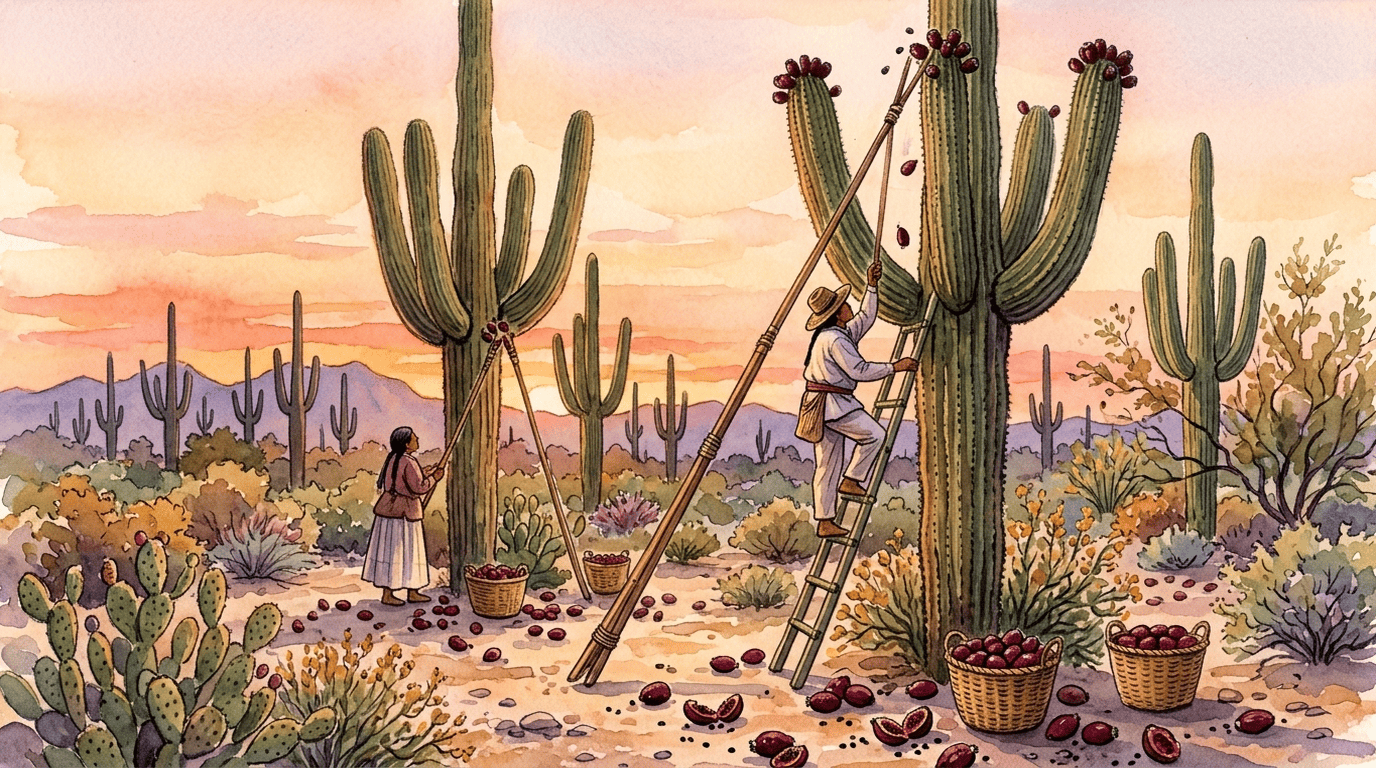
Long before European contact, the Tohono O'odham people of southern Arizona built their ceremonial calendar around the saguaro. The bahidaj—the ripe red saguaro fruit—is the first harvest of summer, arriving in June and July when the desert heat is at its most intense. To reach the fruit at the tops of 40-foot cacti, O'odham harvesters use the kuipad: a long pole made by lashing together two or three dried saguaro ribs, tipped with a crosspiece. Working at dawn to avoid the worst heat, they knock the fruit down with expert precision, collecting it in baskets woven for the purpose.
The fresh fruit is eaten immediately, sweet and intensely red. The remainder is boiled into syrup—sitol—or dried and stored. A portion is fermented into a ceremonial wine called hasan bajio, and the harvest ends with a two-day rain-calling ceremony in which the community drinks the wine communally, in the belief that the intoxication mimics the saturation of the earth in the coming monsoon rains. It is one of the most ancient continuous agricultural ceremonies in North America.
The botanical name Carnegiea gigantea was given in 1908 by botanists Nathaniel Lord Britton and Joseph Nelson Rose, who named the genus for Andrew Carnegie in recognition of Carnegie's funding of the Desert Laboratory in Tucson—an early research station established specifically to study the Sonoran Desert. The Saguaro thus carries, in its scientific name, both the story of its ecological centrality to the Indigenous peoples of the desert and the story of the Gilded Age philanthropy that first brought rigorous Western science to the Sonoran.
Symbolism & meaning
What It Symbolizes
A mature saguaro is 150 years old. The one you walk past may have been a seedling when your great-great-grandmother was born. It has outlasted drought, flood, freeze, and fire. The O'odham harvest it with gratitude and ceremony because they understand what it has endured to produce that fruit.
- patient endurance — The saguaro grows an inch a year in youth, earns its arms after a century of patience—a monument to the virtue of slow, deliberate becoming.
- desert abundance — In a landscape that looks barren to outsiders, the saguaro feeds bats, birds, and people—proof that abundance exists everywhere for those who understand the terms.
Where the Name Comes From
Carnegiea honors Andrew Carnegie (1835–1919), whose philanthropy funded the Desert Laboratory in Tucson where early botanical research on the Sonoran Desert was conducted. The species name gigantea comes from the Latin gigas (giant), describing the cactus's extraordinary size. Saguaro is from the Tohono O'odham language, the Indigenous people of the Sonoran Desert who have harvested the fruit for thousands of years.
Uses & Fun Facts
- Ripe fruit eaten fresh by the Tohono O'odham; traditionally made into sitol (syrup) and hasan bajio (fermented ceremonial wine); seeds ground into a nutritious paste
- Nocturnal flowers attract lesser long-nosed bats and white-winged doves; woodpecker cavities in the trunk become nest sites for elf owls, kestrels, and other cavity-nesting species
- The iconic plant of the Sonoran Desert landscape; slow-growing but extraordinarily long-lived in xeriscape, desert, and arid garden settings
Related plants
Plants with similar care
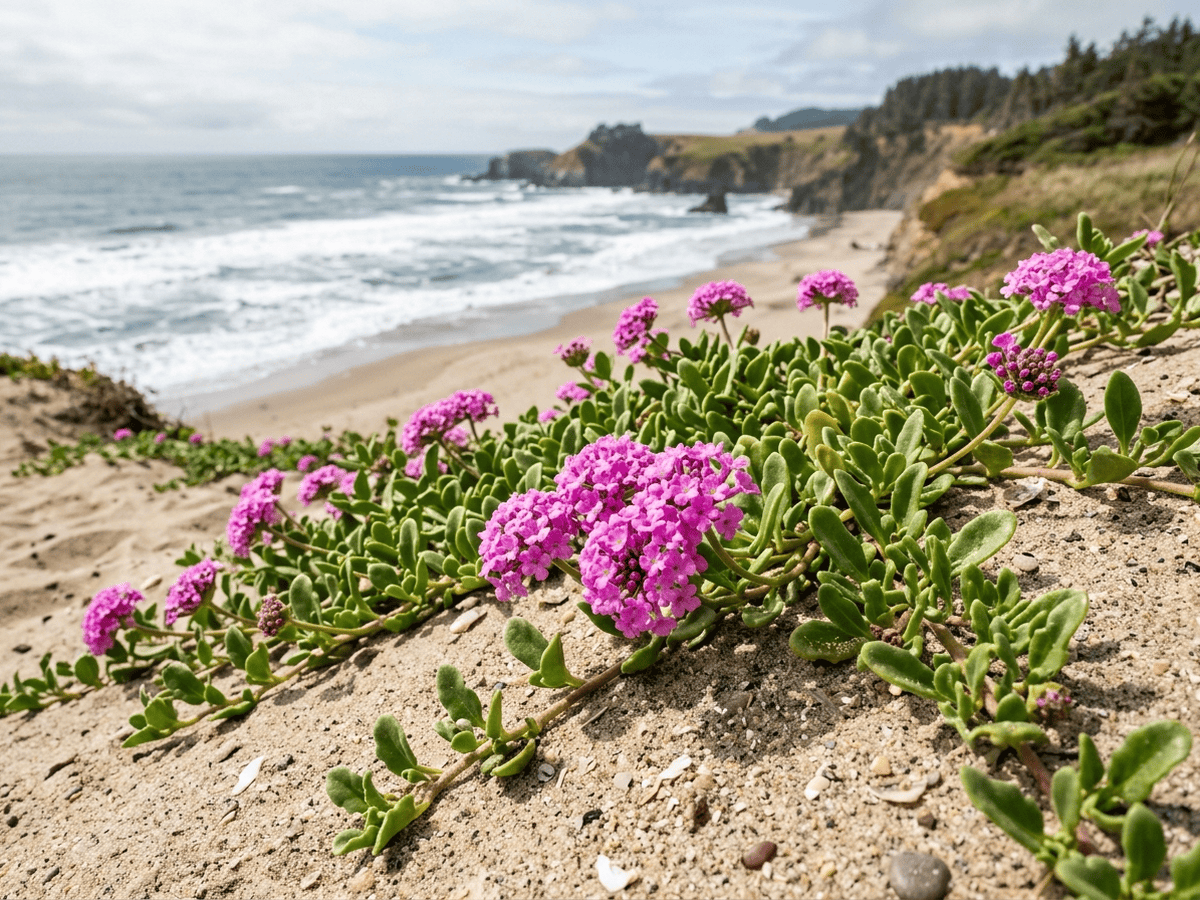 Pink Sand VerbenaAbronia umbellata
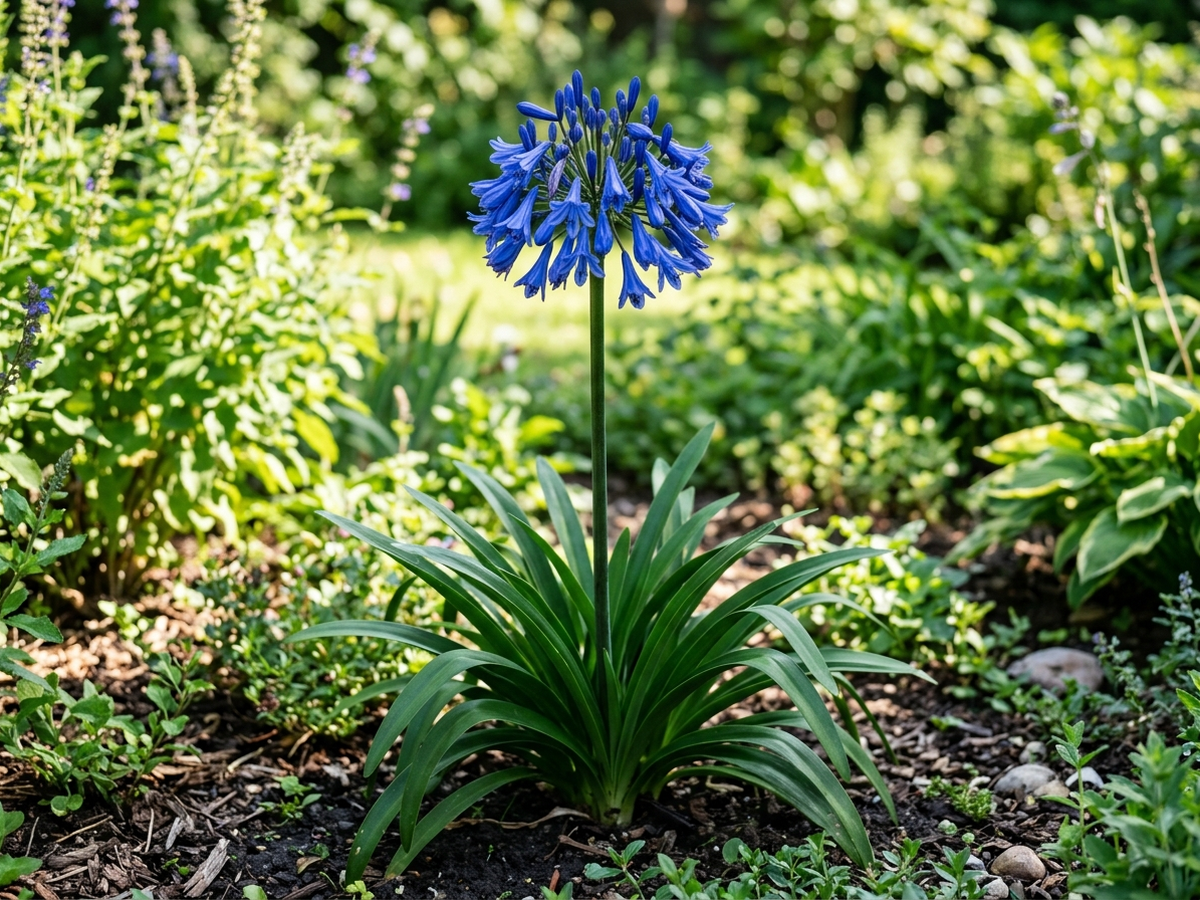 Drooping AgapanthusAgapanthus inapertus
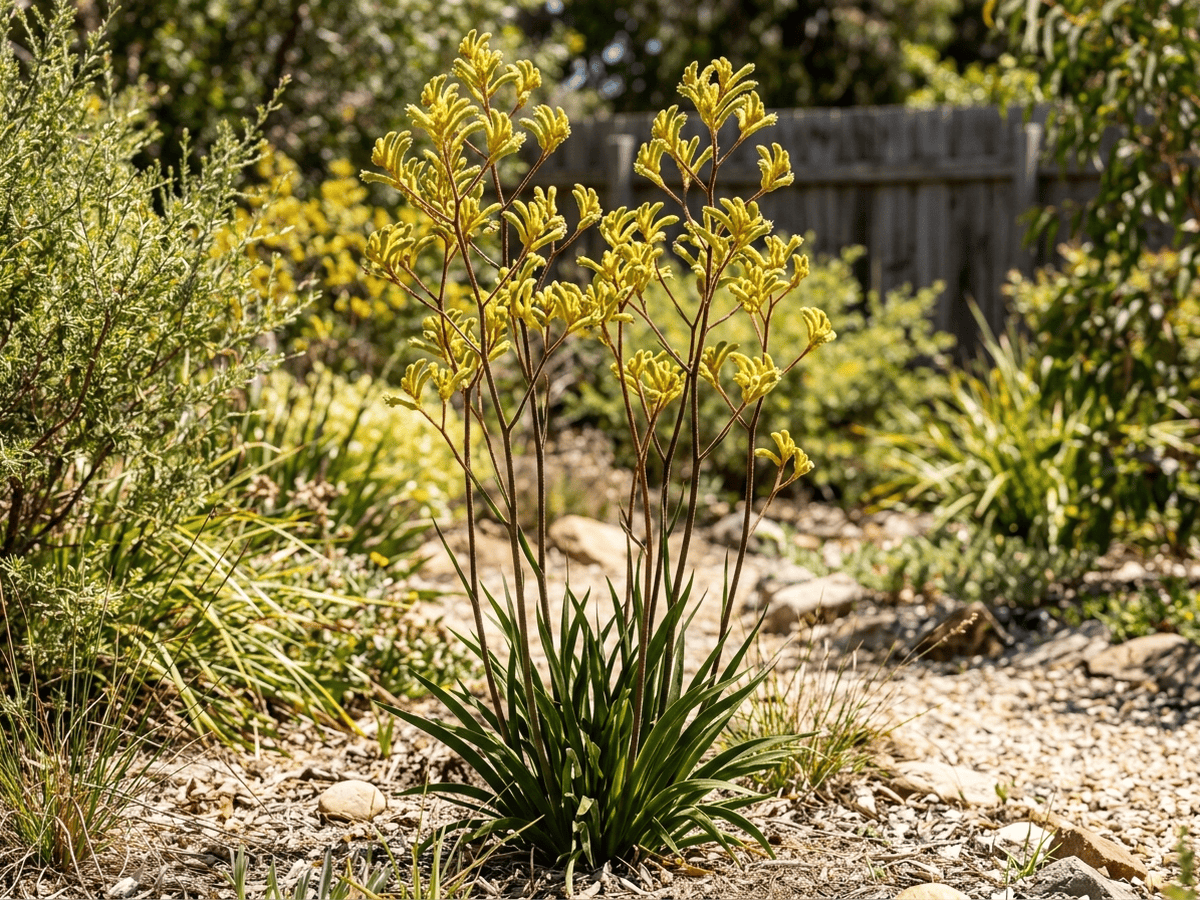 Tall Kangaroo PawAnigozanthos flavidus
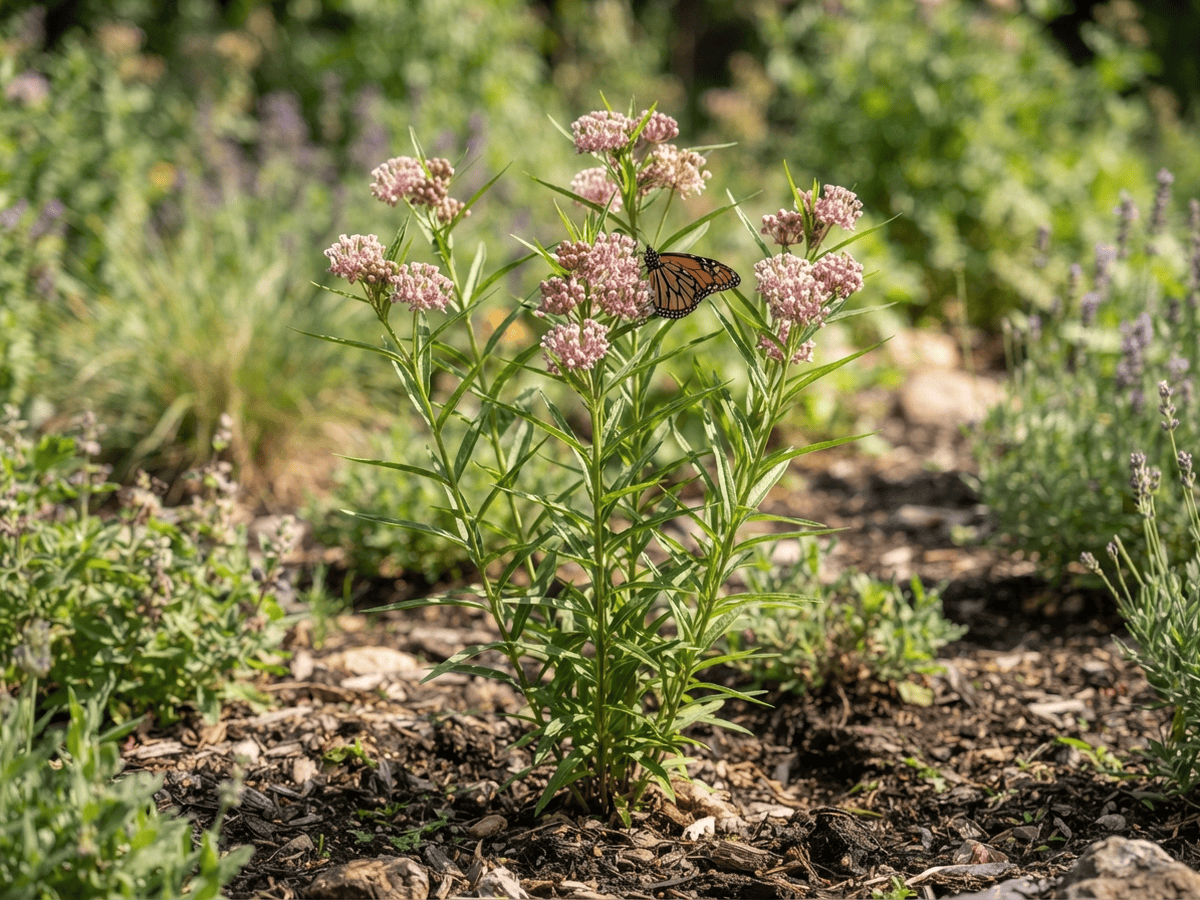 Narrowleaf MilkweedAsclepias fascicularis
Frequently asked questions
How often should I water Saguaro?
Water about every 30 days during the growing season, and always let excess water drain away.
How much light does Saguaro need?
Full sun: 6+ hrs direct. Watch the leaves — scorching or stretching means the light needs adjusting.
Is Saguaro toxic to cats or dogs?
No toxicity has been reported for this plant. Still, it is wise to keep pets from chewing on any houseplant. Educational information, not medical or veterinary advice. If exposure is suspected, contact a doctor or veterinarian.
Is Saguaro easy to grow?
It is considered challenging and rewards experienced growers.
When does Saguaro bloom?
It typically blooms May–Jun in the Northern Hemisphere.
YardMate
Identify any plant in seconds
Snap a photo — YardMate names the plant, diagnoses problems, and reminds you when to water.
Download on the App Store