 YardMate



Madagascar Periwinkle
Catharanthus roseus
Easy · Beginner friendlyAbout Madagascar Periwinkle
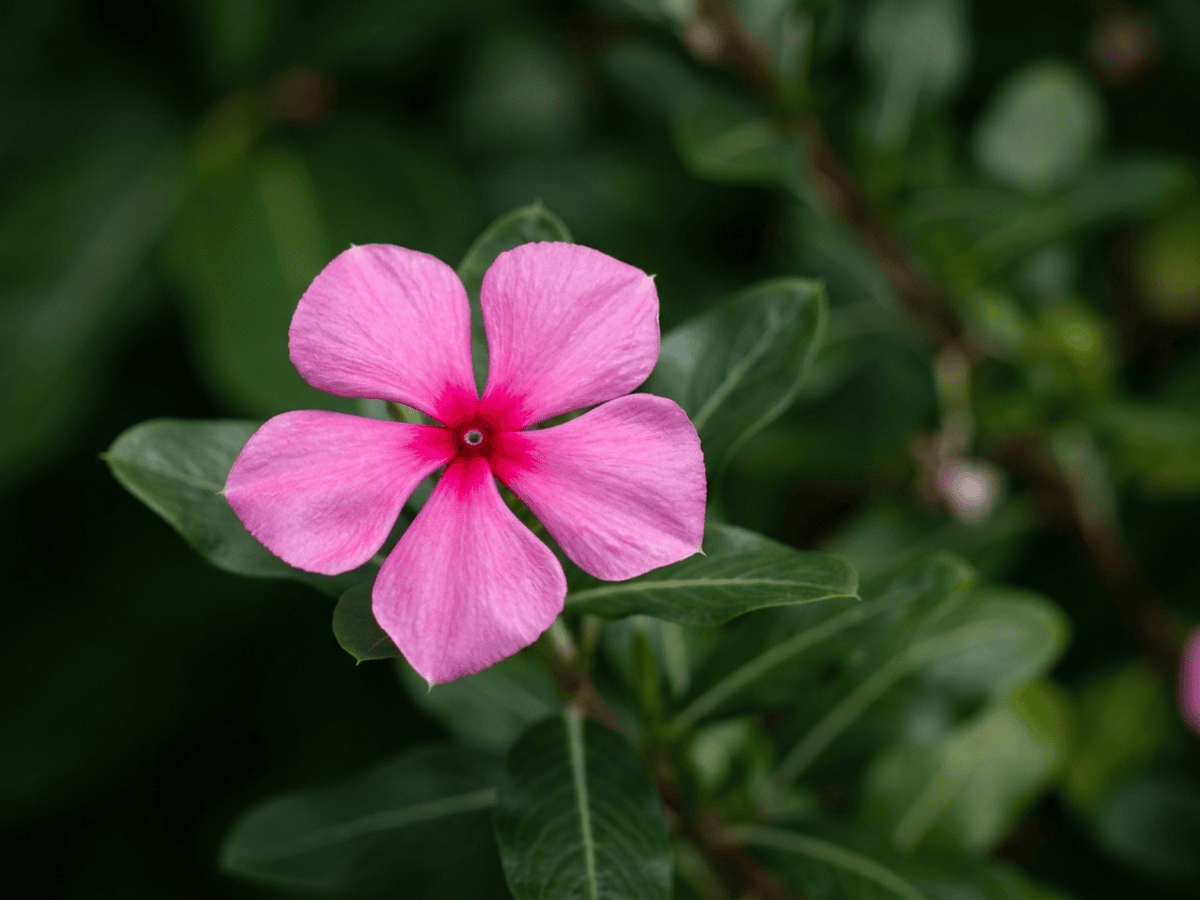
Catharanthus roseus, the Madagascar periwinkle, is a small evergreen perennial from Madagascar that has become one of the most medically important plants on Earth. Its cheerful pink, white, or mauve five-petaled flowers bloom tirelessly in blazing heat and poor soil, making it a garden staple across the tropics. But its greatest significance lies in its chemistry: the plant produces over 130 alkaloids, including vincristine and vinblastine — two compounds that revolutionized cancer treatment. Vincristine boosted childhood leukemia survival rates from 10% to over 90%, and vinblastine is a frontline treatment for Hodgkin's lymphoma. These alkaloids exist in such minute quantities that it takes approximately 500 kg of dried leaves to produce just 1 gram of vincristine. In the garden, it is remarkably tough, drought-tolerant, and disease-resistant, thriving in conditions that defeat most bedding plants. Modern cultivars come in a wide range of colors with contrasting eye zones.
- Medicinal
- Drought-tolerant
- Heat-tolerant
- Long-blooming
How to care for Madagascar Periwinkle
Watering
- Springevery 5 days
- Summerevery 4 days
- Fallevery 10 days
- Winterevery 21 days
Soil · Well-draining
- Top dressingPine bark mulch10%
- Main mixPotting soil + perlite 2:170%
- DrainageLECA / gravel20%
Never skip the drainage layer — standing water is the top cause of root rot.
FERTILIZER
Balanced Feed 14-14-14
An even feed covers all three needs at once, keeping leaves, roots and blooms moving together with nothing pushed out of balance.
- Nitrogen · Leaves
- Phosphorus · Roots + Blooms
- Potassium · Strength
- Springevery 30 days
- Summerevery 30 days
- Fallevery 30 days
At a Glance
- NativeAfrica
- Height1–2 ft (0.3–0.6 m)
- Spread1–2 ft (0.3–0.6 m)
- Flower colorPink, Red
- Foliage colorGreen
- SoilWell-drained, Sandy, Loamy
- LocationsYard · Indoor · Balcony
Bloom time
BLOOM CYCLE
Peak bloom
Jun–Aug
Pink, white, or mauve flowers with contrasting eyes; thrives in hot, dry beds
Fragrance
NO FRAGRANCE
No notable fragrance.
Toxicity
Humans Moderate · Pets Moderate
vincristine, vinblastine, catharanthine, and vindoline
Moderate
- All
- Ingestion
EXPOSURE Eating any part of the plant.
EFFECT Vinca alkaloids: severe GI upset, neurologic effects in quantity. Therapeutic use requires precise IV dosing — accidental ingestion is dangerous.
NOTE Documented concern for humans: Vinca alkaloids: severe GI upset, neurologic effects in quantity. Therapeutic use requires precise IV dosing — accidental ingestion is dangerous.
Moderate
- All
- Ingestion
EXPOSURE Eating any part of the plant.
EFFECT Vomiting, diarrhea, tremors, low blood pressure.
NOTE ASPCA lists Catharanthus as toxic to dogs, cats, and horses. The source of critical chemotherapy drugs.
Moderate
- All
- Ingestion
EXPOSURE Eating any part of the plant.
EFFECT Same as dogs.
NOTE ASPCA lists Catharanthus as toxic to dogs, cats, and horses. The source of critical chemotherapy drugs.
Educational information, not medical or veterinary advice. If exposure is suspected, contact a doctor or veterinarian.
DISTRIBUTION

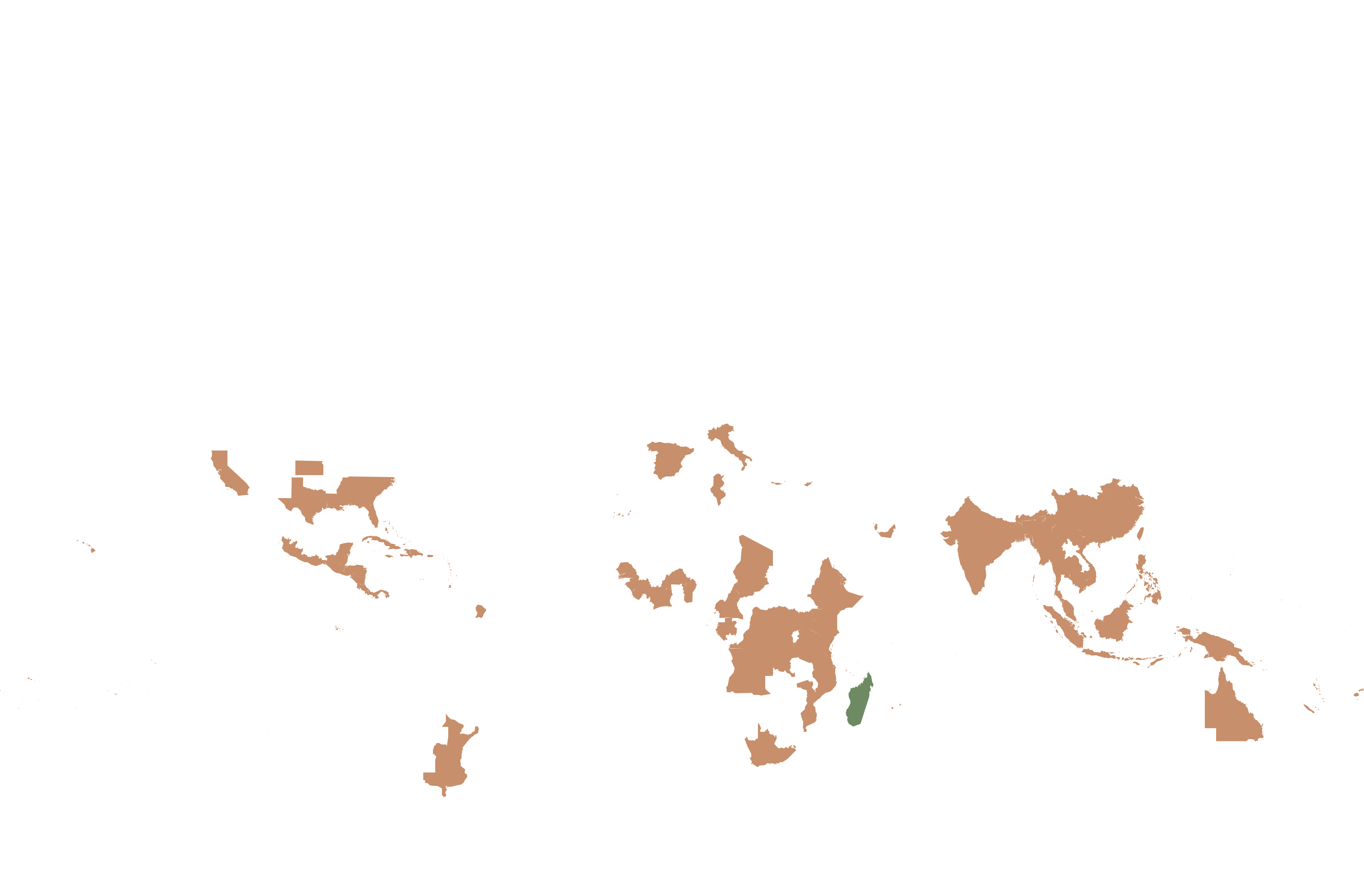
- Native
- Introduced
- Africa
History
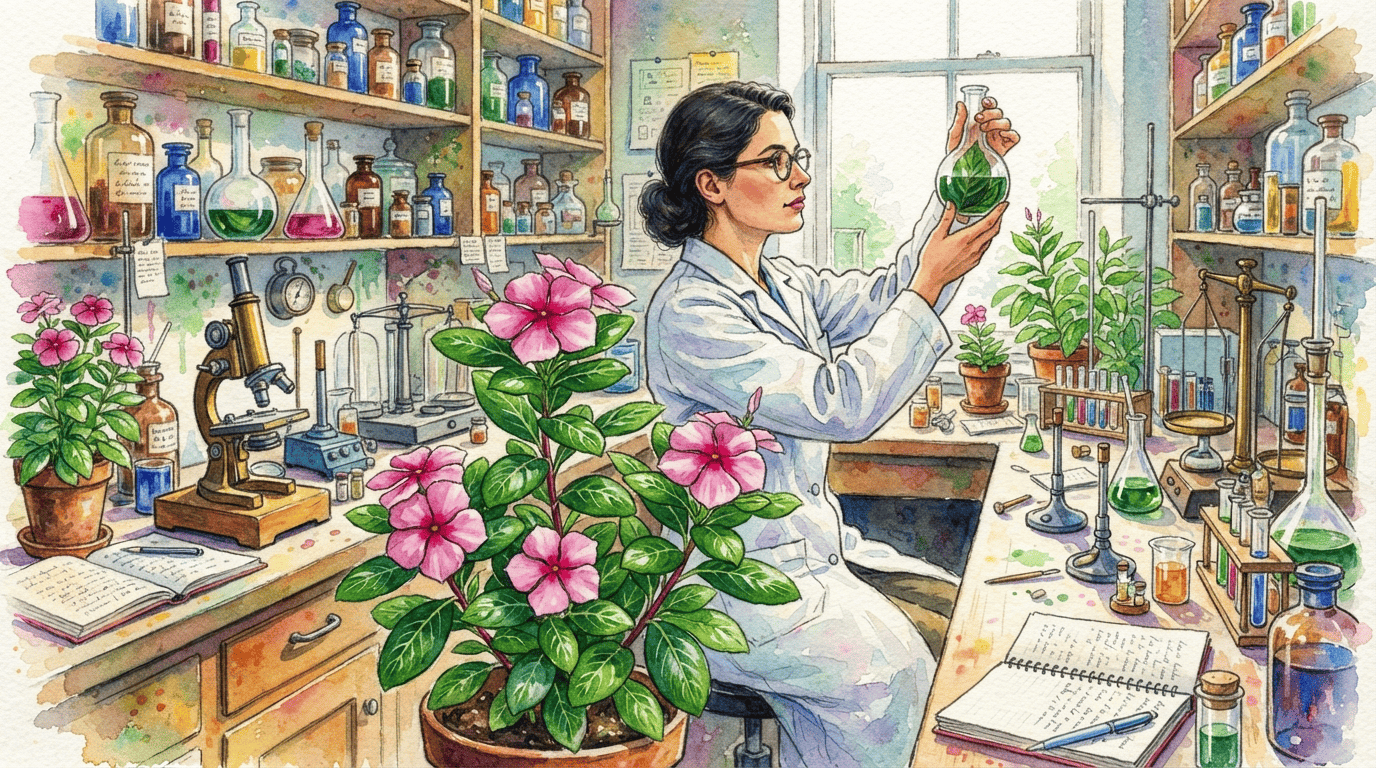
Catharanthus roseus is native to Madagascar, where wild populations still grow on coastal dune and sandy soils, and is now globally naturalized throughout the tropics as a hardy flowering perennial. It was widely distributed as an ornamental by European trade networks in the 18th and 19th centuries and appeared in Caribbean, Indian, and Southeast Asian folk medicine as a treatment for diabetes, high blood pressure, and various infections — a use that attracted 20th-century pharmaceutical attention. Beginning in the 1950s, Canadian researchers at the University of Western Ontario (Robert Noble and Charles Beer) and, independently, American researchers at Eli Lilly (Gordon Svoboda) isolated a family of dimeric indole alkaloids from C. roseus leaves: vinblastine (Velban, 1959) and vincristine (Oncovin, 1961). These two compounds are among the most important cancer chemotherapy drugs ever developed — vincristine in particular is a keystone of combination chemotherapy for childhood acute lymphoblastic leukemia, raising cure rates from approximately 10% in the 1950s to more than 90% today, and is a central drug for Hodgkin's lymphoma, Wilms' tumor, and several other cancers.
Both drugs remain on the WHO List of Essential Medicines. The plant's dual identity as a humble garden annual and as the source of two of the most important cancer drugs in human history is a frequently cited example in pharmacognosy. Catharanthus roseus has saved millions of lives.
In the 1950s, researchers at the University of Western Ontario investigated the plant's traditional use as a diabetes remedy in Jamaica and instead discovered its extraordinary anticancer alkaloids. The discovery — born from ethnobotanical leads in folk medicine — is considered one of the greatest triumphs of natural product pharmacology. Madagascar, the plant's homeland, ironically received little benefit from the billions earned by pharmaceutical companies, sparking ongoing debates about biopiracy and benefit-sharing with developing nations.
Symbolism & meaning
What It Symbolizes
Madagascar Periwinkle carries one of botany's most consequential modern stories. A cheerful tropical bedding plant became a source of compounds that changed pediatric leukemia history, while still blooming as if nothing so serious were hidden in its leaves. Its symbolism is unlikely significance: small flowers, enormous consequence.
- Healing — Source of lifesaving cancer drugs, symbolizing the power of nature to heal
- Resilience — Thrives in harsh conditions, mirroring the strength of those fighting illness
Where the Name Comes From
Catharanthus from Greek 'katharos' (pure) and 'anthos' (flower). Roseus means 'rose-colored' in Latin. Formerly classified as Vinca rosea.
Uses & Fun Facts
- Continuous pink and white flowers thrive in summer heat
- Source of vincristine and vinblastine cancer drugs
- Reliable bedding and pot annual for hot climates
Related plants
Plants with similar care
 Chinese AbeliaAbelia chinensis
 Fragrant AbeliaAbelia mosanensis
 Large-Flowered AbeliaAbelia uniflora
 Glossy AbeliaAbelia x grandiflora
Frequently asked questions
How often should I water Madagascar Periwinkle?
In summer, water about every 4 days; in winter, about every 21 days. Adjust for heat, pot size and drainage.
How much light does Madagascar Periwinkle need?
Full sun: 6+ hrs direct. Watch the leaves — scorching or stretching means the light needs adjusting.
Is Madagascar Periwinkle toxic to cats or dogs?
Pets Moderate (Dogs Moderate · Cats Moderate) Educational information, not medical or veterinary advice. If exposure is suspected, contact a doctor or veterinarian.
Is Madagascar Periwinkle easy to grow?
Yes — it is considered an easy, beginner-friendly plant.
Can Madagascar Periwinkle be grown indoors?
Yes, it adapts well to indoor growing given the right light.
When does Madagascar Periwinkle bloom?
It typically blooms Jun–Aug in the Northern Hemisphere.
YardMate
Identify any plant in seconds
Snap a photo — YardMate names the plant, diagnoses problems, and reminds you when to water.
Download on the App Store