 YardMate


New Jersey Tea
Ceanothus americanus
Easy · Beginner friendlyAbout New Jersey Tea
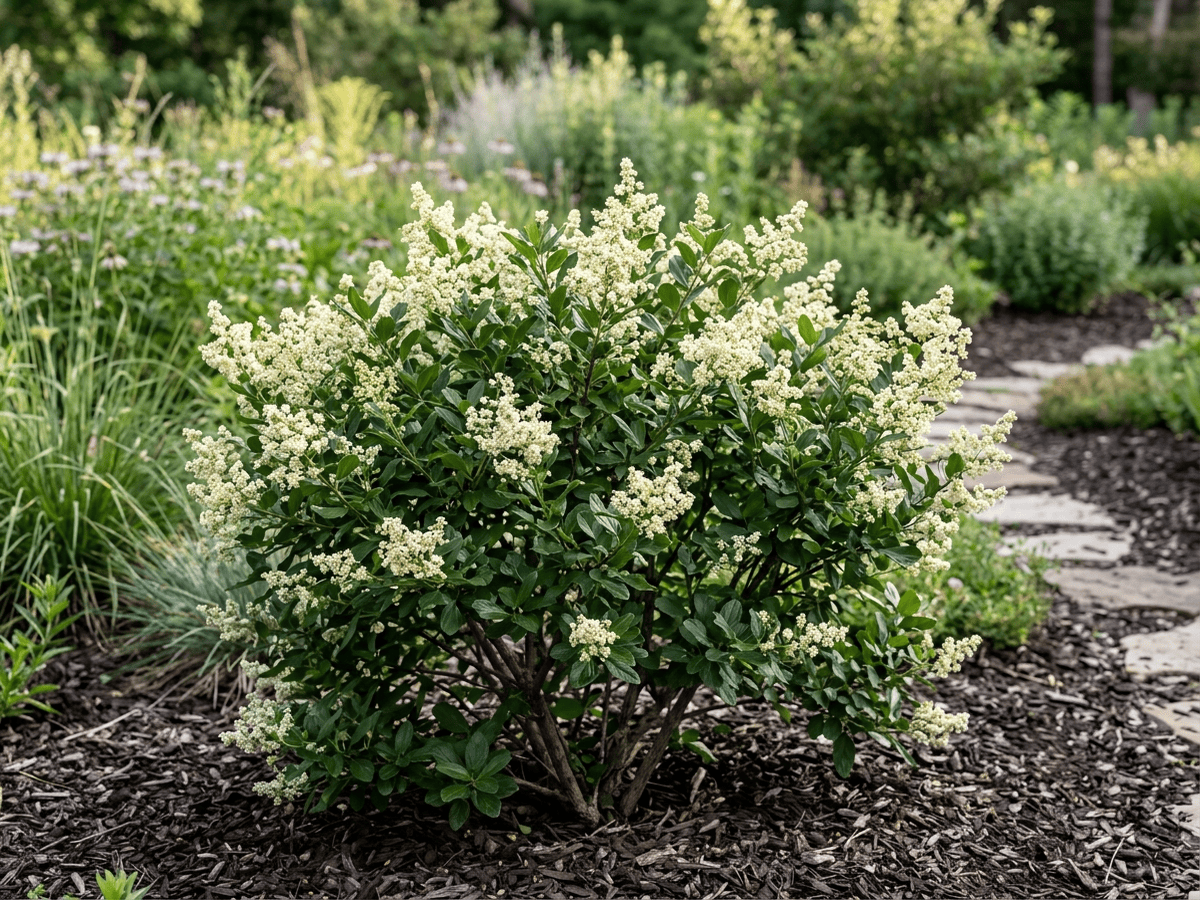
Ceanothus americanus, New Jersey tea, is a compact deciduous shrub native to eastern and central North America. It grows 60-120 cm tall with glossy oval leaves and dense white flower clusters in mid-to-late summer that attract native bees, butterflies, and hummingbirds. Unlike its evergreen California cousins, this species is winter-deciduous and hardy to USDA zone 4.
The common name comes from its role during the American Revolution: colonists brewed the dried leaves as a substitute for Chinese black tea during the British tea boycott. While the drink is caffeine-free, it was considered a serviceable substitute with a pleasant mild flavor. The roots, known as 'redroot' for their deep red color, were used by Indigenous peoples medicinally for respiratory and digestive complaints.
Like all Ceanothus, this species fixes atmospheric nitrogen via root symbiosis with Frankia bacteria and needs no fertilization. Excellent in native plant gardens, meadows, and lean well-drained soils. A key host for several native butterfly species.
- Drought-tolerant
- Native
- Pollinator-friendly
How to care for New Jersey Tea
Watering
- Springevery 14 days
- Summerevery 14 days
- Fallevery 21 days
- Winterpause watering
Soil · Well-draining
- Top dressingPine bark mulch10%
- Main mixPotting soil + perlite 2:170%
- DrainageLECA / gravel20%
Never skip the drainage layer — standing water is the top cause of root rot.
FERTILIZER
Balanced Feed 14-14-14
An even feed covers all three needs at once, keeping leaves, roots and blooms moving together with nothing pushed out of balance.
- Nitrogen · Leaves
- Phosphorus · Roots + Blooms
- Potassium · Strength
This plant needs little to no feeding.
At a Glance
- NativeNorth America
- Height3–4 ft (0.9–1.2 m)
- Spread3–5 ft (0.9–1.5 m)
- Flower colorWhite
- Foliage colorGreen
- Fruit colorBrown
- SoilSandy, Well-drained
- LocationsYard
Bloom time
BLOOM CYCLE
Peak bloom
Jul
Dense white flower clusters in mid-summer attract butterflies and bees.
Fragrance
LIGHT FRAGRANCE
The flowers have a mild sweet scent.
Toxicity
No toxicity has been reported for this plant. Still, it is wise to keep pets from chewing on any houseplant.
Educational information, not medical or veterinary advice. If exposure is suspected, contact a doctor or veterinarian.
DISTRIBUTION


- Native
- North America
History
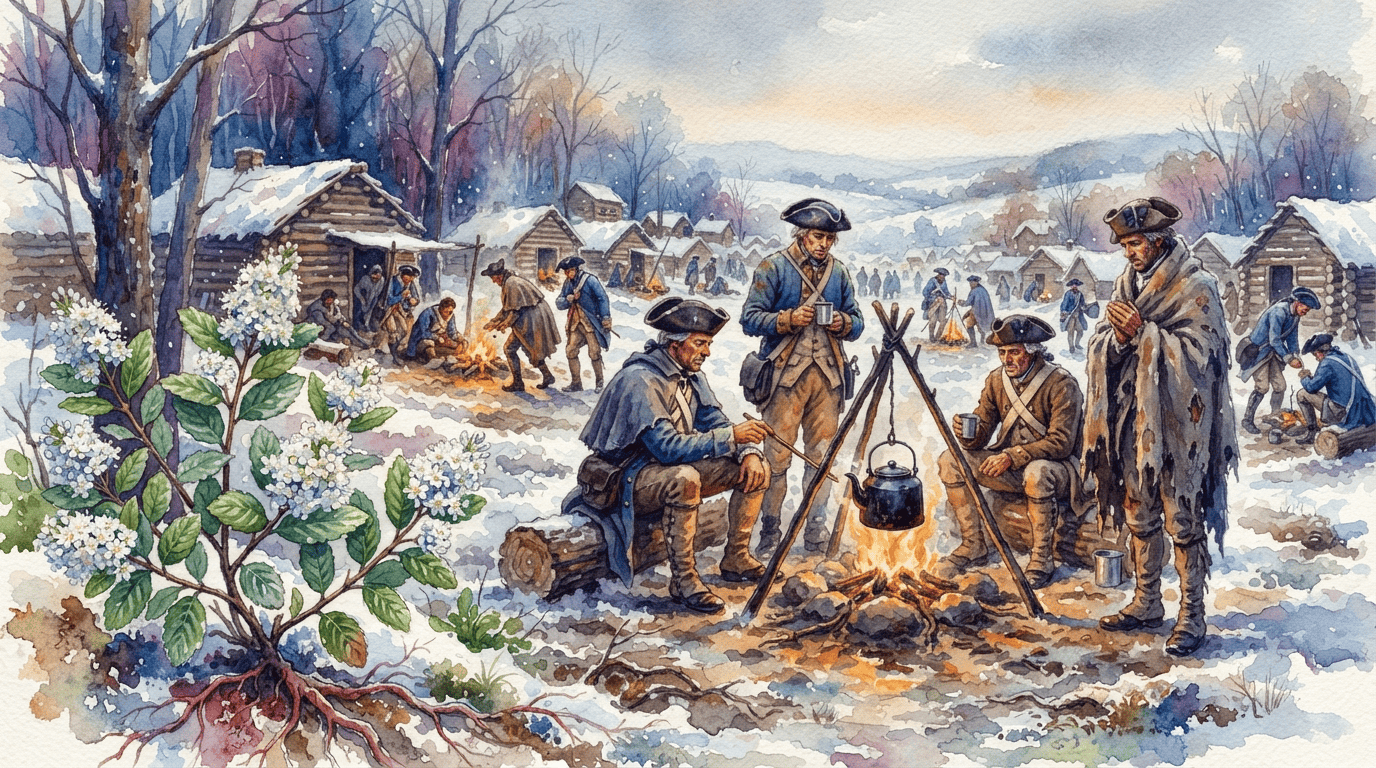
Ceanothus americanus is native to eastern and central North America, growing in dry open woods, prairies, and roadsides from Maine to Florida and west to Manitoba and Texas. The common name 'New Jersey tea' dates to the American Revolution: following the 1773 Boston Tea Party and subsequent colonial boycott of British East India Company tea, Americans across the colonies experimented with native tea substitutes. New Jersey tea — dried leaves brewed as a caffeine-free herbal tea — became the most popular substitute, particularly in the mid-Atlantic colonies.
George Washington himself is recorded to have drunk it at Valley Forge. The related species Ceanothus integerrimus (deerbrush) was used similarly in the west. Indigenous Lenape, Cherokee, and other eastern tribes used the red-dye roots ('redroot') as medicine for respiratory issues, sore throats, and as an astringent.
Like all Ceanothus, the species fixes atmospheric nitrogen via Frankia bacterial symbiosis, making it an excellent pioneer species for poor soils. Modern native-plant gardeners value it for its pollinator appeal (spring azure butterfly host), drought tolerance, and hardy compact form. Colonists used dried leaves as black tea substitute during the 1773-1775 boycott following the Boston Tea Party. Called 'Liberty Tea' or 'New Jersey Tea.' Indigenous peoples used redroot for respiratory complaints. Nitrogen-fixing via Frankia root symbiosis.
Symbolism & meaning
What It Symbolizes
New Jersey Tea is liberty made shrub, its leaves brewed by American Revolutionaries in defiance of British imports — a small green act of self-sufficiency. It thrives in poor, dry soils where richer plants quit, embodying the resilience that the colonies themselves needed. To grow it is to keep alive a quietly patriotic plant, useful and unbowed.
- Liberty — Symbol of American Revolutionary self-sufficiency
- Resilience — Thrives on poor dry soils where other shrubs fail
Where the Name Comes From
Ceanothus from Greek 'keanothos' (a thorny plant); 'americanus' indicates American origin.
Uses & Fun Facts
- White summer blooms feed native bees, butterflies, hummingbirds
- Leaves brewed as Revolutionary-era caffeine-free tea substitute
- Red roots historically yielded a natural cinnamon-toned dye
- Compact native shrub for dry sunny pollinator borders
Related plants
More Ceanothus plants
 Point Reyes CeanothusCeanothus gloriosus
 Carmel CreeperCeanothus griseus horizontalis
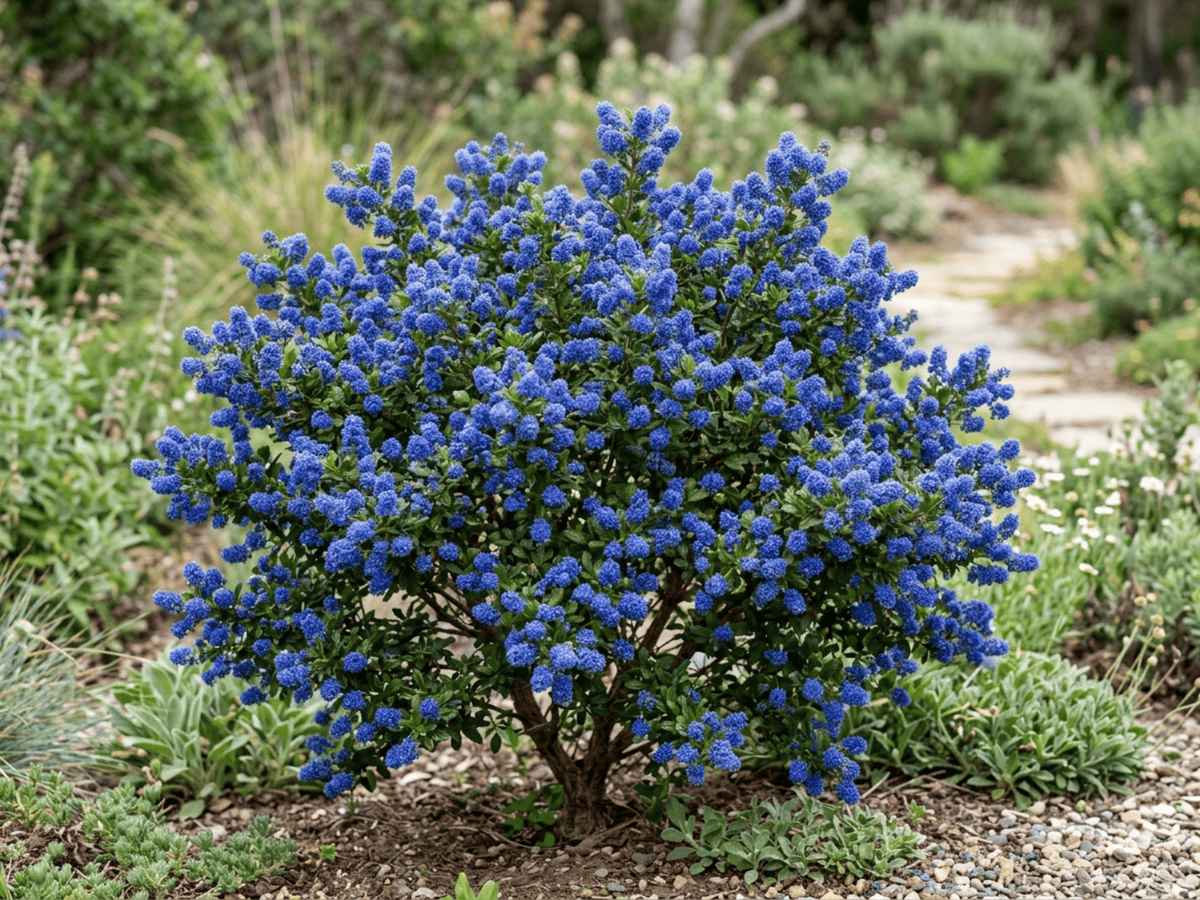 Santa Barbara CeanothusCeanothus impressus
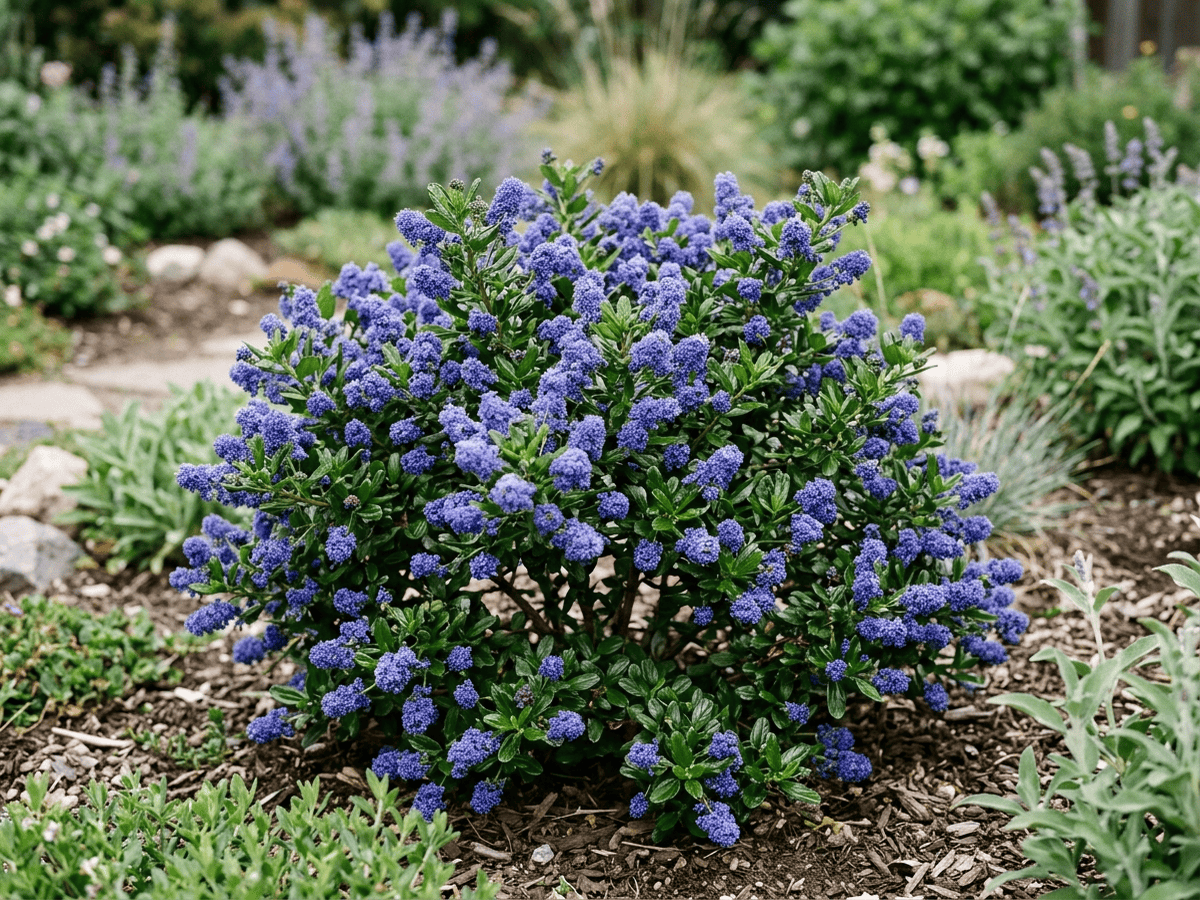 Maritime CeanothusCeanothus maritimus
Plants with similar care
 Chinese AbeliaAbelia chinensis
 Fragrant AbeliaAbelia mosanensis
 Large-Flowered AbeliaAbelia uniflora
 Glossy AbeliaAbelia x grandiflora
Frequently asked questions
How often should I water New Jersey Tea?
Water about every 14 days during the growing season, and always let excess water drain away.
How much light does New Jersey Tea need?
Full sun: 6+ hrs direct. Watch the leaves — scorching or stretching means the light needs adjusting.
Is New Jersey Tea toxic to cats or dogs?
No toxicity has been reported for this plant. Still, it is wise to keep pets from chewing on any houseplant. Educational information, not medical or veterinary advice. If exposure is suspected, contact a doctor or veterinarian.
Is New Jersey Tea easy to grow?
Yes — it is considered an easy, beginner-friendly plant.
When does New Jersey Tea bloom?
It typically blooms Jul in the Northern Hemisphere.
YardMate
Identify any plant in seconds
Snap a photo — YardMate names the plant, diagnoses problems, and reminds you when to water.
Download on the App Store