 YardMate

Santa Barbara Ceanothus
Ceanothus impressus
Medium · Some experienceAbout Santa Barbara Ceanothus
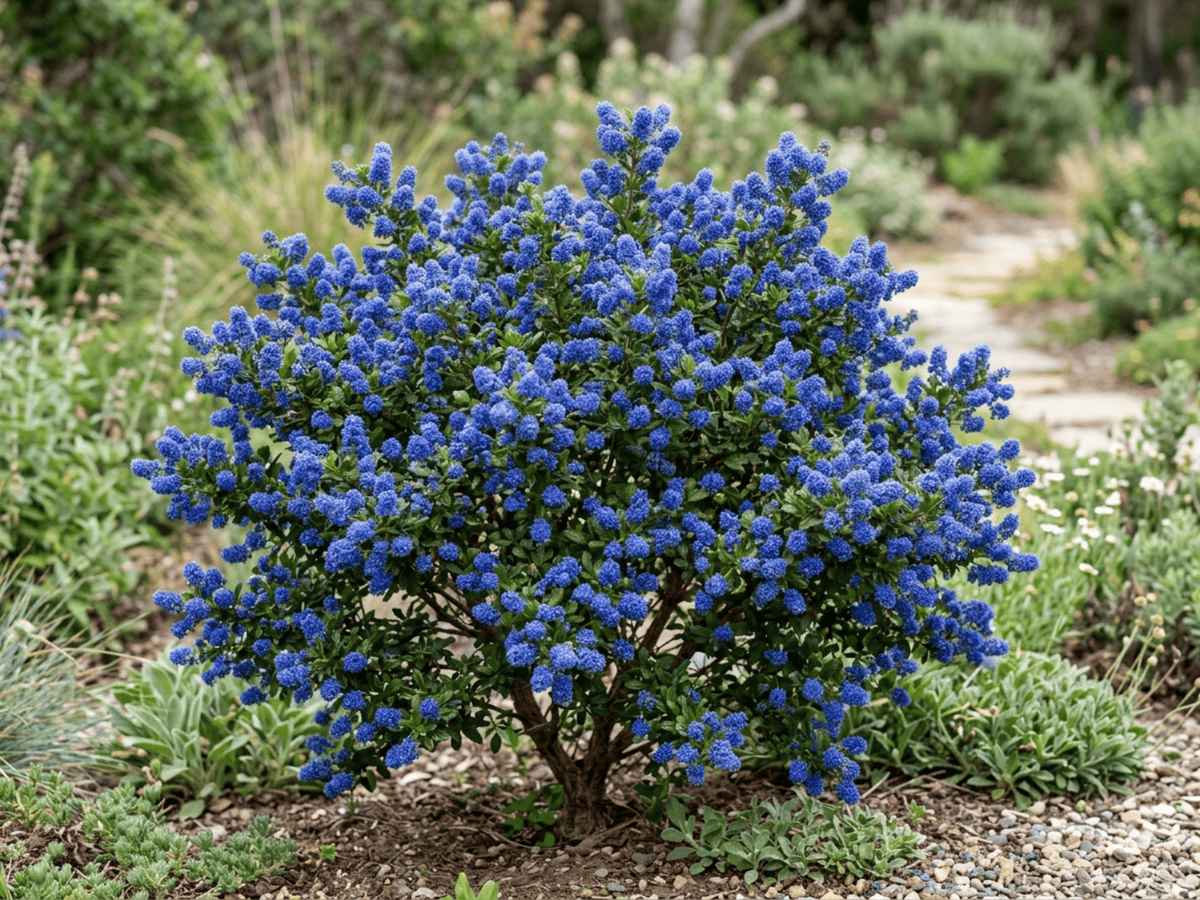
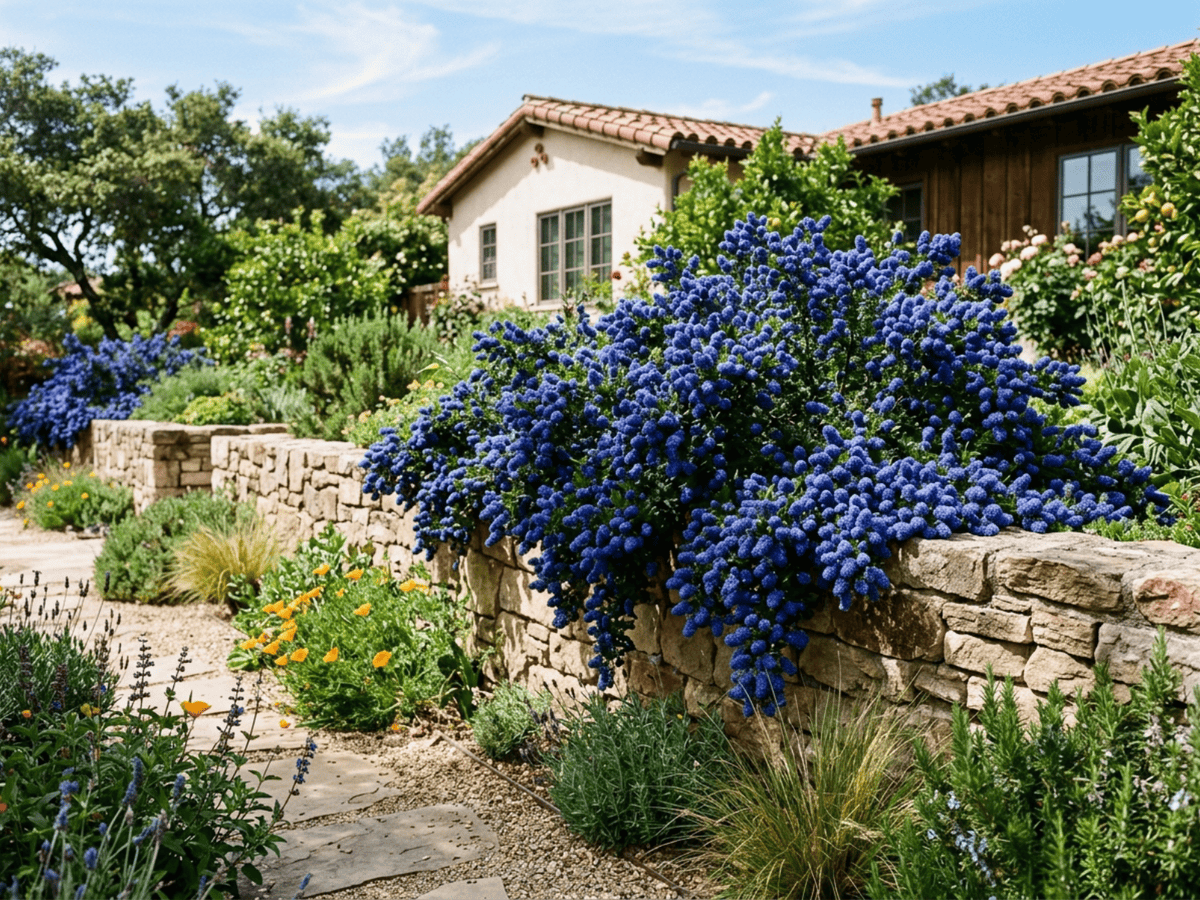
Santa Barbara Ceanothus is a compact California native shrub reaching 3-8 feet tall, distinguished by tiny deeply-veined leaves with characteristic impressed venation. Native only to a small area near Santa Barbara, it produces dense clusters of vivid deep blue flowers in early spring. One of the bluest-flowered ceanothus species, it is prized for both its intense flower color and tidy mounding form. Drought-tolerant and evergreen, ideal for low-water Mediterranean gardens.
- Drought-tolerant
- Evergreen
- Native
- Pollinator-friendly
How to care for Santa Barbara Ceanothus
Watering
- Springevery 14 days
- Summerevery 21 days
- Fallevery 21 days
- Winterpause watering
Soil · Well-draining
- Top dressingPine bark mulch10%
- Main mixPotting soil + perlite 2:170%
- DrainageLECA / gravel20%
Never skip the drainage layer — standing water is the top cause of root rot.
FERTILIZER
This plant needs little to no feeding.
At a Glance
- NativeNorth America
- Height5–10 ft (1.5–3 m)
- Spread8–12 ft (2.4–3.7 m)
- Flower colorBlue
- Foliage colorGreen
- SoilSandy, Well-drained
- LocationsYard
Bloom time
BLOOM CYCLE
Peak bloom
Feb–Apr
Deep blue clusters February to April
Fragrance
LIGHT FRAGRANCE
The flowers have a honey-like scent.
Toxicity
No toxicity has been reported for this plant. Still, it is wise to keep pets from chewing on any houseplant.
Educational information, not medical or veterinary advice. If exposure is suspected, contact a doctor or veterinarian.
DISTRIBUTION


- Native
- North America
History
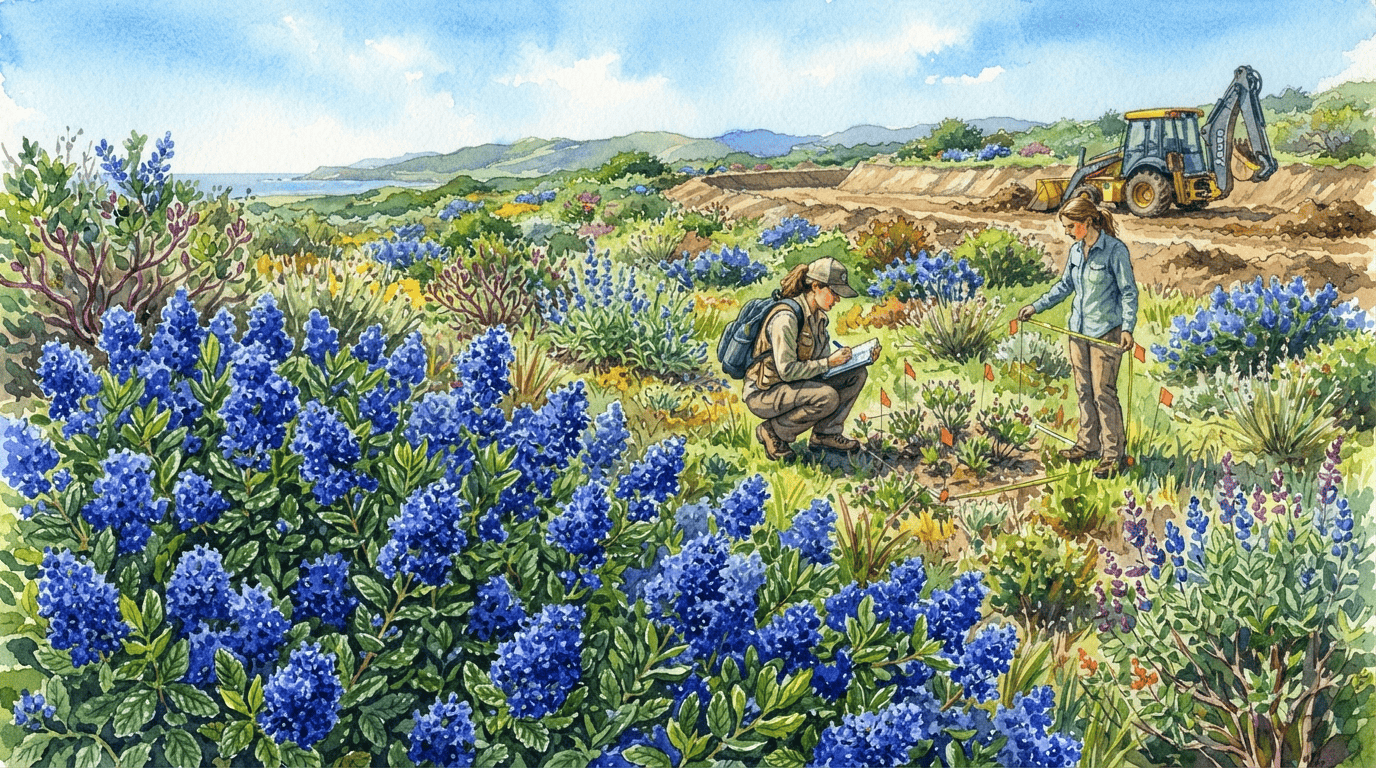
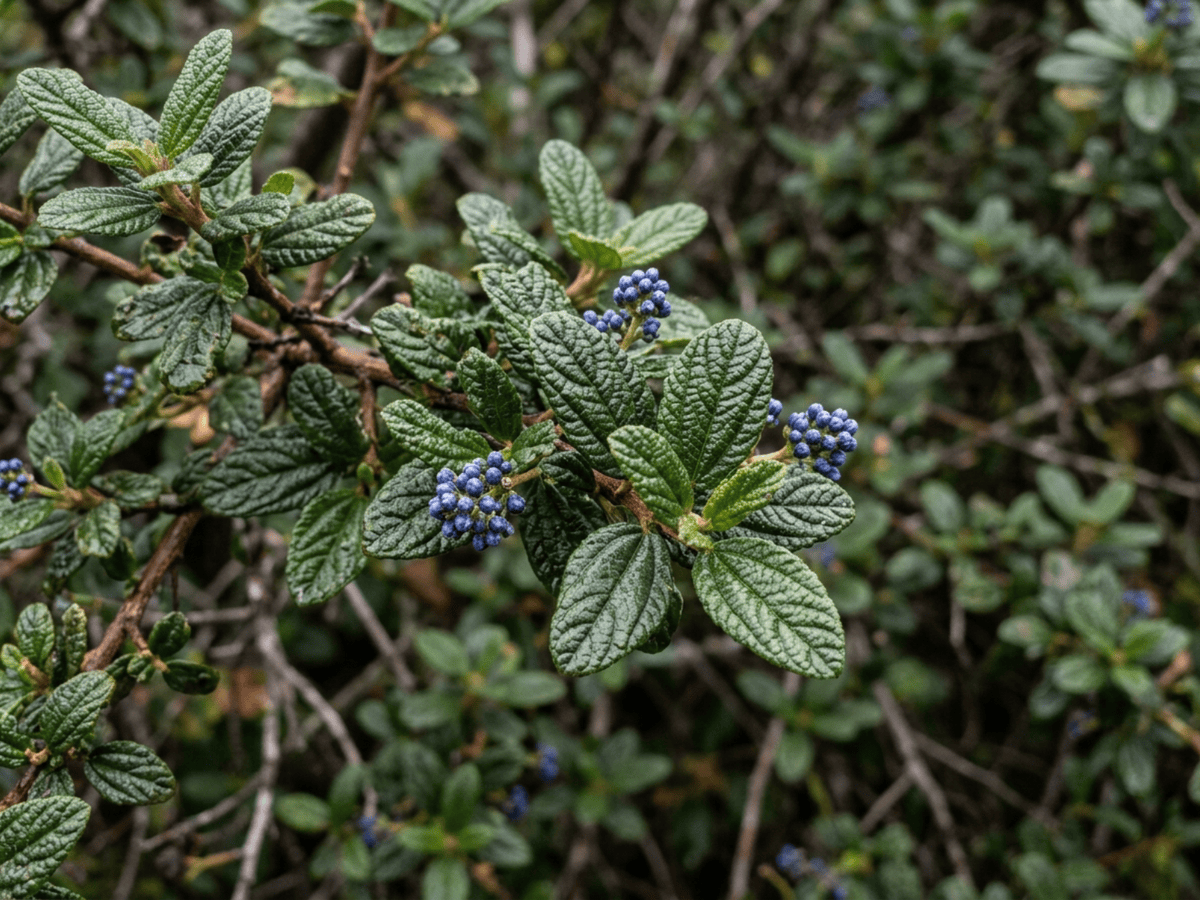
Ceanothus impressus is native to a very restricted geographic area in coastal Santa Barbara County, California — essentially the Burton Mesa and adjacent maritime chaparral communities of the Lompoc and Vandenberg area. This extremely narrow endemic distribution (combined with ongoing habitat loss) gives the species conservation concern status under the California Native Plant Society Rare Plant rankings. The species epithet "impressus" and the common English name refer to the deeply impressed veins of the small (5-15 mm) dark-green leaves — the leaves look almost quilted or puckered in texture, with veins set into the leaf surface rather than raised above it. The plant produces densely-packed rich dark-blue flower clusters in spring, slightly smaller than most Ceanothus but particularly intensely colored.
Despite the narrow native range, the species is one of the most widely-grown garden Ceanothus because of the unusually deep blue color of its flowers; the cultivar "Puget Blue" (British Columbia selection) and the hybrid "Julia Phelps" (C. impressus x C. papillosus, introduced by Saratoga Horticultural Foundation around 1965) are among the most celebrated California-native ornamental shrubs and have been widely planted throughout California, the Pacific Northwest, and as far as mild-climate gardens in southern England. Like other Ceanothus, C. impressus requires good drainage, full sun, and minimal summer water to avoid root-crown rot. A narrow endemic of coastal Santa Barbara County, considered rare in the wild but widely cultivated.
Described by botanist Howard Trelease in the early 20th century. The cultivar 'Puget Blue' is a beloved selection combining hardiness with intense flower color, popularized by horticulturist W.B. Clarke.
Symbolism & meaning
What It Symbolizes
Santa Barbara Ceanothus expresses endurance and loyalty to its place, persisting on rocky coastal soils where lesser shrubs falter. Its electric blue spring blooms have come to stand for the wild beauty of the California coast, a flowering emblem of chaparral country. To plant this ceanothus is to declare faithfulness to the dry, golden hills — a steady devotion to one of the New World's most distinctive landscapes.
- Endurance — persists in difficult rocky soils
- Loyalty — symbol of coastal California's wild beauty
Where the Name Comes From
'Impressus' refers to the deeply impressed veins visible on the leaf surface.
Uses & Fun Facts
- Blue spring bloom covers dry slopes and coastal shrub borders
- Santa Barbara Ceanothus flowers nourish foraging bees and pollinators
Related plants
More Ceanothus plants
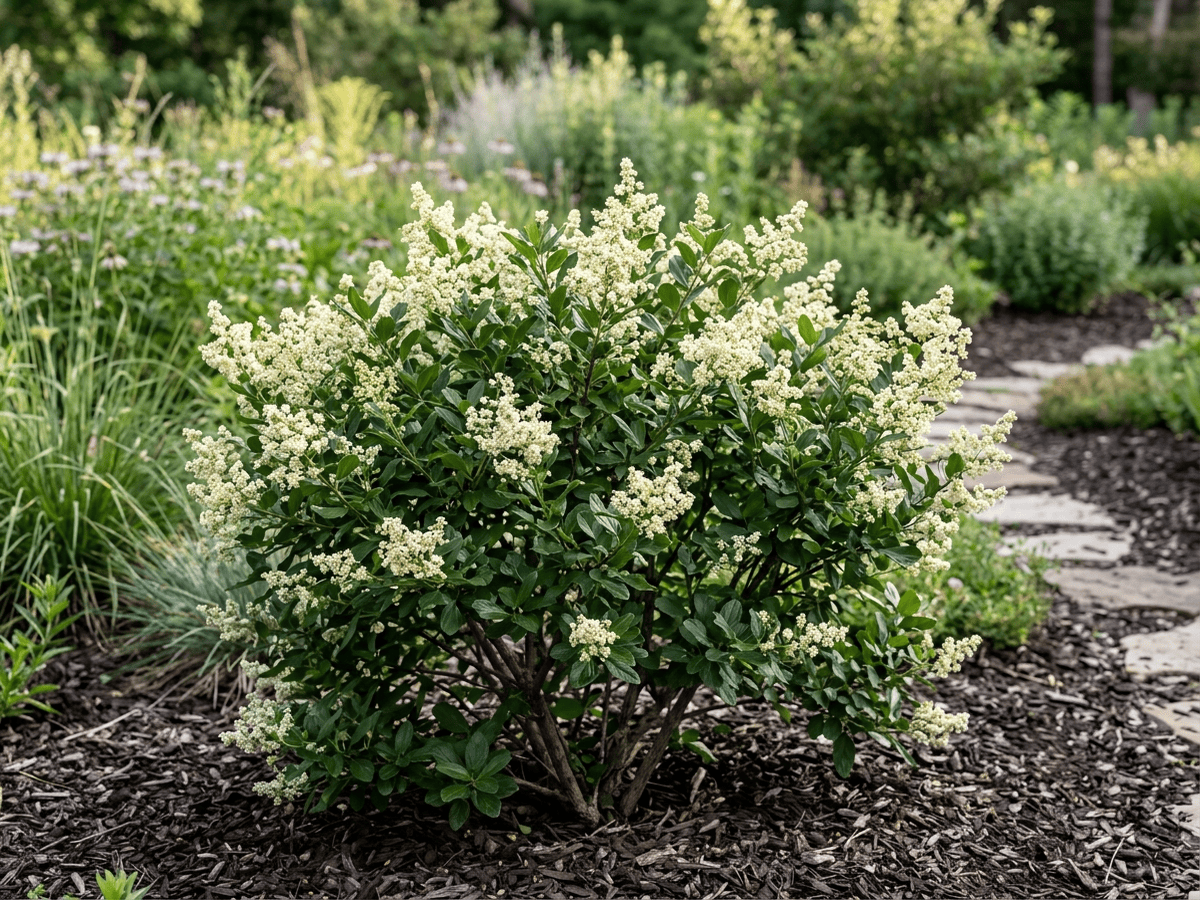 New Jersey TeaCeanothus americanus
 Point Reyes CeanothusCeanothus gloriosus
 Carmel CreeperCeanothus griseus horizontalis
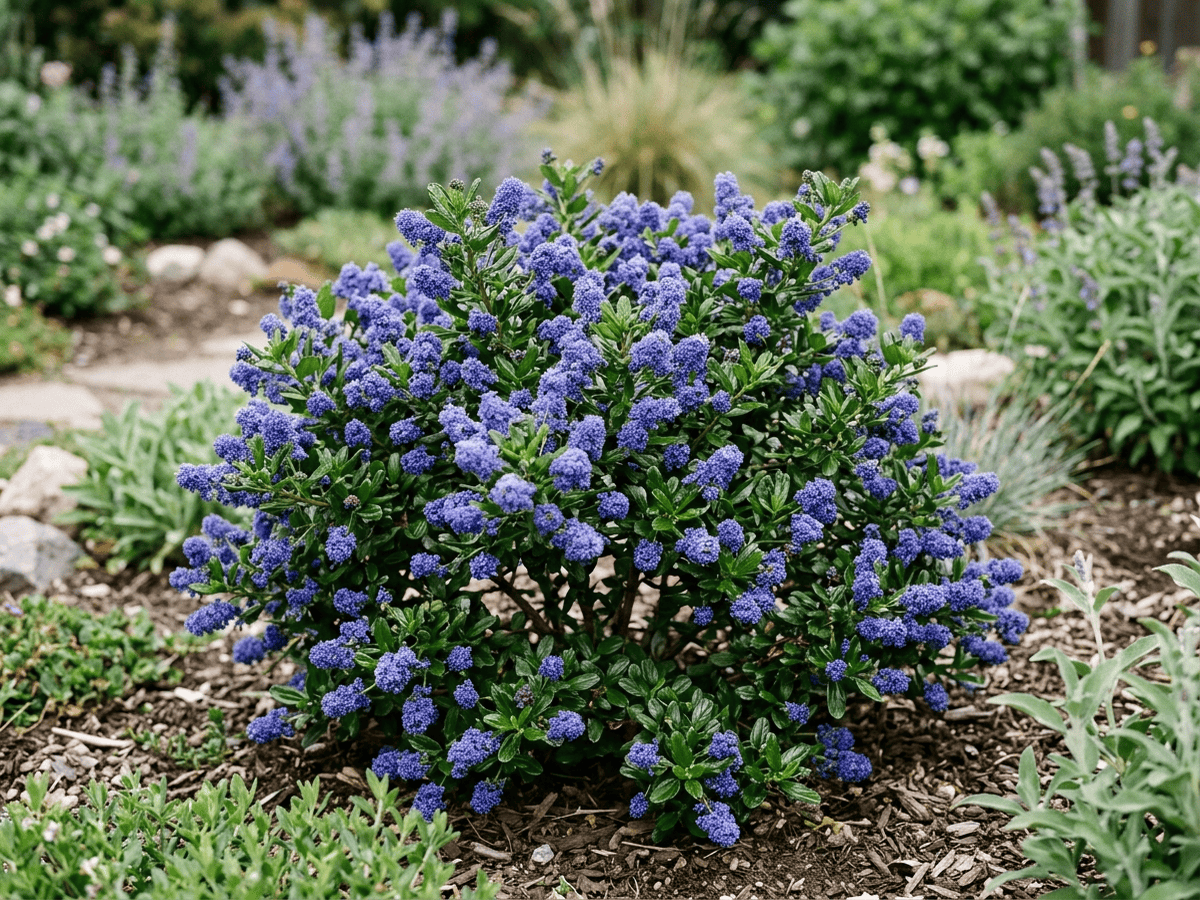 Maritime CeanothusCeanothus maritimus
Plants with similar care
 Mexican AbeliaAbelia floribunda
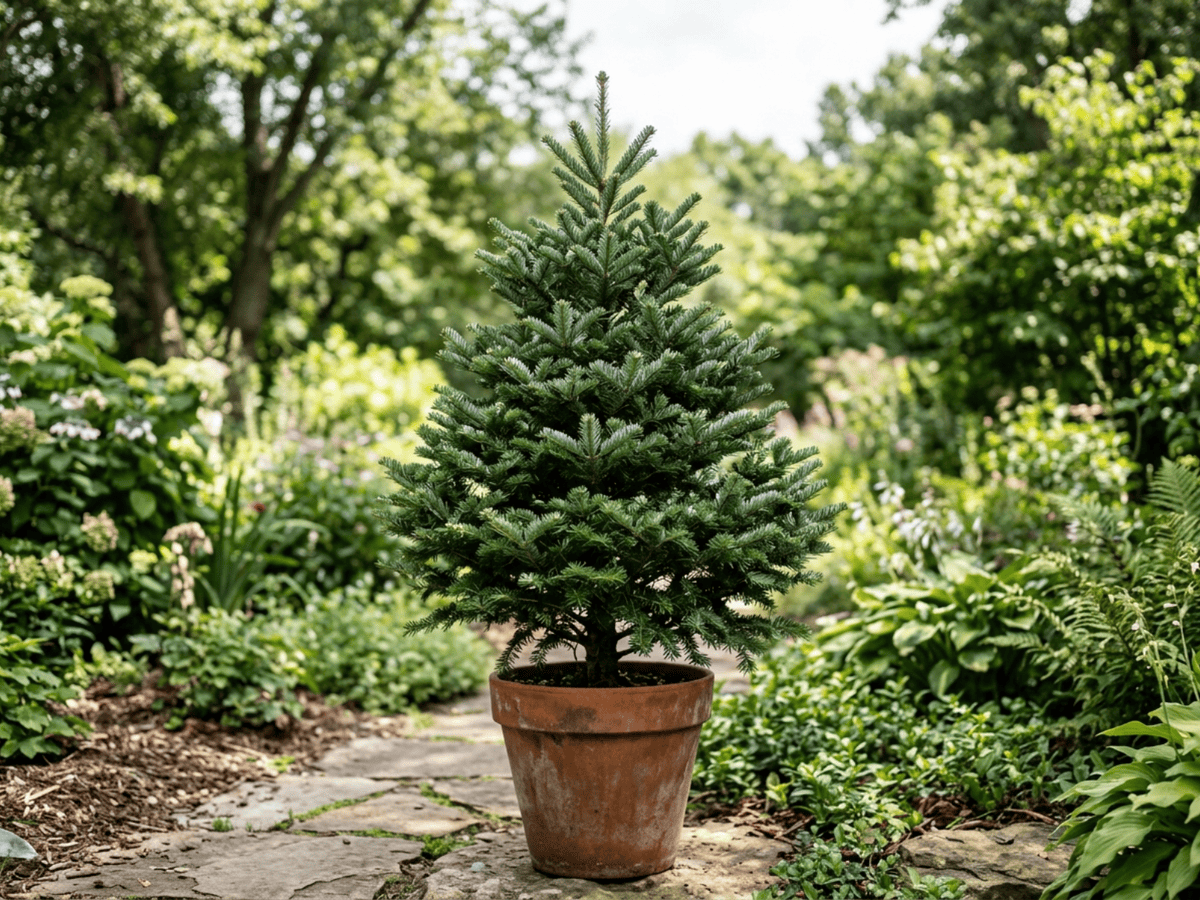 Fraser FirAbies fraseri
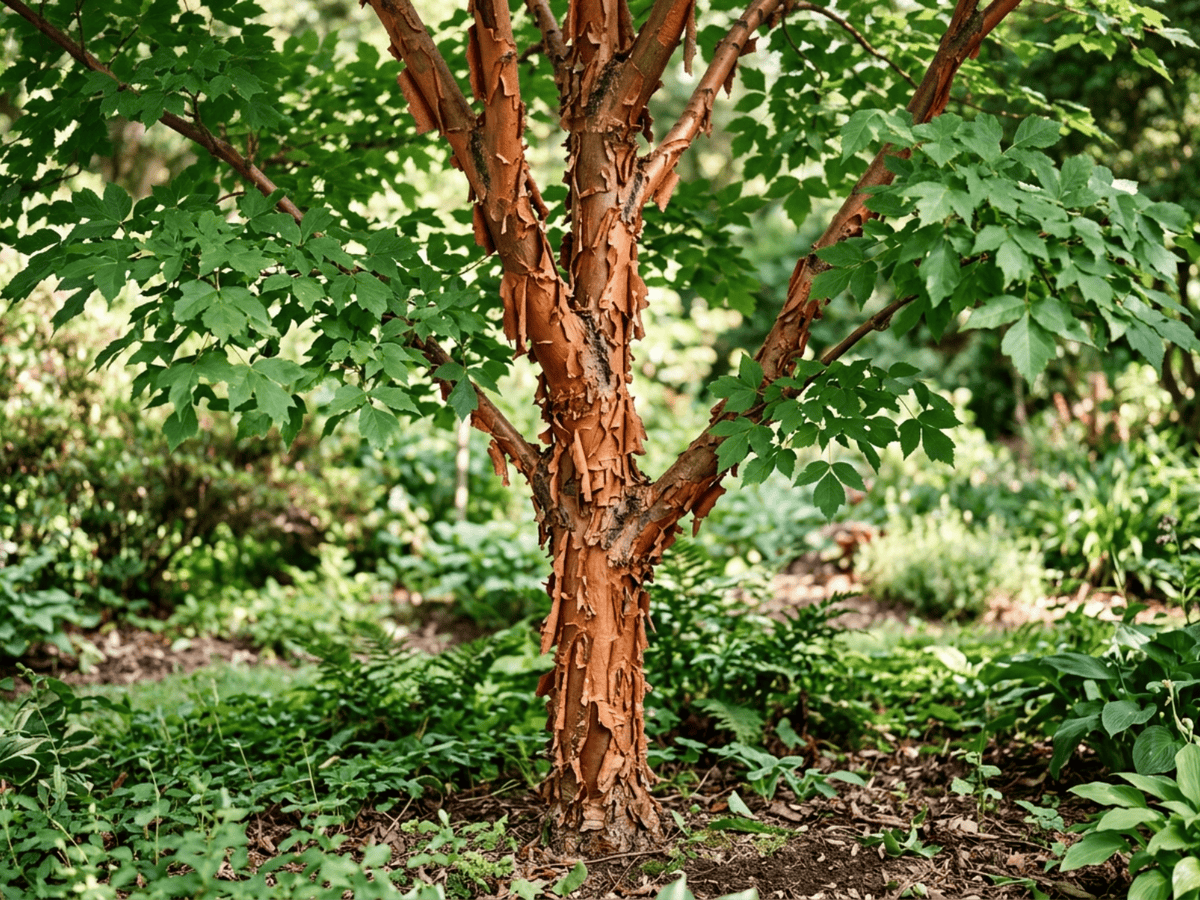 Paperbark MapleAcer griseum
 Sugar MapleAcer saccharum
Frequently asked questions
How often should I water Santa Barbara Ceanothus?
Water about every 14 days during the growing season, and always let excess water drain away.
How much light does Santa Barbara Ceanothus need?
Full sun: 6+ hrs direct. Watch the leaves — scorching or stretching means the light needs adjusting.
Is Santa Barbara Ceanothus toxic to cats or dogs?
No toxicity has been reported for this plant. Still, it is wise to keep pets from chewing on any houseplant. Educational information, not medical or veterinary advice. If exposure is suspected, contact a doctor or veterinarian.
Is Santa Barbara Ceanothus easy to grow?
It is moderately demanding: a good choice once you have a little experience.
When does Santa Barbara Ceanothus bloom?
It typically blooms Feb–Apr in the Northern Hemisphere.
YardMate
Identify any plant in seconds
Snap a photo — YardMate names the plant, diagnoses problems, and reminds you when to water.
Download on the App Store