 YardMate

Maritime Ceanothus
Ceanothus maritimus
Medium · Some experienceAbout Maritime Ceanothus
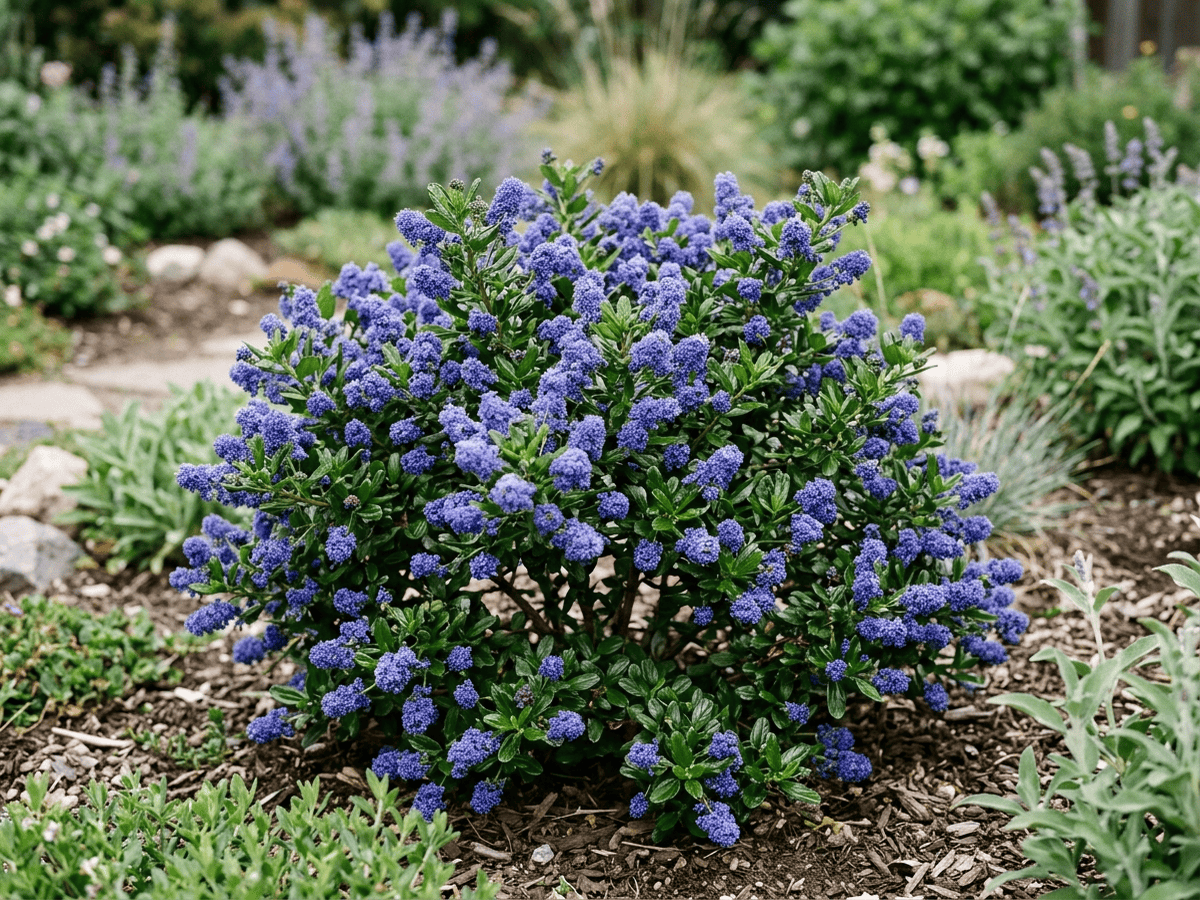
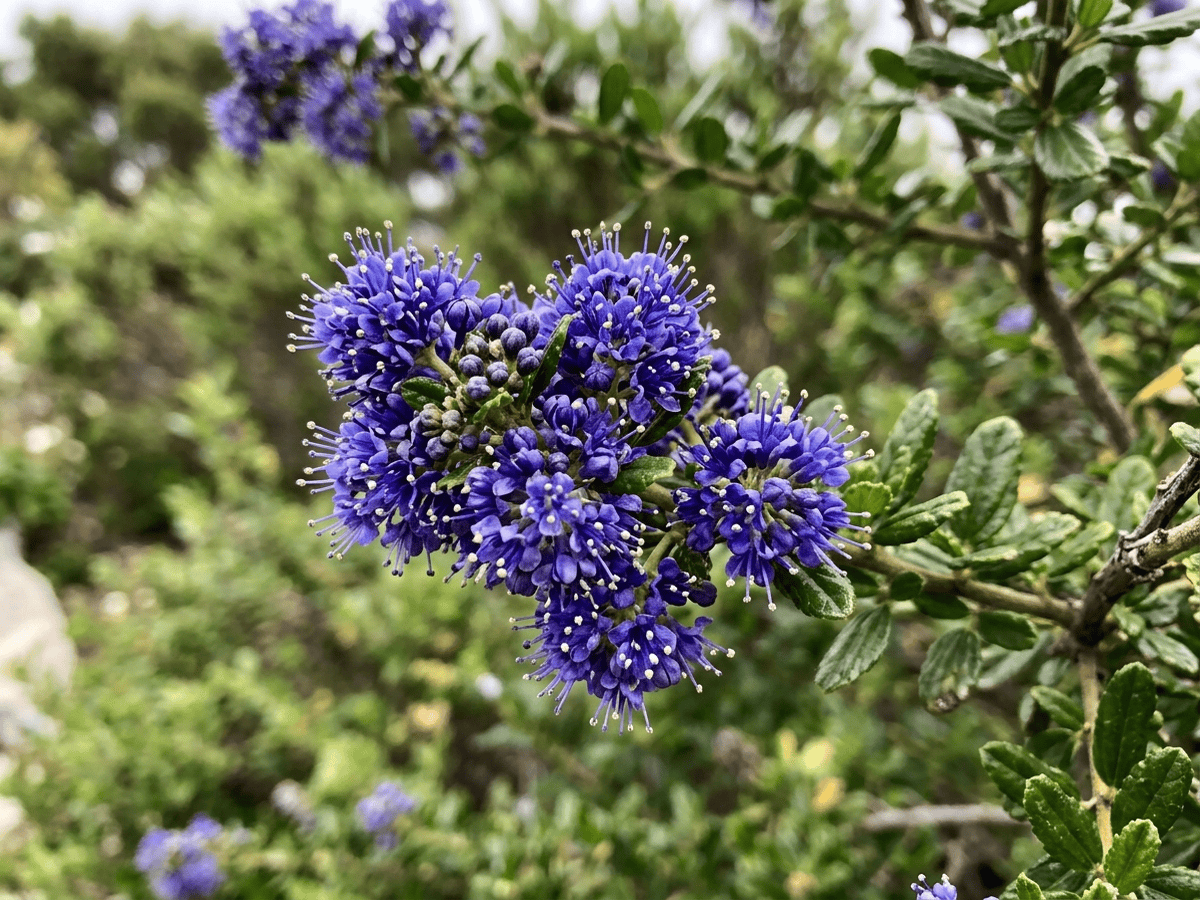
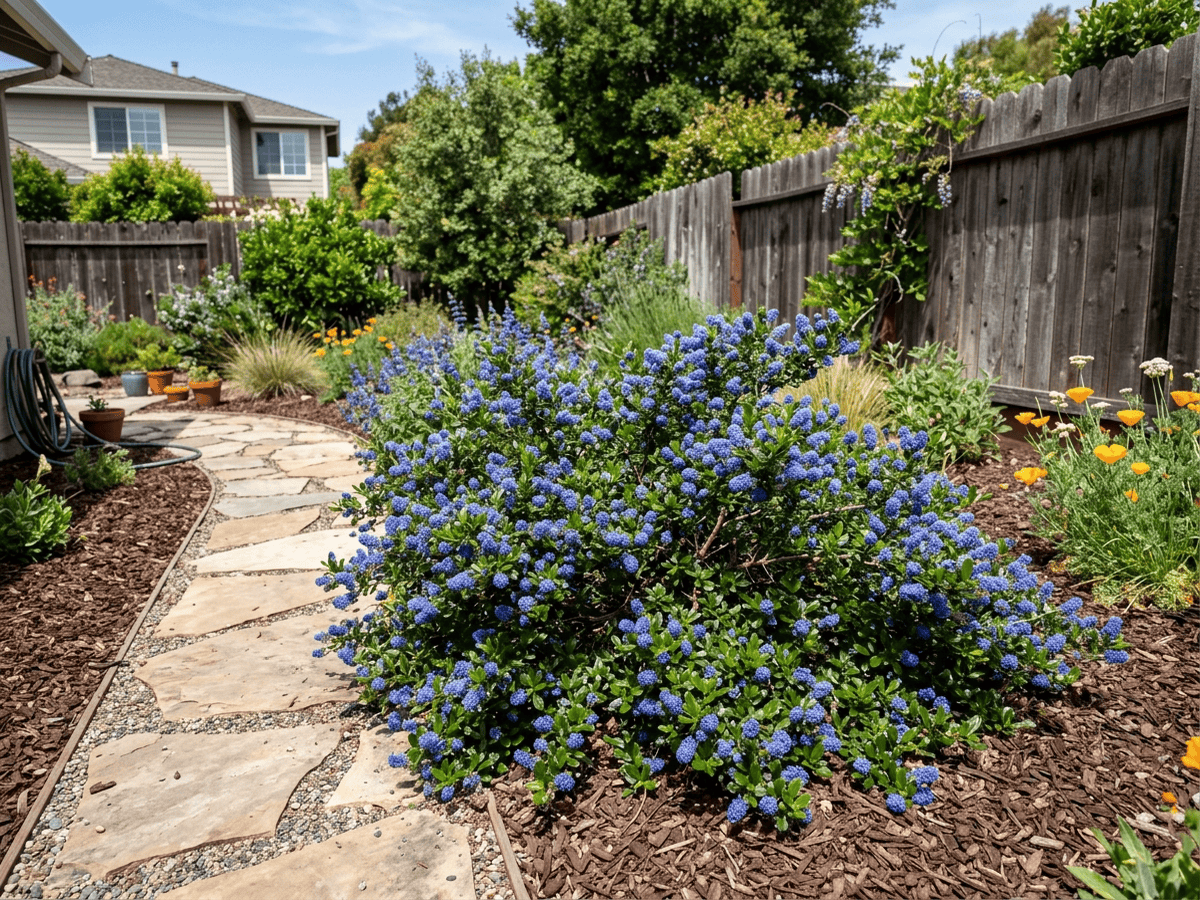
Maritime Ceanothus is a rare California native prostrate evergreen shrub reaching only 1-2 feet tall and spreading 4-6 feet, endemic to the coastal bluffs of San Luis Obispo County. Small leathery gray-green leaves are topped with fragrant lavender-blue flower clusters in late winter and early spring. Exceptionally wind- and salt-tolerant, it is a specialty groundcover for California coastal native gardens and a beautiful addition to rockeries.
- Drought-tolerant
- Groundcover
- Evergreen
- Native
How to care for Maritime Ceanothus
Watering
- Springevery 14 days
- Summerevery 14 days
- Fallevery 21 days
- Winterevery 30 days
Soil · Well-draining
- Top dressingPine bark mulch10%
- Main mixPotting soil + perlite 2:170%
- DrainageLECA / gravel20%
Never skip the drainage layer — standing water is the top cause of root rot.
FERTILIZER
- Springevery 60 days
At a Glance
- NativeNorth America
- Height1.5–3 ft (0.5–0.9 m)
- Spread4–6 ft (1.2–1.8 m)
- Flower colorBlue, Purple
- Foliage colorGreen
- SoilSandy, Well-drained
- LocationsYard
Bloom time
BLOOM CYCLE
Peak bloom
Jan–Mar
Lavender-blue clusters January to March
Fragrance
LIGHT FRAGRANCE
Faint honey scent from flowers.
Toxicity
No toxicity has been reported for this plant. Still, it is wise to keep pets from chewing on any houseplant.
Educational information, not medical or veterinary advice. If exposure is suspected, contact a doctor or veterinarian.
DISTRIBUTION


- Native
- North America
History

Ceanothus maritimus is a very rare prostrate evergreen shrub endemic to a narrow stretch of coastal bluffs in San Luis Obispo County, California, primarily the Point Sierra Nevada area. Howard E. McMinn formally described the species in 1942 in his Ceanothus monograph. In habitat it forms dense 30-60 cm tall mats on exposed marine bluffs with small grayish-green leaves that are white-tomentose beneath—an adaptation to salt spray and wind desiccation.
Pale blue to lavender-white flower clusters bloom from late winter through early spring, several weeks ahead of most California ceanothus. The wild species is narrowly restricted and listed as rare, but cultivars like 'Valley Violet' (selected by Roger Raiche at UC Berkeley Botanical Garden) and 'Point Sierra' have become valuable landscape plants because they tolerate heavy clay soils and summer water better than most ceanothus while offering compact prostrate form.
Like all Ceanothus, fixes atmospheric nitrogen through Frankia root nodules.
Symbolism & meaning
What It Symbolizes
Maritime Ceanothus evokes coastal rarity — a precious endemic clinging to the wind-scoured bluffs of California where few other shrubs can hold ground. To plant it is a quiet act of conservation, helping preserve a native lineage threatened in the wild. Its blue blooms carry the salt-edged air of cliffs and the responsibility of keeping a fragile place alive.
- Coastal rarity — precious endemic of California bluffs
- Conservation — growing it supports native plant preservation
Where the Name Comes From
'Maritimus' means by the sea, referring to its coastal bluff habitat.
Uses & Fun Facts
- Honey-scented blue blooms perfume coastal gardens in spring
- Low spreading mats hold dry slopes and bluff edges
- Dense blue flower clusters draw bees and beneficial insects
Related plants
More Ceanothus plants
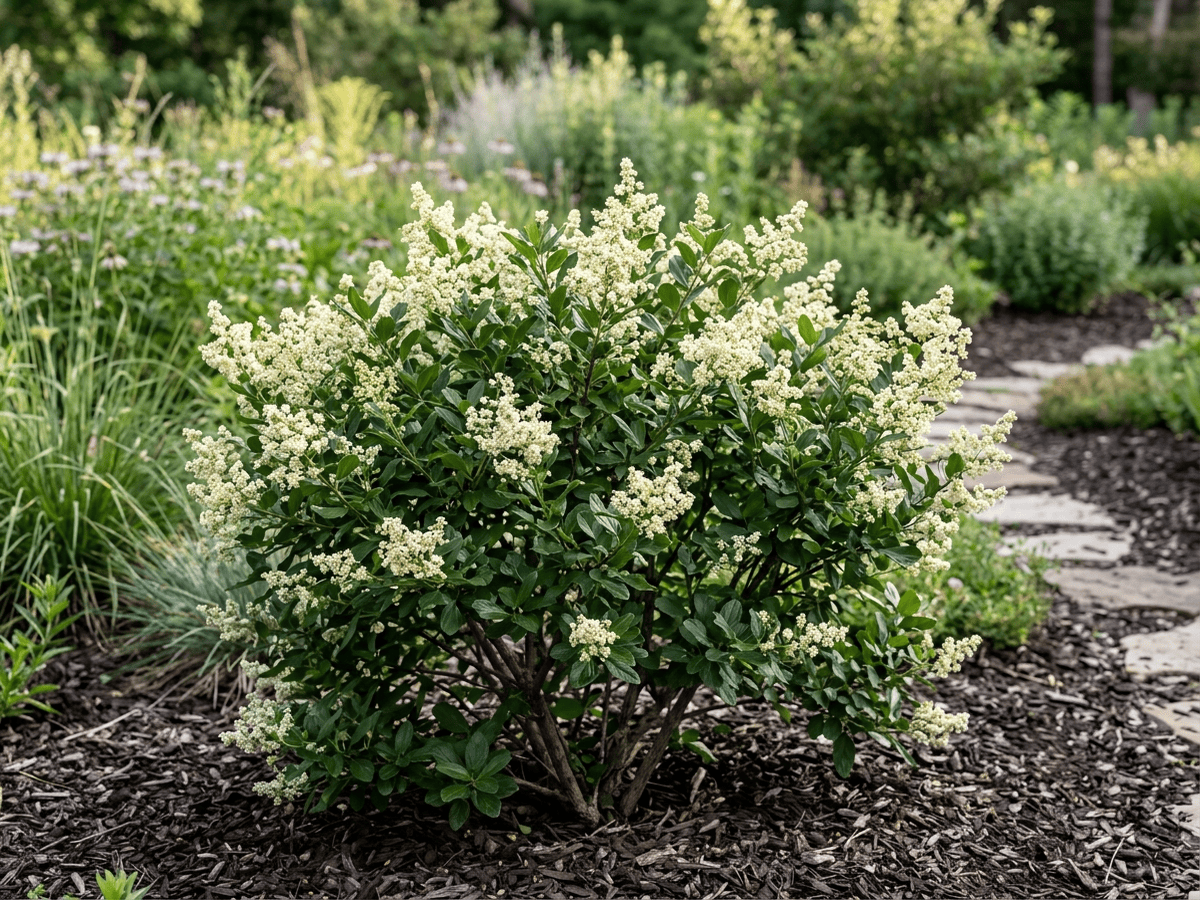 New Jersey TeaCeanothus americanus
 Point Reyes CeanothusCeanothus gloriosus
 Carmel CreeperCeanothus griseus horizontalis
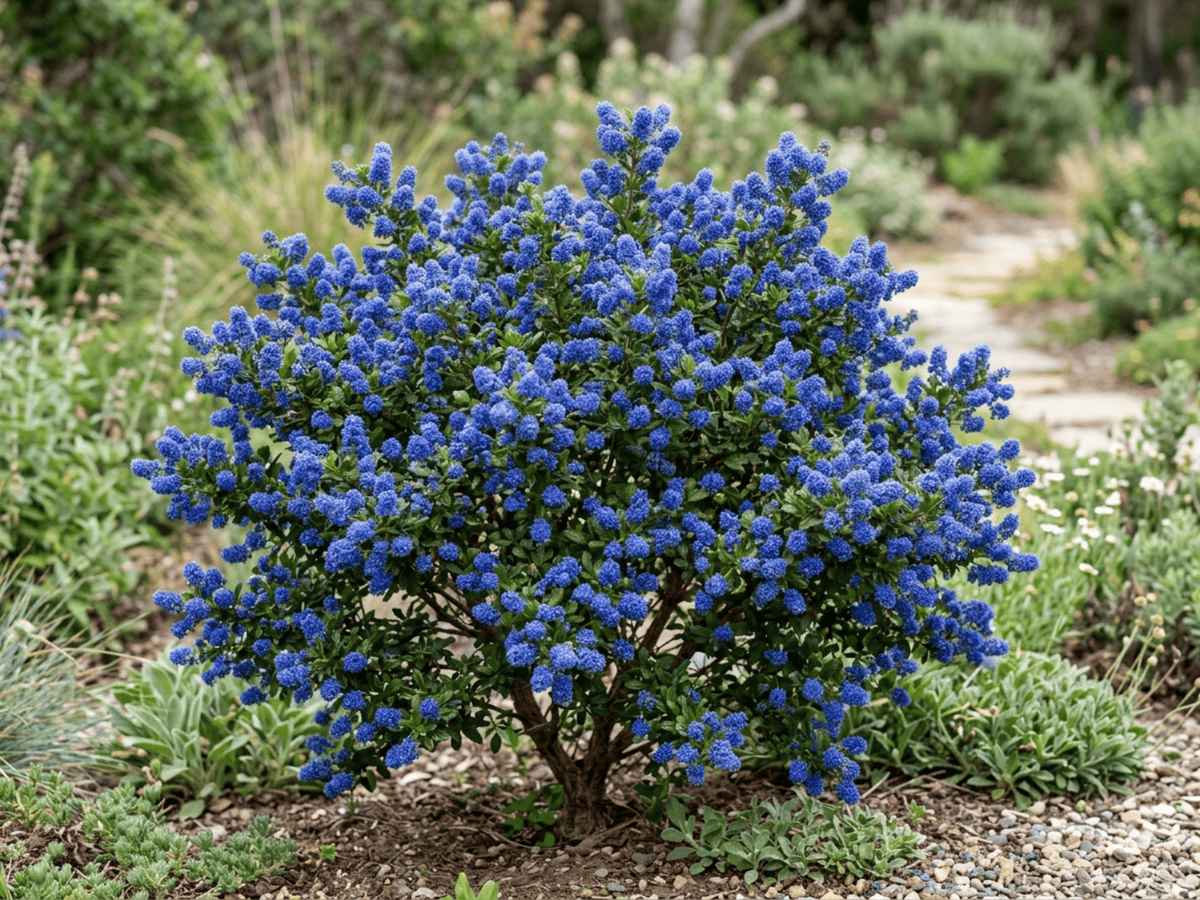 Santa Barbara CeanothusCeanothus impressus
Plants with similar care
 Mexican AbeliaAbelia floribunda
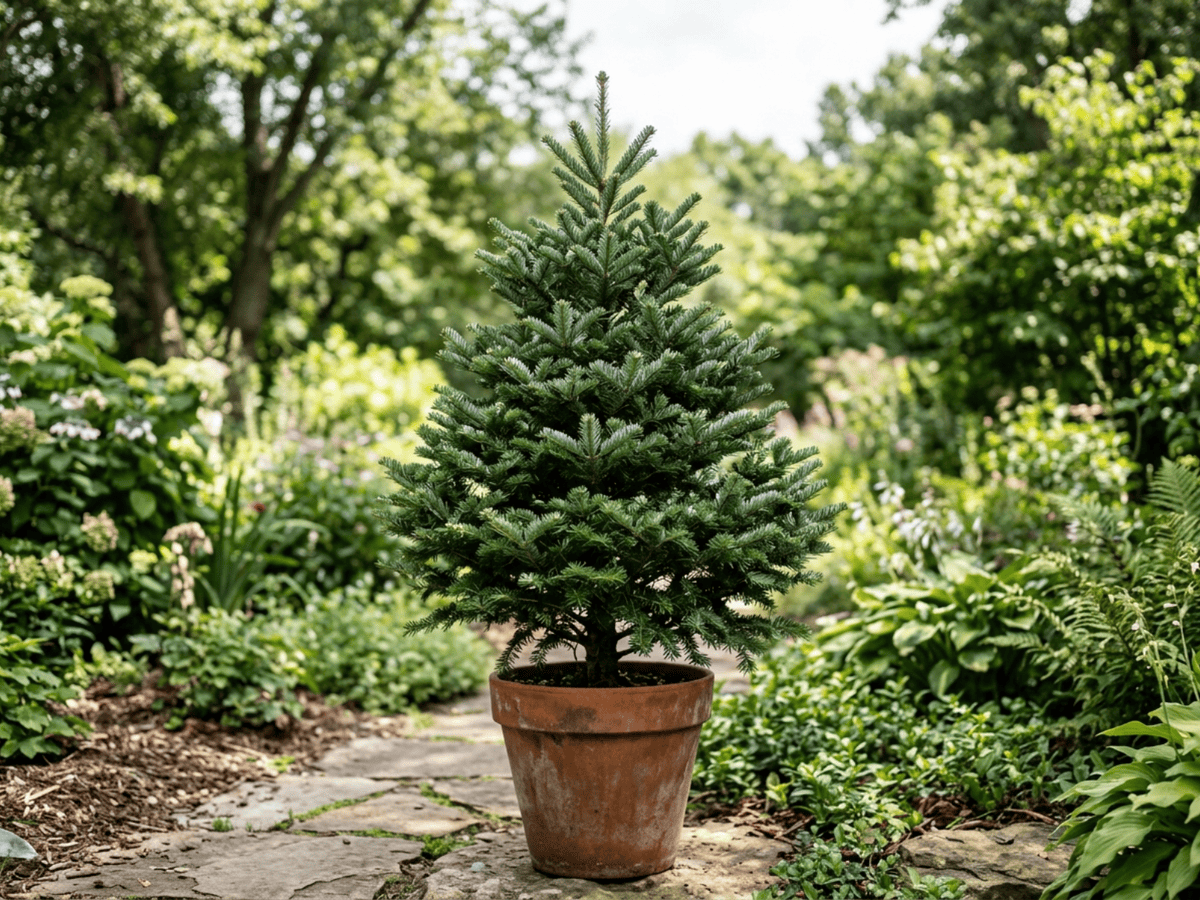 Fraser FirAbies fraseri
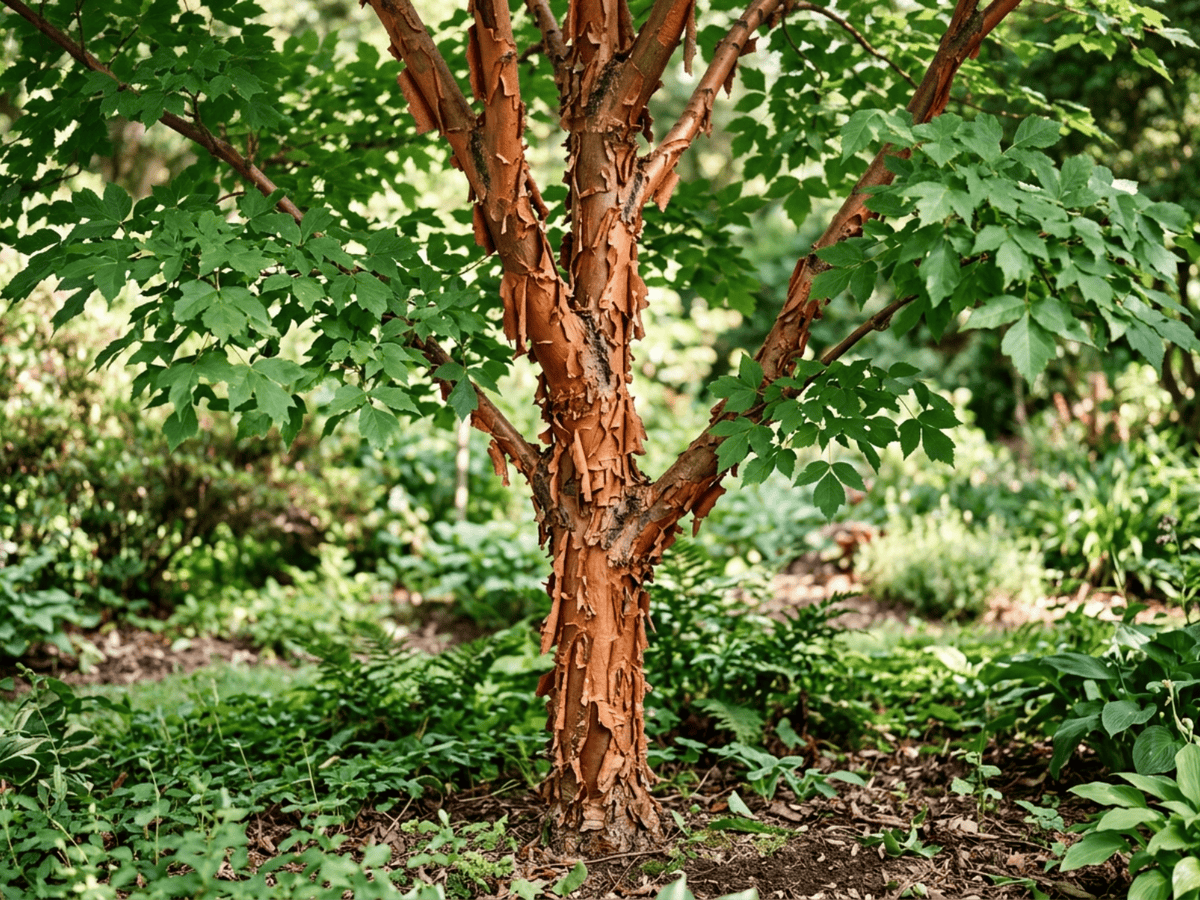 Paperbark MapleAcer griseum
 Sugar MapleAcer saccharum
Frequently asked questions
How often should I water Maritime Ceanothus?
In summer, water about every 14 days; in winter, about every 30 days. Adjust for heat, pot size and drainage.
How much light does Maritime Ceanothus need?
Full sun: 6+ hrs direct. Watch the leaves — scorching or stretching means the light needs adjusting.
Is Maritime Ceanothus toxic to cats or dogs?
No toxicity has been reported for this plant. Still, it is wise to keep pets from chewing on any houseplant. Educational information, not medical or veterinary advice. If exposure is suspected, contact a doctor or veterinarian.
Is Maritime Ceanothus easy to grow?
It is moderately demanding: a good choice once you have a little experience.
When does Maritime Ceanothus bloom?
It typically blooms Jan–Mar in the Northern Hemisphere.
YardMate
Identify any plant in seconds
Snap a photo — YardMate names the plant, diagnoses problems, and reminds you when to water.
Download on the App Store