 YardMate


Blueblossom
Ceanothus thyrsiflorus
Medium · Some experienceAbout Blueblossom
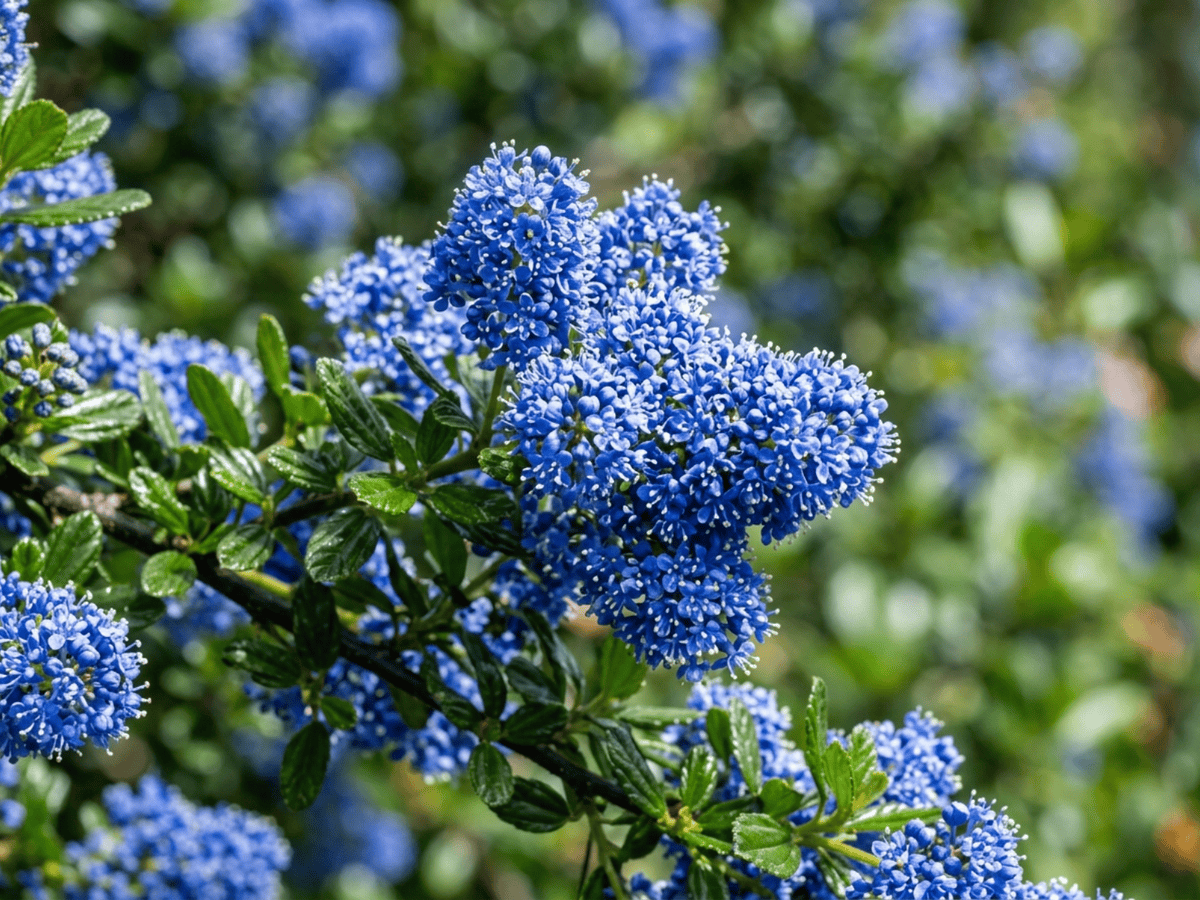
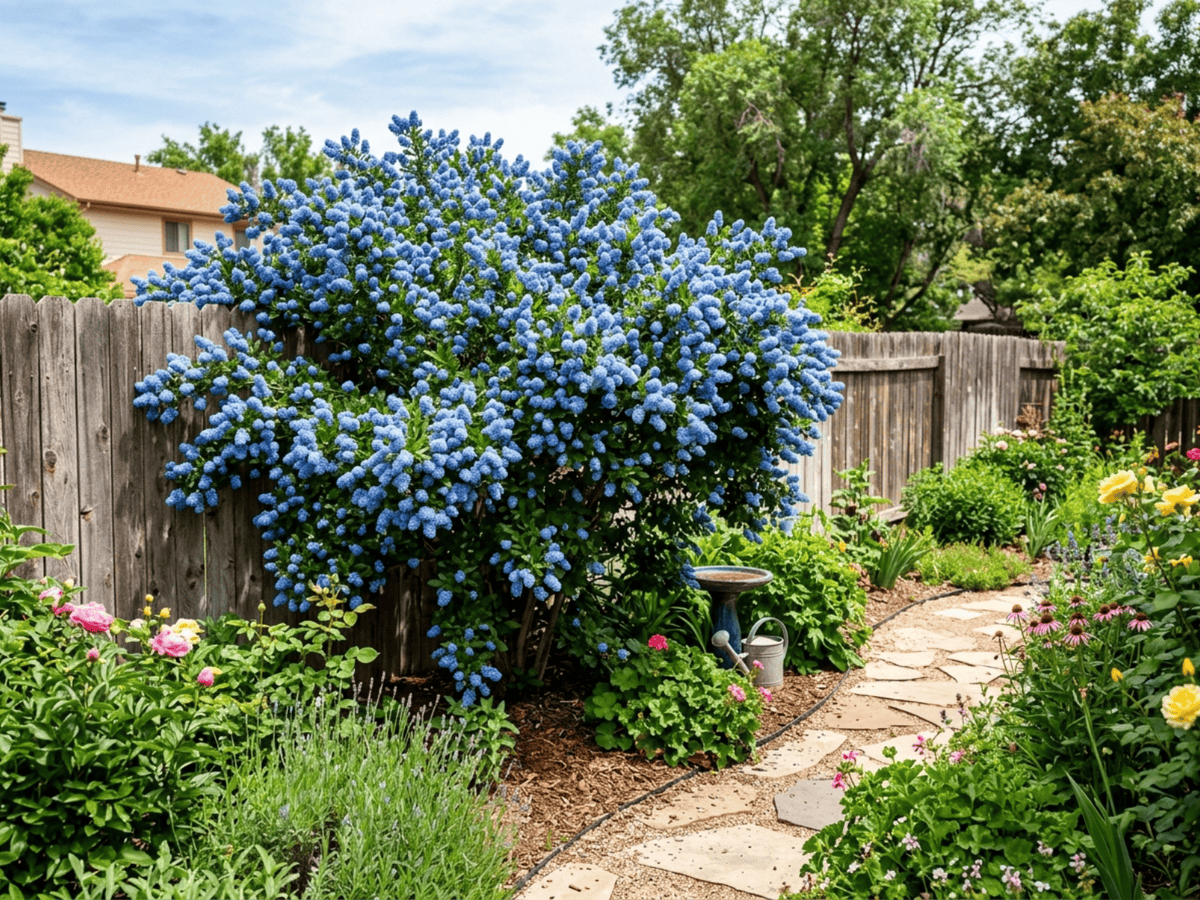
Blue Blossom is a vigorous evergreen California native shrub reaching 6-20 feet, producing masses of fragrant lavender-blue flower clusters in spring. Native to the California coastal ranges from Santa Barbara to southern Oregon, it forms an excellent evergreen screen or hedge. Its glossy dark green leaves and billowing blue blooms make it one of the most ornamental native shrubs for California gardens. Drought-tolerant once established and a major nectar source for native bees.
- Fragrant
- Drought-tolerant
- Evergreen
- Native
How to care for Blueblossom
Watering
- Springevery 14 days
- Summerevery 21 days
- Fallevery 21 days
- Winterpause watering
Soil · Well-draining
- Top dressingPine bark mulch10%
- Main mixPotting soil + perlite 2:170%
- DrainageLECA / gravel20%
Never skip the drainage layer — standing water is the top cause of root rot.
FERTILIZER
This plant needs little to no feeding.
At a Glance
- NativeNorth America
- Height6–15 ft (1.8–4.6 m)
- Spread6–12 ft (1.8–3.7 m)
- Flower colorBlue
- Foliage colorGreen
- SoilSandy, Well-drained
- LocationsYard
Bloom time
BLOOM CYCLE
Peak bloom
Mar–May
Lavender-blue clusters March to May
Fragrance
LIGHT FRAGRANCE
The flowers have a honey-like scent that attracts bees.
Toxicity
No toxicity has been reported for this plant. Still, it is wise to keep pets from chewing on any houseplant.
Educational information, not medical or veterinary advice. If exposure is suspected, contact a doctor or veterinarian.
DISTRIBUTION


- Native
- North America
History
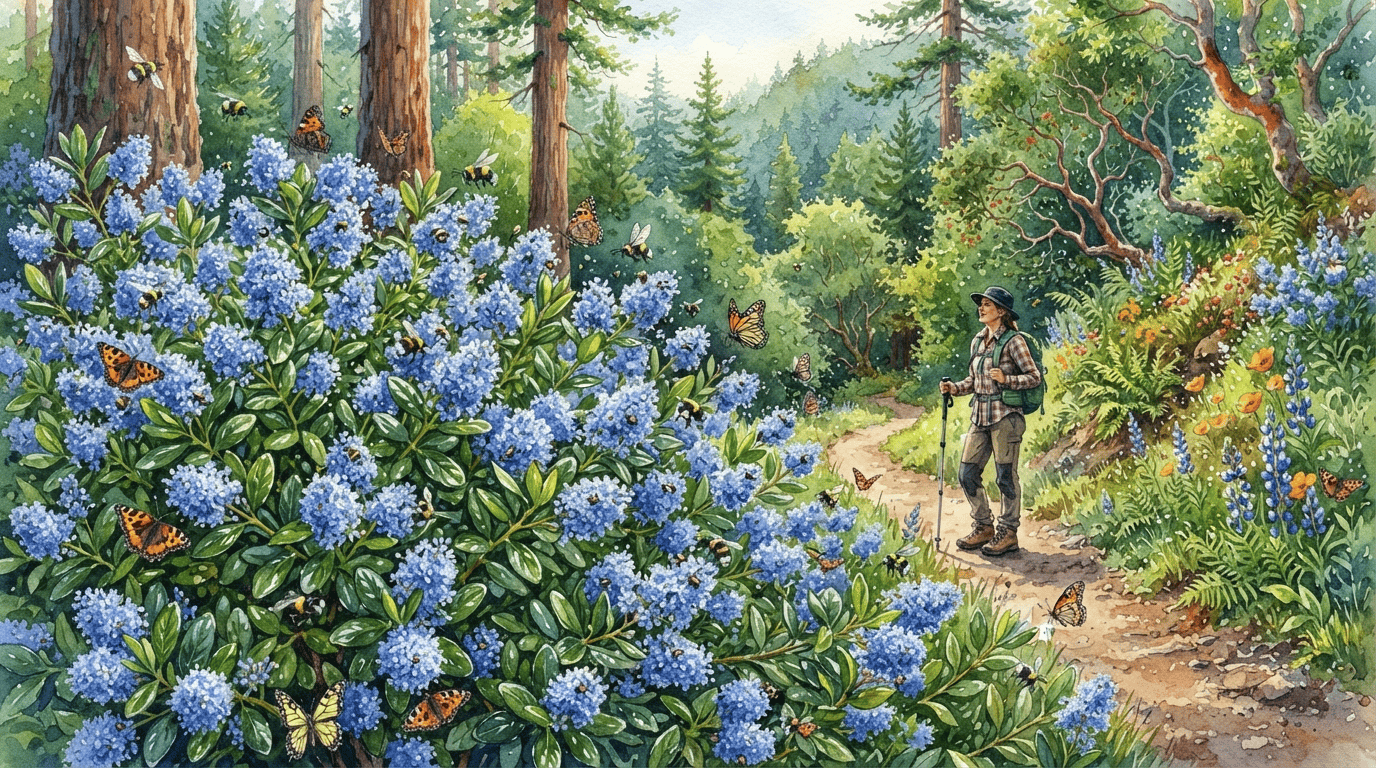
Ceanothus thyrsiflorus is native to the Pacific coast from southwestern Oregon through Northern and Central California as far south as the Santa Ynez Mountains of Santa Barbara County, growing in mixed-evergreen forest margins, coastal scrub, and lower mountain slopes. It is one of approximately 50 species of Ceanothus in western North America — a predominantly Californian genus known collectively as "California lilacs" or "wild lilacs" (though not related to true lilacs, Syringa). C. thyrsiflorus is a moderately vigorous evergreen shrub 2-4 meters tall and similarly wide, with glossy dark-green leaves and, in April-May, spectacular masses of small 3-5 mm pale-blue to medium-blue flowers arranged in dense pyramidal panicles 5-10 cm long that nearly cover the plant.
Flowers are one of the most important early-spring nectar sources for California native bumblebees, solitary bees, and butterflies. The species has been the foundational parent of modern garden Ceanothus breeding since the early 20th century, producing widely-grown cultivars including "Skylark" (compact with deeper blue flowers), "Victoria" (vigorous hardy form), "Snow Flurry" (white flowers), and many others — collectively one of the defining California-native garden shrub groups.
Like most Ceanothus, the species has a mycorrhizal association with nitrogen-fixing Frankia bacteria and needs no fertilization.
Symbolism & meaning
What It Symbolizes
Blueblossom carries remembrance, its sky-blue clouds evoking the coastal California springs of generations past, when chaparral hillsides turned briefly into a sea of sapphire. It is also a flower of resilience, thriving in the poor soils and droughts that shape the western edge of the continent. To meet its in bloom is to remember a landscape, a season, perhaps a person who once stood among its flowers.
- Remembrance — evokes memories of coastal California springs
- Resilience — California chaparral shrub that flowers despite lean dry ground
Where the Name Comes From
The common name highlights its blue coloring. From Greek 'keanothos', ancient name for a spiny plant; 'thyrsiflorus' refers to its thyrse-shaped flower clusters.
Uses & Fun Facts
- Lavender-blue spring flowers carry honey-sweet scent
- Glossy evergreen California native for screening
- Spring blooms swarmed by native bees and butterflies
Related plants
More Ceanothus plants
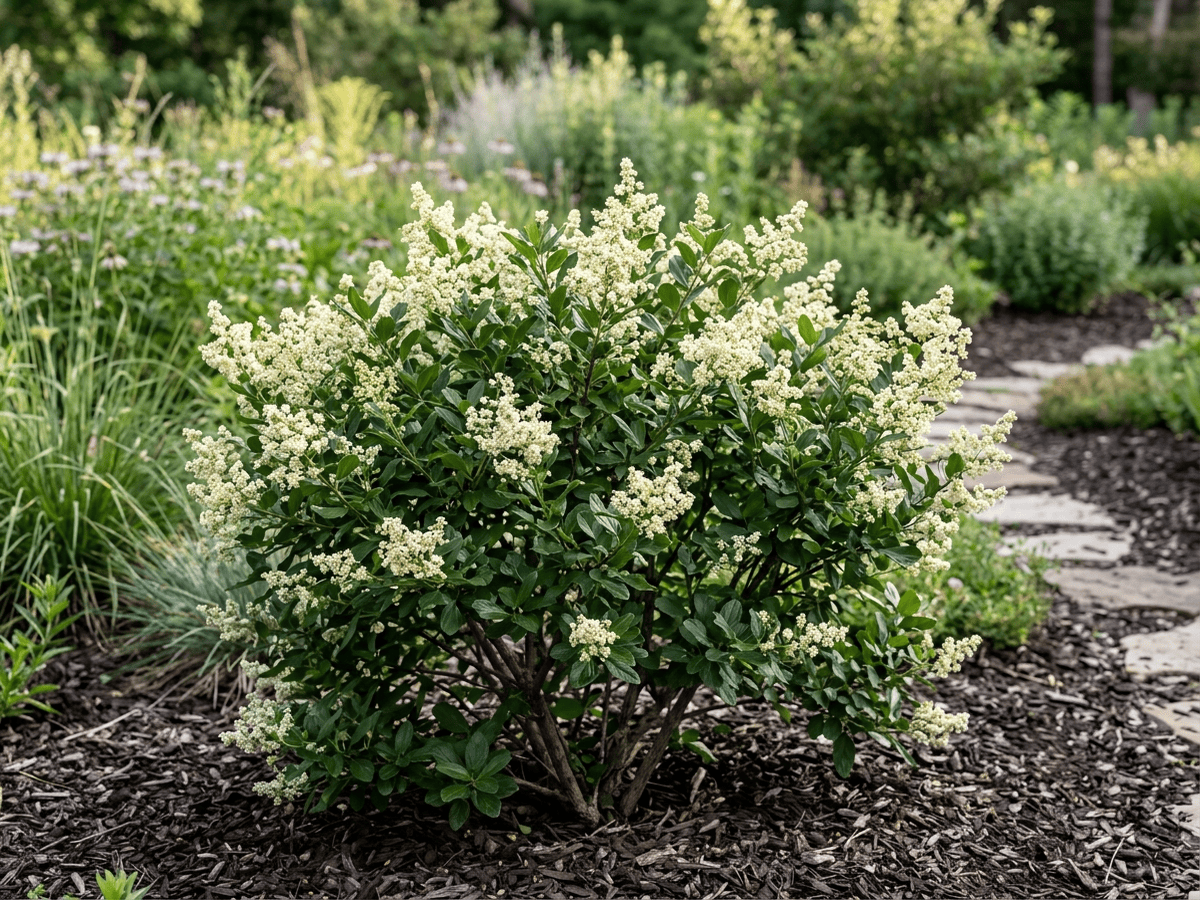 New Jersey TeaCeanothus americanus
 Point Reyes CeanothusCeanothus gloriosus
 Carmel CreeperCeanothus griseus horizontalis
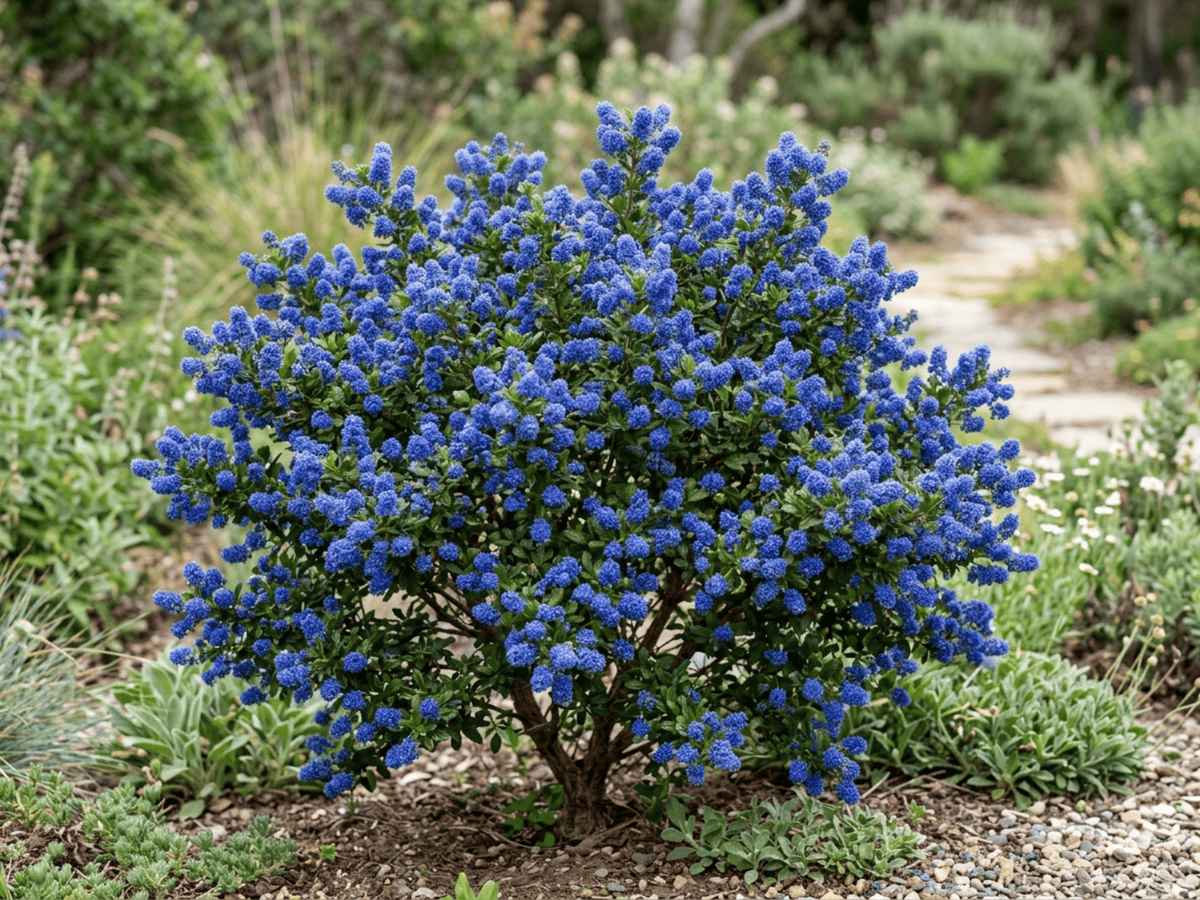 Santa Barbara CeanothusCeanothus impressus
Plants with similar care
 Mexican AbeliaAbelia floribunda
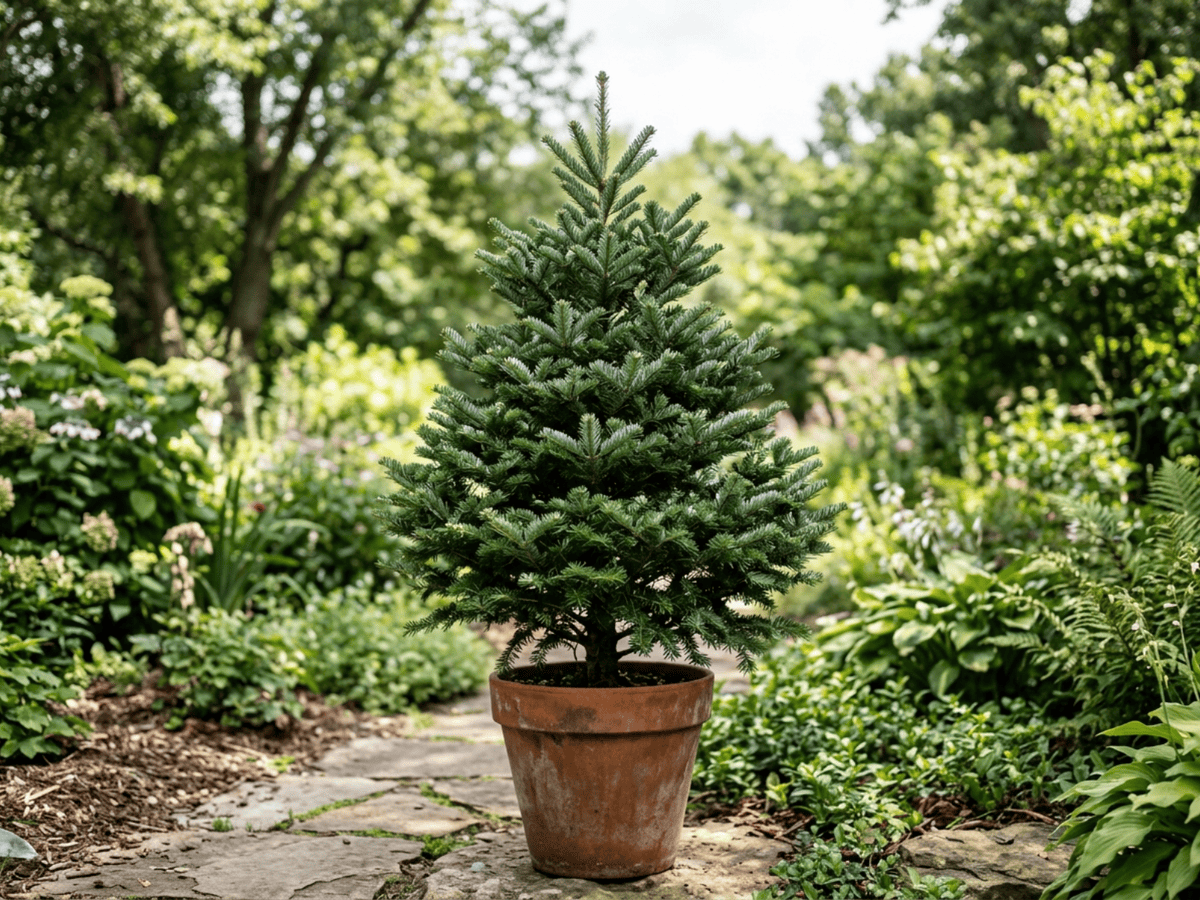 Fraser FirAbies fraseri
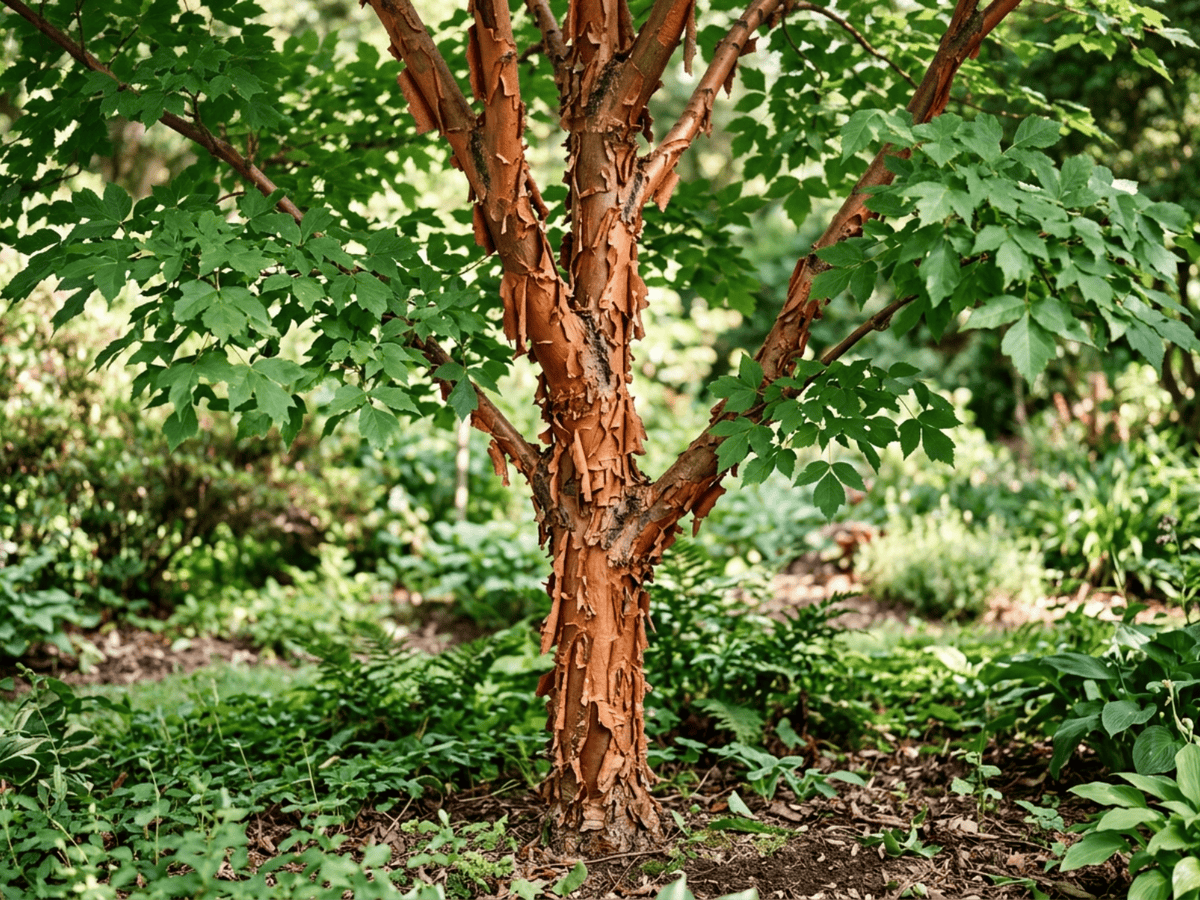 Paperbark MapleAcer griseum
 Sugar MapleAcer saccharum
Frequently asked questions
How often should I water Blueblossom?
Water about every 14 days during the growing season, and always let excess water drain away.
How much light does Blueblossom need?
Full sun: 6+ hrs direct. Watch the leaves — scorching or stretching means the light needs adjusting.
Is Blueblossom toxic to cats or dogs?
No toxicity has been reported for this plant. Still, it is wise to keep pets from chewing on any houseplant. Educational information, not medical or veterinary advice. If exposure is suspected, contact a doctor or veterinarian.
Is Blueblossom easy to grow?
It is moderately demanding: a good choice once you have a little experience.
When does Blueblossom bloom?
It typically blooms Mar–May in the Northern Hemisphere.
YardMate
Identify any plant in seconds
Snap a photo — YardMate names the plant, diagnoses problems, and reminds you when to water.
Download on the App Store