 YardMate

Chinese Quince
Chaenomeles speciosa
Easy · Beginner friendlyAbout Chinese Quince
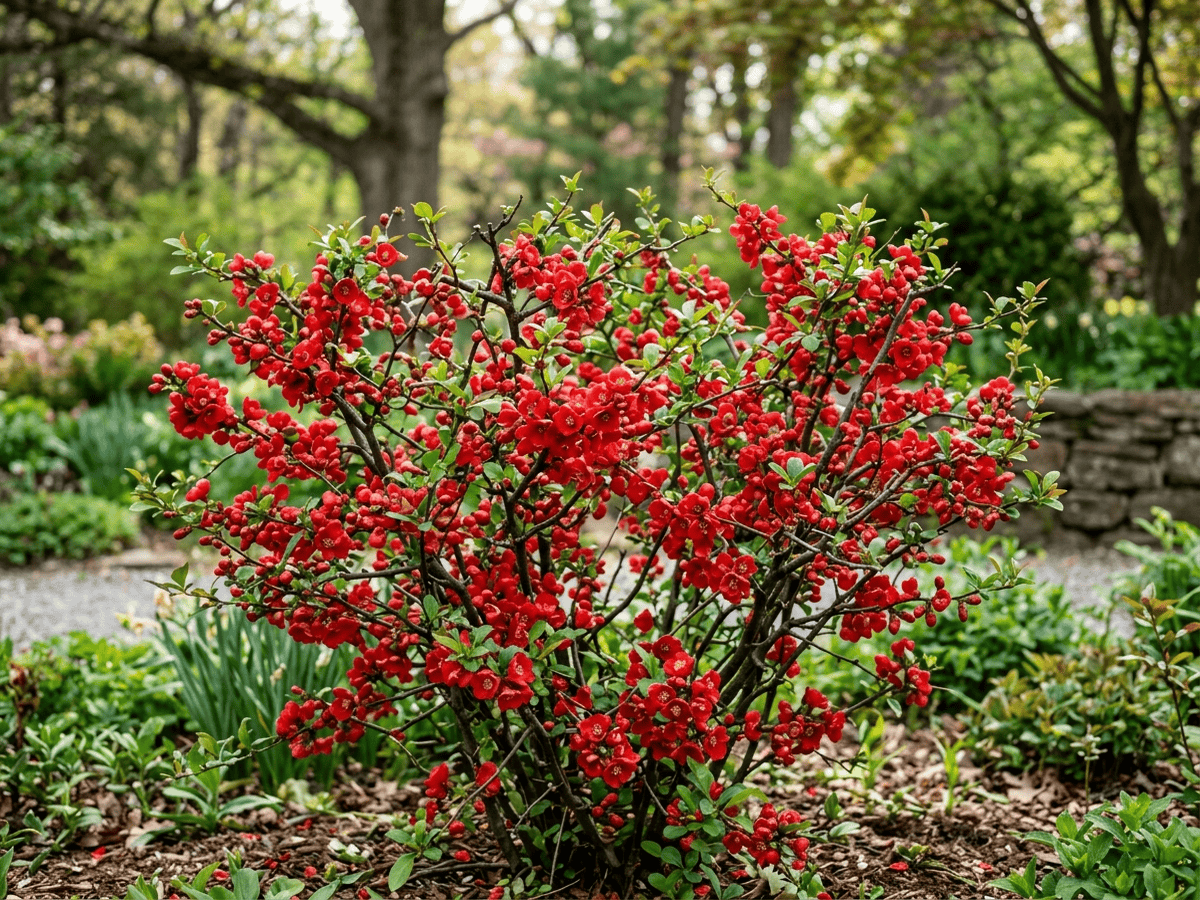
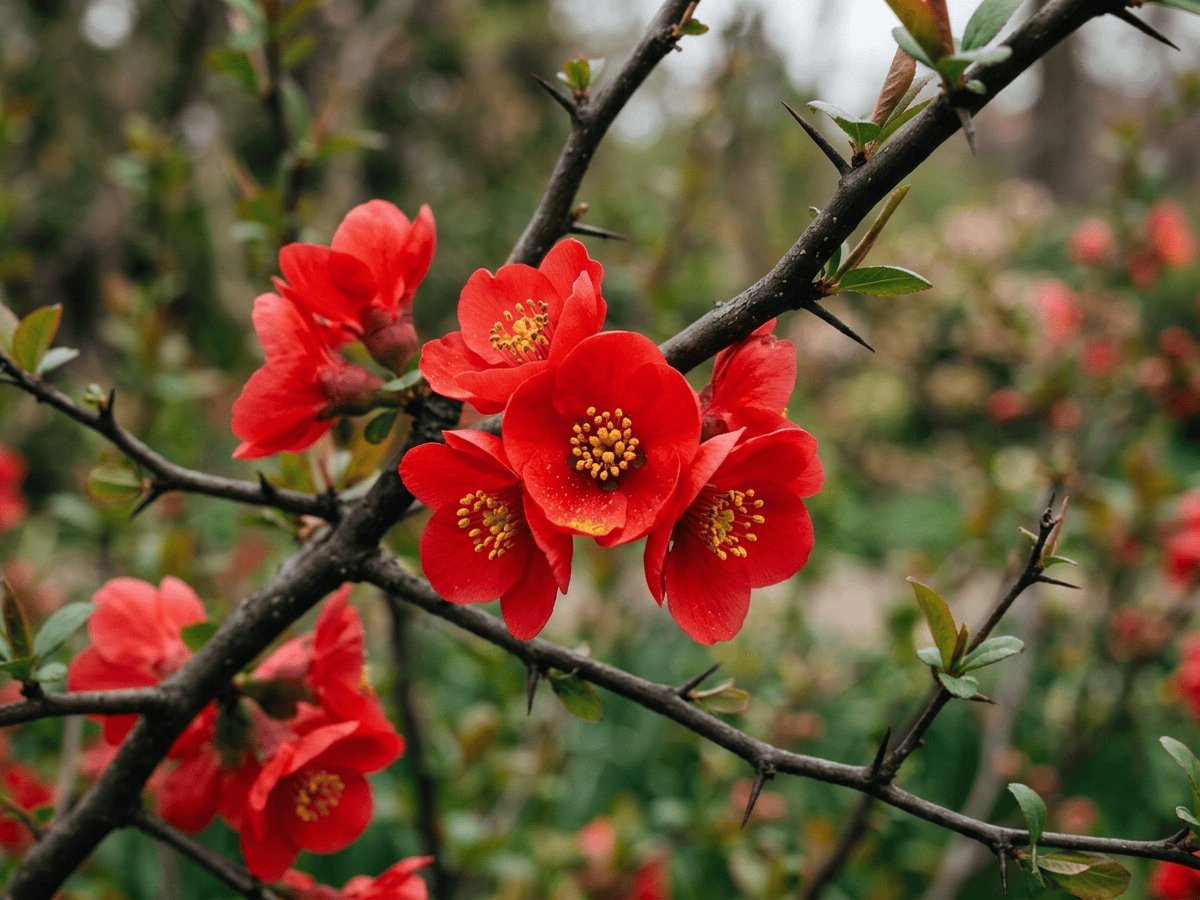
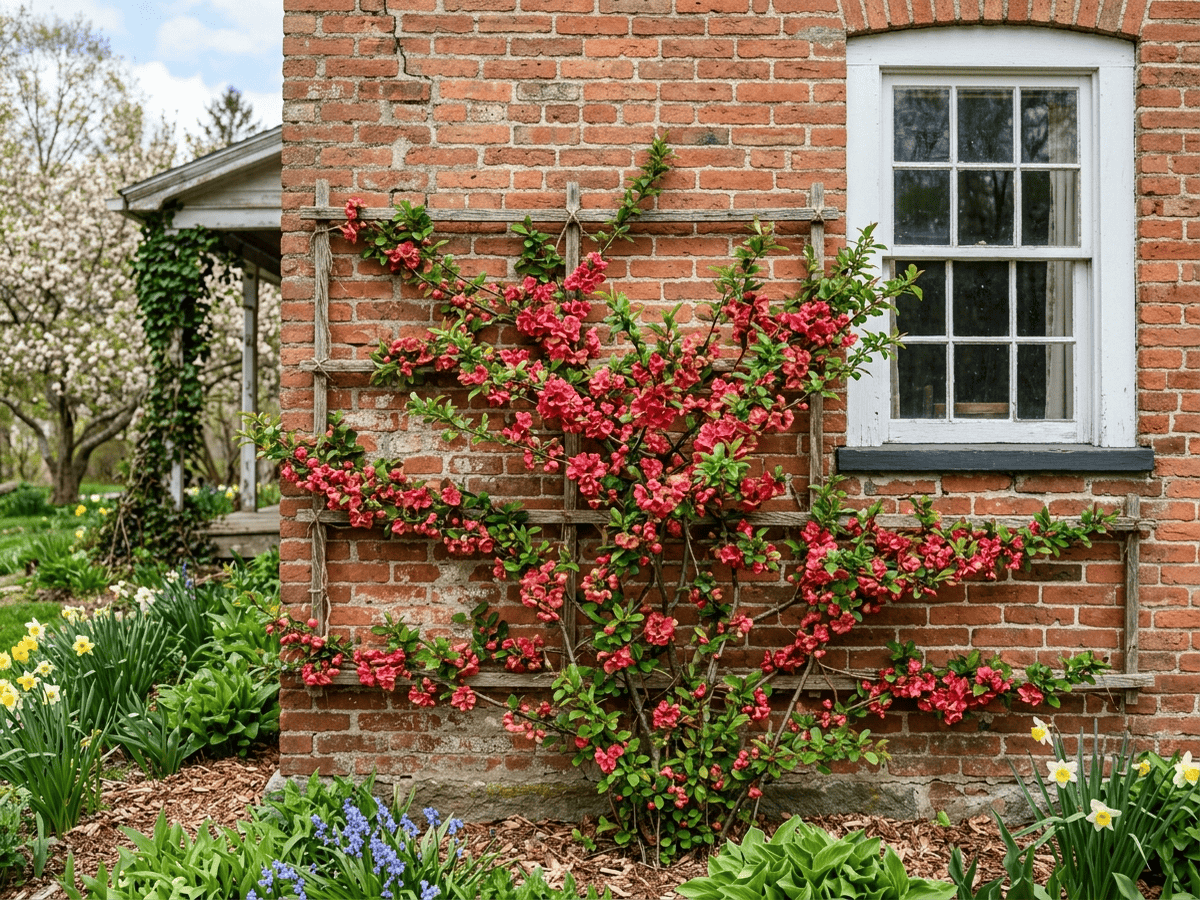
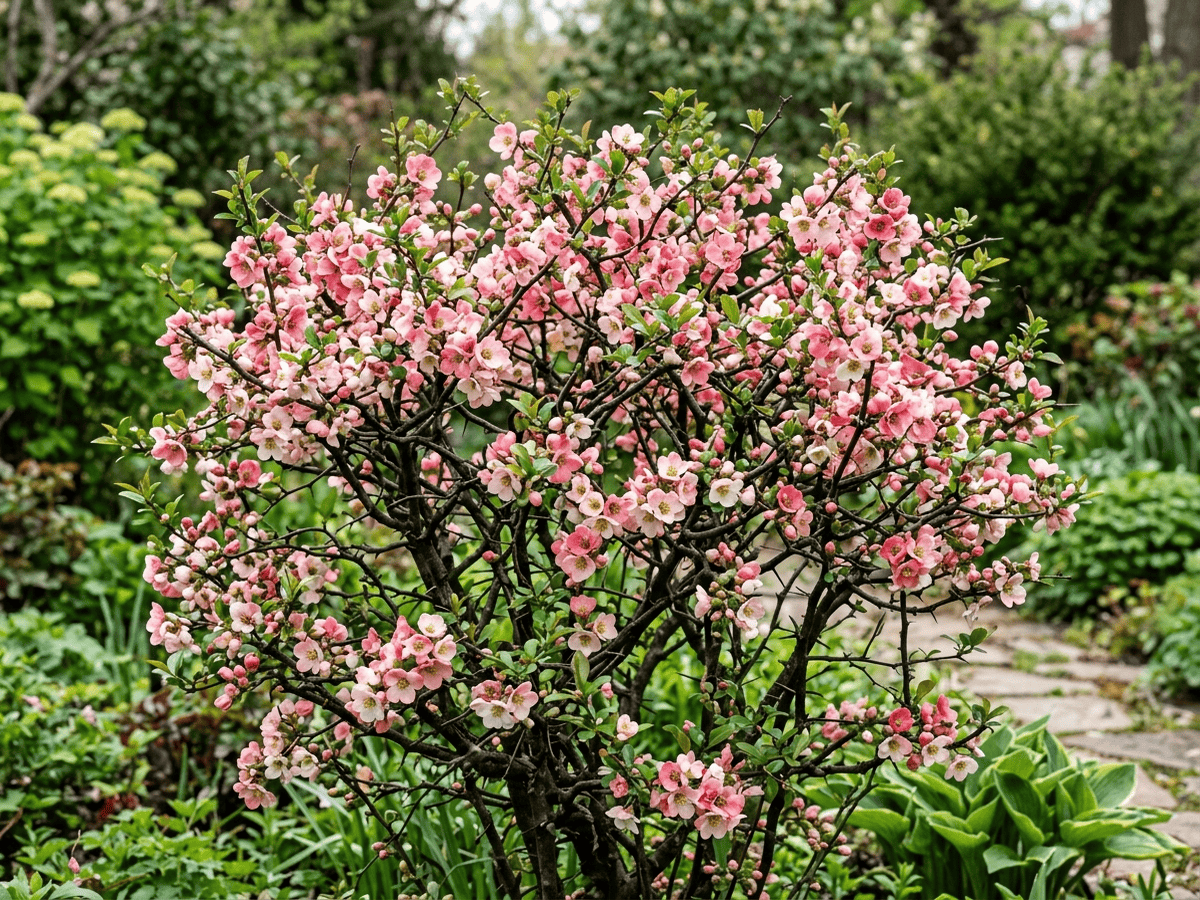
Common Flowering Quince is a Chinese deciduous shrub growing 6 to 10 feet tall with thorny arching stems that produce abundant red, pink, white, or coral flowers on bare branches in early spring. Fragrant quince fruits follow in fall. A classic heirloom shrub of American Southern and Midwest gardens, marking countless old homesteads with its early-spring flower display and later fall fruits.
- Edible
- Drought-tolerant
How to care for Chinese Quince
Watering
- Springevery 5 days
- Summerevery 3 days
- Fallevery 7 days
- Winterevery 14 days
Soil · Rich & loamy
- Top dressingBark mulch15%
- Main mixRich loam + compost 3:170%
- DrainageGravel15%
Use fully finished compost — fresh compost burns roots.
FERTILIZER
Balanced Feed 14-14-14
An even feed covers all three needs at once, keeping leaves, roots and blooms moving together with nothing pushed out of balance.
- Nitrogen · Leaves
- Phosphorus · Roots + Blooms
- Potassium · Strength
- Springevery 45 days
- Summerevery 60 days
At a Glance
- NativeEast Asia
- Height6–10 ft (1.8–3 m)
- Spread6–10 ft (1.8–3 m)
- Flower colorRed, Coral, Pink, White
- Foliage colorGreen
- Fruit colorYellow, Green
- SoilLoamy, Well-drained
- LocationsYard
Bloom time
BLOOM CYCLE
Peak bloom
Mar–Apr
Red, pink, coral, or white flowers on bare stems early spring
Fragrance
STRONG FRAGRANCE
Ripe fruit strongly aromatic like quince; flowers lightly fragrant.
Toxicity
No toxicity has been reported for this plant. Still, it is wise to keep pets from chewing on any houseplant.
Educational information, not medical or veterinary advice. If exposure is suspected, contact a doctor or veterinarian.
DISTRIBUTION


- Native
- Introduced
- East Asia
History
Chaenomeles speciosa grows wild in mountain thickets across central and eastern China. Its fruit, 'mugua', is described in the Tang Dynasty Bencao Shiyi (c.700 CE) and the 16th-century Bencao Gangmu of Li Shizhen for rheumatism, indigestion, and leg cramps; it remains listed in the modern Chinese Pharmacopoeia. The shrub reached the West in 1796 when Sir Joseph Banks received plants at Kew from Canton via Gilbert Slater, initially named Pyrus japonica and widely miscalled 'japonica' for centuries.
Its large scarlet or coral spring flowers, often on leafless twigs, made it a Victorian garden staple. It is the major parent, together with C. cathayensis and C. japonica, of the modern C. x superba hybrid group (Lemoine Nursery, early 1900s). Cultivars include 'Texas Scarlet', 'Jet Trail' (white), and the Double Take series.
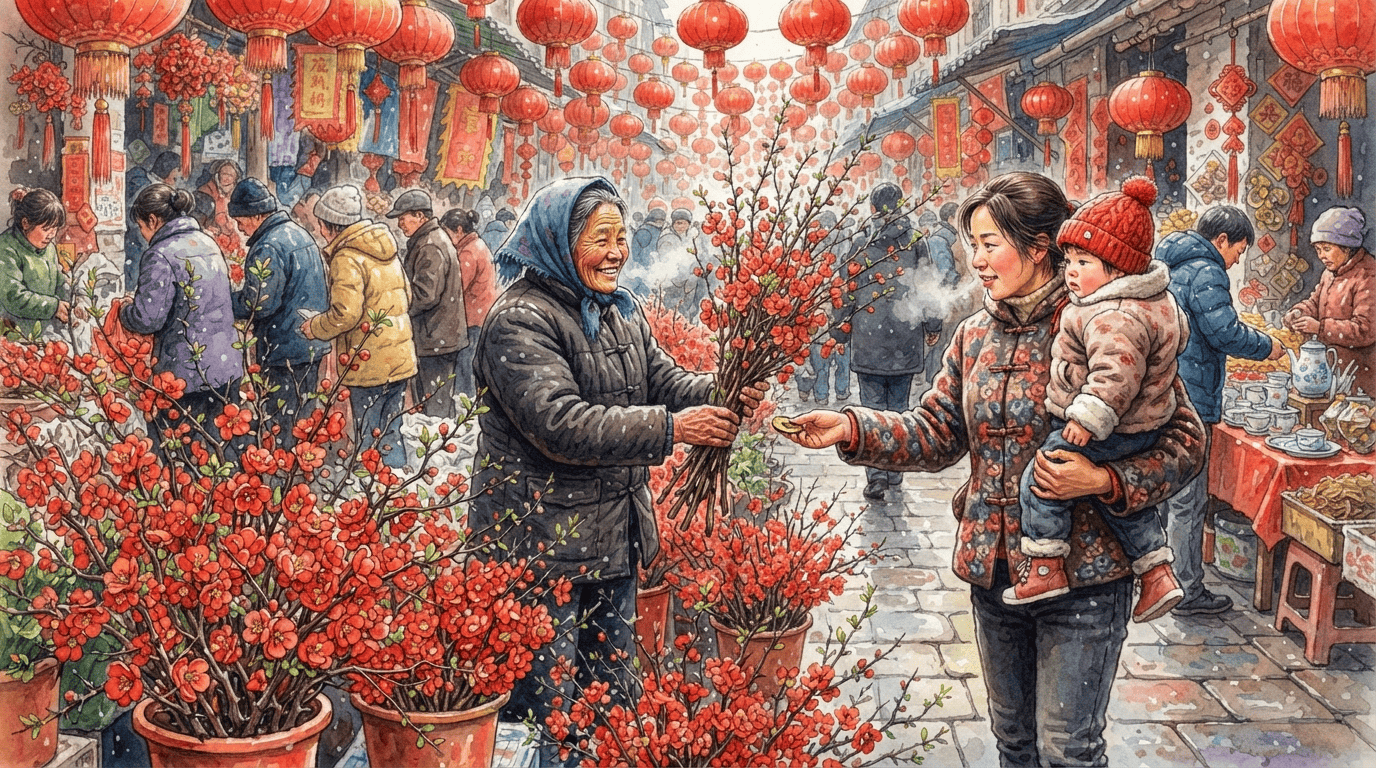
Introduced from China to English gardens by Sir Joseph Banks in 1796 and to American gardens soon after. In Chinese tradition, quince flowers symbolize prosperity and are given at Lunar New Year. A classic Southern American heirloom shrub marking old homesites from the 19th century, still widely planted today.
Symbolism & meaning
What It Symbolizes
The Chinese Quince blooms in red and pink against bare winter twigs, and in China its early flowers signal early fortune, a prosperity charm welcomed for the Lunar New Year. In North America it has become a heritage heirloom, marking the foundations of historic homesites long after the houses themselves are gone. To find a chaenomeles still flowering in an abandoned yard is to read a small chapter of social history written in branches and blossom.
- Early fortune — Chinese New Year prosperity flower
- Heritage heirloom — marks historic American homesites
Where the Name Comes From
The name Chinese Quince points to China. 'speciosa' from Latin means showy or beautiful, for the spectacular flower display.
Uses & Fun Facts
- Hard tart quinces cooked into jellies and preserves
- Branches forced indoors for early spring blossoms
- Thorny stems form impenetrable flowering barrier hedges
Related plants
More Chaenomeles plants

Plants with similar care
 Chinese AbeliaAbelia chinensis
 Fragrant AbeliaAbelia mosanensis
 Large-Flowered AbeliaAbelia uniflora
 Glossy AbeliaAbelia x grandiflora
Frequently asked questions
How often should I water Chinese Quince?
In summer, water about every 3 days; in winter, about every 14 days. Adjust for heat, pot size and drainage.
How much light does Chinese Quince need?
Full sun: 6+ hrs direct. Watch the leaves — scorching or stretching means the light needs adjusting.
Is Chinese Quince toxic to cats or dogs?
No toxicity has been reported for this plant. Still, it is wise to keep pets from chewing on any houseplant. Educational information, not medical or veterinary advice. If exposure is suspected, contact a doctor or veterinarian.
Is Chinese Quince easy to grow?
Yes — it is considered an easy, beginner-friendly plant.
When does Chinese Quince bloom?
It typically blooms Mar–Apr in the Northern Hemisphere.
YardMate
Identify any plant in seconds
Snap a photo — YardMate names the plant, diagnoses problems, and reminds you when to water.
Download on the App Store