 YardMate

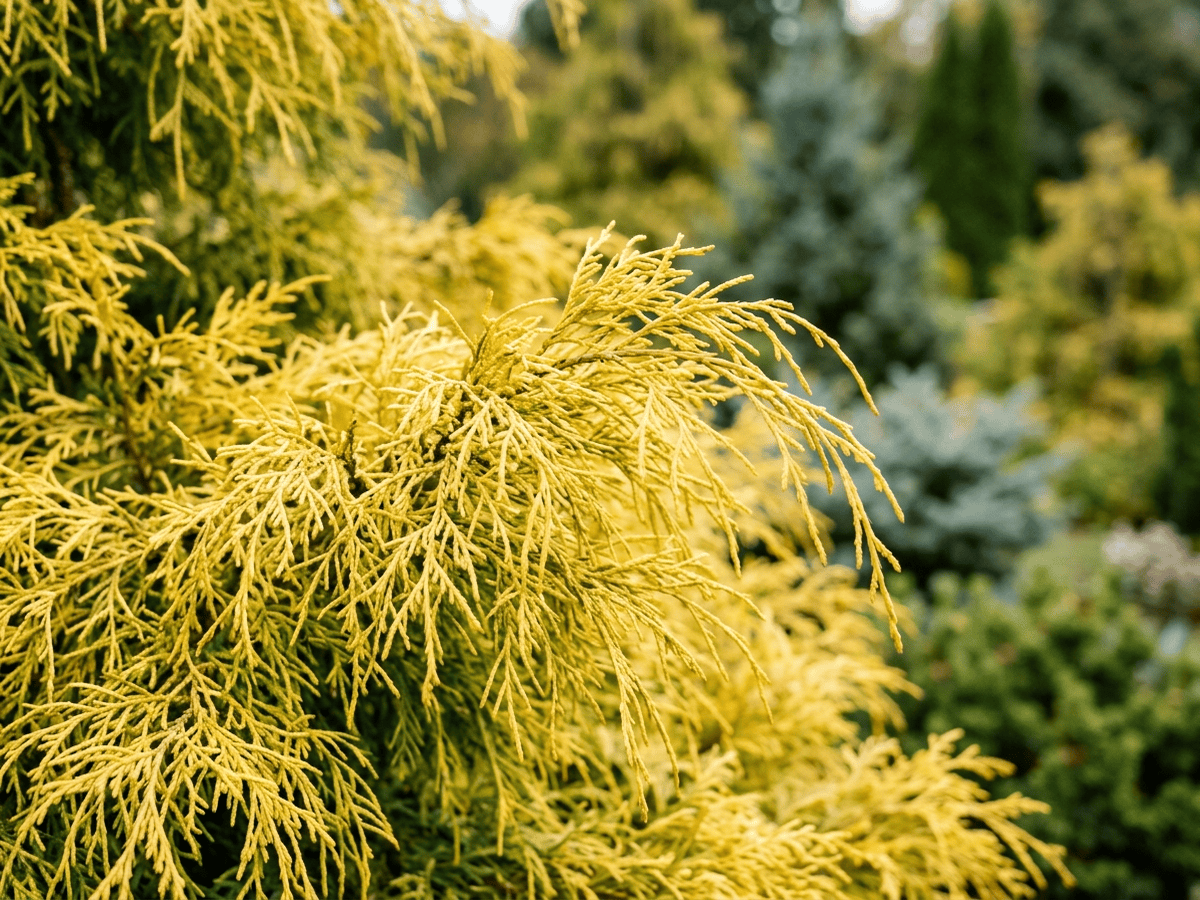


Sawara Cypress
Chamaecyparis pisifera
Easy · Beginner friendlyAbout Sawara Cypress
Sawara Cypress is an elegant conifer native to Japan, reaching 30-70 feet in its species form but best known in American gardens through its many ornamental cultivars. Soft scale-like foliage varies dramatically among varieties from feathery threadleaf 'Filifera' to golden 'Golden Mop' to fluffy juvenile-leaved 'Boulevard'. Adaptable and long-lived, it offers gardeners a remarkable range of textures and colors from a single species.
- Shade-tolerant
- Evergreen
How to care for Sawara Cypress
Watering
- Springevery 10 days
- Summerevery 7 days
- Fallevery 14 days
- Winterevery 30 days
Soil · Well-draining
- Top dressingPine bark mulch10%
- Main mixPotting soil + perlite 2:170%
- DrainageLECA / gravel20%
Never skip the drainage layer — standing water is the top cause of root rot.
FERTILIZER
Balanced Feed 14-14-14
An even feed covers all three needs at once, keeping leaves, roots and blooms moving together with nothing pushed out of balance.
- Nitrogen · Leaves
- Phosphorus · Roots + Blooms
- Potassium · Strength
- Springevery 60 days
At a Glance
- NativeEast Asia
- Height50–70 ft (15.2–21.3 m)
- Spread15–25 ft (4.6–7.6 m)
- Flower colorYellow, Red
- Foliage colorGreen, Yellow, Blue-green
- Fruit colorBrown
- SoilLoamy, Well-drained, Acidic
- LocationsYard
Bloom time
BLOOM CYCLE
Peak bloom
Mar–May
Small yellow male cones in spring
Fragrance
MODERATE FRAGRANCE
Aromatic cypress scent when crushed.
Toxicity
No toxicity has been reported for this plant. Still, it is wise to keep pets from chewing on any houseplant.
Educational information, not medical or veterinary advice. If exposure is suspected, contact a doctor or veterinarian.
DISTRIBUTION


- Native
- Introduced
- East Asia
History

Chamaecyparis pisifera, the Sawara cypress, grows naturally in cool, moist mountain forests of Honshu and Kyushu in Japan. Siebold and Zuccarini described it in 1842; the epithet pisifera means pea-bearing, referring to its tiny round cones. In Japan it stands with hinoki among the Five Sacred Trees of Kiso, timber species historically protected for elite and temple use.
The fragrant, rot-resistant wood has been prized for sake and miso casks, rice buckets, bathtubs, and boat-building, especially where wood meets water. Introduced to Europe in the 1860s, Sawara cypress became a Victorian favorite and then a conifer breeder's playground. Hundreds of cultivars followed, from golden threadleaf forms such as 'Filifera Aurea' to soft mossy 'Squarrosa' and compact globes like 'Golden Mop'.
Symbolism & meaning
What It Symbolizes
The Sawara cypress is botanical versatility incarnate, parent to hundreds of cultivars in shapes and colors no single wild form ever wore. Its texture is its conversation — from threadleaf to feathery to golden, it offers conifer-lovers a lifetime of variations on a single theme. Few species have given gardeners so much to work with from one original Japanese tree.
- Versatility — hundreds of cultivar forms
- Texture — from threadleaf to feathery to golden
Where the Name Comes From
'Pisifera' means 'pea-bearing', referring to the small round cones.
Uses & Fun Facts
- Soft feathery evergreen foliage shaped into screens and windbreaks
- Golden and threadleaf cultivars grown as conifer focal points
- Aromatic decay-resistant wood used in Japanese temple construction
Related plants
Plants with similar care
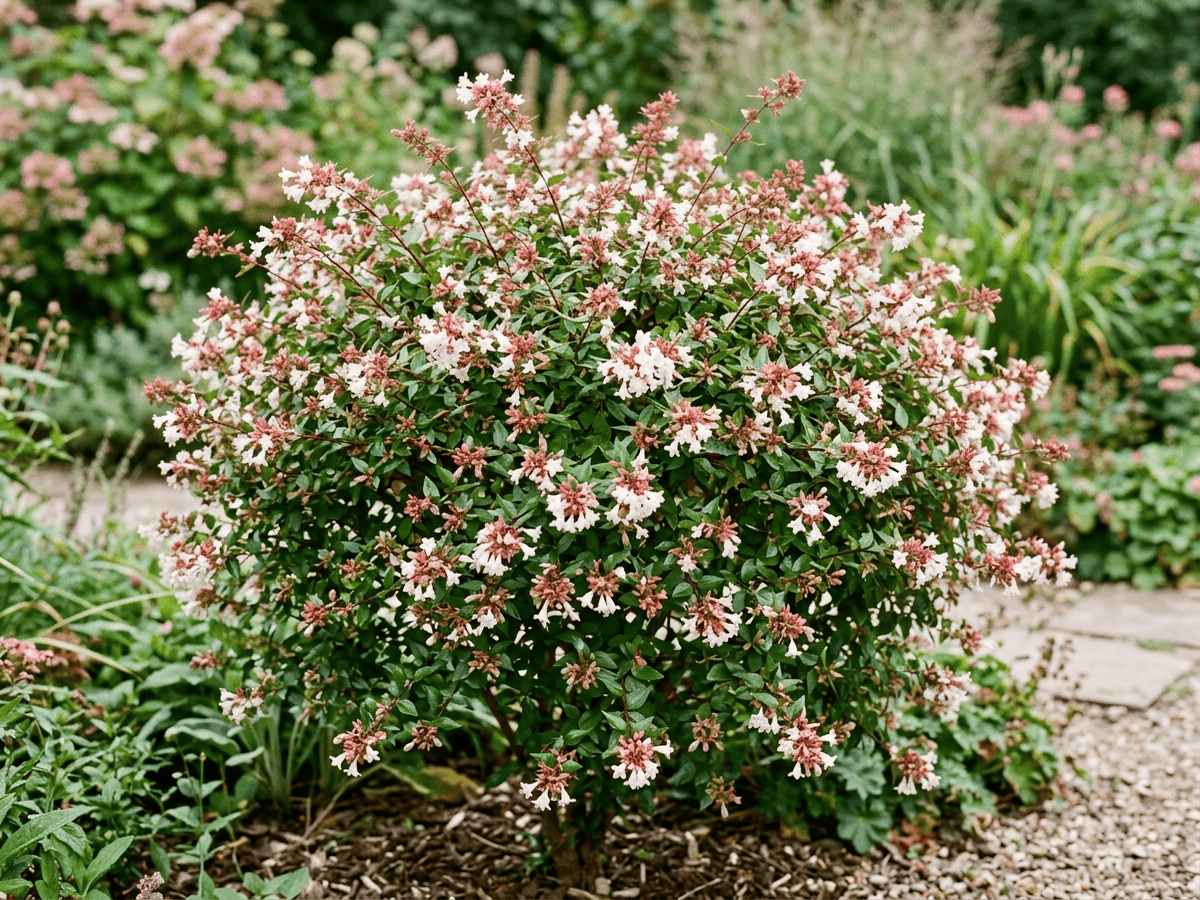 Chinese AbeliaAbelia chinensis
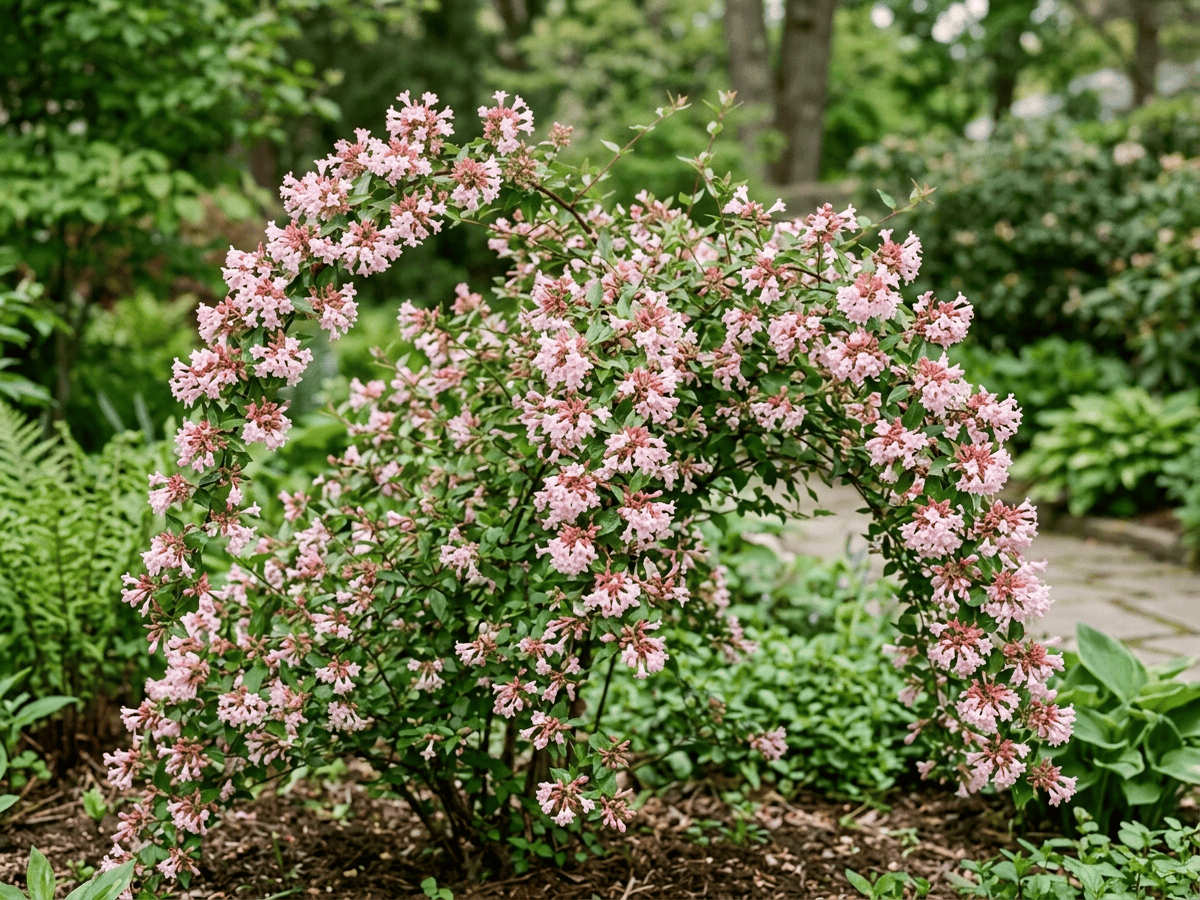 Fragrant AbeliaAbelia mosanensis
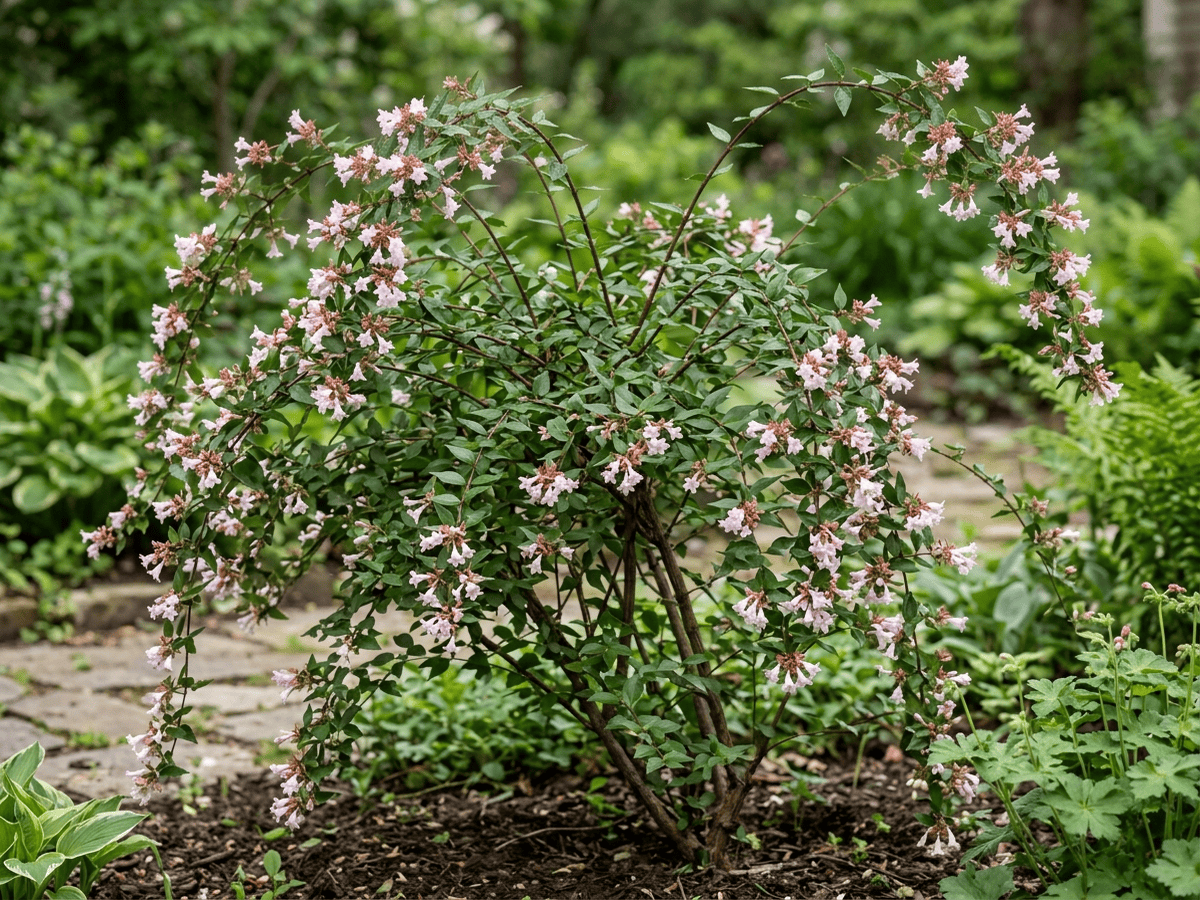 Large-Flowered AbeliaAbelia uniflora
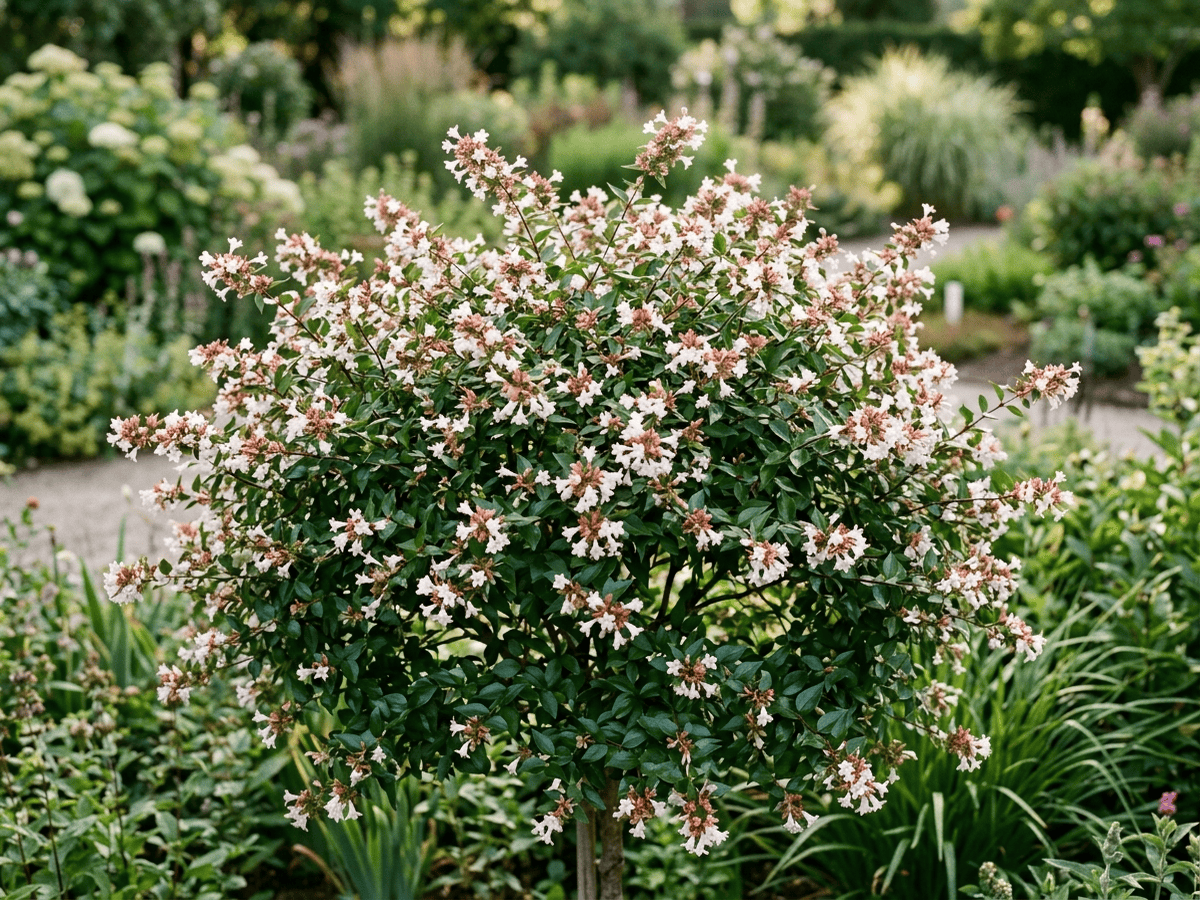 Glossy AbeliaAbelia x grandiflora
Frequently asked questions
How often should I water Sawara Cypress?
In summer, water about every 7 days; in winter, about every 30 days. Adjust for heat, pot size and drainage.
How much light does Sawara Cypress need?
Full sun: 6+ hrs direct. Watch the leaves — scorching or stretching means the light needs adjusting.
Is Sawara Cypress toxic to cats or dogs?
No toxicity has been reported for this plant. Still, it is wise to keep pets from chewing on any houseplant. Educational information, not medical or veterinary advice. If exposure is suspected, contact a doctor or veterinarian.
Is Sawara Cypress easy to grow?
Yes — it is considered an easy, beginner-friendly plant.
When does Sawara Cypress bloom?
It typically blooms Mar–May in the Northern Hemisphere.
YardMate
Identify any plant in seconds
Snap a photo — YardMate names the plant, diagnoses problems, and reminds you when to water.
Download on the App Store