 YardMate

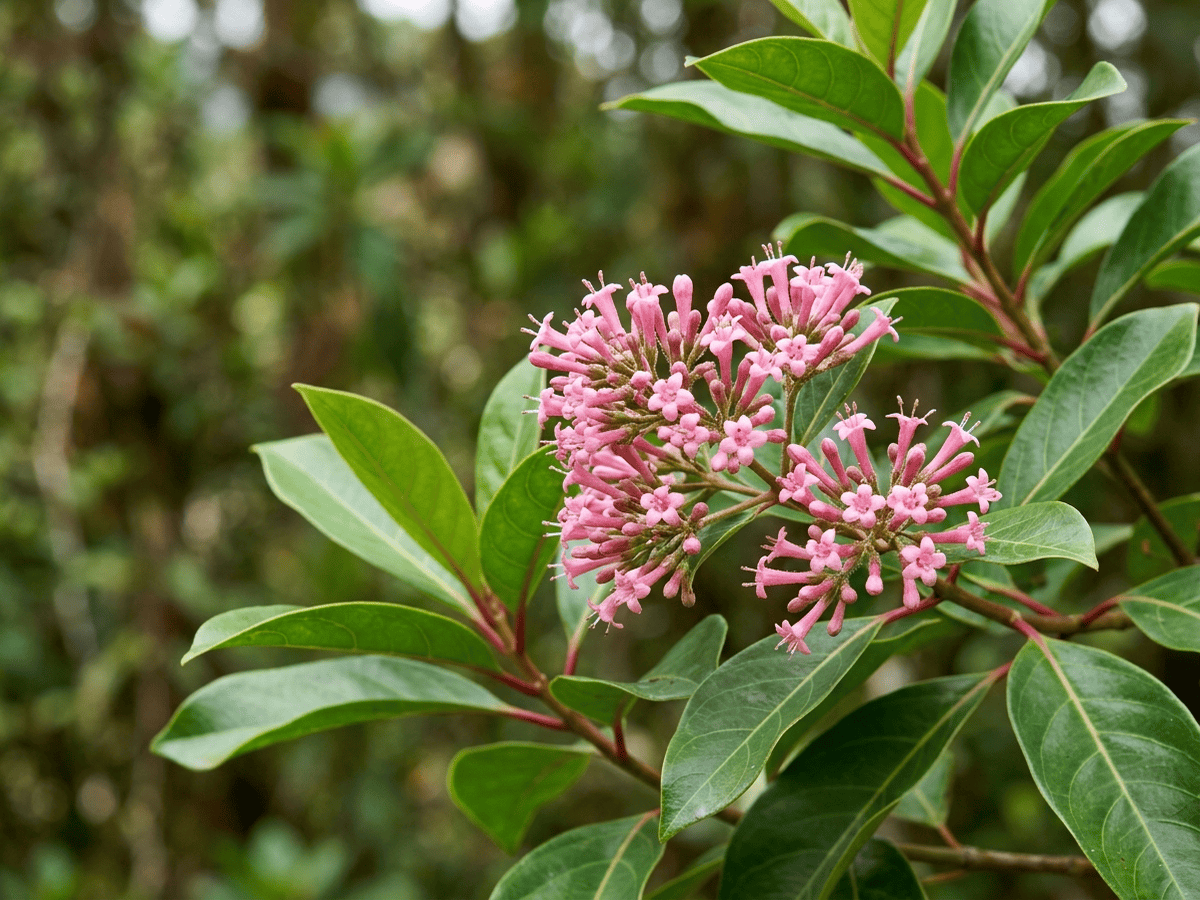


Quinine Tree
Cinchona officinalis
Hard · Experienced growersAbout Quinine Tree
Cinchona officinalis is an evergreen Andean tree from Ecuador and Peru whose bark made it one of the most consequential plants in medical history. The bark contains quinine, the first broadly effective antimalarial compound and a substance that shaped colonial medicine, tropical exploration, and the bitterness of tonic water. Linnaeus named the genus after the Countess of Chinchon, a figure tied to an often-retold malaria recovery legend. Jesuit networks brought the bark to Europe in the 1600s, and 19th-century British and Dutch plantations in Asia turned a rare Andean resource into a global commodity. In cultivation, it is a cloud-forest tree for humid, mild climates, with glossy leaves and a legacy far larger than its flowers.
- Medicinal
- Evergreen
- Tropical
How to care for Quinine Tree
Watering
- Springevery 4 days
- Summerevery 3 days
- Fallevery 5 days
- Winterevery 7 days
Soil · Well-draining
- Top dressingPine bark mulch10%
- Main mixPotting soil + perlite 2:170%
- DrainageLECA / gravel20%
Never skip the drainage layer — standing water is the top cause of root rot.
FERTILIZER
Balanced Feed 14-14-14
An even feed covers all three needs at once, keeping leaves, roots and blooms moving together with nothing pushed out of balance.
- Nitrogen · Leaves
- Phosphorus · Roots + Blooms
- Potassium · Strength
- Springevery 30 days
- Summerevery 30 days
- Fallevery 45 days
At a Glance
- NativeSouth America
- Height15–30 ft (4.6–9.1 m)
- Spread10–20 ft (3–6.1 m)
- Flower colorPink, White
- Foliage colorGreen
- Fruit colorBrown
- SoilLoamy, Well-drained, Acidic
- LocationsYard
Bloom time
BLOOM CYCLE
Peak bloom
Jun–Aug
Fragrant pinkish-white tubular flowers in clusters; rarely flowers outside tropics.
Fragrance
MODERATE FRAGRANCE
The flowers have a sweet tubular flower scent.
Toxicity
Humans Toxic · Pets Toxic
quinine, quinidine, and cinchonine
Toxic
- Bark
- Ingestion
EXPOSURE Eating bark.
EFFECT Cinchonism: tinnitus, nausea, vision changes, cardiac effects at high doses.
NOTE Bark contains potent alkaloids. Medicinal only under professional supervision.
Toxic
- Bark
- Ingestion
EXPOSURE Eating bark.
EFFECT Quinine toxicity: cardiac arrhythmia, seizures.
NOTE Bark contains potent alkaloids. Medicinal only under professional supervision.
Toxic
- Bark
- Ingestion
EXPOSURE Eating bark.
EFFECT Quinine toxicity.
NOTE Bark contains potent alkaloids. Medicinal only under professional supervision.
Educational information, not medical or veterinary advice. If exposure is suspected, contact a doctor or veterinarian.
DISTRIBUTION


- Native
- Introduced
- South America
History
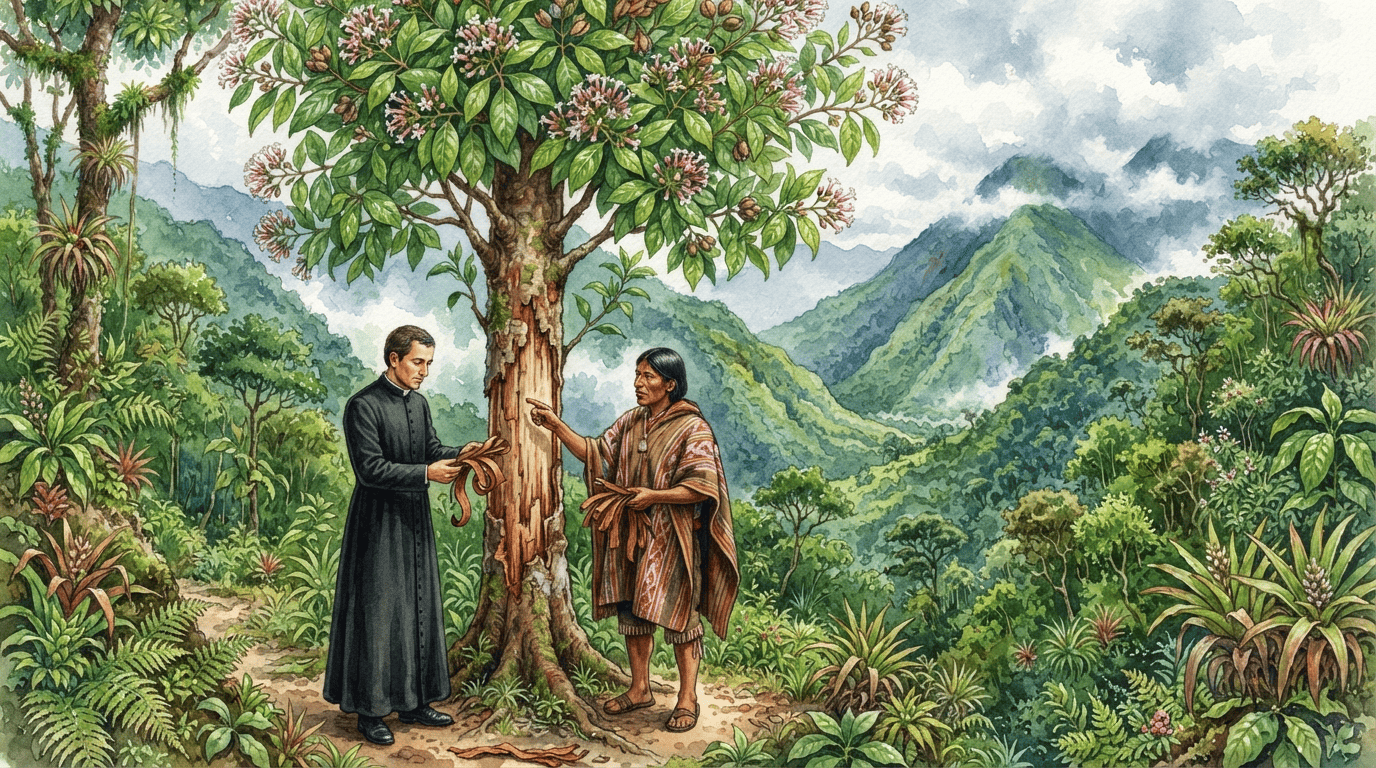
Cinchona officinalis and related species (C. calisaya, C. ledgeriana, C. pubescens) are native to the eastern Andean slopes of Peru, Ecuador, Bolivia, and Colombia. Indigenous Quechua peoples used the bark for fevers before Spanish contact. Jesuit missionaries in 17th-century Peru — particularly Agostino Salumbrino and Bernabé Cobo — recognized its antimalarial properties, and 'Jesuit's bark' began reaching Europe by the 1630s-40s. The cure was initially controversial (anti-Catholic sentiment in Protestant Europe delayed acceptance), but by the late 17th century it was the standard treatment for intermittent fever.
Linnaeus formally described the genus in 1742, naming it for the Countess of Chinchón (whose alleged 1638 cure is now considered apocryphal but who gave the plant its scientific name). Charles Ledger smuggled seeds of the high-yielding C. ledgeriana to Java in 1865 (Dutch plantation system became dominant). Meanwhile British botanist Clements Markham led expeditions bringing seedlings to India and Ceylon (1860).
These plantations broke Peru's monopoly and made quinine affordable worldwide, enabling European colonization of previously malarial tropics. In 1820 French pharmacists Pelletier and Caventou isolated pure quinine from the bark — one of the earliest plant-alkaloid isolations. WWII Japanese occupation of Java cut Allied quinine supplies and drove synthesis programs producing chloroquine (1934, later mass-produced in WWII), the first synthetic antimalarial. Quinine remains used medically for drug-resistant malaria and muscle cramps; tonic water retains small amounts for the bitter flavor central to gin and tonic. British smuggled seed to India 1860; Dutch to Java, creating world plantation system. Source of gin-and-tonic quinine.
Symbolism & meaning
What It Symbolizes
The Quinine Tree carries a global history in its bark. From Andean forests to European ships and tropical plantations, it became entangled with malaria, empire, tonic water, and scientific extraction. Its symbolism is consequence: a cloud-forest tree whose quiet growth altered routes of travel, commerce, and human ambition.
- Healing — Transformed global medicine and saved countless lives
- Exchange — Central plant of the Columbian exchange's medical legacy
Where the Name Comes From
Cinchona from the Countess of Chinchón; 'officinalis' marks pharmacy use from 'officina.'
Uses & Fun Facts
- Bark yields quinine, the historical malaria treatment alkaloid
- Quinine extract flavors tonic water and bitter aperitifs
- Botanical curiosity grown in tropical pharmaceutical and heritage collections
Related plants
Plants with similar care
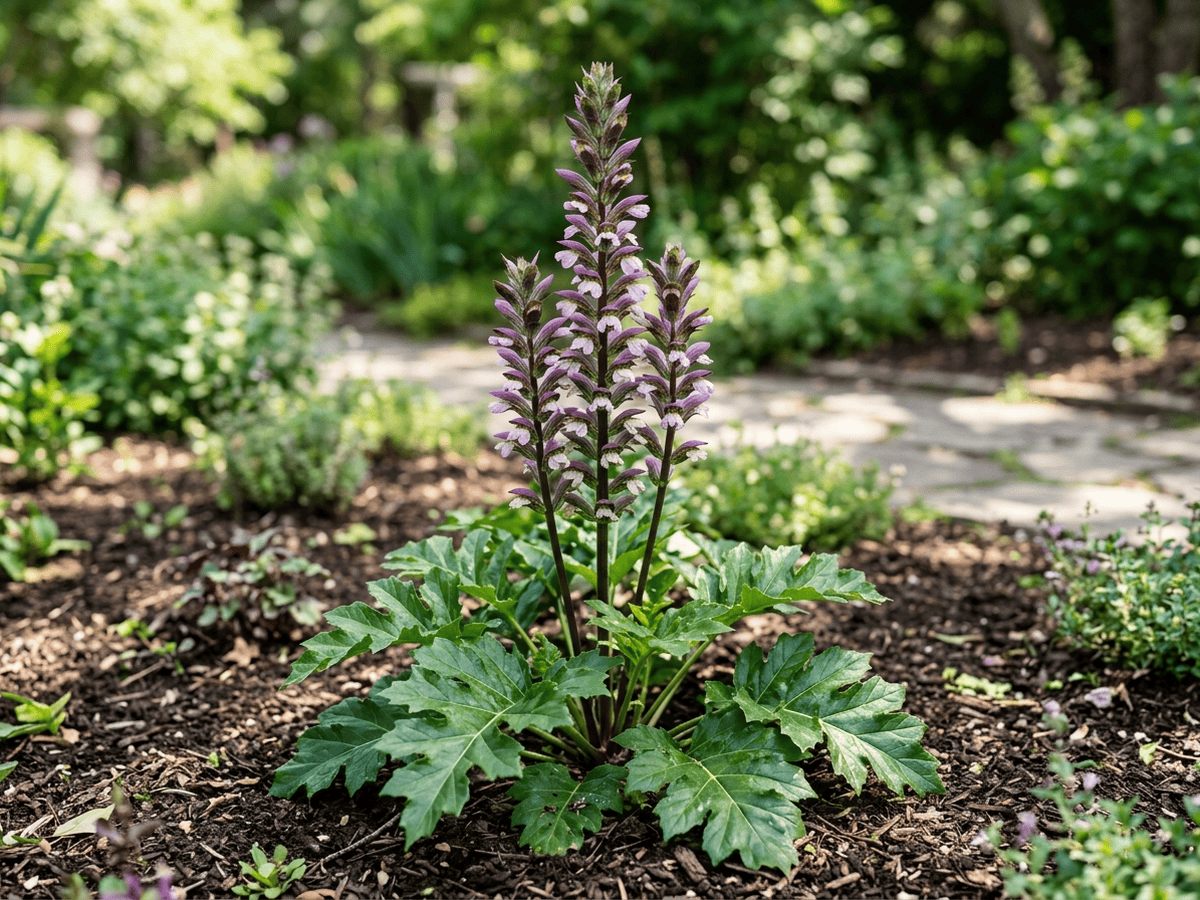 Bear's BreechesAcanthus mollis
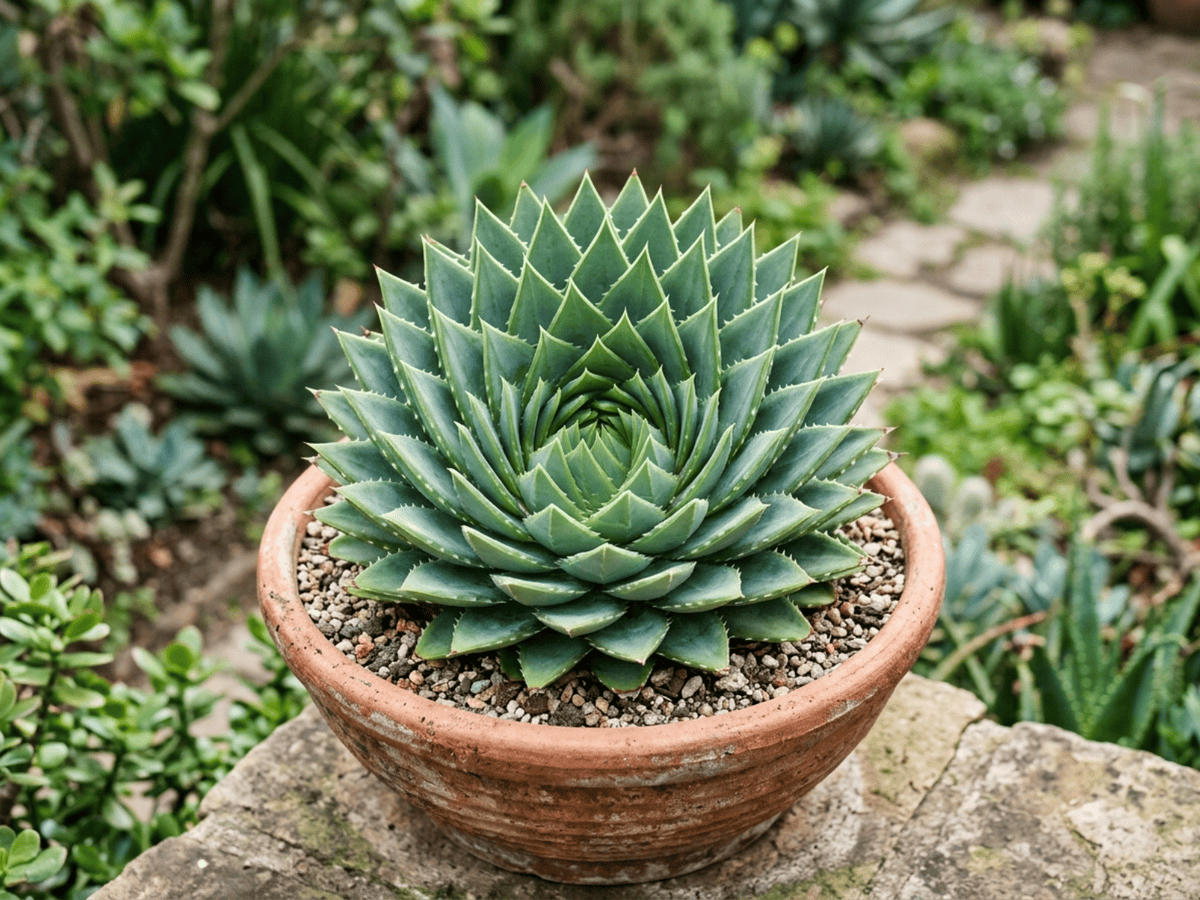 Spiral AloeAloe polyphylla
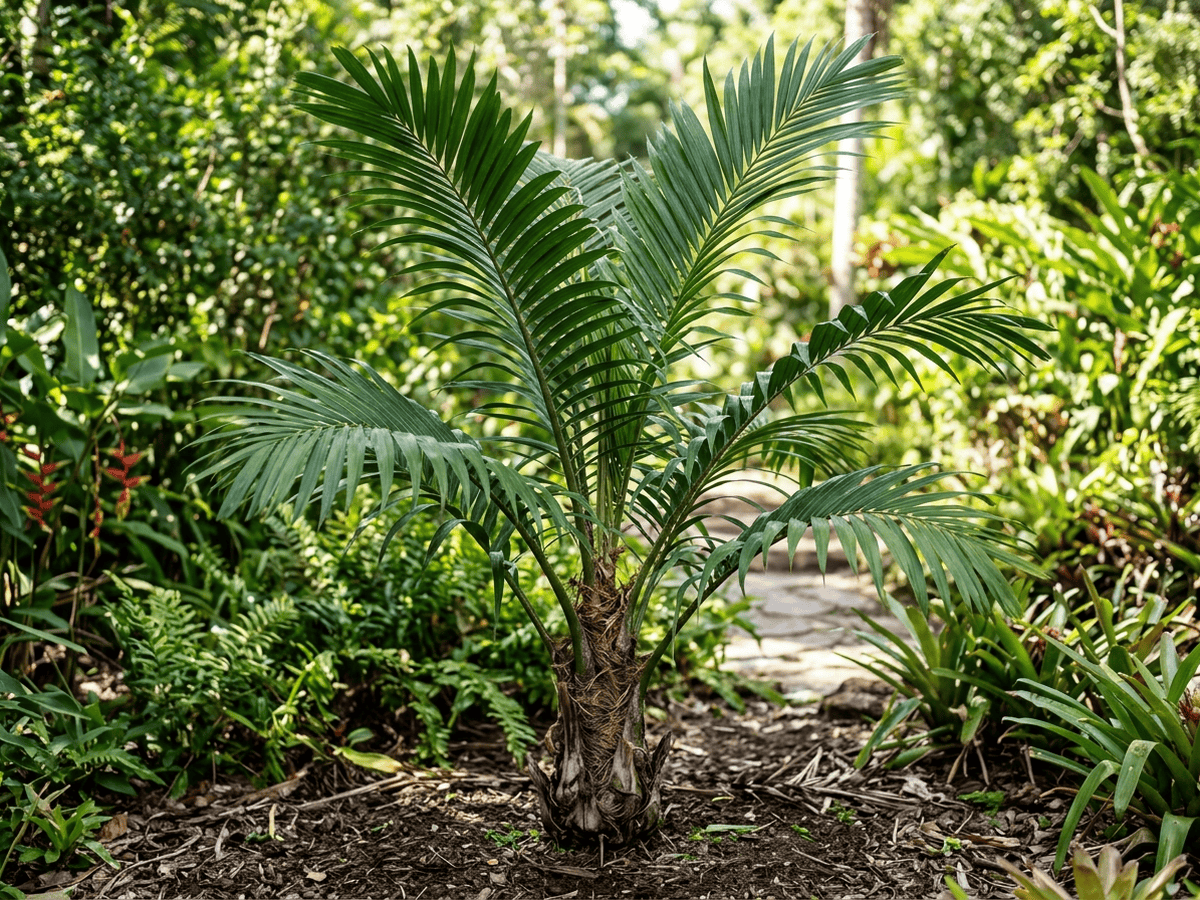 Formosa PalmArenga engleri
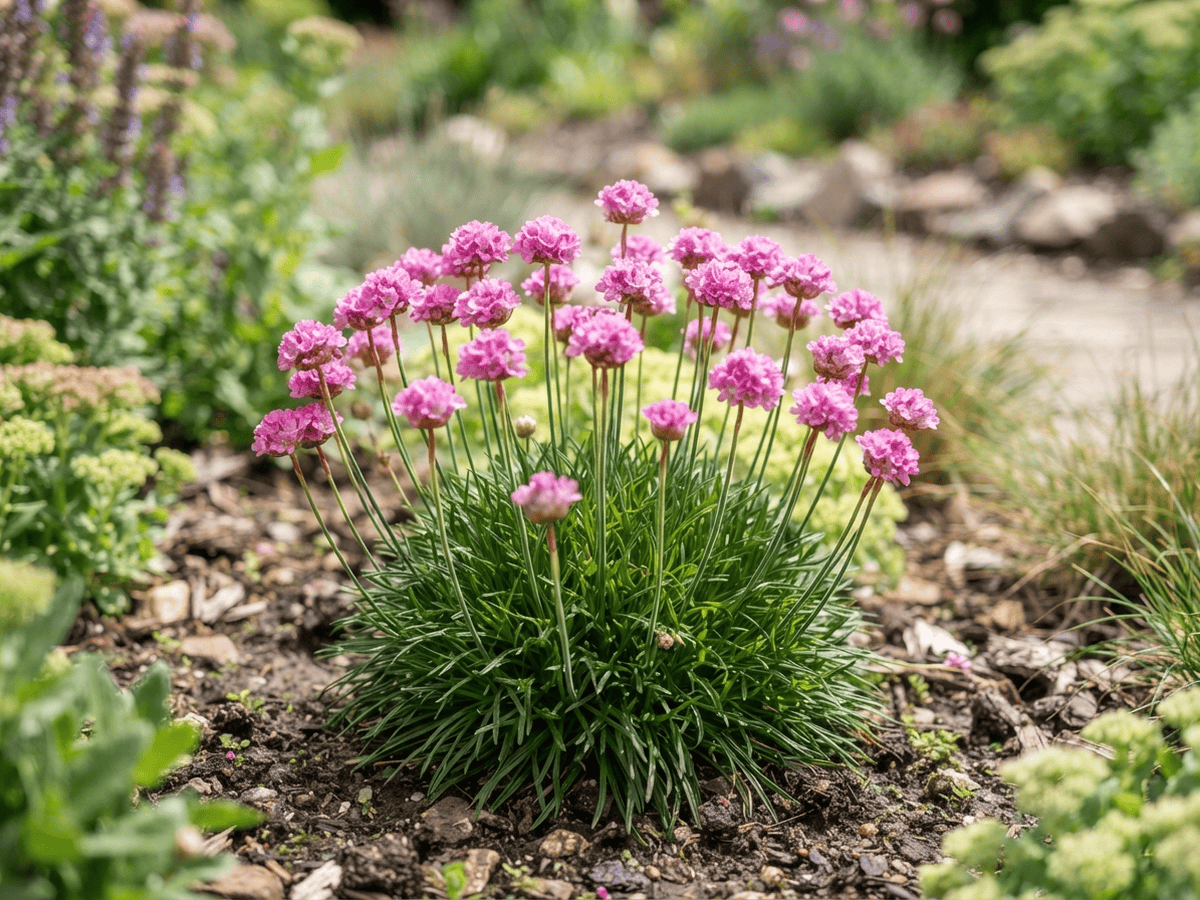 Sea ThriftArmeria maritima
Frequently asked questions
How often should I water Quinine Tree?
In summer, water about every 3 days; in winter, about every 7 days. Adjust for heat, pot size and drainage.
How much light does Quinine Tree need?
Part shade: 2–4 hrs direct. Watch the leaves — scorching or stretching means the light needs adjusting.
Is Quinine Tree toxic to cats or dogs?
Pets Toxic (Dogs Toxic · Cats Toxic) Educational information, not medical or veterinary advice. If exposure is suspected, contact a doctor or veterinarian.
Is Quinine Tree easy to grow?
It is considered challenging and rewards experienced growers.
When does Quinine Tree bloom?
It typically blooms Jun–Aug in the Northern Hemisphere.
YardMate
Identify any plant in seconds
Snap a photo — YardMate names the plant, diagnoses problems, and reminds you when to water.
Download on the App Store