 YardMate
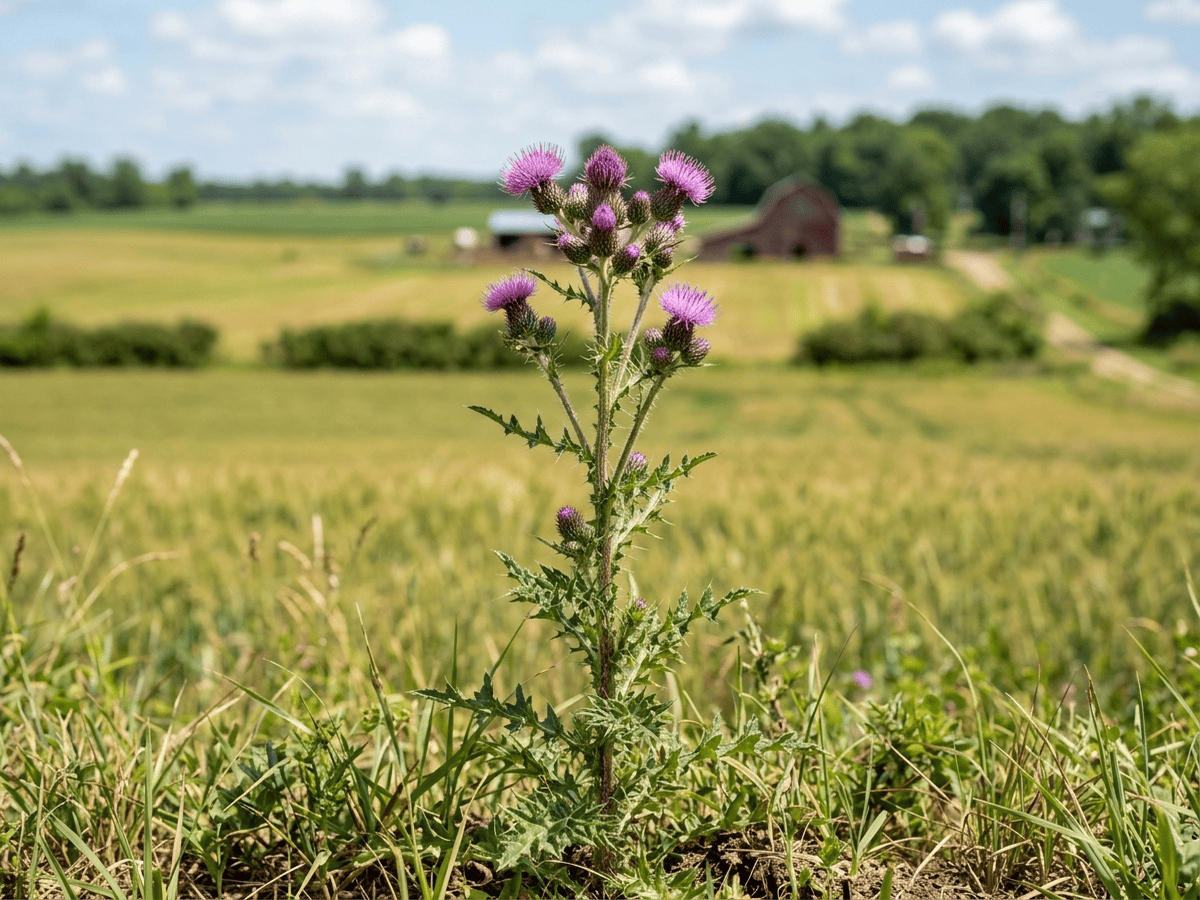


Creeping Thistle
Cirsium arvense
Easy · Beginner friendlyAbout Creeping Thistle
Canada Thistle is a Eurasian perennial thistle, despite the name not native to Canada, and one of the most destructive agricultural weeds in North America. Growing 2 to 5 feet tall with spiny lobed leaves, it spreads aggressively by deep creeping rhizomes that extend 15 feet and sprout new shoots. Produces clusters of small pink-purple flower heads in summer, followed by wind-dispersed fluffy seeds. Listed as noxious in nearly every US state.
- Pollinator-friendly
- Drought-tolerant
- Fast-growing
How to care for Creeping Thistle
Watering
- Springevery 14 days
- Summerevery 10 days
- Fallevery 14 days
- Winterevery 30 days
Soil · Well-draining
- Top dressingPine bark mulch10%
- Main mixPotting soil + perlite 2:170%
- DrainageLECA / gravel20%
Never skip the drainage layer — standing water is the top cause of root rot.
FERTILIZER
This plant needs little to no feeding.
At a Glance
- NativeEurope, Africa, Western Asia
- Height2–5 ft (0.6–1.5 m)
- Spread1–3 ft (0.3–0.9 m)
- Flower colorPink, Purple
- Foliage colorGreen
- SoilLoamy, Well-drained
- LocationsYard
Bloom time
BLOOM CYCLE
Peak bloom
Jun–Nov
Clusters of pink-purple thistle flowers summer to fall
Fragrance
LIGHT FRAGRANCE
The flowers have a light honey scent.
Toxicity
Humans Slight · Pets Slight
Unknown toxic principle
Slight
- Leaf
- Stem
- Contact
EXPOSURE Touching leaves and stems.
EFFECT Skin pricks from spines.
NOTE Not chemically toxic; mechanical injury from spines.
Slight
- Leaf
- Stem
- Contact
EXPOSURE Touching leaves and stems.
EFFECT Pricks from spines.
NOTE Not chemically toxic; mechanical injury from spines.
Slight
- Leaf
- Stem
- Contact
EXPOSURE Touching leaves and stems.
EFFECT Pricks from spines.
NOTE Not chemically toxic; mechanical injury from spines.
Educational information, not medical or veterinary advice. If exposure is suspected, contact a doctor or veterinarian.
DISTRIBUTION

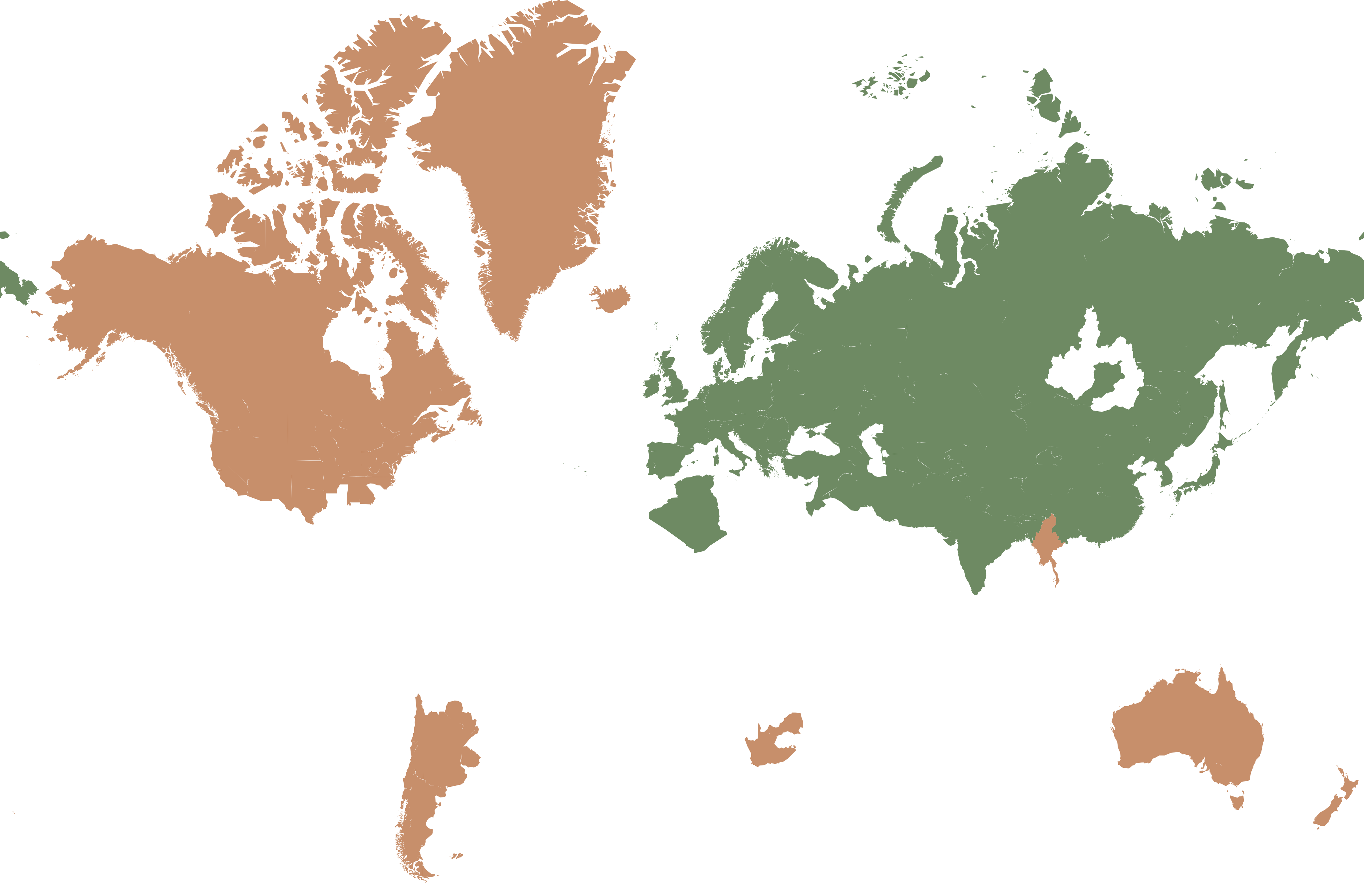
- Native
- Introduced
- Europe
- Africa
- Western Asia
History
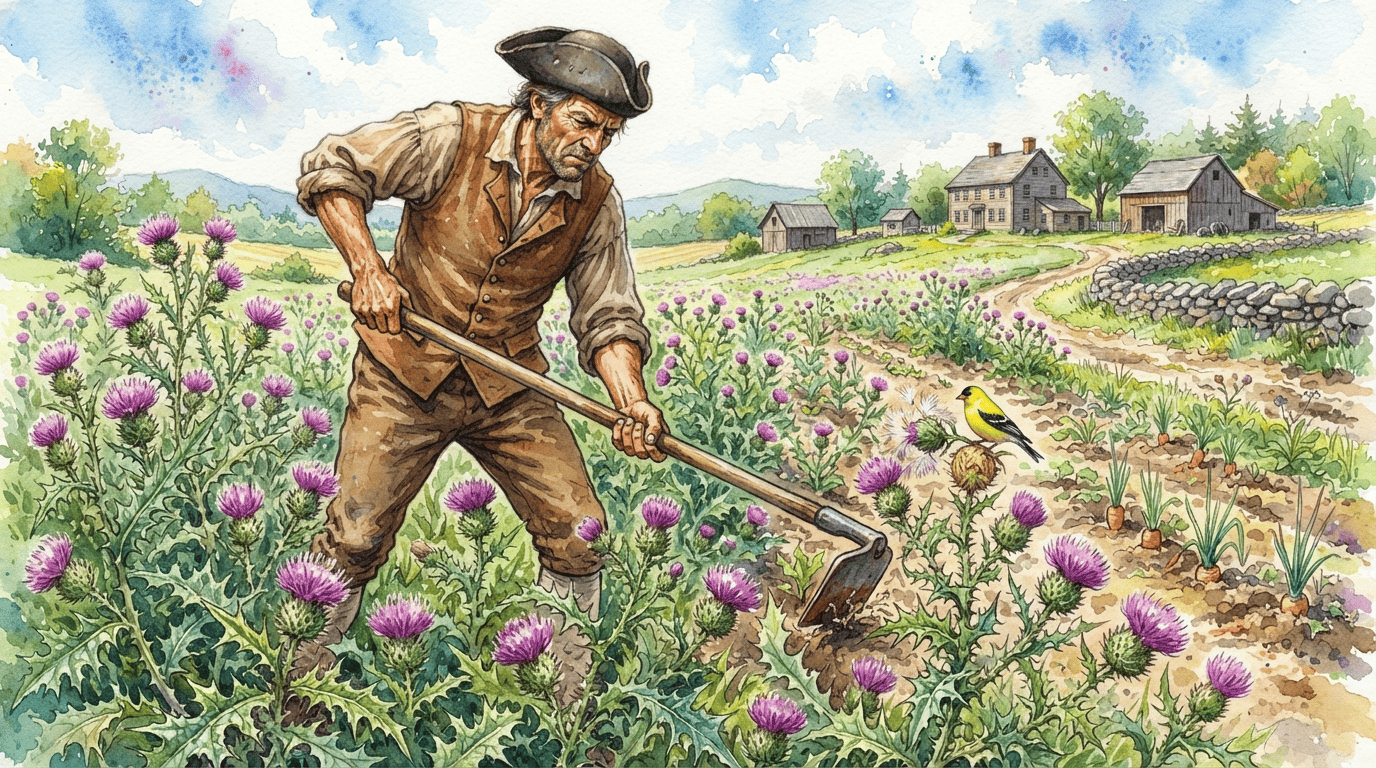
Cirsium arvense, creeping or Canada thistle, is a dioecious perennial native to Europe, North Africa, and western Asia. Early European settlers carried it to North America in contaminated seed lots, and by the late eighteenth century Vermont had passed the first recorded weed law in North America specifically targeting this species, giving rise to the misleading common name Canada thistle. The plant spreads by extensive horizontal roots that can penetrate two meters deep, regenerating from fragments and making mechanical control extremely difficult.
It is now listed as a noxious weed across most Canadian provinces, US states, and temperate agricultural regions worldwide. Despite its weedy reputation, the lavender flowerheads produce abundant nectar that attracts bees, butterflies, and the American goldfinch, which uses thistledown for nest lining.
Native to Europe and Asia, Canada Thistle arrived in North America in the 1700s and is now one of the most widespread and destructive agricultural weeds in the US.
Symbolism & meaning
What It Symbolizes
Creeping Thistle is the very picture of relentless invasion, sending rhizomes fifteen feet underground from a single weed and surfacing again wherever the soil is loose. Listed as noxious in nearly every US state, it has earned the title of noxious titan, a thistle that turns a single missed seed into a future field's headache. Its symbolism here is not romance but ecological observation, a sober reminder of what aggressive root systems actually do to working land.
- Relentless invasion — rhizomes extend 15 feet underground
- Noxious titan — listed noxious in nearly every US state
Where the Name Comes From
The name Creeping Thistle describes its low, spreading habit. 'Cirsium' comes from Greek 'kirsos' meaning swollen vein, an old folk-herbal reference; 'arvense' from Latin means of fields.
Related plants
More Cirsium plants
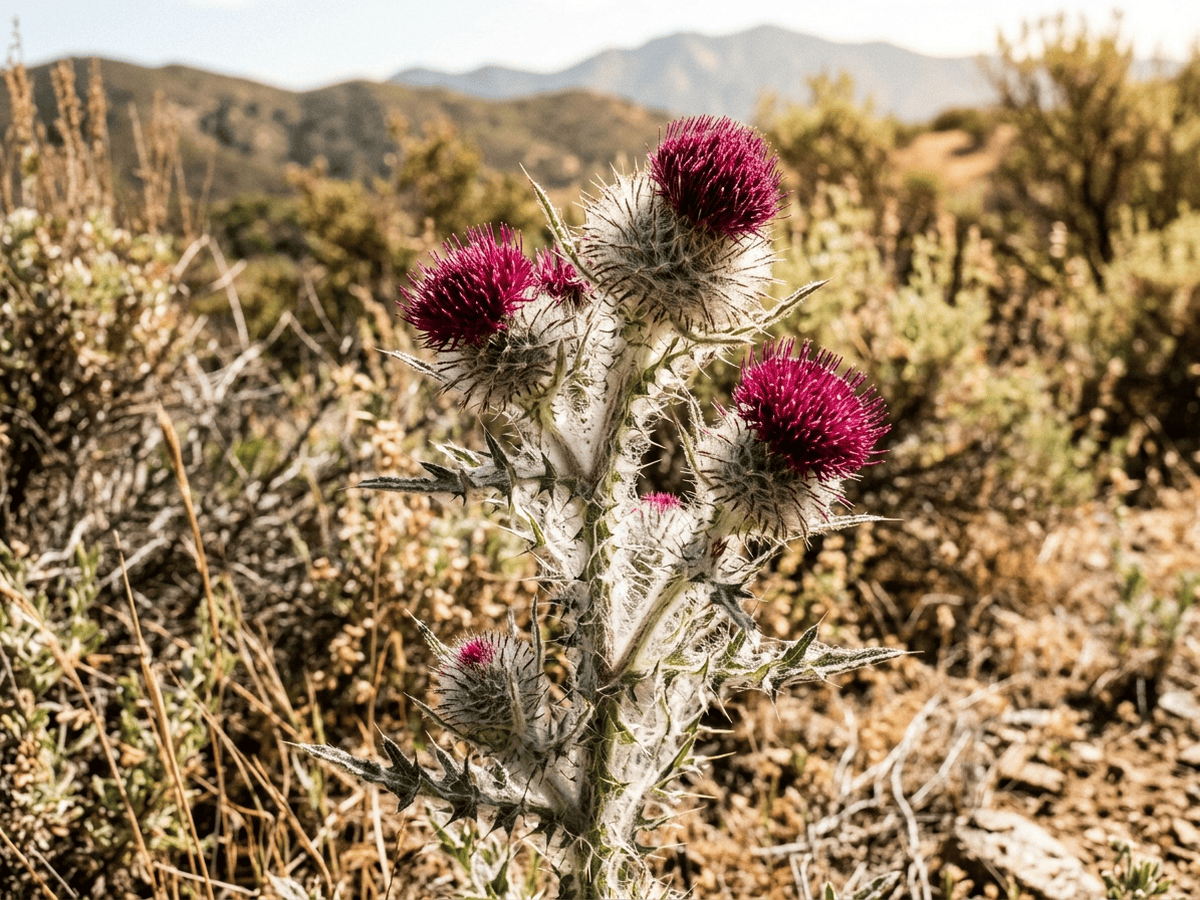
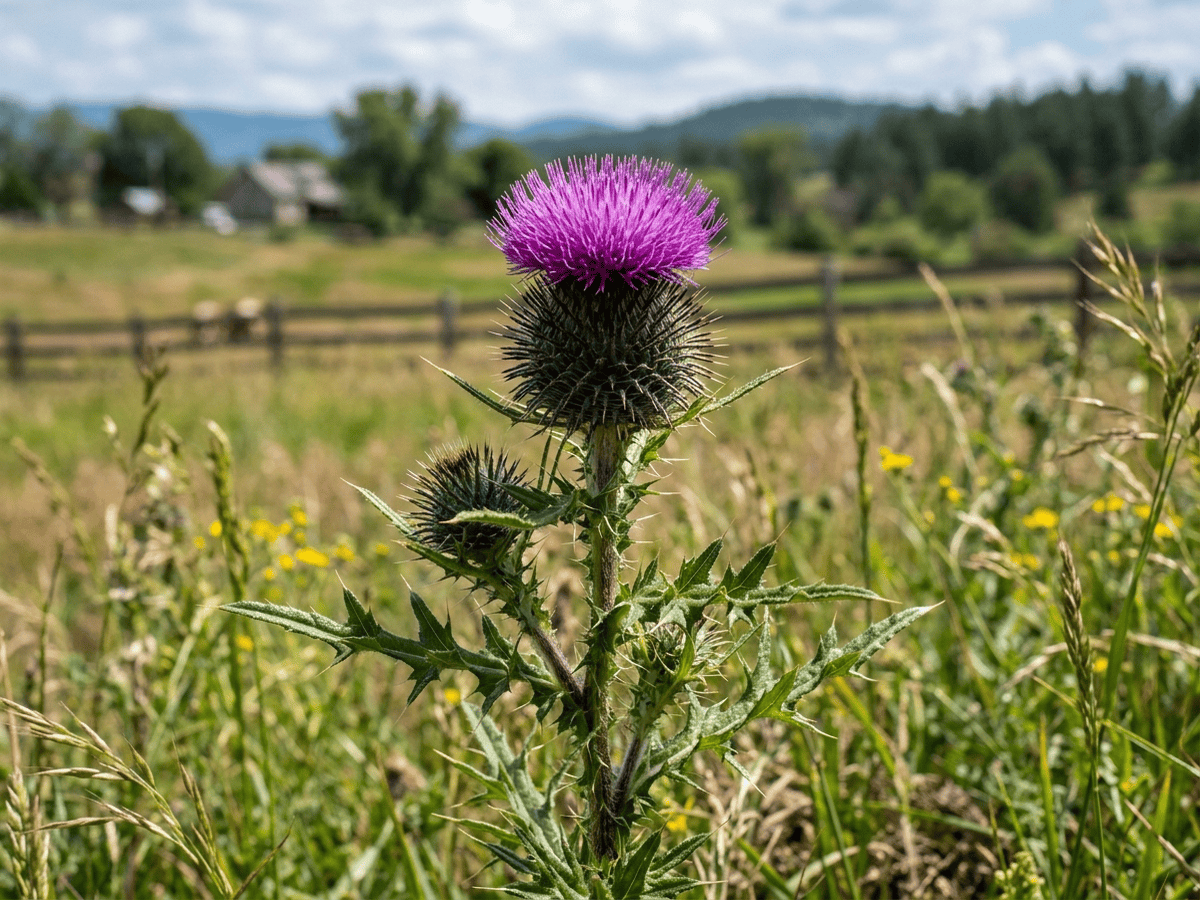
Plants with similar care
 Chinese AbeliaAbelia chinensis
 Fragrant AbeliaAbelia mosanensis
 Large-Flowered AbeliaAbelia uniflora
 Glossy AbeliaAbelia x grandiflora
Frequently asked questions
How often should I water Creeping Thistle?
In summer, water about every 10 days; in winter, about every 30 days. Adjust for heat, pot size and drainage.
How much light does Creeping Thistle need?
Full sun: 6+ hrs direct. Watch the leaves — scorching or stretching means the light needs adjusting.
Is Creeping Thistle toxic to cats or dogs?
Pets Slight (Dogs Slight · Cats Slight) Educational information, not medical or veterinary advice. If exposure is suspected, contact a doctor or veterinarian.
Is Creeping Thistle easy to grow?
Yes — it is considered an easy, beginner-friendly plant.
When does Creeping Thistle bloom?
It typically blooms Jun–Nov in the Northern Hemisphere.
YardMate
Identify any plant in seconds
Snap a photo — YardMate names the plant, diagnoses problems, and reminds you when to water.
Download on the App Store