 YardMate
Queen Anne's Thistle
Cirsium canum
Hard · Experienced growersAbout Queen Anne's Thistle
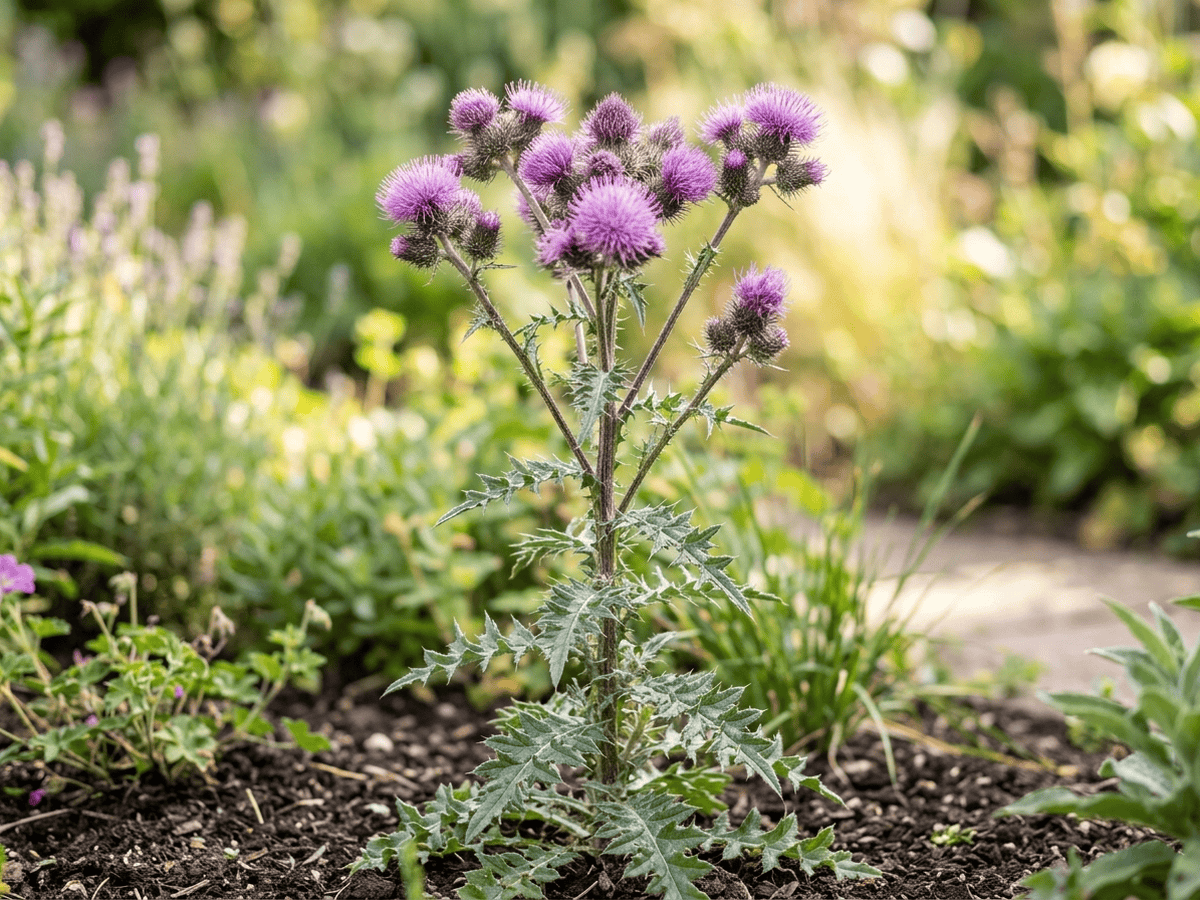
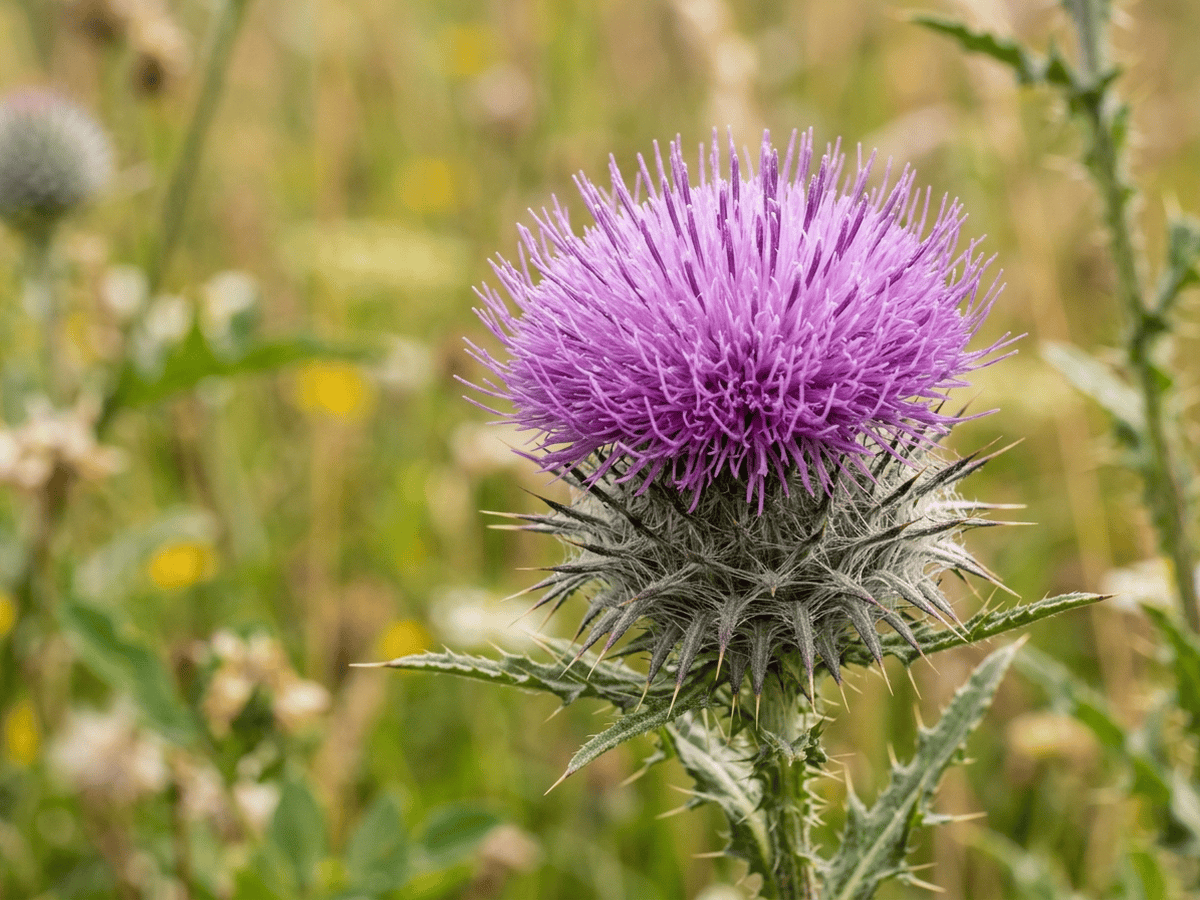
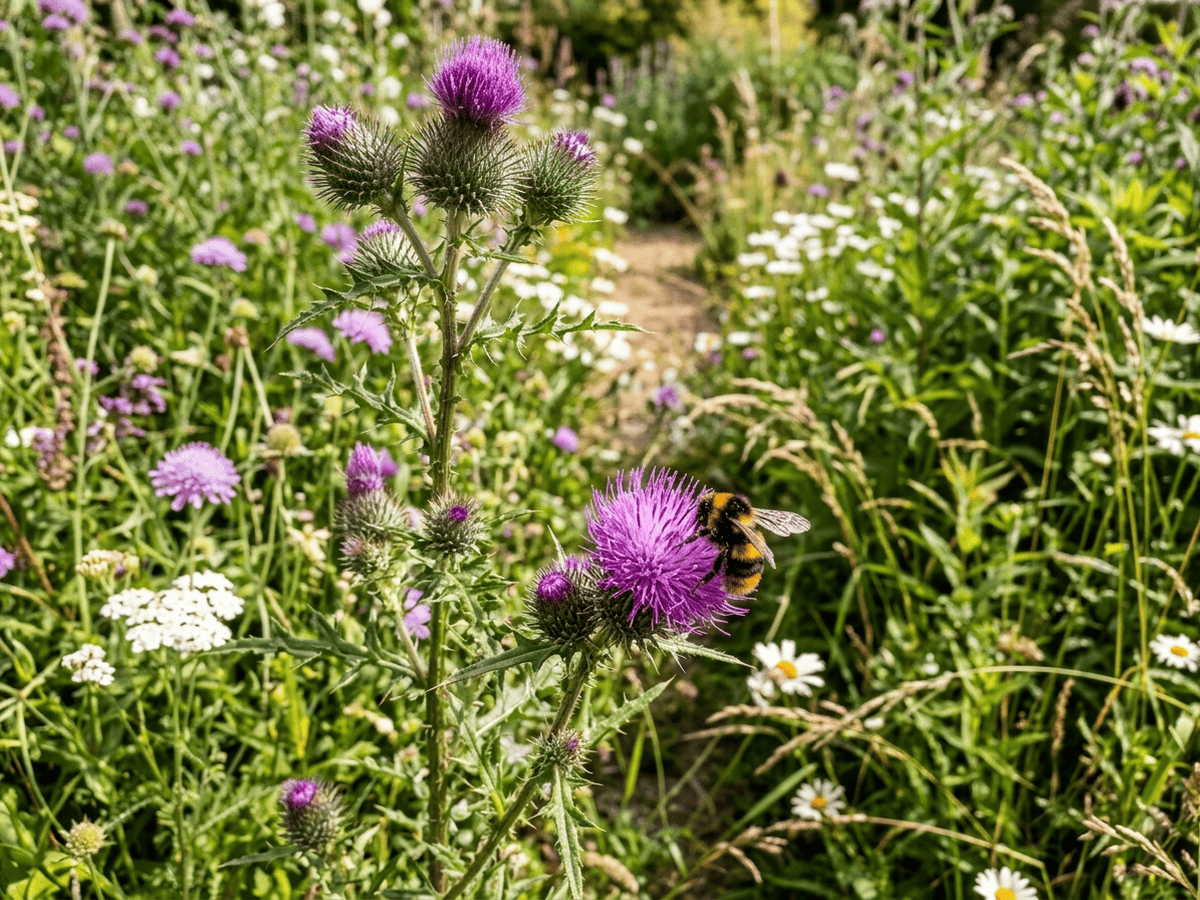
Cirsium canum, Queen Anne's thistle, is a robust perennial thistle native to the wet meadows and riverbanks of central and southeastern Europe—from the Rhine valley through Hungary and into western Asia. It forms upright stems of 2–4 feet topped with fluffy, mildly fragrant purple flower heads beloved by bumblebees, butterflies, and goldfinches. Unlike most thistles, Queen Anne's thistle thrives in moister, heavier soils where other thistles struggle, making it an excellent choice for rain gardens and naturalistic plantings in temperate climates. Its deeply lobed, spiny leaves form an attractive basal rosette with a distinctive grayish-green cast from fine woolly hairs on the undersides.
- Fragrant
- Fast-growing
- Pollinator-friendly
- Long-blooming
How to care for Queen Anne's Thistle
Watering
- Springevery 10 days
- Summerevery 7 days
- Fallevery 15 days
- Winterpause watering
Soil · Well-draining
- Top dressingPine bark mulch10%
- Main mixPotting soil + perlite 2:170%
- DrainageLECA / gravel20%
Never skip the drainage layer — standing water is the top cause of root rot.
FERTILIZER
Balanced Feed 14-14-14
An even feed covers all three needs at once, keeping leaves, roots and blooms moving together with nothing pushed out of balance.
- Nitrogen · Leaves
- Phosphorus · Roots + Blooms
- Potassium · Strength
- Springevery 30 days
At a Glance
- NativeNorth America
- Height2–4 ft (0.6–1.2 m)
- Spread2–3 ft (0.6–0.9 m)
- Flower colorPurple
- Foliage colorGreen
- SoilWell-drained, Loamy
- LocationsYard · Balcony
Bloom time
BLOOM CYCLE
Peak bloom
Jun–Aug
Flowers bloom in summer, attracting numerous pollinators such as bees and butterflies.
Fragrance
LIGHT FRAGRANCE
Flower heads emit a faint sweet scent, attractive to bees and butterflies.
Toxicity
No toxicity has been reported for this plant. Still, it is wise to keep pets from chewing on any houseplant.
Educational information, not medical or veterinary advice. If exposure is suspected, contact a doctor or veterinarian.
DISTRIBUTION


- Native
- North America
History
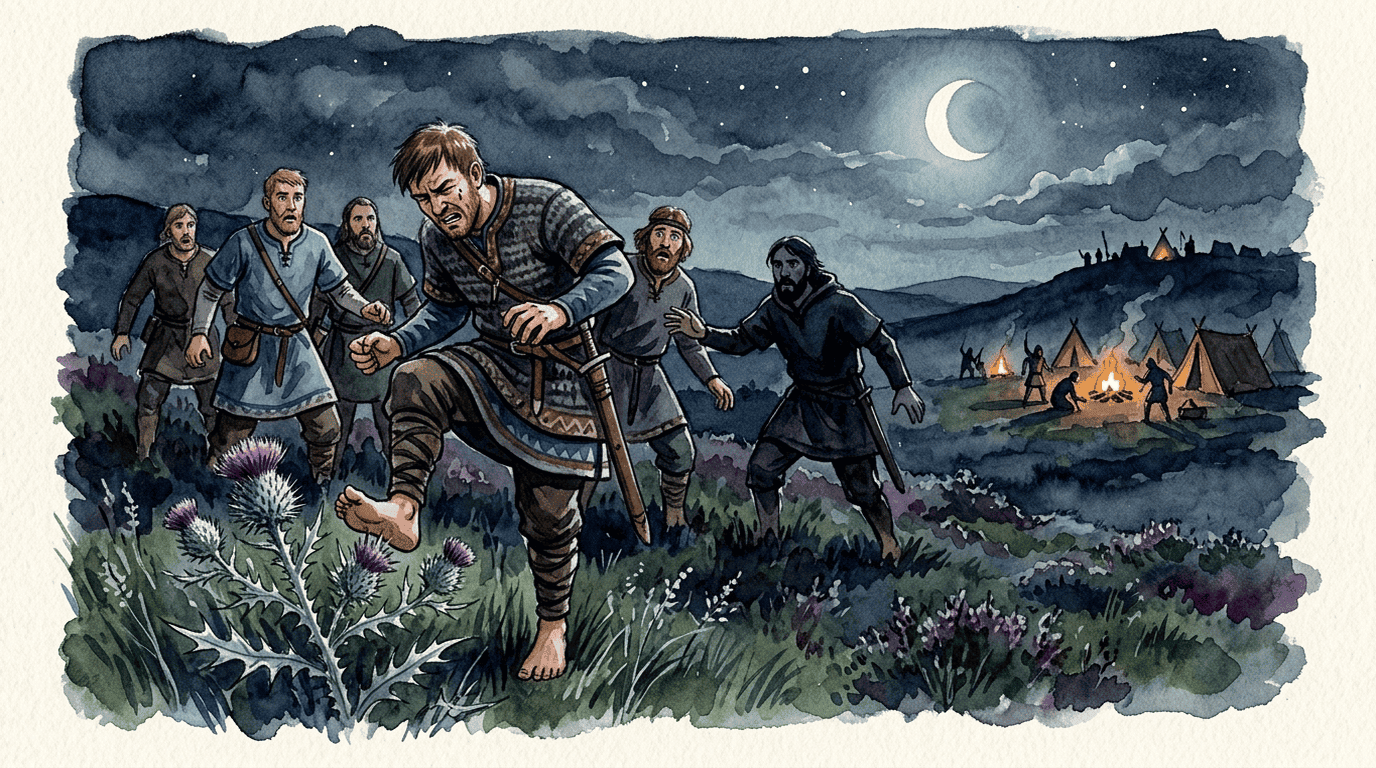
Cirsium canum takes its species name from Latin canus, meaning 'grey' or 'hoary'—a reference to the white-woolly undersides of its leaves that give the plant its distinctive silvery cast. The genus name Cirsium derives from the Greek kirsion, a term used by Dioscorides in the 1st century CE for a thistle-like plant believed to cure swollen veins.
The thistle as symbol is ancient and cross-cultural. In medieval Europe, thistles appeared in religious iconography as emblems of the earthly suffering and sin from which spiritual life must be wrested—prickly on the outside, beautiful within. Hildegard of Bingen, the 12th-century abbess and herbalist, described thistles in her Physica and prescribed them for various ailments.
The most famous thistle story belongs to Scotland. According to legend, sometime around 1263, a Norse raiding party attempting to creep up on a sleeping Scottish camp at the Battle of Largs crept barefoot through the darkness—until one stepped on a thistle and cried out in pain, waking the Scots in time to defeat the invaders. The thistle became Scotland's national emblem, and the Order of the Thistle—the country's highest order of chivalry—was formalized by James V in 1540. Its motto, Nemo me impune lacessit ('No one provokes me with impunity'), distills the thistle's character perfectly.
Cirsium canum itself, native to central European floodplain meadows, found favor in ecological garden design in the 20th century as gardeners began valuing native European wildflowers for their pollinator and wildlife value over imported ornamentals.
Symbolism & meaning
What It Symbolizes
It bit the foot of the man who would have taken it by surprise. The thistle's whole character is in that story—soft purple flowers above, spines below, and a cry of pain as the price of carelessness.
- resilient beauty — Prickly to touch but beautiful in flower—the thistle has always embodied the paradox of something difficult to approach but worth the effort.
- protection — From the Scottish legend to medieval herbalists, the thistle's spines symbolized vigilant defense—beauty that will not be taken without cost.
Where the Name Comes From
Cirsium derives from Greek kirsion, a name used by the physician Dioscorides for a thistle-type plant said to treat swollen veins. The species epithet canum is Latin for 'grey' or 'hoary,' describing the characteristic white-woolly undersides of the leaves. The English common name 'Queen Anne's thistle' honors the plant's stately, upright bearing.
Uses & Fun Facts
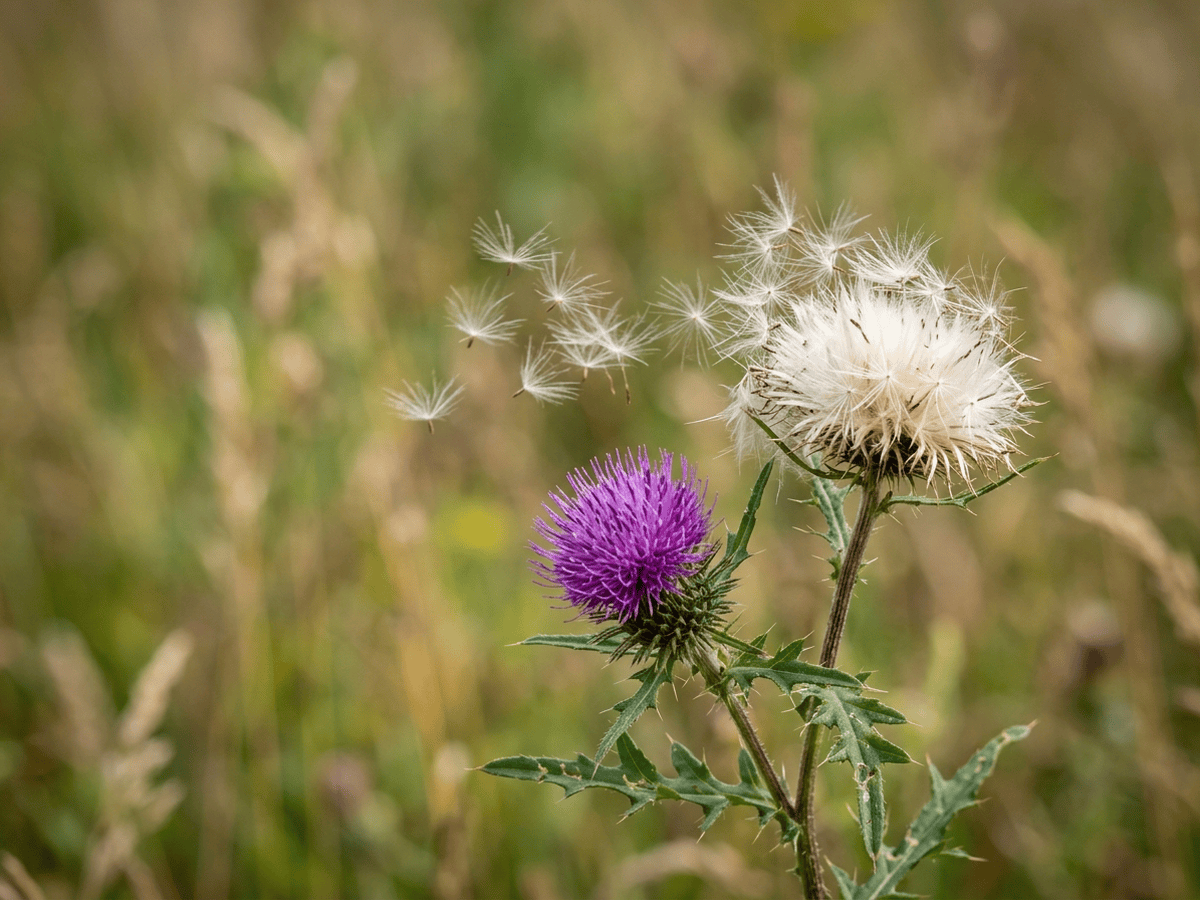
- Nectar-rich flower heads are magnets for bumblebees, native bees, butterflies, and moths; goldfinches harvest the fluffy seeds in late summer
- Bold architectural presence in naturalistic borders and rain gardens; grayish spiny foliage contrasts attractively with softer-leaved companions; tolerates wetter soils than most thistles
- Seed heads provide food for finches; flower heads support specialist bee species; larval host plant for several butterfly and moth species in Europe
Related plants
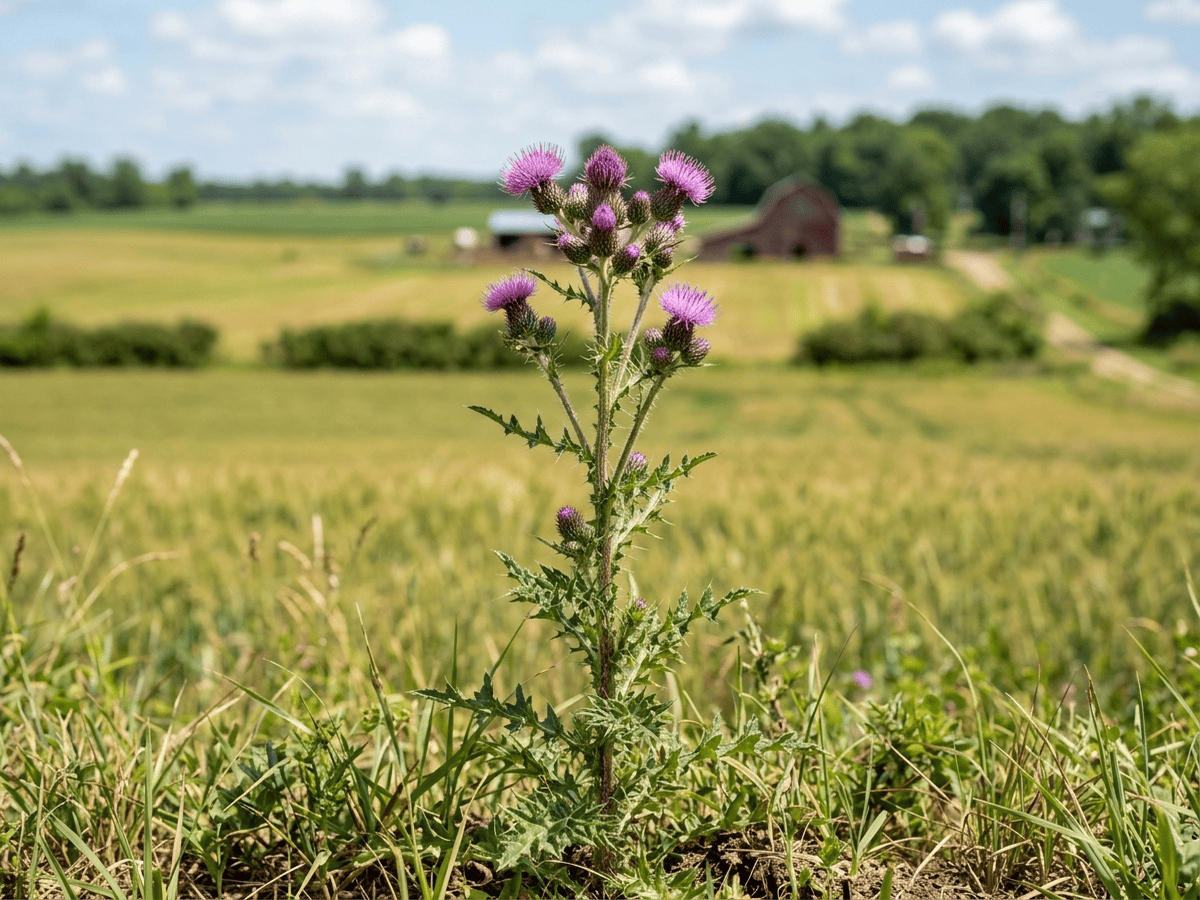
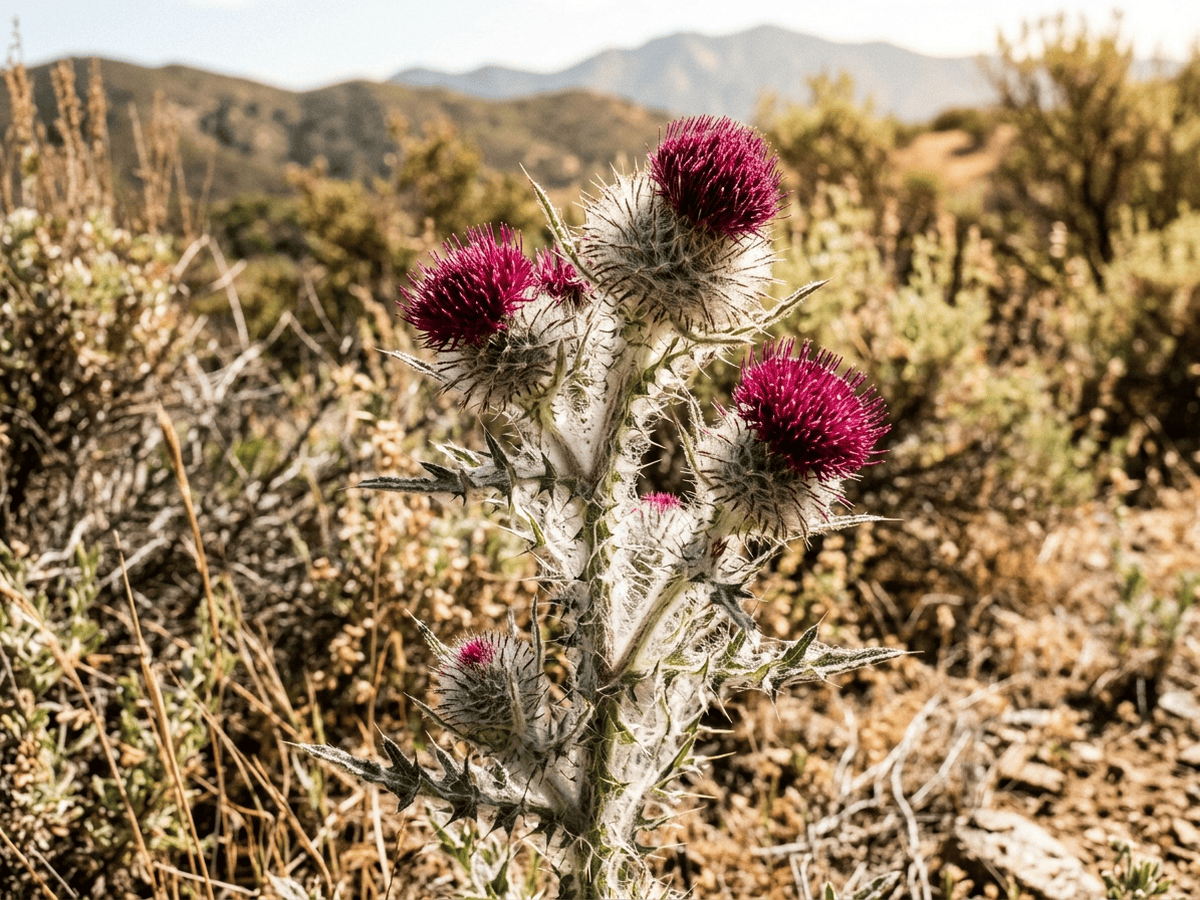
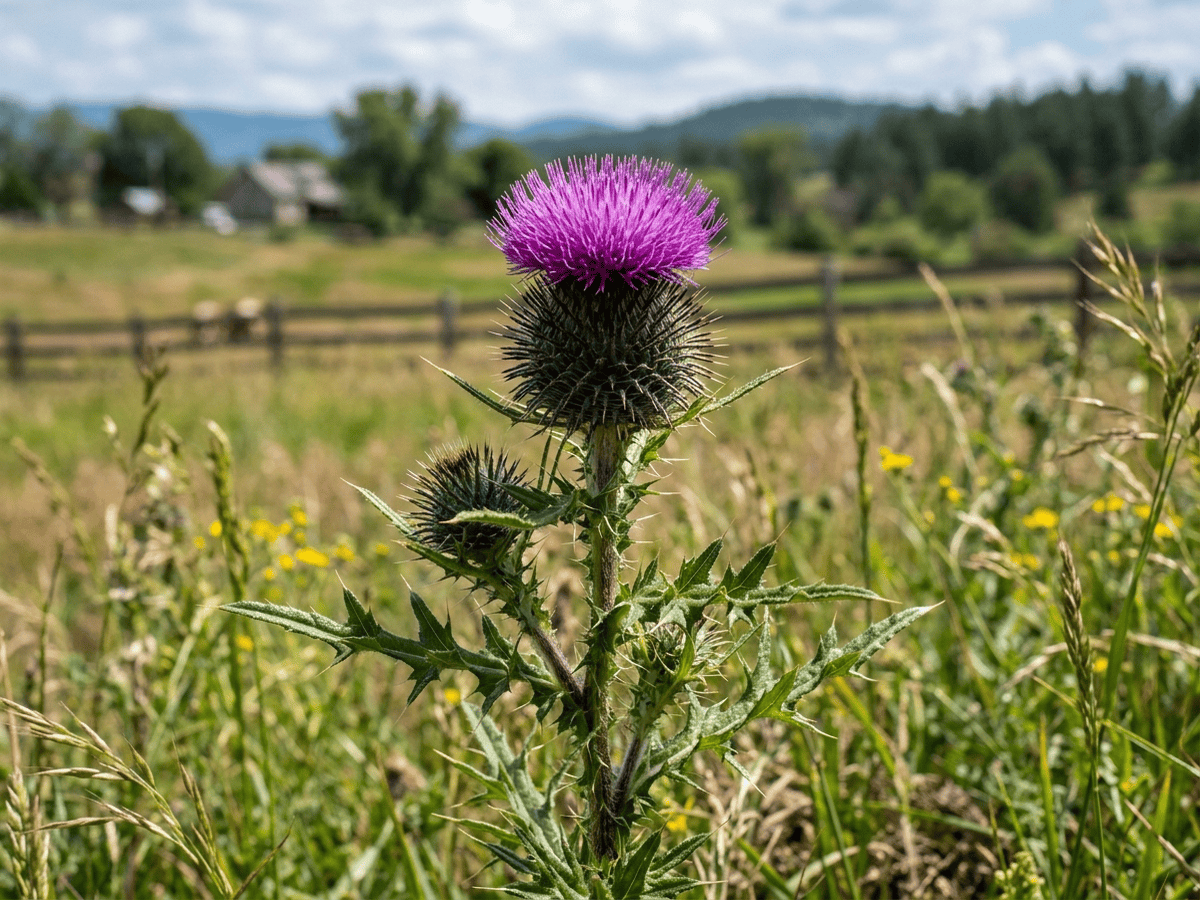
More Cirsium plants
Plants with similar care
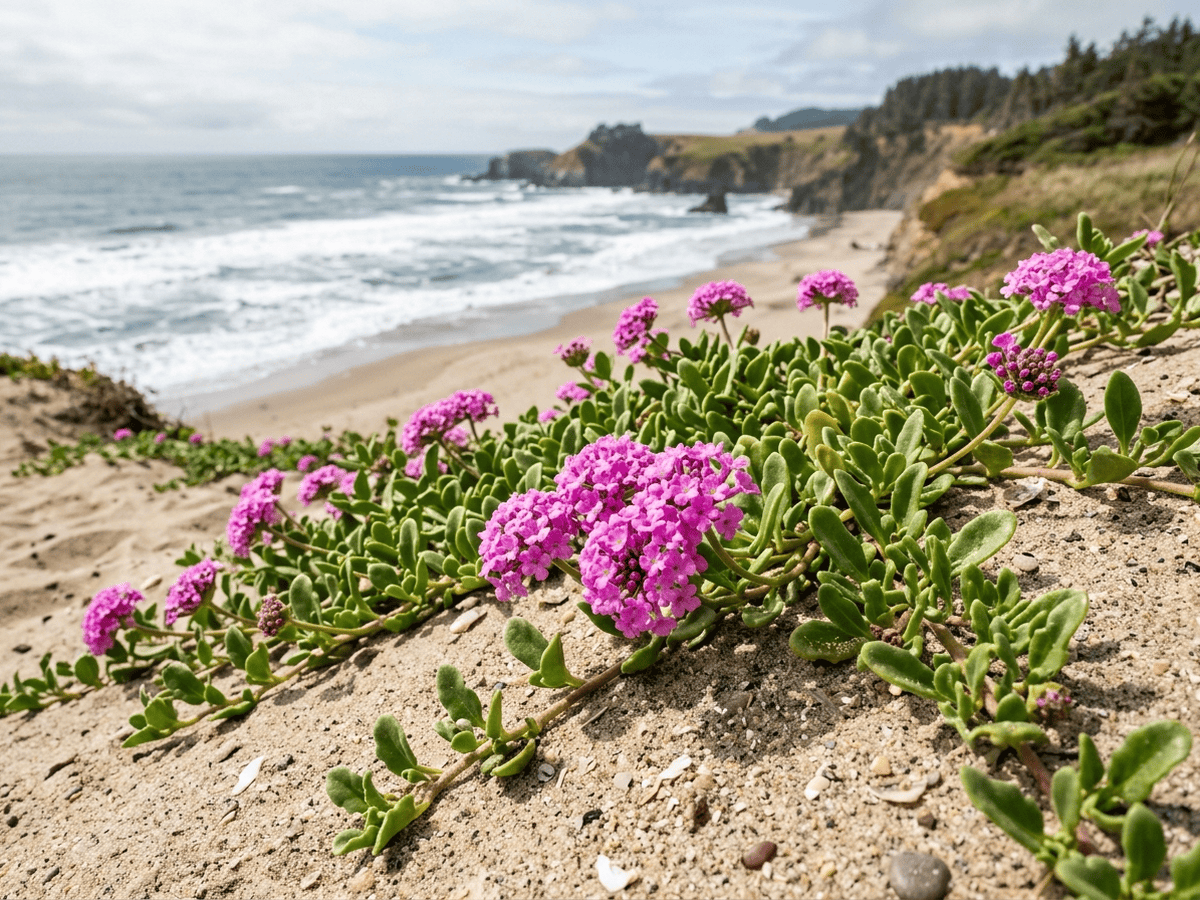 Pink Sand VerbenaAbronia umbellata
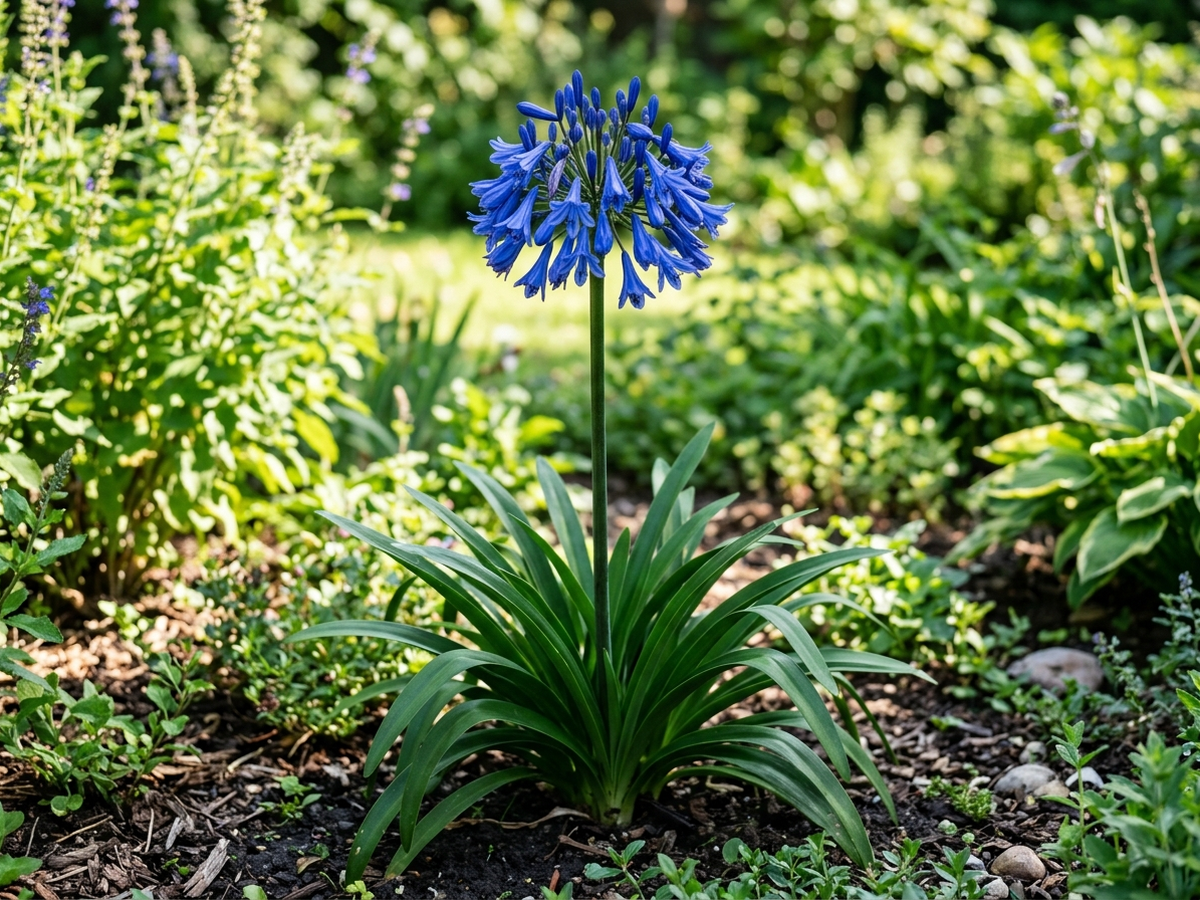 Drooping AgapanthusAgapanthus inapertus
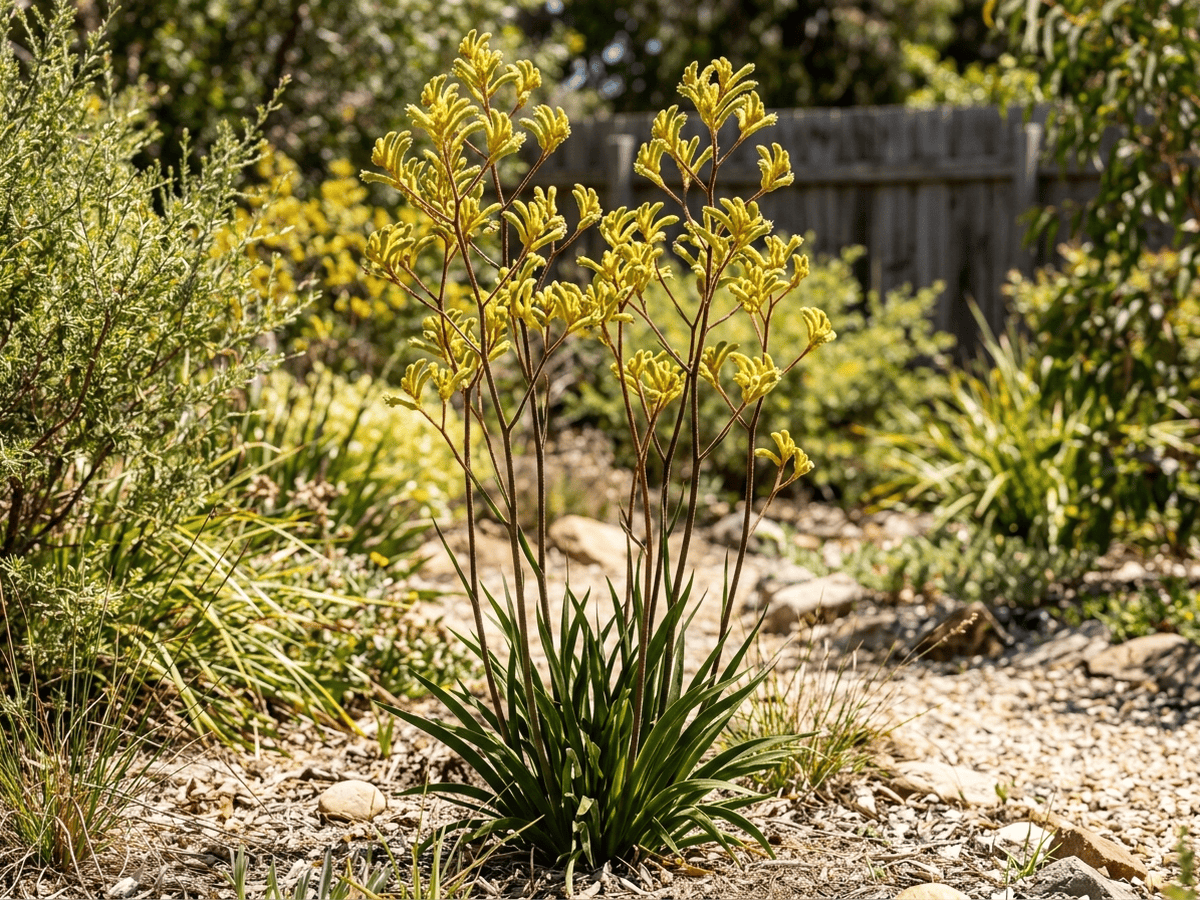 Tall Kangaroo PawAnigozanthos flavidus
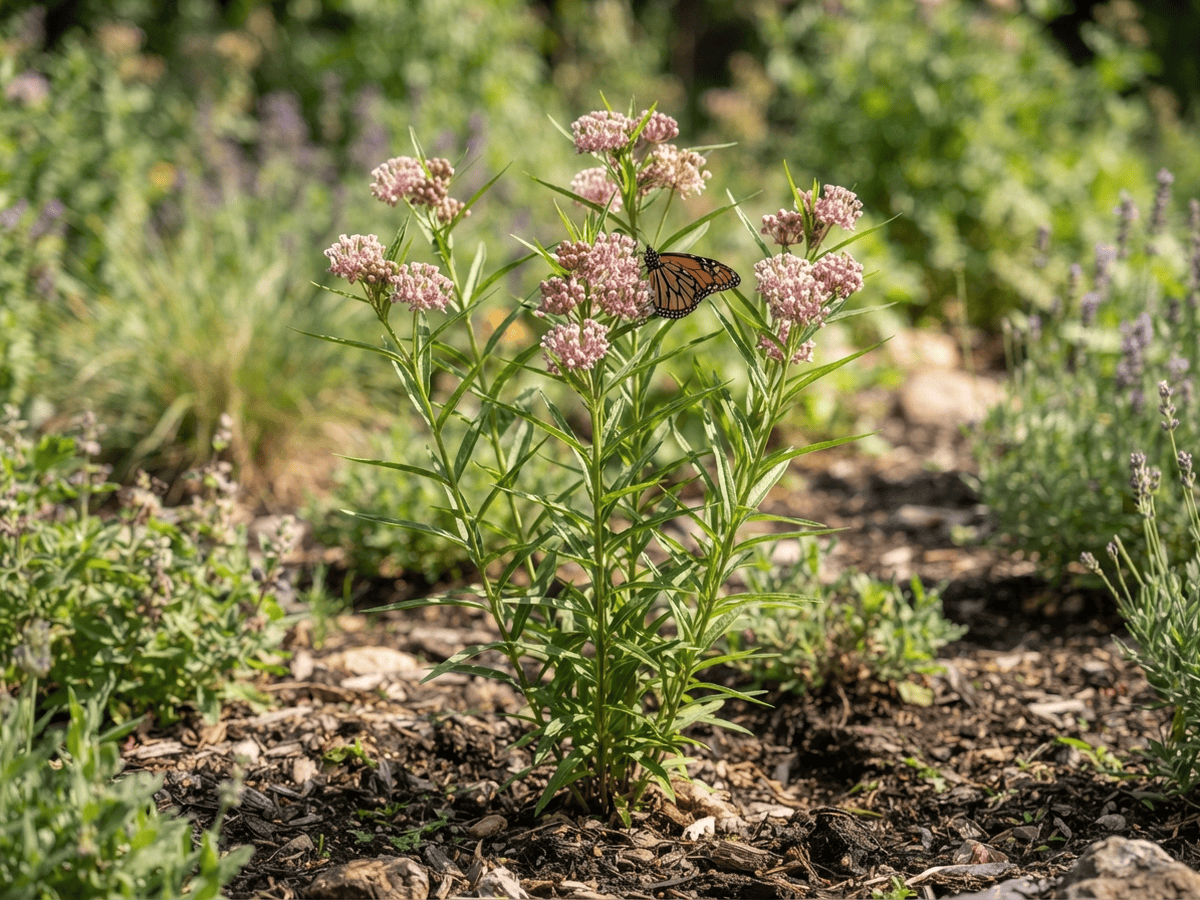 Narrowleaf MilkweedAsclepias fascicularis
Frequently asked questions
How often should I water Queen Anne's Thistle?
Water about every 10 days during the growing season, and always let excess water drain away.
How much light does Queen Anne's Thistle need?
Full sun: 6+ hrs direct. Watch the leaves — scorching or stretching means the light needs adjusting.
Is Queen Anne's Thistle toxic to cats or dogs?
No toxicity has been reported for this plant. Still, it is wise to keep pets from chewing on any houseplant. Educational information, not medical or veterinary advice. If exposure is suspected, contact a doctor or veterinarian.
Is Queen Anne's Thistle easy to grow?
It is considered challenging and rewards experienced growers.
When does Queen Anne's Thistle bloom?
It typically blooms Jun–Aug in the Northern Hemisphere.
YardMate
Identify any plant in seconds
Snap a photo — YardMate names the plant, diagnoses problems, and reminds you when to water.
Download on the App Store