 YardMate
Cobwebby Thistle
Cirsium occidentale
Hard · Experienced growersAbout Cobwebby Thistle
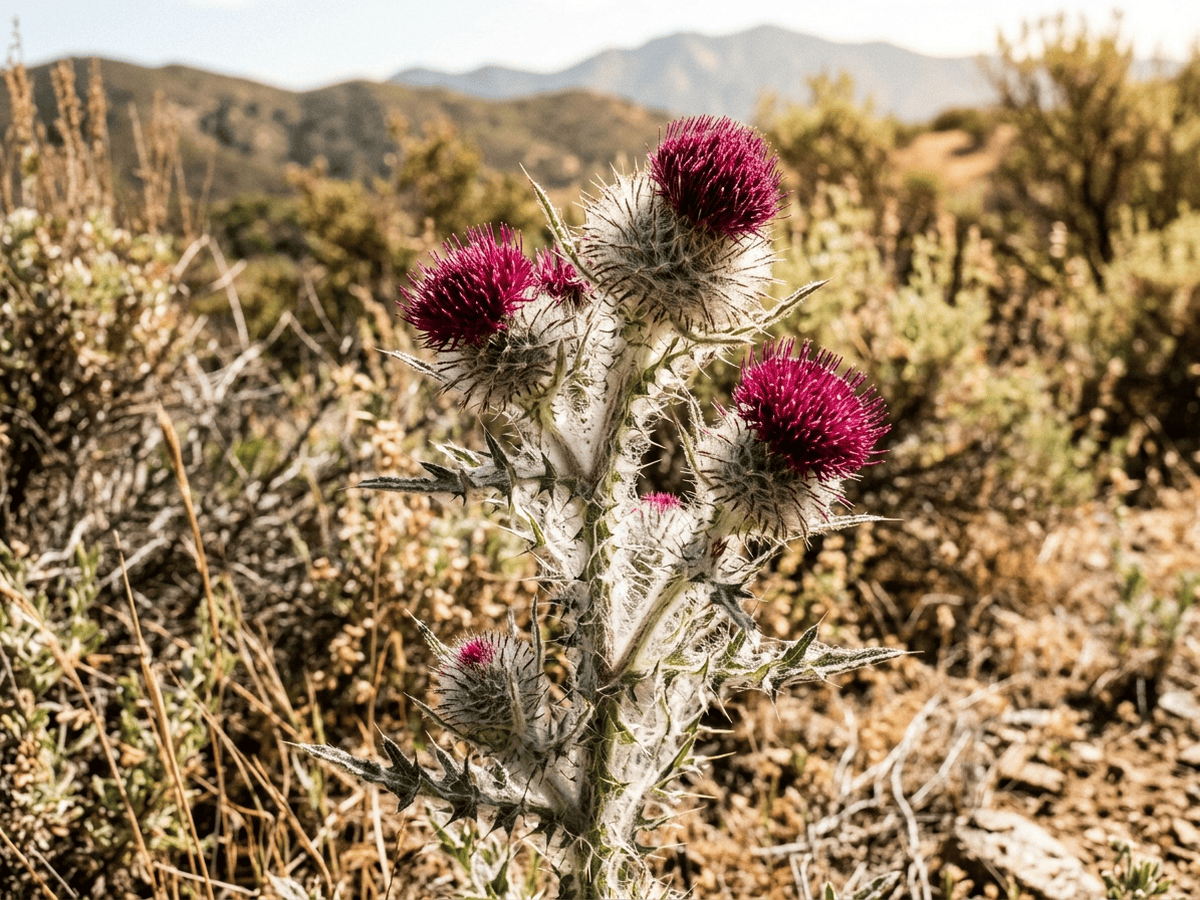
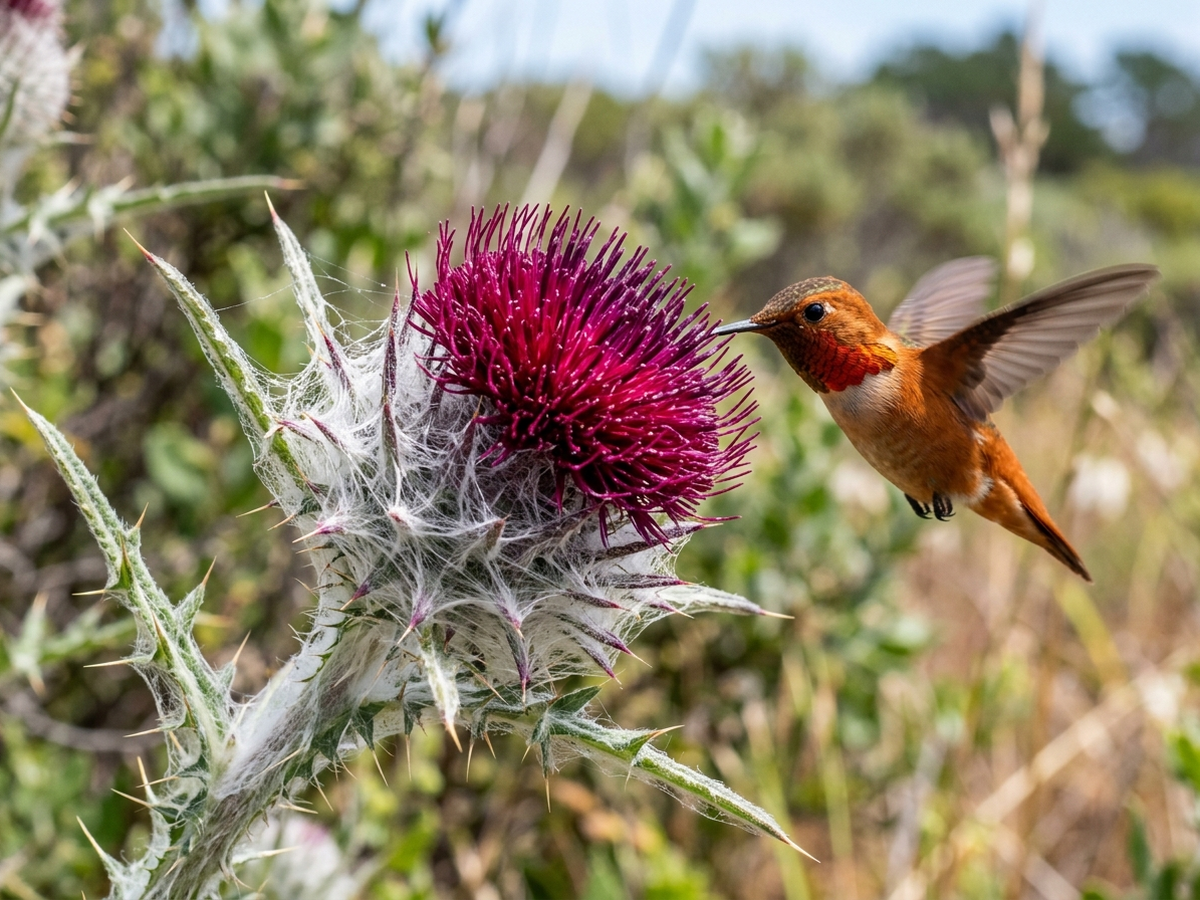
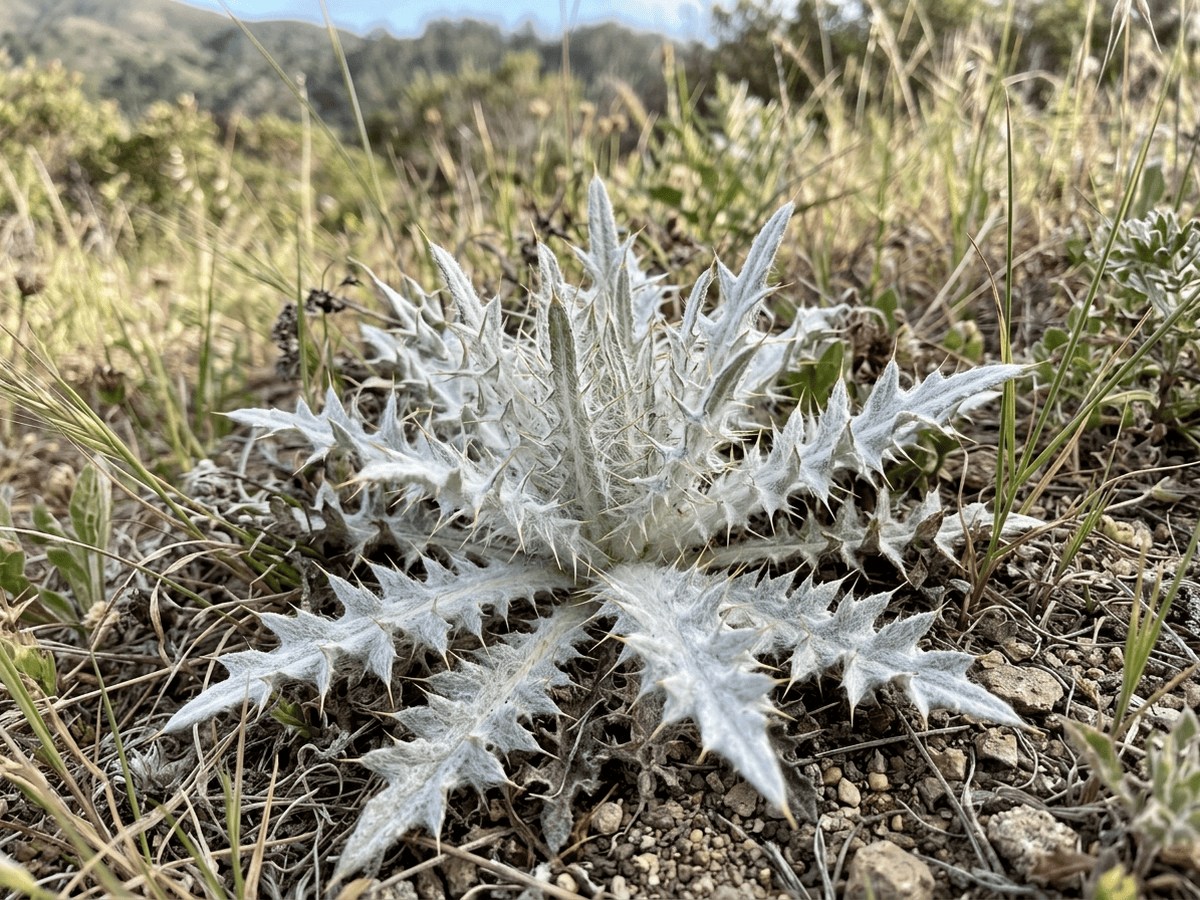
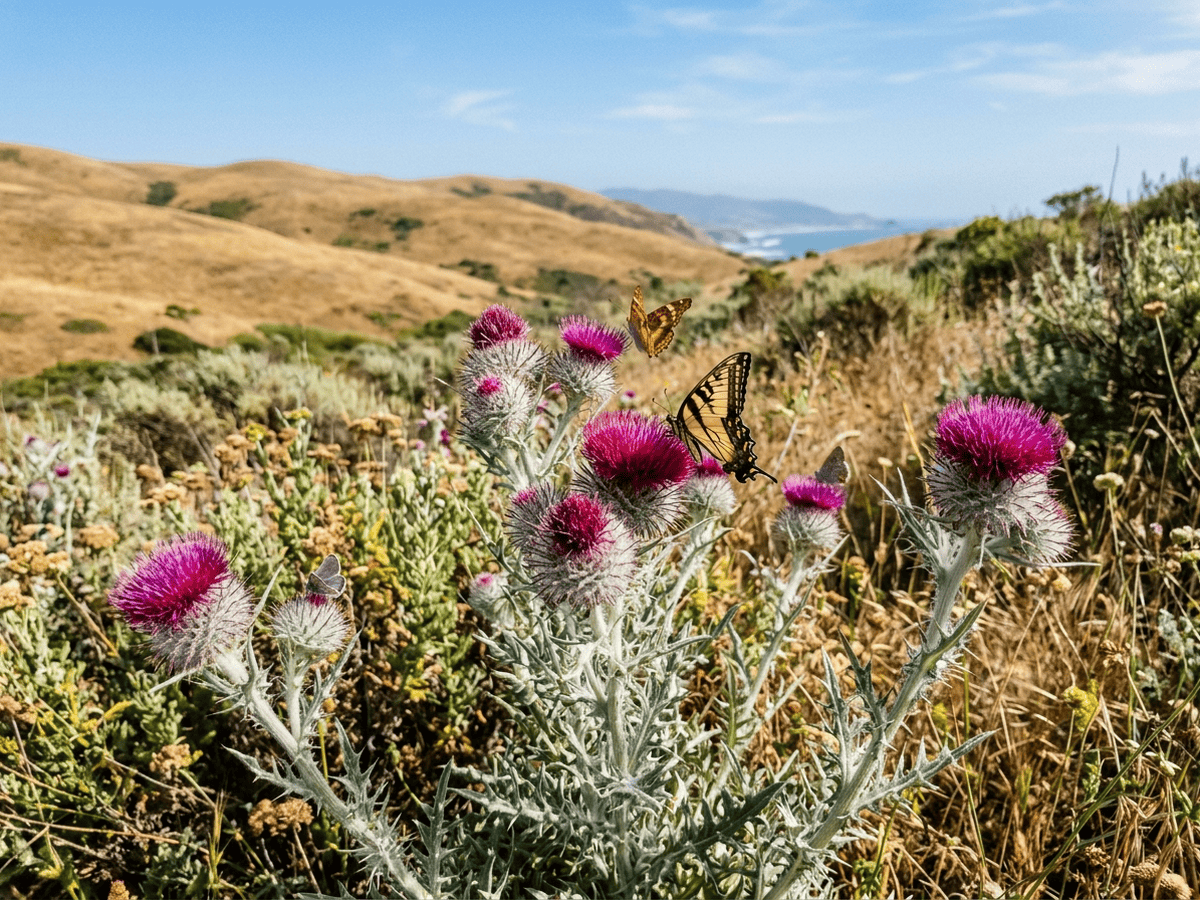
Cirsium occidentale, the Cobwebby Thistle, is a striking native wildflower of western North America, instantly recognizable by the dense white cobweb-like hairs that mat across its spiny leaves and stems, giving the plant a ghostly silver-white appearance. From late spring through summer it bears deeply saturated crimson-purple flowerheads that attract hummingbirds, native bees, and painted lady butterflies in remarkable numbers. A biennial or short-lived perennial of coastal sage scrub, chaparral, and dry grasslands from California to Nevada, it thrives in full sun and dry, well-drained soils with minimal care.
- Drought-tolerant
- Pollinator-friendly
- Long-blooming
How to care for Cobwebby Thistle
Watering
- Springevery 14 days
- Summerevery 14 days
- Fallevery 30 days
- Winterevery 30 days
Soil · Rich & well-draining
- Top dressingCompost10%
- Main mixPotting soil + compost 3:180%
- DrainageGravel10%
Top up the compost layer each season.
FERTILIZER
- Springevery 30 days
At a Glance
- NativeNorth America
- Height1–3 ft (0.3–0.9 m)
- Spread1–2 ft (0.3–0.6 m)
- Flower colorPurple
- Foliage colorGreen
- SoilSandy, Well-drained
- LocationsYard · Balcony
Bloom time
BLOOM CYCLE
Peak bloom
May–Aug
Blooms from late spring to summer with characteristic thistle flowers.
Fragrance
NO FRAGRANCE
Not fragrant.
Toxicity
No toxicity has been reported for this plant. Still, it is wise to keep pets from chewing on any houseplant.
Educational information, not medical or veterinary advice. If exposure is suspected, contact a doctor or veterinarian.
DISTRIBUTION


- Native
- North America
History

Cirsium occidentale is native to a broad arc of western North America from the Coast Ranges of California through the Sierra Nevada foothills and into the Great Basin of Nevada and Utah. It grows in the dry, open habitats that characterize much of the California Floristic Province—one of the world's biodiversity hotspots—including coastal sage scrub, chaparral, and annual grasslands.
For the indigenous peoples of California, thistles were an important seasonal food source. The Ohlone of the San Francisco Bay Area, the Chumash of the Santa Barbara coast, and related groups peeled the young stems in spring to eat the tender inner pith raw or roasted. The seeds were ground into meal or eaten raw by several groups. Thistle roots were occasionally roasted. Thistle leaves were also applied externally for various ailments in California indigenous medicine.
European naturalists encountered western thistles during the great 19th-century botanical surveys of California. The US Army Corps of Topographical Engineers' Pacific Railroad Surveys of the 1850s documented Cirsium occidentale among many other species, and specimens were studied by leading American botanists including Asa Gray.
In the modern era, the Cobwebby Thistle has become an important species in California native plant gardening and ecological restoration. Studies have confirmed it as a keystone plant for native pollinators: it is one of the most important larval host and nectar plants for the Western painted lady butterfly (Vanessa annabella), a significant nectar source for native bees, and a favorite of Anna's hummingbirds. Thistle seeds are also prized by American goldfinches, which use the silky seed fluff to line their nests.
Symbolism & meaning
What It Symbolizes
The thistle is a plant of contradictions—forbidding up close, magnificent from a distance. Its spines protect it from grazers, yet it draws hummingbirds and butterflies in astonishing numbers. The cobwebby white hairs that make it look ghostly from afar protect the plant from dessication in the fierce California summer. Nature wrapped something beautiful in a warning, and the warning became part of the beauty.
- protection — The thistle's spines and cobwebby armor symbolize self-defense—a plant that guards its beauty behind a formidable exterior.
- resilience — Thriving in the sun-baked soils of California chaparral, flowering through summer heat, the Cobwebby Thistle embodies adaptation to hardship.
Where the Name Comes From
The genus name Cirsium derives from the Greek 'kirsos' (swollen vein), as several thistle species were used in ancient medicine to treat varicose veins. The species epithet occidentale means 'western' in Latin, describing its distribution in the western United States. The common name Cobwebby Thistle refers to the distinctive spiderweb-like white woolly hairs that cover the plant.
Uses & Fun Facts
- Young stems peeled and eaten raw by California indigenous peoples; seeds ground into meal; inner stem pith used as a food source in spring
- Keystone native plant for painted lady butterflies, native bees, hummingbirds, and goldfinches that harvest the silky seed fluff for nest lining
- Dramatic native wildflower with silver-white cobwebby foliage and deep crimson-purple flowerheads; excellent for native and drought-tolerant gardens
Related plants
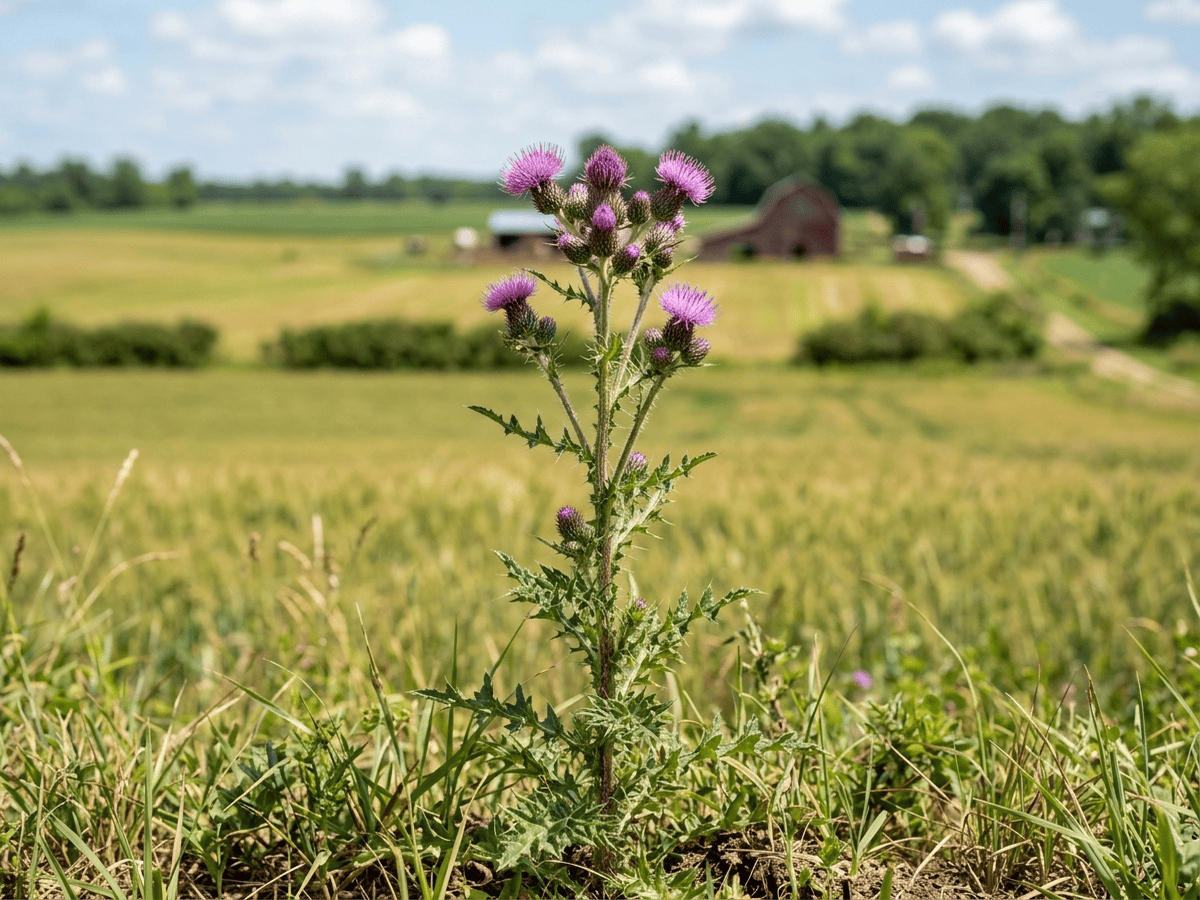
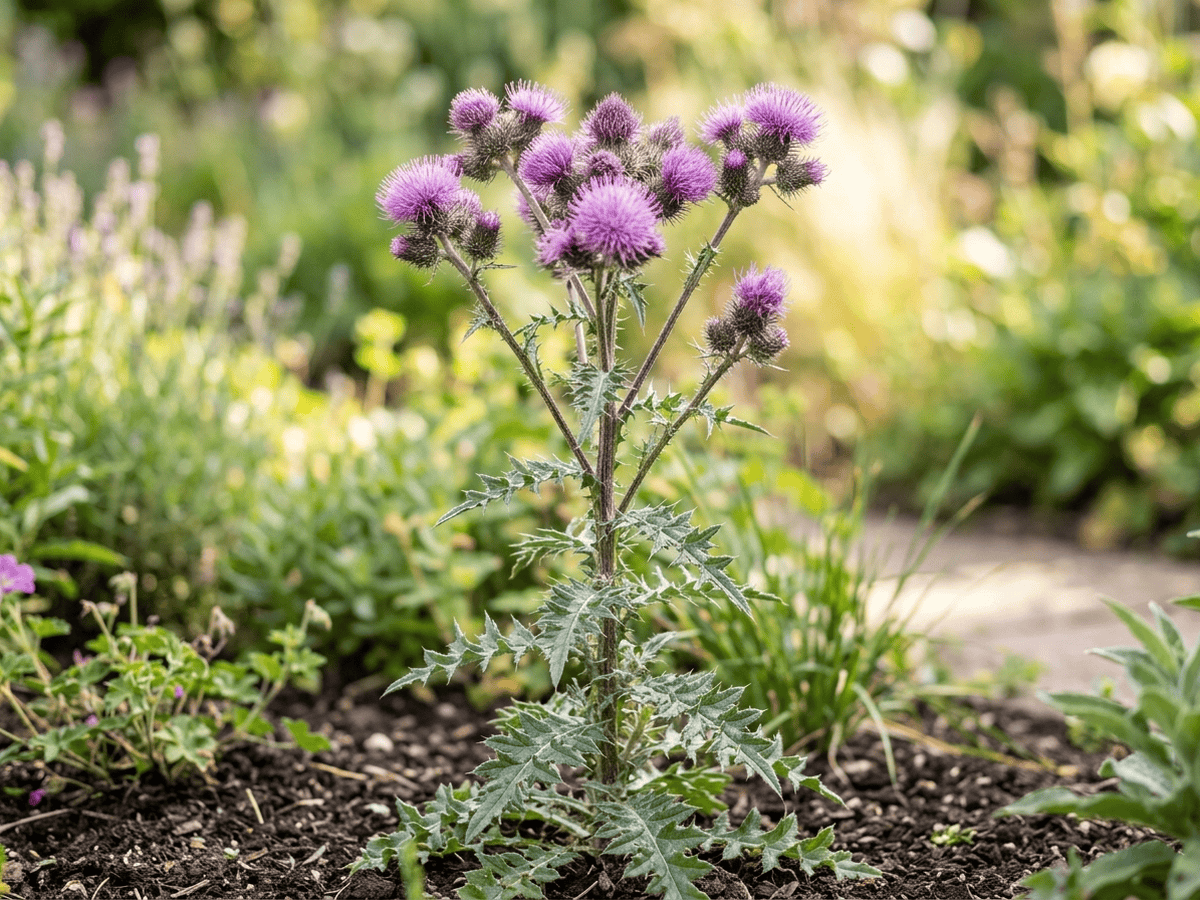
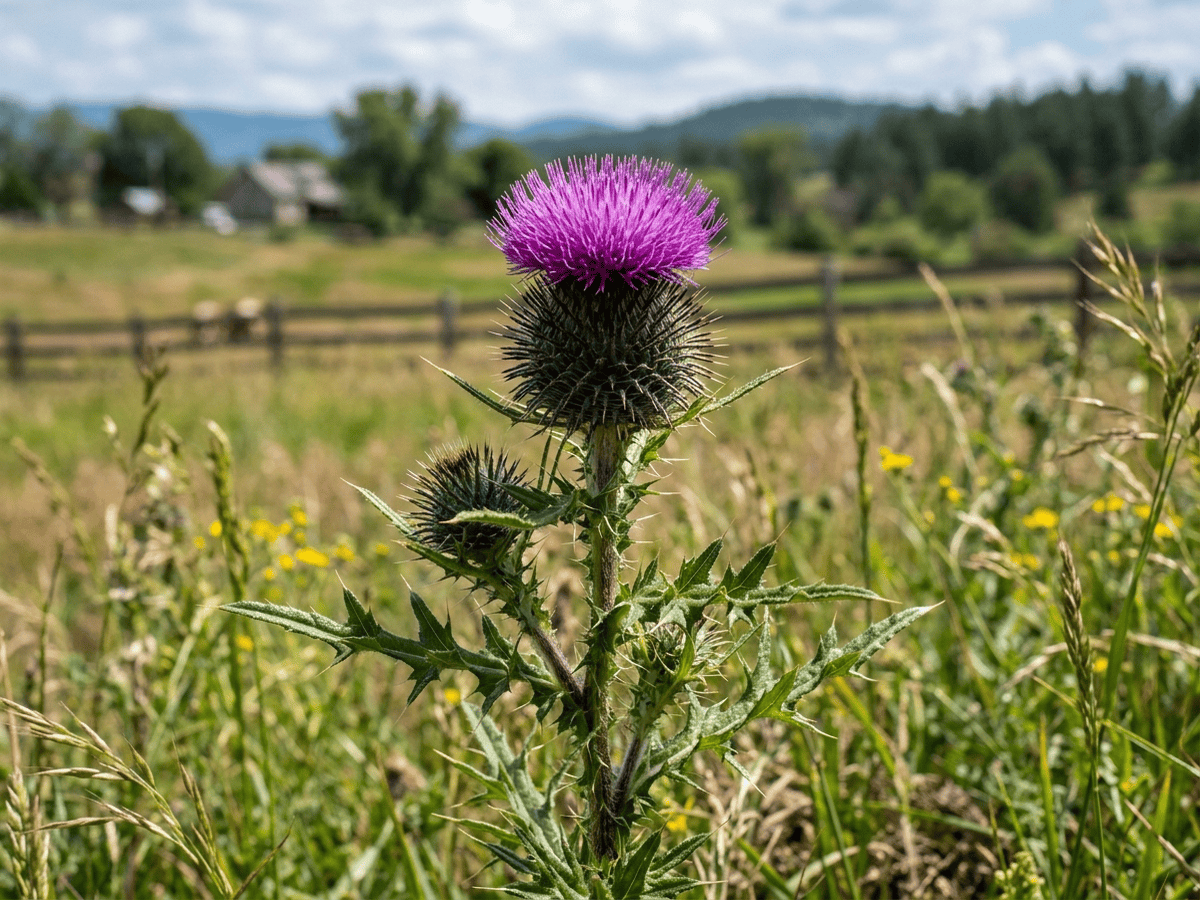
More Cirsium plants
Plants with similar care
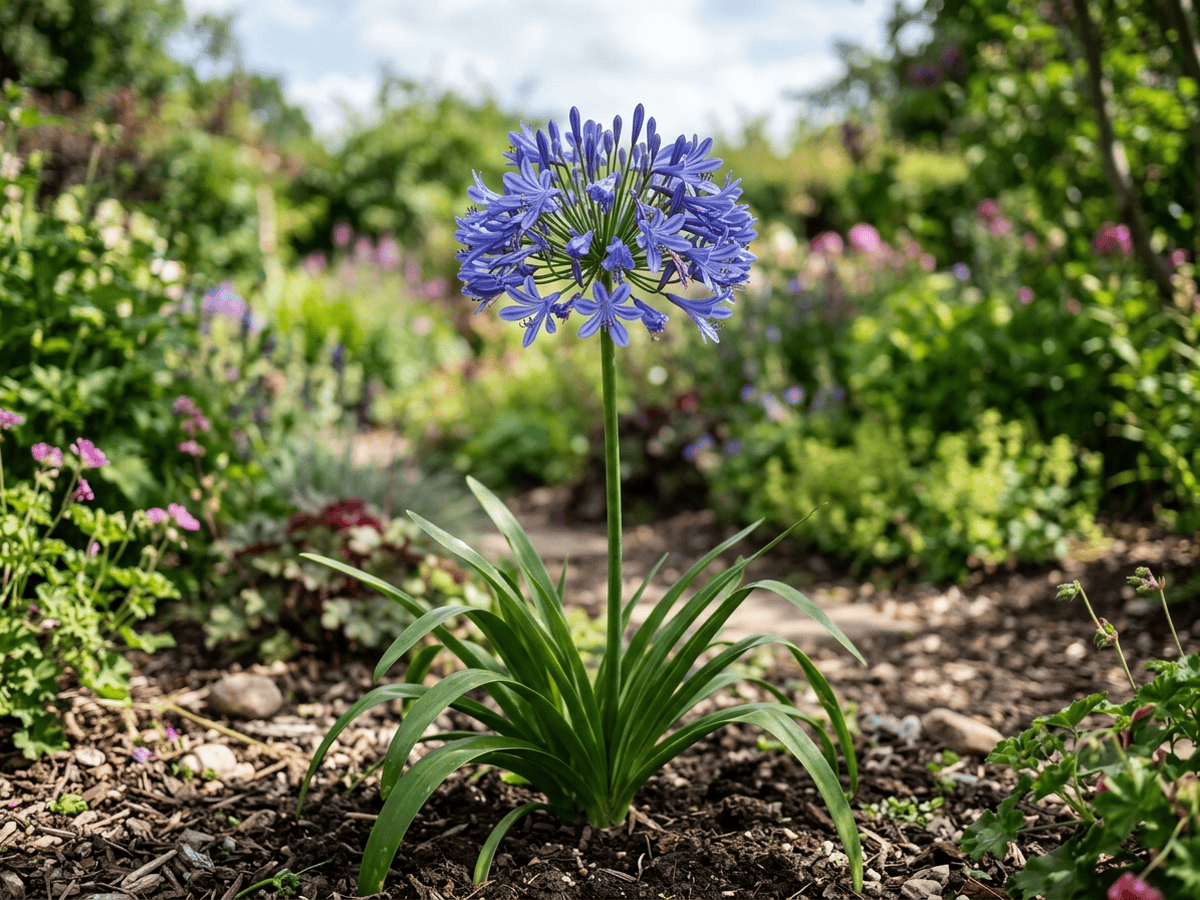 African LilyAgapanthus africanus
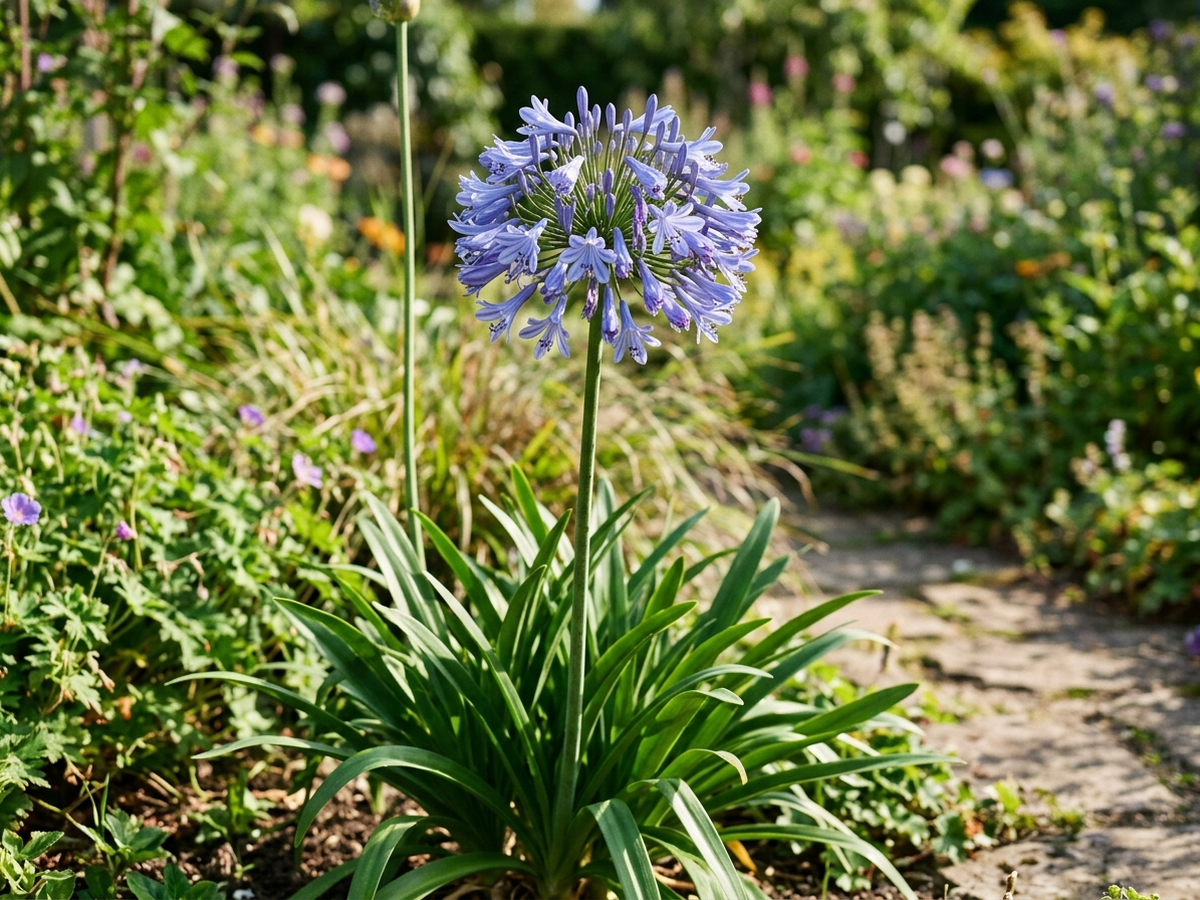 Bell AgapanthusAgapanthus campanulatus
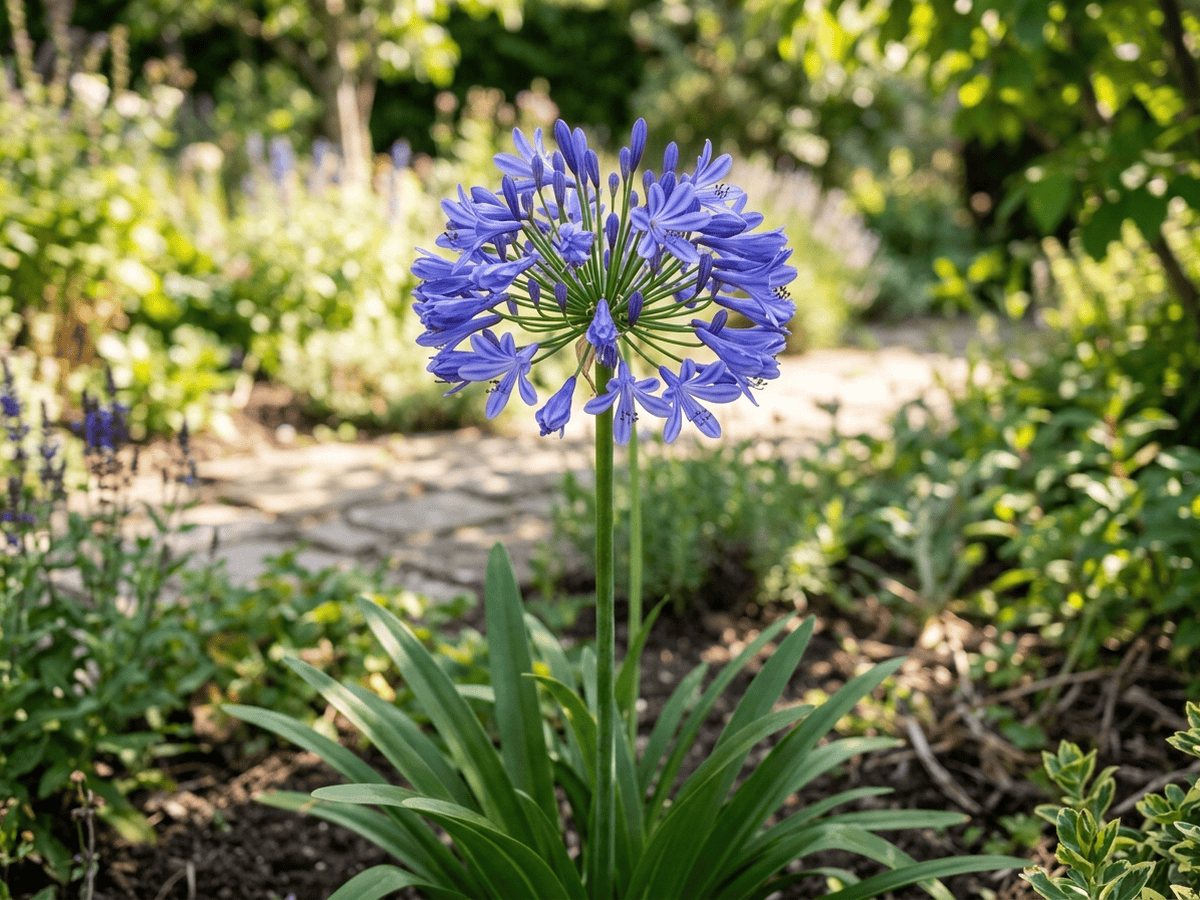 Common AgapanthusAgapanthus praecox
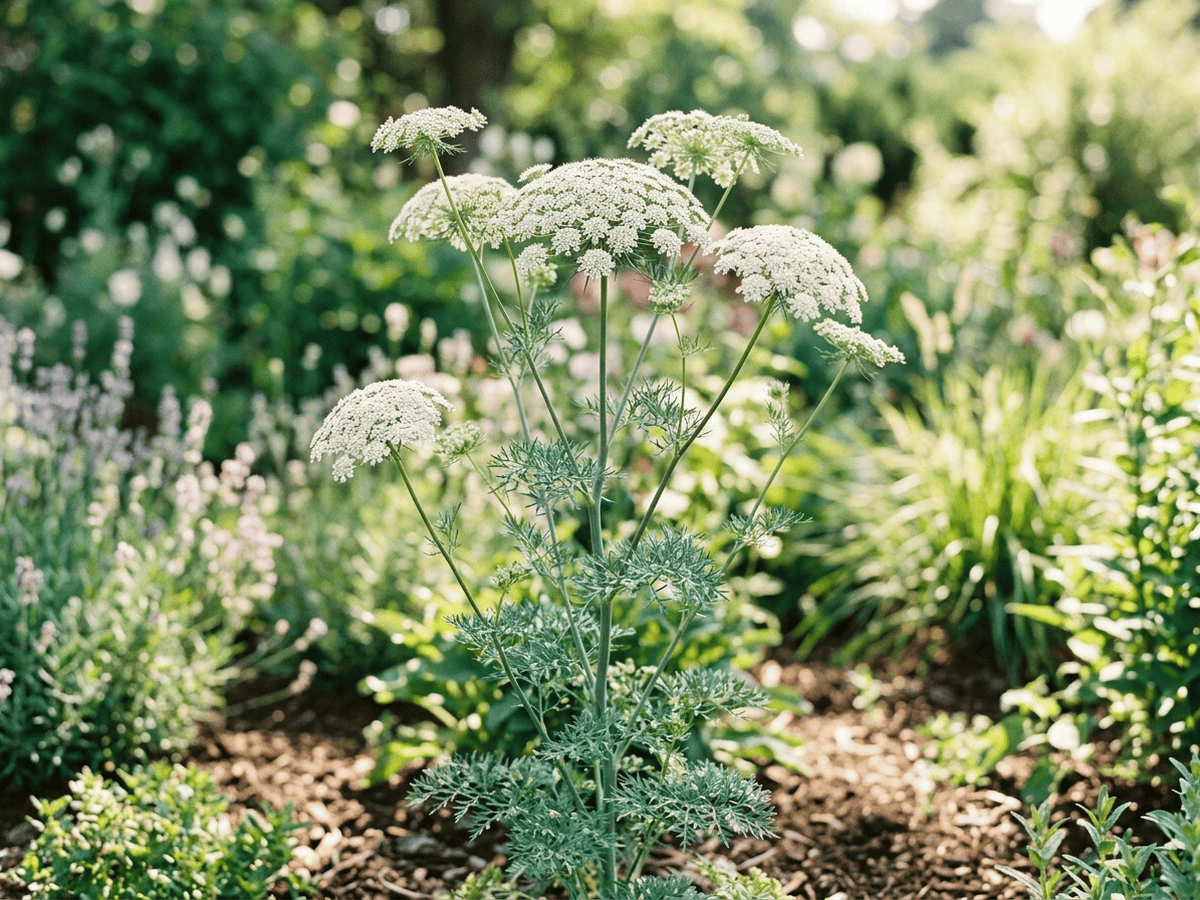 False Queen Anne's LaceAmmi majus glaucifolium
Frequently asked questions
How often should I water Cobwebby Thistle?
In summer, water about every 14 days; in winter, about every 30 days. Adjust for heat, pot size and drainage.
How much light does Cobwebby Thistle need?
Part sun: 4–6 hrs direct. Watch the leaves — scorching or stretching means the light needs adjusting.
Is Cobwebby Thistle toxic to cats or dogs?
No toxicity has been reported for this plant. Still, it is wise to keep pets from chewing on any houseplant. Educational information, not medical or veterinary advice. If exposure is suspected, contact a doctor or veterinarian.
Is Cobwebby Thistle easy to grow?
It is considered challenging and rewards experienced growers.
When does Cobwebby Thistle bloom?
It typically blooms May–Aug in the Northern Hemisphere.
YardMate
Identify any plant in seconds
Snap a photo — YardMate names the plant, diagnoses problems, and reminds you when to water.
Download on the App Store