 YardMate


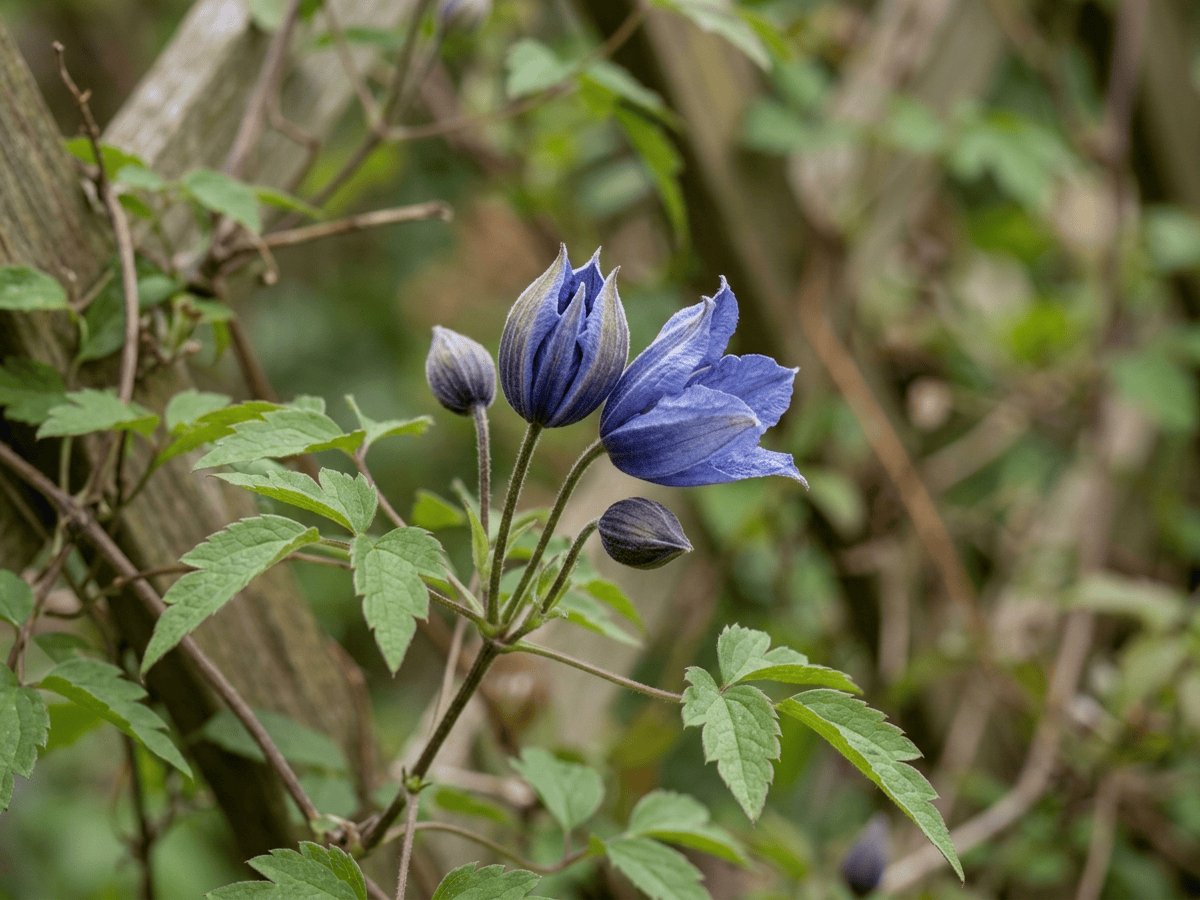
Alpine Clematis
Clematis alpina
Easy · Beginner friendlyAbout Alpine Clematis
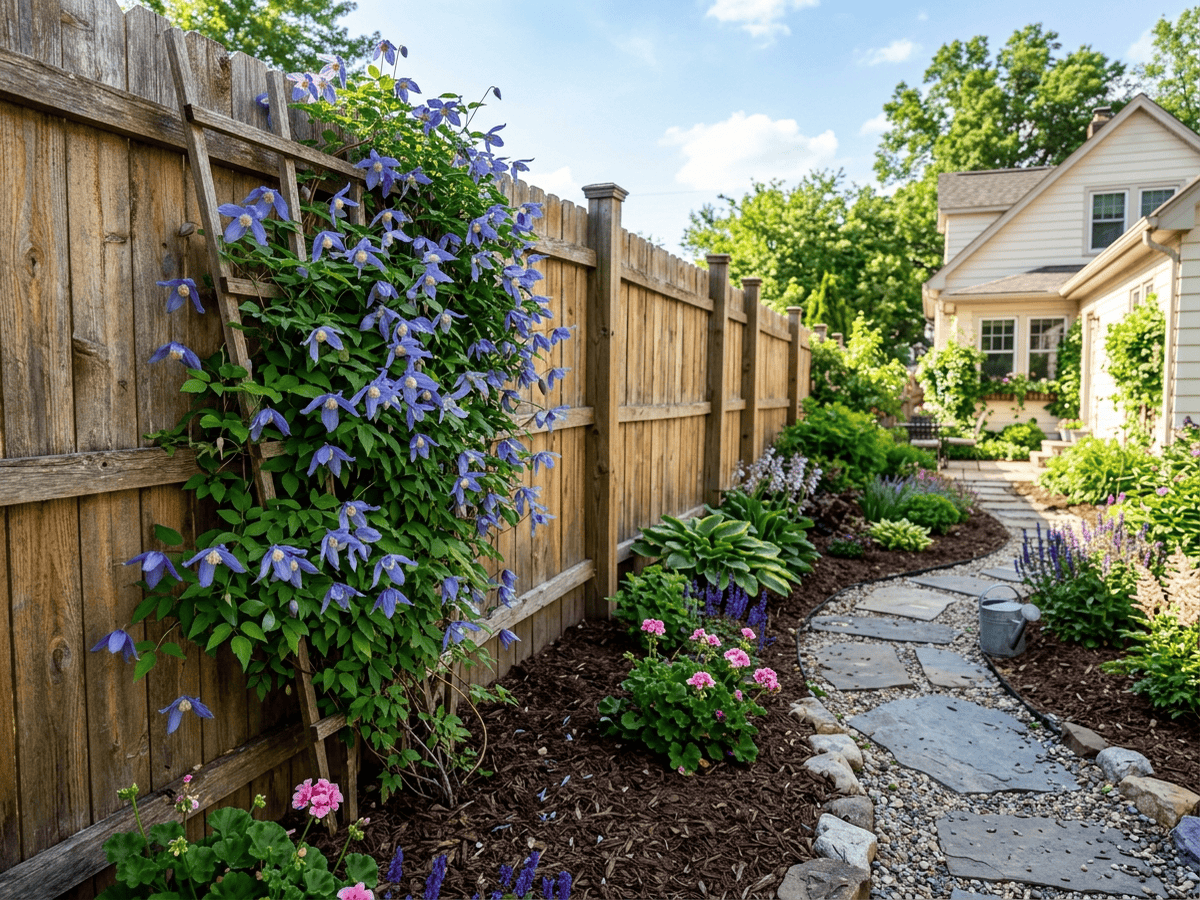
Alpine Clematis is a dainty deciduous climber reaching 6-10 feet, native to the mountain forests of Europe and Asia. In spring it bears nodding bell-shaped flowers in shades of blue, violet, pink, or white, followed by silky seed heads. Early-flowering and cold-hardy, it thrives in cooler US climates including the Northeast and Pacific Northwest and does not require the heavy pruning of summer-flowering types.
- Cold-hardy
- Climbing
- Pollinator-friendly
How to care for Alpine Clematis
Watering
- Springevery 5 days
- Summerevery 3 days
- Fallevery 7 days
- Winterevery 14 days
Soil · Well-draining
- Top dressingPine bark mulch10%
- Main mixPotting soil + perlite 2:170%
- DrainageLECA / gravel20%
Never skip the drainage layer — standing water is the top cause of root rot.
FERTILIZER
Balanced Feed 14-14-14
An even feed covers all three needs at once, keeping leaves, roots and blooms moving together with nothing pushed out of balance.
- Nitrogen · Leaves
- Phosphorus · Roots + Blooms
- Potassium · Strength
- Springevery 30 days
- Summerevery 45 days
At a Glance
- NativeEurope, East Asia
- Height6–10 ft (1.8–3 m)
- Spread3–5 ft (0.9–1.5 m)
- Flower colorBlue, Purple, Pink, White
- Foliage colorGreen
- SoilLoamy, Well-drained, Alkaline
- LocationsYard
Bloom time
BLOOM CYCLE
Peak bloom
Apr–May
Nodding bell flowers April to May
Fragrance
LIGHT FRAGRANCE
The flowers have a mild sweet scent.
Toxicity
Humans Moderate · Pets Moderate
protoanemonin
Moderate
- Leaf
- Sap
- Ingestion
- Contact
EXPOSURE Eating leaves and sap. Touching leaves and sap.
EFFECT Oral irritation, GI upset from protoanemonin.
NOTE Documented concern for humans: Oral irritation, GI upset from protoanemonin.
Moderate
- Leaf
- Stem
- Ingestion
EXPOSURE Eating leaves and stems.
EFFECT Vomiting, diarrhea.
NOTE ASPCA toxic.
Moderate
- Leaf
- Stem
- Ingestion
EXPOSURE Eating leaves and stems.
EFFECT Vomiting, diarrhea.
NOTE ASPCA toxic.
Educational information, not medical or veterinary advice. If exposure is suspected, contact a doctor or veterinarian.
DISTRIBUTION

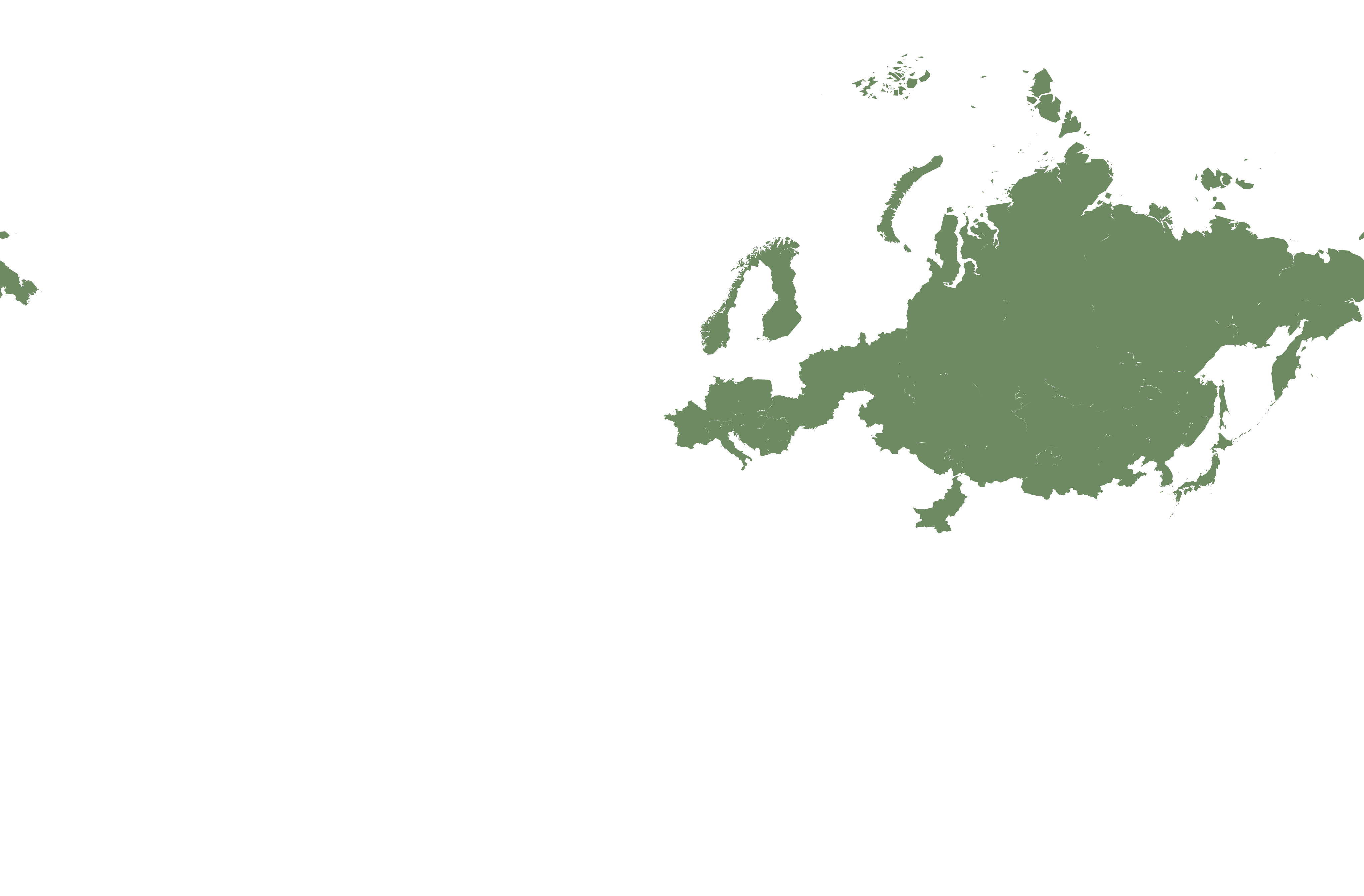
- Native
- Europe
- East Asia
History
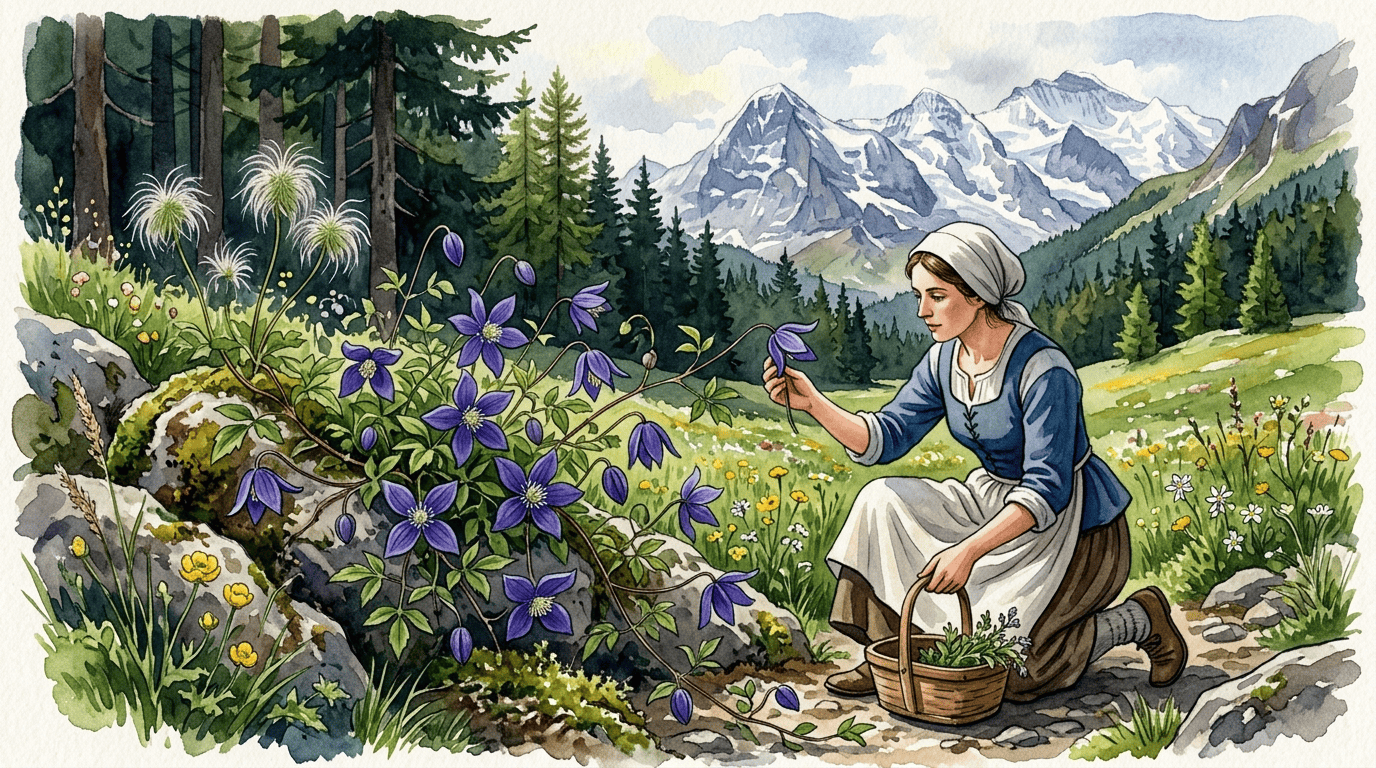
Clematis alpina is native to the mountains of central and eastern Europe (Alps, Carpathians, Balkans) and northern Asia. Scottish botanist Philip Miller first described it as Atragene alpina in 1768 in the Gardeners Dictionary; later taxonomists transferred it to Clematis. The epithet alpina reflects its high-mountain habitat.
Unlike the large-flowered hybrid clematis familiar to most gardeners, C. alpina belongs to the Atragene section—characterized by nodding bell-shaped to lantern-like flowers 3-5 cm long, with four violet-blue petaloid sepals surrounding a central boss of smaller white staminodes. Flowering occurs in April-May on the previous year's growth (group 1 pruning), so no hard cutting back is needed. The 2-3 meter vine is easy, forgiving, and extremely cold-hardy (to zone 3), thriving in conditions that defeat many of its showier Asian relatives.
Cultivars 'Pamela Jackman', 'Frances Rivis', 'Pink Flamingo' (pink), 'White Columbine', 'Ruby', and 'Willy' have been selected. Silvery seedheads extend interest into winter. Native to the Alps and mountain ranges of Europe and Asia, cultivated since at least the 16th century. Adapted superbly to cool US mountain and northern gardens.
Symbolism & meaning
What It Symbolizes
Alpine Clematis carries the refined beauty of high places, its nodding bell flowers a quiet emblem of mountain grace. Native to the cool slopes of central European peaks, its early bloom signals renewal as winter at last gives way. To plant this clematis is to bring a piece of alpine spring into the lowland garden — a delicate climber whose dangling violet bells whisper that the long cold has truly ended.
- Alpine grace — refined beauty from high places
- Renewal — spring bells signal winter's end
Where the Name Comes From
'Alpina' refers to its alpine mountain habitat.
Uses & Fun Facts
- Alpine Clematis flowers nourish foraging bees and pollinators
- Compact vines climb patio trellises and cold-climate balcony supports
- Compact vines climb small trellises with nodding early-season bells
Related plants
More Clematis plants
 Evergreen ClematisClematis armandii
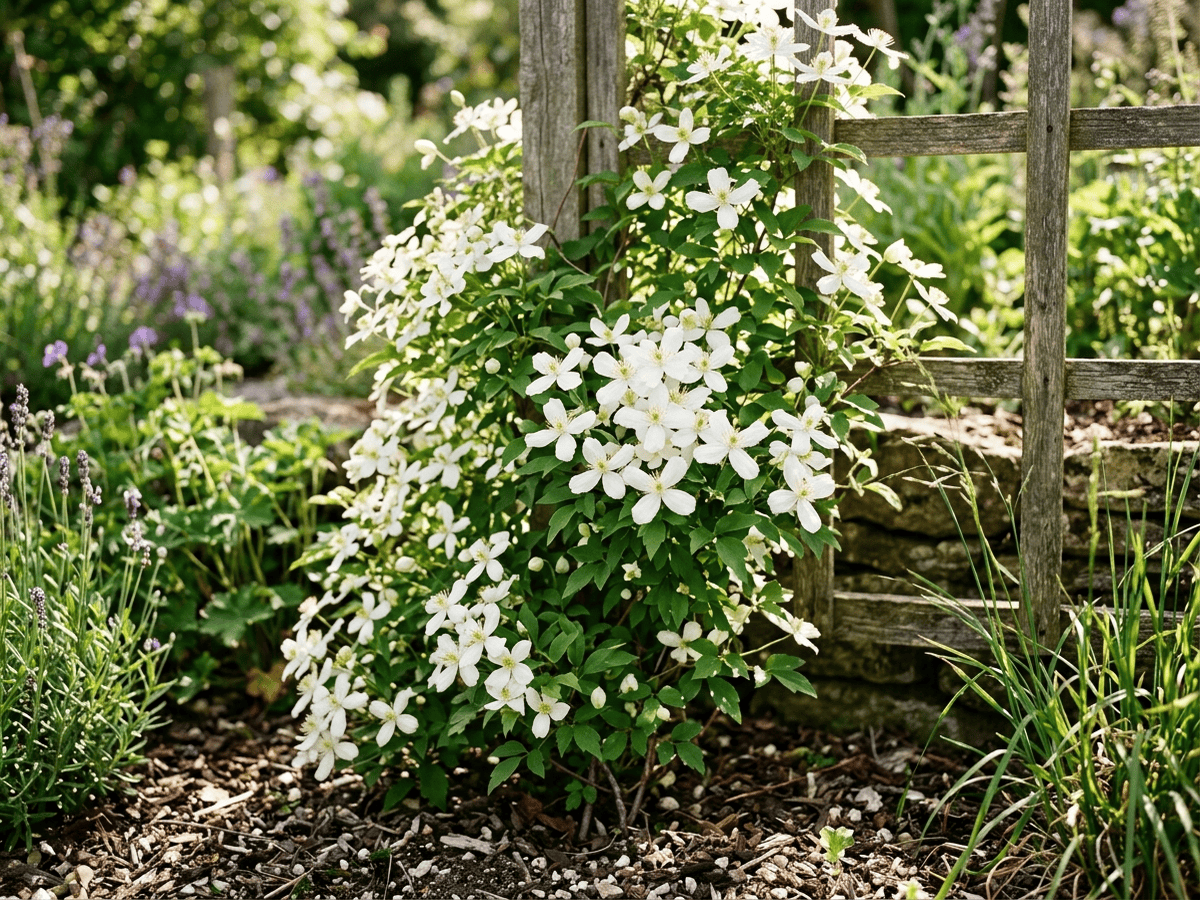 Himalayan ClematisClematis montana
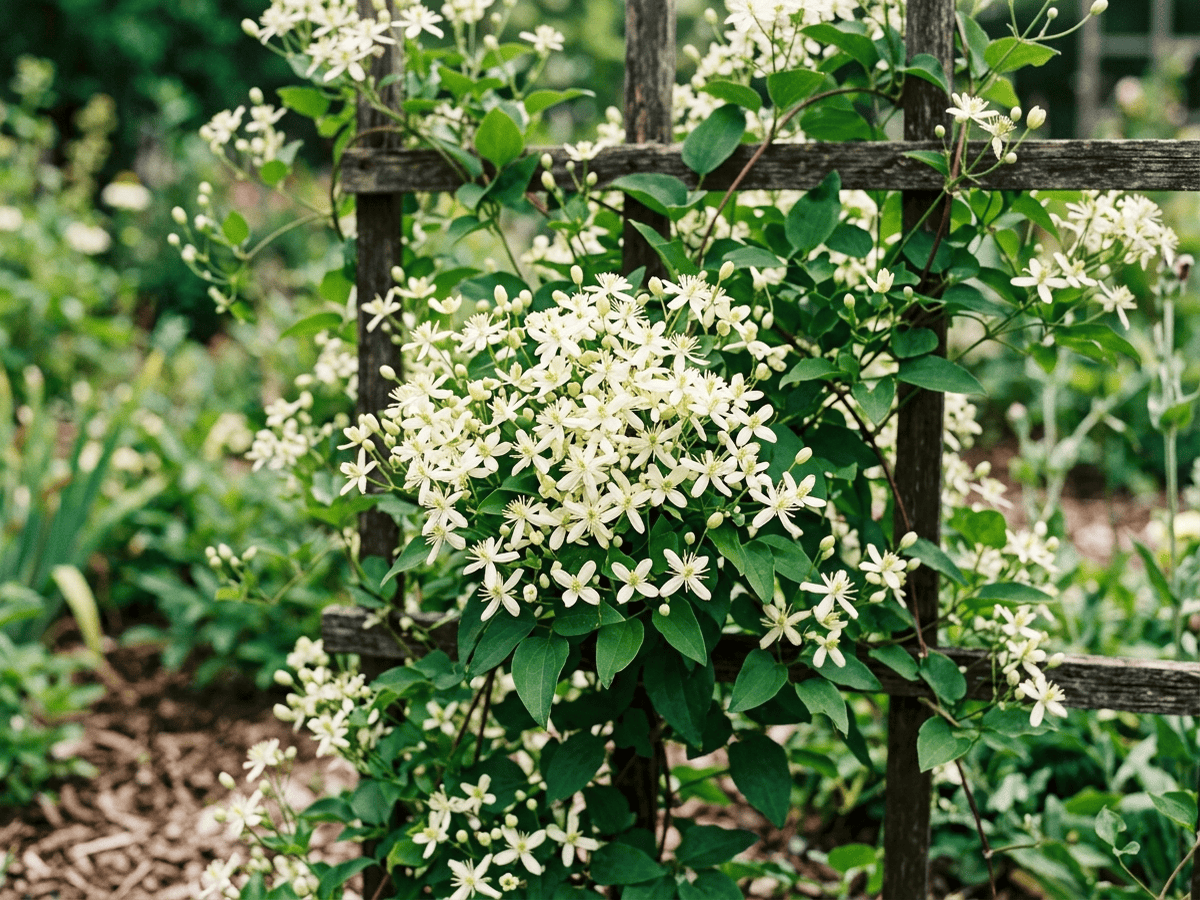 Autumn ClematisClematis terniflora
 Virgin's-BowerClematis virginiana
Plants with similar care
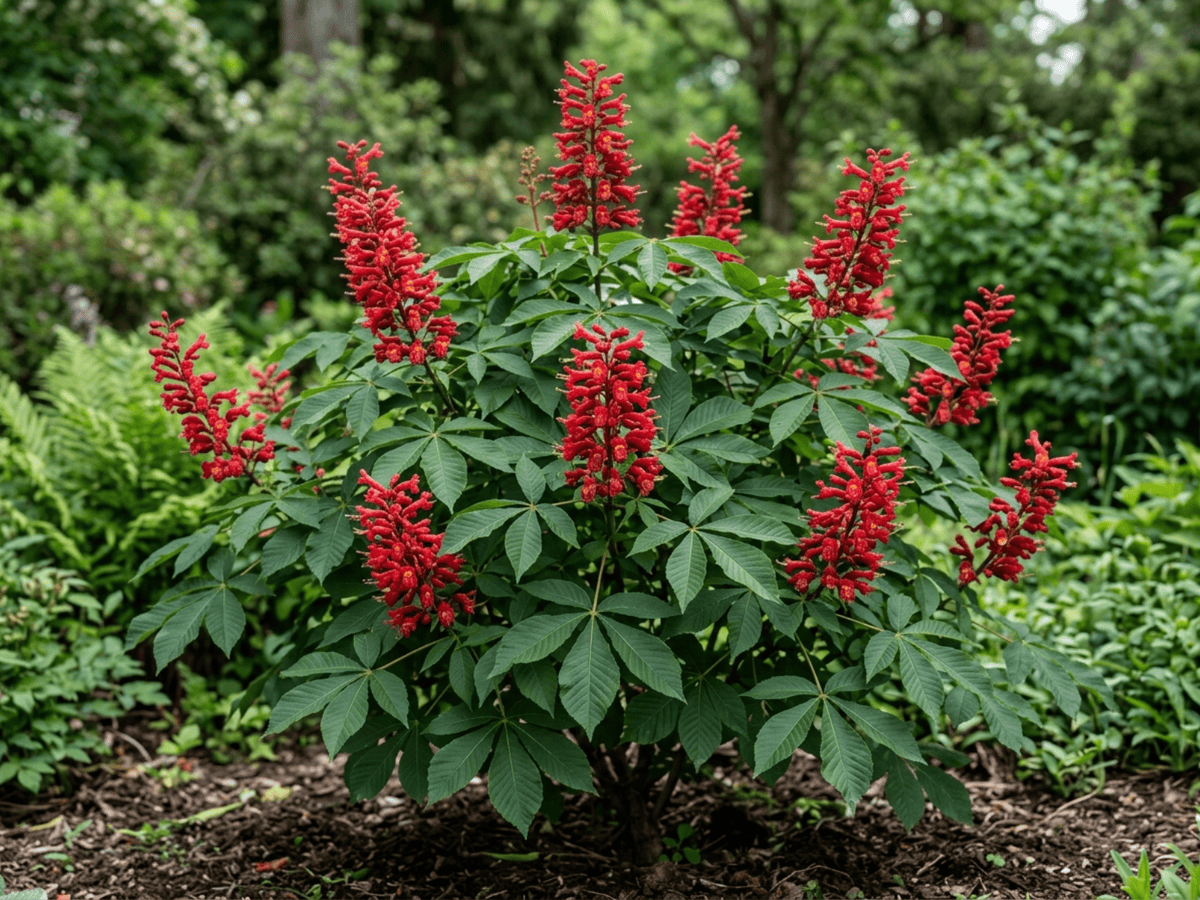 Red BuckeyeAesculus pavia
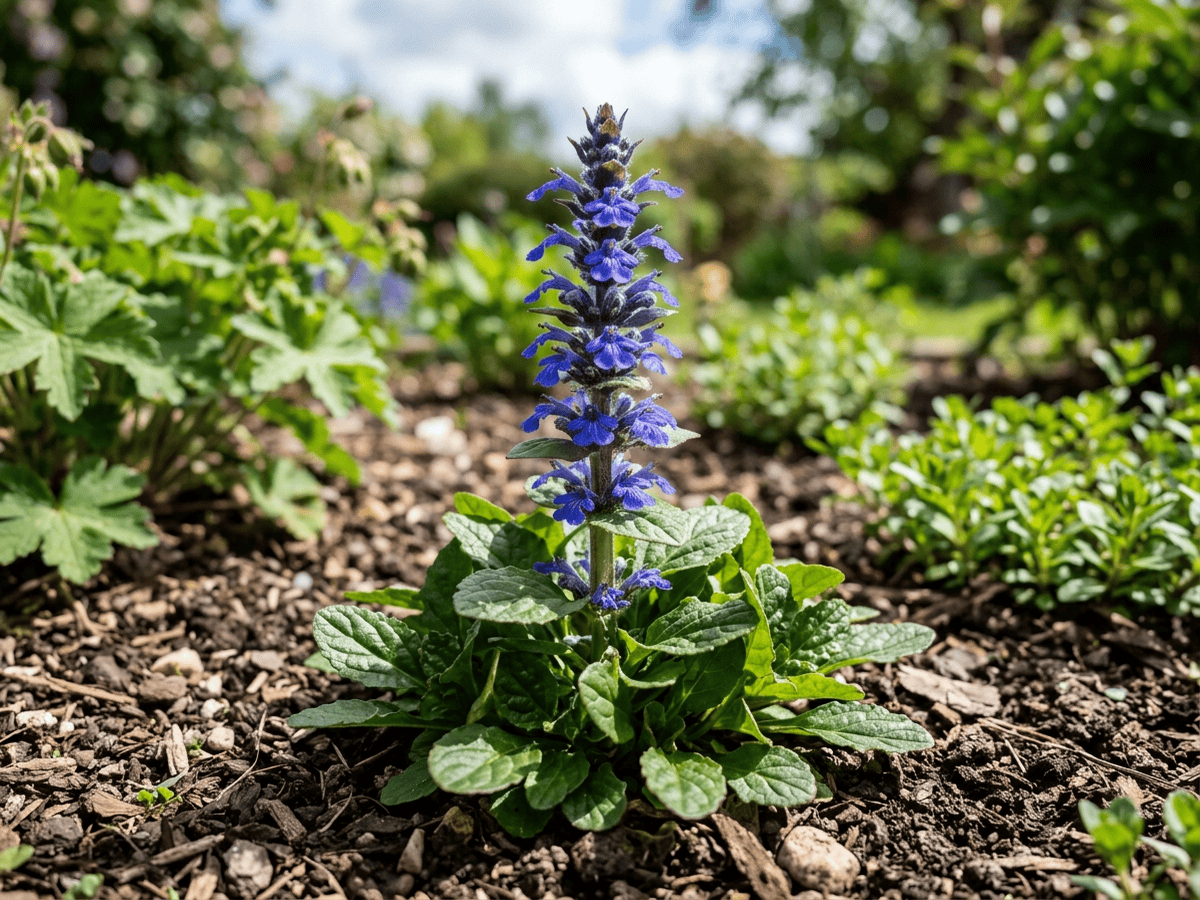 Blue BugleAjuga genevensis
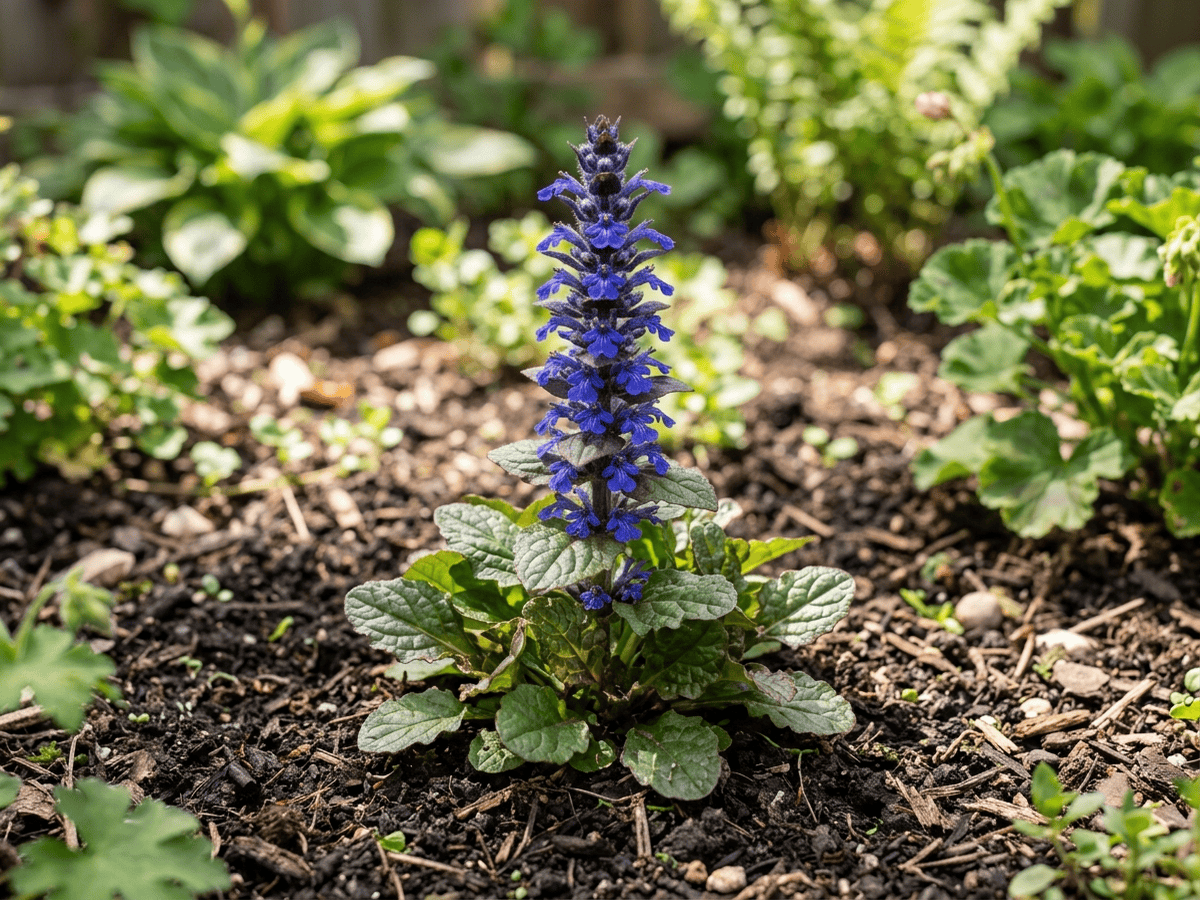 Pyramidal BugleAjuga pyramidalis
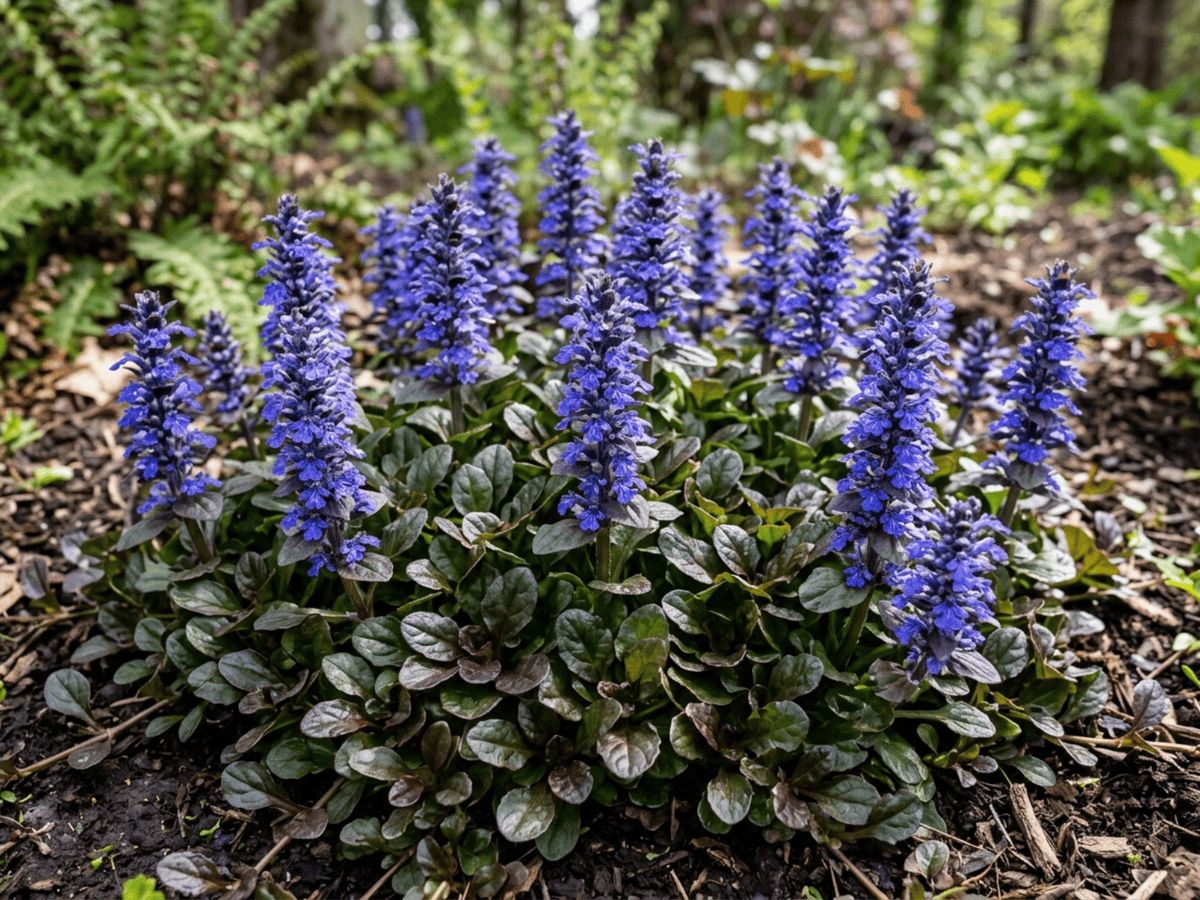 Carpet BugleAjuga reptans
Frequently asked questions
How often should I water Alpine Clematis?
In summer, water about every 3 days; in winter, about every 14 days. Adjust for heat, pot size and drainage.
How much light does Alpine Clematis need?
Part shade: 2–4 hrs direct. Watch the leaves — scorching or stretching means the light needs adjusting.
Is Alpine Clematis toxic to cats or dogs?
Pets Moderate (Dogs Moderate · Cats Moderate) Educational information, not medical or veterinary advice. If exposure is suspected, contact a doctor or veterinarian.
Is Alpine Clematis easy to grow?
Yes — it is considered an easy, beginner-friendly plant.
When does Alpine Clematis bloom?
It typically blooms Apr–May in the Northern Hemisphere.
YardMate
Identify any plant in seconds
Snap a photo — YardMate names the plant, diagnoses problems, and reminds you when to water.
Download on the App Store