 YardMate


Virgin's-Bower
Clematis virginiana
Easy · Beginner friendlyAbout Virgin's-Bower
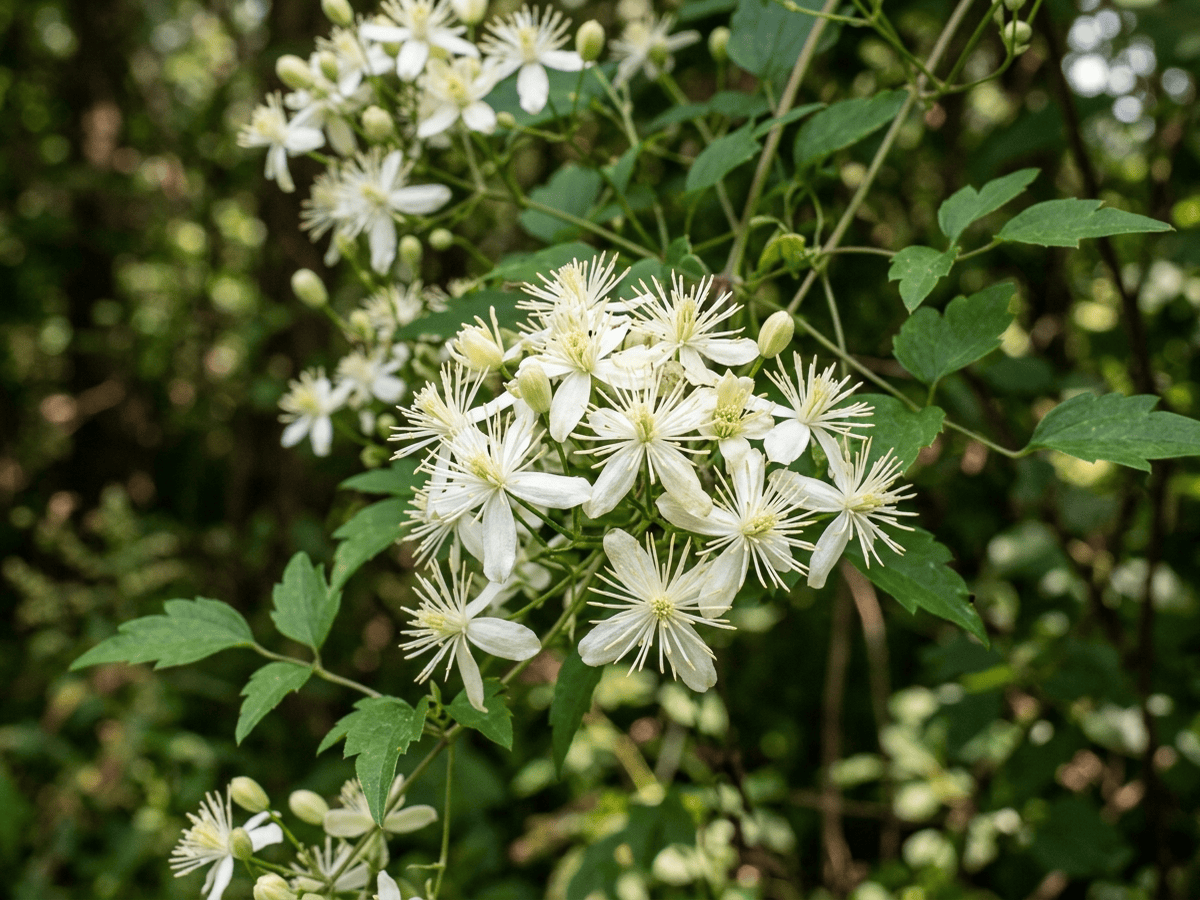
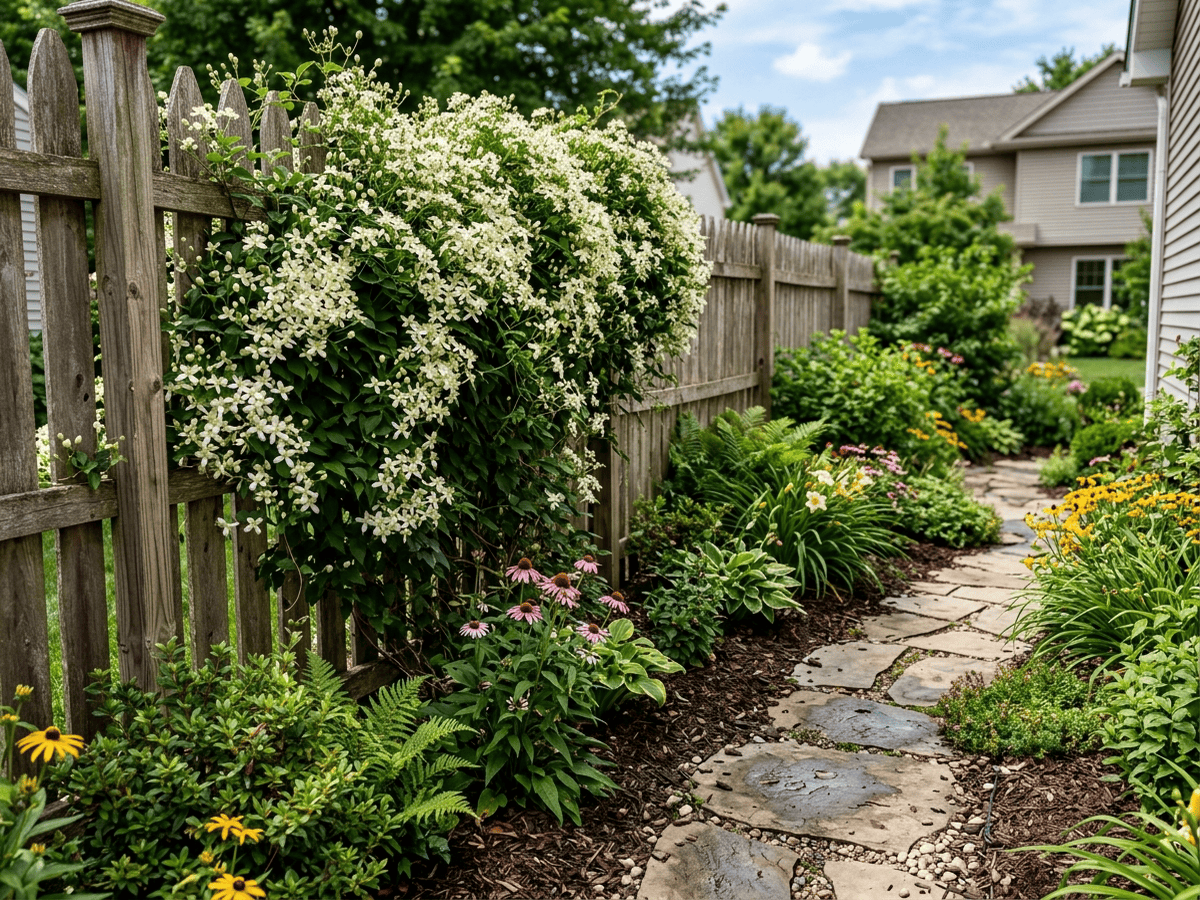
Virgin's Bower is an eastern North American native deciduous vine reaching 10-20 feet, producing masses of small fragrant white flowers in late summer followed by attractive feathery seed heads called 'old man's beard'. Found in moist woodlands and stream banks across the eastern and central US, it supports native pollinators and provides habitat value. A vigorous but manageable native alternative to the invasive Sweet Autumn Clematis.
- Fragrant
- Climbing
- Native
- Pollinator-friendly
How to care for Virgin's-Bower
Watering
- Springevery 7 days
- Summerevery 5 days
- Fallevery 10 days
- Winterevery 21 days
Soil · Well-draining
- Top dressingPine bark mulch10%
- Main mixPotting soil + perlite 2:170%
- DrainageLECA / gravel20%
Never skip the drainage layer — standing water is the top cause of root rot.
FERTILIZER
- Springevery 30 days
- Summerevery 45 days
At a Glance
- NativeNorth America
- Height12–20 ft (3.7–6.1 m)
- Spread3–6 ft (0.9–1.8 m)
- Flower colorWhite, Cream
- Foliage colorGreen, Yellow
- Fruit colorWhite
- SoilRich, Loamy, Well-drained
- LocationsYard
Bloom time
BLOOM CYCLE
Peak bloom
Jul–Sep
Fragrant white flower clusters July to September
Fragrance
LIGHT FRAGRANCE
The flowers have a mild sweet fragrance.
Toxicity
Humans Moderate · Pets Moderate
protoanemonin
Moderate
- Leaf
- Sap
- Ingestion
- Contact
EXPOSURE Eating leaves and sap. Touching leaves and sap.
EFFECT Oral irritation, blistering from protoanemonin.
NOTE Documented concern for humans: Oral irritation, blistering from protoanemonin.
Moderate
- Leaf
- Stem
- Ingestion
EXPOSURE Eating leaves and stems.
EFFECT Vomiting, diarrhea.
NOTE ASPCA toxic. Indigenous peoples used tiny amounts externally but the plant is not safely edible.
Moderate
- Leaf
- Stem
- Ingestion
EXPOSURE Eating leaves and stems.
EFFECT Vomiting, diarrhea.
NOTE ASPCA toxic. Indigenous peoples used tiny amounts externally but the plant is not safely edible.
Educational information, not medical or veterinary advice. If exposure is suspected, contact a doctor or veterinarian.
DISTRIBUTION


- Native
- Introduced
- North America
History
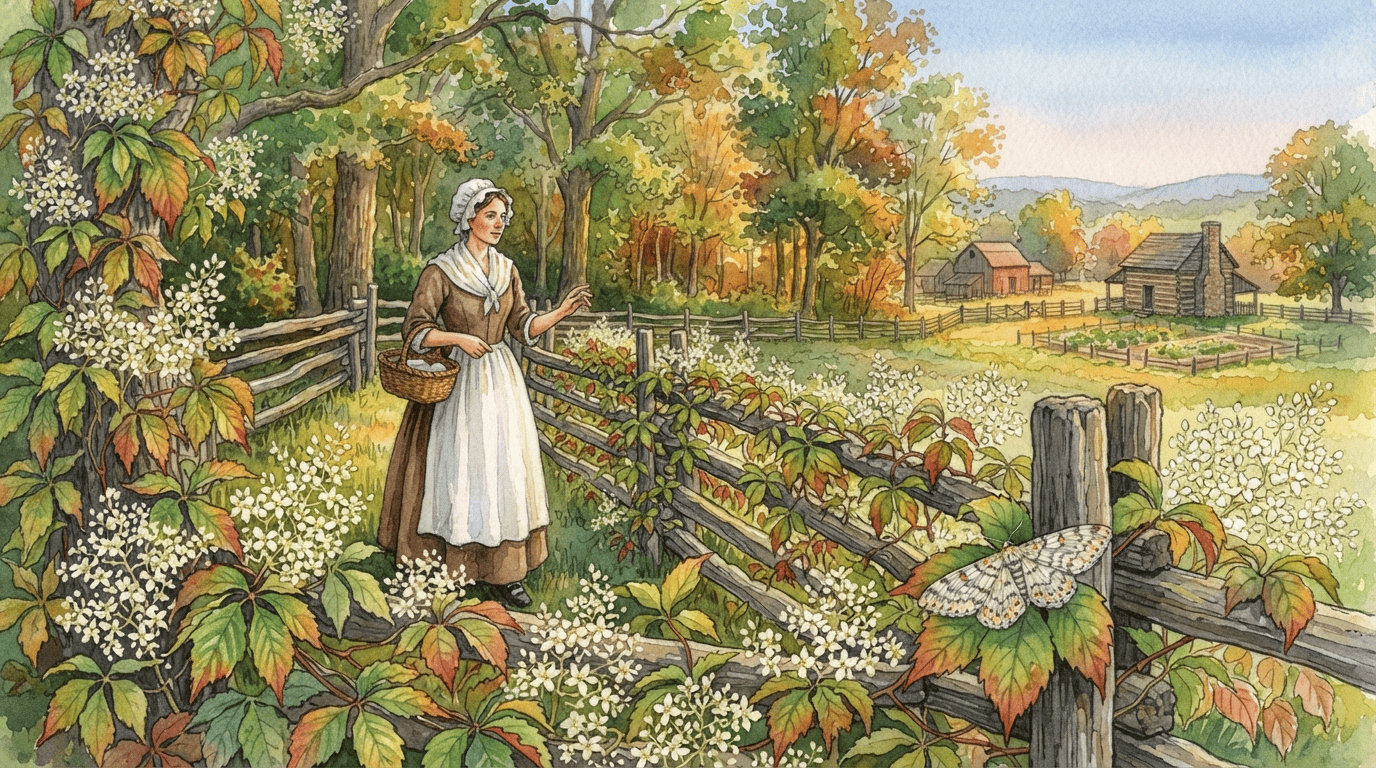
Clematis virginiana is native to eastern and central North America from Nova Scotia south through Florida and west to Manitoba, Kansas, Louisiana, and Texas, typically along woodland edges, streams, and fencerows. Linnaeus described the species in Species Plantarum (1753) from Virginia material, giving it the common name virgin's bower—the bower part refers to a sheltered arbor, and the virgin is thought to reference Elizabeth I (the Virgin Queen) for whom Virginia itself was named. The 3-5 meter vine produces panicles of small (2 cm) four-petaled cream-white flowers in late summer (August-September) followed by the feathery silvery-white seedheads that persist into winter and give the species its name.
While less visually overwhelming than the invasive Asian C. terniflora, it is a valuable native substitute, serving as a host plant for the Large Lace Border moth (Scopula limboundata) and providing late-season nectar for native bees and butterflies. Unlike the non-native C. terniflora it is dioecious—male and female flowers on separate plants. A widespread native vine beloved by colonial American gardeners.
Called 'Devil's Darning Needles' in folk tradition. Native Americans used it medicinally for nerve pain. Now promoted as a native substitute for the invasive Asian Sweet Autumn Clematis.
Symbolism & meaning
What It Symbolizes
Virgin's-Bower scrambles modestly through eastern woodlands, its small white blooms half-hidden among the leaves rather than displayed in showy fanfare. That reserve gave it the Victorian meaning of virgin modesty — beauty that does not announce itself. As a native of wild thickets and stream edges, it carries the spirit of woodland places where grace is something stumbled upon rather than staged.
- Virgin modesty — subtle white blooms among leaves
- Native spirit — wild beauty of eastern woodlands
Where the Name Comes From
'Virginiana' refers to its range including Virginia, though it extends far wider across the eastern US.
Uses & Fun Facts
- Vanilla-scented white flower clouds drape native fences
- Late-summer blooms feed bees and small native flies
- Twining vine climbs fences arbors and shrub thickets
Related plants
More Clematis plants
 Alpine ClematisClematis alpina
 Evergreen ClematisClematis armandii
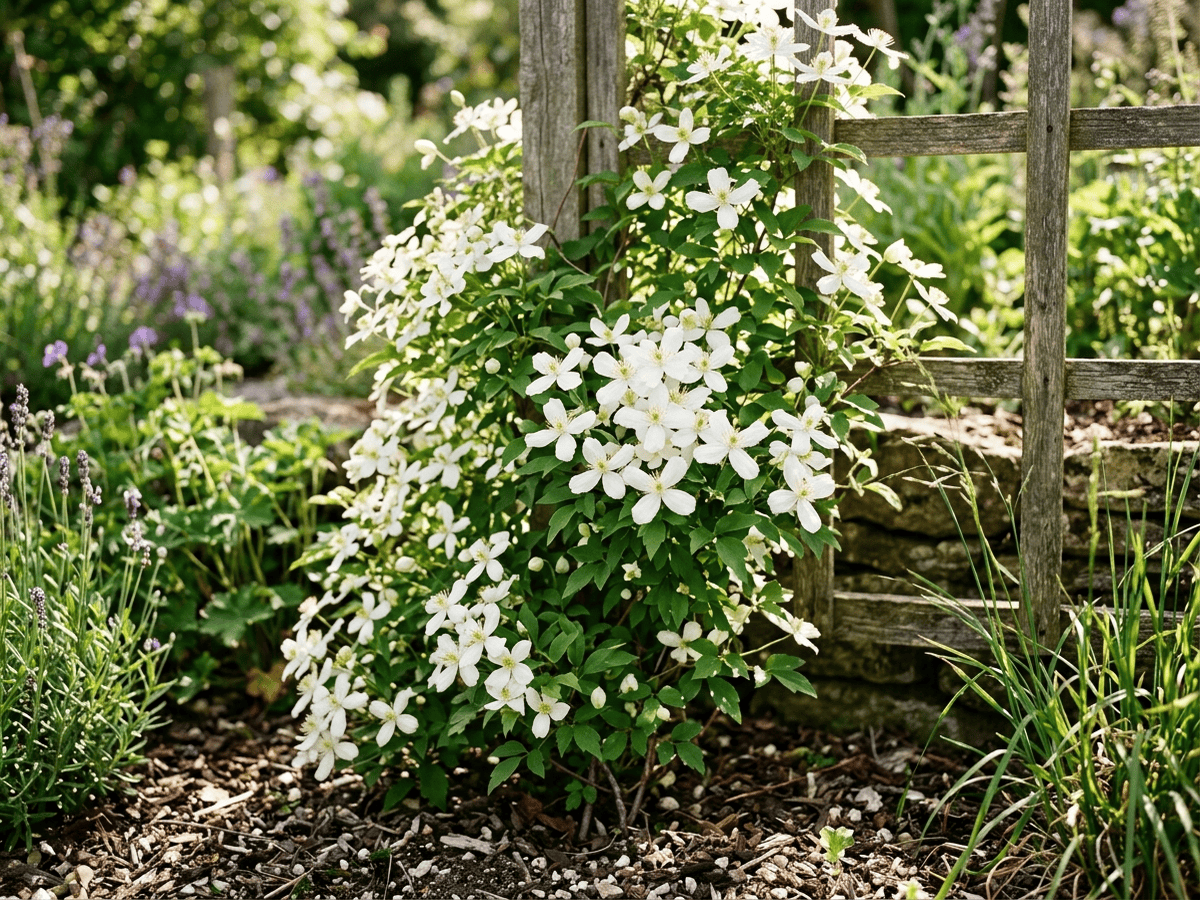 Himalayan ClematisClematis montana
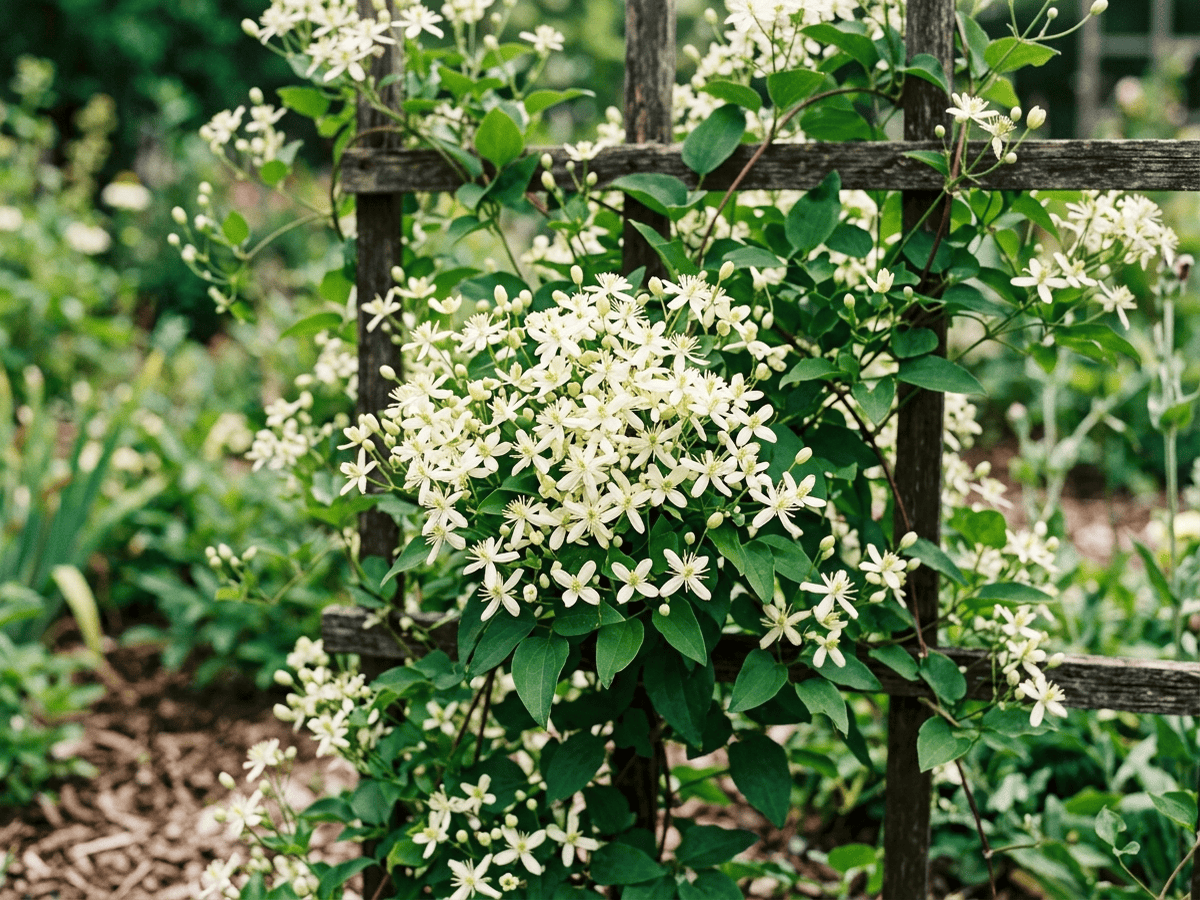 Autumn ClematisClematis terniflora
Plants with similar care
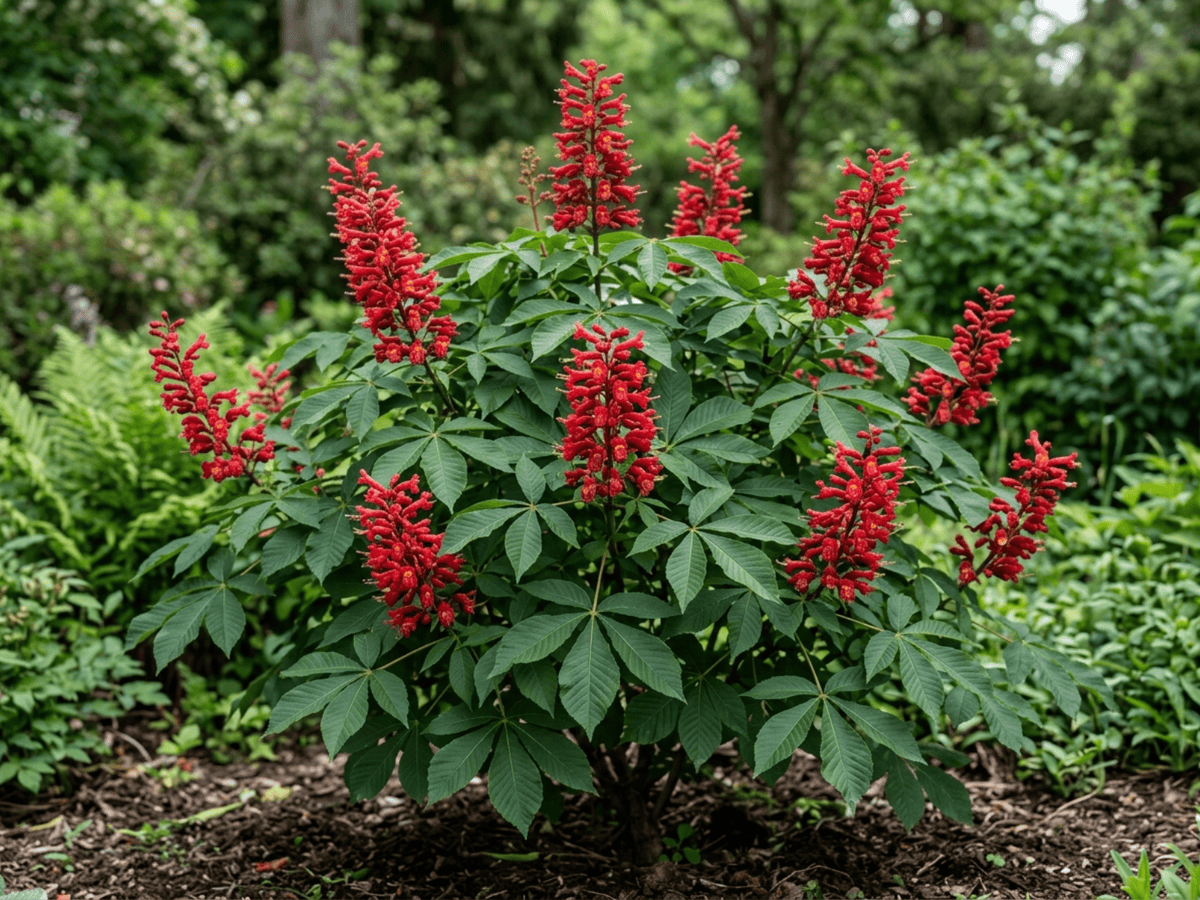 Red BuckeyeAesculus pavia
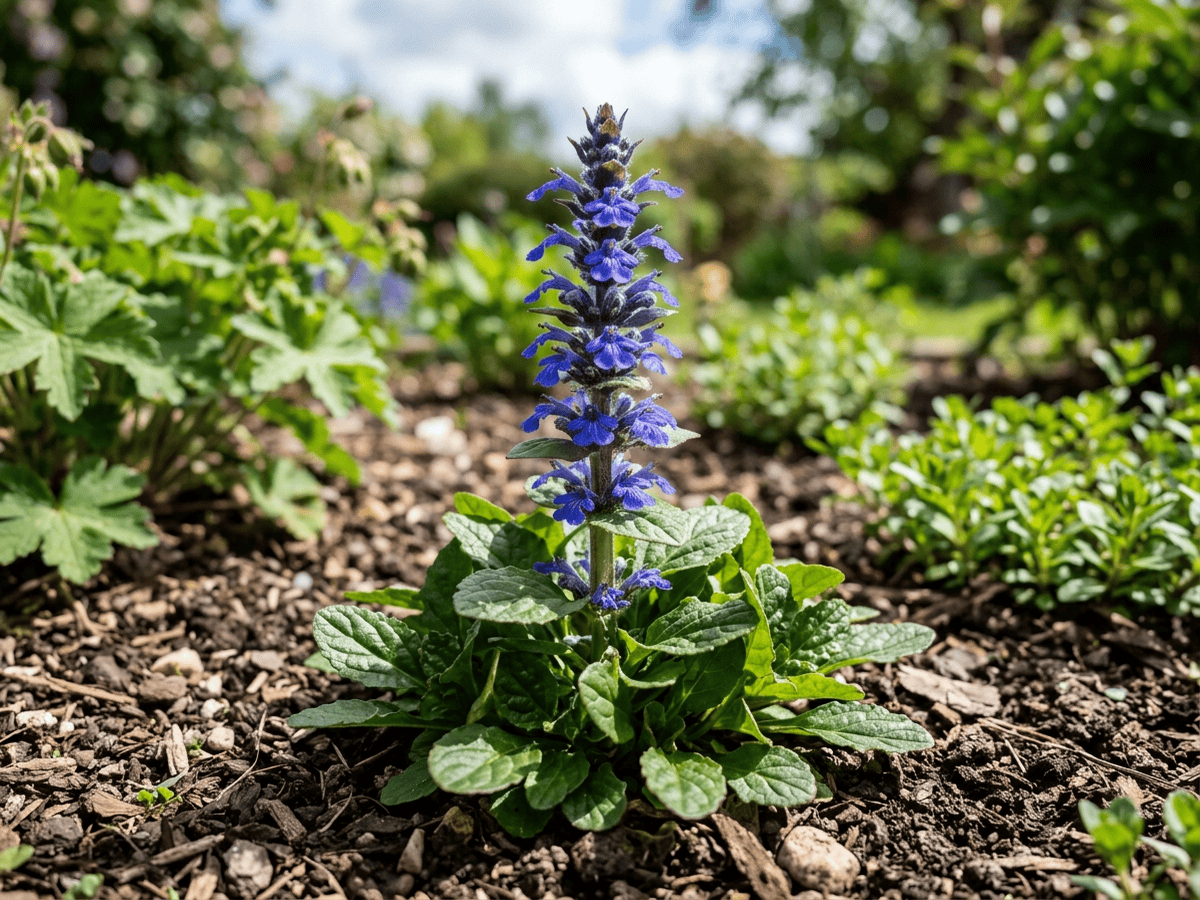 Blue BugleAjuga genevensis
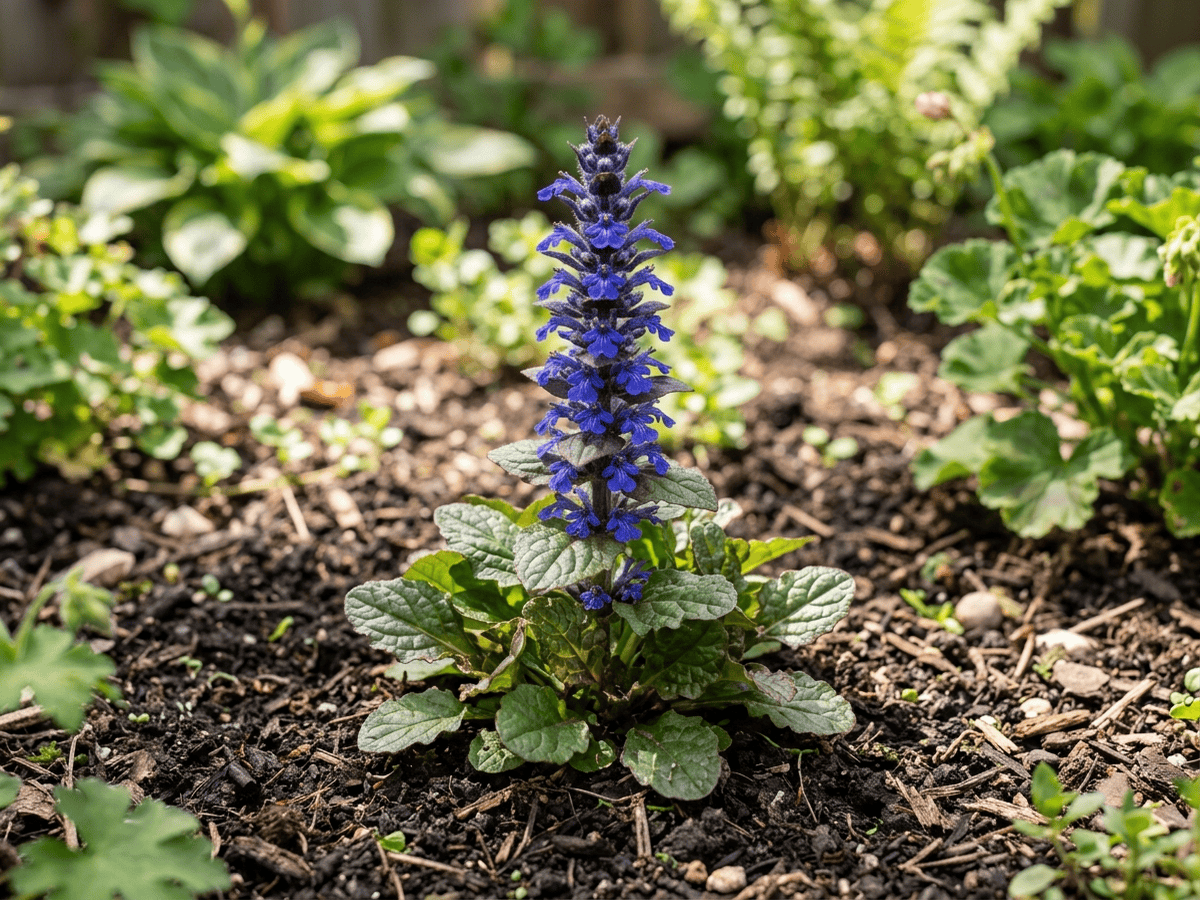 Pyramidal BugleAjuga pyramidalis
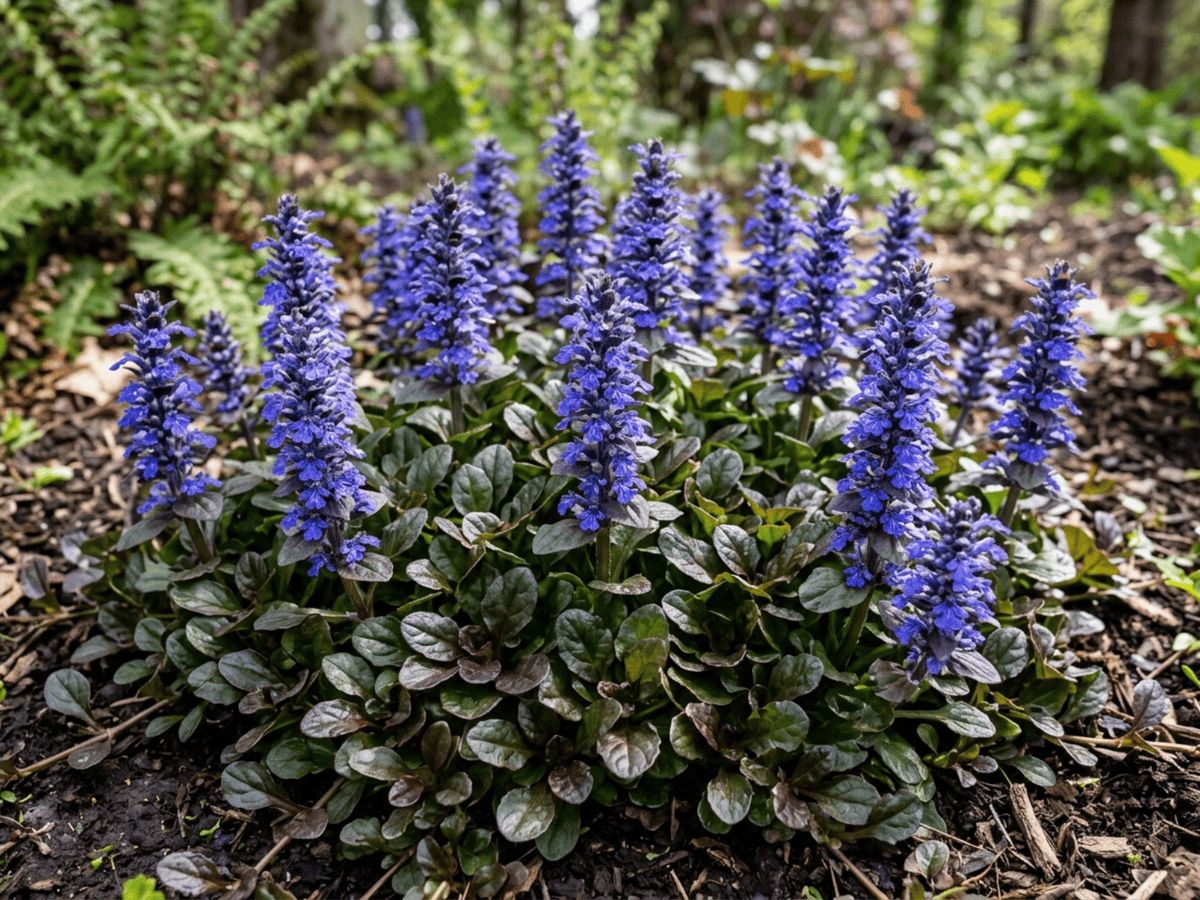 Carpet BugleAjuga reptans
Frequently asked questions
How often should I water Virgin's-Bower?
In summer, water about every 5 days; in winter, about every 21 days. Adjust for heat, pot size and drainage.
How much light does Virgin's-Bower need?
Part shade: 2–4 hrs direct. Watch the leaves — scorching or stretching means the light needs adjusting.
Is Virgin's-Bower toxic to cats or dogs?
Pets Moderate (Dogs Moderate · Cats Moderate) Educational information, not medical or veterinary advice. If exposure is suspected, contact a doctor or veterinarian.
Is Virgin's-Bower easy to grow?
Yes — it is considered an easy, beginner-friendly plant.
When does Virgin's-Bower bloom?
It typically blooms Jul–Sep in the Northern Hemisphere.
YardMate
Identify any plant in seconds
Snap a photo — YardMate names the plant, diagnoses problems, and reminds you when to water.
Download on the App Store