 YardMate
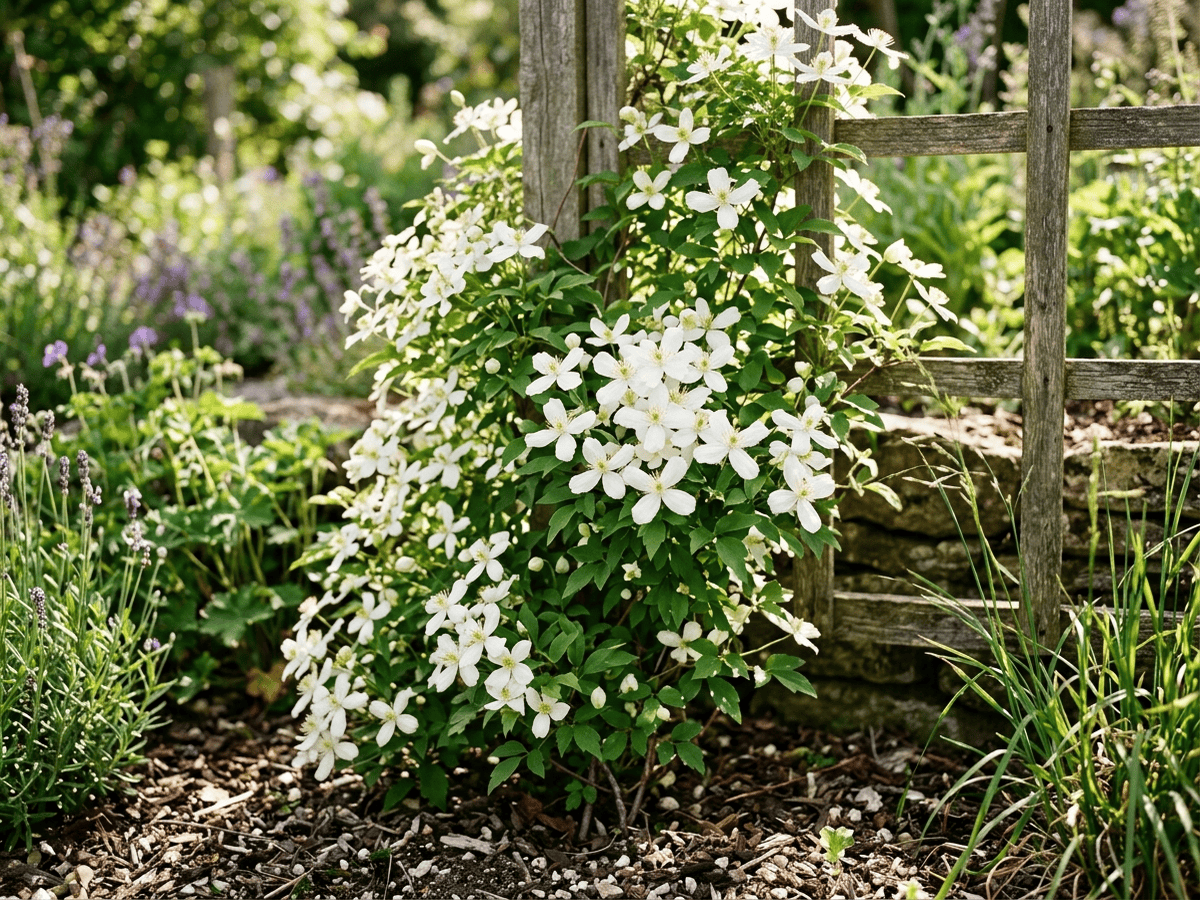


Himalayan Clematis
Clematis montana
Easy · Beginner friendlyAbout Himalayan Clematis
Clematis montana, the mountain clematis, is a vigorous, fast-growing climbing vine that covers fences and walls with masses of small, four-petaled white or pink flowers in late spring. Native to the Himalayas and central China, it can grow 10+ meters and produces such abundant bloom that the foliage nearly disappears. The vanilla-scented cultivar 'Elizabeth' with soft pink flowers is one of the most popular garden clematis. Unlike large-flowered clematis, it requires minimal pruning — just tidy up after flowering. It is one of the easiest and most rewarding climbing plants.
- Fragrant
- Climbing
- Fast-growing
How to care for Himalayan Clematis
Watering
- Springevery 5 days
- Summerevery 3 days
- Fallevery 7 days
- Winterevery 21 days
Soil · Well-draining
- Top dressingPine bark mulch10%
- Main mixPotting soil + perlite 2:170%
- DrainageLECA / gravel20%
Never skip the drainage layer — standing water is the top cause of root rot.
FERTILIZER
Balanced Feed 14-14-14
An even feed covers all three needs at once, keeping leaves, roots and blooms moving together with nothing pushed out of balance.
- Nitrogen · Leaves
- Phosphorus · Roots + Blooms
- Potassium · Strength
- Springevery 30 days
- Summerevery 30 days
At a Glance
- NativeSouth Asia, East Asia
- Height20–30 ft (6.1–9.1 m)
- Spread6–10 ft (1.8–3 m)
- Flower colorWhite, Pink
- Foliage colorGreen, Bronze
- Fruit colorWhite
- SoilLoamy, Well-drained, Neutral
- LocationsYard
Bloom time
BLOOM CYCLE
Peak bloom
Mar–May
Masses of small flowers late spring; minimal pruning needed; vanilla-scented cultivars available
Fragrance
MODERATE FRAGRANCE
Sweet vanilla-almond scent, especially in rubens and "Elizabeth" forms.
Toxicity
Humans Moderate · Pets Moderate
protoanemonin
Moderate
- Leaf
- Stem
- Sap
- Contact
- Ingestion
EXPOSURE Touching leaves, stems, and sap. Eating leaves, stems, and sap.
EFFECT Skin irritation from protoanemonin in fresh plant material and ingestion causes mouth burning, vomiting.
NOTE Documented concern for humans: Skin irritation from protoanemonin in fresh plant material and ingestion causes mouth burning, vomiting.
Moderate
- All
- Ingestion
EXPOSURE Eating any part of the plant.
EFFECT Drooling, vomiting, diarrhea, dermatitis.
NOTE ASPCA lists Clematis as toxic to dogs, cats, horses. Protoanemonin breaks down to nontoxic anemonin in dried plant material.
Moderate
- All
- Ingestion
EXPOSURE Eating any part of the plant.
EFFECT Drooling, vomiting, diarrhea.
NOTE ASPCA lists Clematis as toxic to dogs, cats, horses. Protoanemonin breaks down to nontoxic anemonin in dried plant material.
Educational information, not medical or veterinary advice. If exposure is suspected, contact a doctor or veterinarian.
DISTRIBUTION


- Native
- Introduced
- South Asia
- East Asia
History

Clematis montana is native to the Himalaya from Afghanistan through Nepal, Bhutan, and into western China. It was introduced to Britain in 1831 by Lady Sarah Amherst (wife of the British Governor-General of India), one of the pioneering European woman botanists in South Asia. The species became a foundation of English garden climbers, and the pink-flowered form C. montana var. rubens was introduced from western China by Ernest Wilson in 1900.
Its combination of vigorous growth, mass spring flowering, and ability to cover ugly structures made it a staple of British, French, and American gardens throughout the 20th century. Unlike the summer-blooming large-flowered Clematis hybrids descended from C. lanuginosa, C. montana flowers on previous year's wood, requiring only post-bloom pruning. Modern scented cultivars like "Elizabeth" extend its appeal.
Ernest 'Chinese' Wilson, the legendary plant hunter for Veitch Nursery, collected the pink-flowered var. rubens in China's Hubei province in 1900, adding the pink palette that dominates cultivation today. The genus Clematis contains about 380 species — the name comes from Greek 'klema' (vine tendril). Clematis montana is the fastest-growing of all clematis species, capable of adding 3+ meters per year. In its native Himalayan habitat, it climbs forest margins at elevations of 1,500–4,000 meters.
Symbolism & meaning
What It Symbolizes
Himalayan Clematis embodies ingenuity, finding its way up trellis, tree, or wall through the patient twining of leaf stalks rather than tendrils, a quiet feat of botanical problem-solving. It covers structures in cascading spring blooms, transforming the unremarkable into the celebrated. It is often read as a flower of clever ascent, the climber who reaches the top not through force but through the inventive use of what most plants overlook.
- Ingenuity — Finding its way up any surface with twining leaf stalks, it represents creative problem-solving
Where the Name Comes From
Clematis from Greek 'klema' (vine or vine branch). Montana means 'of the mountains,' for its Himalayan origin.
Uses & Fun Facts
- Spring flowers release sweet vanilla-almond fragrance
- Vigorous vine smothers walls, fences, and pergolas
- Foliage disappears under masses of pink-white blooms
Related plants
More Clematis plants
 Alpine ClematisClematis alpina
 Evergreen ClematisClematis armandii
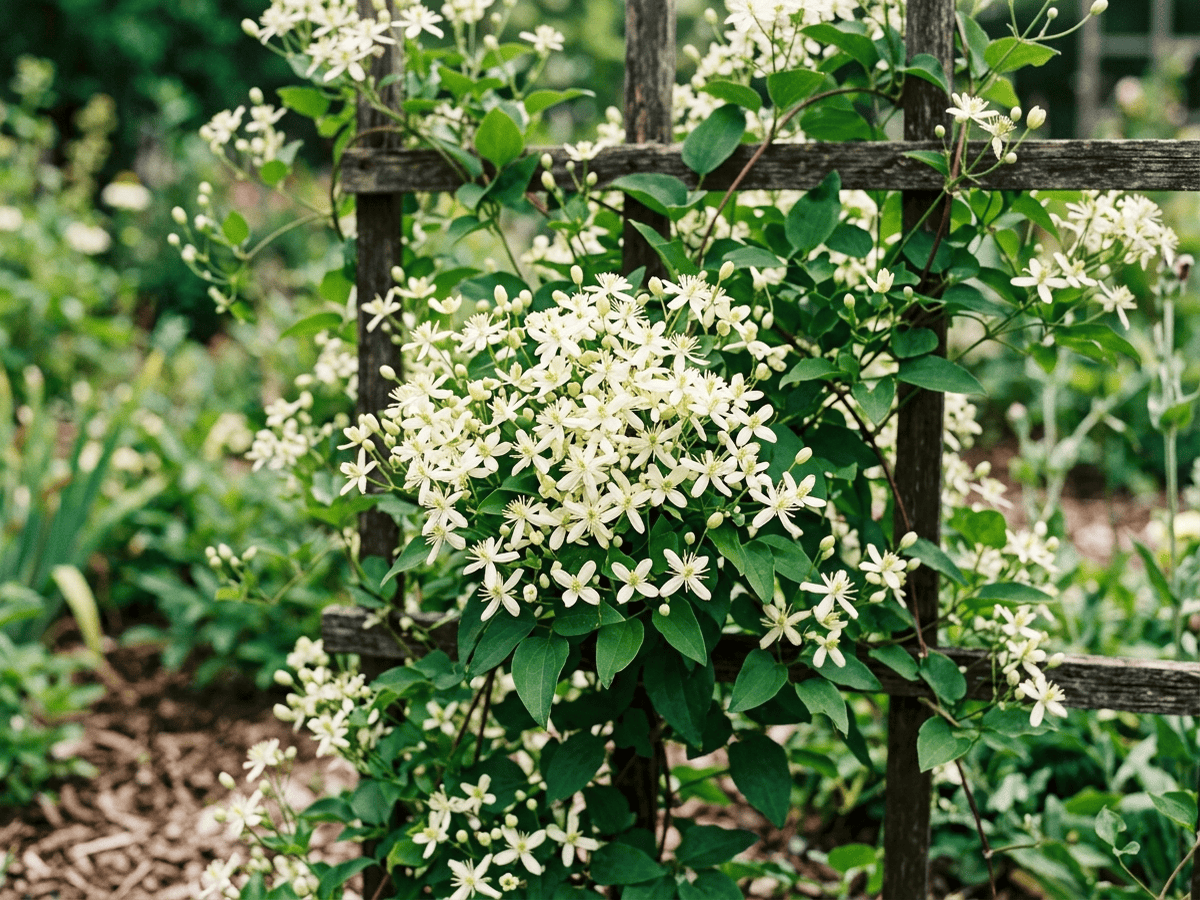 Autumn ClematisClematis terniflora
 Virgin's-BowerClematis virginiana
Plants with similar care
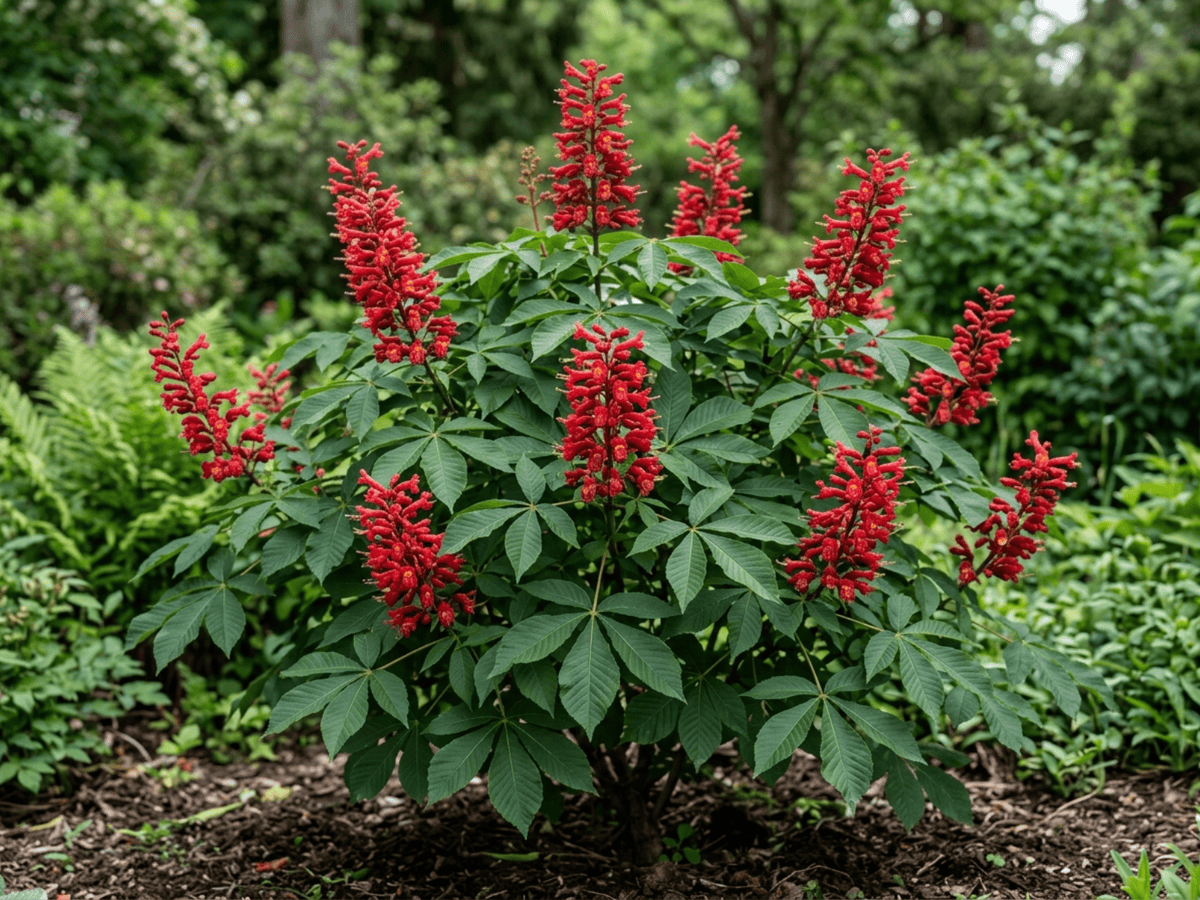 Red BuckeyeAesculus pavia
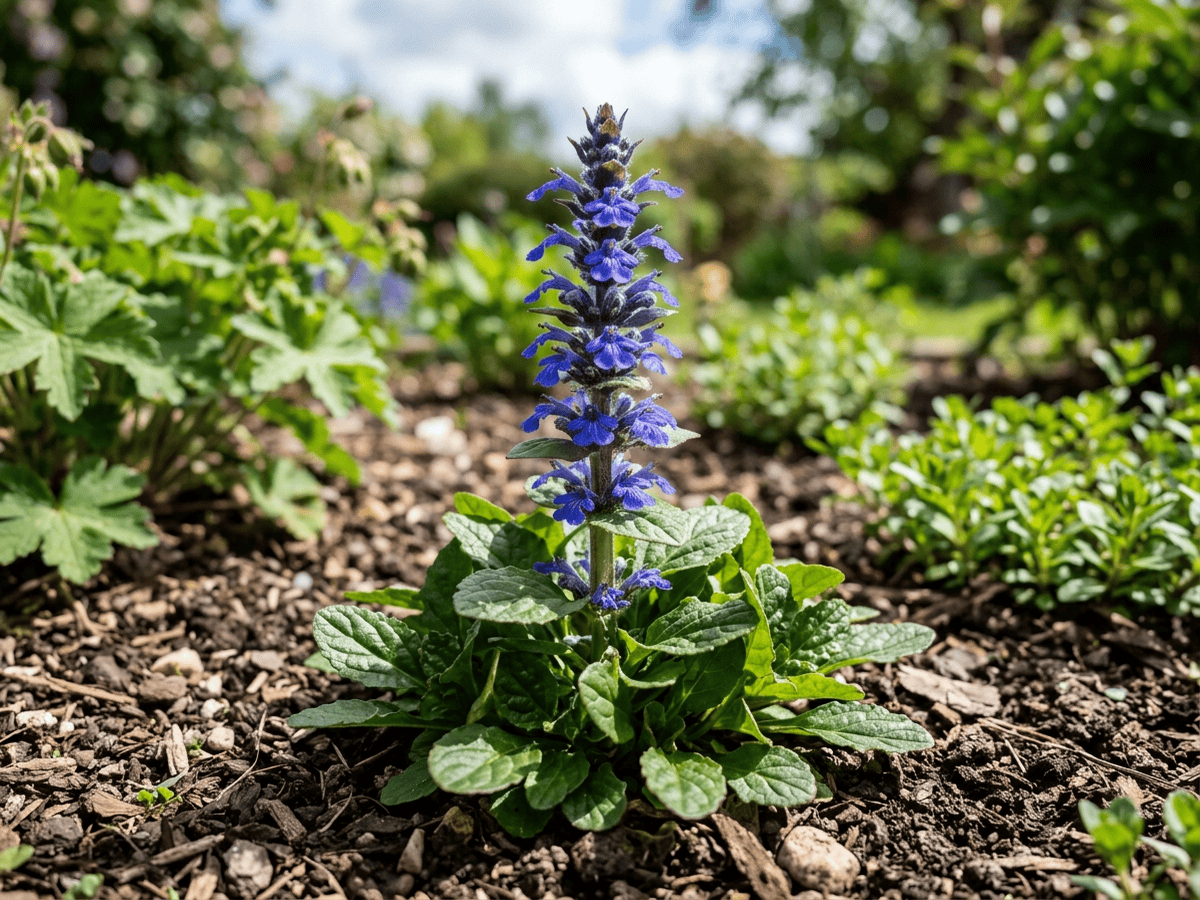 Blue BugleAjuga genevensis
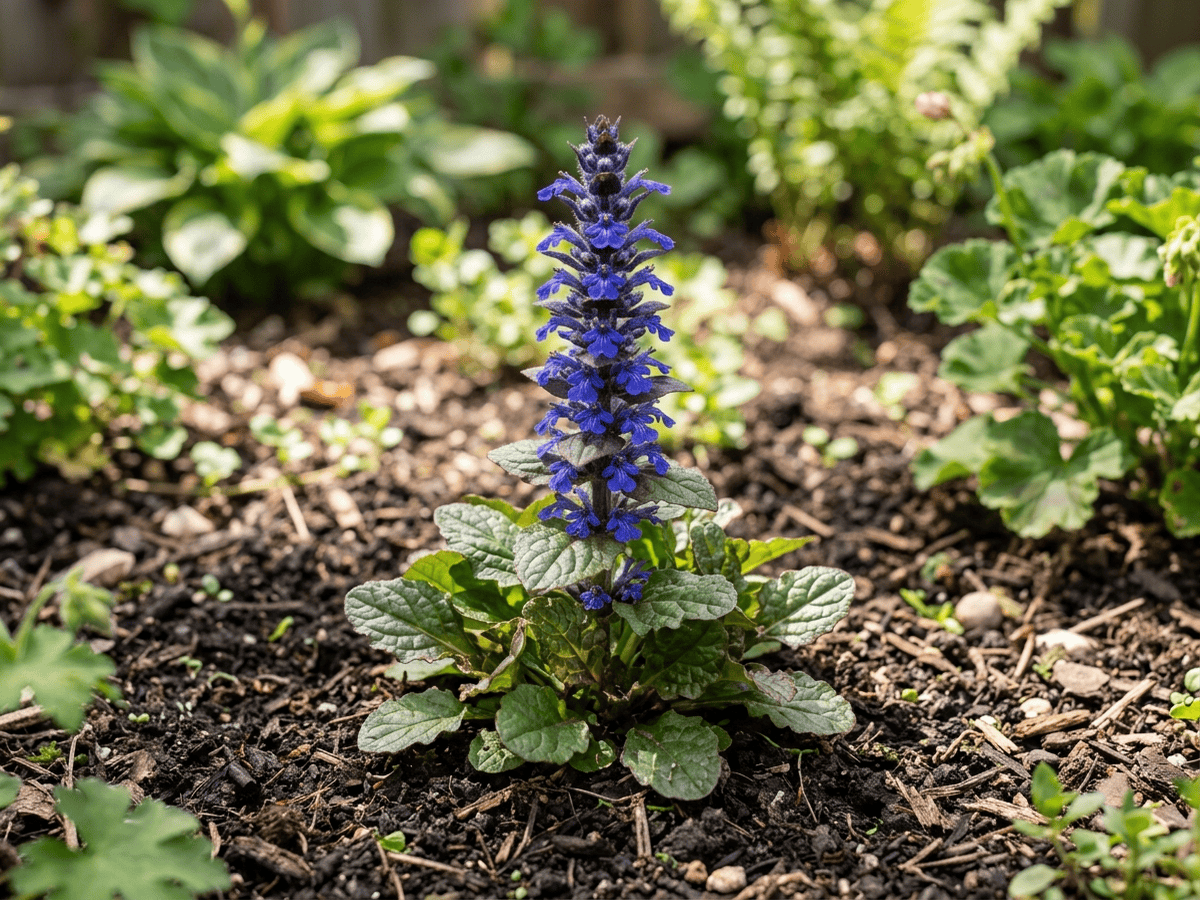 Pyramidal BugleAjuga pyramidalis
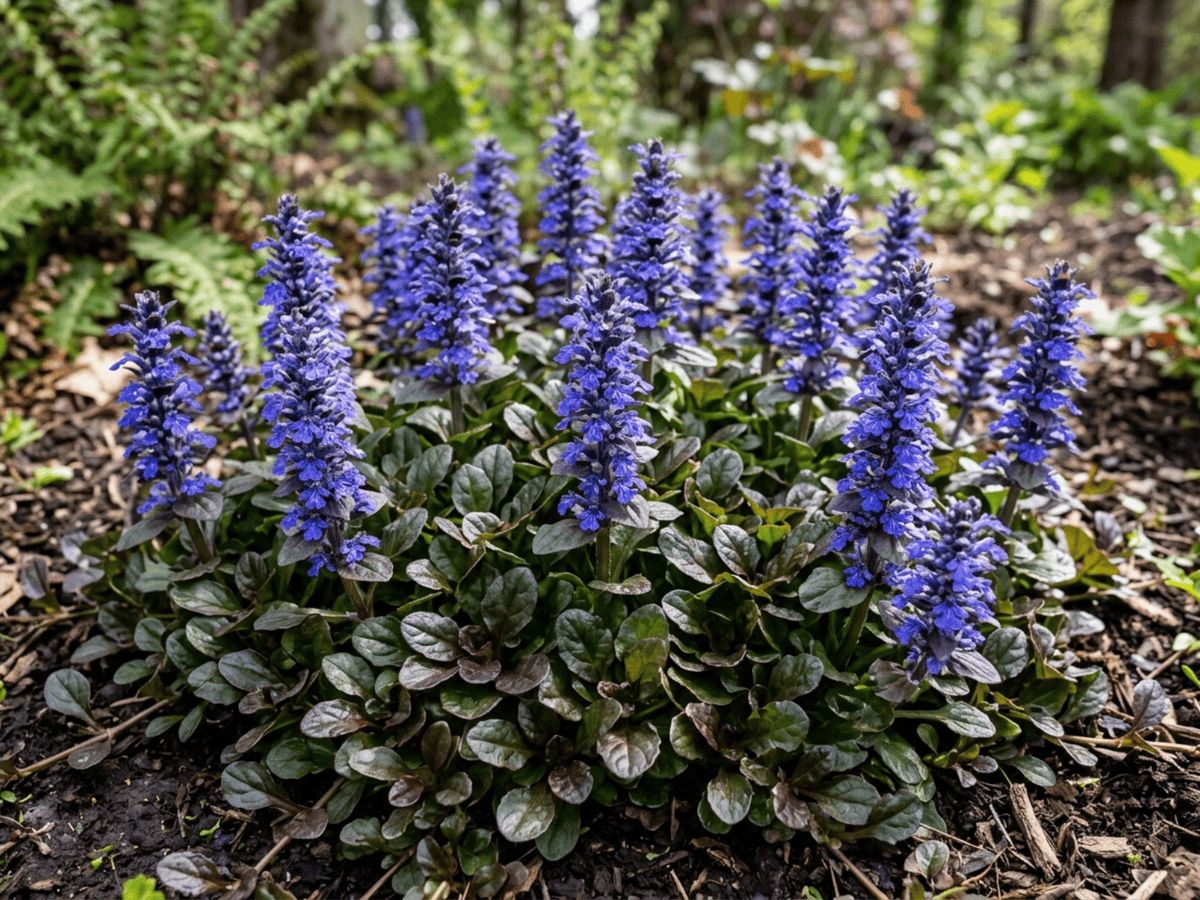 Carpet BugleAjuga reptans
Frequently asked questions
How often should I water Himalayan Clematis?
In summer, water about every 3 days; in winter, about every 21 days. Adjust for heat, pot size and drainage.
How much light does Himalayan Clematis need?
Part shade: 2–4 hrs direct. Watch the leaves — scorching or stretching means the light needs adjusting.
Is Himalayan Clematis toxic to cats or dogs?
Pets Moderate (Dogs Moderate · Cats Moderate) Educational information, not medical or veterinary advice. If exposure is suspected, contact a doctor or veterinarian.
Is Himalayan Clematis easy to grow?
Yes — it is considered an easy, beginner-friendly plant.
When does Himalayan Clematis bloom?
It typically blooms Mar–May in the Northern Hemisphere.
YardMate
Identify any plant in seconds
Snap a photo — YardMate names the plant, diagnoses problems, and reminds you when to water.
Download on the App Store