 YardMate

Sugi
Cryptomeria japonica
Medium · Some experienceAbout Sugi
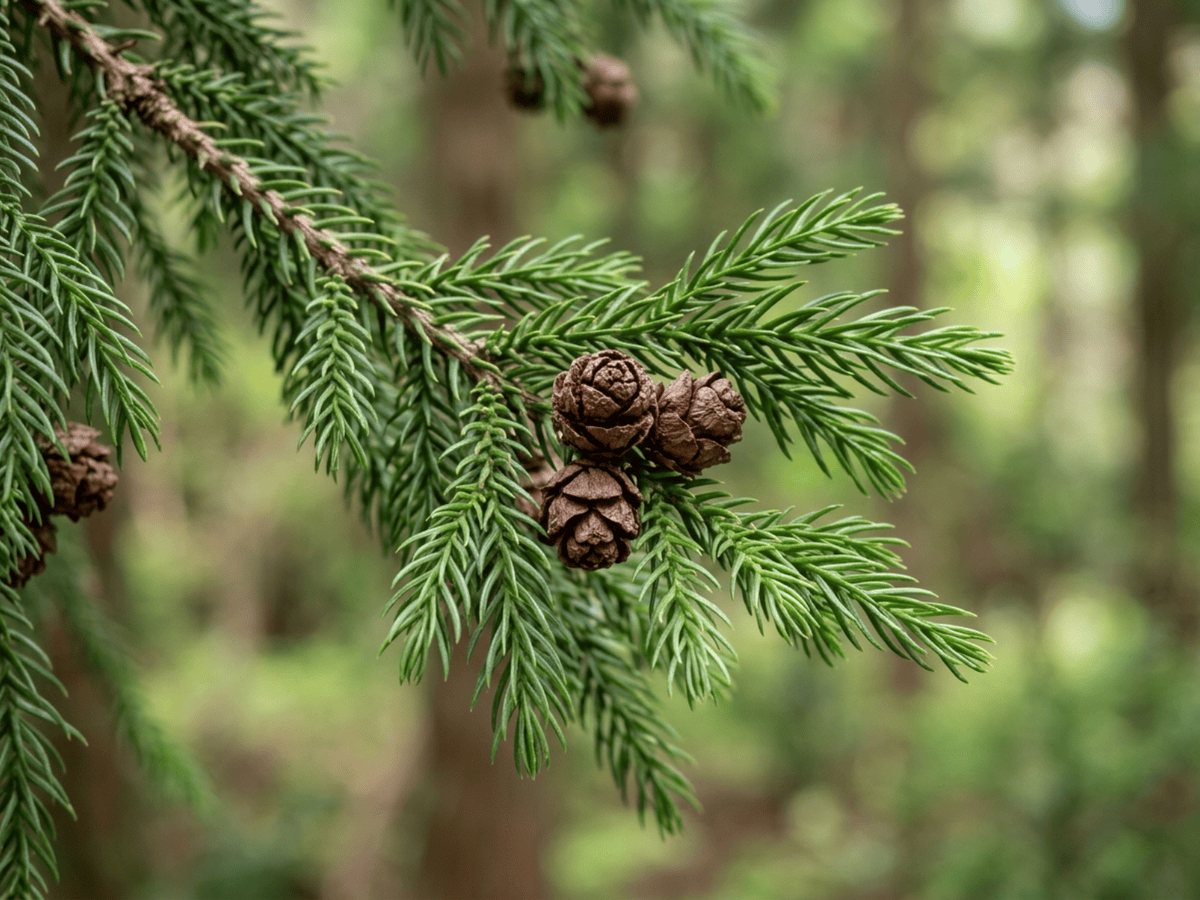
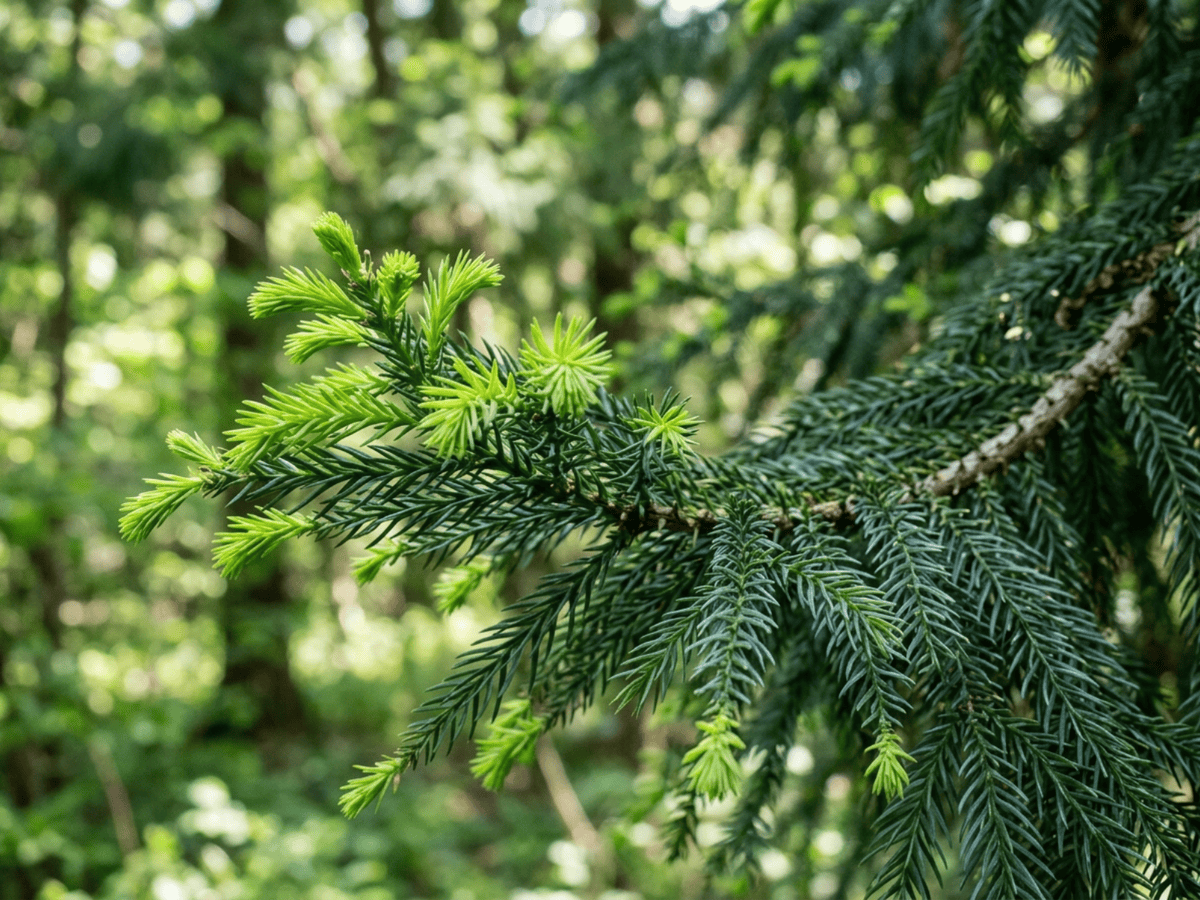
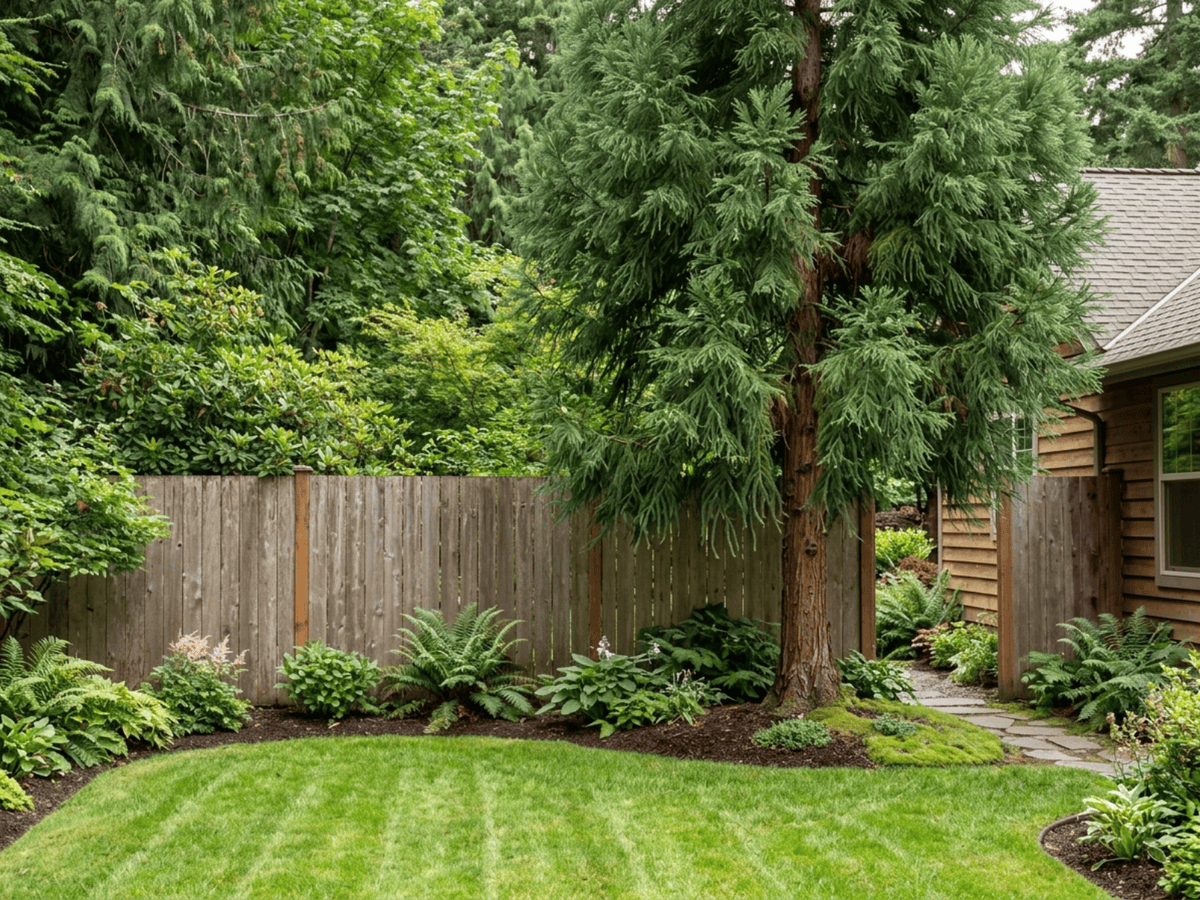
Cryptomeria japonica, commonly known as Japanese cedar or sugi, is a majestic evergreen conifer and Japan's national tree. Native to Japan and southeastern China, it is the sole species in its genus, a living relic of ancient forests. In its native habitat, it forms towering specimens reaching 50 meters or more with straight, reddish-brown trunks wrapped in fibrous bark that peels in long strips. The spirally arranged needle-like foliage is bright green in summer, often taking on bronze or reddish tones in winter. Male cones release abundant pollen in spring — sugi pollen allergy is Japan's most common seasonal allergy. Japanese cedar has shaped Japanese civilization for thousands of years, providing the primary timber for temple construction, shrine gates, and traditional architecture. The iconic cedar avenues at Nikko, planted in the 1600s, are considered one of Japan's most spectacular cultural landscapes. In Western horticulture, compact cultivars like 'Elegans' and 'Yoshino' are popular ornamental choices. The wood is lightweight, fragrant, and naturally resistant to decay, prized for sake barrels, chopsticks, and traditional building where its warm color and straight grain are showcased.
- Evergreen
How to care for Sugi
Watering
- Springevery 7 days
- Summerevery 5 days
- Fallevery 14 days
- Winterevery 30 days
Soil · Well-draining
- Top dressingPine bark mulch10%
- Main mixPotting soil + perlite 2:170%
- DrainageLECA / gravel20%
Never skip the drainage layer — standing water is the top cause of root rot.
FERTILIZER
Balanced Feed 14-14-14
An even feed covers all three needs at once, keeping leaves, roots and blooms moving together with nothing pushed out of balance.
- Nitrogen · Leaves
- Phosphorus · Roots + Blooms
- Potassium · Strength
- Springevery 60 days
- Summerevery 60 days
At a Glance
- NativeEast Asia
- Height50–80 ft (15.2–24.4 m)
- Spread20–30 ft (6.1–9.1 m)
- Foliage colorGreen, Blue-green, Yellow, Bronze
- SoilLoamy, Well-drained, Acidic
- LocationsYard
Bloom time
BLOOM CYCLE
Inconspicuous; produces heavy pollen in spring — major allergen in Japan
Fragrance
MODERATE FRAGRANCE
Crushed foliage and cut wood release aromatic cedar-like fragrance.
Toxicity
Humans Slight
cryptomerin and terpenes
Slight
- All
- Inhalation
- Contact
EXPOSURE Inhaling any part of the plant. Touching any part of the plant.
EFFECT Pollen is the primary cause of Japanese hay fever and contact with foliage can cause mild skin irritation.
NOTE Documented concern for humans: Pollen is the primary cause of Japanese hay fever and contact with foliage can cause mild skin irritation.
Not reported
EXPOSURE No exposure route is reported.
EFFECT Not listed as toxic.
NOTE No toxicity is reported for dogs in this catalog; this is not evidence that the plant is edible or harmless.
Not reported
EXPOSURE No exposure route is reported.
EFFECT Not listed as toxic.
NOTE No toxicity is reported for cats in this catalog; this is not evidence that the plant is edible or harmless.
Educational information, not medical or veterinary advice. If exposure is suspected, contact a doctor or veterinarian.
DISTRIBUTION


- Native
- Introduced
- East Asia
History
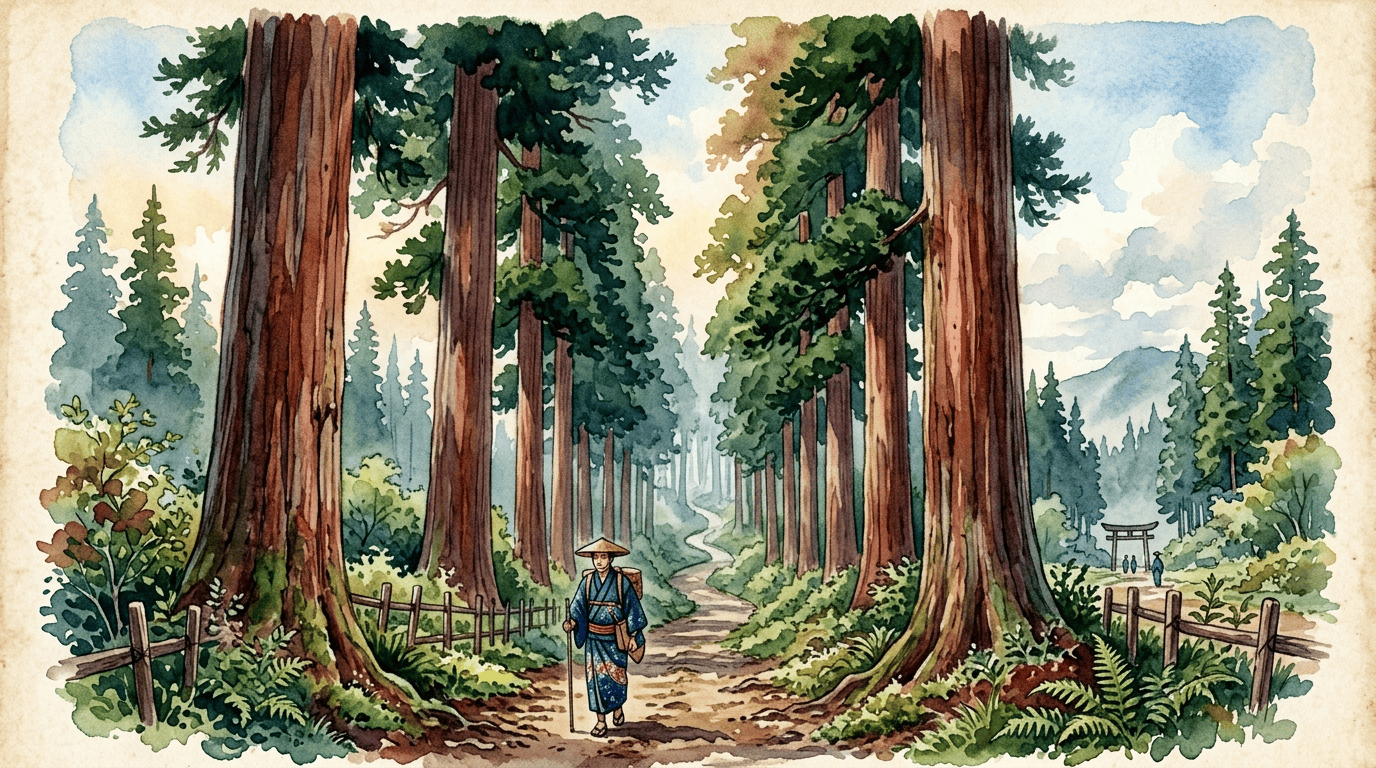
Cryptomeria japonica, sugi or Japanese cedar, is Japan's national tree and its most important native timber species. Managed for more than 1,500 years, it forms both sacred shrine groves and vast commercial plantations. Postwar reforestation planted sugi on an enormous scale, and today its pollen is responsible for one of Japan's most widespread seasonal allergies.
The same species also creates some of the country's most revered landscapes: the 35-kilometer cedar avenue at Nikko, planted in the 1600s, is among the longest tree-lined avenues in the world, and the ancient Jomon Sugi on Yakushima may be several thousand years old. Sugi wood is light, aromatic, and rot-resistant, prized for temples, tea houses, and traditional construction; Ise Grand Shrine is ritually rebuilt on a fixed cycle using fresh sacred timber.
Introduced to Western gardens in the 19th century, it now appears in dwarf, golden, and columnar ornamental forms.
Symbolism & meaning
What It Symbolizes
Sugi is Japan's national tree, and its meaning is written in avenues, temple groves, and mountain forests. Straight trunks and fragrant wood have framed sacred approaches for centuries. It symbolizes cultural continuity: a conifer that turns height, scent, and repetition into a living architecture of reverence.
- Nobility — Japan's national tree, representing dignity, strength, and cultural heritage
- Sacred tradition — Inseparable from Shinto shrines and the spiritual landscape of Japan
Where the Name Comes From
'Cryptomeria' comes from Greek 'kryptos' (hidden) and 'meros' (part), referring to the concealed flower parts. 'Japonica' indicates its Japanese origin. In Japanese, 'sugi' means straight tree.
Uses & Fun Facts
- Tall feathery cone shapes a Japanese garden skyline
- Sugi timber prized for Japanese temple construction
- Sacred Shinto shrine tree across Japan
- Soft awl-shaped foliage flushes bronze in winter
Related plants
Plants with similar care
 Mexican AbeliaAbelia floribunda
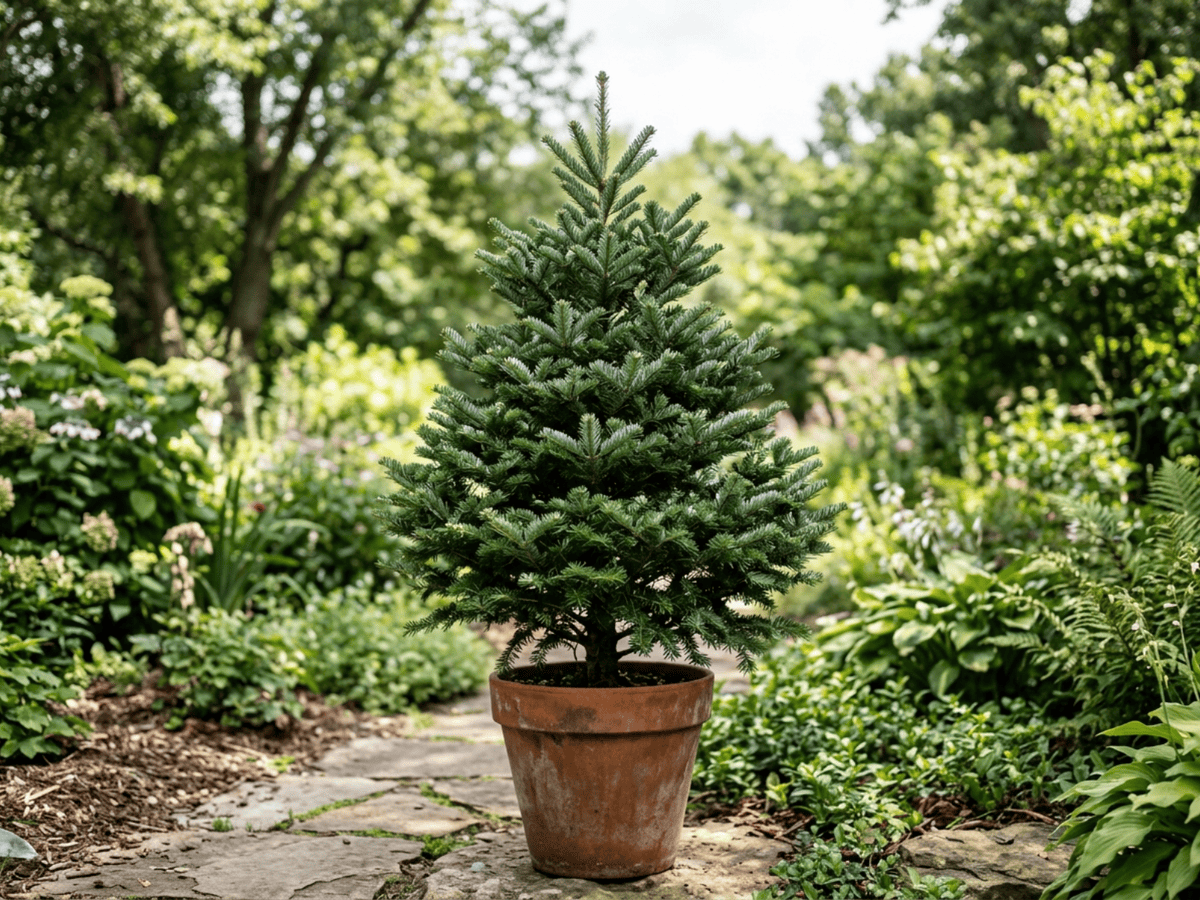 Fraser FirAbies fraseri
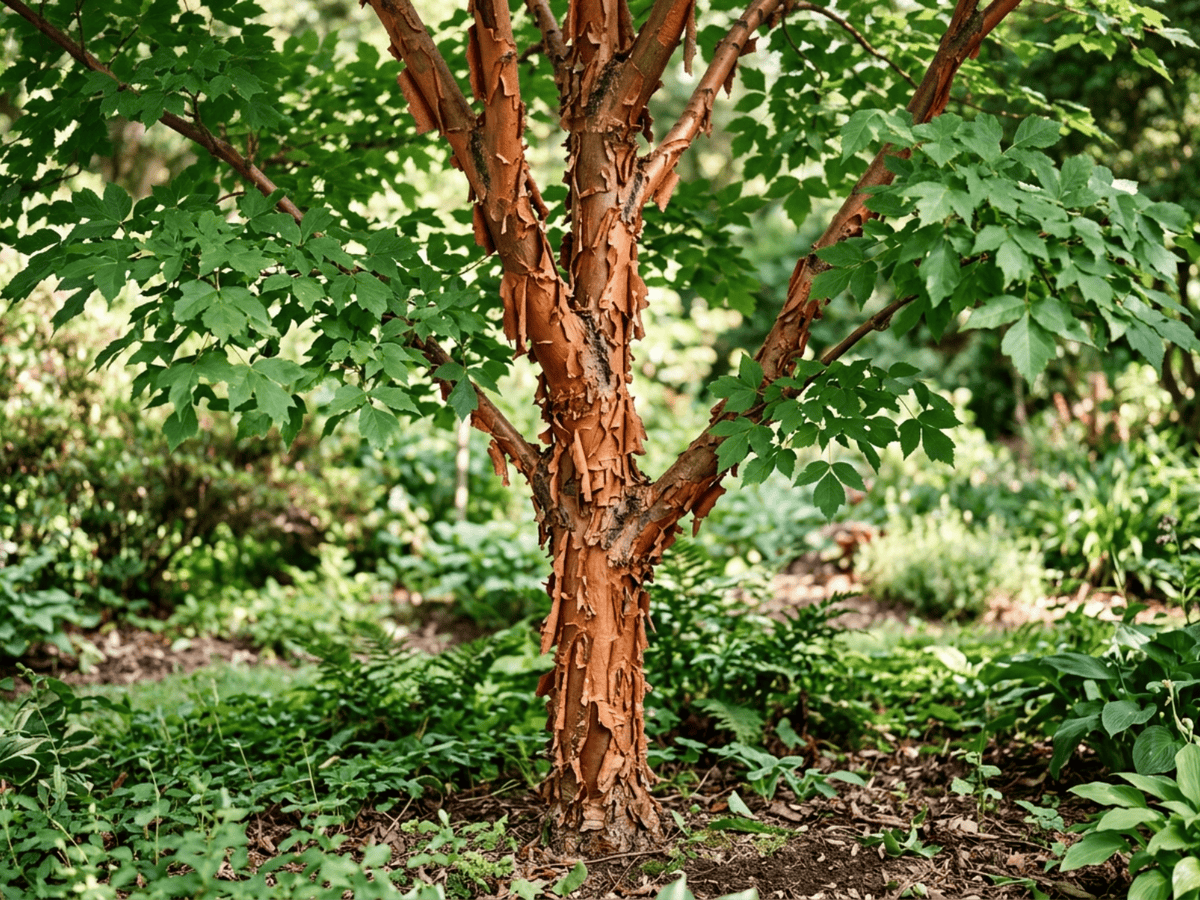 Paperbark MapleAcer griseum
 Sugar MapleAcer saccharum
Frequently asked questions
How often should I water Sugi?
In summer, water about every 5 days; in winter, about every 30 days. Adjust for heat, pot size and drainage.
How much light does Sugi need?
Full sun: 6+ hrs direct. Watch the leaves — scorching or stretching means the light needs adjusting.
Is Sugi toxic to cats or dogs?
Pets Not reported (Dogs Not reported · Cats Not reported) Educational information, not medical or veterinary advice. If exposure is suspected, contact a doctor or veterinarian.
Is Sugi easy to grow?
It is moderately demanding: a good choice once you have a little experience.
YardMate
Identify any plant in seconds
Snap a photo — YardMate names the plant, diagnoses problems, and reminds you when to water.
Download on the App Store