 YardMate
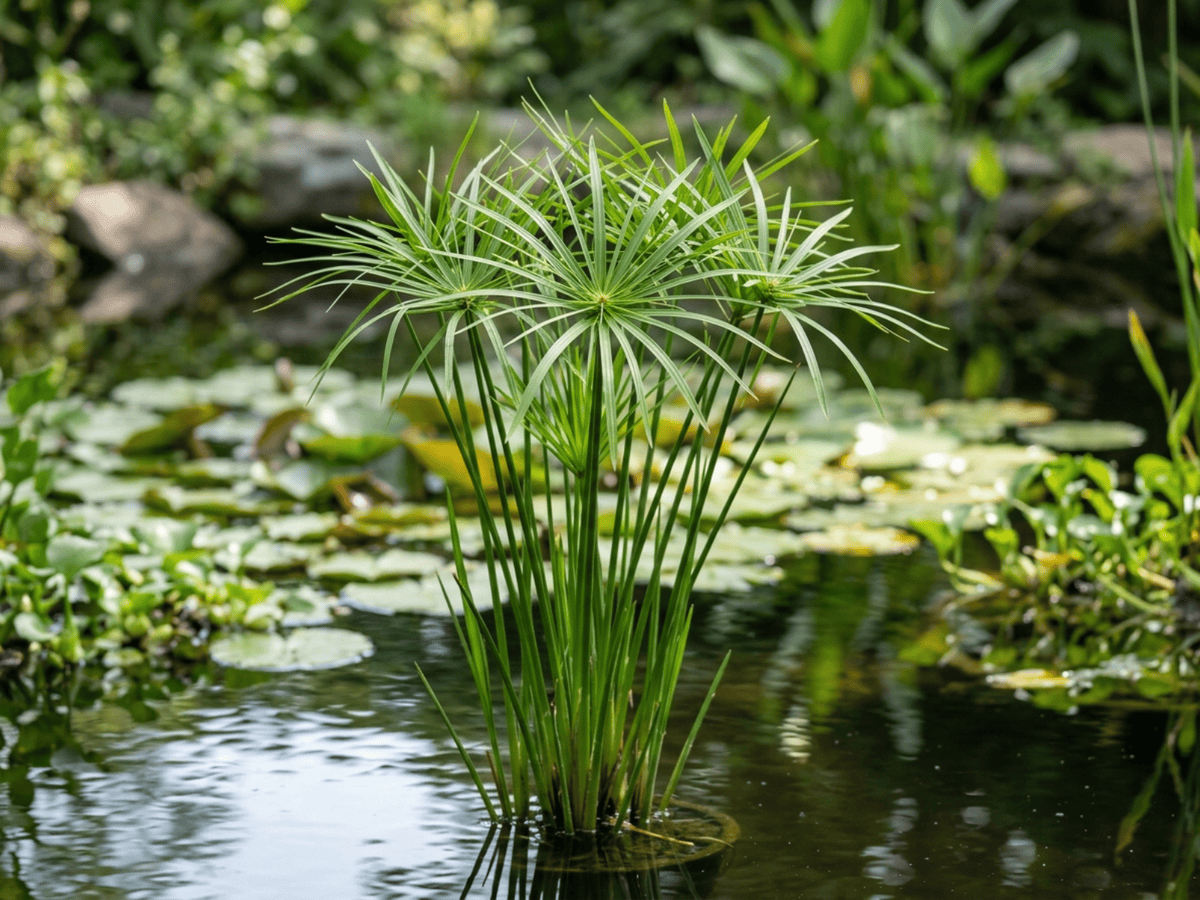


Umbrella Papyrus
Cyperus alternifolius
Easy · Beginner friendlyAbout Umbrella Papyrus
Cyperus alternifolius, the umbrella plant or umbrella palm, is a graceful, semi-aquatic sedge native to Madagascar. It produces slender, arching stems 60–120 cm tall, each topped by a radial whorl of narrow, leaf-like bracts that resemble an open umbrella — giving it an elegant, architectural appearance. It thrives with its roots in water or constantly moist soil, making it ideal for pond margins, bog gardens, water features, and even indoor containers set in deep saucers of water. It is a popular houseplant because of its tolerance for overwatering — a trait that makes it virtually impossible to kill for the chronic overwaterer. It spreads by rhizomes and can form dense colonies in favorable conditions. The variegated cultivar has white-striped bracts and is especially decorative. It is easily propagated by inverting a stem with its bract whorl into water.
- Low-maintenance
- Architectural
How to care for Umbrella Papyrus
Watering
- Springevery 1 days
- Summerevery 1 days
- Fallevery 1 days
- Winterevery 3 days
Soil · Bog-wet
- WaterStanding water above soil20%
- SoilHeavy pond soil80%
No drainage layer — keep water standing above the soil.
FERTILIZER
Balanced Feed 14-14-14
An even feed covers all three needs at once, keeping leaves, roots and blooms moving together with nothing pushed out of balance.
- Nitrogen · Leaves
- Phosphorus · Roots + Blooms
- Potassium · Strength
- Springevery 30 days
- Summerevery 30 days
At a Glance
- NativeAfrica
- Height3–5 ft (0.9–1.5 m)
- Spread2–3 ft (0.6–0.9 m)
- Flower colorYellow, Cream
- Foliage colorGreen, Variegated
- SoilLoamy, Moisture-retentive
- LocationsYard · Indoor
Bloom time
BLOOM CYCLE
Peak bloom
Jun–Aug
Small yellowish-brown flower clusters appear at bract tips in summer
Fragrance
NO FRAGRANCE
No notable fragrance.
Toxicity
No toxicity has been reported for this plant. Still, it is wise to keep pets from chewing on any houseplant.
Educational information, not medical or veterinary advice. If exposure is suspected, contact a doctor or veterinarian.
DISTRIBUTION

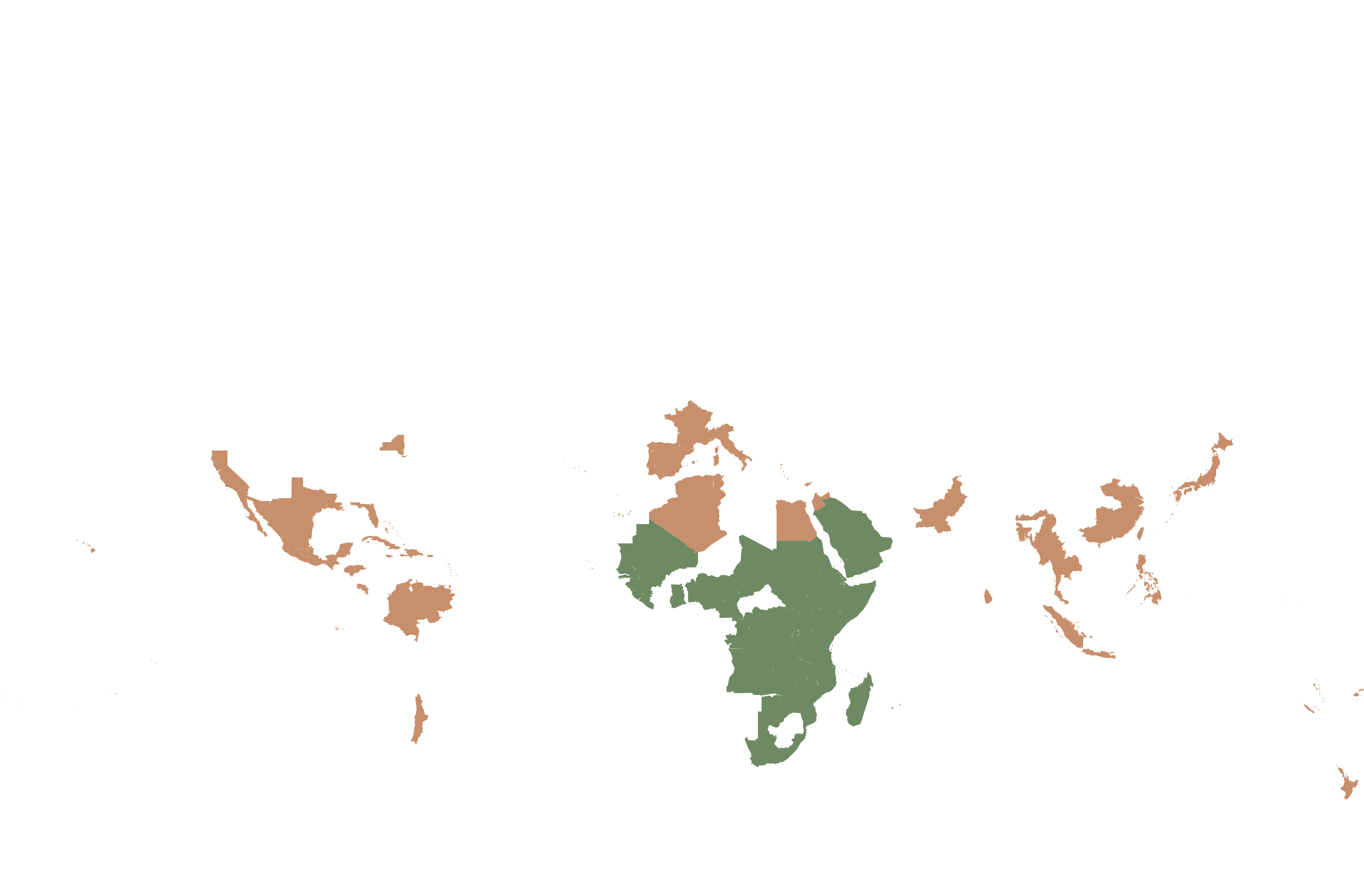
- Native
- Introduced
- Africa
History
Cyperus alternifolius is native to Madagascar — and by long cultivation, broader East Africa and the Mascarene Islands. Despite frequent horticultural labeling as "dwarf papyrus" or "small papyrus," it is a distinct species from C. papyrus, with a different growth form: whereas C. papyrus bears its flowering bracts atop leafless stems, C. alternifolius carries a characteristic whorl of narrow green leaves (actually modified bracts) that radiate outward from the top of each stem in a horizontal umbrella shape — giving it the common names "umbrella sedge" and "umbrella palm." The species reaches 60-120 cm tall, much smaller than C. papyrus (3-5 meters), and is consequently far more manageable as a container marginal plant, indoor houseplant, or garden pond-edge ornamental.
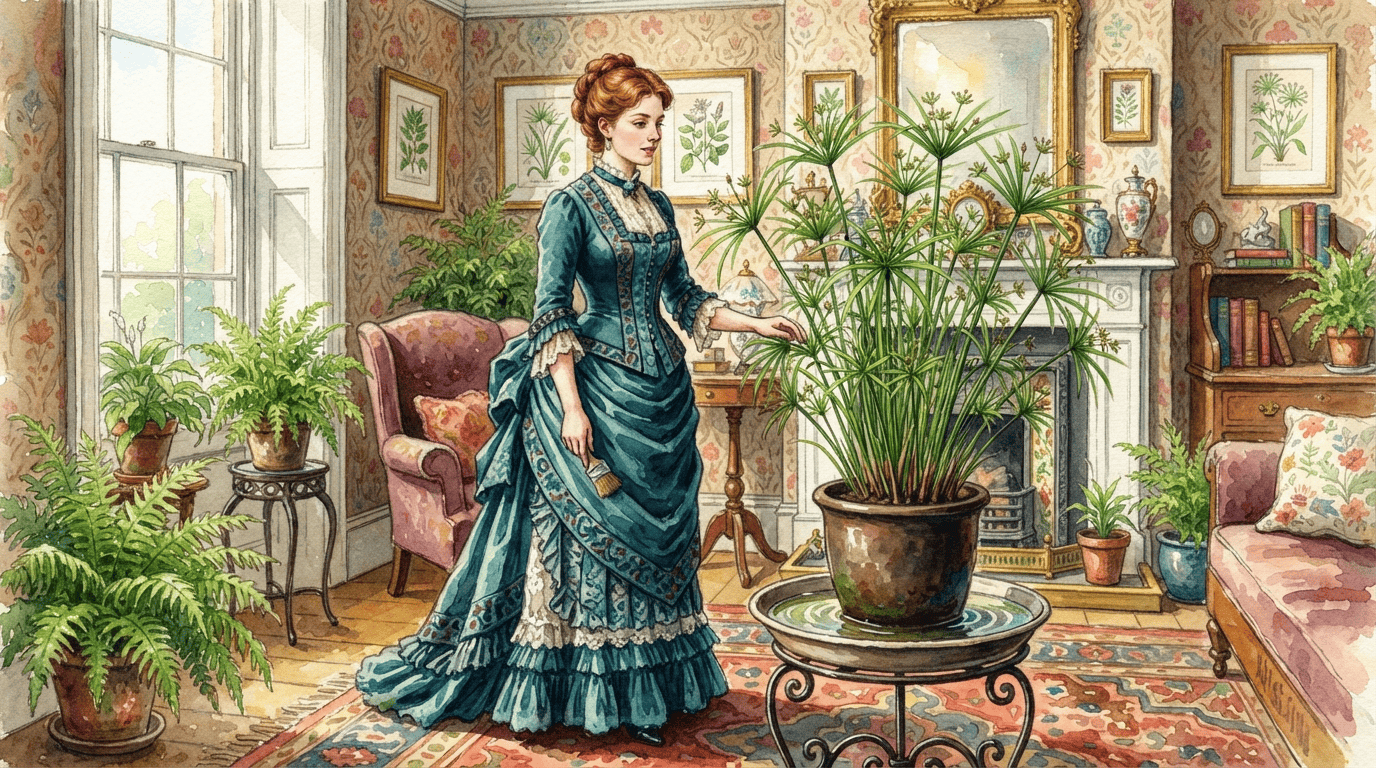
It was introduced to European horticulture in the 19th century and became a Victorian parlor and conservatory plant. Modern horticulture includes the selection "Gracilis" (dwarf form to 30-45 cm), often sold as an easy windowsill plant kept in a saucer of standing water.
The species is considered an invasive environmental weed in parts of the US Gulf Coast, Hawaii, and Australia, where it escapes to colonize ditches and wetland edges.
Symbolism & meaning
What It Symbolizes
Umbrella Papyrus thrives in waterlogged conditions other plants cannot tolerate, lifting its umbrella-like whorls of leaves above ponds and bog gardens, and so its meaning is adaptation, a flexibility that turns difficulty into habit. Easily propagated from cuttings and shared among gardeners, it also carries generosity, a plant that almost insists on being given away. Cyperus is the quiet teacher of the water garden, modelling how to flourish exactly where the ground refuses to drain.
- Adaptation — Thrives in waterlogged conditions others cannot tolerate, representing flexibility
- Generosity — Easily propagated and shared, symbolizing giving and community
Where the Name Comes From
The name Umbrella Papyrus describes umbrella-like whorls or canopy form. Cyperus from Greek 'kypeiros' (sedge). Alternifolius means 'alternate-leaved' in Latin, though the bracts actually radiate in a whorl rather than alternating.
Uses & Fun Facts
- Umbrella papyrus accents pond margins and water bowls
Related plants
More Cyperus plants
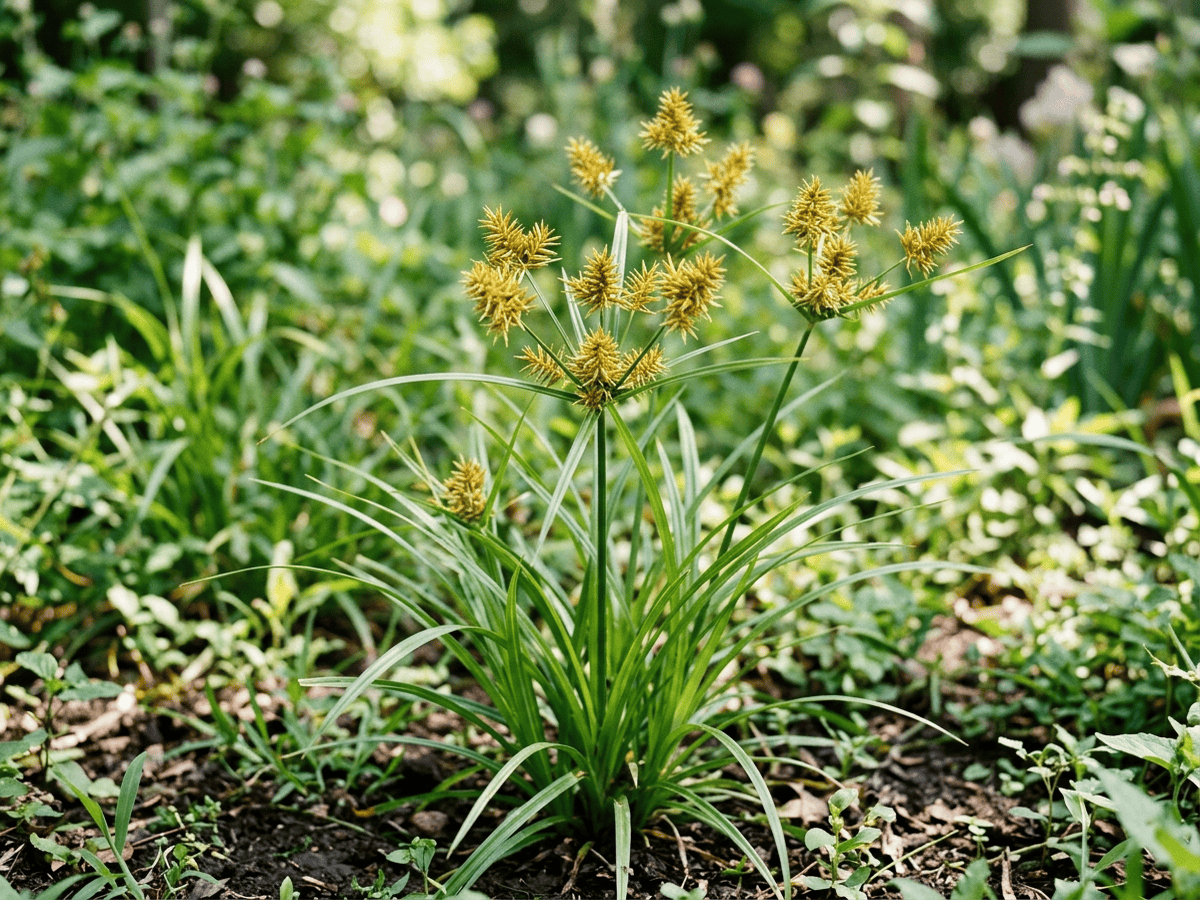 Yellow NutsedgeCyperus esculentus
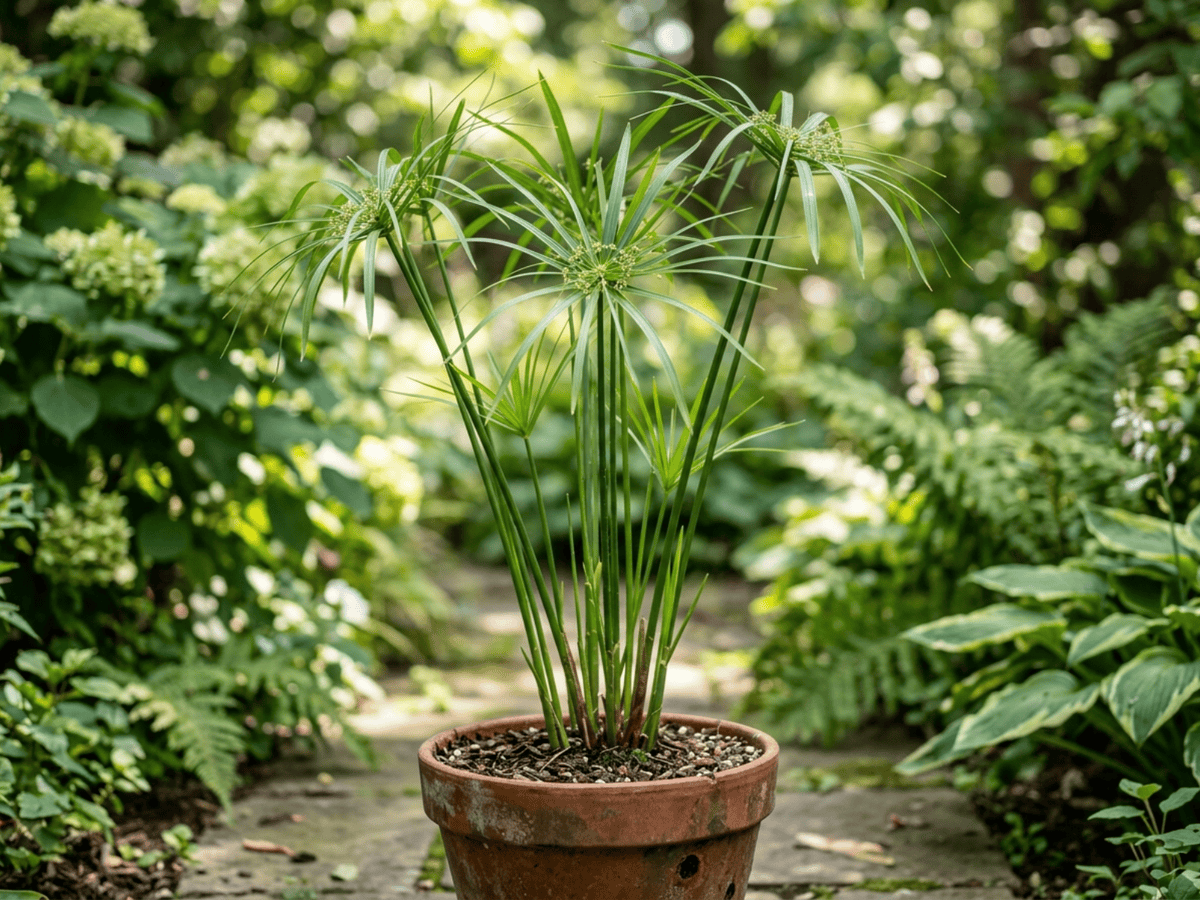 FlatsedgeCyperus involucratus
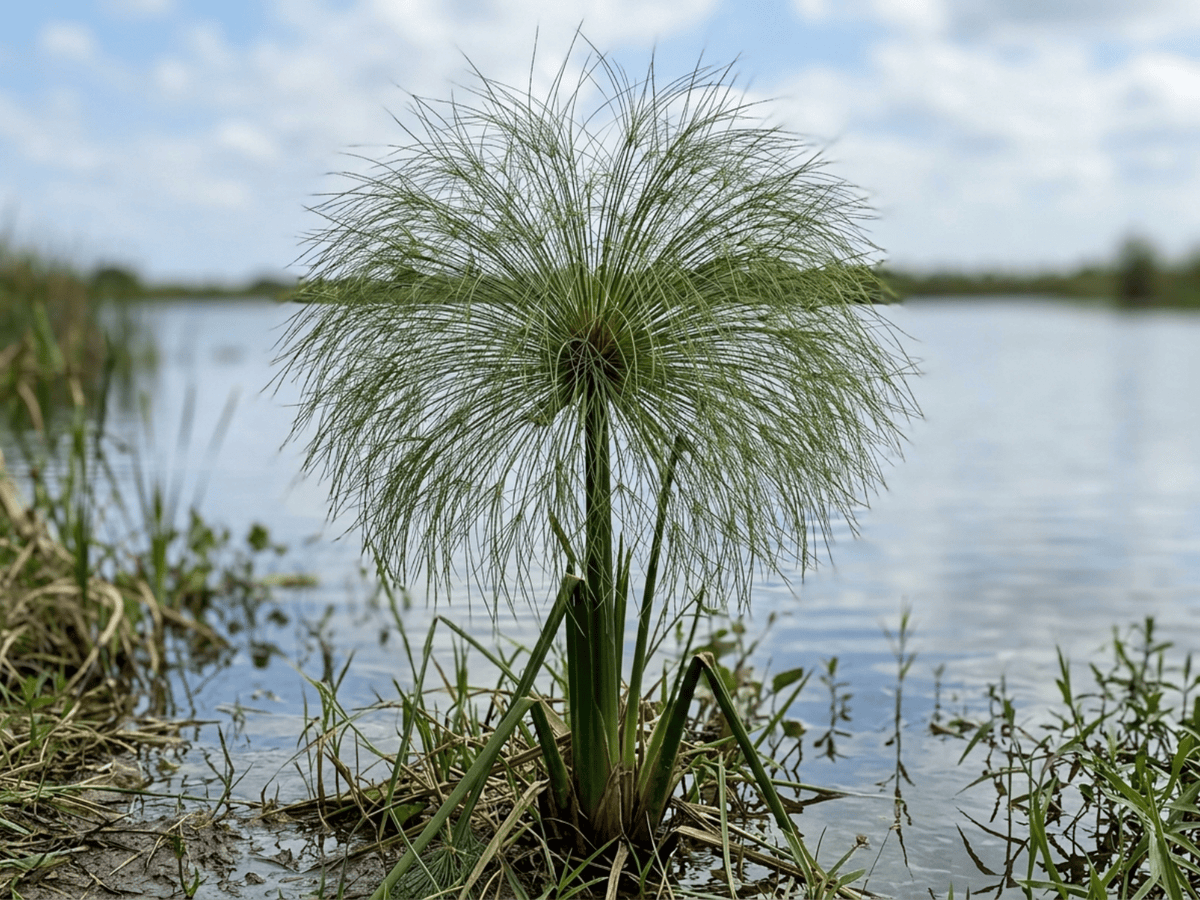 Papyrus SedgeCyperus papyrus
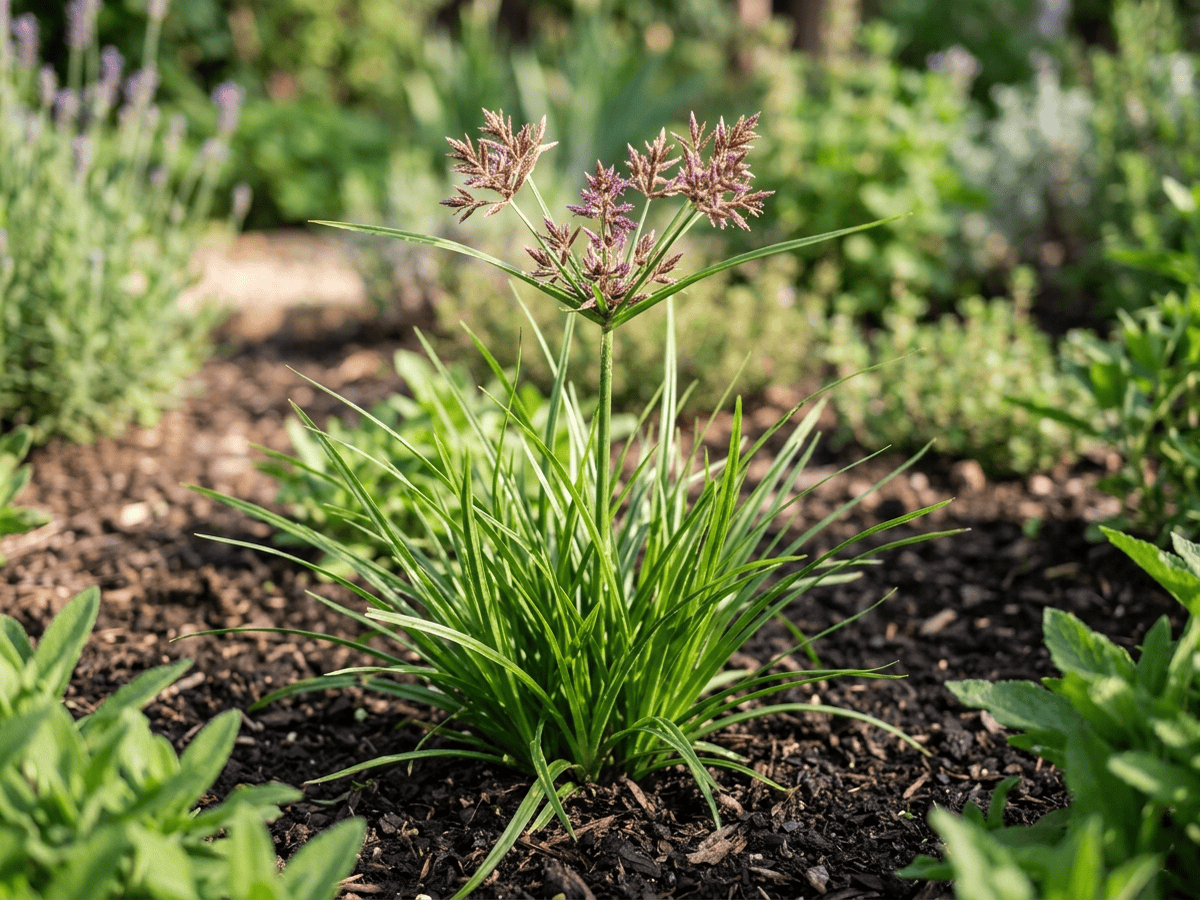 Purple NutsedgeCyperus rotundus
Plants with similar care
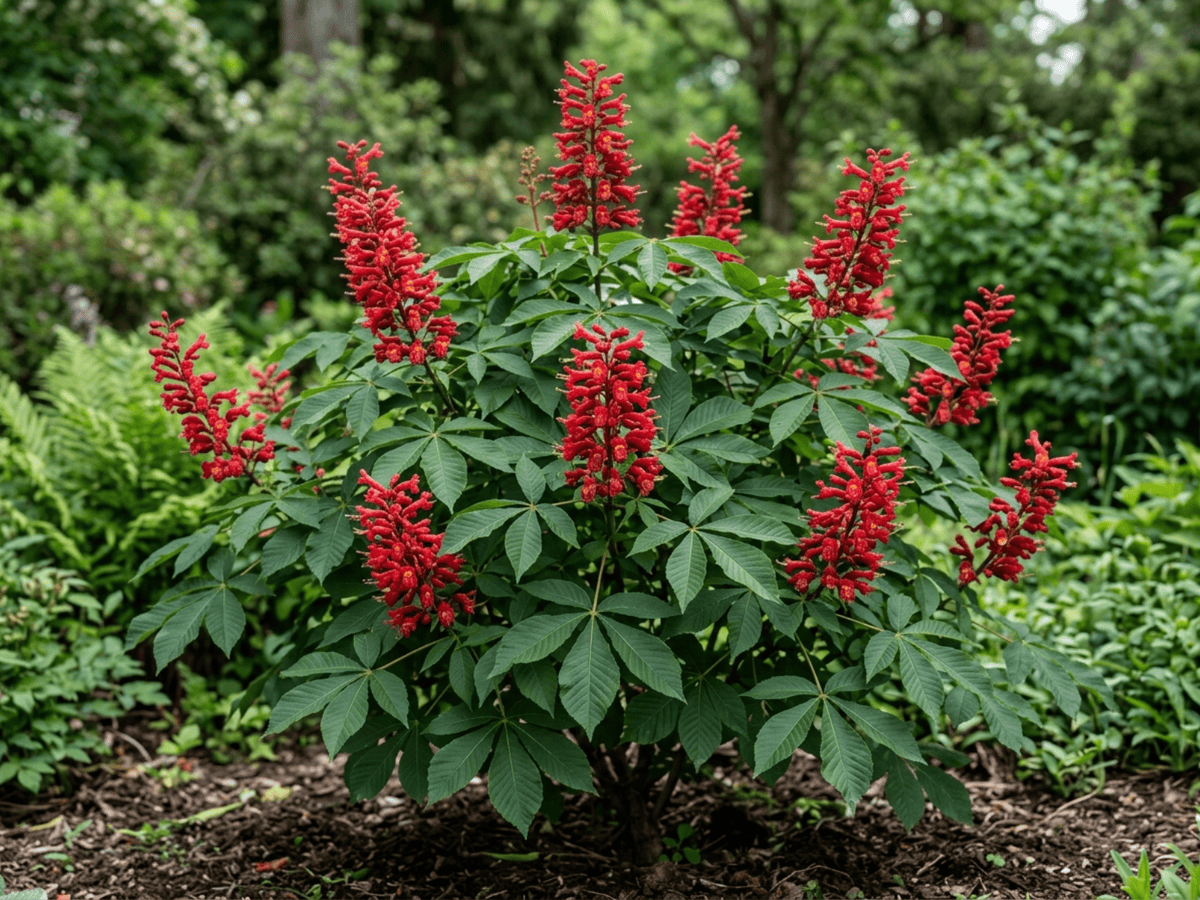 Red BuckeyeAesculus pavia
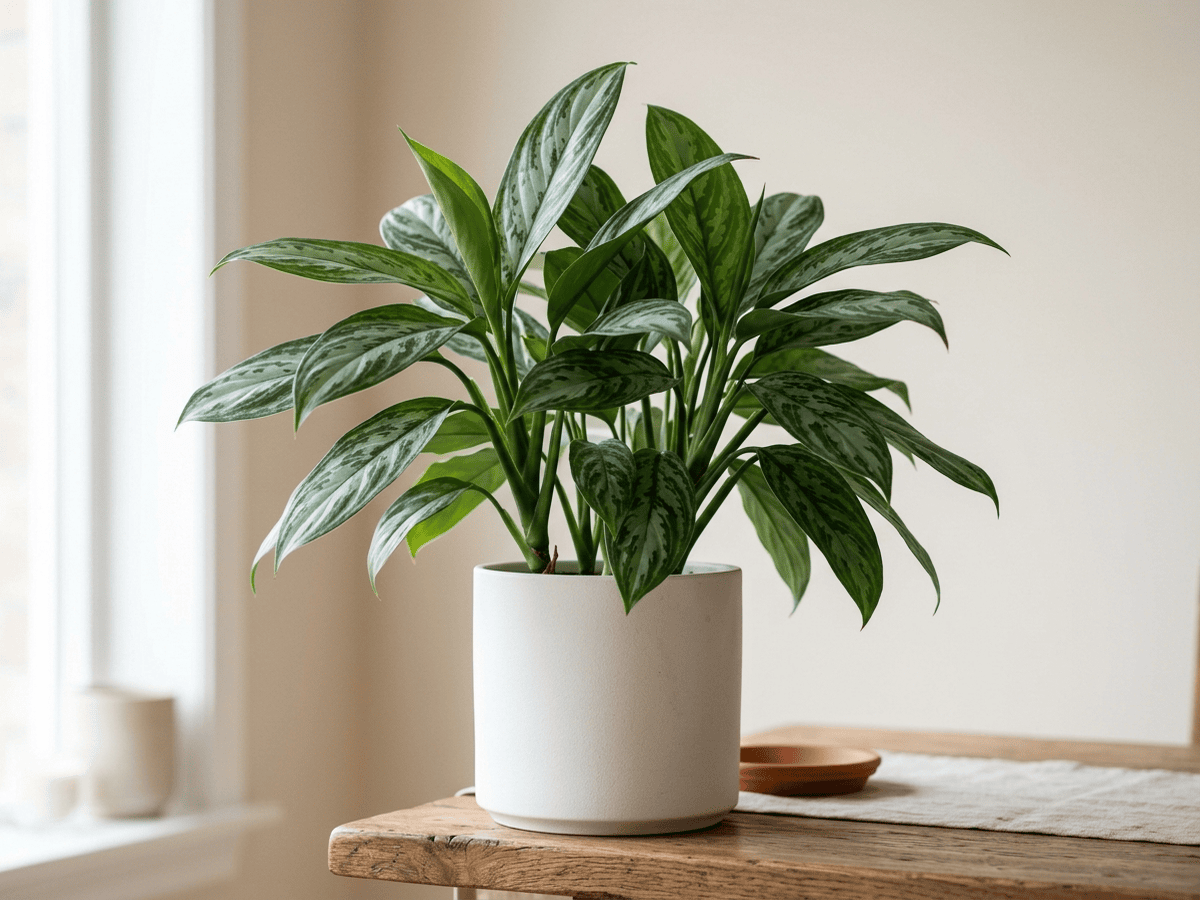 Philippine EvergreenAglaonema commutatum
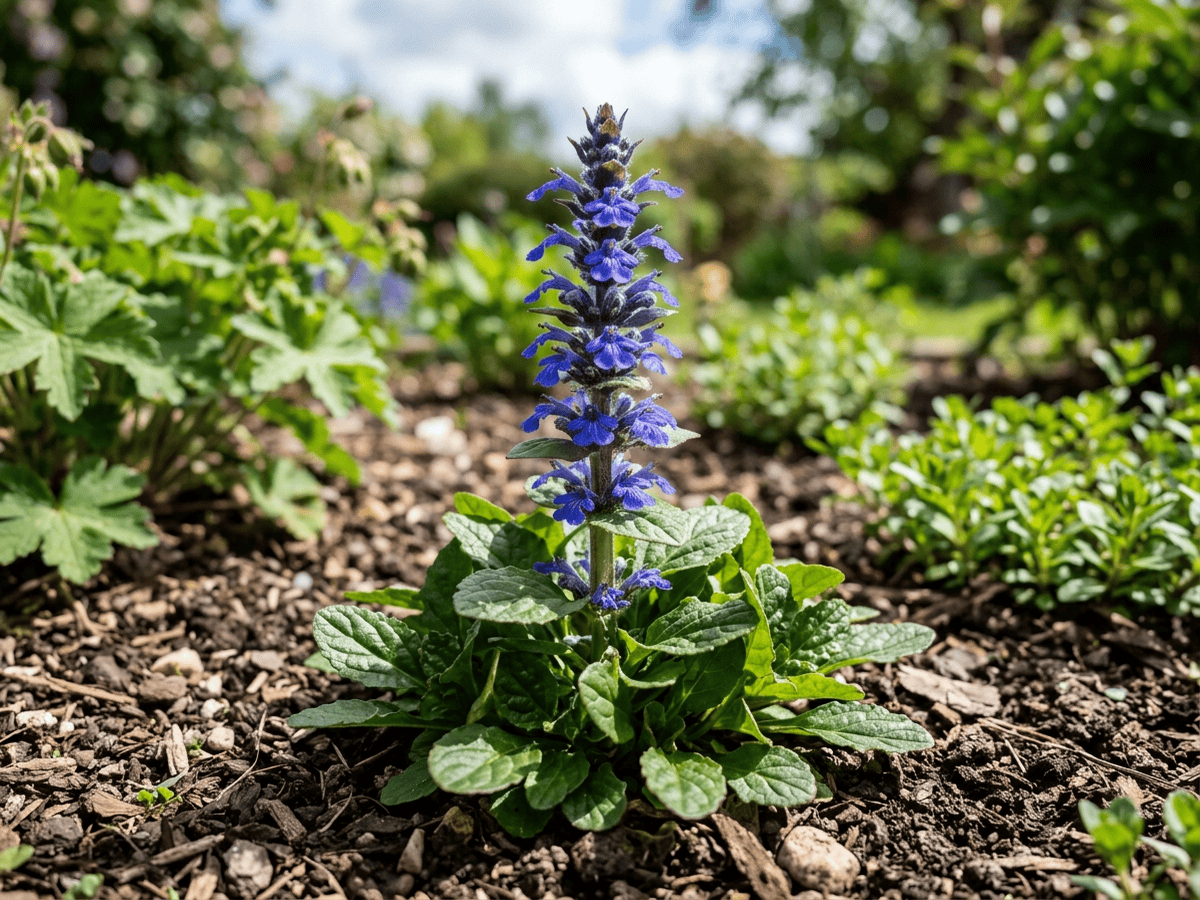 Blue BugleAjuga genevensis
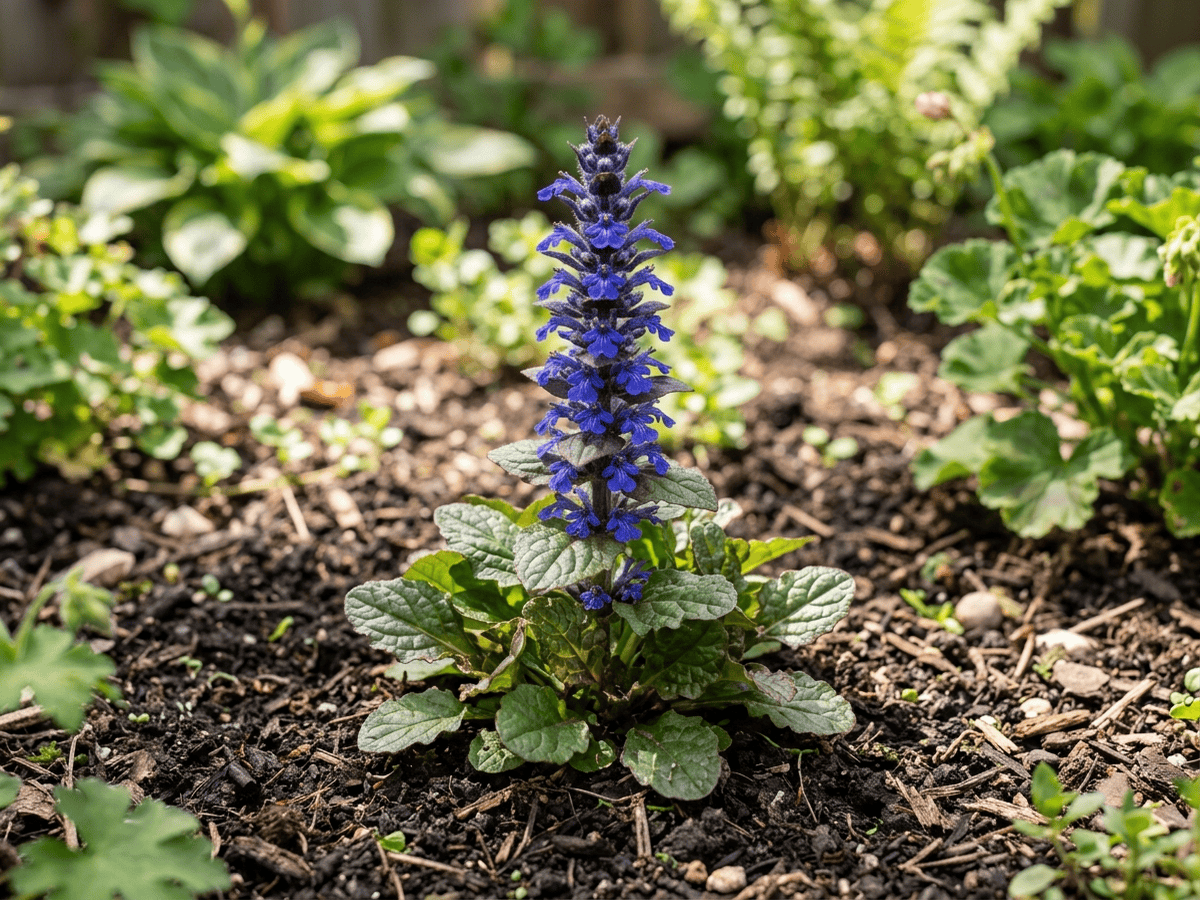 Pyramidal BugleAjuga pyramidalis
Frequently asked questions
How often should I water Umbrella Papyrus?
In summer, water about every 1 days; in winter, about every 3 days. Adjust for heat, pot size and drainage.
How much light does Umbrella Papyrus need?
Part shade: 2–4 hrs direct. Watch the leaves — scorching or stretching means the light needs adjusting.
Is Umbrella Papyrus toxic to cats or dogs?
No toxicity has been reported for this plant. Still, it is wise to keep pets from chewing on any houseplant. Educational information, not medical or veterinary advice. If exposure is suspected, contact a doctor or veterinarian.
Is Umbrella Papyrus easy to grow?
Yes — it is considered an easy, beginner-friendly plant.
Can Umbrella Papyrus be grown indoors?
Yes, it adapts well to indoor growing given the right light.
When does Umbrella Papyrus bloom?
It typically blooms Jun–Aug in the Northern Hemisphere.
YardMate
Identify any plant in seconds
Snap a photo — YardMate names the plant, diagnoses problems, and reminds you when to water.
Download on the App Store