 YardMate


Yellow Nutsedge
Cyperus esculentus
Easy · Beginner friendlyAbout Yellow Nutsedge
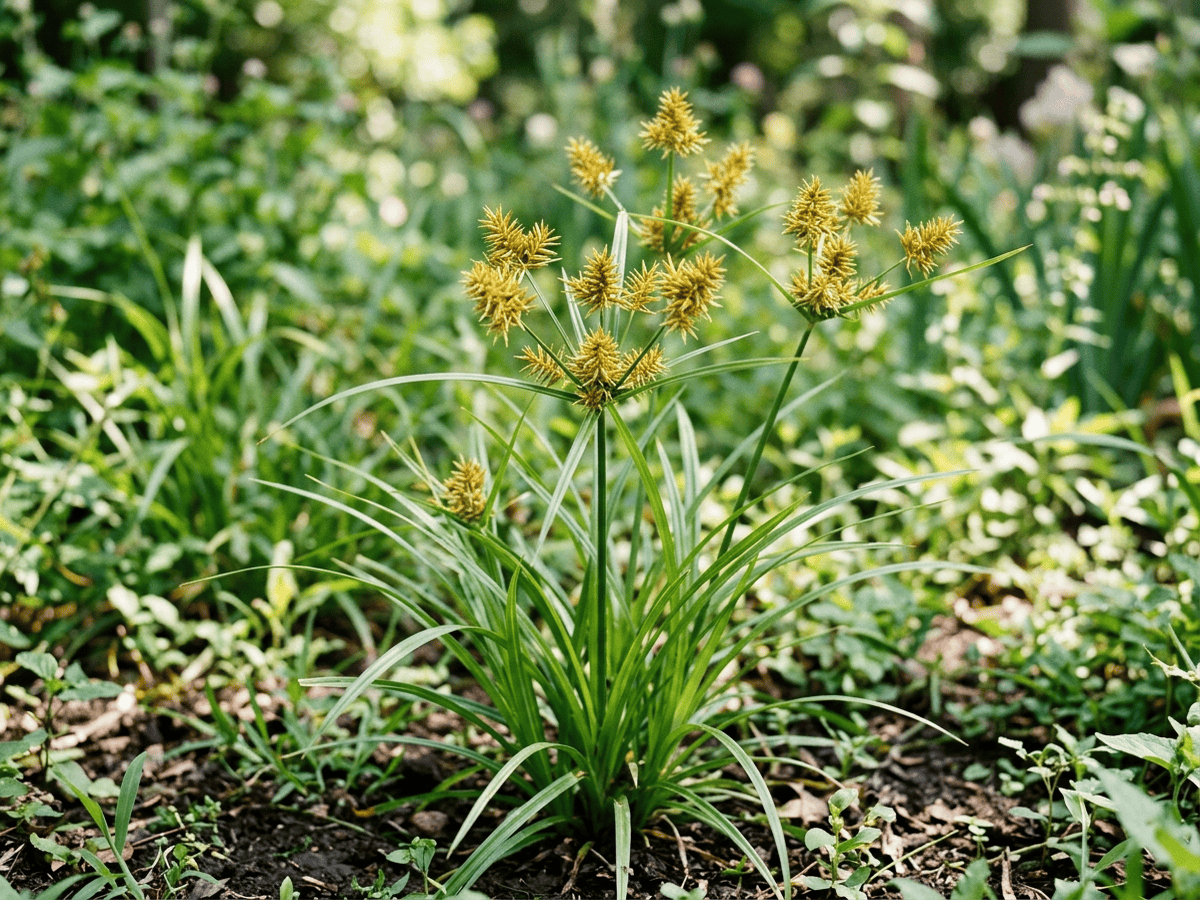
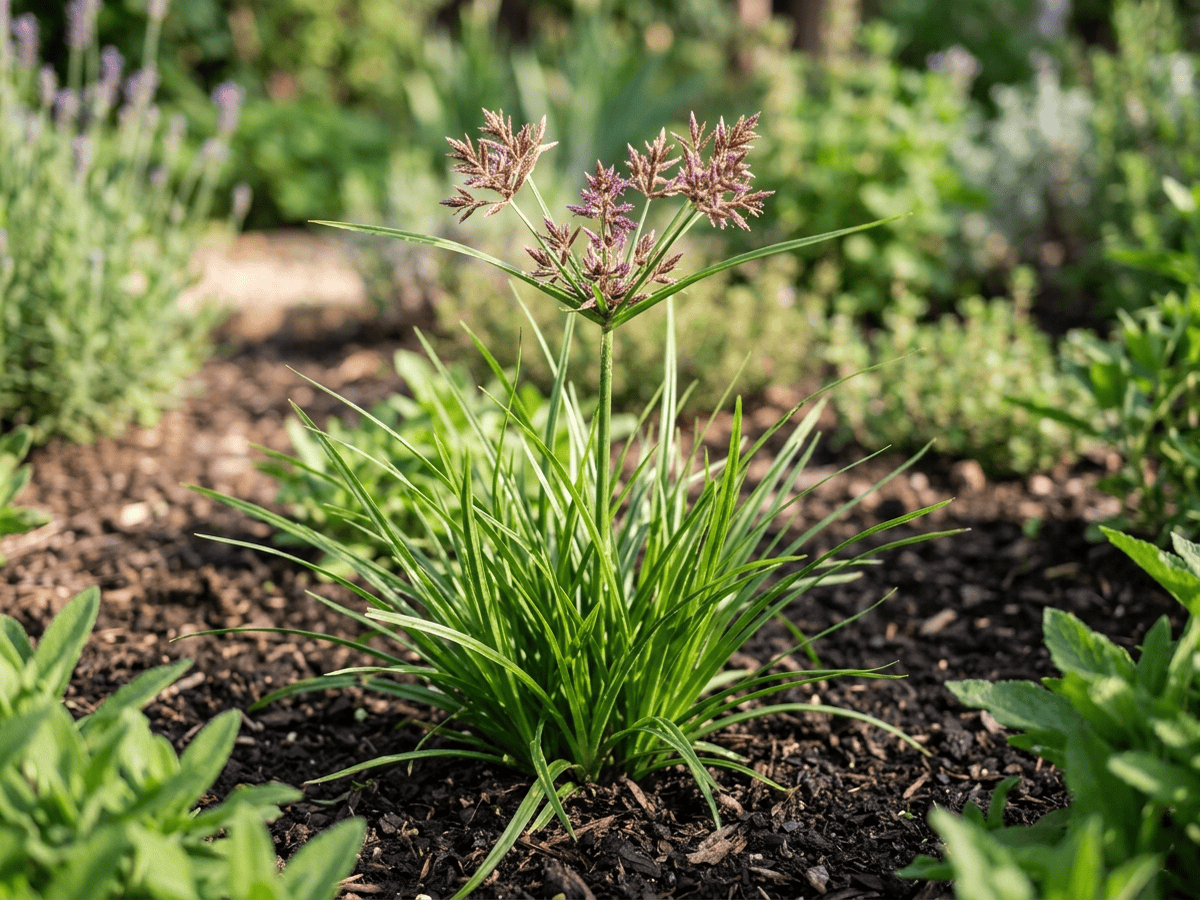
Yellow Nutsedge or Chufa is a grass-like sedge with triangular stems native to Eurasia and Africa, naturalized throughout the US as one of the most difficult lawn and garden weeds. Grows from persistent underground tubers that resprout after pulling, forming V-shaped triangular clumps with light-green leaves and yellow-brown seed clusters in late summer. Also cultivated deliberately in parts of the world for edible tubers called tiger nuts or chufa used in horchata.
- Edible
How to care for Yellow Nutsedge
Watering
- Springevery 7 days
- Summerevery 5 days
- Fallevery 10 days
- Winterevery 14 days
Soil · Rich & well-draining
- Top dressingCompost10%
- Main mixPotting soil + compost 3:180%
- DrainageGravel10%
Top up the compost layer each season.
FERTILIZER
This plant needs little to no feeding.
At a Glance
- NativeAfrica, Mediterranean, Western Asia
- Height1–3 ft (0.3–0.9 m)
- Spread1–2 ft (0.3–0.6 m)
- Flower colorYellow
- Foliage colorGreen
- Fruit colorBrown
- SoilLoamy, Moisture-retentive
- LocationsYard
Bloom time
BLOOM CYCLE
Peak bloom
Jun–Sep
Yellow-brown radiating seed clusters late summer
Fragrance
LIGHT FRAGRANCE
Tubers sweet and nutty-flavored; plant mostly scentless.
Toxicity
No toxicity has been reported for this plant. Still, it is wise to keep pets from chewing on any houseplant.
Educational information, not medical or veterinary advice. If exposure is suspected, contact a doctor or veterinarian.
DISTRIBUTION


- Native
- Introduced
- Africa
- Mediterranean
- Western Asia
History

Cyperus esculentus has a probable origin spanning the Mediterranean, Africa, and southwest Asia and has spread globally. Linnaeus described it in Species Plantarum (1753). Its underground tubers, called chufa or tiger nuts, are sweet and starchy, harvested for over 4000 years; they have been found in the tombs of predynastic Egypt (c.3500 BCE), and are a staple in modern Valencia, Spain, where horchata de chufa is a regional beverage industry.
In Africa, particularly Ghana and Nigeria, the tubers are a traditional snack food called 'Aya' or 'Ofio'. But the aggressive stolon-and-tuber propagation makes the same plant one of the ten worst weeds of world agriculture in corn, soybean, and cotton. It is the only weed that combines extreme competitiveness with an extensive food-crop cultivation history in parallel.
Cultivated in ancient Egypt as food over 6,000 years ago, where tubers were found in pharaoh tombs. Still farmed in Valencia, Spain, for horchata de chufa. In the US it became a serious agricultural weed in the 20th century and is one of the worst weeds in corn, vegetable, and turf production nationwide.
Symbolism & meaning
What It Symbolizes
Yellow Nutsedge is hidden tenacity in plant form. Pull every visible blade and the underground tubers answer with more growth, as though removal were only a signal to begin again. Its older history as an ancient food plant adds another layer: nuisance above, persistence below, usefulness remembered by earlier hands.
- Hidden tenacity — tubers regrow after any aboveground removal
- Ancient food — cultivated in Egypt 6,000 years ago
Where the Name Comes From
The name Yellow Nutsedge describes its sedge-like clumps. 'Cyperus' from Greek plant name 'kypeiros'; 'esculentus' from Latin means edible, for the nutritious tubers.
Uses & Fun Facts
- Sweet almond-flavored tubers eaten as tigernuts or made into horchata
- Cultivated since ancient Egypt for edible underground tubers
Related plants
More Cyperus plants
 Umbrella PapyrusCyperus alternifolius
 FlatsedgeCyperus involucratus
 Papyrus SedgeCyperus papyrus
 Purple NutsedgeCyperus rotundus
Plants with similar care
 Chinese AbeliaAbelia chinensis
 Fragrant AbeliaAbelia mosanensis
 Large-Flowered AbeliaAbelia uniflora
 Glossy AbeliaAbelia x grandiflora
Frequently asked questions
How often should I water Yellow Nutsedge?
In summer, water about every 5 days; in winter, about every 14 days. Adjust for heat, pot size and drainage.
How much light does Yellow Nutsedge need?
Full sun: 6+ hrs direct. Watch the leaves — scorching or stretching means the light needs adjusting.
Is Yellow Nutsedge toxic to cats or dogs?
No toxicity has been reported for this plant. Still, it is wise to keep pets from chewing on any houseplant. Educational information, not medical or veterinary advice. If exposure is suspected, contact a doctor or veterinarian.
Is Yellow Nutsedge easy to grow?
Yes — it is considered an easy, beginner-friendly plant.
When does Yellow Nutsedge bloom?
It typically blooms Jun–Sep in the Northern Hemisphere.
YardMate
Identify any plant in seconds
Snap a photo — YardMate names the plant, diagnoses problems, and reminds you when to water.
Download on the App Store