 YardMate


Papyrus Sedge
Cyperus papyrus
Medium · Some experienceAbout Papyrus Sedge
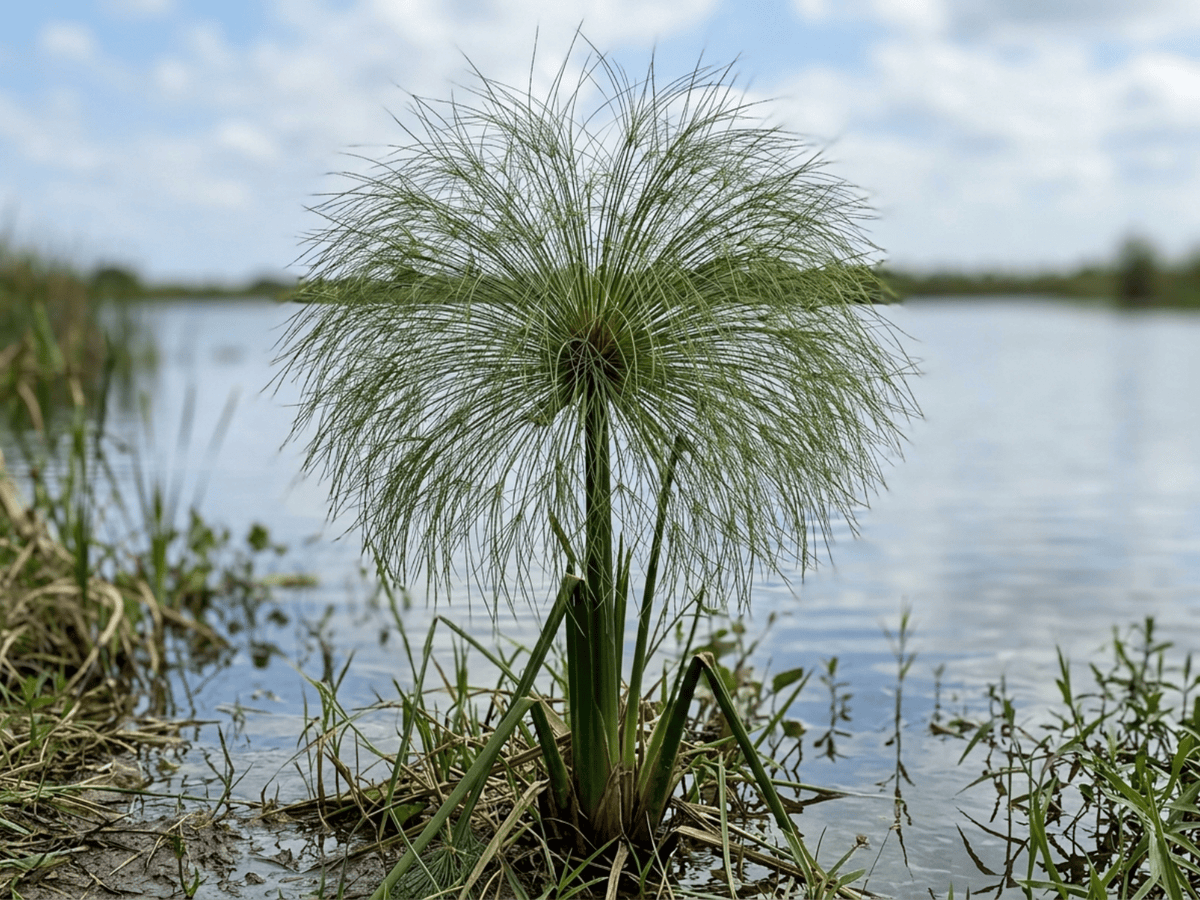
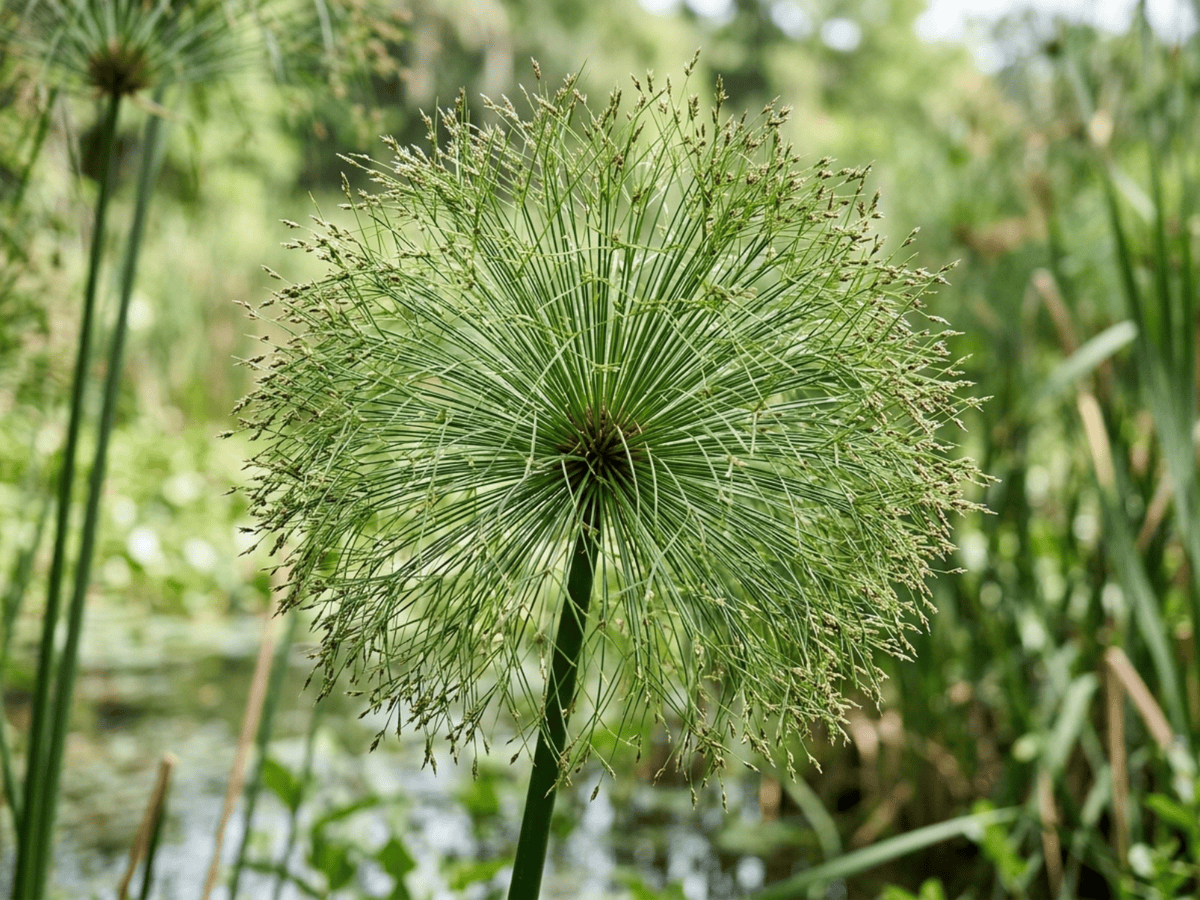
Cyperus papyrus, the papyrus plant, is a tall, aquatic sedge native to the marshes, lake margins, and river floodplains of tropical Africa. It produces stout, triangular stems reaching 3–5 meters tall, each crowned by a spectacular, feathery umbel of thread-like rays that create a pom-pom effect — one of the most distinctive silhouettes in the plant kingdom. In the wild, it forms vast, floating marshes along the Nile and Lake Chad. It thrives with its roots in standing water or saturated soil and is an excellent choice for pond margins, water gardens, and bog gardens. In temperate regions it can be grown as a striking container plant brought indoors for winter. It is a vigorous grower that can spread rapidly in warm climates. The dwarf cultivar 'Nanus' stays under one meter and is more practical for small water features.
- Architectural
- Fast-growing
How to care for Papyrus Sedge
Watering
- Springevery 1 days
- Summerevery 1 days
- Fallevery 1 days
- Winterevery 2 days
Soil · Bog-wet
- WaterStanding water above soil20%
- SoilHeavy pond soil80%
No drainage layer — keep water standing above the soil.
FERTILIZER
Balanced Feed 14-14-14
An even feed covers all three needs at once, keeping leaves, roots and blooms moving together with nothing pushed out of balance.
- Nitrogen · Leaves
- Phosphorus · Roots + Blooms
- Potassium · Strength
- Springevery 30 days
- Summerevery 30 days
At a Glance
- NativeAfrica
- Height8–15 ft (2.4–4.6 m)
- Spread3–6 ft (0.9–1.8 m)
- Flower colorWhite, Cream
- Foliage colorGreen
- SoilMoisture-retentive, Loamy
- LocationsYard
Bloom time
BLOOM CYCLE
Peak bloom
Jun–Aug
Brown spikelets appear among the umbel rays in summer; subtle but attractive
Fragrance
NO FRAGRANCE
No notable fragrance.
Toxicity
No toxicity has been reported for this plant. Still, it is wise to keep pets from chewing on any houseplant.
Educational information, not medical or veterinary advice. If exposure is suspected, contact a doctor or veterinarian.
DISTRIBUTION


- Native
- Introduced
- Africa
History

Cyperus papyrus is a large aquatic sedge native to tropical African wetlands, including the Nile valley, the Lake Victoria basin, the Sudd, and the Okavango Delta. In ancient Egypt, it became one of the world's great material plants.
Egyptians developed papyrus sheets from the pith by laying thin strips crosswise, pressing them, and drying them into a durable writing surface. By the Old Kingdom, papyrus supported administration, literature, religious texts, mathematics, and the daily record-keeping of one of the ancient world's most literate states.
The plant nearly disappeared from Egypt by the medieval period and was reintroduced to the Nile delta in the twentieth century, notably through Hassan Ragab's revival work. Beyond writing, papyrus also supplied boats, ropes, sandals, mats, and baskets; even the English word "paper" descends through Greek and Latin from "papyrus."
Symbolism & meaning
What It Symbolizes
Papyrus is the plant of knowledge itself — the ancient writing material that gave it name to paper and made the long memory of civilization possible. Without it, the laws, poems, and records of Egypt and the Mediterranean world would have vanished. To grow papyrus is to keep alive the green source of writing, the reed that quietly carried culture forward.
- Knowledge — As the source of ancient writing material, it represents learning and wisdom
- Civilization — Enabled written record-keeping, symbolizing the foundation of culture and law
Where the Name Comes From
Cyperus from the Greek 'kypeiros,' an ancient name for sedge. Papyrus from the Greek 'papyros,' the Egyptian name for the writing material made from this plant.
Uses & Fun Facts
- Towering pom-pom umbels create dramatic silhouette at pond edges
- Ancient Egyptian stems pounded into the original writing papyrus
- Bold aquatic accent for large water-filled tubs and patio ponds
- Iconic plant of pharaonic Egypt depicted in temple art
Related plants
More Cyperus plants
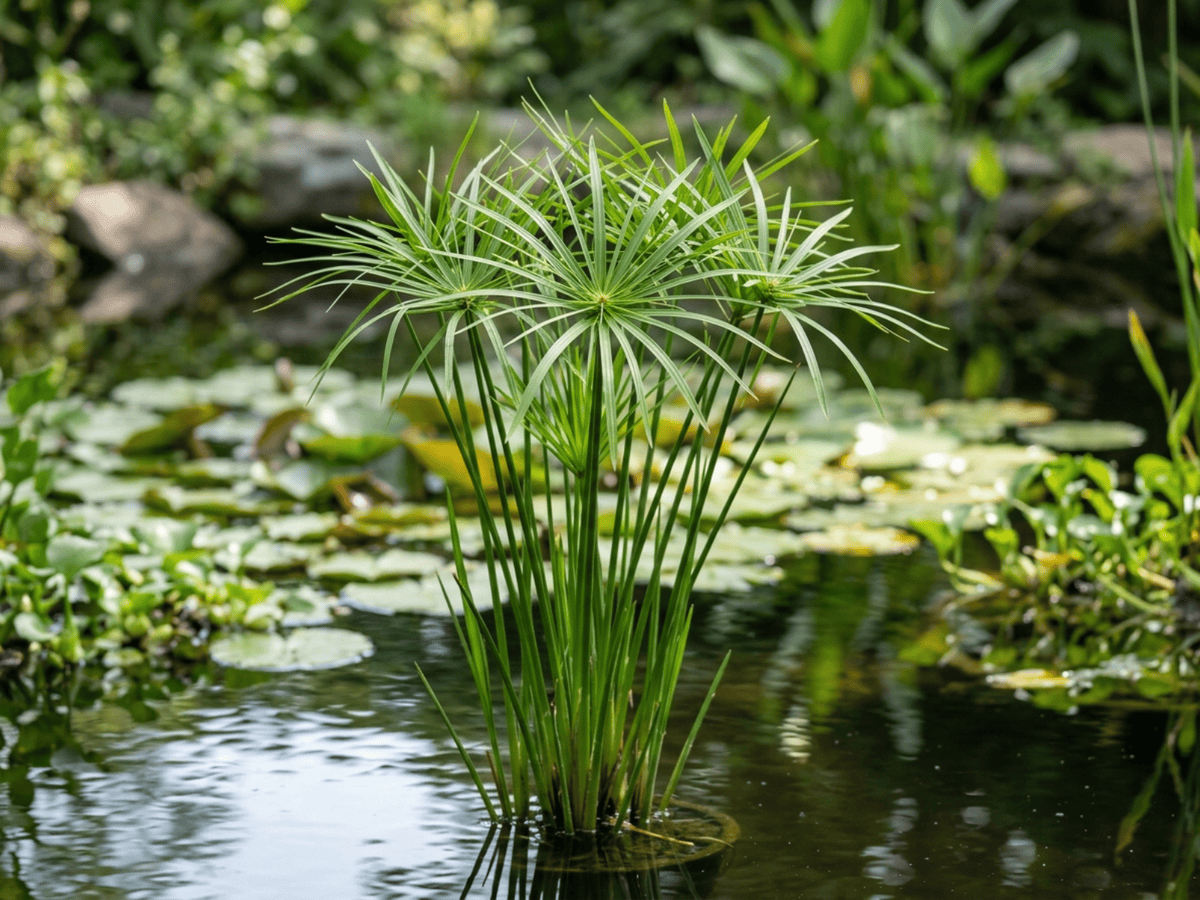 Umbrella PapyrusCyperus alternifolius
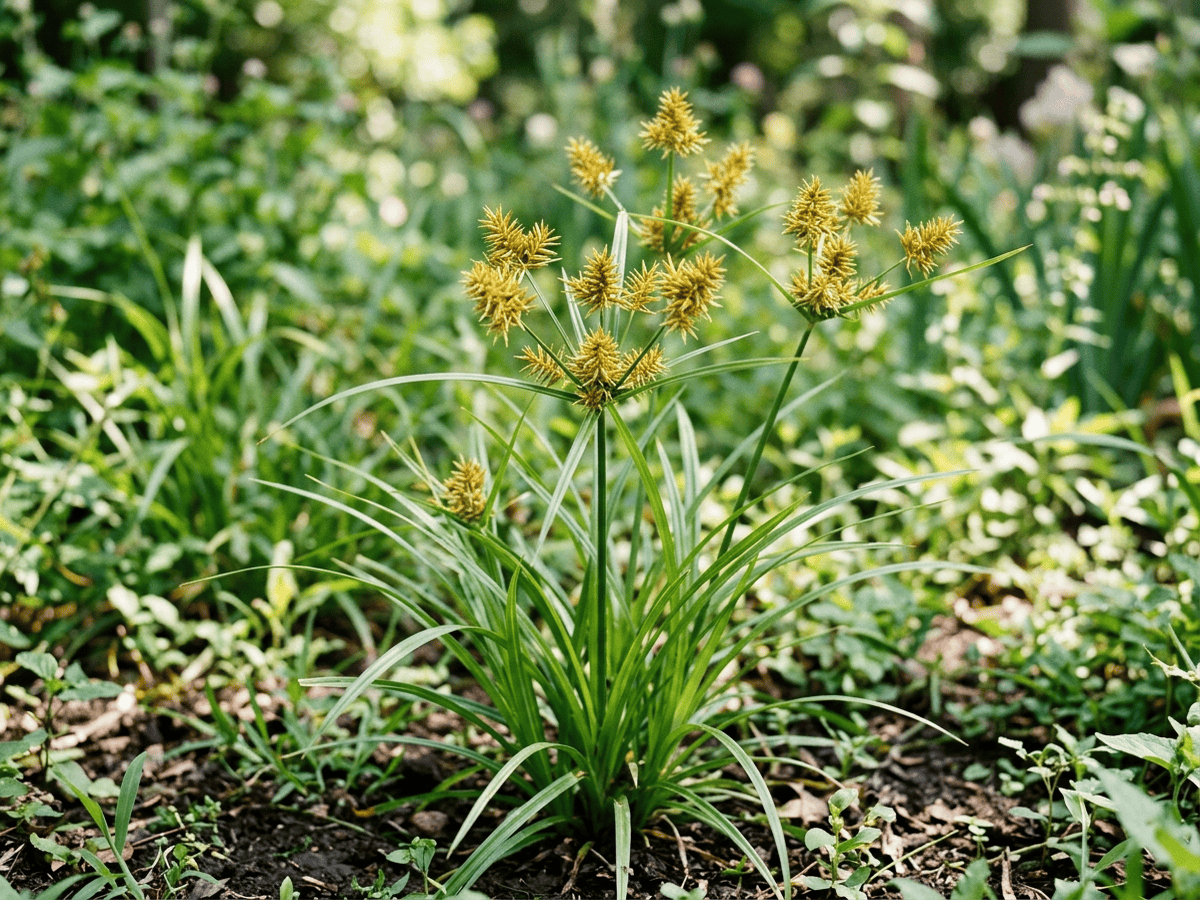 Yellow NutsedgeCyperus esculentus
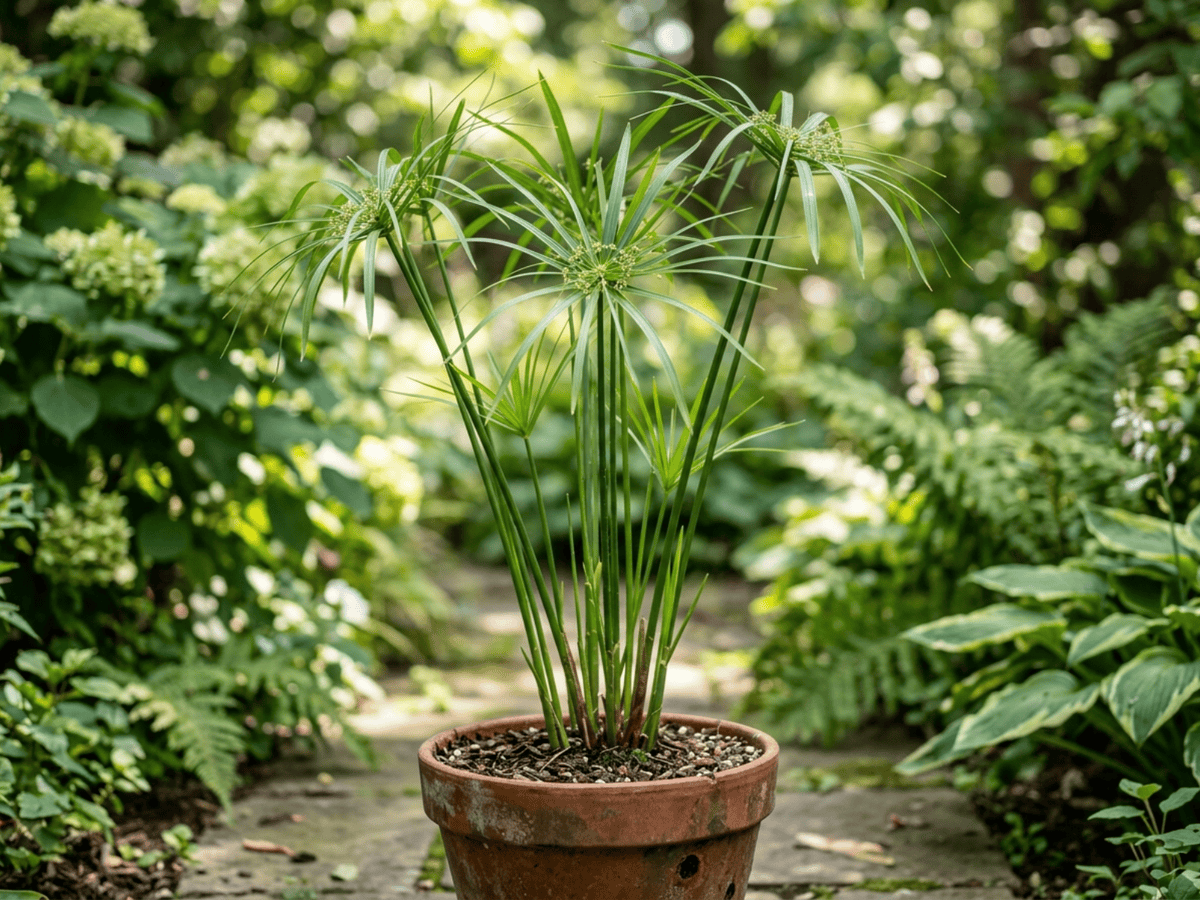 FlatsedgeCyperus involucratus
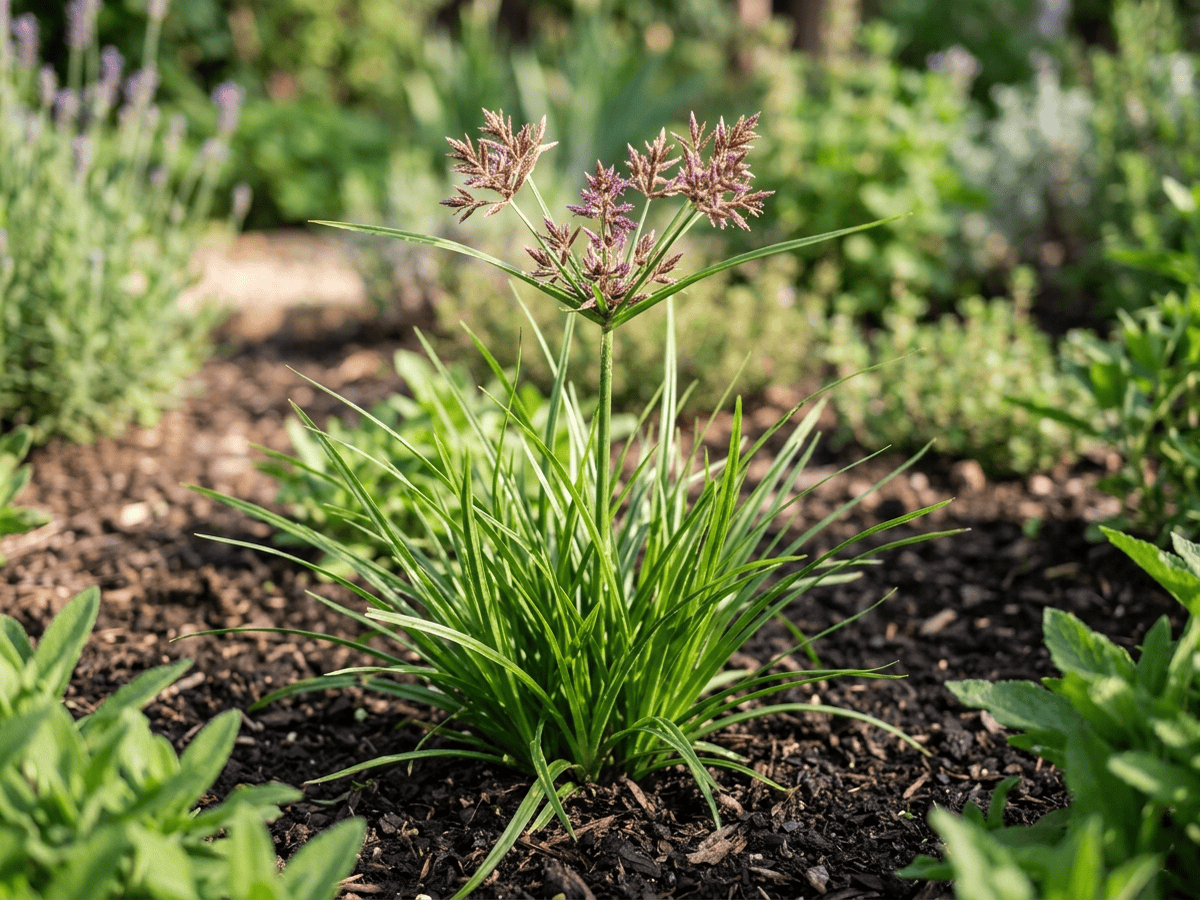 Purple NutsedgeCyperus rotundus
Plants with similar care
 Mexican AbeliaAbelia floribunda
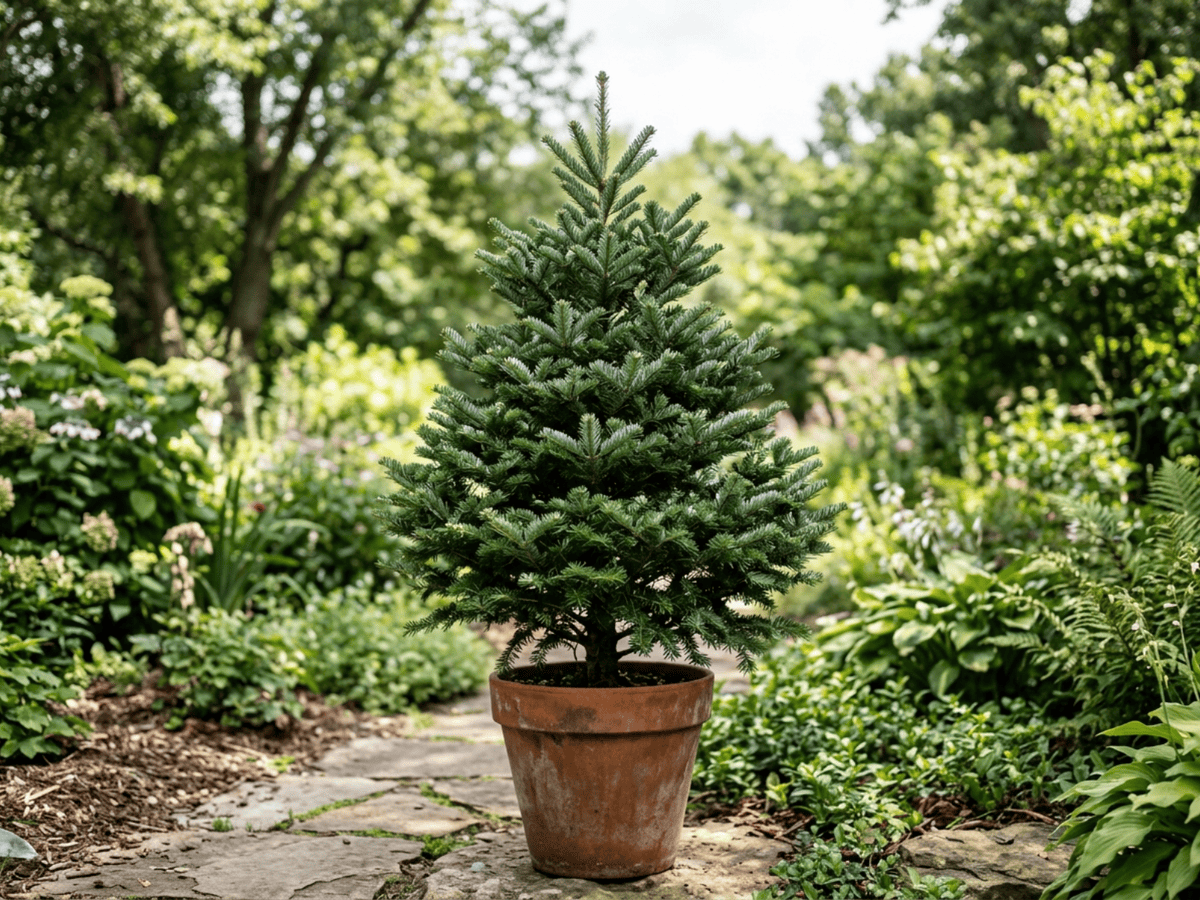 Fraser FirAbies fraseri
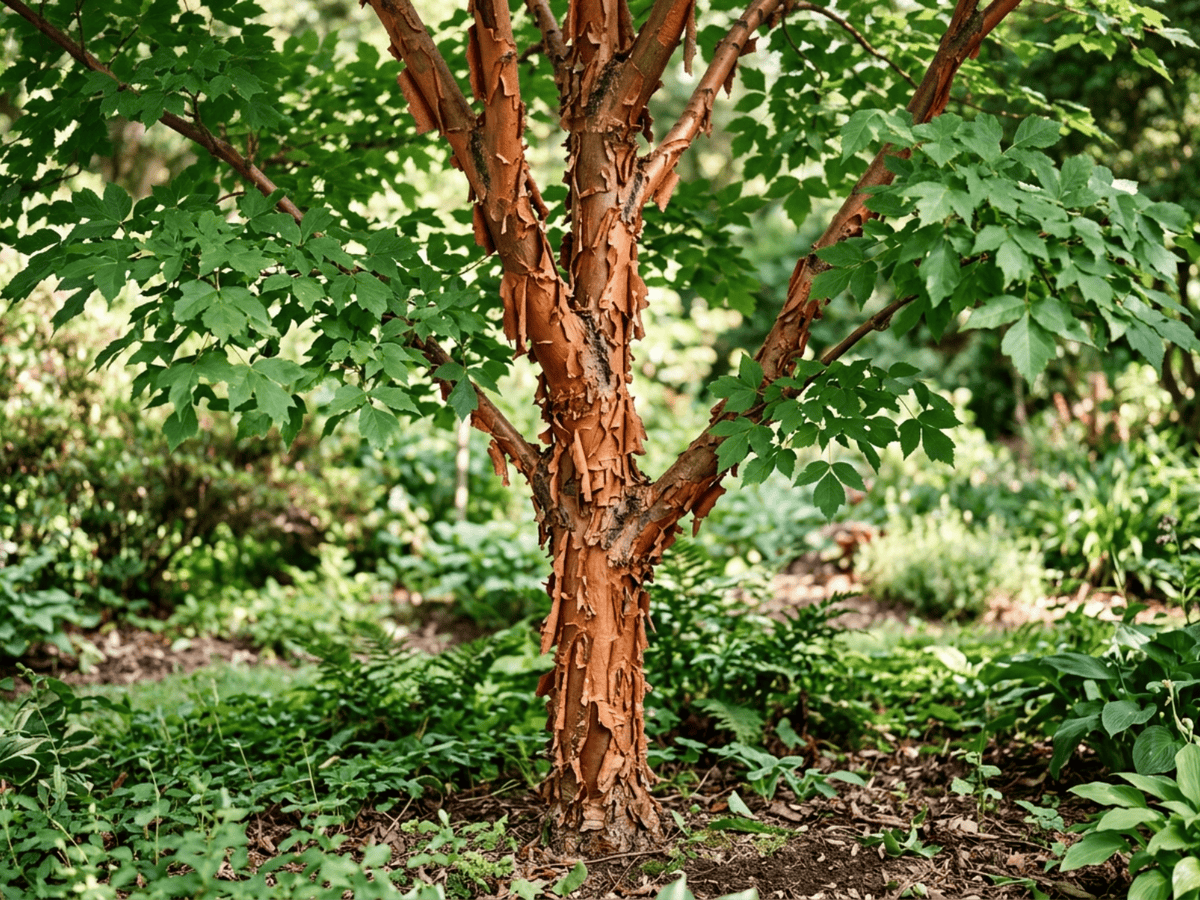 Paperbark MapleAcer griseum
 Sugar MapleAcer saccharum
Frequently asked questions
How often should I water Papyrus Sedge?
In summer, water about every 1 days; in winter, about every 2 days. Adjust for heat, pot size and drainage.
How much light does Papyrus Sedge need?
Full sun: 6+ hrs direct. Watch the leaves — scorching or stretching means the light needs adjusting.
Is Papyrus Sedge toxic to cats or dogs?
No toxicity has been reported for this plant. Still, it is wise to keep pets from chewing on any houseplant. Educational information, not medical or veterinary advice. If exposure is suspected, contact a doctor or veterinarian.
Is Papyrus Sedge easy to grow?
It is moderately demanding: a good choice once you have a little experience.
When does Papyrus Sedge bloom?
It typically blooms Jun–Aug in the Northern Hemisphere.
YardMate
Identify any plant in seconds
Snap a photo — YardMate names the plant, diagnoses problems, and reminds you when to water.
Download on the App Store