 YardMate


Flatsedge
Cyperus involucratus
Easy · Beginner friendlyAbout Flatsedge
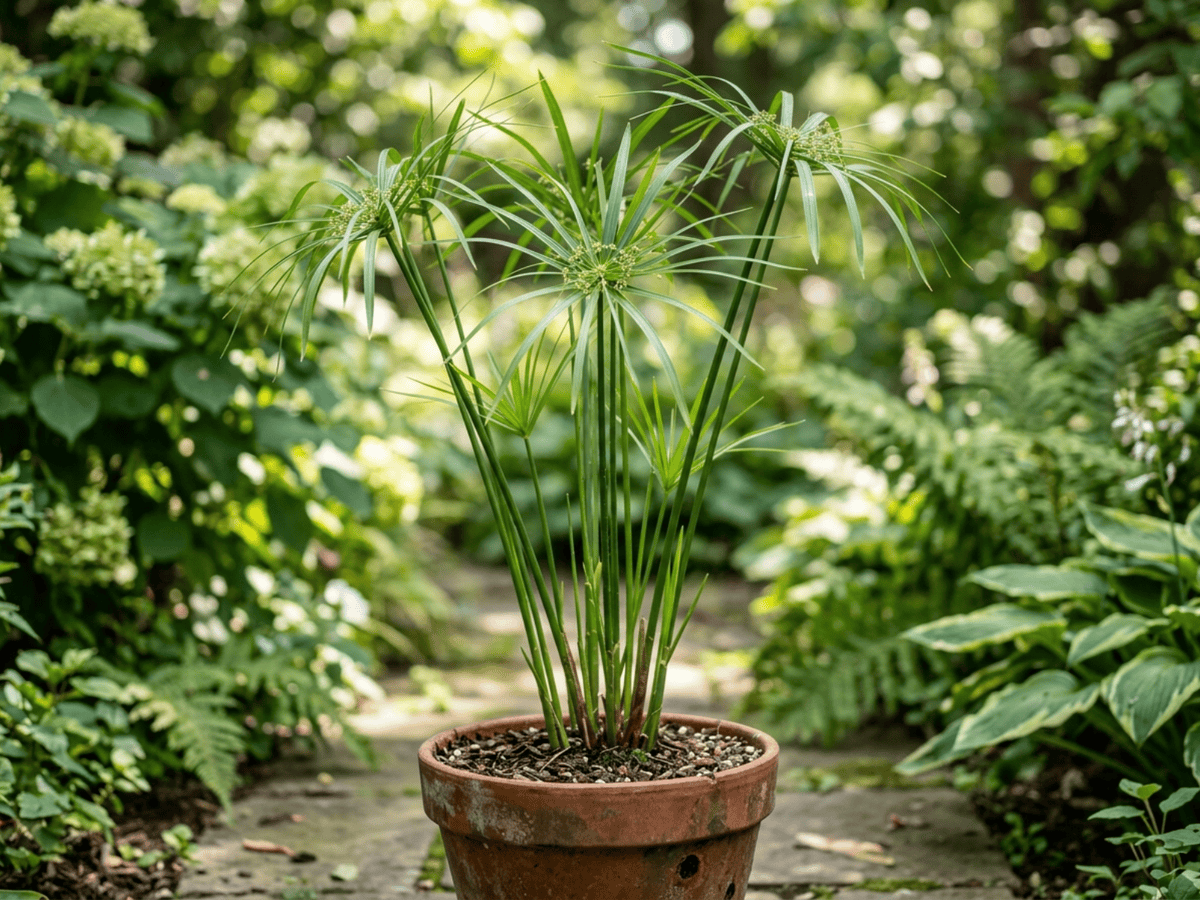
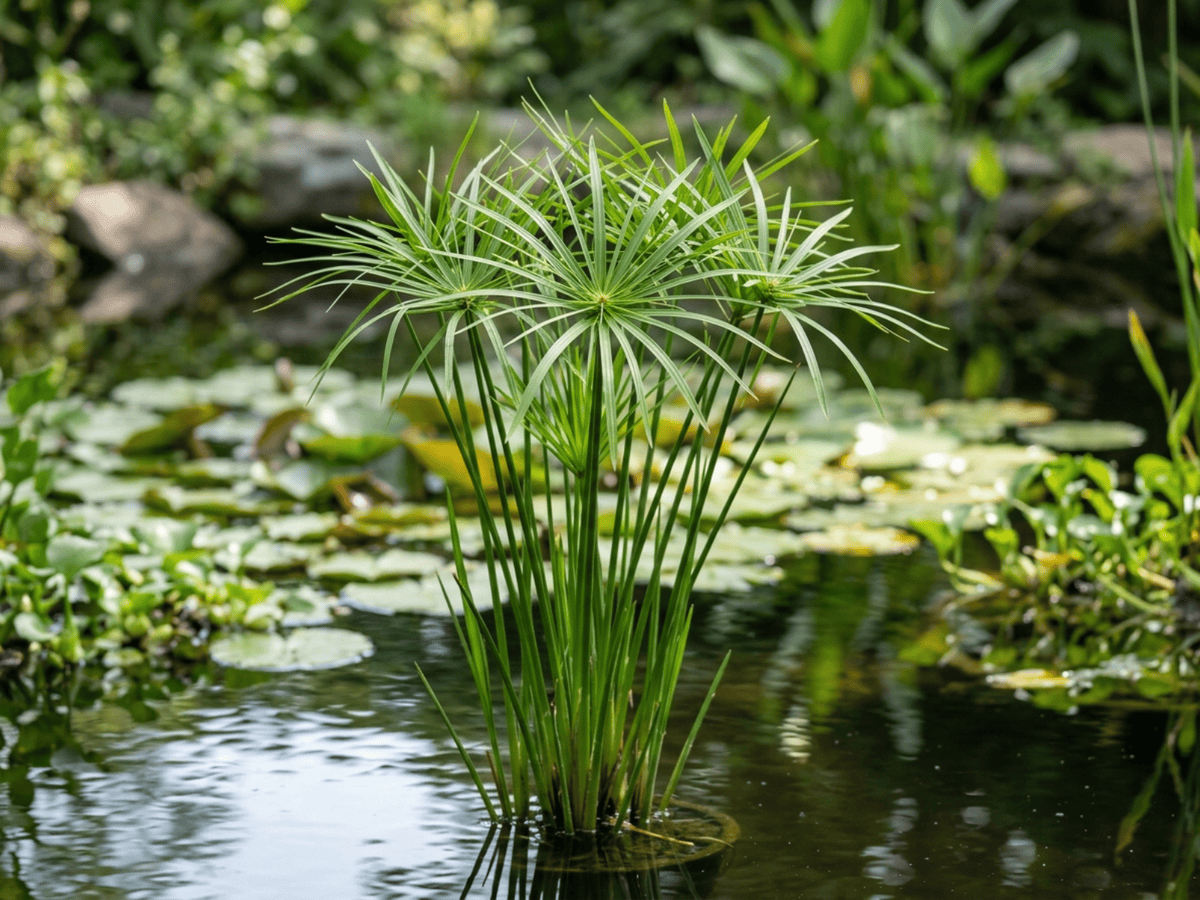
Cyperus involucratus, the umbrella papyrus or umbrella sedge, is a graceful semi-aquatic sedge from Madagascar and East Africa that forms tall, slender stems topped by radiating leaf-like bracts resembling open umbrellas. Growing 90–150 cm tall in dense clumps, it creates a striking tropical effect along pond margins and in container water gardens. The plant is closely related to the famous Egyptian papyrus (C. papyrus) but is smaller and more manageable for garden use. It thrives in standing water or consistently saturated soil and spreads by rhizomes to form attractive colonies. New plants form readily when the umbrella-like tops droop into water — an unusual and entertaining propagation method. It serves as excellent natural filtration in pond and aquarium systems, absorbing excess nutrients from the water.
- Architectural
- Fast-growing
- Tropical
How to care for Flatsedge
Watering
- Springevery 1 days
- Summerevery 1 days
- Fallevery 1 days
- Winterevery 3 days
Soil · Bog-wet
- WaterStanding water above soil20%
- SoilHeavy pond soil80%
No drainage layer — keep water standing above the soil.
FERTILIZER
Balanced Feed 14-14-14
An even feed covers all three needs at once, keeping leaves, roots and blooms moving together with nothing pushed out of balance.
- Nitrogen · Leaves
- Phosphorus · Roots + Blooms
- Potassium · Strength
- Springevery 30 days
- Summerevery 30 days
At a Glance
- NativeAfrica
- Height3–5 ft (0.9–1.5 m)
- Spread2–3 ft (0.6–0.9 m)
- Flower colorWhite, Cream
- Foliage colorGreen, Variegated
- SoilMoisture-retentive, Rich
- LocationsYard · Indoor · Balcony
Bloom time
BLOOM CYCLE
Peak bloom
Jun–Aug
Small brown spikelets appear among the umbrella bracts; subtle but add texture
Fragrance
NO FRAGRANCE
No notable fragrance.
Toxicity
No toxicity has been reported for this plant. Still, it is wise to keep pets from chewing on any houseplant.
Educational information, not medical or veterinary advice. If exposure is suspected, contact a doctor or veterinarian.
DISTRIBUTION

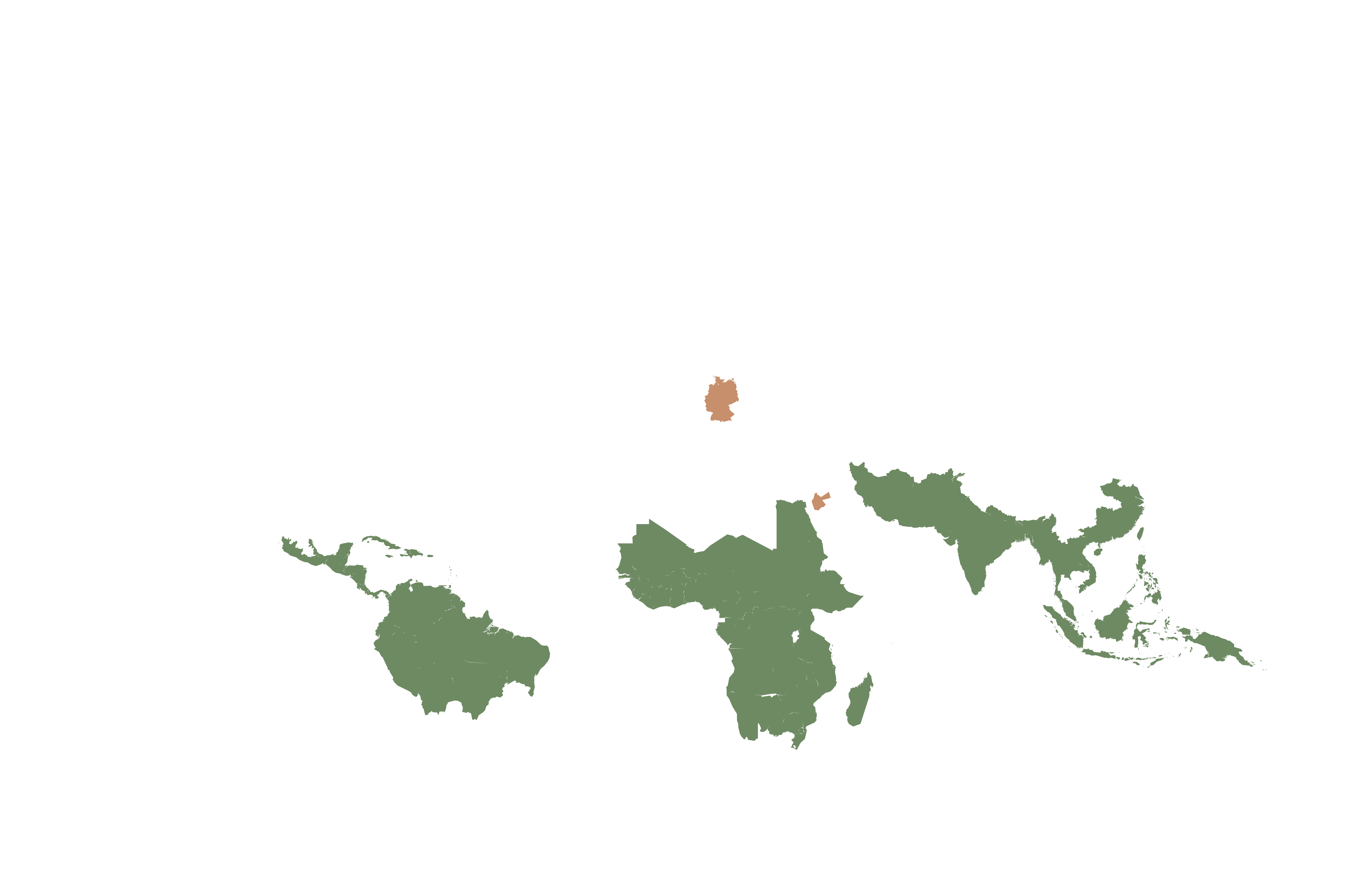
- Native
- Introduced
- Africa
History
Cyperus involucratus is native to eastern Africa — primarily Madagascar, plus parts of Kenya, Tanzania, Mozambique, and other East African countries. It is closely related to and frequently confused with Cyperus alternifolius (to the point that many nurseries sell them interchangeably), but C. involucratus is a substantially larger plant — typical stems reach 1.2-1.5 meters tall — with a broader whorl of leaf-like bracts at the stem top and more pronounced papyrus-like architecture. Horticulturally it sits between its two better-known relatives: smaller than the massive tropical papyrus (C. papyrus, up to 5 meters) and larger than the compact umbrella sedge (C. alternifolius, 0.6-1.2 meters), making it a useful mid-scale ornamental for container water gardens, large outdoor pondside plantings, and subtropical botanical displays. The plant is considered a minor invasive in parts of southern California, the Gulf South, and Hawaii where it escapes cultivation into wetlands; a variegated cultivar ("Variegatus") is available but tends to revert.
Like all Cyperaceae it prefers permanently wet to saturated soils, is happy with "feet in water" container culture, and reproduces readily by new plantlets forming at the tips of old stems that bend down and touch wet soil. Cyperus involucratus belongs to the same genus as the ancient Egyptian papyrus (C. papyrus), the plant that gave us the word 'paper.' While its famous relative was used to create the writing material that carried Egyptian civilization's records for millennia, C. involucratus became the go-to ornamental substitute because of its more manageable size.
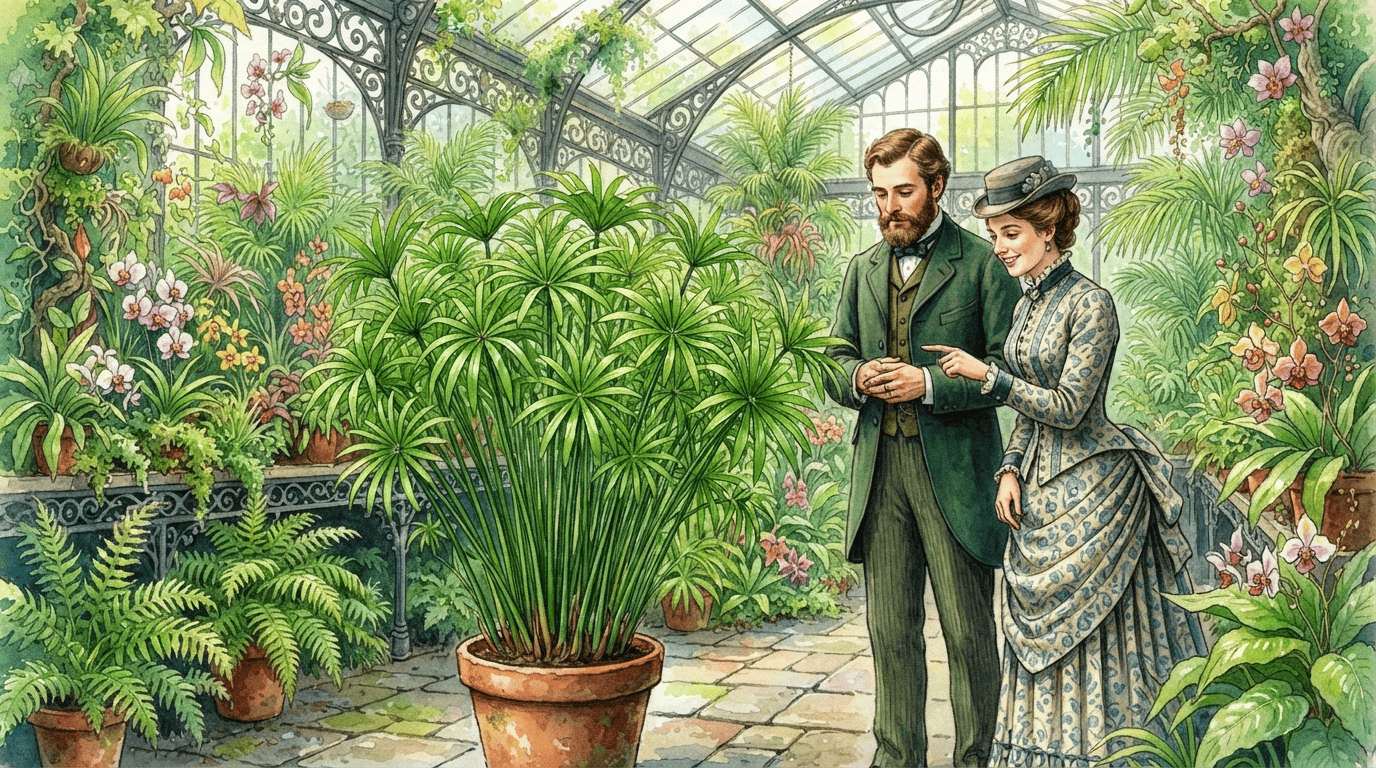
In tropical and subtropical gardens worldwide, it serves as a living reminder of the Nile Delta's papyrus marshes. Victorian conservatories featured it prominently as an exotic conversation piece.
Symbolism & meaning
What It Symbolizes
Flatsedge makes visible grace through its elegant umbrella form, slender stems opening into living parasols above water gardens and pond margins. Closely related to the papyrus that carried the wisdom of ancient Egypt, it inherits a quiet association with knowledge, record, and the preservation of human thought. This is a plant of poised beauty whose family tree once held the very first writings of civilization.
- Grace — its elegant umbrella form embodies effortless beauty
- Knowledge — related to papyrus, the ancient medium of recorded wisdom
Where the Name Comes From
The name Flatsedge describes its sedge-like clumps. 'Cyperus' from Greek 'kypeiros,' the ancient name for sedges. 'Involucratus' refers to the involucre — the whorl of bracts at the stem top.
Uses & Fun Facts
- Umbrella-like stems give water bowls and patio containers a tropical outline
Related plants
More Cyperus plants
 Umbrella PapyrusCyperus alternifolius
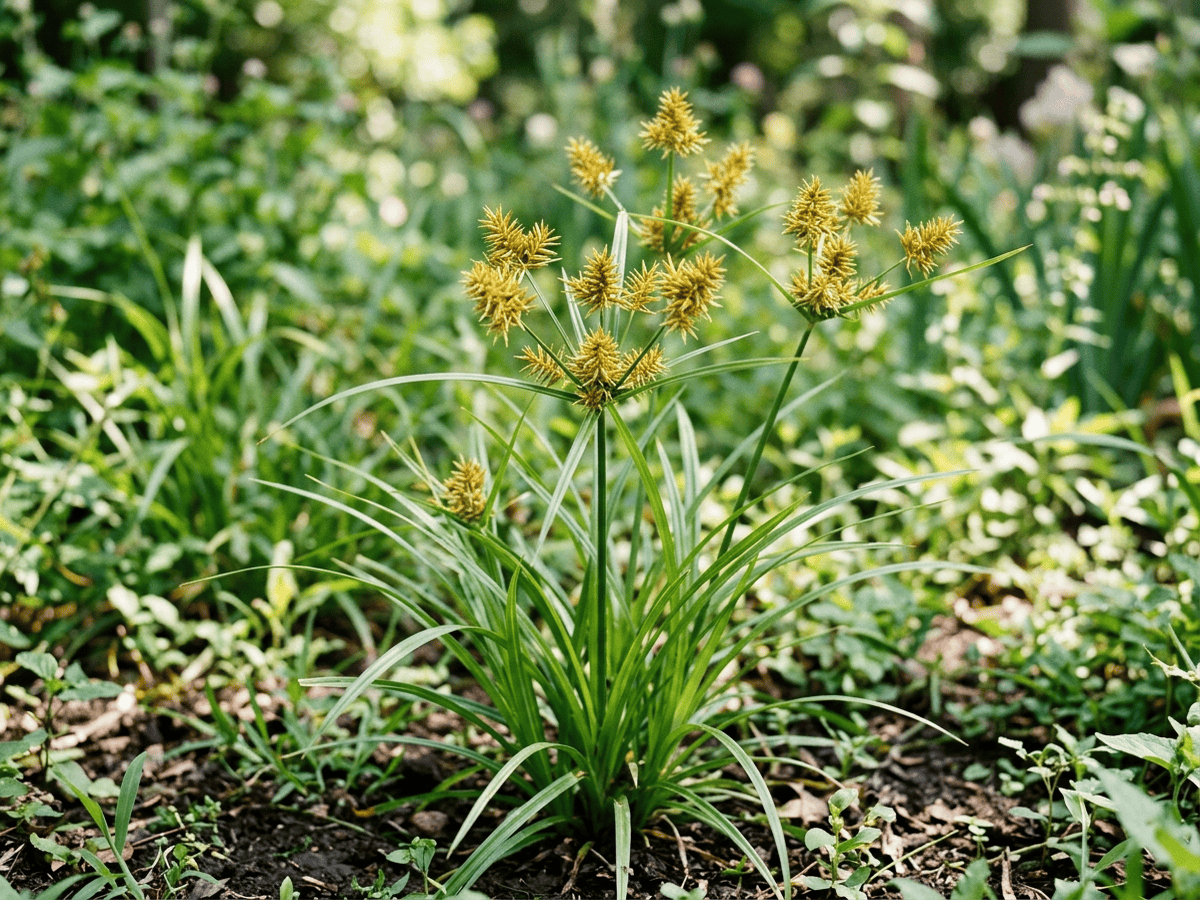 Yellow NutsedgeCyperus esculentus
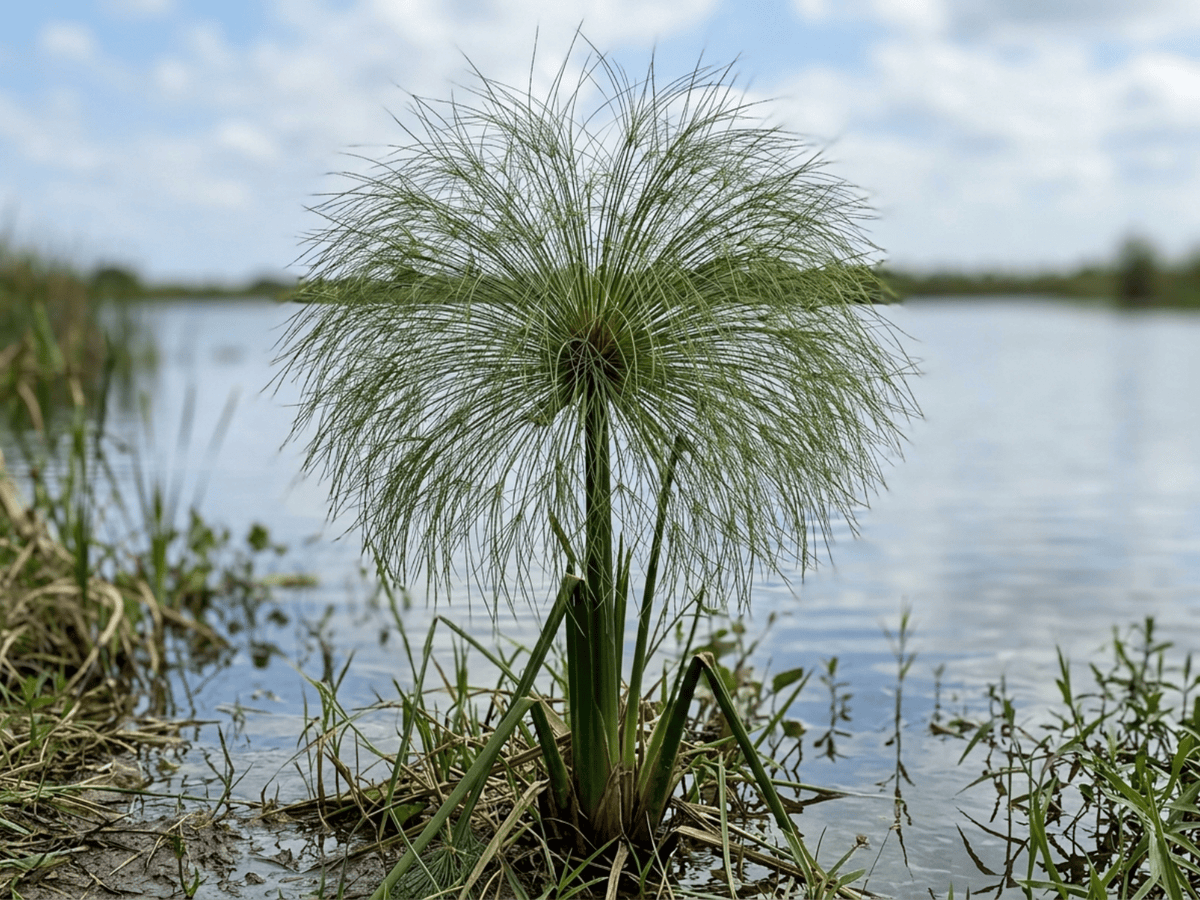 Papyrus SedgeCyperus papyrus
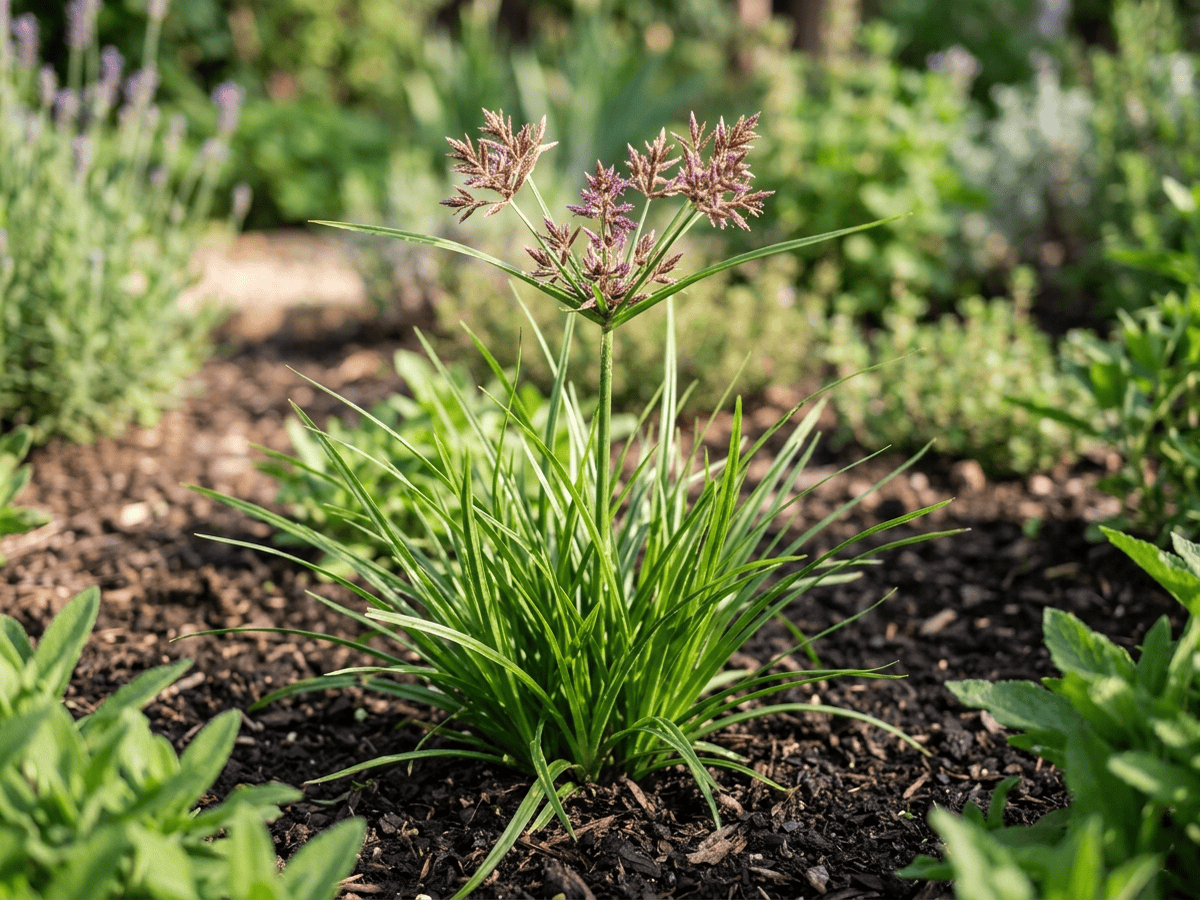 Purple NutsedgeCyperus rotundus
Plants with similar care
 Chinese AbeliaAbelia chinensis
 Fragrant AbeliaAbelia mosanensis
 Large-Flowered AbeliaAbelia uniflora
 Glossy AbeliaAbelia x grandiflora
Frequently asked questions
How often should I water Flatsedge?
In summer, water about every 1 days; in winter, about every 3 days. Adjust for heat, pot size and drainage.
How much light does Flatsedge need?
Full sun: 6+ hrs direct. Watch the leaves — scorching or stretching means the light needs adjusting.
Is Flatsedge toxic to cats or dogs?
No toxicity has been reported for this plant. Still, it is wise to keep pets from chewing on any houseplant. Educational information, not medical or veterinary advice. If exposure is suspected, contact a doctor or veterinarian.
Is Flatsedge easy to grow?
Yes — it is considered an easy, beginner-friendly plant.
Can Flatsedge be grown indoors?
Yes, it adapts well to indoor growing given the right light.
When does Flatsedge bloom?
It typically blooms Jun–Aug in the Northern Hemisphere.
YardMate
Identify any plant in seconds
Snap a photo — YardMate names the plant, diagnoses problems, and reminds you when to water.
Download on the App Store