 YardMate
American Persimmon
Diospyros virginiana
Hard · Experienced growersAbout American Persimmon
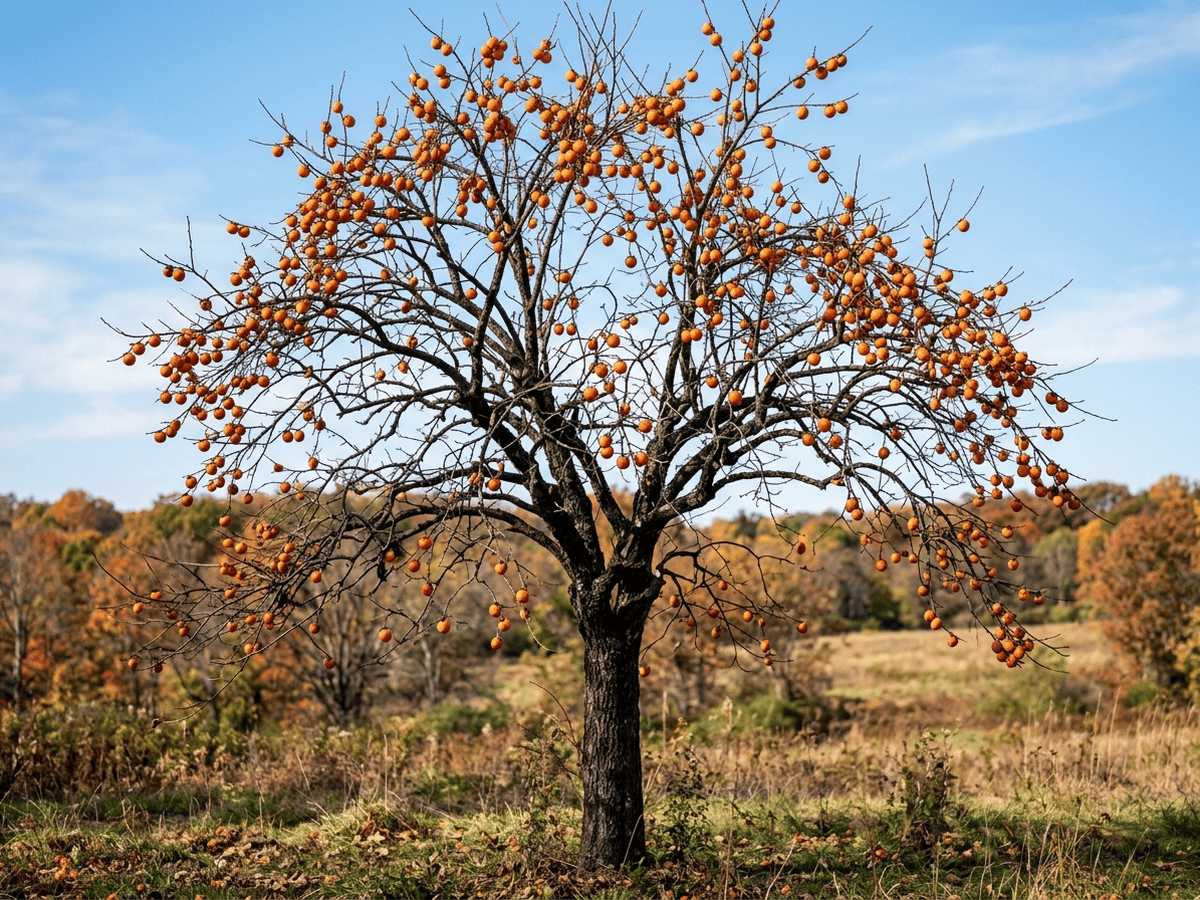
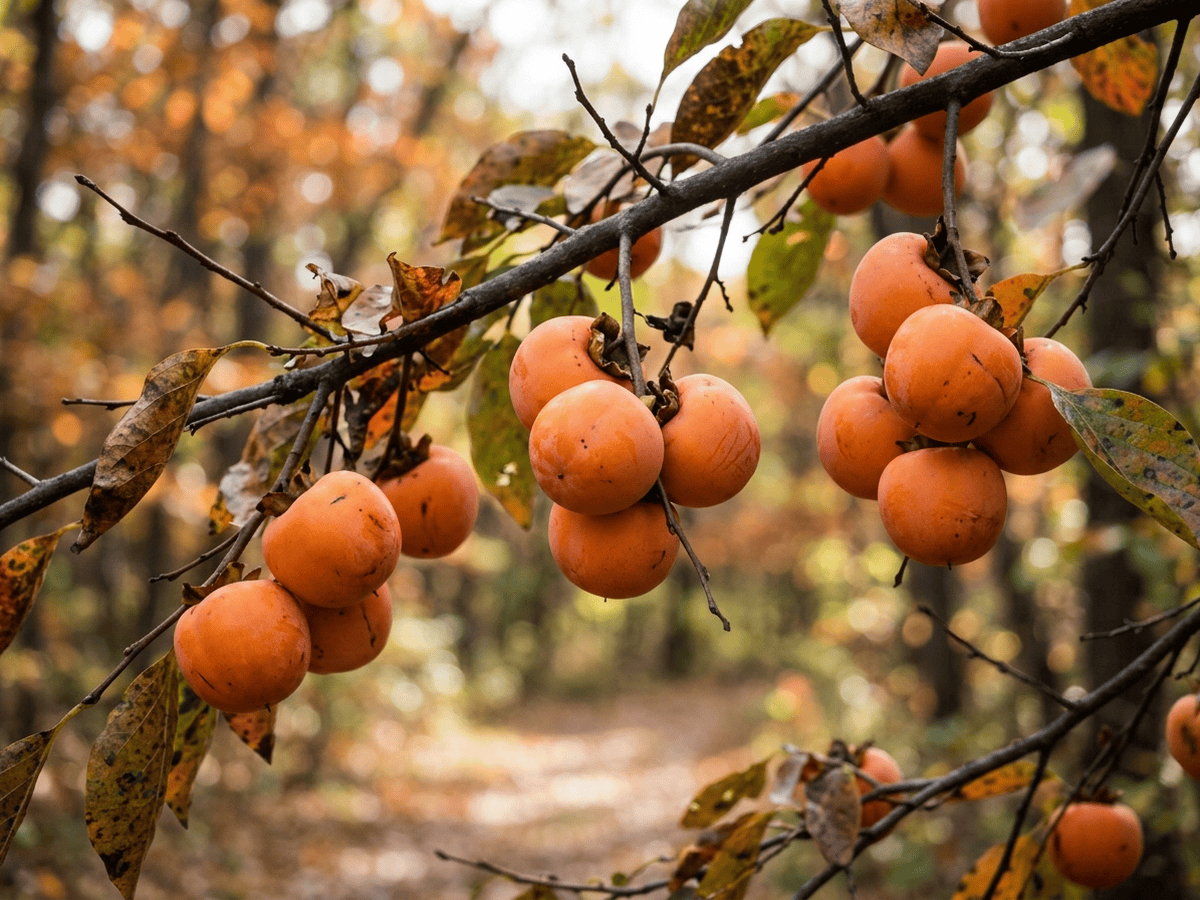
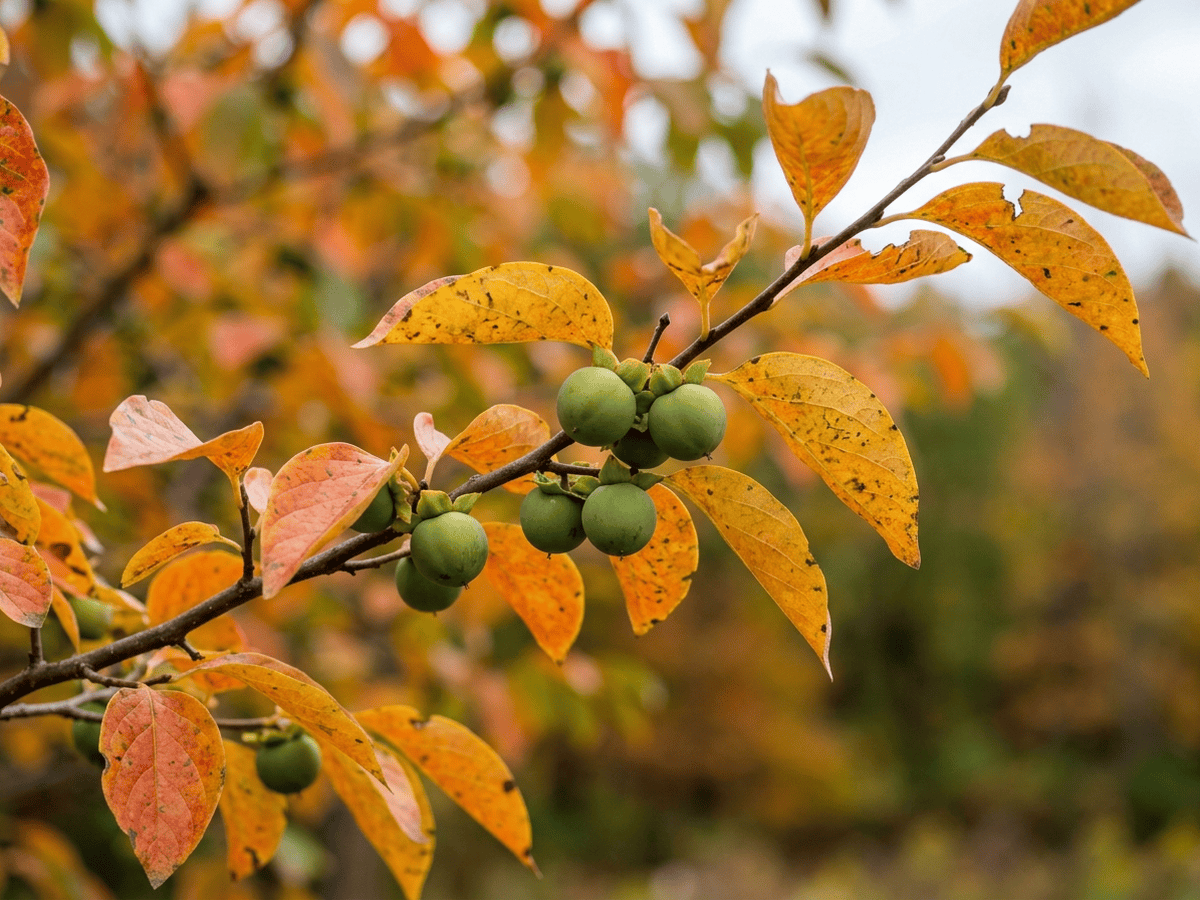
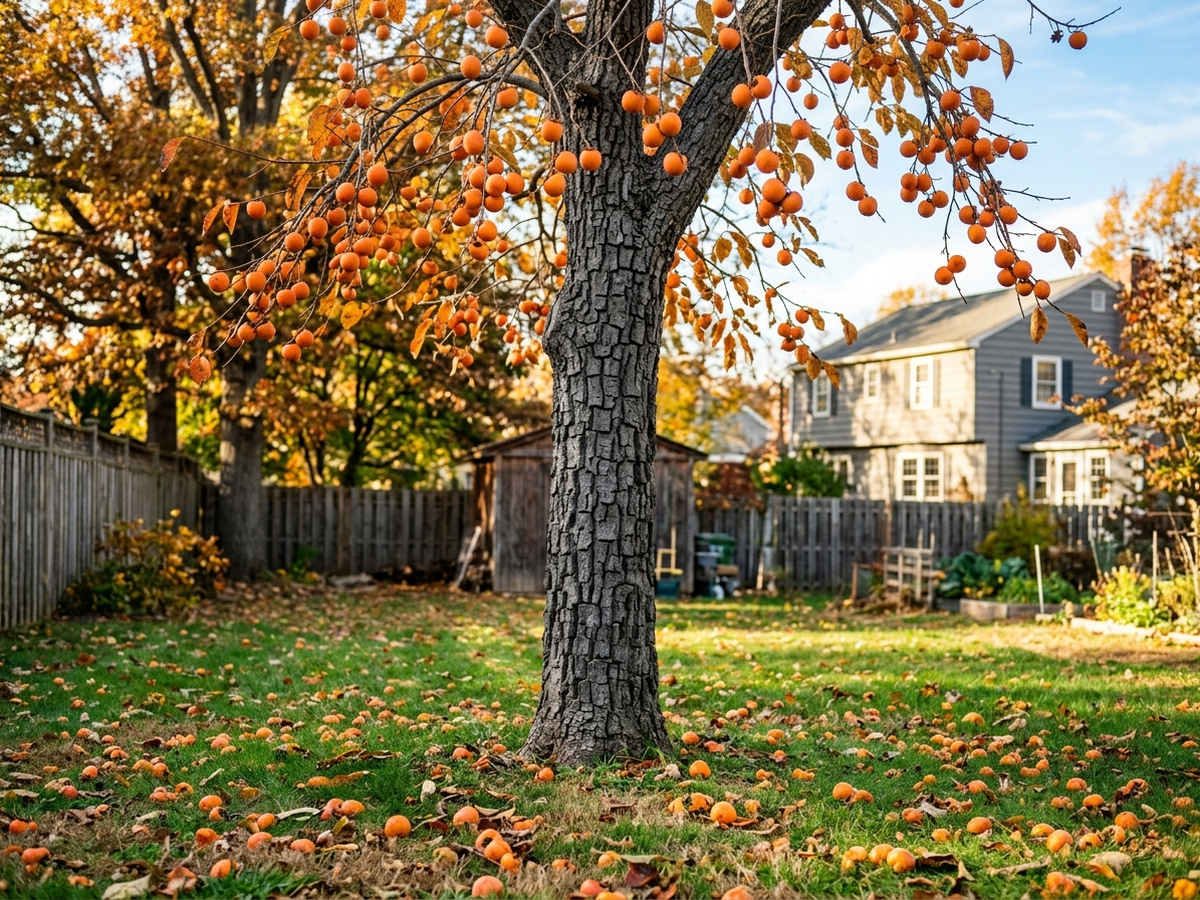
Diospyros virginiana, the American Persimmon, is a deciduous tree native to the eastern United States, from Connecticut south to Florida and west to Kansas. It bears orange to deep red fruit notoriously astringent until fully ripe—after the first frost breaks down the tannins and transforms them into something honeyed, spiced, and rich. Ornamental in all seasons with creamy spring flowers, colorful fall foliage, distinctive blocky-fissured gray bark, and persistent fruit through winter, it also yields extremely hard fine-grained wood historically prized for golf club heads and textile shuttles. A superb native tree for wildlife gardens, its persistent fruit feeds deer, foxes, opossums, raccoons, and birds through fall and winter.
- Deciduous
- Edible
- Pollinator-friendly
- Showy-fruit
- Cold-hardy
How to care for American Persimmon
Watering
- Springevery 10 days
- Summerevery 7 days
- Fallevery 15 days
- Winterevery 30 days
Soil · Rich & well-draining
- Top dressingCompost10%
- Main mixPotting soil + compost 3:180%
- DrainageGravel10%
Top up the compost layer each season.
FERTILIZER
Balanced Feed 14-14-14
An even feed covers all three needs at once, keeping leaves, roots and blooms moving together with nothing pushed out of balance.
- Nitrogen · Leaves
- Phosphorus · Roots + Blooms
- Potassium · Strength
- Springevery 30 days
- Summerevery 30 days
- Fallevery 30 days
At a Glance
- NativeNorth America
- Height30–60 ft (9.1–18.3 m)
- Spread20–40 ft (6.1–12.2 m)
- Flower colorWhite, Yellow
- Foliage colorGreen
- Fruit colorYellow, Orange
- SoilWell-drained, Loamy, Moist
- LocationsYard · Balcony
Bloom time
BLOOM CYCLE
Peak bloom
Apr–May
The flowers appear in spring, adding beauty before the leaves fully emerge.
Fragrance
LIGHT FRAGRANCE
Small creamy-white flowers have a faint sweet fragrance; most noticeable near the tree on warm spring evenings.
Toxicity
No toxicity has been reported for this plant. Still, it is wise to keep pets from chewing on any houseplant.
Educational information, not medical or veterinary advice. If exposure is suspected, contact a doctor or veterinarian.
DISTRIBUTION


- Native
- Introduced
- North America
History
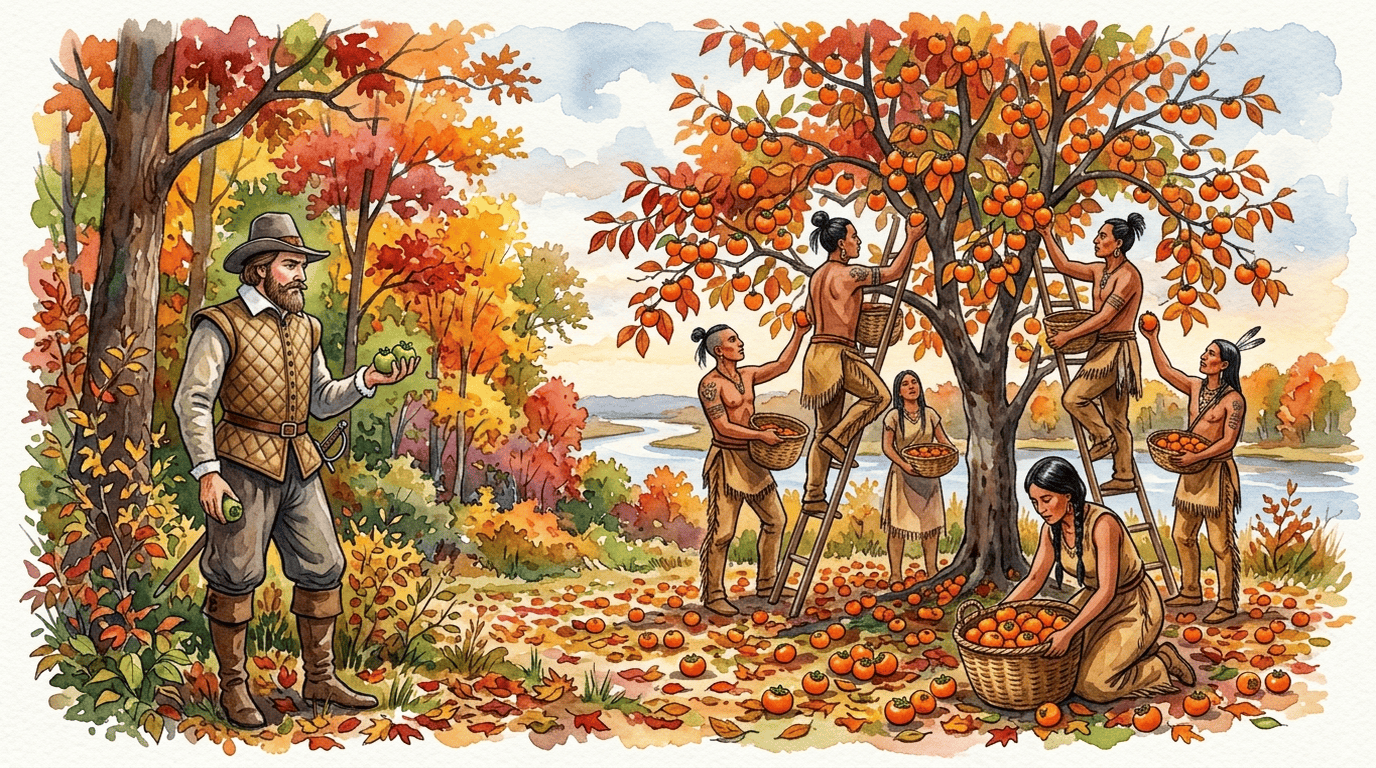
Long before European contact, Native peoples across eastern North America had incorporated the American Persimmon deeply into their food systems. The Cherokee, Choctaw, Lenape, Potawatomi, and many other nations harvested the fruit each fall, drying slices into cakes that kept through winter, grinding dried fruit into a coarse meal used in breads and puddings, and fermenting the sweet pulp into beer. The fruit was eaten only after frost—every experienced hand knew the unripe persimmon was shockingly astringent, its tannins puckering the mouth into what early writers described as a sensation like swallowing chalk.
English colonists encountered persimmons almost immediately upon arriving in Virginia. Captain John Smith wrote in 1612 that 'the fruit like a medlar, it is first green, then yellow, and red when ripe: if it be not ripe it will draw a mans mouth awrie with much torment.' His description of the unripe astringency became one of the most-quoted early American food passages. William Strachey's account from the same period records that 'they were all full of a kind of black seed, and of a sweet taste when ripe, but if eaten before, they are able to draw a man's mouth awry.'
The fruit and the tree moved steadily into American folk life. Persimmon pudding became a regional dessert in the Midwest and South. The wood—dense, black-heartwood hardwood in the ebony family—was found to be exceptionally tough and fine-grained, ideal for the heads of golf clubs (before steel) and for the shuttles of textile weaving looms. The iconic American association of persimmons with opossums entered folk song and country idiom: the opossum's love of ripe persimmons made the tree a fixture of rural memory.
Symbolism & meaning
What It Symbolizes
Every child in persimmon country learned the lesson the hard way: pick the orange fruit too early and your mouth puckers into something like regret. Wait for the frost, and the same fruit becomes something extraordinary. The persimmon is the tree that teaches patience by punishing impatience.
- patience rewarded — The persimmon demands patience—beautiful and repelling if taken too soon, transforming into something extraordinary only after the frost has done its work.
- hidden sweetness — What looks ordinary on the outside conceals a deep, honeyed richness revealed only by waiting—a fruit that teaches us that timing is everything.
Where the Name Comes From
Diospyros derives from the Greek dios (of Zeus, divine) and pyros (grain, fruit)—'food of the gods,' a name given by ancient writers to the family. The species name virginiana means 'of Virginia,' reflecting where European botanists first formally described the tree. American Persimmon is the English common name, distinguishing it from the Asian persimmon (Diospyros kaki) that dominates world commerce.
Uses & Fun Facts
- Ripe fruit (after first frost) eaten fresh or used in persimmon pudding, bread, cookies, and beer; naturally sweet and spiced with notes of honey and cinnamon
- A keystone wildlife food tree: persistent fruit feeds deer, foxes, raccoons, opossums, turkeys, and songbirds through fall and winter in eastern woodland ecosystems
- Extremely hard, fine-grained wood (the ebony family's North American representative) historically used for golf club heads, billiard cues, and textile weaving shuttles
Related plants
Plants with similar care
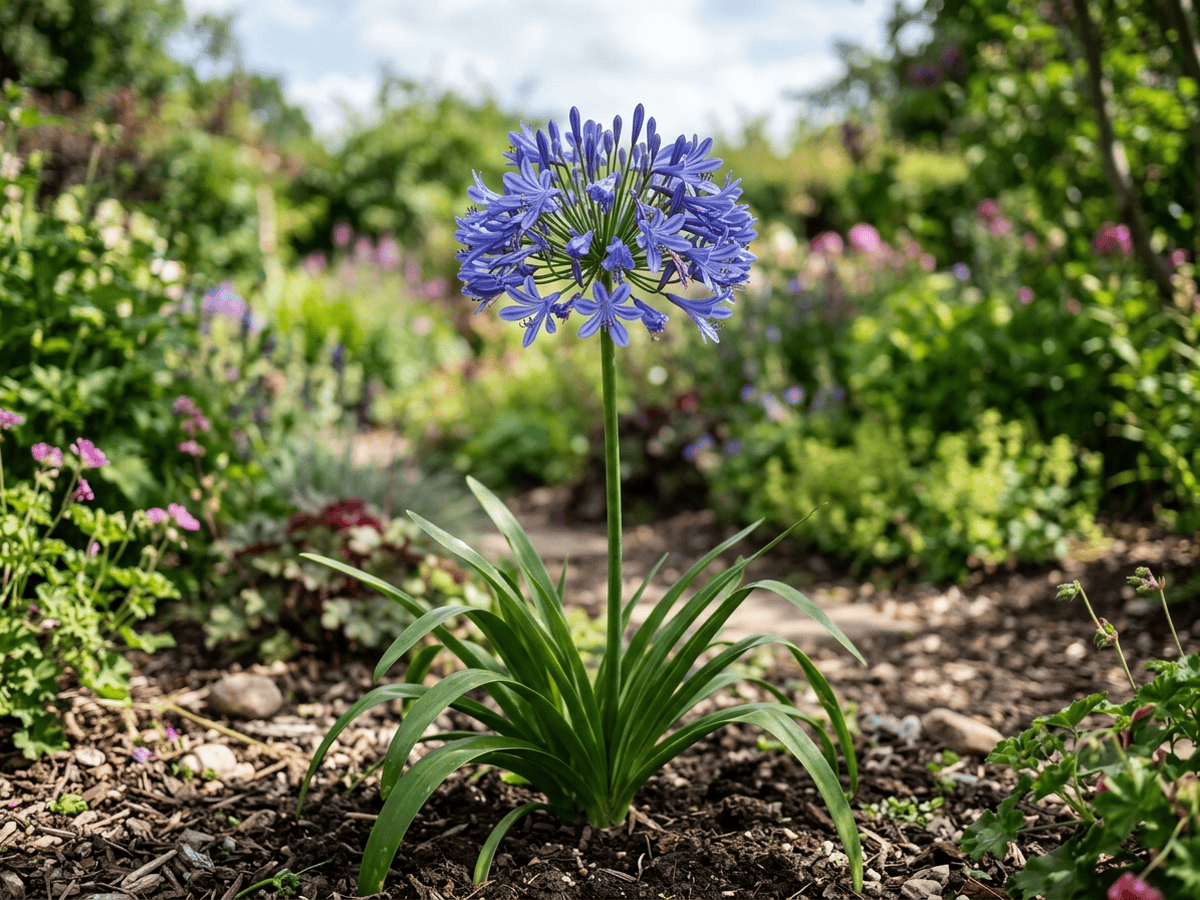 African LilyAgapanthus africanus
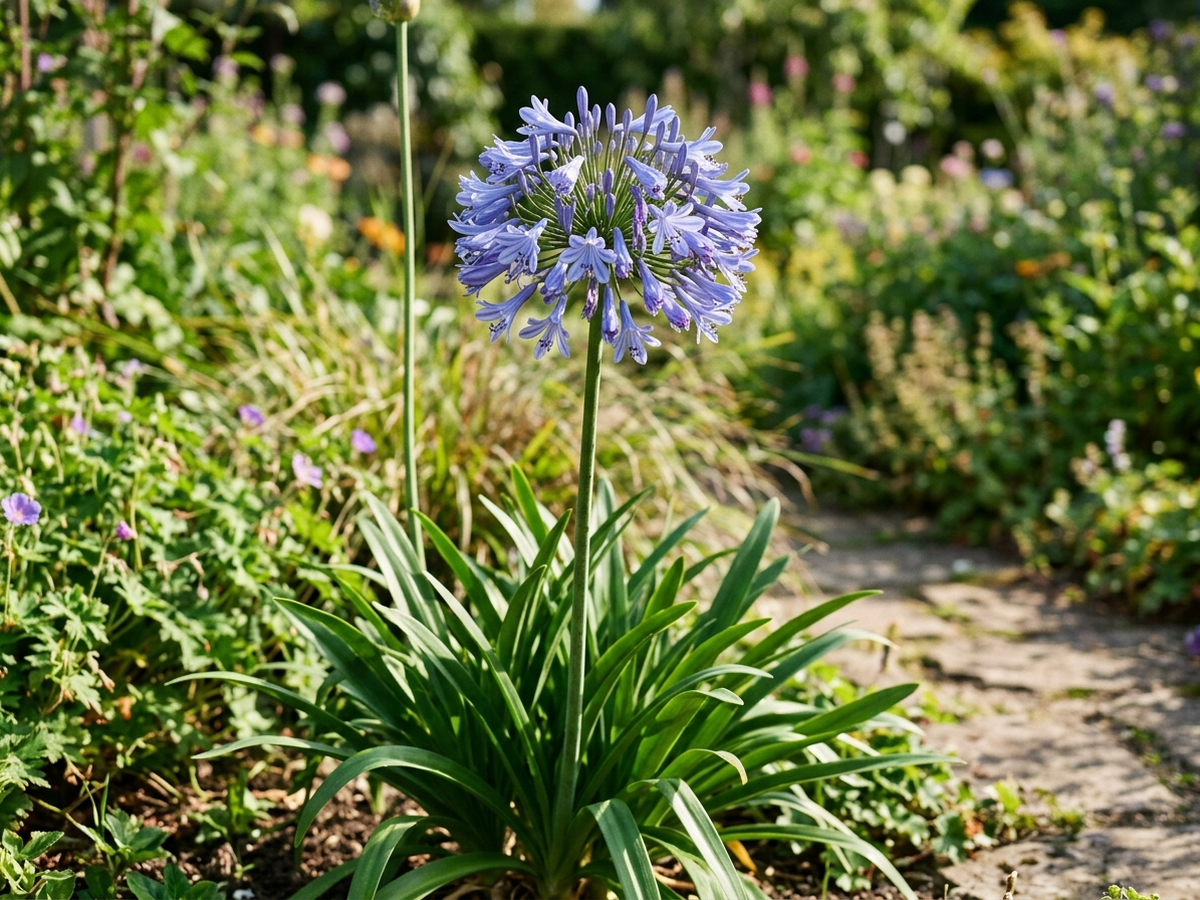 Bell AgapanthusAgapanthus campanulatus
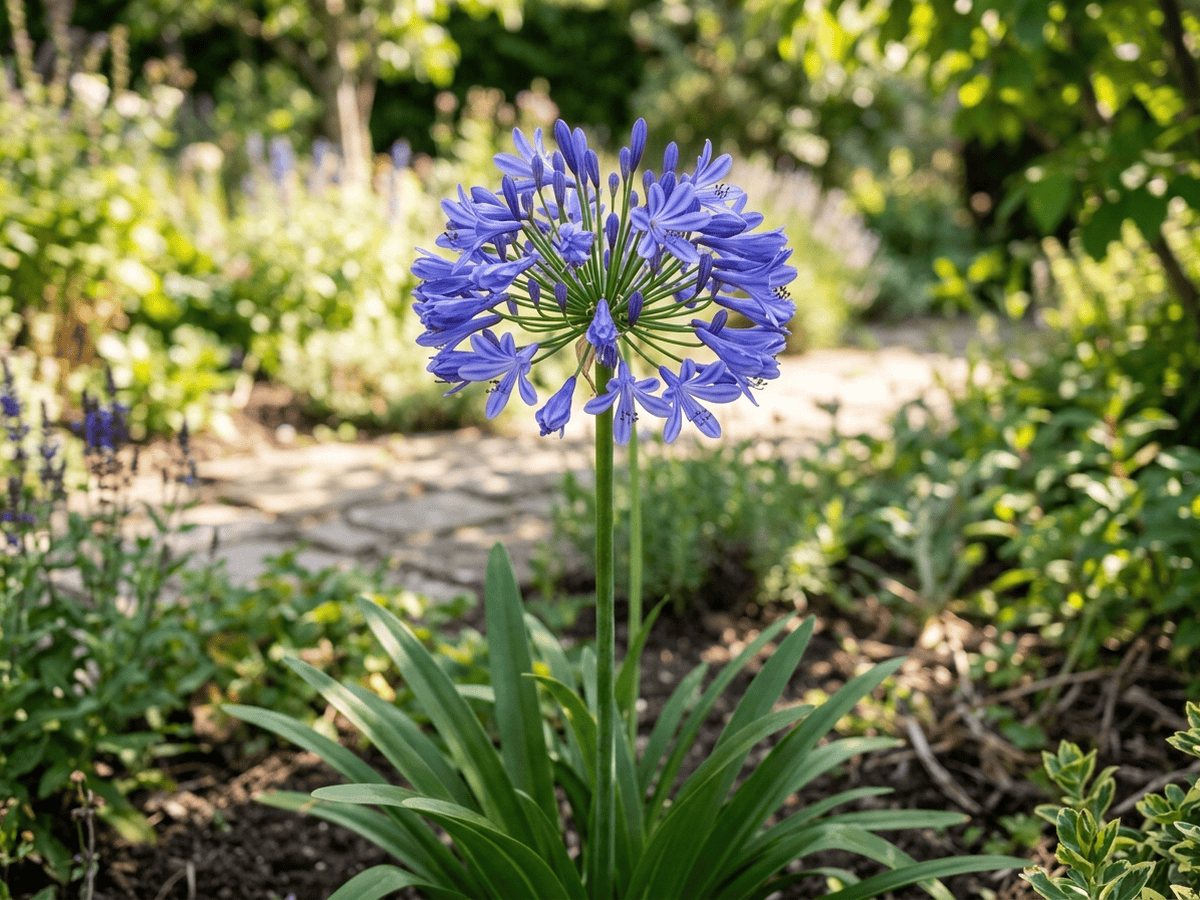 Common AgapanthusAgapanthus praecox
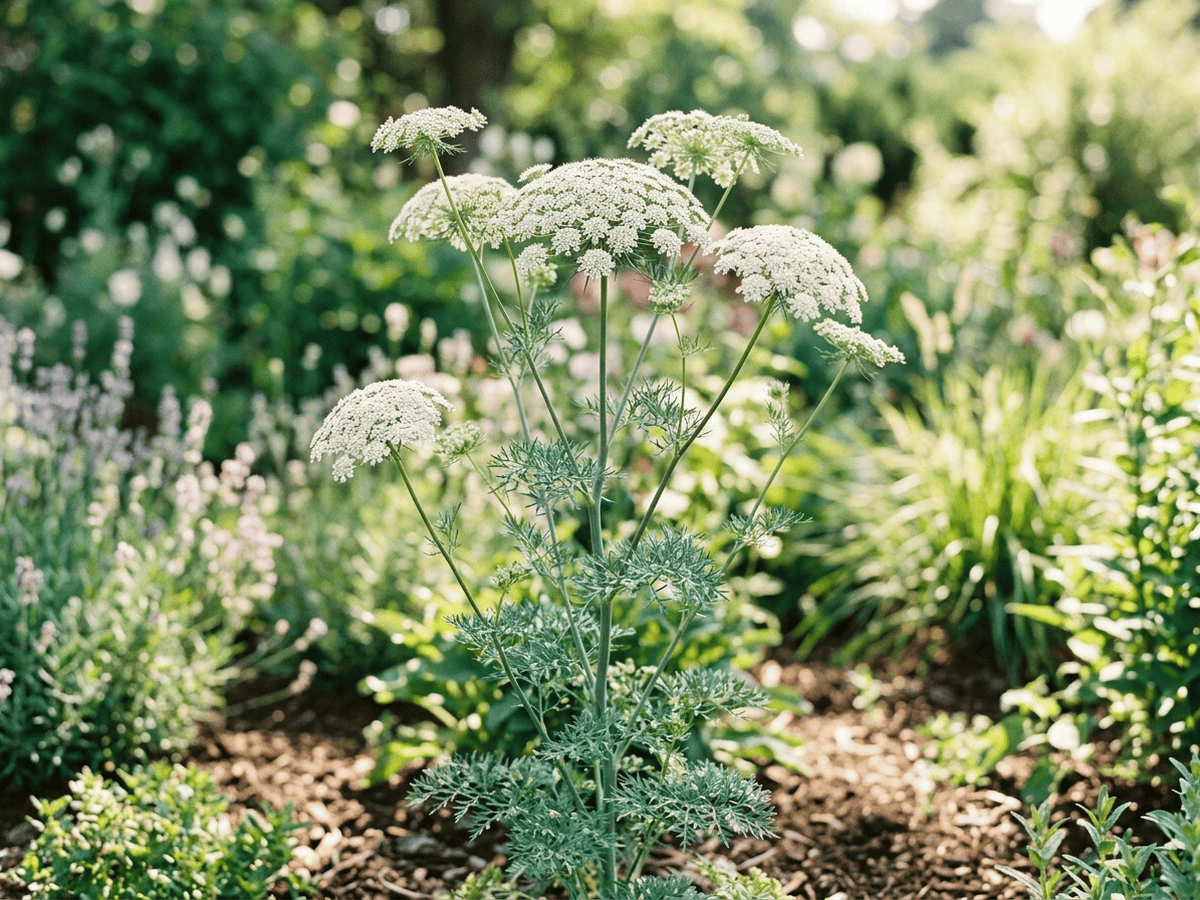 False Queen Anne's LaceAmmi majus glaucifolium
Frequently asked questions
How often should I water American Persimmon?
In summer, water about every 7 days; in winter, about every 30 days. Adjust for heat, pot size and drainage.
How much light does American Persimmon need?
Part sun: 4–6 hrs direct. Watch the leaves — scorching or stretching means the light needs adjusting.
Is American Persimmon toxic to cats or dogs?
No toxicity has been reported for this plant. Still, it is wise to keep pets from chewing on any houseplant. Educational information, not medical or veterinary advice. If exposure is suspected, contact a doctor or veterinarian.
Is American Persimmon easy to grow?
It is considered challenging and rewards experienced growers.
When does American Persimmon bloom?
It typically blooms Apr–May in the Northern Hemisphere.
YardMate
Identify any plant in seconds
Snap a photo — YardMate names the plant, diagnoses problems, and reminds you when to water.
Download on the App Store