 YardMate


Lucky Bamboo
Dracaena sanderiana
Easy · Beginner friendlyAbout Lucky Bamboo
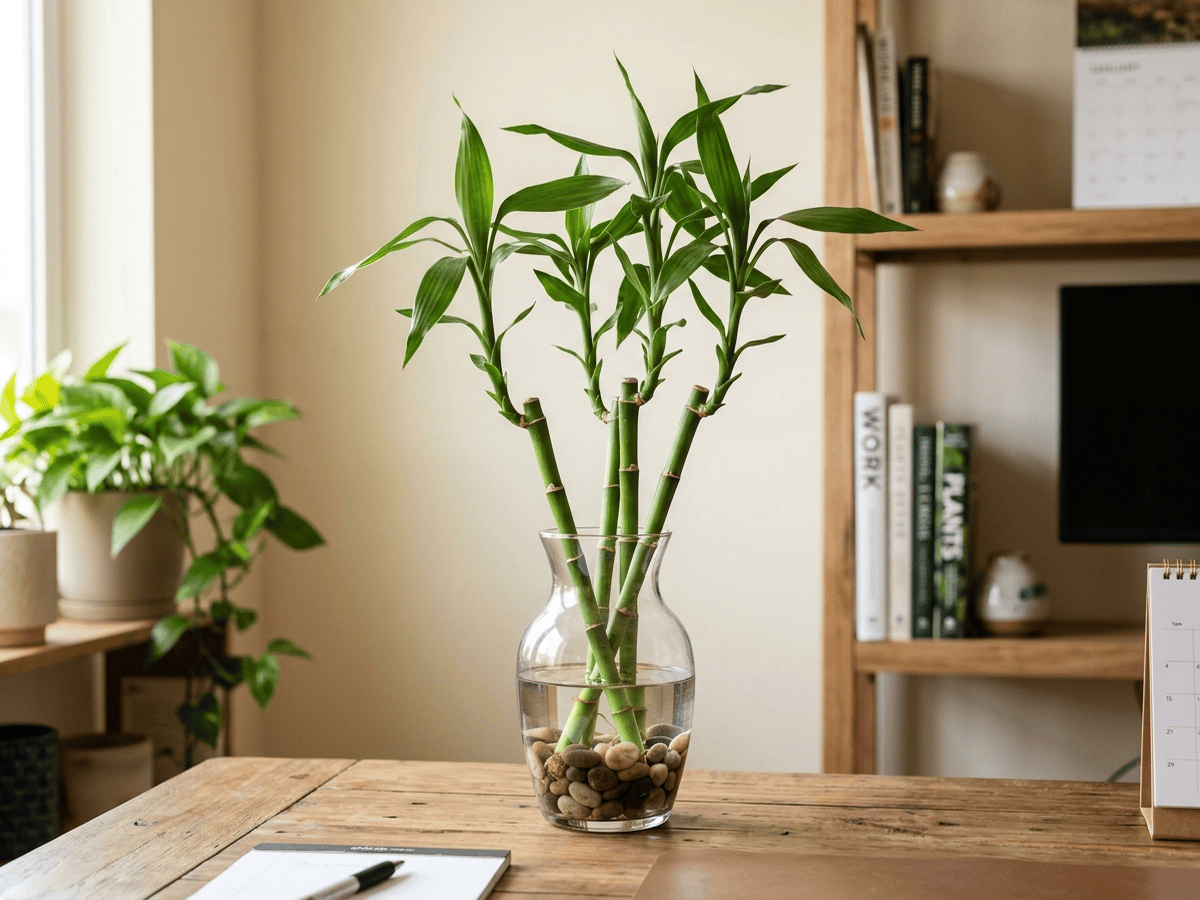
Dracaena sanderiana, known popularly as lucky bamboo, is actually not a bamboo at all but a tropical evergreen shrub in the asparagus family, native to Central Africa. Sold as bare stems trained into spirals, braids, and other shapes, it is marketed worldwide as a feng shui plant promoting prosperity and luck.
Plants thrive in a vase of water with pebbles or in well-drained potting mix. They tolerate low light, low humidity, and irregular care — perfect for office desks. Change water weekly if grown hydroponically to prevent stagnation.
The 'lucky' mythology is a modern marketing invention, but the plant is genuinely undemanding and symbolically powerful in Chinese-American and global feng shui culture, where the number of stalks carries specific meanings (3 = happiness, 5 = wealth, 8 = prosperity).
- Shade-tolerant
- Low-maintenance
- Evergreen
How to care for Lucky Bamboo
Watering
- Springevery 7 days
- Summerevery 7 days
- Fallevery 10 days
- Winterevery 14 days
Soil · Fast-draining
- Main mixSand + pumice + soil 1:1:150%
- DrainagePumice / gravel50%
Keep grit at half the mix or more — this soil is meant to dry out fast.
FERTILIZER
Balanced Feed 14-14-14
An even feed covers all three needs at once, keeping leaves, roots and blooms moving together with nothing pushed out of balance.
- Nitrogen · Leaves
- Phosphorus · Roots + Blooms
- Potassium · Strength
- Springevery 30 days
- Summerevery 30 days
- Fallevery 45 days
At a Glance
- NativeAfrica
- Height2–3 ft (0.6–0.9 m)
- Spread1–1.5 ft (0.3–0.5 m)
- Flower colorWhite
- Foliage colorGreen, Variegated
- SoilLoamy, Well-drained
- LocationsIndoor
Bloom time
BLOOM CYCLE
Peak bloom
Jun–Aug
Rarely blooms indoors; outdoor plants produce small white flower clusters.
Fragrance
NO FRAGRANCE
Not fragrant.
Toxicity
Humans Slight · Pets Moderate
saponins
Slight
- Leaf
- Stem
- Sap
- Ingestion
EXPOSURE Eating leaves, stems, and sap.
EFFECT Mild oral irritation and mild GI upset.
NOTE Documented concern for humans: Mild oral irritation and mild GI upset.
Moderate
- Leaf
- Stem
- Ingestion
EXPOSURE Eating leaves and stems.
EFFECT Vomiting, drooling, depression, weakness, dilated pupils (saponins).
NOTE Dracaena is ASPCA-toxic to dogs and cats. Human exposure is usually mild, but NC State flags poisonous-if-ingested/problem-for-children characteristics.
Moderate
- Leaf
- Stem
- Ingestion
EXPOSURE Eating leaves and stems.
EFFECT Vomiting, drooling, depression, weakness, dilated pupils and more severe in cats.
NOTE Dracaena is ASPCA-toxic to dogs and cats. Human exposure is usually mild, but NC State flags poisonous-if-ingested/problem-for-children characteristics.
Educational information, not medical or veterinary advice. If exposure is suspected, contact a doctor or veterinarian.
DISTRIBUTION


- Native
- Introduced
- Africa
History
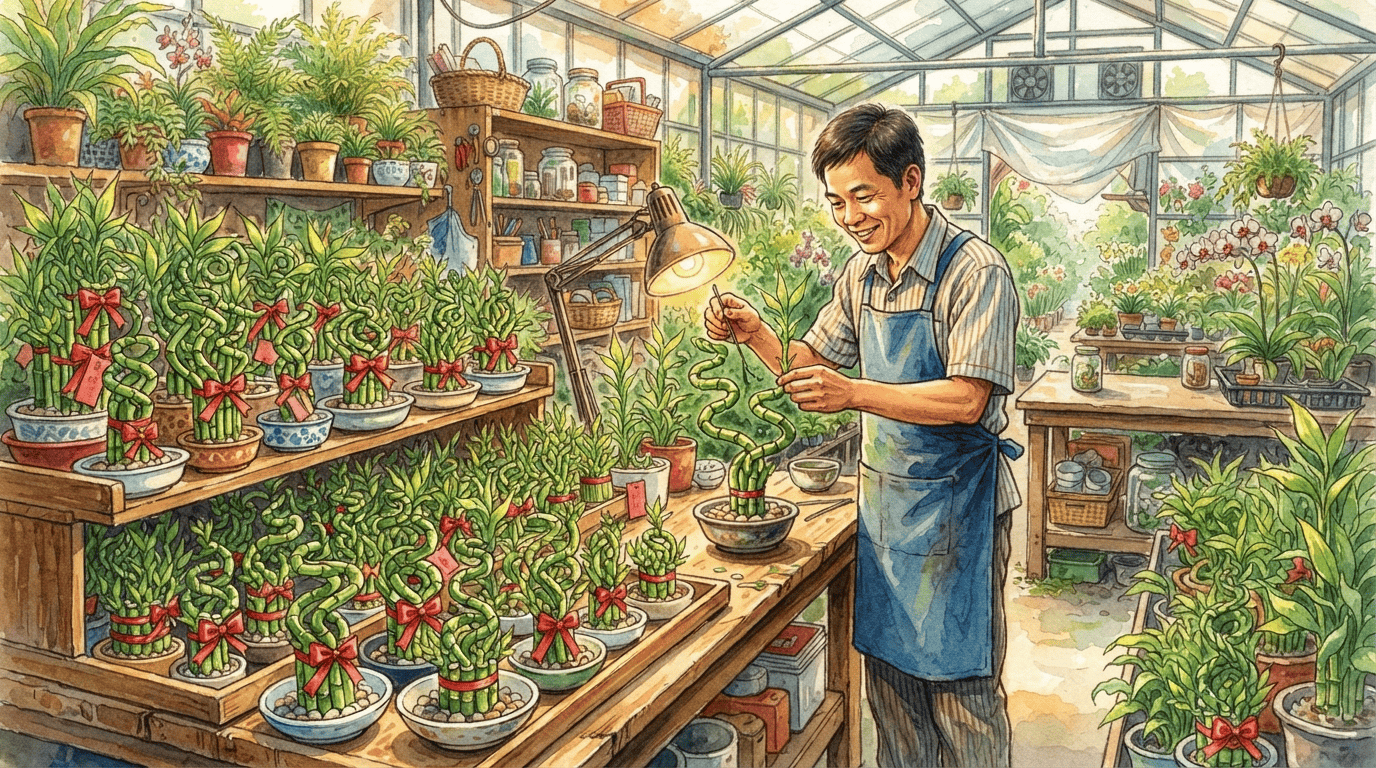
Dracaena sanderiana is native to Cameroon and Central Africa, where it grows as a forest-floor shrub. The species was described by German botanist Henry Sander in the late 19th century. Its transformation into the global 'lucky bamboo' phenomenon is entirely a product of modern marketing: Chinese and Taiwanese growers in the 1990s began training the stalks into spirals and braids using gravitropic manipulation (rotating stems under light so they curl), then exporting them as feng shui plants.
The 'lucky' mythology linking stalk counts to outcomes (3=happiness, 5=health/wealth, 7=good health, 8=prosperity, 9=great luck) was invented for marketing but has become genuinely embedded in global feng shui practice. Fluoride-sensitivity means tap water often causes brown leaf tips; distilled or rain water is recommended for long-term indoor care. Not a true bamboo. Stalks braided/spiraled via gravitropic training under industrial conditions.
Symbolism & meaning
What It Symbolizes
Lucky Bamboo can symbolize good fortune in feng shui tradition, its arrangements of stalks each carrying specific blessings — three for happiness, five for wealth, seven for health. Beyond symbolism, it is also a plant of resilience, surviving low-light offices and casual neglect with the same patient grace. Few plants combine prosperity symbolism and sheer practical toughness so neatly as this rooted dracaena.
- Good Fortune — Feng shui symbol of prosperity and luck
- Resilience — Survives office neglect and low light
Where the Name Comes From
The name Lucky Bamboo describes its bamboo-like stems and gift-plant symbolism. Dracaena from Greek 'drakaina' (female dragon); 'sanderiana' honors German horticulturist Henry Sander.
Uses & Fun Facts
- Slender canes grow in water, pebbles, or small indoor containers
- Given as a symbolic good-luck plant for desks and entry tables
Related plants
More Dracaena plants
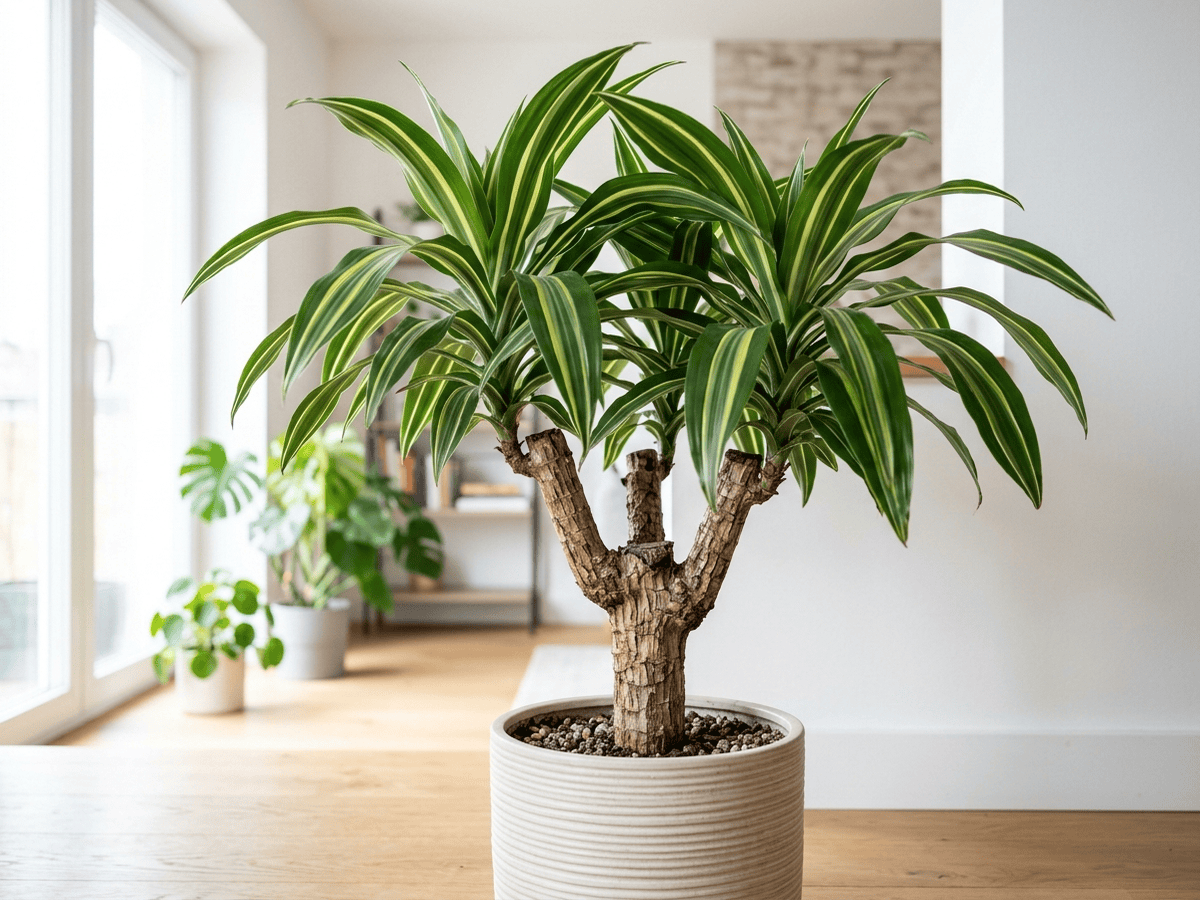 Corn PlantDracaena fragrans
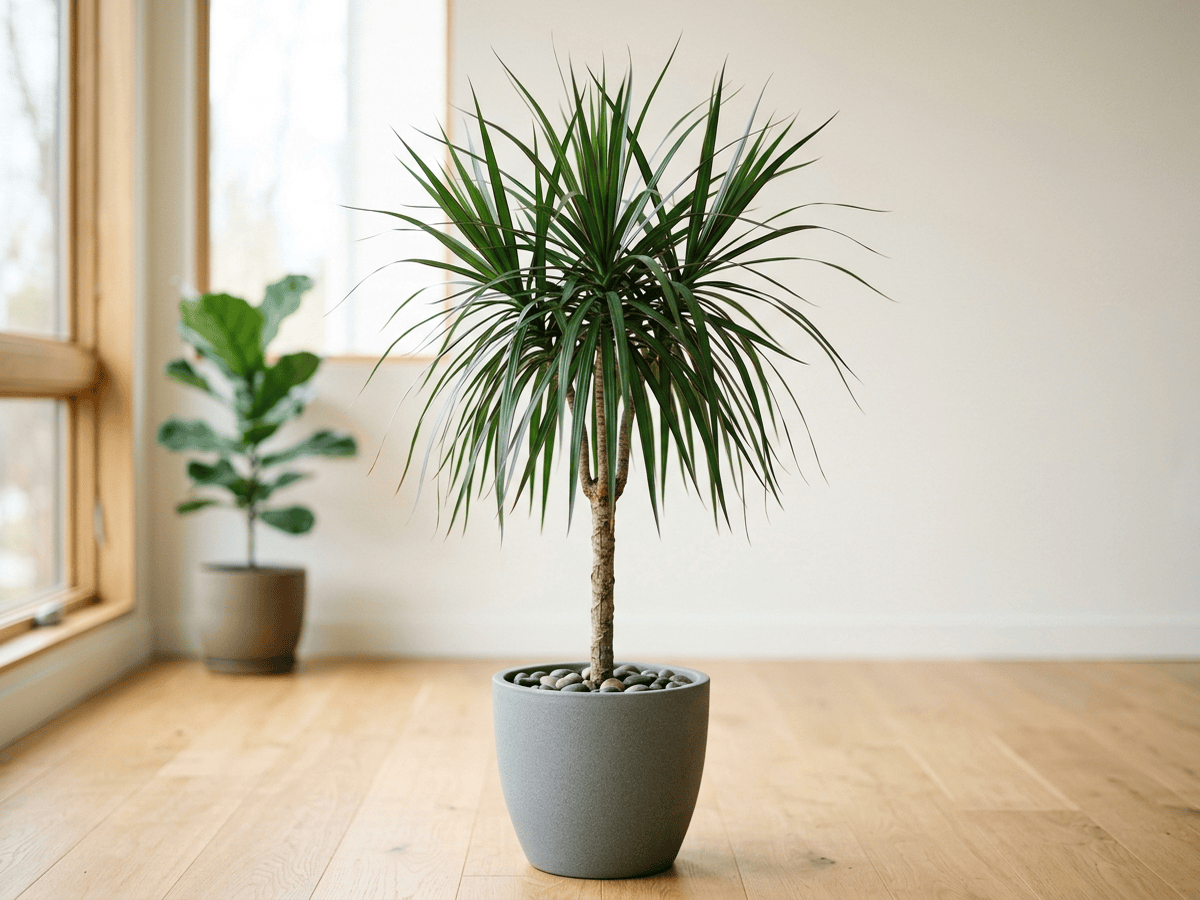 Madagascar Dragon TreeDracaena marginata
 Song Of IndiaDracaena reflexa
 Snake PlantDracaena trifasciata
Plants with similar care
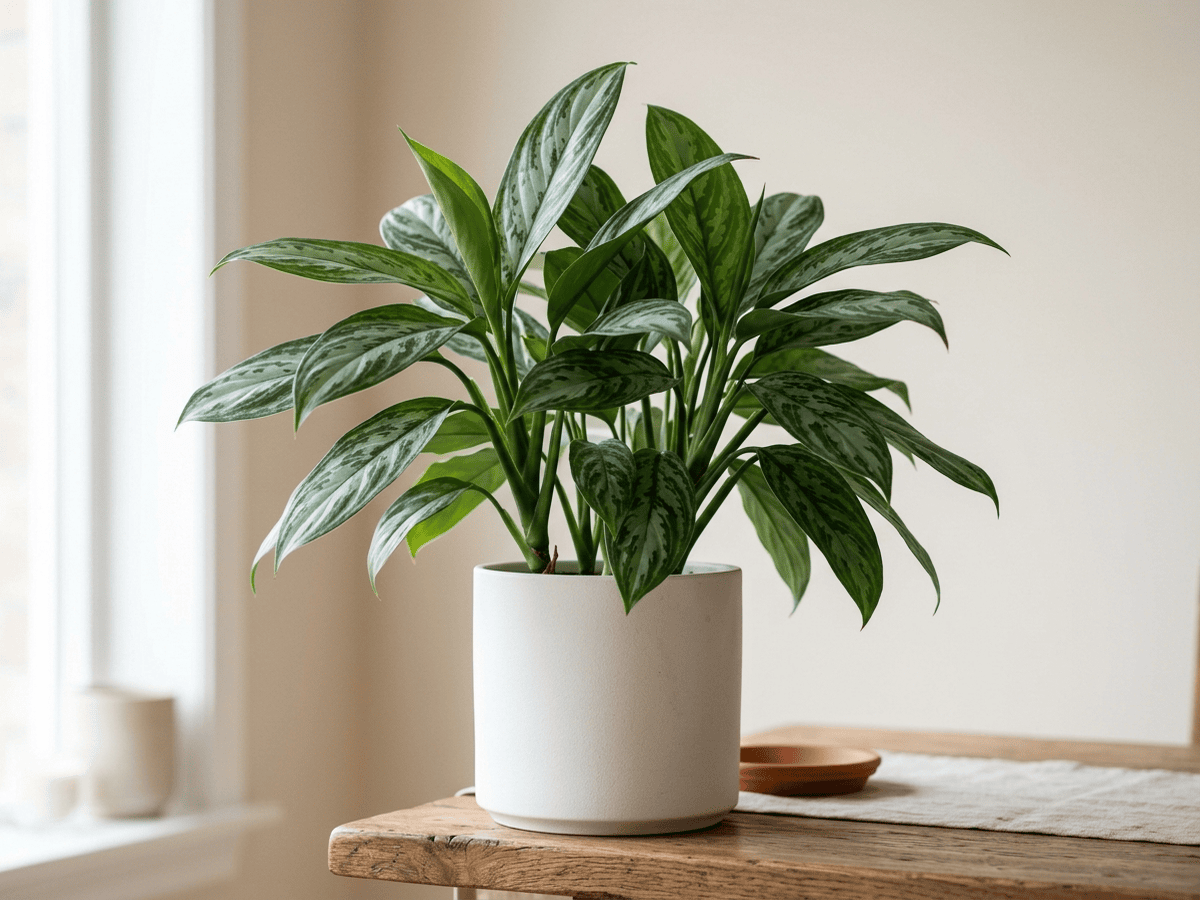 Philippine EvergreenAglaonema commutatum
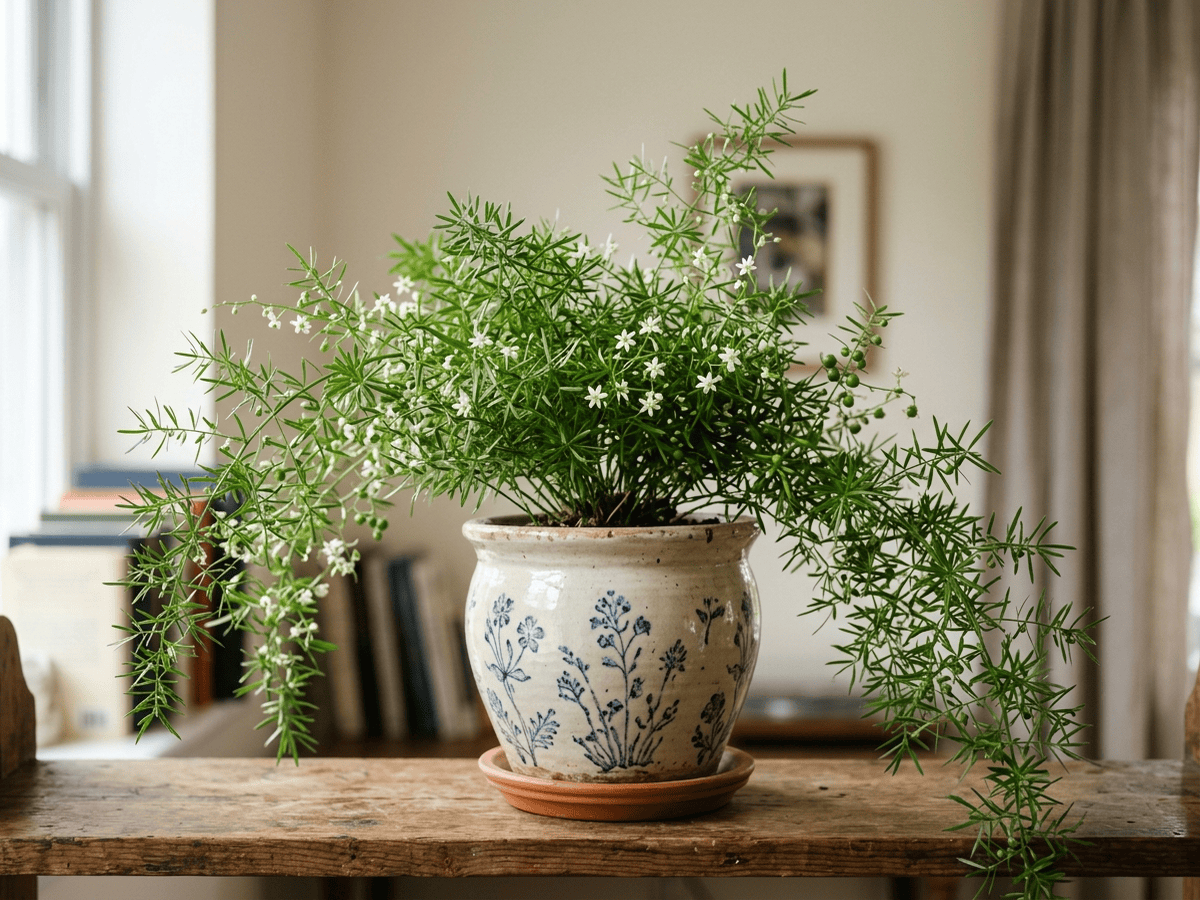 Sprenger's AsparagusAsparagus densiflorus
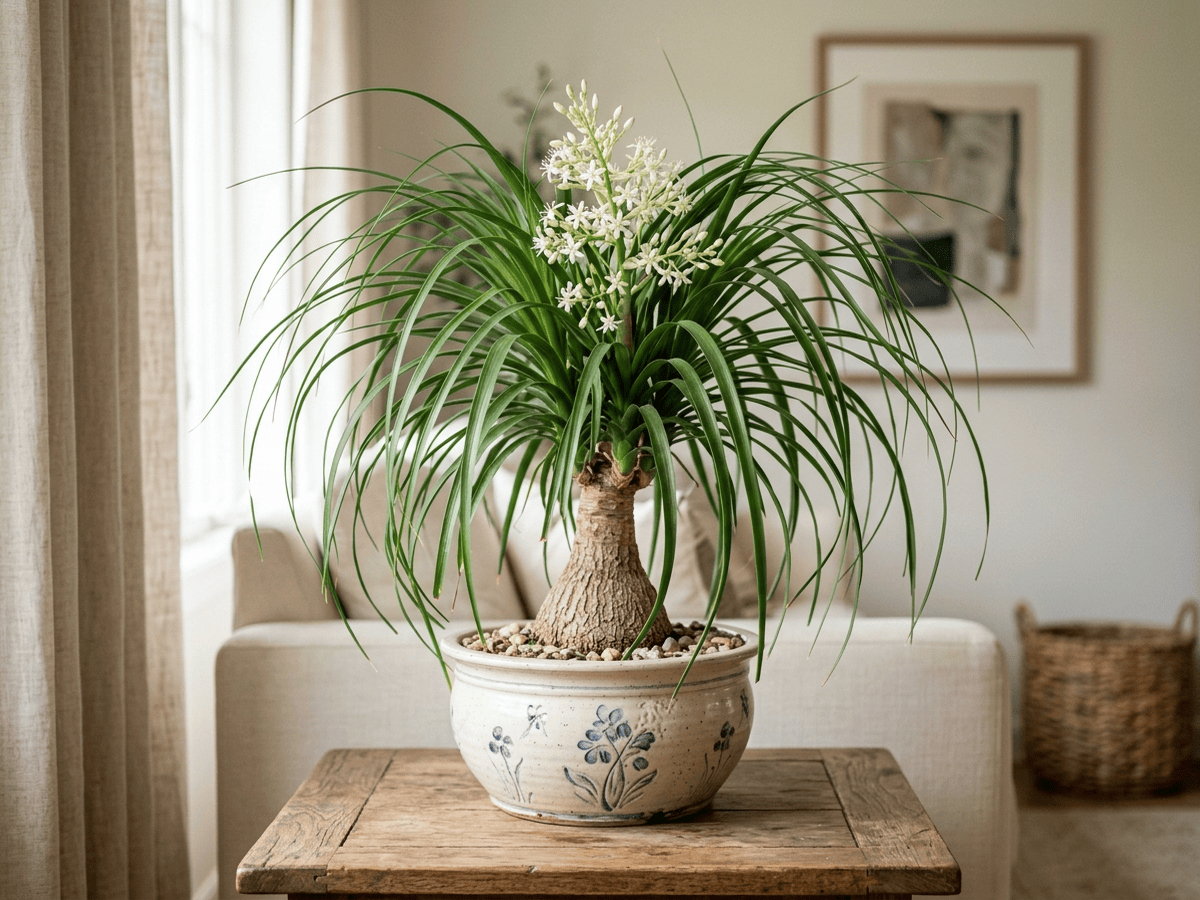 Ponytail PalmBeaucarnea recurvata
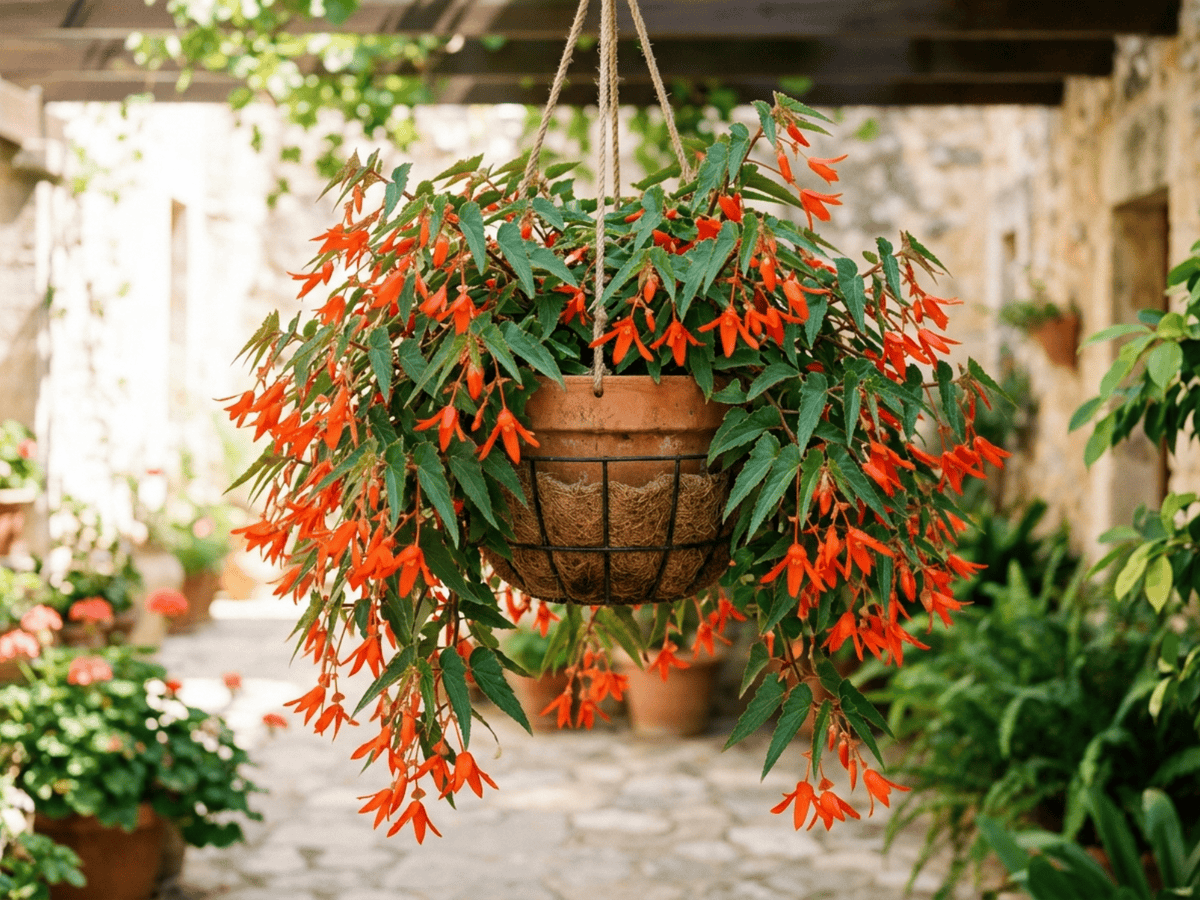 Tuberous BegoniaBegonia boliviensis
Frequently asked questions
How often should I water Lucky Bamboo?
In summer, water about every 7 days; in winter, about every 14 days. Adjust for heat, pot size and drainage.
How much light does Lucky Bamboo need?
Part shade: 2–4 hrs direct. Watch the leaves — scorching or stretching means the light needs adjusting.
Is Lucky Bamboo toxic to cats or dogs?
Pets Moderate (Dogs Moderate · Cats Moderate) Educational information, not medical or veterinary advice. If exposure is suspected, contact a doctor or veterinarian.
Is Lucky Bamboo easy to grow?
Yes — it is considered an easy, beginner-friendly plant.
Can Lucky Bamboo be grown indoors?
Yes, it adapts well to indoor growing given the right light.
When does Lucky Bamboo bloom?
It typically blooms Jun–Aug in the Northern Hemisphere.
YardMate
Identify any plant in seconds
Snap a photo — YardMate names the plant, diagnoses problems, and reminds you when to water.
Download on the App Store