 YardMate

California Buckwheat
Eriogonum fasciculatum
Easy · Beginner friendlyAbout California Buckwheat
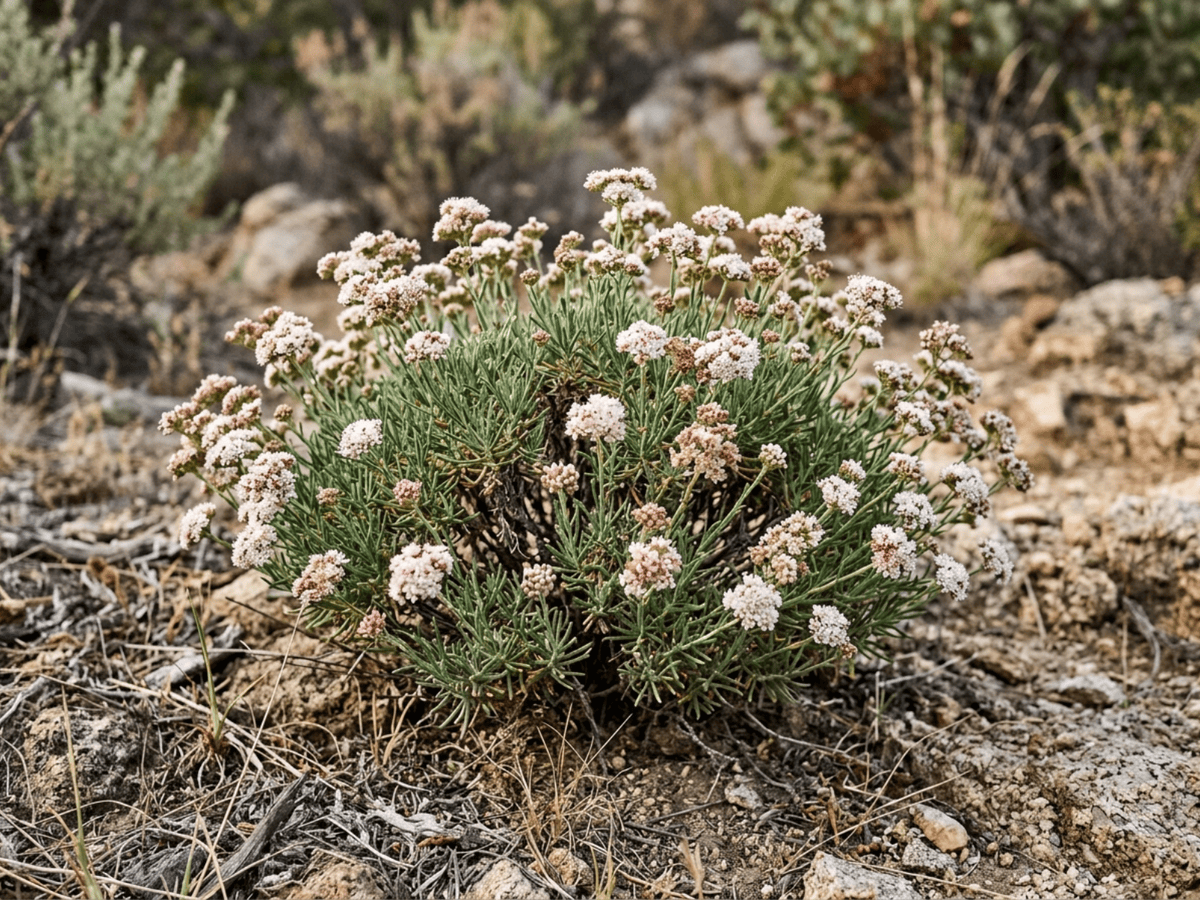
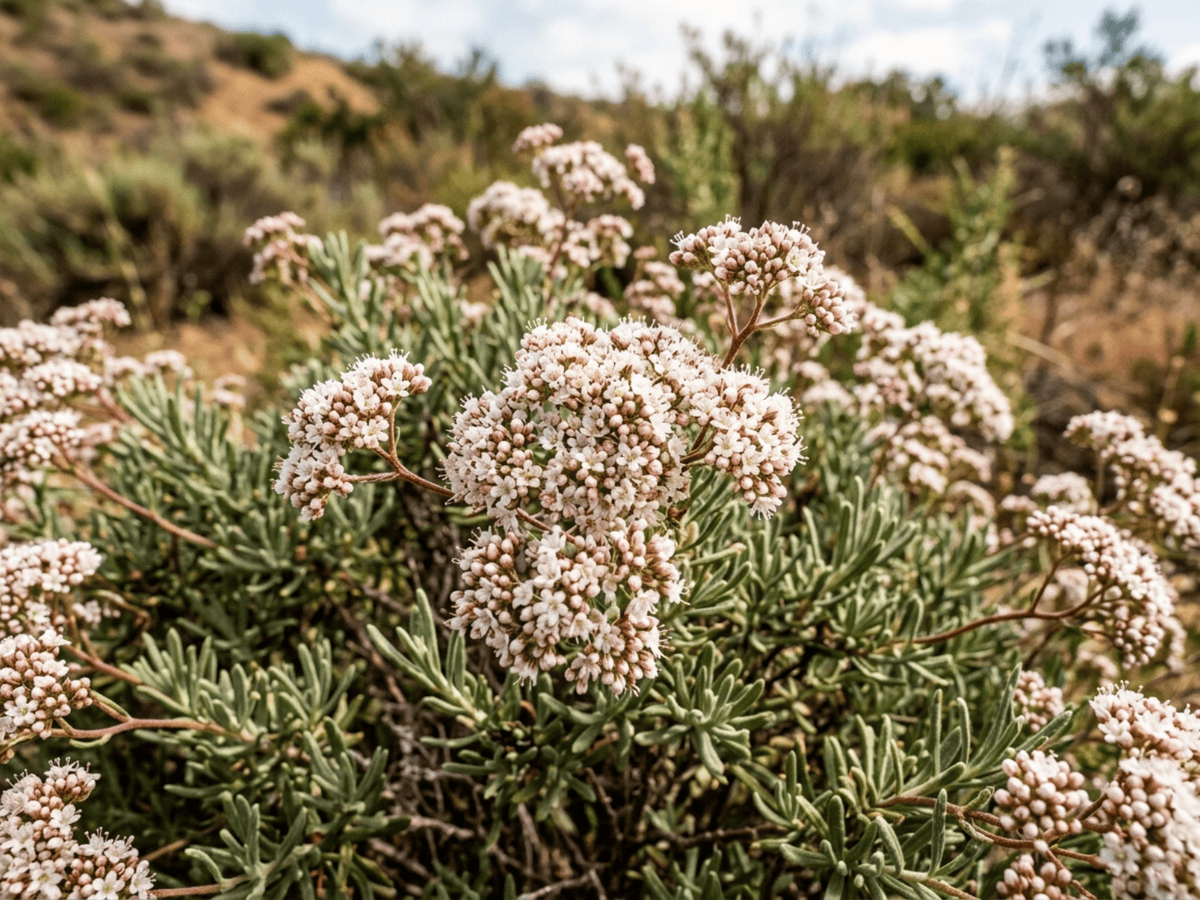
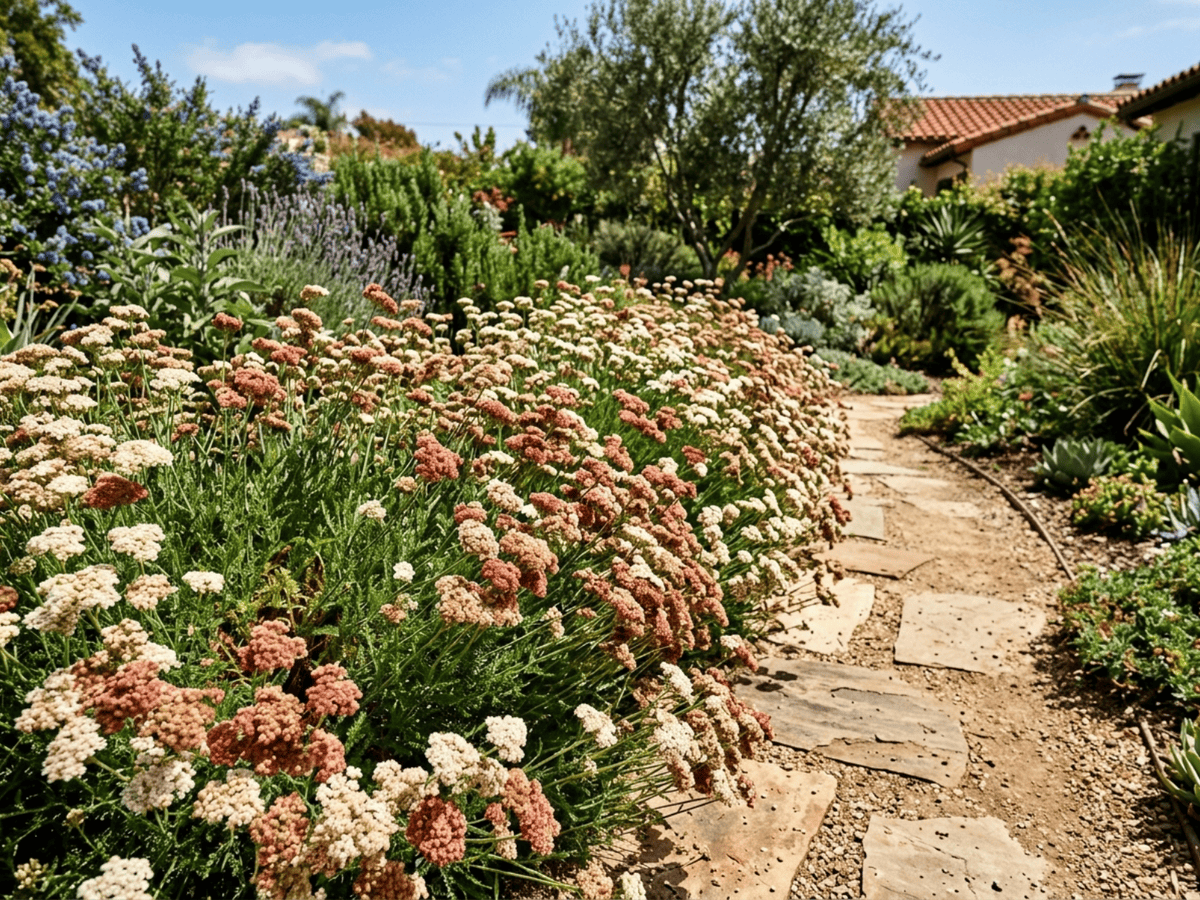
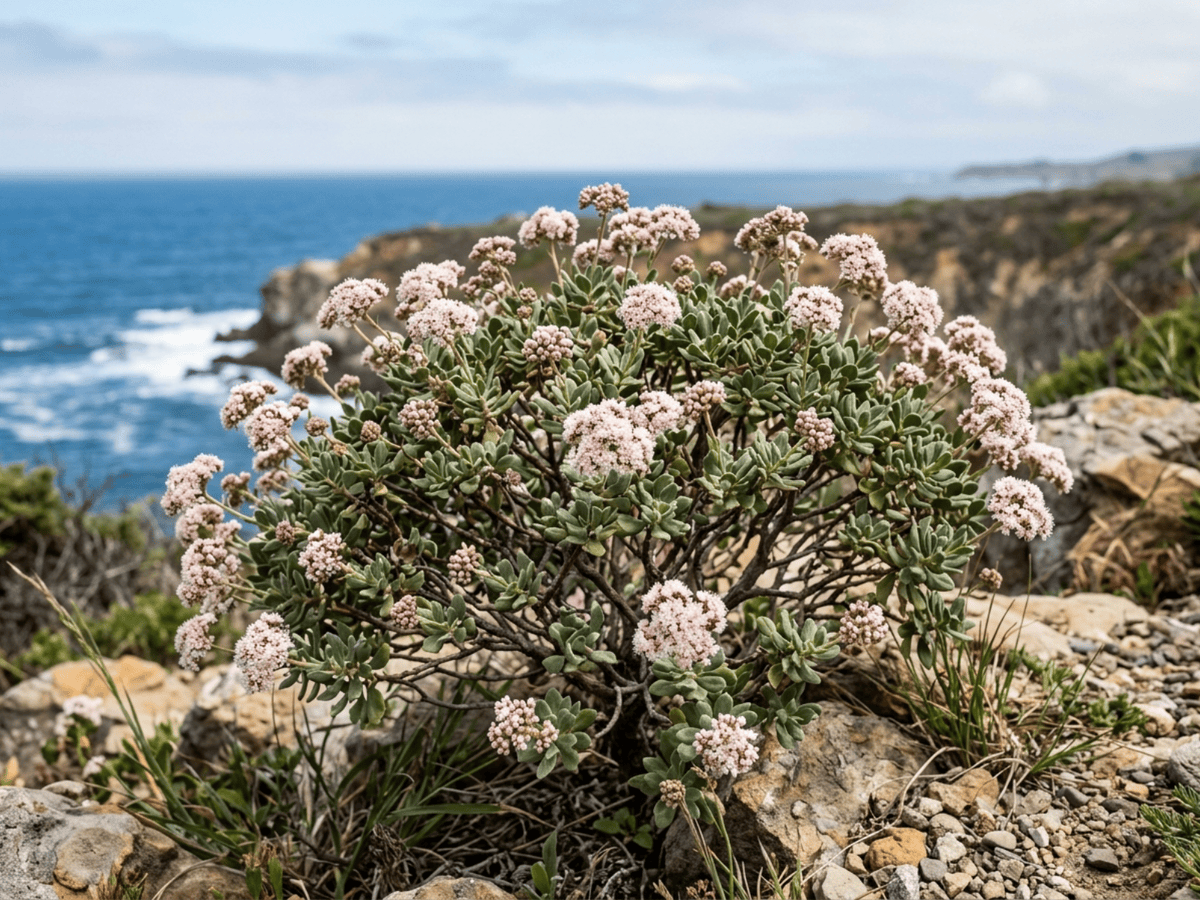
California Buckwheat is a fundamental California native shrub of coastal sage scrub and chaparral, reaching 1-3 feet tall with needle-like gray-green leaves and clusters of small white-to-pink flowers that age to rich rust-brown. One of the most important nectar sources for native bees, butterflies, and beneficial insects, it blooms for months and provides reliable year-round habitat value. Extremely drought-tolerant and essential for restoration of California native habitats.
- Drought-tolerant
- Deer-resistant
- Evergreen
- Native
How to care for California Buckwheat
Watering
- Springevery 14 days
- Summerevery 21 days
- Fallevery 30 days
- Winterpause watering
Soil · Well-draining
- Top dressingPine bark mulch10%
- Main mixPotting soil + perlite 2:170%
- DrainageLECA / gravel20%
Never skip the drainage layer — standing water is the top cause of root rot.
FERTILIZER
This plant needs little to no feeding.
At a Glance
- NativeNorth America
- Height1–3 ft (0.3–0.9 m)
- Spread3–5 ft (0.9–1.5 m)
- Flower colorWhite, Cream, Pink, Orange
- Foliage colorGreen
- SoilSandy, Well-drained
- LocationsYard
Bloom time
BLOOM CYCLE
Peak bloom
May–Oct
White to pink flower clusters May to October
Fragrance
LIGHT FRAGRANCE
Sweet honey-like scent attracting pollinators.
Toxicity
No toxicity has been reported for this plant. Still, it is wise to keep pets from chewing on any houseplant.
Educational information, not medical or veterinary advice. If exposure is suspected, contact a doctor or veterinarian.
DISTRIBUTION


- Native
- North America
History
Eriogonum fasciculatum is native to coastal sage scrub, chaparral, and desert-edge habitats of Southern California — from Monterey County south through the Transverse and Peninsular Ranges — and into northern Baja California, Mexico, and parts of western Arizona and Nevada. It is a spreading evergreen subshrub 0.5-1 meter tall and wide with small narrow gray-green leaves and, in late spring through summer, spectacular flat-topped clusters of tiny cream-white flowers held above the foliage on 15-30 cm stems. Individual flowers fade to rust-brown as they age, and the persistent dried flower heads remain on the plant for months and add landscape interest through late summer and autumn. The species is arguably the single most important native insect nectar plant of Southern California — the summer flowers support huge diversity of native bees, butterflies, flower beetles, wasps, and flies, and the plant is a critical host plant for several rare butterflies including the endangered Hermes copper (Lycaena hermes).
It is also a major commercial honey source: Southern California commercial beekeepers produce "California buckwheat honey" (not from the agricultural buckwheat Fagopyrum — this is a wild-type regional native wildflower honey) as a distinctive regional specialty dark-amber honey. The species is widely planted in California-native ornamental and restoration landscaping, and is one of the best "gateway" California natives for gardeners wanting to support native pollinators. Several named cultivars including "Warriner Lytle" and "Dana Point" are widely available.
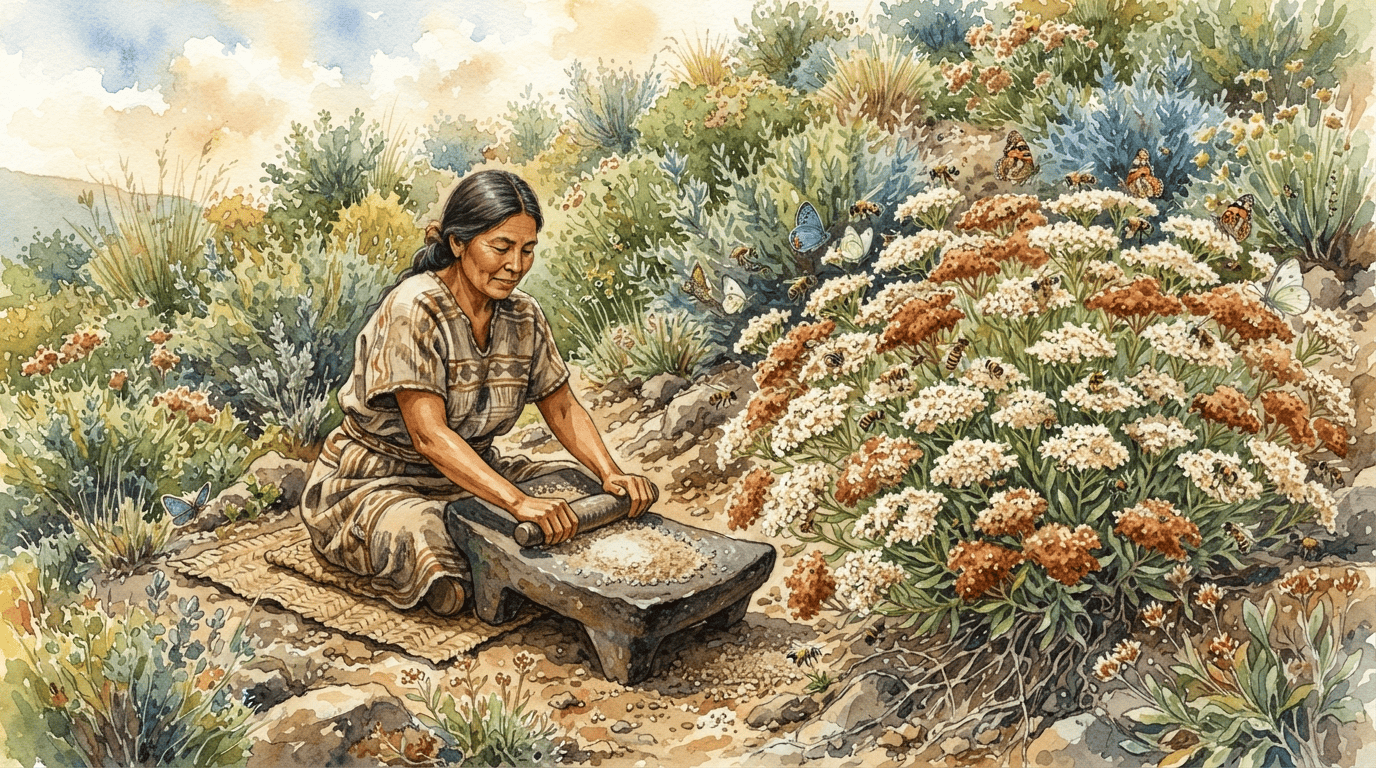
Seeds were ground into flour by many California tribes including the Cahuilla. One of the most ecologically important plants in California, supporting rare butterflies like the El Segundo blue and dotted blue, whose larvae feed exclusively on buckwheat.
Symbolism & meaning
What It Symbolizes
California Buckwheat can symbolize endurance, thriving in the harshest dry slopes of the state where rainfall is brief and summers are merciless. Its other meaning is generosity, for the small white-pink flower clusters feed countless native pollinators across nearly every season of the year. In the language of California native gardens, eriogonum is the working flower, modest in appearance but central to the survival of bees, butterflies and the whole quiet ecology around it.
- Endurance — thrives in the harshest California conditions
- Generosity — feeds countless pollinators year-round
Where the Name Comes From
The name California Buckwheat points to California. 'Eriogonum' from Greek 'erion' (wool) and 'gonu' (knee), referring to hairy leaf nodes; 'fasciculatum' means 'bundled'.
Uses & Fun Facts
- Flat flower clusters feed native bees and butterflies
- California buckwheat thrives in dry chaparral plantings
Related plants
More Eriogonum plants
Plants with similar care
 Chinese AbeliaAbelia chinensis
 Fragrant AbeliaAbelia mosanensis
 Large-Flowered AbeliaAbelia uniflora
 Glossy AbeliaAbelia x grandiflora
Frequently asked questions
How often should I water California Buckwheat?
Water about every 14 days during the growing season, and always let excess water drain away.
How much light does California Buckwheat need?
Full sun: 6+ hrs direct. Watch the leaves — scorching or stretching means the light needs adjusting.
Is California Buckwheat toxic to cats or dogs?
No toxicity has been reported for this plant. Still, it is wise to keep pets from chewing on any houseplant. Educational information, not medical or veterinary advice. If exposure is suspected, contact a doctor or veterinarian.
Is California Buckwheat easy to grow?
Yes — it is considered an easy, beginner-friendly plant.
When does California Buckwheat bloom?
It typically blooms May–Oct in the Northern Hemisphere.
YardMate
Identify any plant in seconds
Snap a photo — YardMate names the plant, diagnoses problems, and reminds you when to water.
Download on the App Store