 YardMate


Torch Ginger
Etlingera elatior
Hard · Experienced growersAbout Torch Ginger
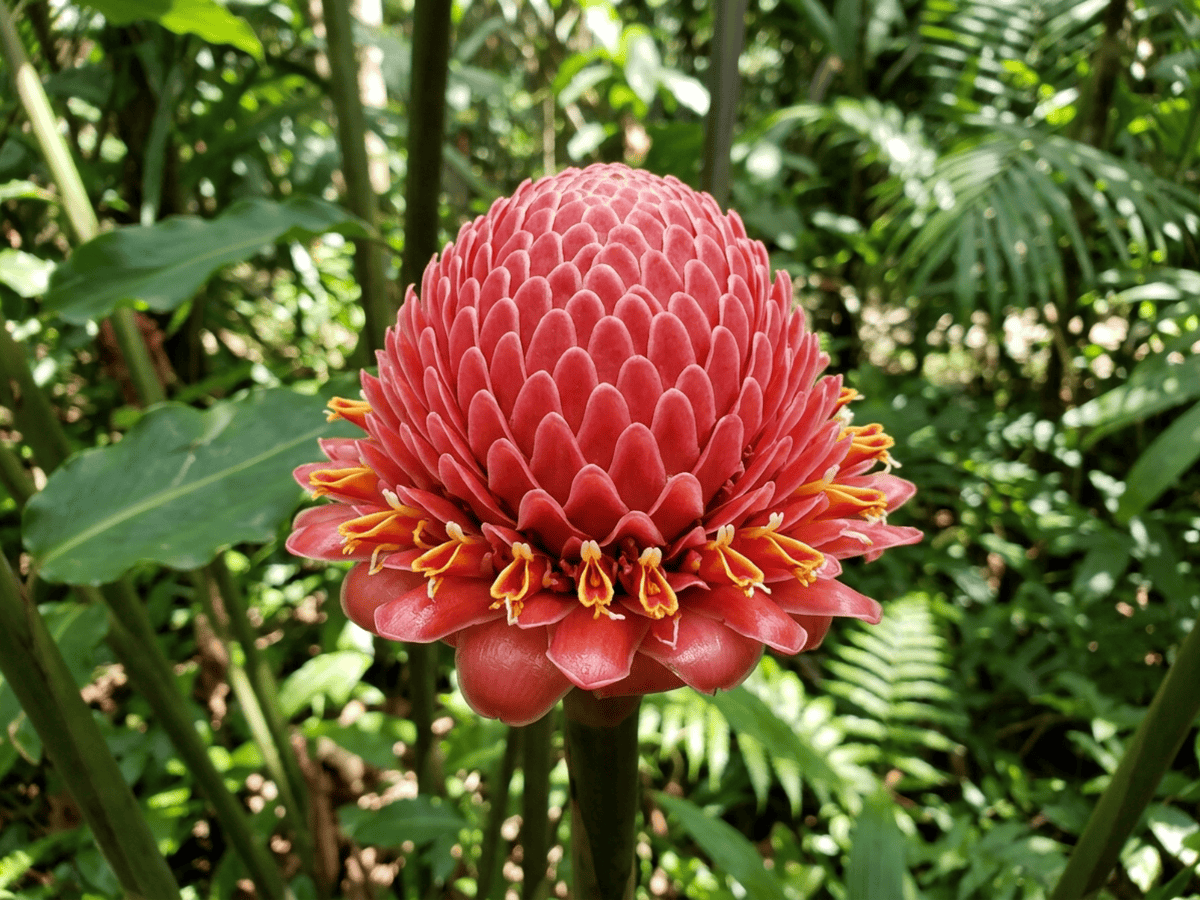
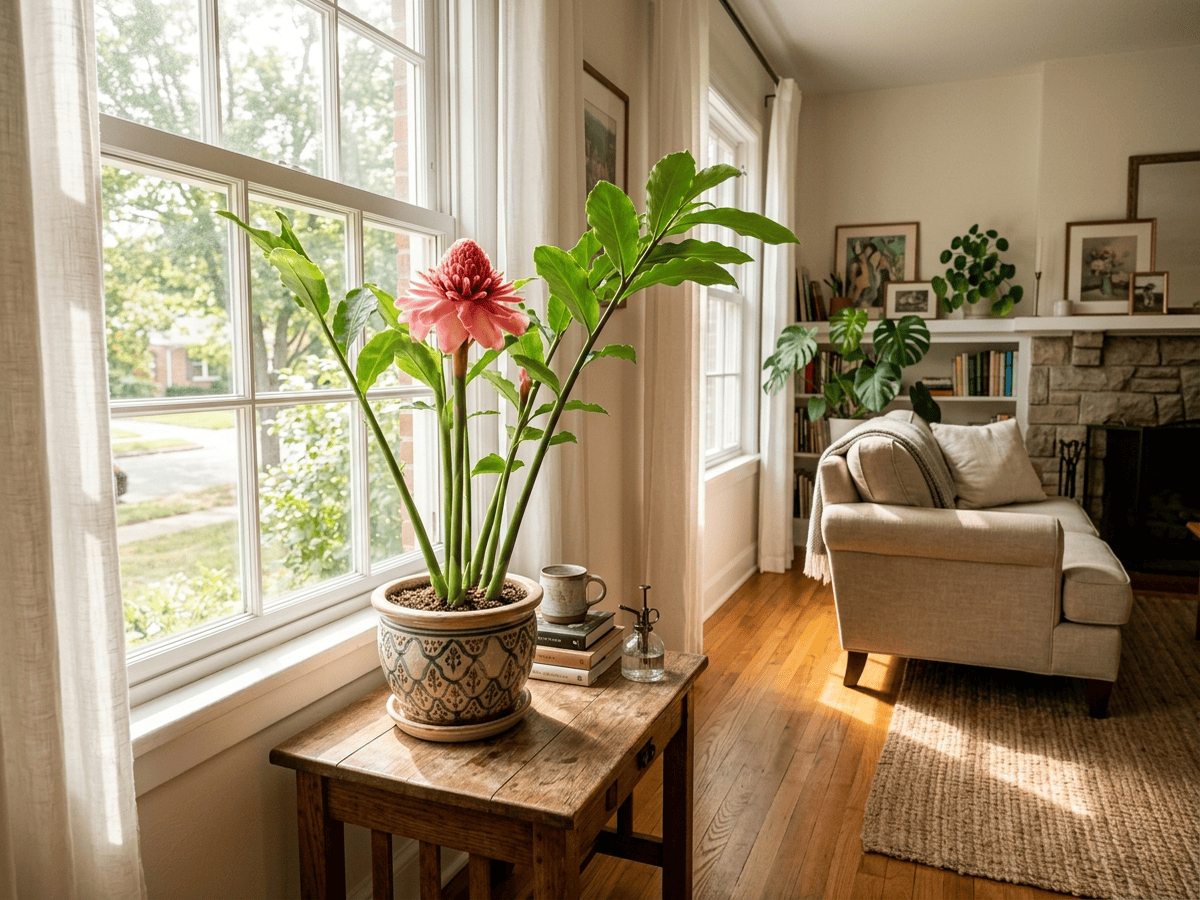
Torch Ginger is a spectacular tropical plant native to the rainforests of Malaysia, Indonesia, and surrounding regions. It produces towering cane-like stems reaching 15 to 20 feet, but its true glory lies in the waxy, cone-shaped inflorescences that emerge on separate stalks directly from the rhizome at ground level. These torch-like flowers come in vivid shades of red, pink, or porcelain white, and can measure up to 10 inches across. The flower buds are a prized ingredient in Southeast Asian cuisine — essential in Malaysian laksa soup, Thai salads, and Indonesian sambals, where they contribute a tart, gingery flavor. The plant requires consistently warm temperatures above 60°F, high humidity, and rich moist soil. In tropical gardens it makes an unforgettable specimen, while in cooler climates it can be container-grown and overwintered indoors. Torch Ginger is widely used in tropical floristry because the cut flowers are extraordinarily long-lasting, often persisting for two weeks or more in arrangements.
- Edible
- Tropical
How to care for Torch Ginger
Watering
- Springevery 2 days
- Summerevery 2 days
- Fallevery 3 days
- Winterevery 7 days
Soil · Well-draining
- Top dressingPine bark mulch10%
- Main mixPotting soil + perlite 2:170%
- DrainageLECA / gravel20%
Never skip the drainage layer — standing water is the top cause of root rot.
FERTILIZER
Bloom Booster 10-52-10
A phosphorus-forward feed fuels abundant blooms, with just enough nitrogen and potassium to keep foliage and roots steady.
- Nitrogen · Leaves
- Phosphorus · Roots + Blooms
- Potassium · Strength
- Springevery 30 days
- Summerevery 30 days
- Fallevery 30 days
At a Glance
- NativeEast Asia, Pacific Islands
- Height12–20 ft (3.7–6.1 m)
- Spread6–10 ft (1.8–3 m)
- Flower colorPink, Red, White
- Foliage colorGreen
- SoilRich, Moisture-retentive, Loamy
- LocationsYard
Bloom time
BLOOM CYCLE
Peak bloom
Jan–Dec
Vivid red or pink torch-shaped blooms emerge from the base year-round in tropics
Fragrance
MODERATE FRAGRANCE
The flowers have a warm gingery-floral scent.
Toxicity
No toxicity has been reported for this plant. Still, it is wise to keep pets from chewing on any houseplant.
Educational information, not medical or veterinary advice. If exposure is suspected, contact a doctor or veterinarian.
DISTRIBUTION


- Native
- Introduced
- East Asia
- Pacific Islands
History
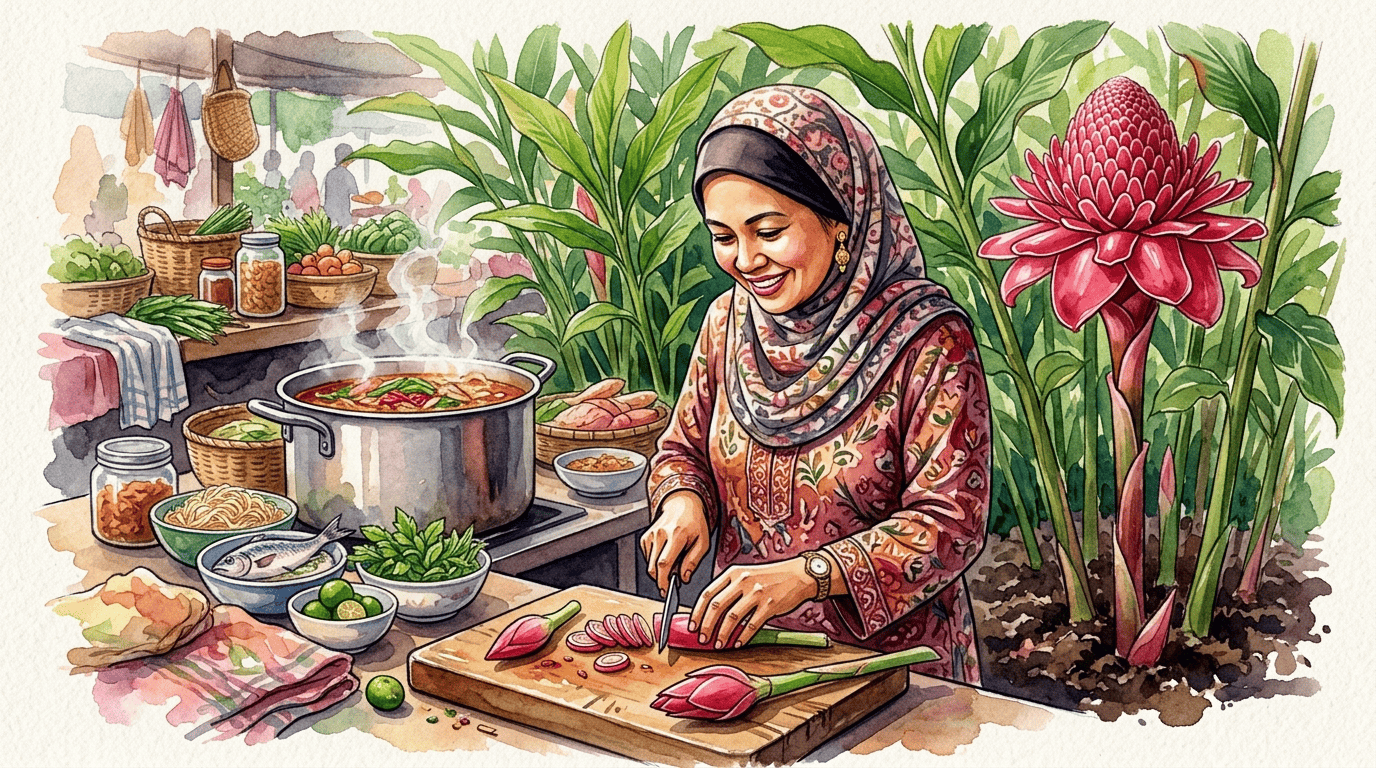
Etlingera elatior is native to the rainforests of insular Southeast Asia — Indonesia, Malaysia, the Philippines — and parts of Melanesia. The plant forms large clumps of leafy stems 5-6 meters tall arising from thick underground rhizomes, and produces its spectacular inflorescences from entirely separate, shorter flowering stalks that emerge directly from the ground — a striking torch-shaped cone of pink-red waxy bracts, 15-25 cm long on a 0.5-1.5 meter stalk, with tiny true flowers tucked between the bract rows. The species epithet "elatior" means "tall" or "high." It is one of the most iconic tropical garden flowers of Southeast Asia, featured prominently in hotel and temple landscape design from Bali to Malaysia to the Philippines.
Beyond its ornamental role, the torch ginger is culturally and culinarily important: in Malaysian cuisine the young unopened flower buds (called "bunga kantan" in Malay, "bunga siantan" in some Indonesian dialects) are a key flavoring ingredient in assam laksa and nasi ulam; in Indonesian rujak (fruit salads) and various Balinese and Javanese dishes; and in parts of Thai cuisine as "daalaa." The cut flowers are also a significant Southeast Asian export cut-flower commodity. The plant was first scientifically described in 1792.
It became a symbol of tropical horticulture worldwide and is now cultivated across the Caribbean, Central America, and Hawaii. In traditional Malay medicine, a decoction of the fruit was used to treat earache.
Symbolism & meaning
What It Symbolizes
Torch Ginger blazes with passion in the tropical garden, its waxy red bracts rising on tall stems like living torches in the understory. To Western eyes it makes visible exoticism — the allure and mystery of Southeast Asian forests, where it has long flavored Malaysian and Indonesian cooking. Its meaning is intense emotion made botanical, a flower that refuses the polite scale of temperate borders.
- Passion — the fiery red torch-like blooms evoke intense emotion
- Exoticism — represents the allure and mystery of tropical lands
Where the Name Comes From
'Etlingera' honors Andreas Ernst Etlinger, an 18th-century German botanist. 'Elatior' means taller, referring to its impressive height compared to related species.
Uses & Fun Facts
- Young flower buds used in Southeast Asian cuisine
- Dramatic torch-like blooms star in tropical floral arrangements
- Showy red flower stalks rise above lush tropical foliage
Related plants
Plants with similar care
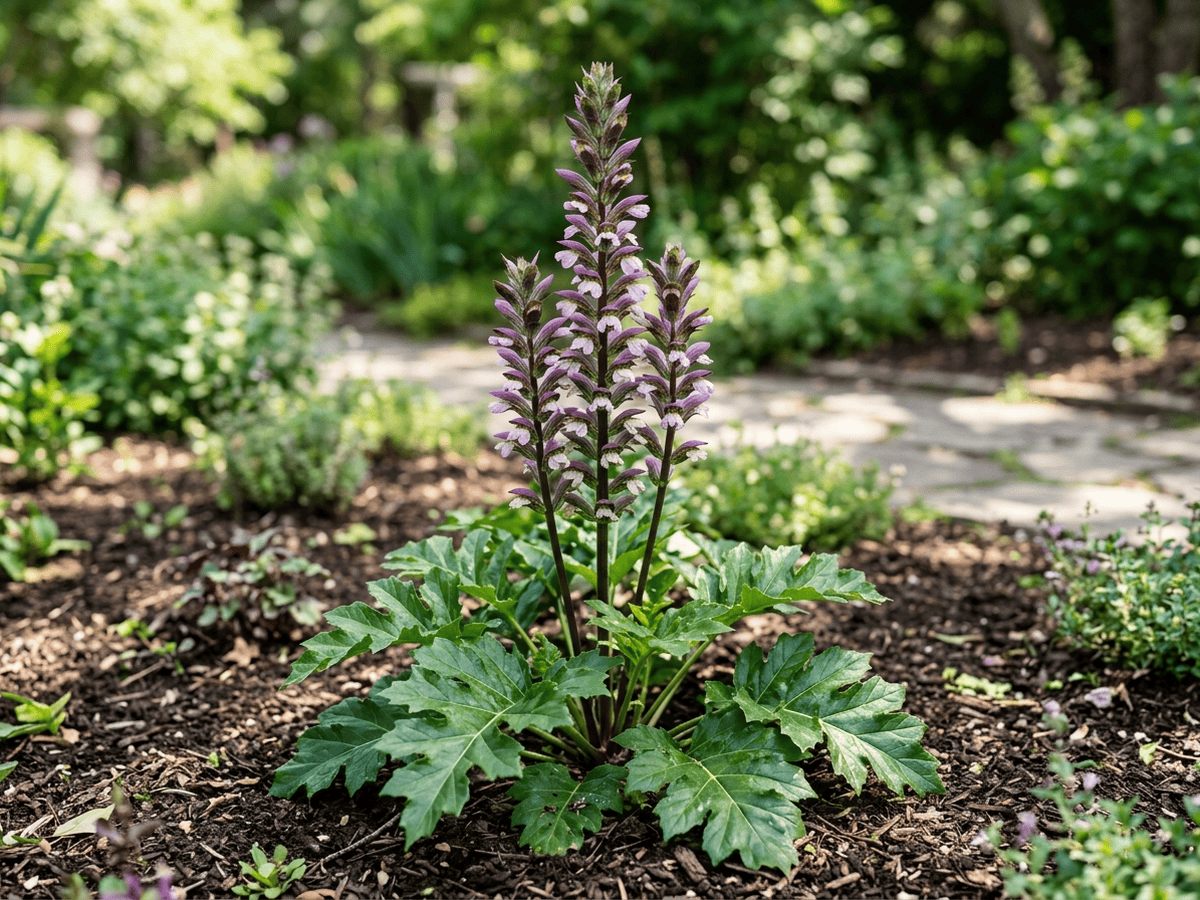 Bear's BreechesAcanthus mollis
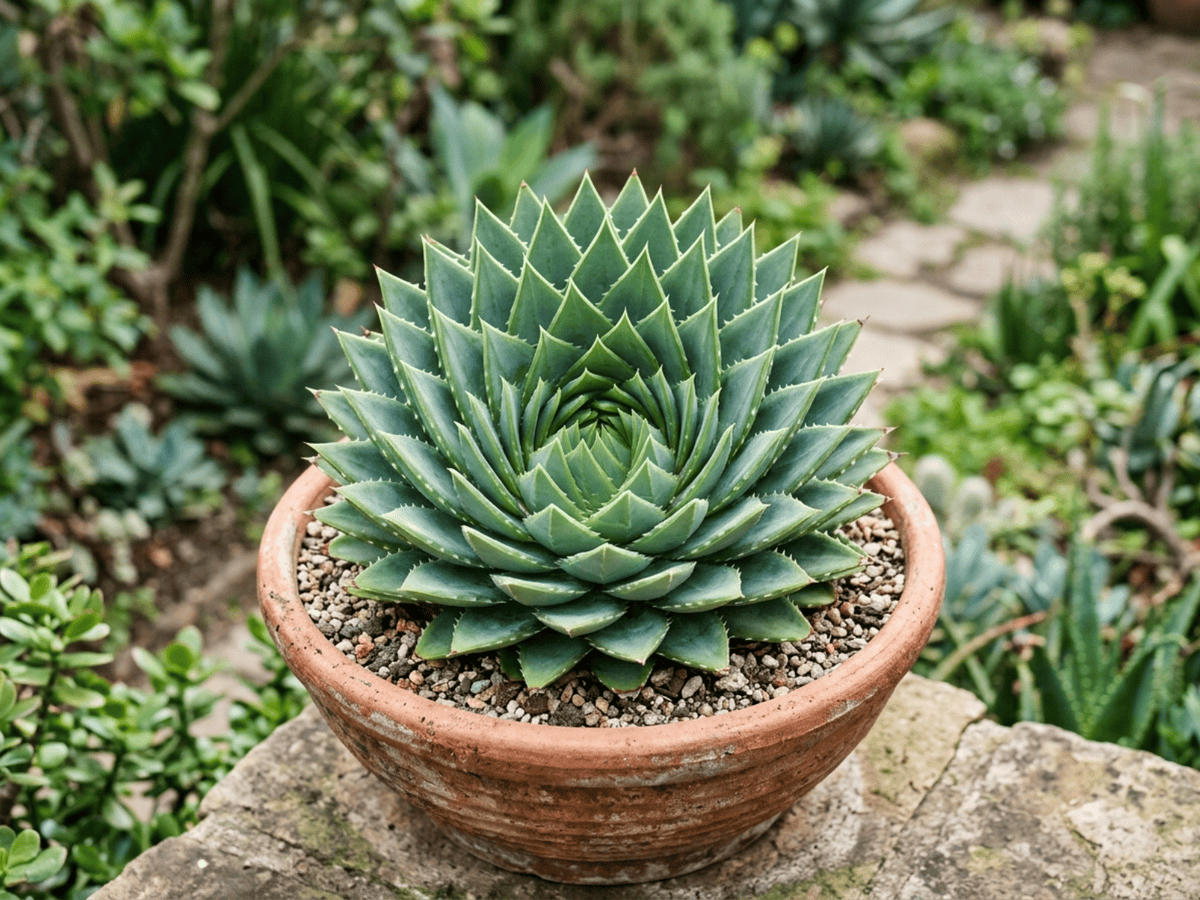 Spiral AloeAloe polyphylla
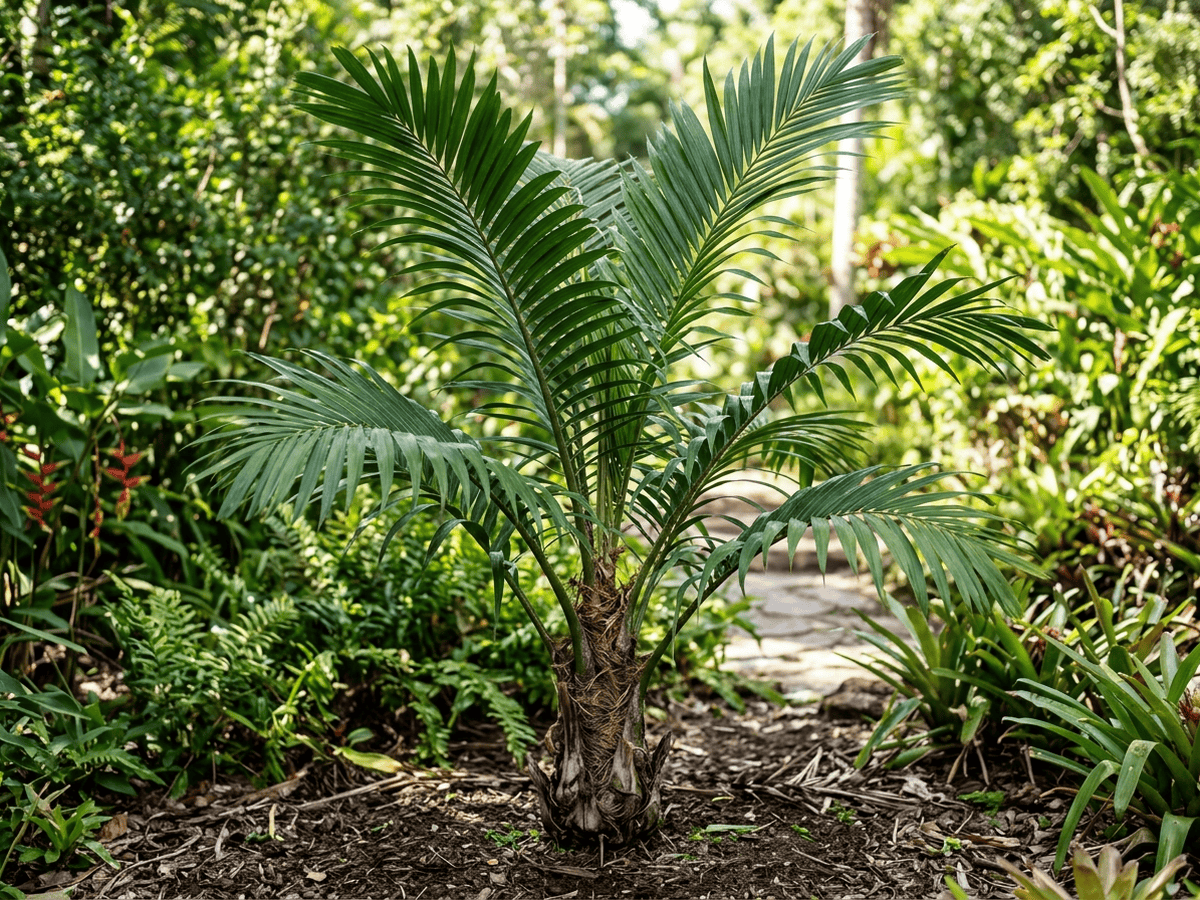 Formosa PalmArenga engleri
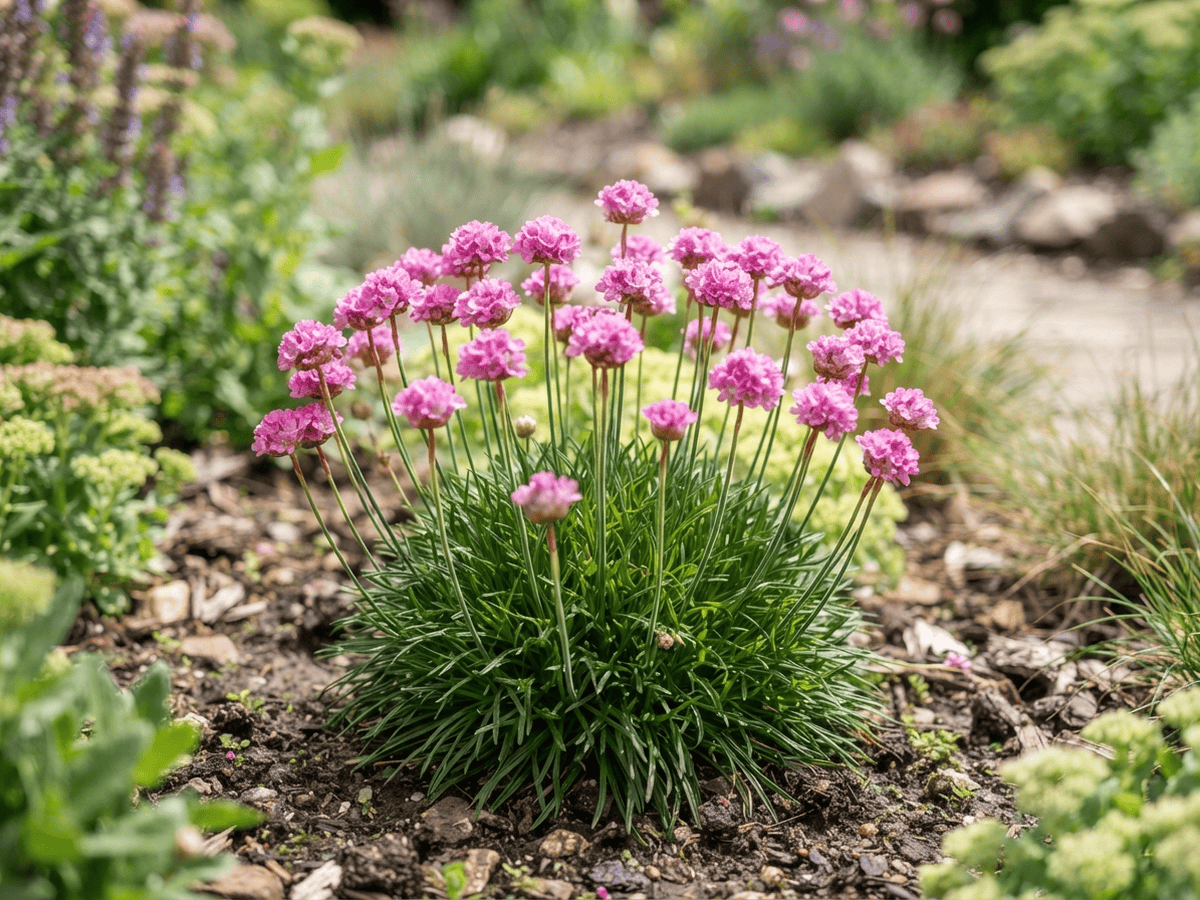 Sea ThriftArmeria maritima
Frequently asked questions
How often should I water Torch Ginger?
In summer, water about every 2 days; in winter, about every 7 days. Adjust for heat, pot size and drainage.
How much light does Torch Ginger need?
Part shade: 2–4 hrs direct. Watch the leaves — scorching or stretching means the light needs adjusting.
Is Torch Ginger toxic to cats or dogs?
No toxicity has been reported for this plant. Still, it is wise to keep pets from chewing on any houseplant. Educational information, not medical or veterinary advice. If exposure is suspected, contact a doctor or veterinarian.
Is Torch Ginger easy to grow?
It is considered challenging and rewards experienced growers.
When does Torch Ginger bloom?
It typically blooms Jan–Dec in the Northern Hemisphere.
YardMate
Identify any plant in seconds
Snap a photo — YardMate names the plant, diagnoses problems, and reminds you when to water.
Download on the App Store