 YardMate


Mottled Spurge
Euphorbia lactea
Easy · Beginner friendlyAbout Mottled Spurge
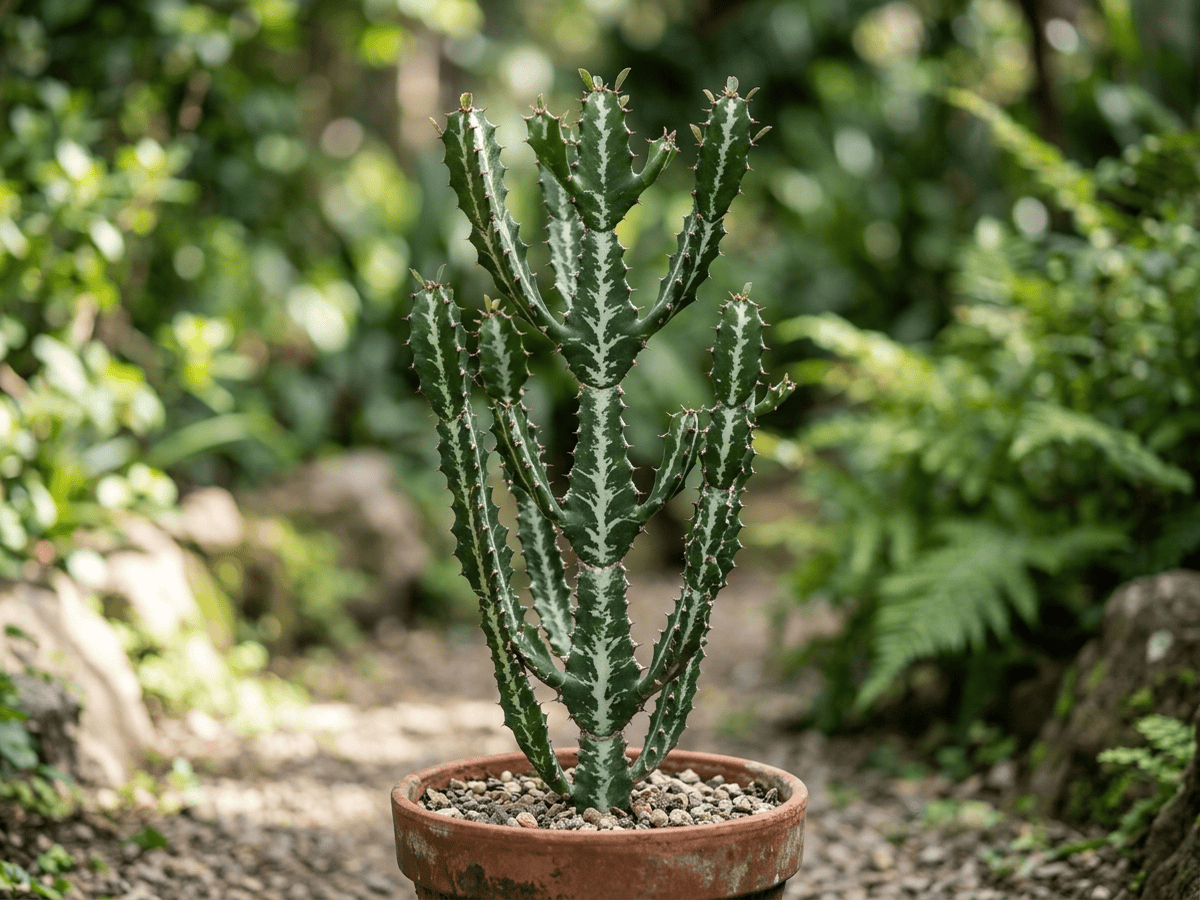
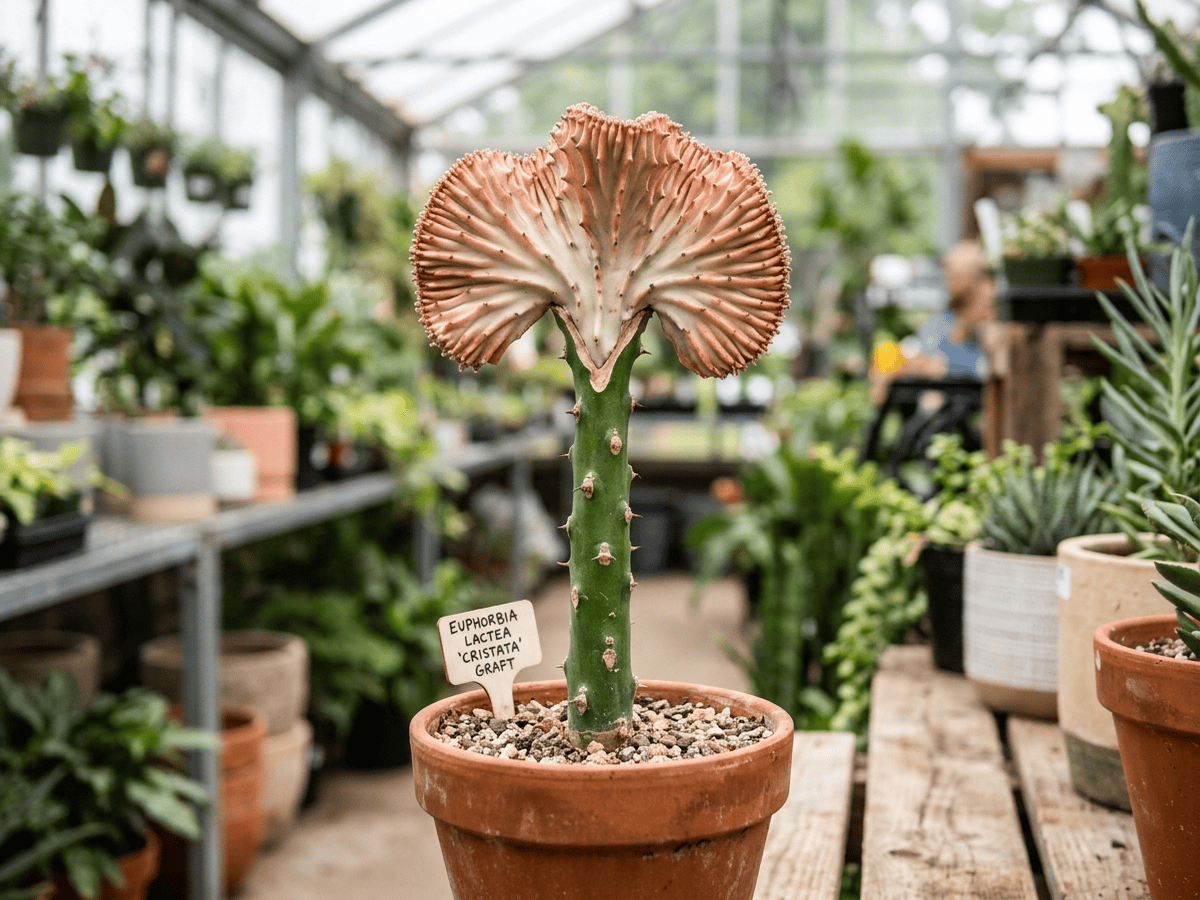
Mottled Spurge or Coral Cactus is a striking succulent euphorbia from India and Sri Lanka, forming branched candelabra-like upright stems with prominent ridges and short spines. Reaching 5-15 feet, the cristate (crested) form is widely sold in the United States as 'Coral Cactus', often grafted onto Euphorbia neriifolia rootstock. Its sculptural angular form makes it a defining plant of modern desert and minimalist garden design.
- Drought-tolerant
- Container-friendly
- Architectural
- Evergreen
How to care for Mottled Spurge
Watering
- Springevery 14 days
- Summerevery 21 days
- Fallevery 30 days
- Winterevery 45 days
Soil · Fast-draining
- Main mixSand + pumice + soil 1:1:150%
- DrainagePumice / gravel50%
Keep grit at half the mix or more — this soil is meant to dry out fast.
FERTILIZER
- Springevery 60 days
- Summerevery 60 days
At a Glance
- NativeSouth Asia
- Height3–6 ft (0.9–1.8 m)
- Spread2–3 ft (0.6–0.9 m)
- Flower colorGreen
- Foliage colorGreen, Variegated
- SoilSandy, Well-drained
- LocationsYard · Balcony · Indoor
Bloom time
BLOOM CYCLE
Peak bloom
Jun–Aug
Inconspicuous small yellow-green cyathia
Toxicity
Humans Toxic · Pets Toxic
diterpene esters and phorbol esters
Toxic
- Sap
- Stem
- Contact
- Ingestion
EXPOSURE Touching sap and stems. Eating sap and stems.
EFFECT Severe skin/eye irritation, burning, blistering, and temporary blindness.
NOTE Documented concern for humans: Severe skin/eye irritation, burning, blistering, and temporary blindness.
Toxic
- Sap
- Stem
- Contact
- Ingestion
EXPOSURE Touching sap and stems. Eating sap and stems.
EFFECT Oral irritation, vomiting, diarrhea, and eye damage.
NOTE ASPCA lists Euphorbia as toxic. Latex extremely irritating—wear gloves and eye protection when handling.
Toxic
- Sap
- Stem
- Contact
- Ingestion
EXPOSURE Touching sap and stems. Eating sap and stems.
EFFECT Oral irritation, vomiting, diarrhea, and eye damage.
NOTE ASPCA lists Euphorbia as toxic. Latex extremely irritating—wear gloves and eye protection when handling.
Educational information, not medical or veterinary advice. If exposure is suspected, contact a doctor or veterinarian.
DISTRIBUTION


- Native
- Introduced
- South Asia
History

Euphorbia lactea, commonly called mottled spurge, dragon bones, or milk-striped euphorbia, is a succulent shrub-tree in the spurge family (Euphorbiaceae) native to tropical India and Sri Lanka, though it has been cultivated so widely across the tropics for centuries that its exact natural range is now obscured. British botanist Adrian Hardy Haworth described the species in 1812 in Synopsis Plantarum Succulentarum. The epithet lactea refers to the copious white milky latex characteristic of the genus.
Plants develop into 3-5 meter (rarely to 9 meter) candelabriform succulent trees with three or four-angled green stems bearing distinctive pale green, white, or creamy mottling along the central axis and short paired spines along the ribs. True leaves are small and ephemeral. Insignificant small green flowers (cyathia).
The crested 'Cristata' form (dragon bones or crested elkhorn), often grafted atop Euphorbia neriifolia rootstock, and the white-variegated 'White Ghost' are highly prized collector succulents. The milky sap is severely irritating to skin and eyes. Native to South Asia where it has long been used as living fence rows in tropical India. Despite its cactus-like appearance, it is a true Euphorbia, not a cactus. Reached Western horticulture in the 18th century. cristata) is a spontaneous fasciation mutation in which abnormal cell proliferation at the growing tip causes the stem to fan out into a dramatic wave-like crest.
Symbolism & meaning
What It Symbolizes
Mottled Spurge is survival with armor. Ridged stems, mottled surfaces, and sharp spines make the plant look engineered for dry, difficult places. Its symbolism is guarded endurance: not inviting, not soft, but perfectly honest about the cost of living where water and mercy are scarce.
- Resilience — thrives in harsh conditions across continents
- Defense — spines and toxic sap deter herbivores
Where the Name Comes From
'Euphorbia' honors Greek physician Euphorbus; 'lactea' refers to the milky sap.
Uses & Fun Facts
- Crested coral cactus form sold widely as houseplant
- Candelabra succulent as architectural desert garden focus
- Ridged ghostly stems add sculptural form indoors
Related plants
More Euphorbia plants
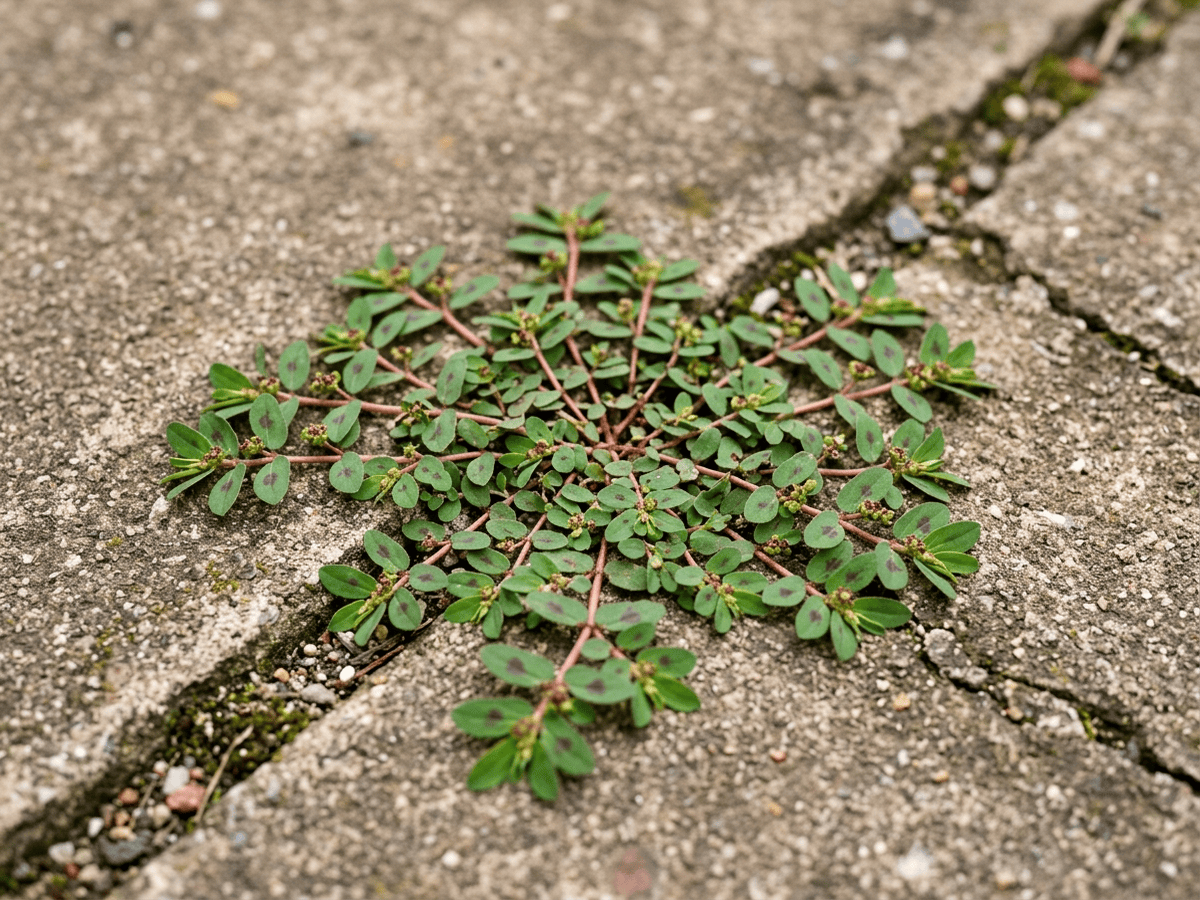 Spotted SpurgeEuphorbia maculata
 Crown-Of-ThornsEuphorbia milii
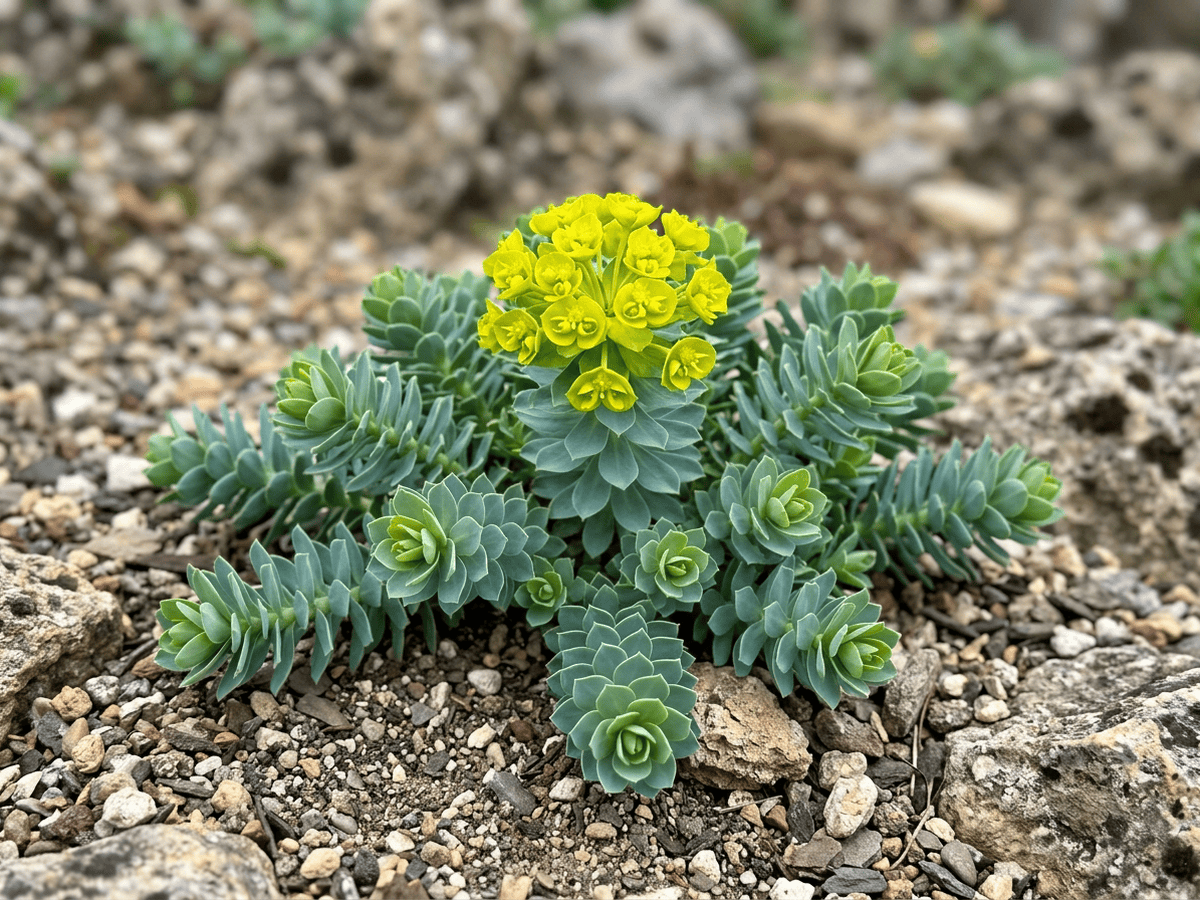 Myrtle SpurgeEuphorbia myrsinites
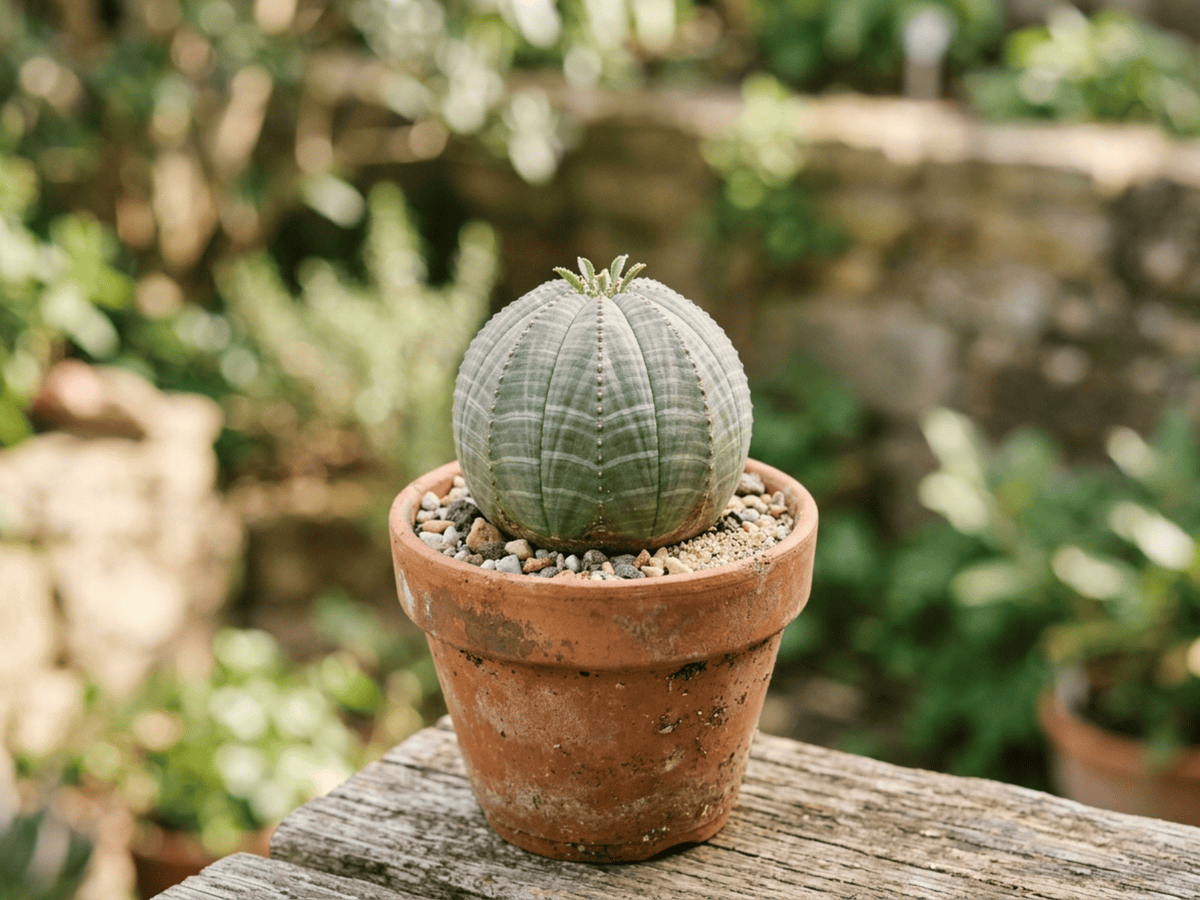 Turkish TempleEuphorbia obesa
Plants with similar care
 Chinese AbeliaAbelia chinensis
 Fragrant AbeliaAbelia mosanensis
 Large-Flowered AbeliaAbelia uniflora
 Glossy AbeliaAbelia x grandiflora
Frequently asked questions
How often should I water Mottled Spurge?
In summer, water about every 21 days; in winter, about every 45 days. Adjust for heat, pot size and drainage.
How much light does Mottled Spurge need?
Full sun: 6+ hrs direct. Watch the leaves — scorching or stretching means the light needs adjusting.
Is Mottled Spurge toxic to cats or dogs?
Pets Toxic (Dogs Toxic · Cats Toxic) Educational information, not medical or veterinary advice. If exposure is suspected, contact a doctor or veterinarian.
Is Mottled Spurge easy to grow?
Yes — it is considered an easy, beginner-friendly plant.
Can Mottled Spurge be grown indoors?
Yes, it adapts well to indoor growing given the right light.
When does Mottled Spurge bloom?
It typically blooms Jun–Aug in the Northern Hemisphere.
YardMate
Identify any plant in seconds
Snap a photo — YardMate names the plant, diagnoses problems, and reminds you when to water.
Download on the App Store