 YardMate

Turkish Temple
Euphorbia obesa
Medium · Some experienceAbout Turkish Temple
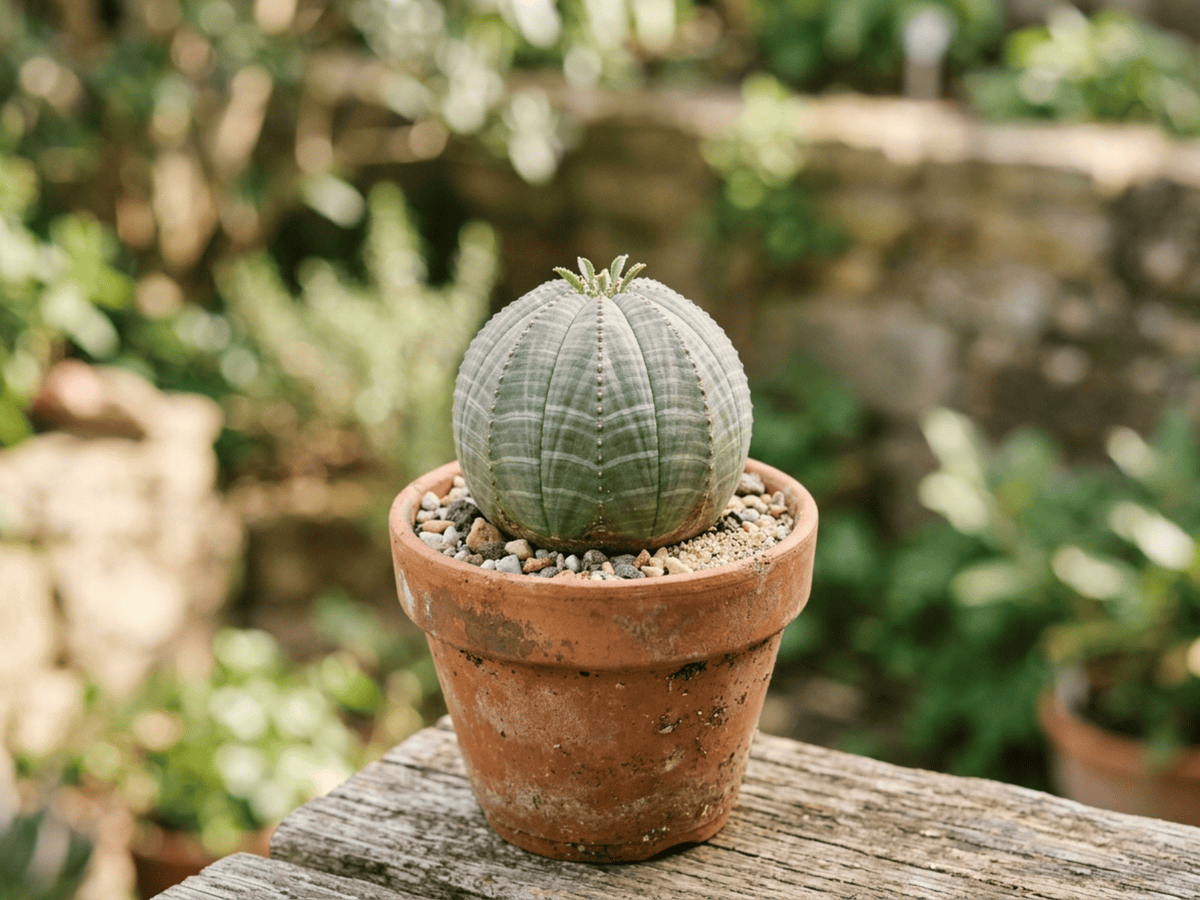
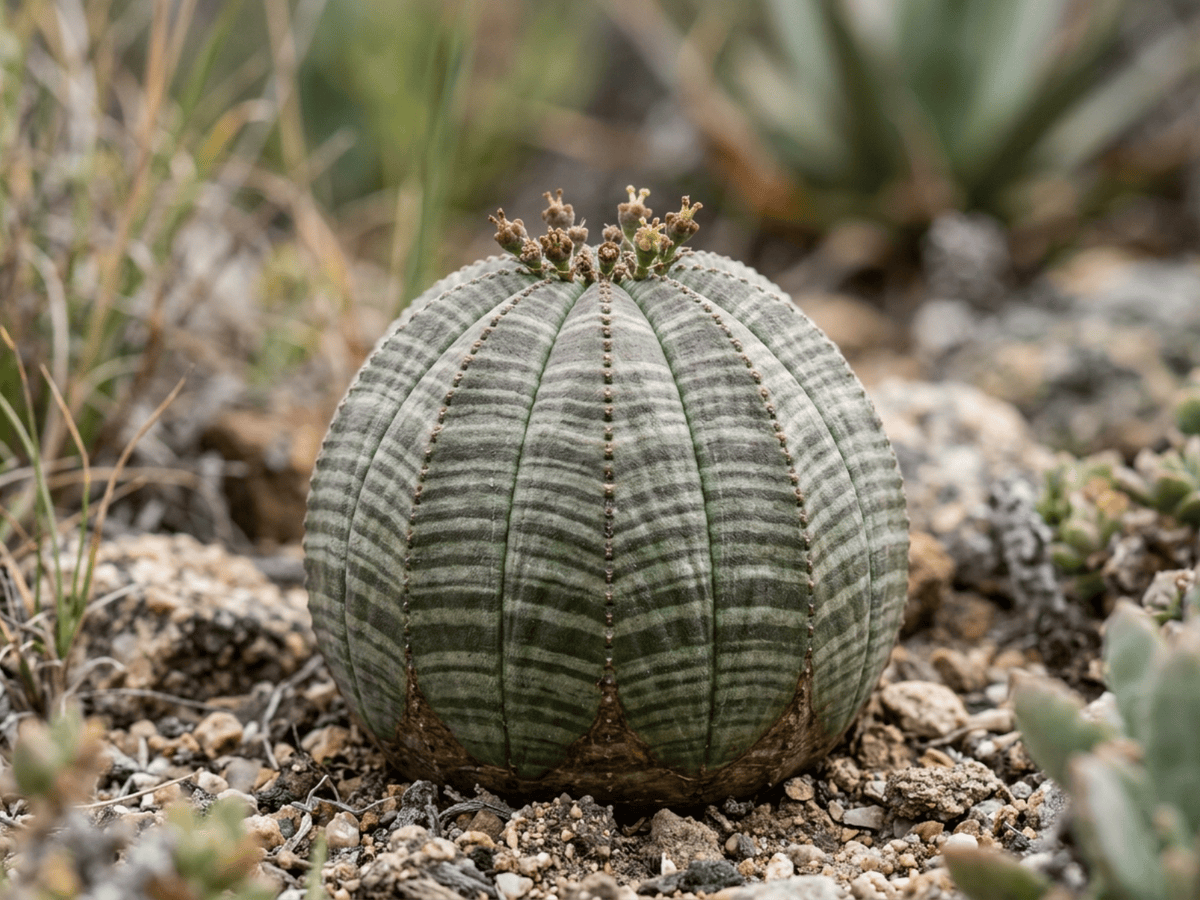
Euphorbia obesa, the baseball plant, is a remarkable spherical succulent native to a small area of the Great Karoo region in South Africa's Eastern Cape province. Its nearly perfect globe shape, typically eight-ribbed with intricate herringbone patterning in shades of green, gray, and purple, makes it one of the most geometrically striking plants in existence. It grows slowly, reaching about 15 centimeters in diameter, and gradually becomes more cylindrical with age. The plant is dioecious — individual plants are either male or female — and produces tiny flowers at the crown that require cross-pollination to set seed. Tragically, its unique beauty led to severe over-collection from the wild, and it is now listed as endangered under South African law and CITES Appendix I protections. All commercially available plants today are nursery-propagated. Like all euphorbias, it contains toxic milky latex. Euphorbia obesa requires minimal water and excellent drainage, thriving in bright light with benign neglect. It is a prized specimen in succulent collections worldwide.
- Drought-tolerant
- Compact
- Low-maintenance
- Architectural
How to care for Turkish Temple
Watering
- Springevery 14 days
- Summerevery 10 days
- Fallevery 21 days
- Winterevery 45 days
Soil · Fast-draining
- Main mixSand + pumice + soil 1:1:150%
- DrainagePumice / gravel50%
Keep grit at half the mix or more — this soil is meant to dry out fast.
FERTILIZER
Cactus & Succulent Feed 2-7-7
Hold the nitrogen back and growth stays compact instead of soft and stretched. Phosphorus and potassium carry the roots and the flowering.
- Nitrogen · Leaves
- Phosphorus · Roots + Blooms
- Potassium · Strength
- Springevery 45 days
- Summerevery 45 days
- Fallevery 60 days
At a Glance
- NativeAfrica
- Height0.3–0.7 ft (0.1–0.2 m)
- Spread0.3–0.5 ft (0.1–0.2 m)
- Flower colorYellow, Green
- Foliage colorGreen, Variegated
- SoilSandy, Well-drained
- LocationsIndoor · Balcony
Bloom time
BLOOM CYCLE
Peak bloom
Jun–Aug
Tiny cyathia flowers at the crown; male and female on separate plants
Fragrance
NO FRAGRANCE
No notable fragrance.
Toxicity
Humans Moderate · Pets Moderate
diterpene esters
Moderate
- Sap
- Contact
EXPOSURE Touching sap.
EFFECT Caustic white sap burns skin and eyes.
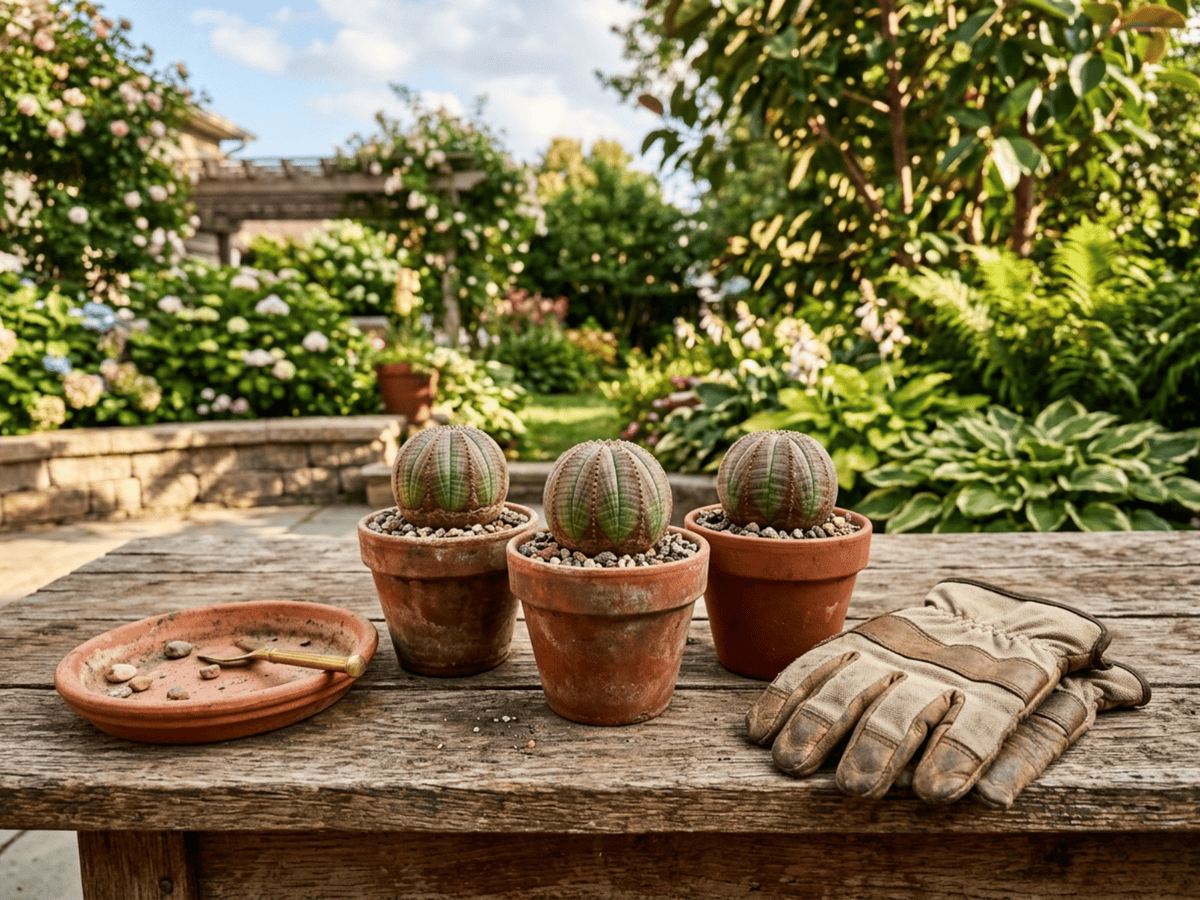
NOTE Euphorbia sap is universally caustic — protect eyes and skin when handling.
Moderate
- All
- Ingestion
EXPOSURE Eating any part of the plant.
EFFECT Oral irritation, vomiting.
NOTE Euphorbia sap is universally caustic — protect eyes and skin when handling.
Moderate
- All
- Ingestion
EXPOSURE Eating any part of the plant.
EFFECT Oral irritation, vomiting.
NOTE Euphorbia sap is universally caustic — protect eyes and skin when handling.
Educational information, not medical or veterinary advice. If exposure is suspected, contact a doctor or veterinarian.
DISTRIBUTION


- Native
- Africa
History
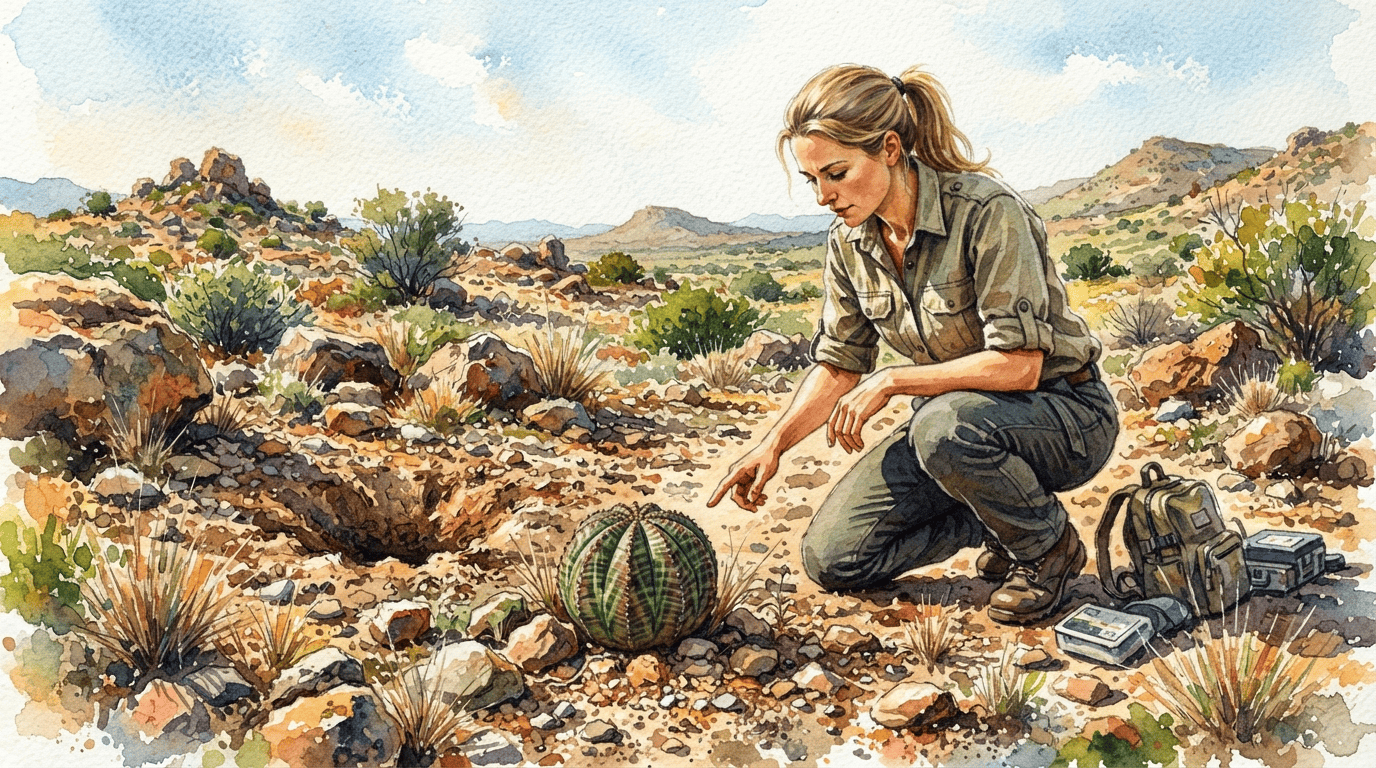
Euphorbia obesa is endemic to the Great Karoo of South Africa's Eastern Cape, confined historically to a small area near Graaff-Reinet. Its perfectly spherical, leafless, striped body — resembling a baseball — attracted intense horticultural demand after its 1903 description by N.E. Brown at Kew. Wild populations were severely depleted by over-collecting through the 20th century, and it became one of the first succulents placed on CITES Appendix I (strict international trade ban) in protection.
Commercial cultivation from seed now supplies the global market, and wild populations have recovered modestly under South African conservation law. Male and female plants are separate (dioecious), and artificial pollination in greenhouses produces legal nursery stock. The plant remains emblematic of the collision between succulent passion and conservation.
Euphorbia obesa was first described by Joseph Dalton Hooker in 1903, and its extraordinary spherical form immediately made it a sensation among plant collectors. By the mid-20th century, wild populations had been decimated by collectors digging plants from their remote Karoo habitat. Today, all commercially available plants are nursery-grown, and the species has become a powerful symbol in plant conservation circles — proof that beauty can be both a blessing and a curse. Its home habitat receives less than 300mm of rainfall annually.
Symbolism & meaning
What It Symbolizes
Turkish Temple is uniqueness expressed in geometry — a perfectly symmetrical living sphere ribbed like a beach ball, a small temple of plant tissue. Critically endangered in its native South African range due to poaching, it also suggests conservation, a reminder that wonders this strange and self-contained still need our protection. It is botanical perfection living on borrowed time.
- Uniqueness — Its mathematically perfect form celebrates the beauty of being one-of-a-kind
- Conservation — Its endangered status reminds us of the responsibility to protect natural wonders
Where the Name Comes From
Euphorbia honors Euphorbus, ancient physician to King Juba II. 'Obesa' means fat or plump in Latin, perfectly describing its round, globular body.
Uses & Fun Facts
- Patterned globe form treasured by succulent collectors and conservators
- Compact spherical succulent for sunny windowsills and rockeries
Related plants
More Euphorbia plants
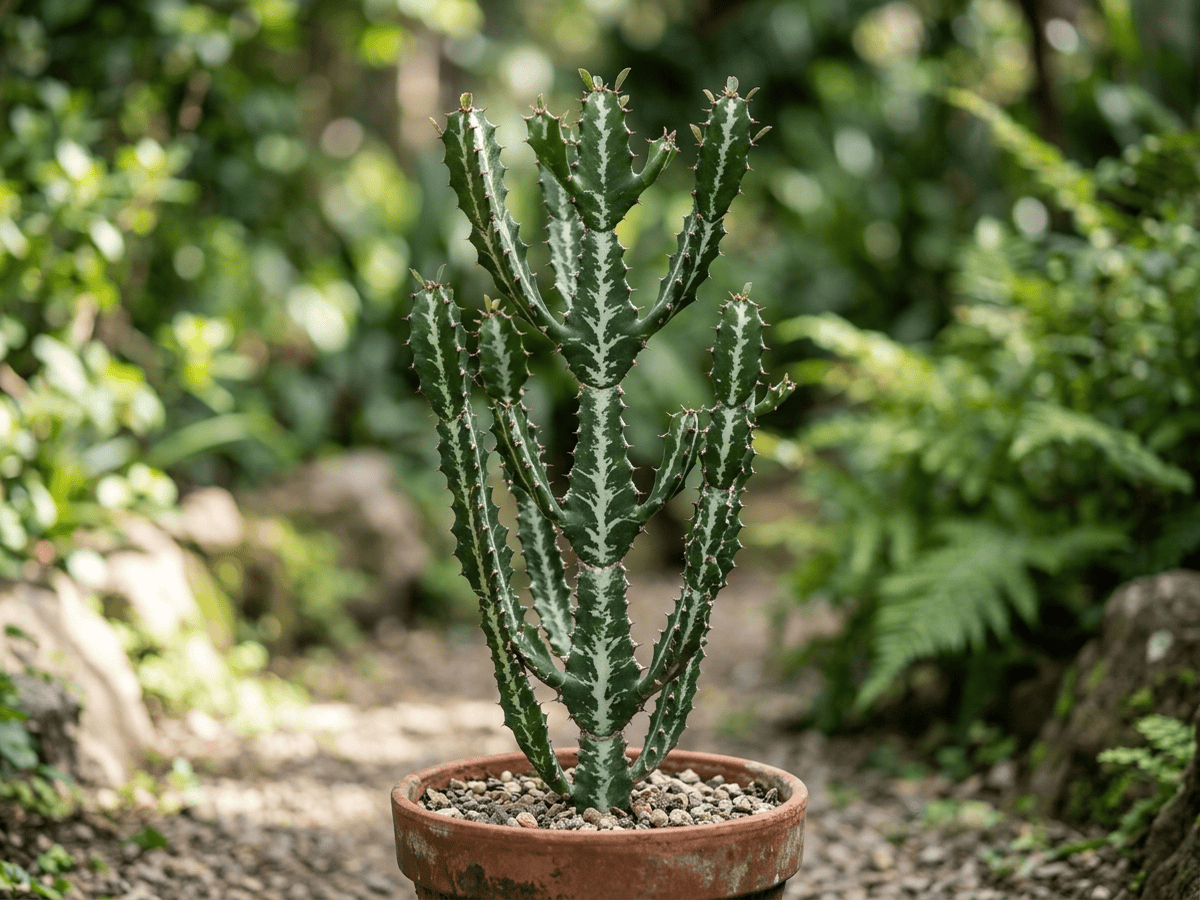 Mottled SpurgeEuphorbia lactea
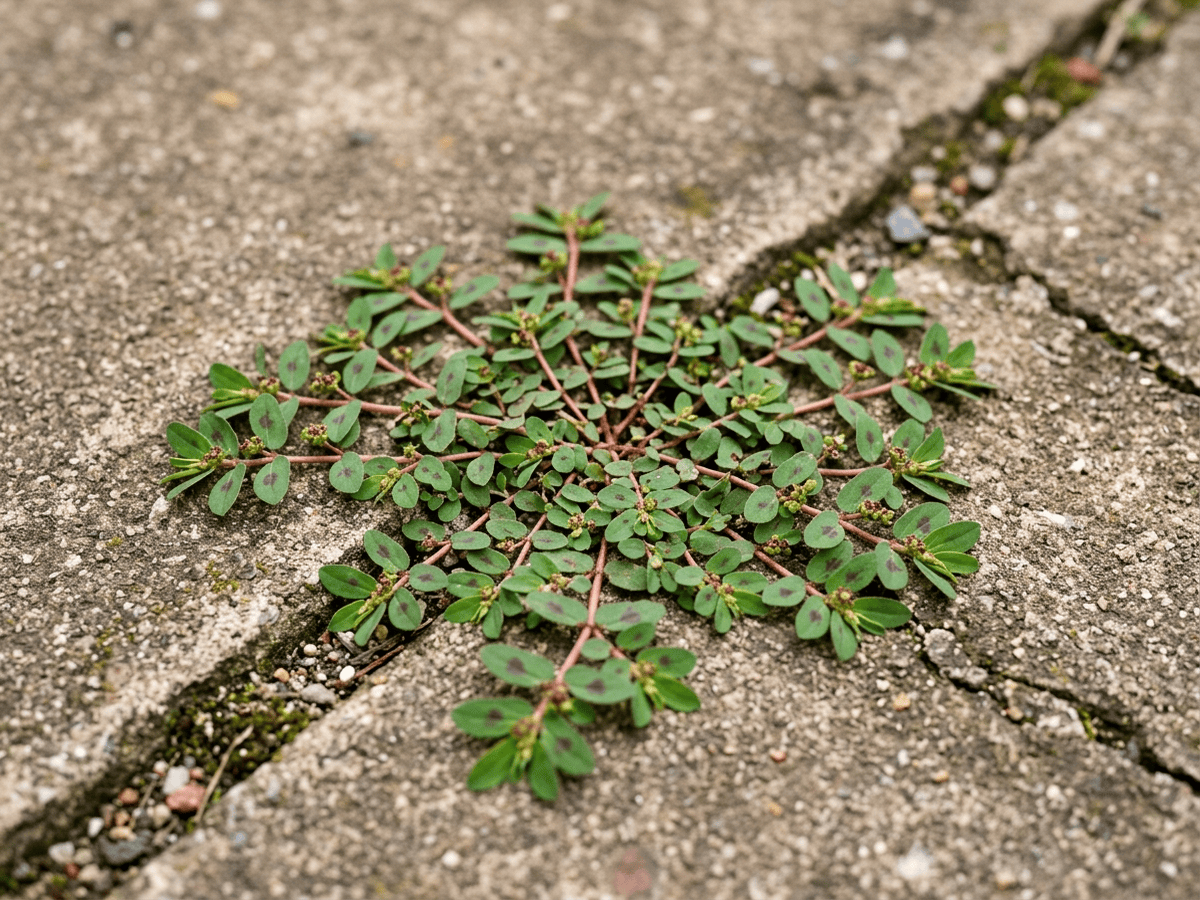 Spotted SpurgeEuphorbia maculata
 Crown-Of-ThornsEuphorbia milii
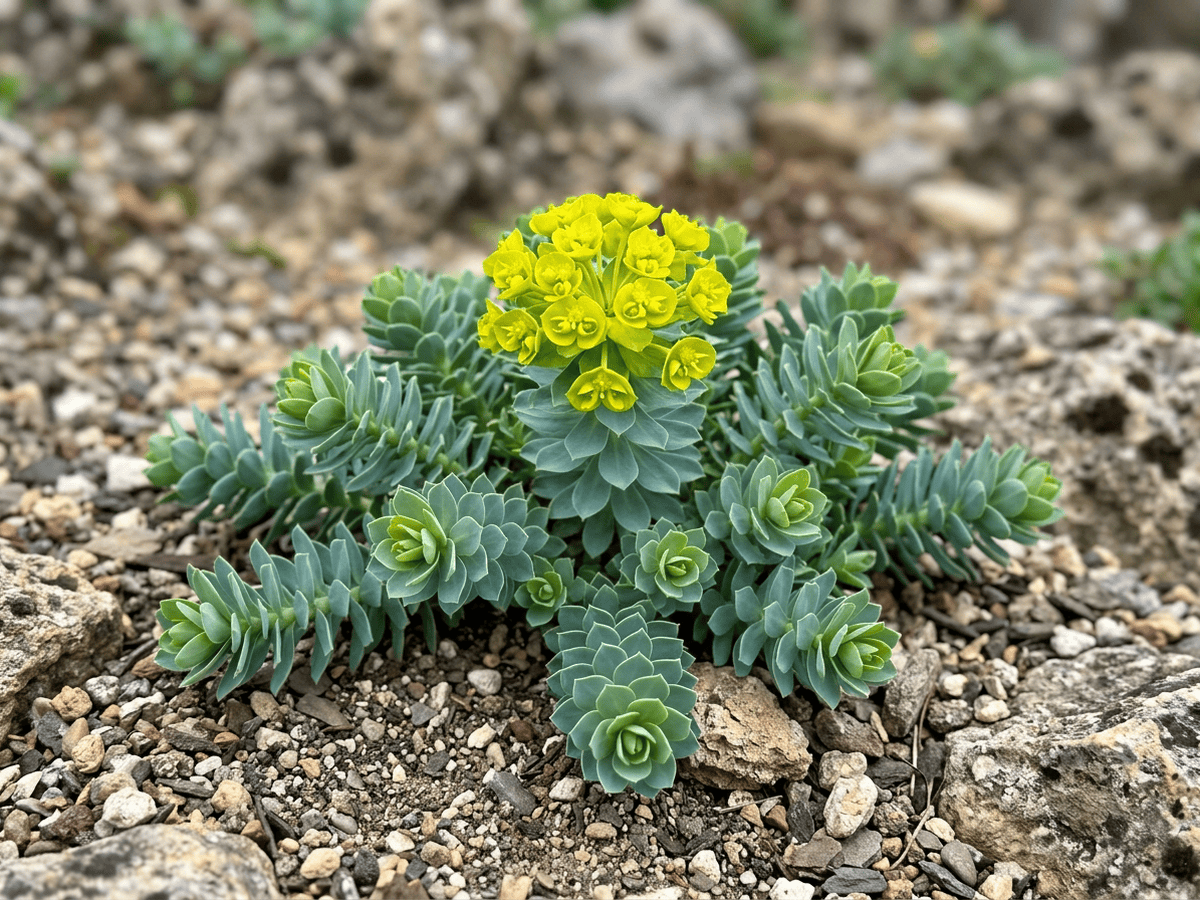 Myrtle SpurgeEuphorbia myrsinites
Plants with similar care
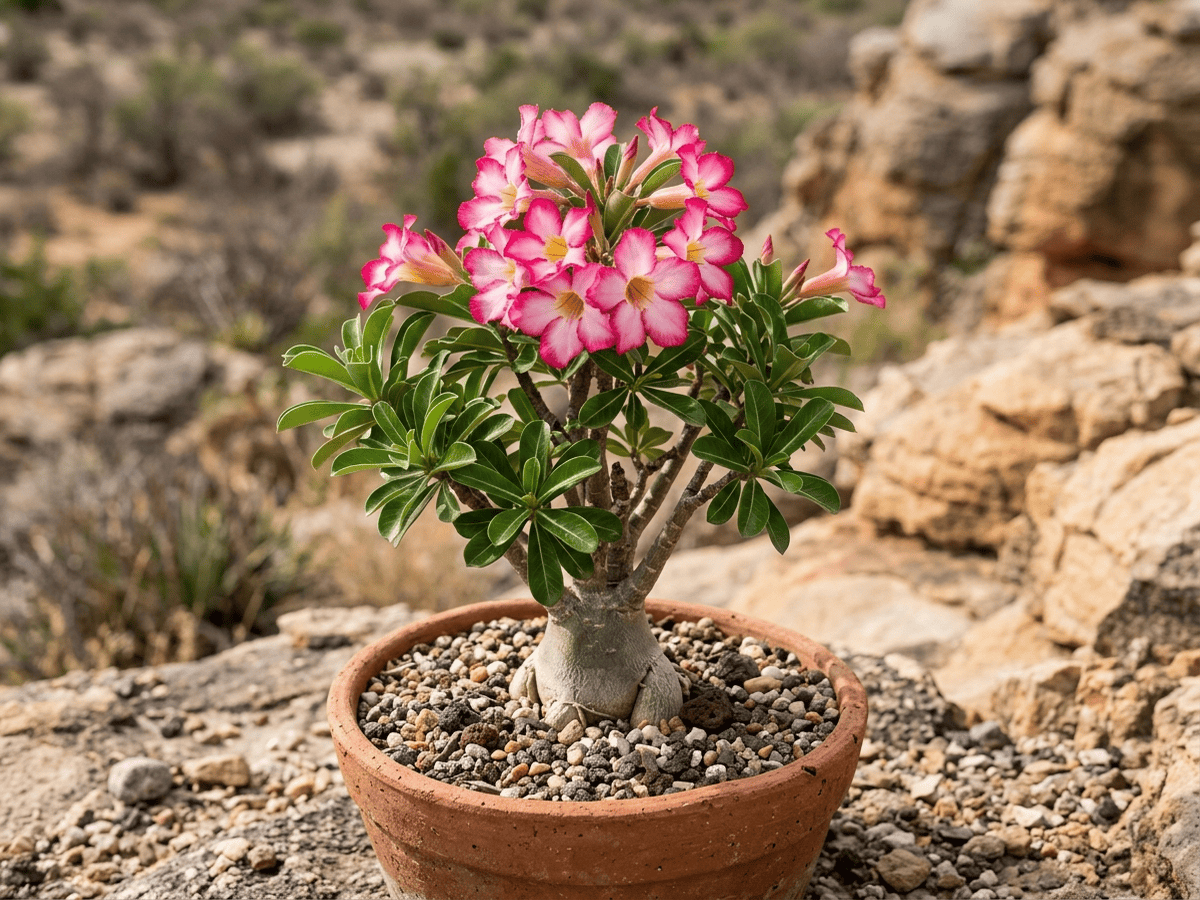 Desert RoseAdenium obesum
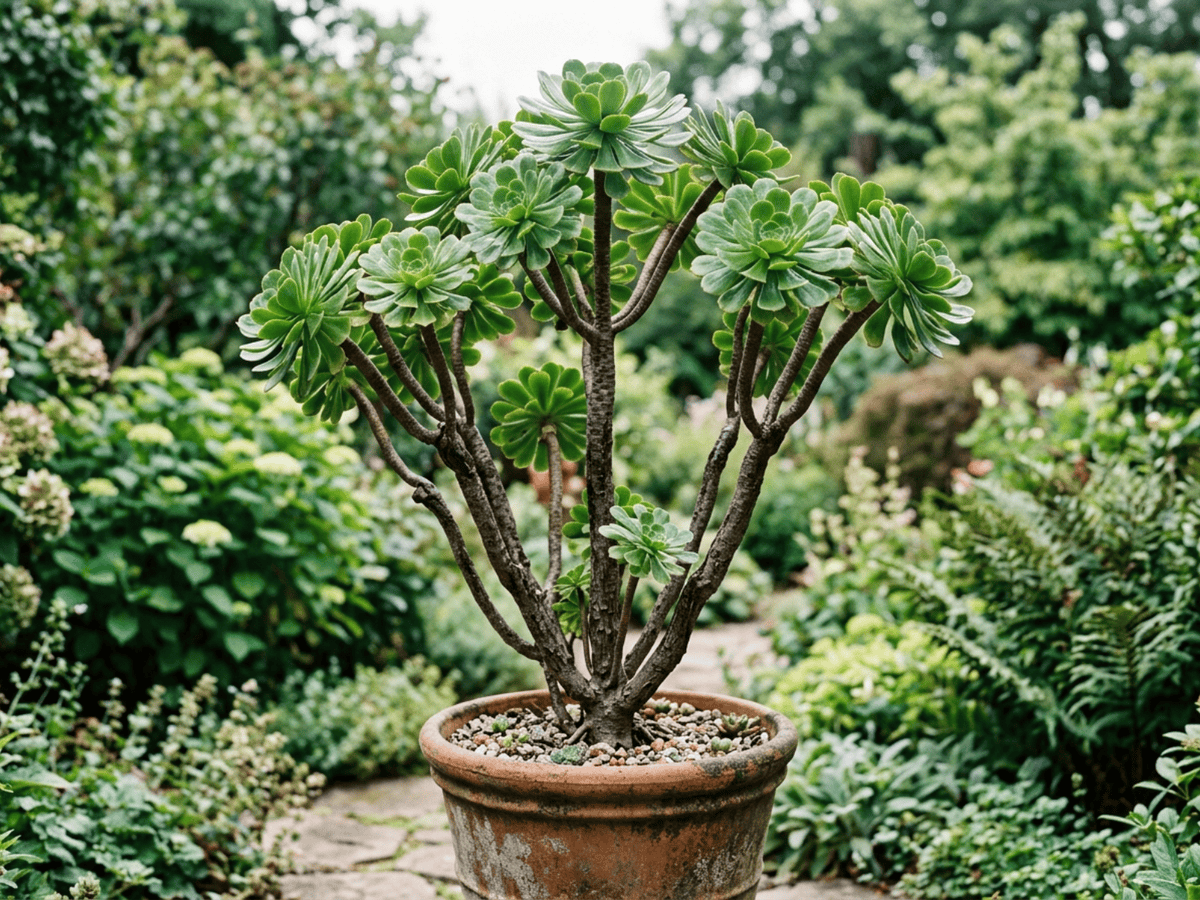 Tree AeoniumAeonium arboreum
 Queen Victoria AgaveAgave victoriae-reginae
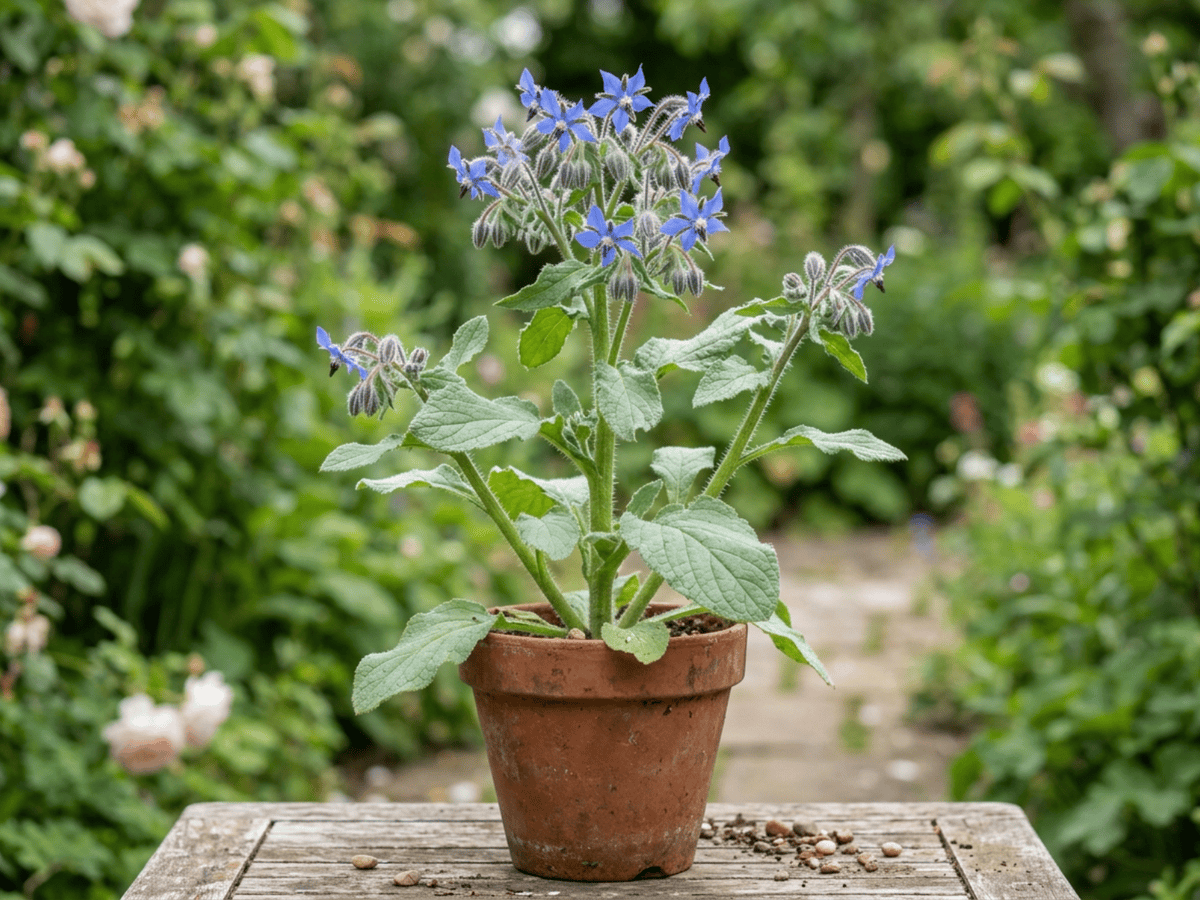 Lemon VerbenaAloysia citriodora
Frequently asked questions
How often should I water Turkish Temple?
In summer, water about every 10 days; in winter, about every 45 days. Adjust for heat, pot size and drainage.
How much light does Turkish Temple need?
Full sun: 6+ hrs direct. Watch the leaves — scorching or stretching means the light needs adjusting.
Is Turkish Temple toxic to cats or dogs?
Pets Moderate (Dogs Moderate · Cats Moderate) Educational information, not medical or veterinary advice. If exposure is suspected, contact a doctor or veterinarian.
Is Turkish Temple easy to grow?
It is moderately demanding: a good choice once you have a little experience.
Can Turkish Temple be grown indoors?
Yes, it adapts well to indoor growing given the right light.
When does Turkish Temple bloom?
It typically blooms Jun–Aug in the Northern Hemisphere.
YardMate
Identify any plant in seconds
Snap a photo — YardMate names the plant, diagnoses problems, and reminds you when to water.
Download on the App Store