 YardMate



Crown-Of-Thorns
Euphorbia milii
Easy · Beginner friendlyAbout Crown-Of-Thorns
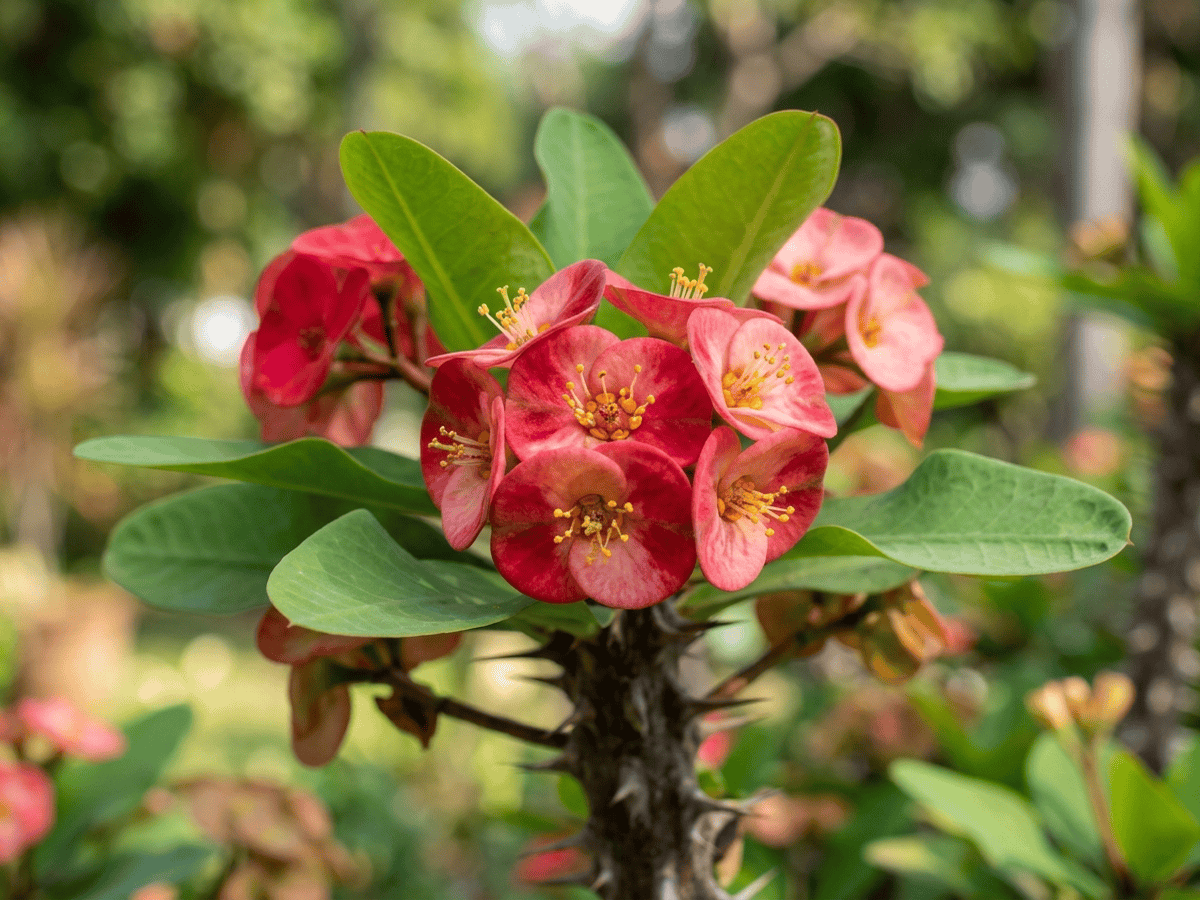
Euphorbia milii, known as crown of thorns, is a thorny succulent shrub native to Madagascar that has become one of the most widely grown ornamental euphorbias worldwide. It features thick, grayish-brown stems densely armed with sharp thorns, from which bright green leaves and clusters of small flowers emerge. The true flowers are tiny and inconspicuous, but they are surrounded by showy bracts in red, pink, yellow, white, or salmon that persist for months, providing nearly year-round color. The plant grows up to one meter tall and branches freely, forming an attractive thorny mound. All parts exude a thick white latex when cut that is toxic and can cause severe skin irritation, eye damage, and poisoning if ingested. Despite its Madagascan origin, the plant is strongly associated with Christian tradition — legend holds that the thorny stems were fashioned into Christ's crown of thorns, giving it both its common name and deep religious symbolism. Thai breeders have developed spectacular large-flowered cultivars known as 'Poysean' that have revolutionized the species in horticulture.
- Drought-tolerant
How to care for Crown-Of-Thorns
Watering
- Springevery 10 days
- Summerevery 7 days
- Fallevery 14 days
- Winterevery 21 days
Soil · Fast-draining
- Main mixSand + pumice + soil 1:1:150%
- DrainagePumice / gravel50%
Keep grit at half the mix or more — this soil is meant to dry out fast.
FERTILIZER
Balanced Feed 14-14-14
An even feed covers all three needs at once, keeping leaves, roots and blooms moving together with nothing pushed out of balance.
- Nitrogen · Leaves
- Phosphorus · Roots + Blooms
- Potassium · Strength
- Springevery 30 days
- Summerevery 30 days
- Fallevery 45 days
At a Glance
- NativeAfrica
- Height2–4 ft (0.6–1.2 m)
- Spread1.5–3 ft (0.5–0.9 m)
- Flower colorRed, Pink, Yellow, White
- Foliage colorGreen
- SoilAcidic, Well-drained, Sandy
- LocationsIndoor · Yard · Balcony
Bloom time
BLOOM CYCLE
Peak bloom
Jan–Dec
Colorful bracts appear nearly year-round in bright light; more sun equals more blooms
Fragrance
NO FRAGRANCE
No notable fragrance.
Toxicity
Humans Moderate · Pets Moderate
diterpene esters (phorbol-type)
Moderate
- Sap
- Contact
EXPOSURE Touching sap.
EFFECT Milky sap causes severe skin and eye irritation, burning, temporary blindness if splashed in eyes.
NOTE Documented concern for humans: Milky sap causes severe skin and eye irritation, burning, temporary blindness if splashed in eyes.
Moderate
- All
- Ingestion
- Contact
EXPOSURE Eating any part of the plant. Touching any part of the plant.
EFFECT Oral irritation, vomiting, diarrhea, skin blistering from sap.
NOTE ASPCA lists Euphorbia as toxic. Mechanical injury from thorns is a secondary hazard.
Moderate
- All
- Ingestion
- Contact
EXPOSURE Eating any part of the plant. Touching any part of the plant.
EFFECT Oral irritation, vomiting, diarrhea.
NOTE ASPCA lists Euphorbia as toxic. Mechanical injury from thorns is a secondary hazard.
Educational information, not medical or veterinary advice. If exposure is suspected, contact a doctor or veterinarian.
DISTRIBUTION


- Native
- Introduced
- Africa
History

Euphorbia milii is endemic to Madagascar, where it grows on dry western coastal limestone outcrops. It was introduced to France in 1821 by Baron Pierre Bernard Milius, the naval officer for whom the species is named, who had served as Governor of Réunion. Christian folk tradition holds that the plant was carried to the Middle East in antiquity and may have formed the crown of thorns at Christ's Passion — a legend without firm historical basis but deeply entrenched in religious iconography, particularly in Latin America and the Philippines where the plant is popular as a Lenten and Easter symbol.
Horticultural breeders in Thailand and Taiwan transformed the species in the late 20th century into large-flowered, thorn-reduced hybrids called "giant crown of thorns" or "poy sian," believed in Thai culture to bring good luck. Like all Euphorbia, the milky sap is caustic and toxic.
Euphorbia milii is deeply entwined with Christian symbolism — tradition claims that the thorny stems were brought from Madagascar to the Middle East long before Christ's time and were used to fashion the Crown of Thorns at the Crucifixion, though botanists consider this historically unlikely. Thailand has become the global epicenter of Euphorbia milii breeding, where 'Poysean' (giant crown of thorns) cultivars with dinner-plate-sized flower clusters command premium prices and are considered symbols of prosperity.
Symbolism & meaning
What It Symbolizes
Crown-of-Thorns is tied by name and form to Christ's crown of thorns, lending it a long Christian symbolism of devotion and sacrifice. Yet what makes the meaning vivid is its endurance: small bright bracts continue to bloom through drought and neglect, faithful through hardship. The plant teaches that steadfast love is not soft — it persists, like these flowers, through what should rightly defeat it.
- Devotion — Its association with Christ's crown of thorns represents sacrifice and unwavering faith
- Endurance — Blooming persistently through hardship symbolizes steadfast perseverance through suffering
Where the Name Comes From
Euphorbia honors Euphorbus, physician to King Juba II of Mauritania. 'Milii' commemorates Baron Milius who introduced the plant to French cultivation in 1821.
Uses & Fun Facts
- Spiny succulent shrub grown in sunny patio pots
- Continuous red or pink bracts on thorny stems
- Symbolic plant linked to Christ's crown in folk tradition
Related plants
More Euphorbia plants
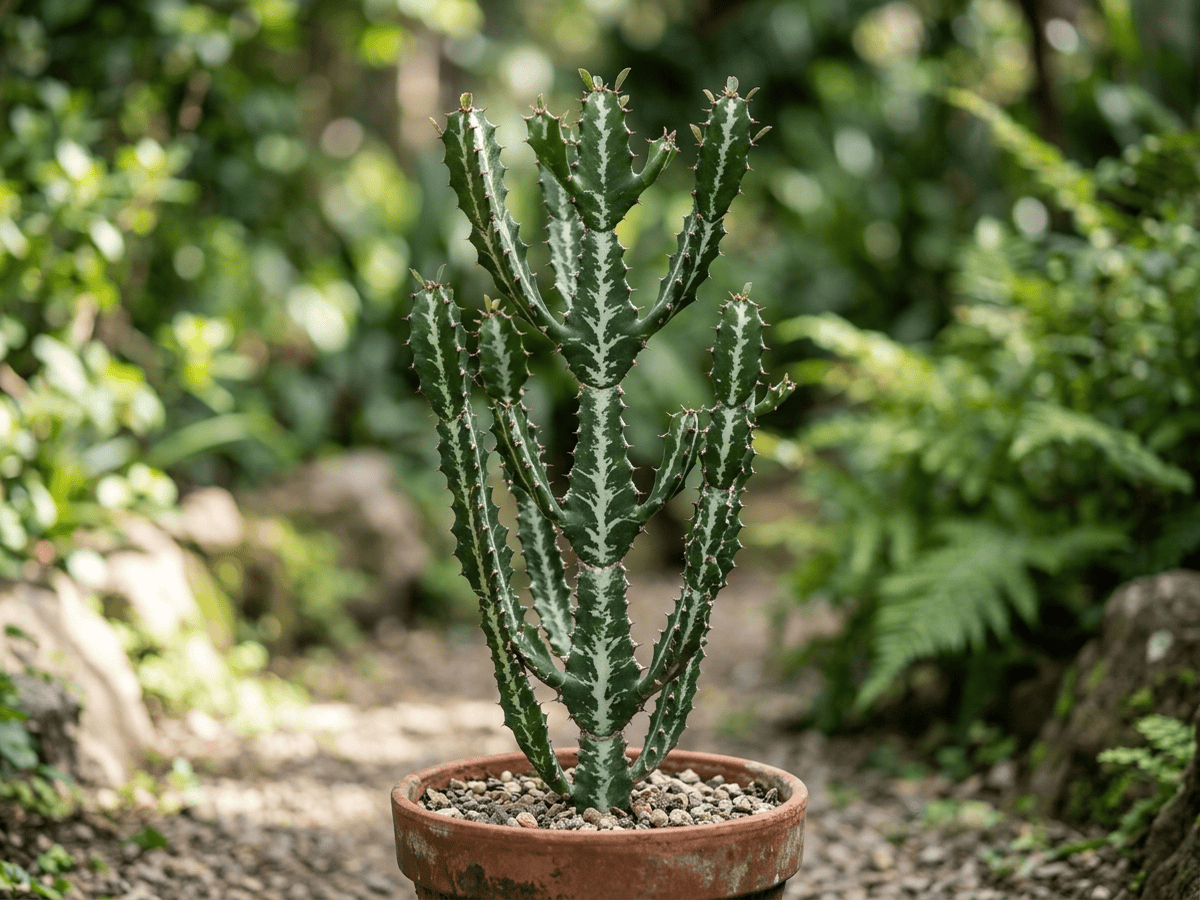 Mottled SpurgeEuphorbia lactea
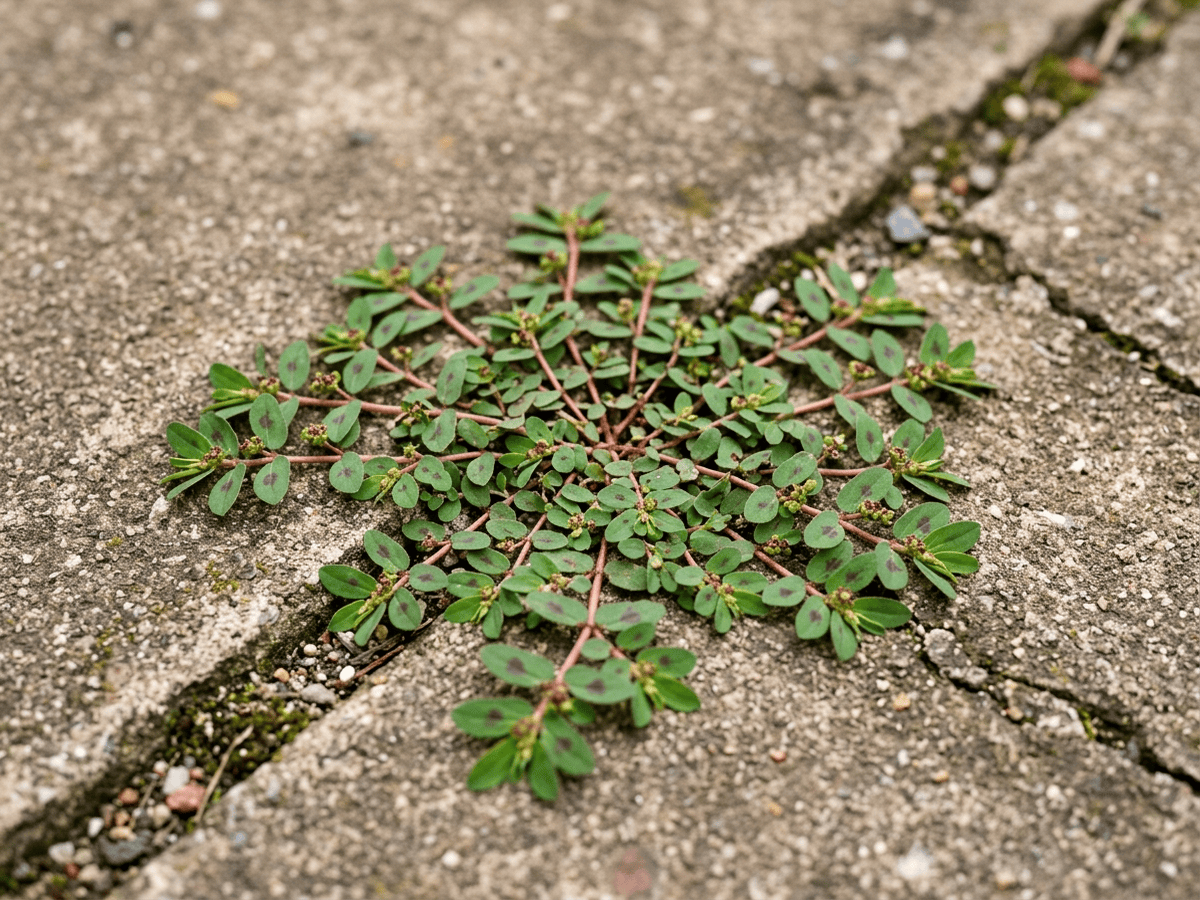 Spotted SpurgeEuphorbia maculata
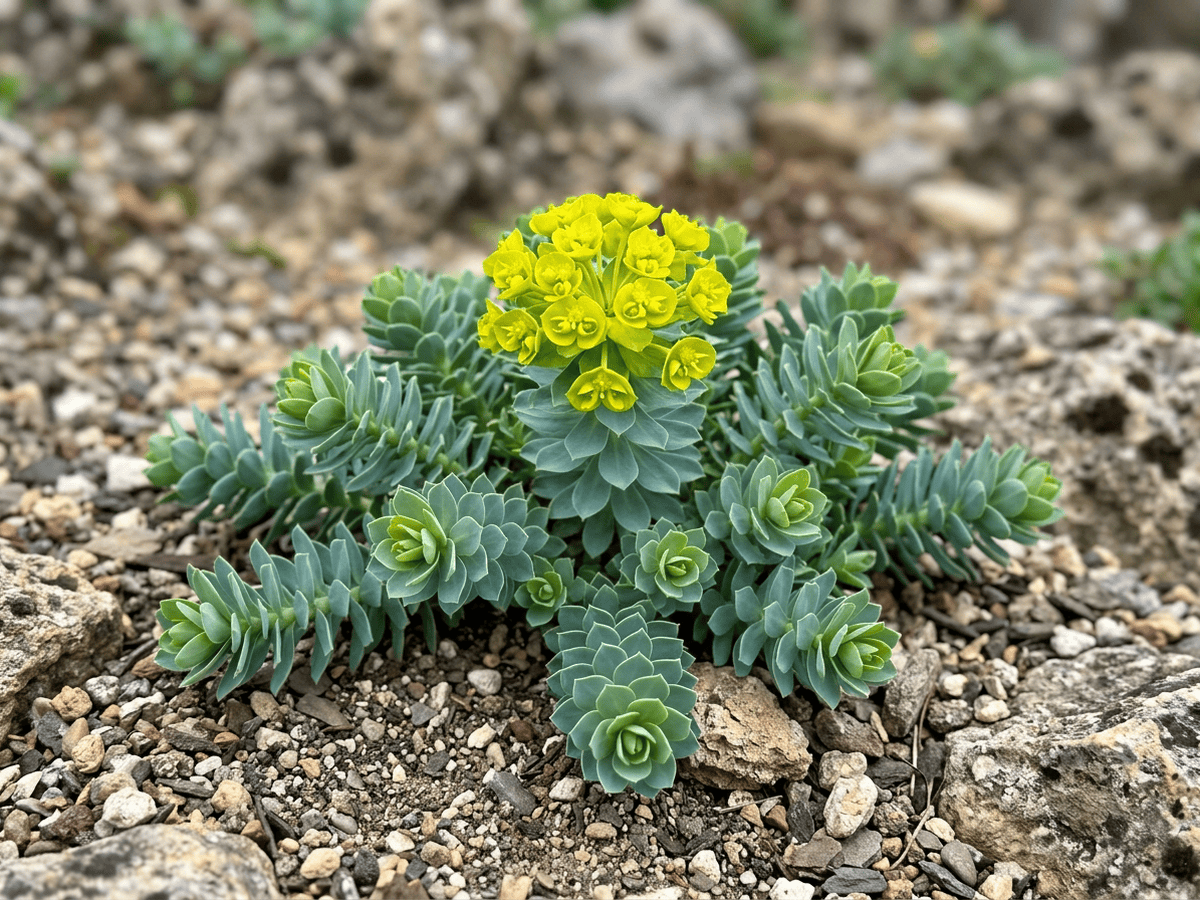 Myrtle SpurgeEuphorbia myrsinites
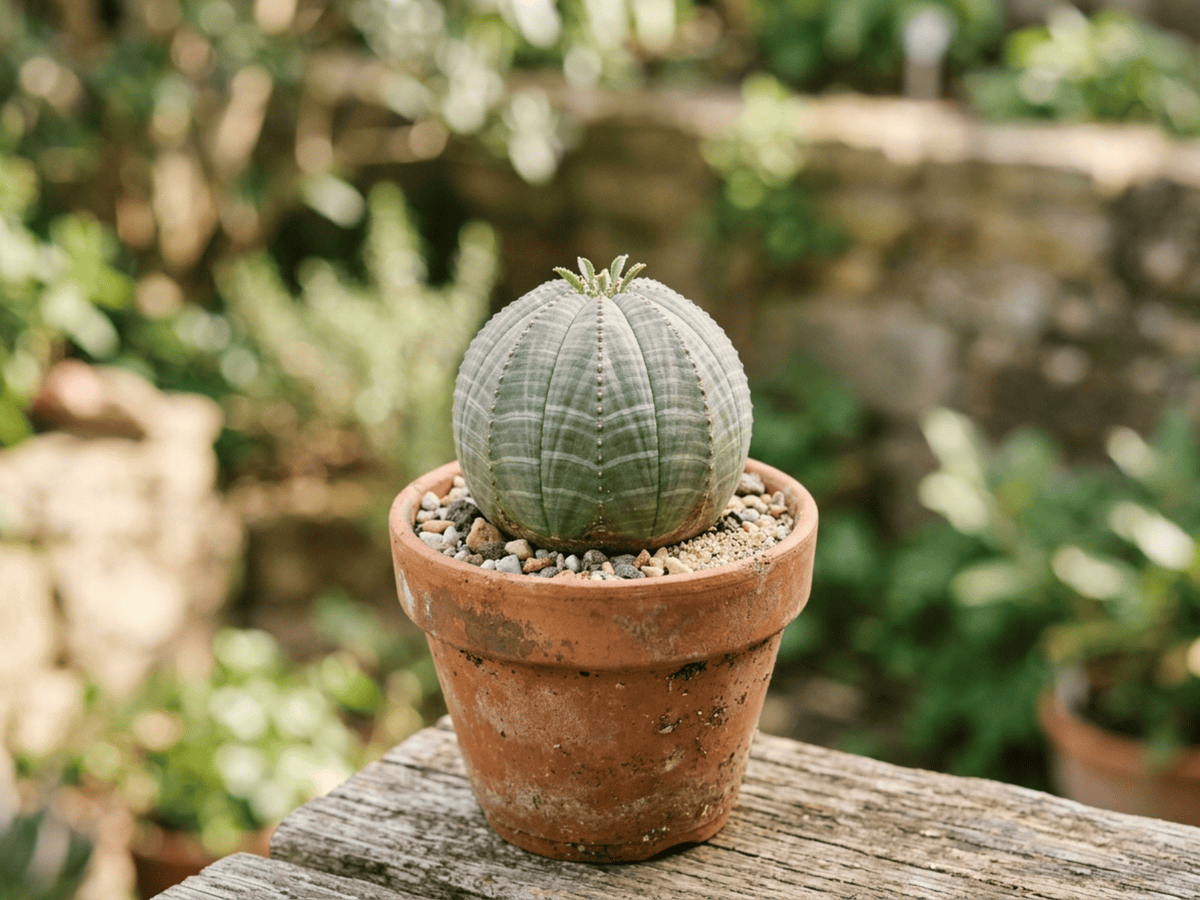 Turkish TempleEuphorbia obesa
Plants with similar care
 Chinese AbeliaAbelia chinensis
 Fragrant AbeliaAbelia mosanensis
 Large-Flowered AbeliaAbelia uniflora
 Glossy AbeliaAbelia x grandiflora
Frequently asked questions
How often should I water Crown-Of-Thorns?
In summer, water about every 7 days; in winter, about every 21 days. Adjust for heat, pot size and drainage.
How much light does Crown-Of-Thorns need?
Full sun: 6+ hrs direct. Watch the leaves — scorching or stretching means the light needs adjusting.
Is Crown-Of-Thorns toxic to cats or dogs?
Pets Moderate (Dogs Moderate · Cats Moderate) Educational information, not medical or veterinary advice. If exposure is suspected, contact a doctor or veterinarian.
Is Crown-Of-Thorns easy to grow?
Yes — it is considered an easy, beginner-friendly plant.
Can Crown-Of-Thorns be grown indoors?
Yes, it adapts well to indoor growing given the right light.
When does Crown-Of-Thorns bloom?
It typically blooms Jan–Dec in the Northern Hemisphere.
YardMate
Identify any plant in seconds
Snap a photo — YardMate names the plant, diagnoses problems, and reminds you when to water.
Download on the App Store