 YardMate



Ficus Audrey
Ficus audrey
Easy · Beginner friendlyAbout Ficus Audrey
Ficus Audrey or Banyan Fig is a vigorous tropical Indian evergreen tree with broad oval velvety pale-green leaves and pale gray bark. Reaching 6-10 feet indoors and up to 100 feet in its native range (where it is the national tree of India), it has emerged as a popular trendy alternative to the more finicky Fiddle Leaf Fig in American homes. Easier to grow, more tolerant of light variation, and less prone to leaf drop, it has become a defining houseplant of the late 2010s and 2020s.
- Container-friendly
- Evergreen
How to care for Ficus Audrey
Watering
- Springevery 10 days
- Summerevery 10 days
- Fallevery 14 days
- Winterevery 21 days
Soil · Well-draining
- Main mixLoam + bark + perlite 2:1:175%
- DrainageLECA25%
Bark keeps the mix from compacting under a heavy root ball.
FERTILIZER
Balanced Feed 14-14-14
An even feed covers all three needs at once, keeping leaves, roots and blooms moving together with nothing pushed out of balance.
- Nitrogen · Leaves
- Phosphorus · Roots + Blooms
- Potassium · Strength
- Springevery 30 days
- Summerevery 30 days
- Fallevery 60 days
At a Glance
- NativeSouth Asia, East Asia
- Height6–10 ft (1.8–3 m)
- Spread3–5 ft (0.9–1.5 m)
- Foliage colorDark-green
- Fruit colorRed
- SoilLoamy, Well-drained
- LocationsIndoor · Yard
Bloom time
BLOOM CYCLE
Peak bloom
Jun–Aug
Small inconspicuous figs (uncommon indoors)
Toxicity
Humans Slight · Pets Moderate
ficin enzyme, furocoumarins, and psoralens
Slight
- Sap
- Contact
- Ingestion
EXPOSURE Touching sap. Eating sap.
EFFECT Skin irritation and gastrointestinal upset.
NOTE Documented concern for humans: Skin irritation and gastrointestinal upset.
Moderate
- Sap
- Leaf
- Contact
- Ingestion
EXPOSURE Touching sap and leaves. Eating sap and leaves.
EFFECT Oral irritation, vomiting, and dermatitis.
NOTE ASPCA lists Ficus as toxic due to irritant latex.
Moderate
- Sap
- Leaf
- Contact
- Ingestion
EXPOSURE Touching sap and leaves. Eating sap and leaves.
EFFECT Oral irritation, vomiting, and dermatitis.
NOTE ASPCA lists Ficus as toxic due to irritant latex.
Educational information, not medical or veterinary advice. If exposure is suspected, contact a doctor or veterinarian.
DISTRIBUTION


- Native
- South Asia
- East Asia
History

Ficus audrey is a commercial trade name for the Indian banyan, Ficus benghalensis, a large fig tree in the family Moraceae native to the Indian subcontinent, Sri Lanka, and mainland Southeast Asia. Carl Linnaeus described Ficus benghalensis in Species Plantarum in 1753 (epithet from Bengal). In India the species is the national tree, sacred to Hinduism as the kalpavriksha 'wish-fulfilling tree' and featured as a shade tree in ancient literature—wild specimens produce many aerial prop roots that grow into secondary trunks, enabling individual trees to cover hectares.
The 'Audrey' cultivar/selection arose from 2015 onward as Western plant retailers sought alternatives to the ubiquitous Ficus lyrata (fiddle-leaf fig), marketing F. benghalensis as a more forgiving houseplant. In indoor cultivation, F. audrey stays a small tree with velvety-fuzzed large elliptical leaves 15-25 cm long with prominent pale ivory venation. White latex is irritant.
Native to the Indian subcontinent and Pakistan, where it is the national tree of India and revered in Hindu, Buddhist, and Jain traditions. Mature wild specimens are among the largest trees on Earth by canopy spread. Toxic to pets due to Ficus latex.
Symbolism & meaning
What It Symbolizes
The banyan-kin Ficus Audrey carries the wisdom of the sacred banyan, a tree under whose vast canopy the Buddha is said to have meditated and beneath which Indian villages still gather to talk and decide. Paired with refuge, its broad sheltering form suggests both spiritual and literal sanctuary. As a houseplant, it brings a small piece of that contemplative, gathering presence indoors.
- Wisdom — sacred banyan tree of Indian spiritual tradition
- Refuge — vast canopy provides shelter in the wild
Where the Name Comes From
Botanically Ficus benghalensis; 'Audrey' is a marketing name. 'Benghalensis' refers to Bengal in India.
Uses & Fun Facts
- Velvety-leaved fig as easier-care alternative to fiddle-leaf indoors
- Soft pale-veined leaves give a refined tropical interior look
Related plants
More Ficus plants
 Weeping FigFicus benjamina
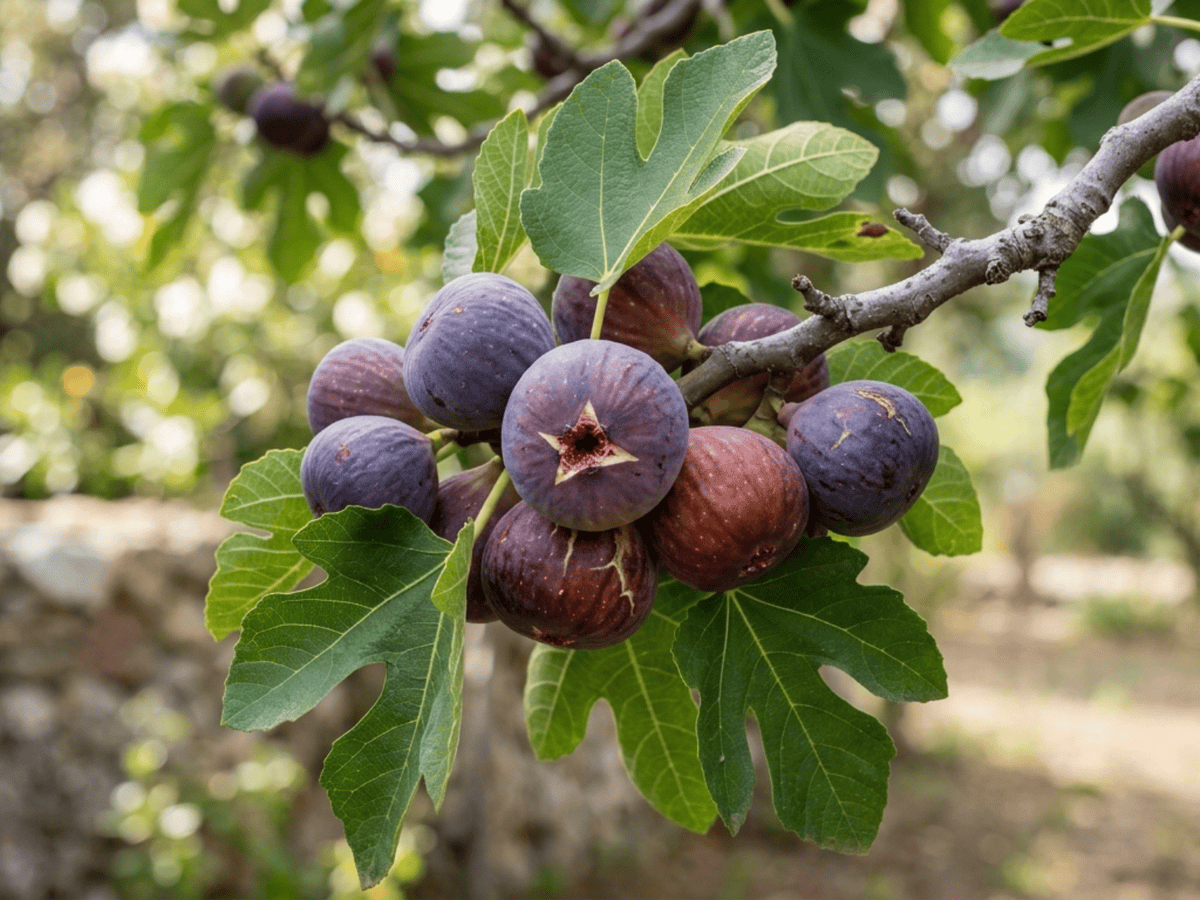 Common FigFicus carica
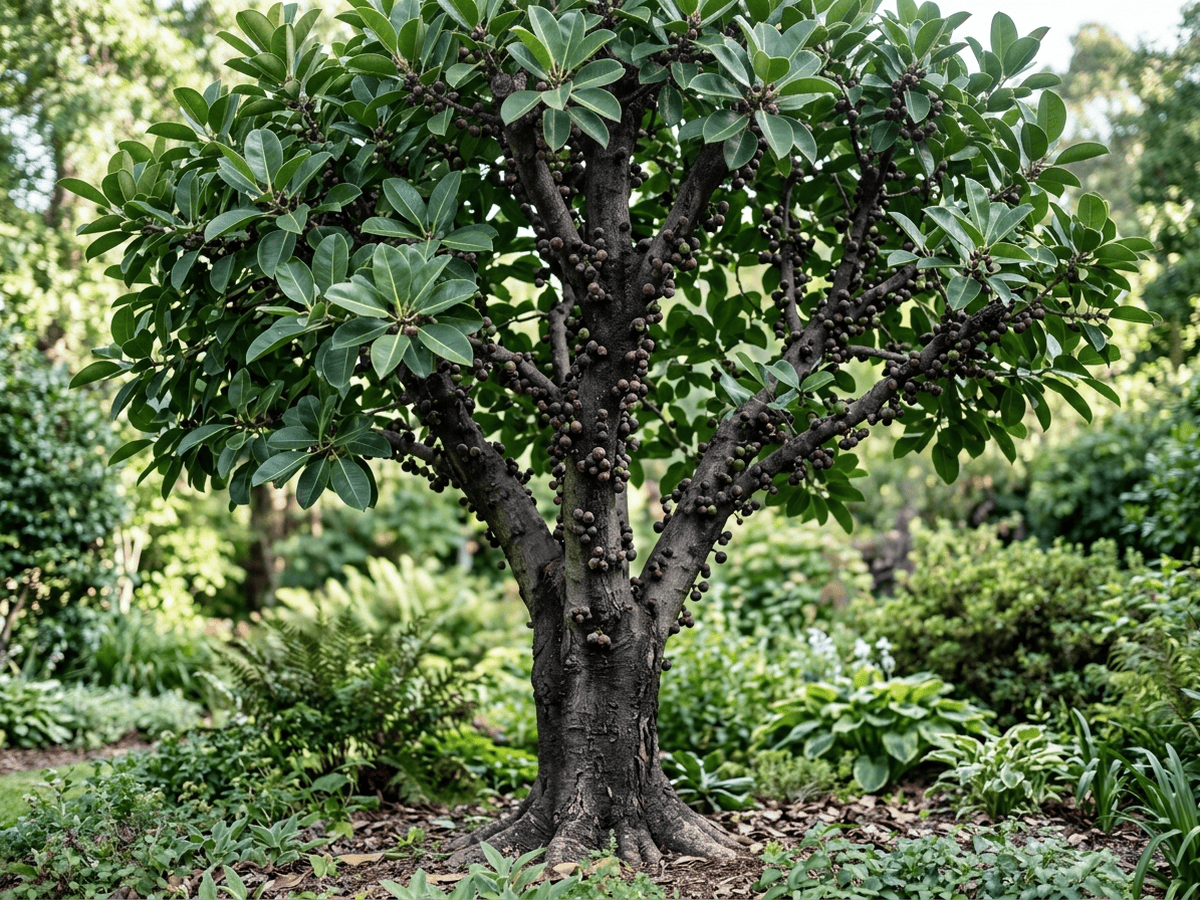 Bastard Natal FigFicus craterostoma
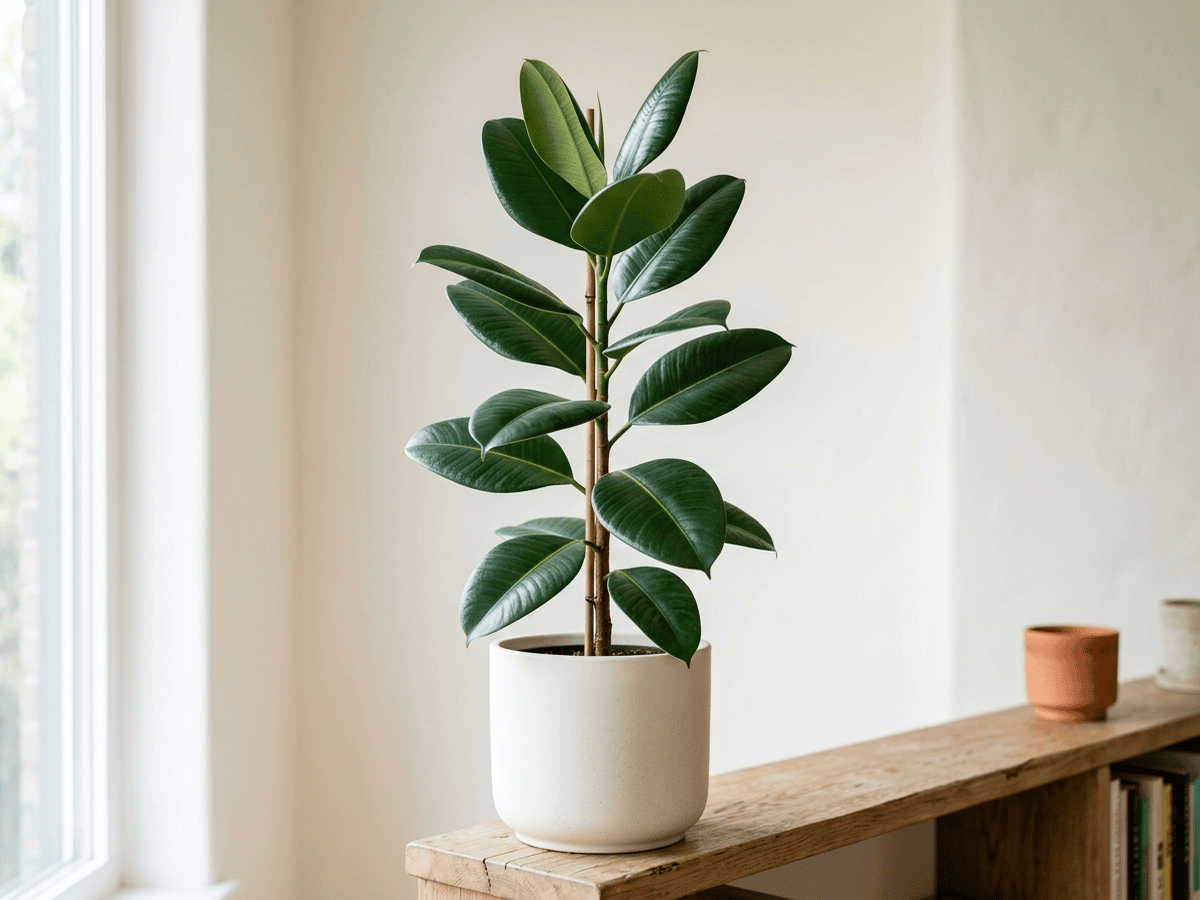 Rubber PlantFicus elastica
Plants with similar care
 Giant TaroAlocasia macrorrhizos
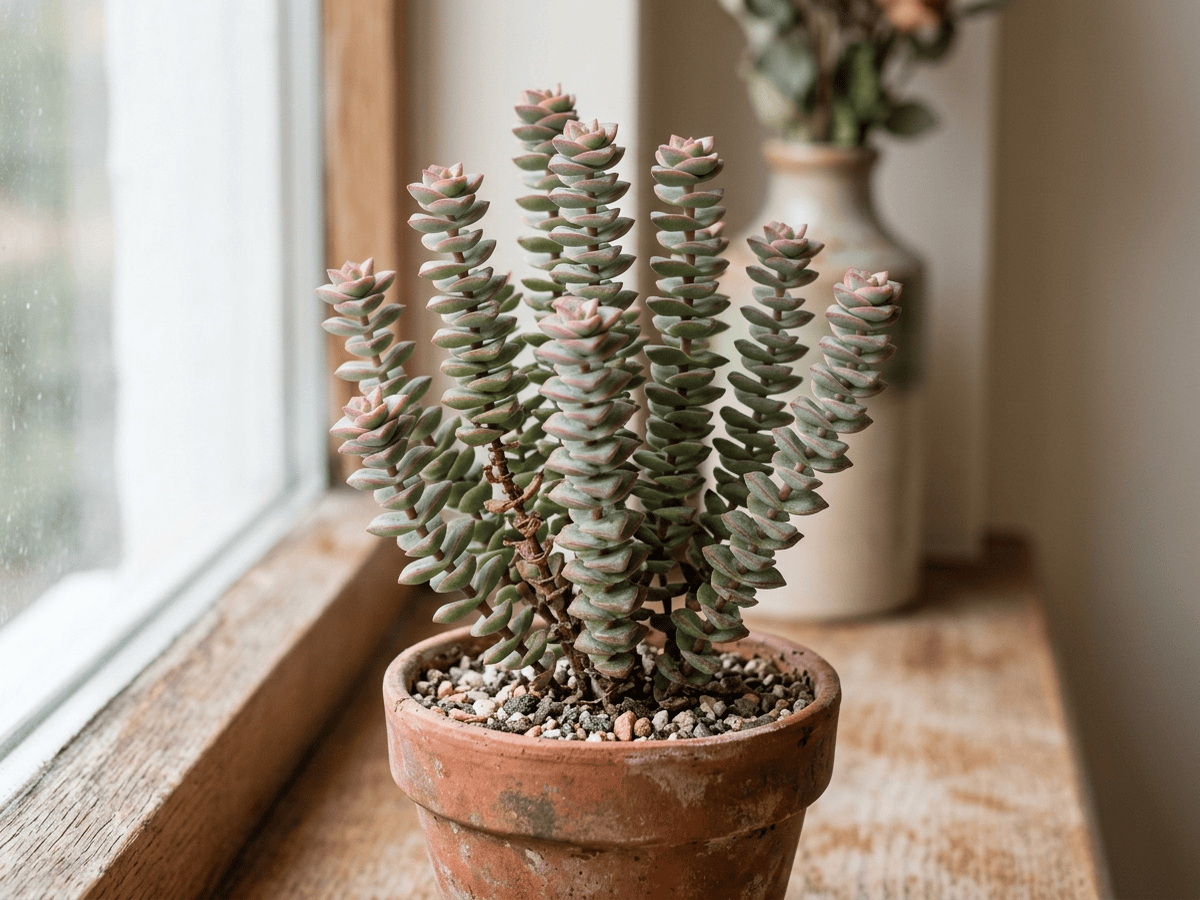 Concertina PlantCrassula perforata
 Song Of IndiaDracaena reflexa
 Snake PlantDracaena trifasciata
Frequently asked questions
How often should I water Ficus Audrey?
In summer, water about every 10 days; in winter, about every 21 days. Adjust for heat, pot size and drainage.
How much light does Ficus Audrey need?
Indirect: Filtered light. Watch the leaves — scorching or stretching means the light needs adjusting.
Is Ficus Audrey toxic to cats or dogs?
Pets Moderate (Dogs Moderate · Cats Moderate) Educational information, not medical or veterinary advice. If exposure is suspected, contact a doctor or veterinarian.
Is Ficus Audrey easy to grow?
Yes — it is considered an easy, beginner-friendly plant.
Can Ficus Audrey be grown indoors?
Yes, it adapts well to indoor growing given the right light.
When does Ficus Audrey bloom?
It typically blooms Jun–Aug in the Northern Hemisphere.
YardMate
Identify any plant in seconds
Snap a photo — YardMate names the plant, diagnoses problems, and reminds you when to water.
Download on the App Store