 YardMate

Common Fig
Ficus carica
Easy · Beginner friendlyAbout Common Fig
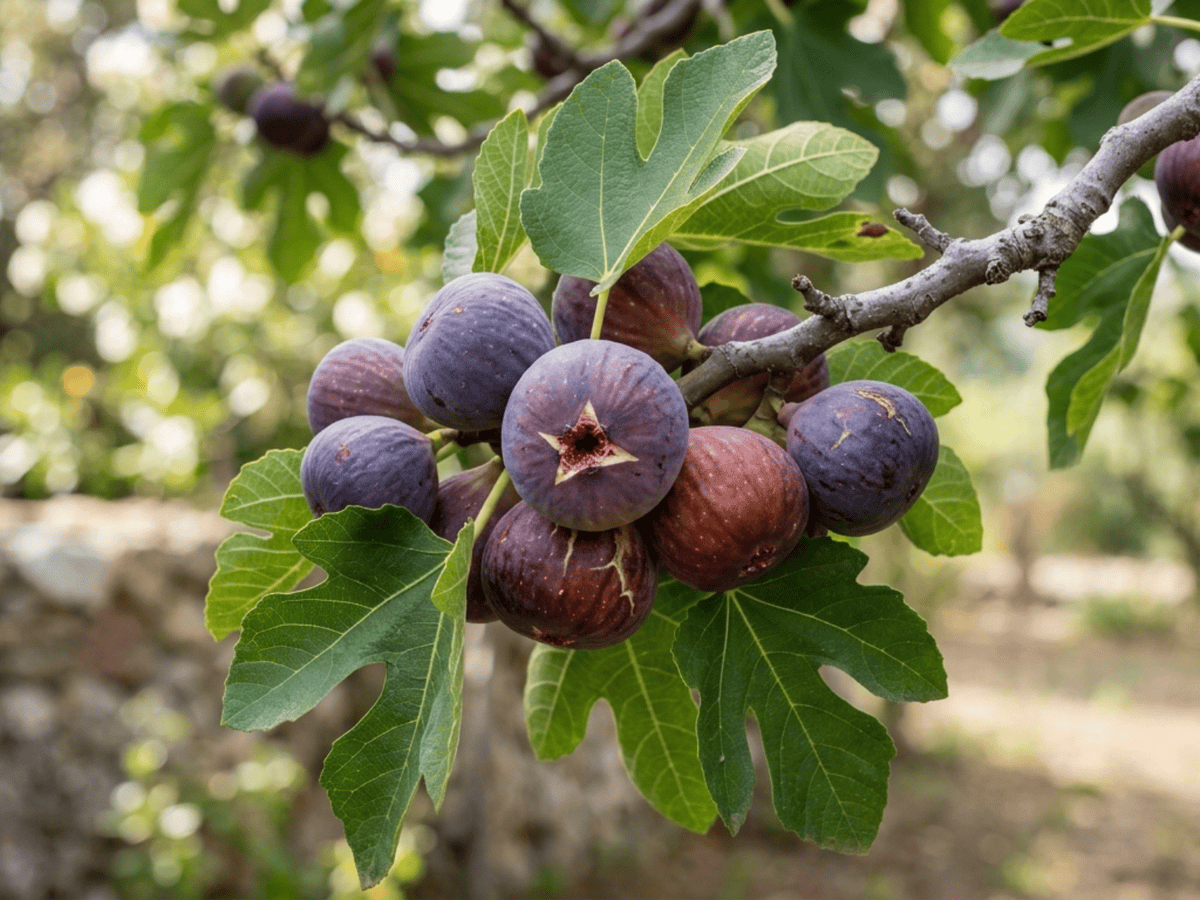
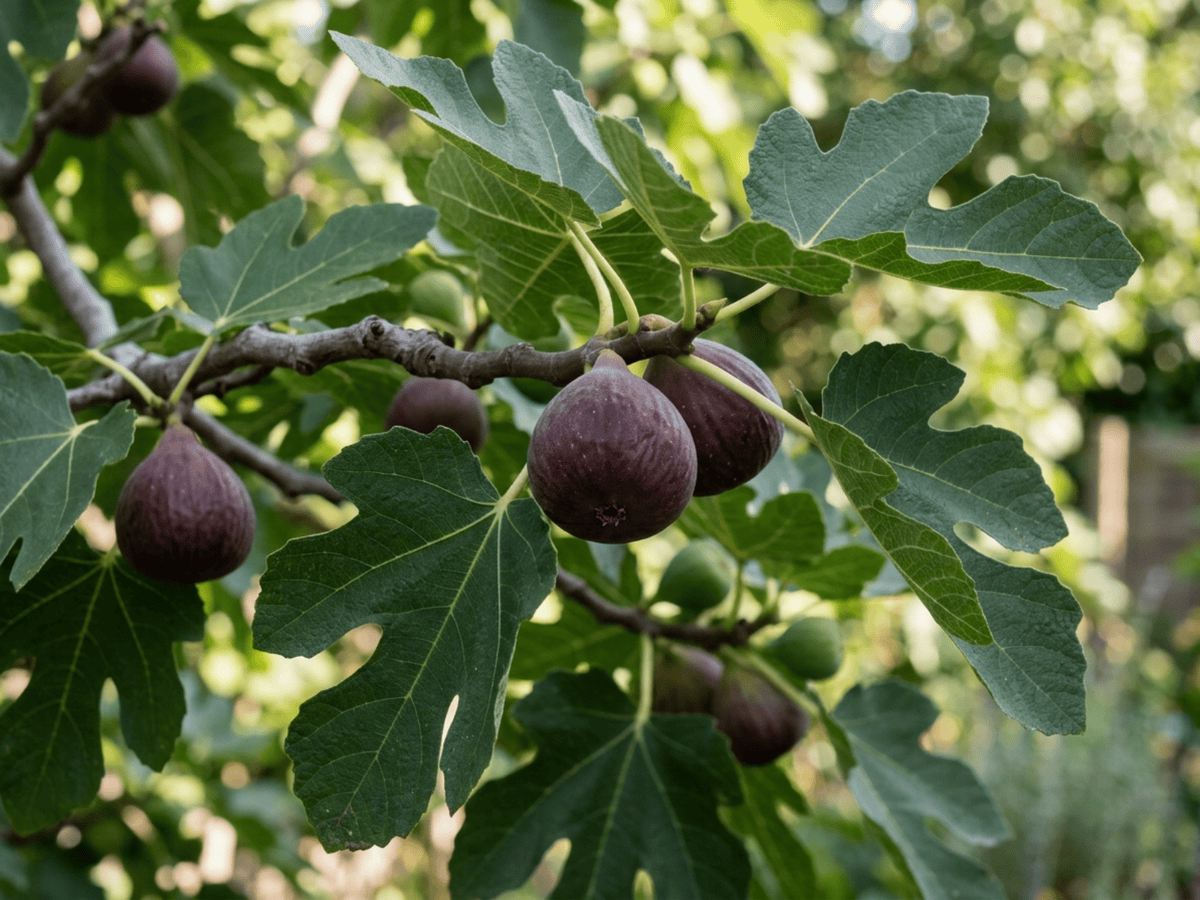
Ficus carica, the common fig, is a deciduous tree in the Moraceae family native to the eastern Mediterranean and western Asia. Growing 3–10 m tall with large, deeply lobed leaves and smooth grey bark, the fig has been cultivated for over 11,000 years—potentially the oldest cultivated fruit tree, predating wheat and barley. The 'fruit' is actually a syconium: an inside-out flower cluster where hundreds of tiny flowers line the interior.
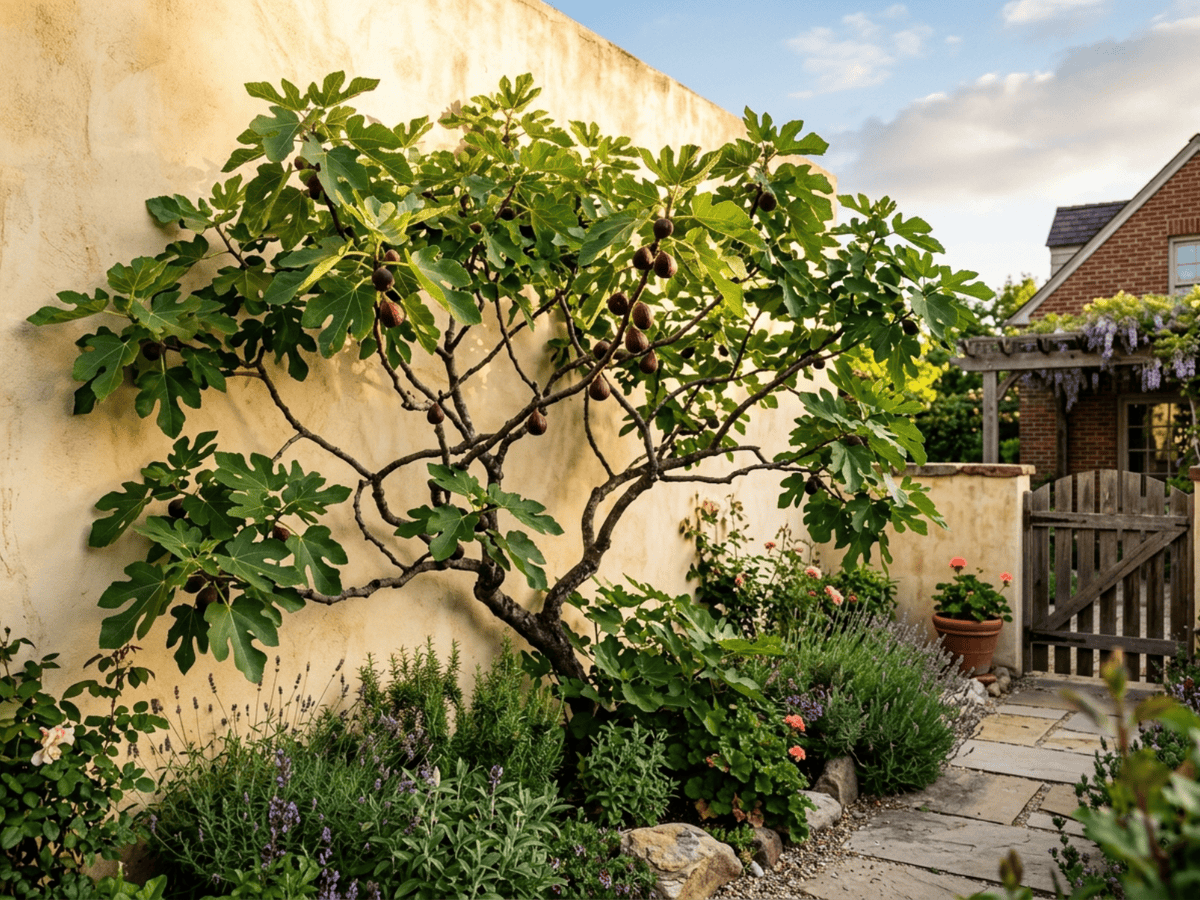
Figs thrive in USDA zones 7–11, though cold-hardy varieties like 'Chicago Hardy' and 'Celeste' survive zone 6 with winter protection. They prefer full sun, well-drained soil, and warm, sheltered positions—against a south-facing wall is ideal in marginal climates. Figs fruit on new growth (breba crop on last year's wood, main crop on current wood). Container growing is excellent for cold-climate gardeners.
Fresh figs are a fleeting luxury—they don't travel or store well, making garden-grown figs precious. Dried figs, however, were one of antiquity's most important foods: high in sugar, fibre, calcium, and potassium, they sustained Mediterranean and Middle Eastern civilizations. Figs feature prominently in religious texts: the Bible, Quran, and Buddhist scripture all reference the fig. The leaves are among the most iconic in art history (the 'fig leaf').
- Edible
- Drought-tolerant
How to care for Common Fig
Watering
- Springevery 7 days
- Summerevery 5 days
- Fallevery 10 days
- Winterevery 21 days
Soil · Well-draining
- Top dressingPine bark mulch10%
- Main mixPotting soil + perlite 2:170%
- DrainageLECA / gravel20%
Never skip the drainage layer — standing water is the top cause of root rot.
FERTILIZER
Balanced Feed 14-14-14
An even feed covers all three needs at once, keeping leaves, roots and blooms moving together with nothing pushed out of balance.
- Nitrogen · Leaves
- Phosphorus · Roots + Blooms
- Potassium · Strength
- Springevery 45 days
- Summerevery 45 days
- Fallevery 60 days
At a Glance
- NativeMediterranean, Western Asia
- Height10–25 ft (3–7.6 m)
- Spread10–20 ft (3–6.1 m)
- Foliage colorGreen
- Fruit colorPurple
- SoilLoamy, Well-drained
- LocationsYard · Indoor · Balcony
Bloom time
BLOOM CYCLE
Peak bloom
Jun–Aug
Flowers are hidden inside the syconium (fig); no visible bloom. Fruit develops in two crops per year in warm climates.
Fragrance
LIGHT FRAGRANCE
Distinctive green-milky fig aroma, especially from crushed leaves.
Toxicity
Humans Slight · Pets Slight
ficin (proteolytic enzyme), psoralens, and furanocoumarins
Slight
- Sap
- Leaf
- Contact
EXPOSURE Touching sap and leaves.
EFFECT Latex causes contact dermatitis, especially under sunlight (phytophotodermatitis from furanocoumarins).
NOTE Documented concern for humans: Latex causes contact dermatitis, especially under sunlight (phytophotodermatitis from furanocoumarins).
Slight
- Leaf
- Stem
- Sap
- Ingestion
EXPOSURE Eating leaves, stems, and sap.
EFFECT Vomiting, diarrhea, dermatitis from sap (per ASPCA).
NOTE ASPCA lists Ficus as toxic to pets due to sap irritation; ripe fruit is safe.
Slight
- Leaf
- Stem
- Sap
- Ingestion
EXPOSURE Eating leaves, stems, and sap.
EFFECT Vomiting, diarrhea, dermatitis from sap.
NOTE ASPCA lists Ficus as toxic to pets due to sap irritation; ripe fruit is safe.
Educational information, not medical or veterinary advice. If exposure is suspected, contact a doctor or veterinarian.
DISTRIBUTION

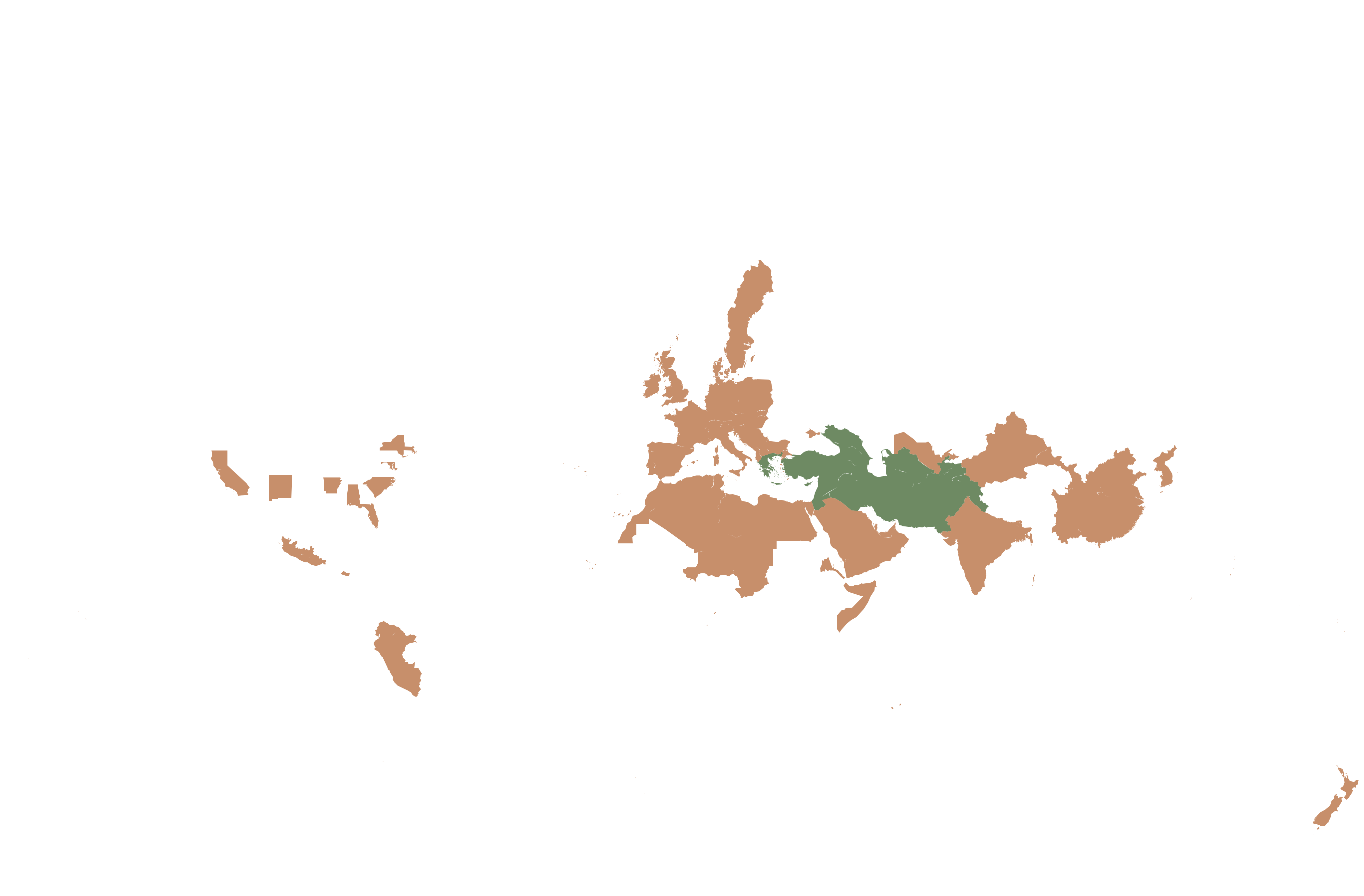
- Native
- Introduced
- Mediterranean
- Western Asia
History
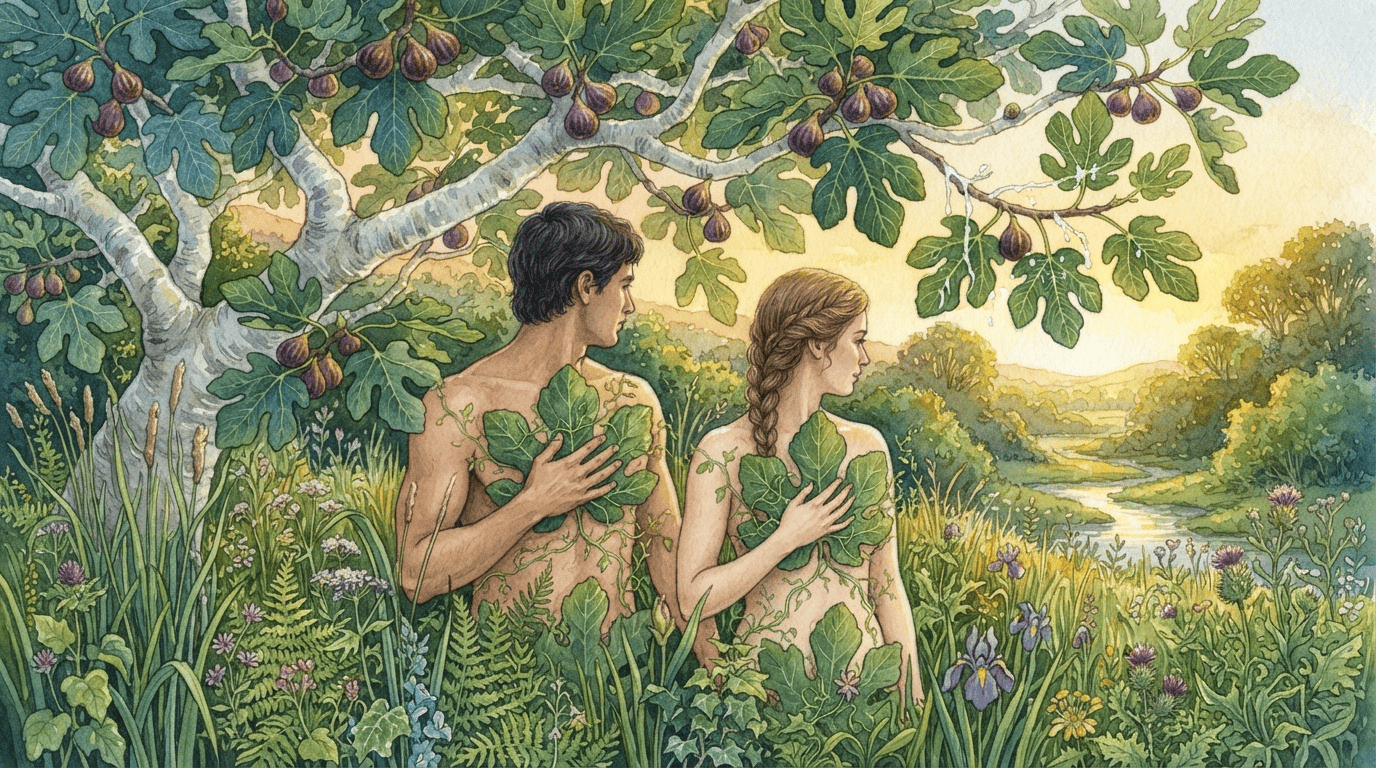
Ficus carica has extraordinarily ancient cultivation history. Archaeological evidence from Gilgal I in the Jordan Valley, where carbonized parthenocarpic (seedless, propagated from cuttings) figs were dated to 9400 BCE, suggests fig was the first tree domesticated — predating cereal domestication by approximately 1,000 years and indicating sophisticated Neolithic horticulture. Fig is native to the Mediterranean, Middle East, and western Asia.
It is mentioned extensively in the Hebrew Bible (Genesis 3 identifies the fig leaf as Adam and Eve's covering), the Christian New Testament (Jesus's cursing of the barren fig tree in Mark 11), and the Quran (which opens chapter 95 with an oath "By the fig and the olive"). In Buddhism the related Ficus religiosa is the sacred bo tree under which Buddha attained enlightenment. Fig pollination involves an obligate mutualism with Blastophaga fig wasps that pollinate the enclosed flowers; some commercial figs are parthenocarpic and don't require pollination.
Turkey, Egypt, and Morocco are leading commercial producers. California's Fresno area produces nearly all US commercial figs. Carbonised figs from Jericho (9400 BC) may be the earliest evidence of agriculture — predating cereal cultivation. Figs appear in Genesis (the fig leaf), are one of the Seven Species of Israel, and are mentioned in the Quran. Romulus and Remus were suckled under a fig tree. Spanish missions brought figs to California.
Symbolism & meaning
What It Symbolizes
The Common Fig carries wisdom — the Buddha attained enlightenment beneath a related fig species, and figs appear throughout Mediterranean and Near Eastern scriptures as emblems of deep understanding. Its prolific fruit also makes it a symbol of fertility and abundance, cultivated for thousands of years across warm regions. Few trees feed both belly and contemplative tradition so generously.
- Wisdom — The Buddha's enlightenment under a fig tree and its presence in scriptures link the fig to deep understanding
- Fertility — Its prolific fruit production and ancient cultivation make the fig a symbol of abundance and life
Where the Name Comes From
Ficus is the Latin word for fig tree; 'carica' references Caria, an ancient region in southwest Turkey where figs grew abundantly.
Uses & Fun Facts
- Sweet figs eaten fresh, dried, or made into preserves
- Dwarf forms thrive in patio pots in cooler regions
- Sacred Mediterranean fruit appearing throughout biblical and classical texts
Related plants
More Ficus plants
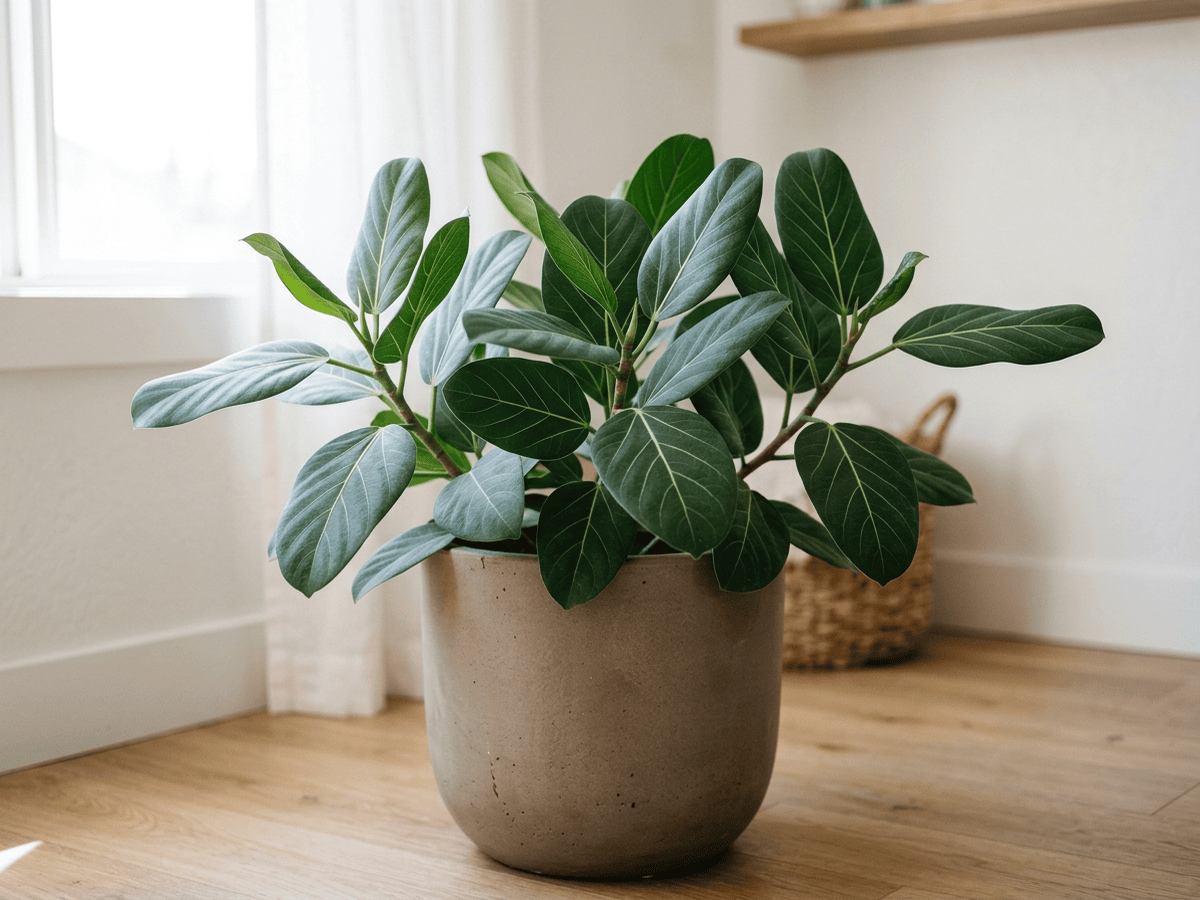 Ficus AudreyFicus audrey
 Weeping FigFicus benjamina
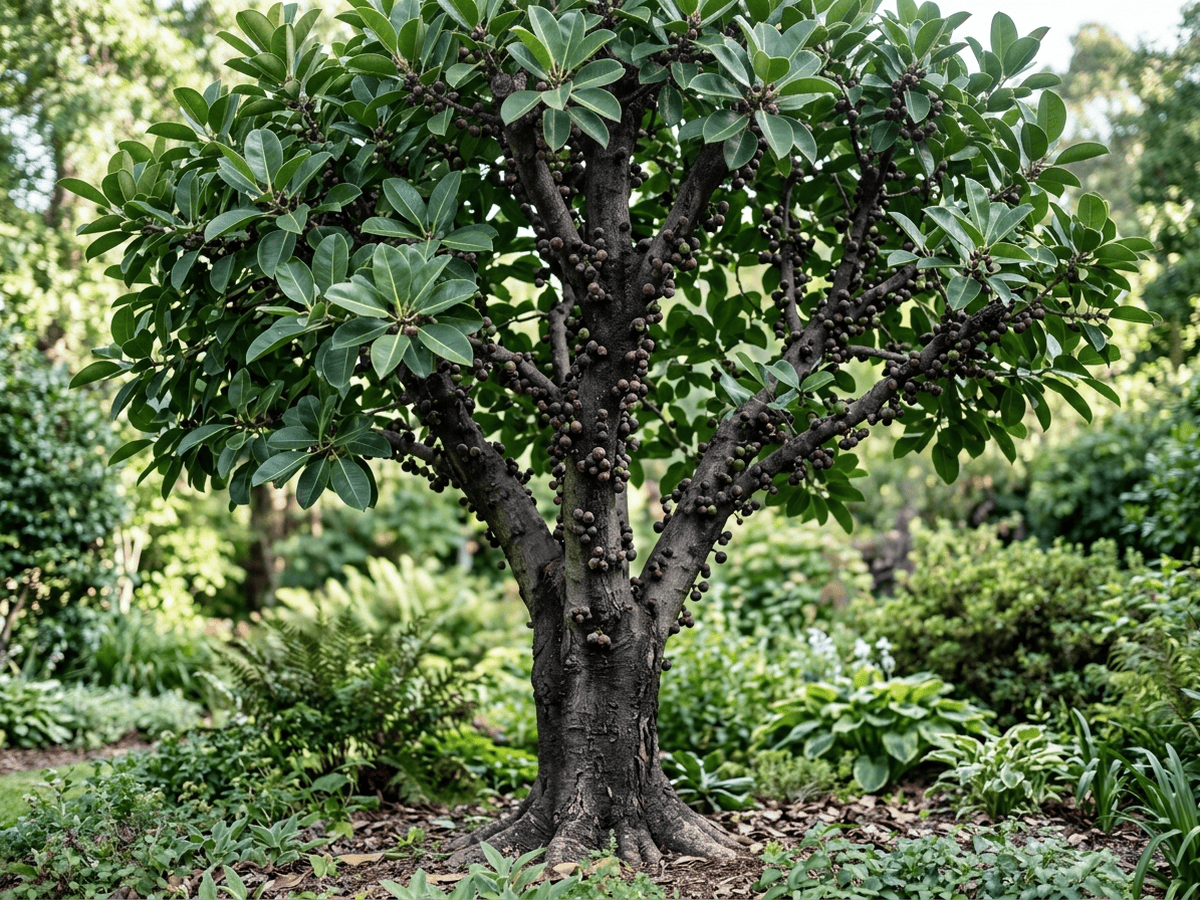 Bastard Natal FigFicus craterostoma
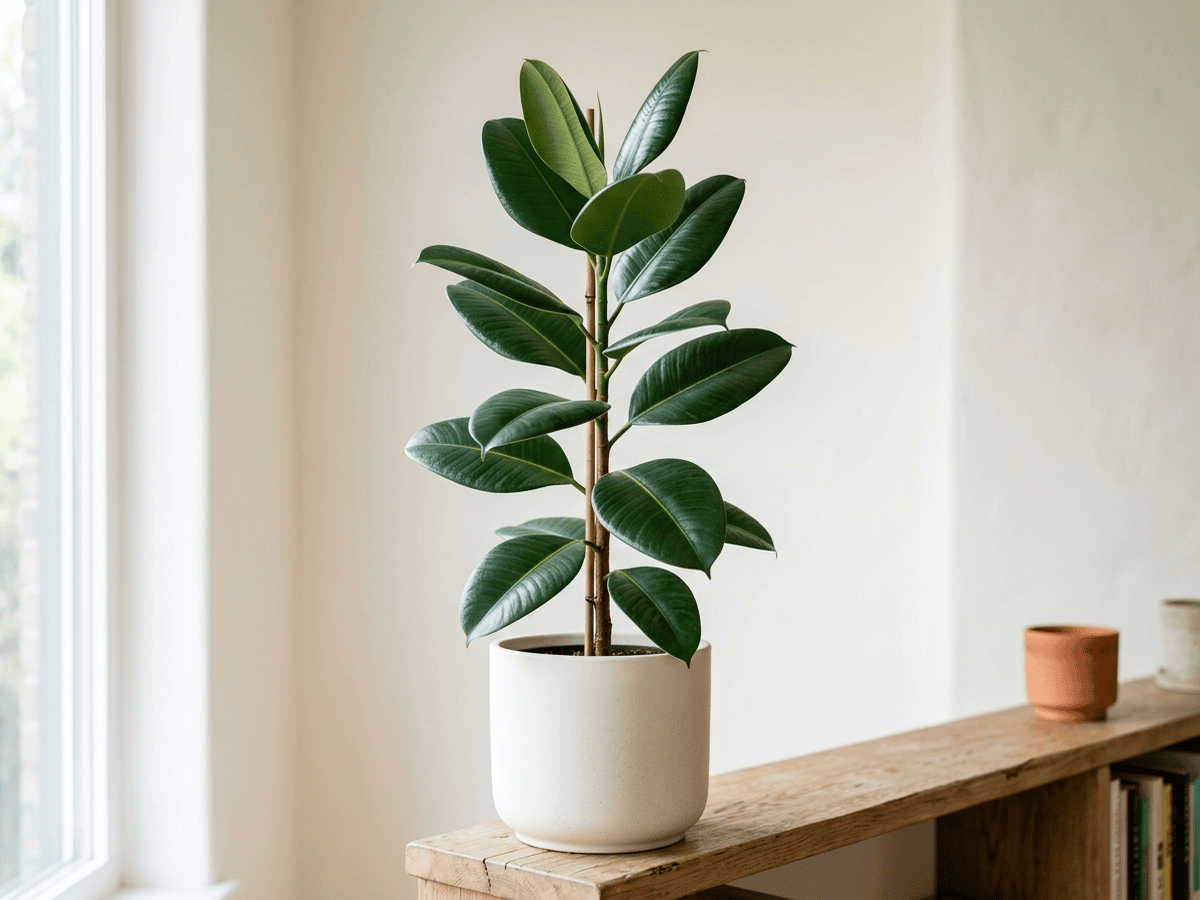 Rubber PlantFicus elastica
Plants with similar care
 Chinese AbeliaAbelia chinensis
 Fragrant AbeliaAbelia mosanensis
 Large-Flowered AbeliaAbelia uniflora
 Glossy AbeliaAbelia x grandiflora
Frequently asked questions
How often should I water Common Fig?
In summer, water about every 5 days; in winter, about every 21 days. Adjust for heat, pot size and drainage.
How much light does Common Fig need?
Full sun: 6+ hrs direct. Watch the leaves — scorching or stretching means the light needs adjusting.
Is Common Fig toxic to cats or dogs?
Pets Slight (Dogs Slight · Cats Slight) Educational information, not medical or veterinary advice. If exposure is suspected, contact a doctor or veterinarian.
Is Common Fig easy to grow?
Yes — it is considered an easy, beginner-friendly plant.
Can Common Fig be grown indoors?
Yes, it adapts well to indoor growing given the right light.
When does Common Fig bloom?
It typically blooms Jun–Aug in the Northern Hemisphere.
YardMate
Identify any plant in seconds
Snap a photo — YardMate names the plant, diagnoses problems, and reminds you when to water.
Download on the App Store