 YardMate


Rubber Plant
Ficus elastica
Easy · Beginner friendlyAbout Rubber Plant
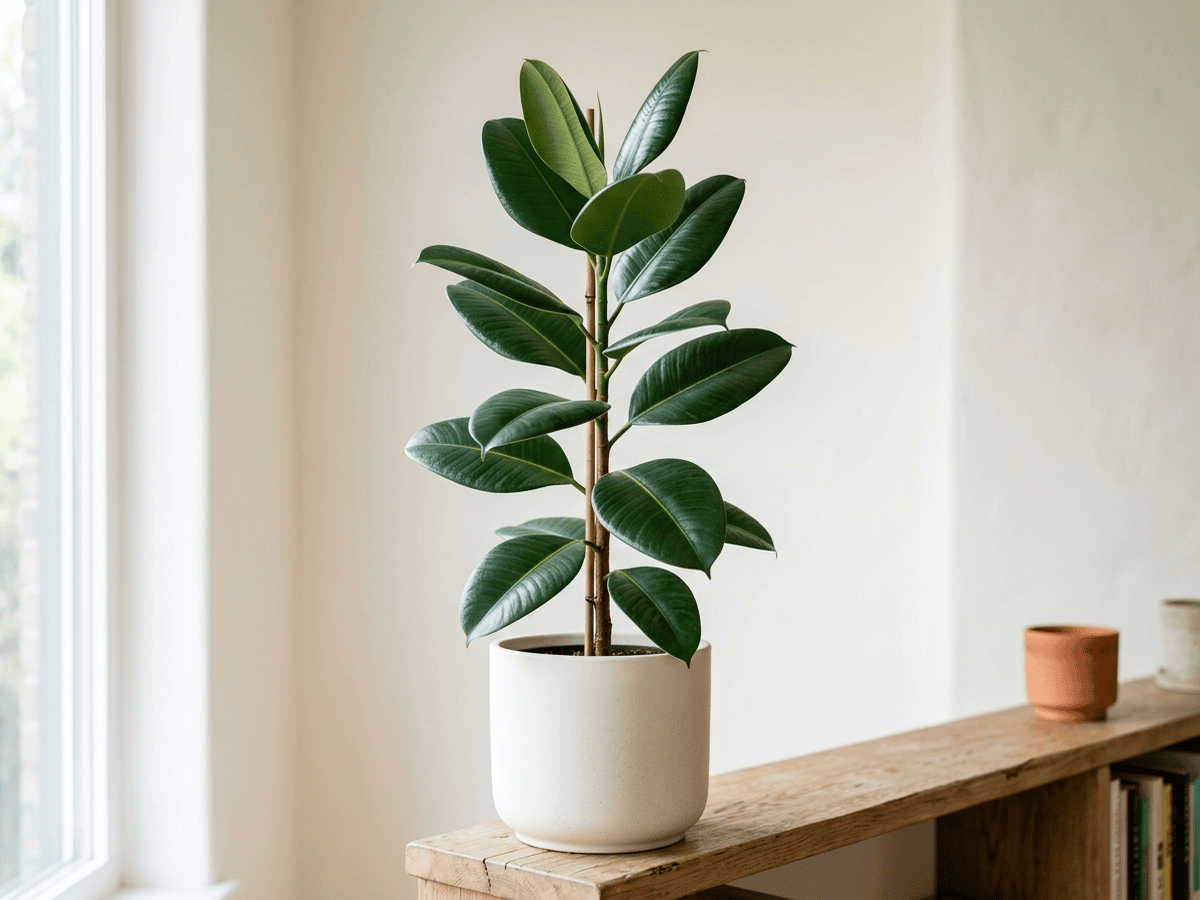
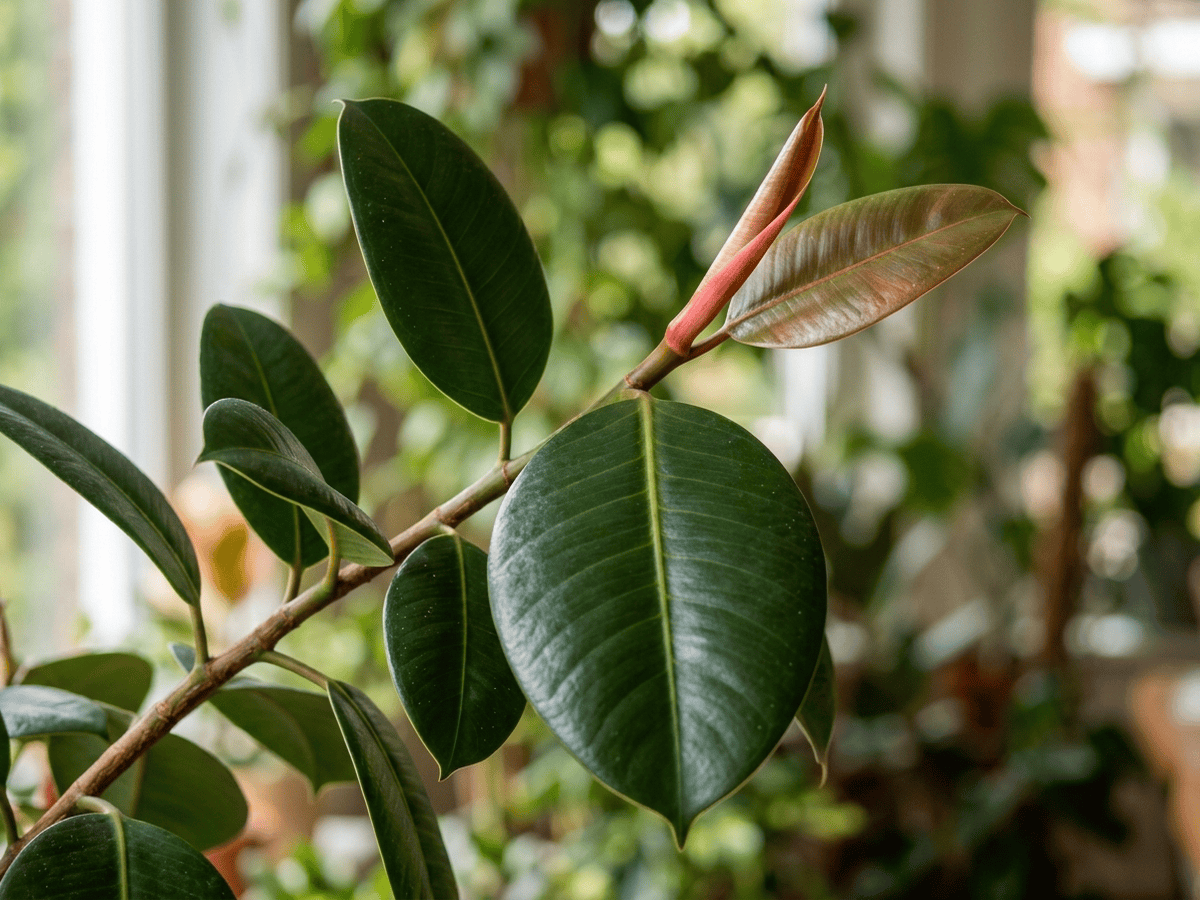
Ficus elastica, the rubber plant, is a bold architectural houseplant known for its large, thick, glossy leaves that range from deep green to burgundy. Native to Southeast Asia, it grows into a towering banyan in the wild but remains a manageable indoor tree with pruning. The plant produces a milky latex sap historically tapped for natural rubber before Hevea brasiliensis replaced it commercially. It prefers bright indirect light but adapts to lower conditions, and its broad leaves are excellent dust collectors — wiping them regularly keeps the plant healthy and shiny.
- Air-purifying
- Architectural
How to care for Rubber Plant
Watering
- Springevery 7 days
- Summerevery 5 days
- Fallevery 10 days
- Winterevery 14 days
Soil · Well-draining
- Main mixLoam + bark + perlite 2:1:175%
- DrainageLECA25%
Bark keeps the mix from compacting under a heavy root ball.
FERTILIZER
Balanced Feed 14-14-14
An even feed covers all three needs at once, keeping leaves, roots and blooms moving together with nothing pushed out of balance.
- Nitrogen · Leaves
- Phosphorus · Roots + Blooms
- Potassium · Strength
- Springevery 30 days
- Summerevery 30 days
- Fallevery 60 days
At a Glance
- NativeSouth Asia, East Asia
- Height6–10 ft (1.8–3 m)
- Spread3–5 ft (0.9–1.5 m)
- Foliage colorGreen, Red, Variegated
- SoilWell-drained, Loamy
- LocationsIndoor
Bloom time
BLOOM CYCLE
Does not bloom indoors
Fragrance
NO FRAGRANCE
Not fragrant.
Toxicity
Humans Slight · Pets Slight
ficin and caoutchouc (natural rubber latex)
Slight
- Leaf
- Sap
- Contact
- Ingestion
EXPOSURE Touching leaves and sap. Eating leaves and sap.
EFFECT Contact dermatitis from latex, mild GI upset if ingested, and latex allergy possible in sensitive individuals.
NOTE Latex cross-reactivity is documented in people with natural rubber latex allergy.
Slight
- Leaf
- Ingestion
EXPOSURE Eating leaves.
EFFECT Oral irritation, salivation, vomiting, diarrhea and per ASPCA.
NOTE Latex cross-reactivity is documented in people with natural rubber latex allergy.
Slight
- Leaf
- Ingestion
EXPOSURE Eating leaves.
EFFECT Oral irritation, salivation, vomiting, diarrhea and per ASPCA.
NOTE Latex cross-reactivity is documented in people with natural rubber latex allergy.
Educational information, not medical or veterinary advice. If exposure is suspected, contact a doctor or veterinarian.
DISTRIBUTION


- Native
- Introduced
- South Asia
- East Asia
History

Ficus elastica was the world's primary source of natural rubber through the mid-1800s, tapped commercially in Assam, Burma, and Malaya before the South American Hevea brasiliensis — easier to plant in neat rows — displaced it on plantations in Ceylon and Malaya by the 1890s. In Meghalaya, northeast India, the Khasi and Jaintia peoples still train its aerial roots across rivers to form living root bridges that take decades to mature and can carry fifty people at a time. As a houseplant it entered Victorian parlors in the 1860s for its glossy leathery leaves and tolerance of coal-smoke air, and it has remained a steady mid-market houseplant ever since, with burgundy cultivars like 'Burgundy' and 'Tineke' reviving its popularity in recent decades.
Queen Victoria's fascination with exotic plants brought the rubber tree into English drawing rooms in the 1850s, establishing it as a symbol of tropical elegance in European interiors.
Symbolism & meaning
What It Symbolizes
The Rubber Plant is an emblem of abundance, its broad burgundy or jade leaves stacking upward in a generous show of foliage. In Feng Shui and many home traditions it stands for prosperity drawn into the household, wealth that builds slowly through care. Its meaning is straightforward: a plant whose lush, deepening canopy mirrors the steady accrual of comfort over years.
- Abundance — Its lush, generous foliage represents wealth and prosperity
Where the Name Comes From
Ficus is the Latin name for fig. Elastica refers to the elastic latex produced by the plant, once commercially important for rubber.
Uses & Fun Facts
- Glossy-leaved tropical popular as indoor floor plant
- Bold burgundy or variegated foliage for modern interiors
Related plants
More Ficus plants
 Ficus AudreyFicus audrey
 Weeping FigFicus benjamina
 Common FigFicus carica
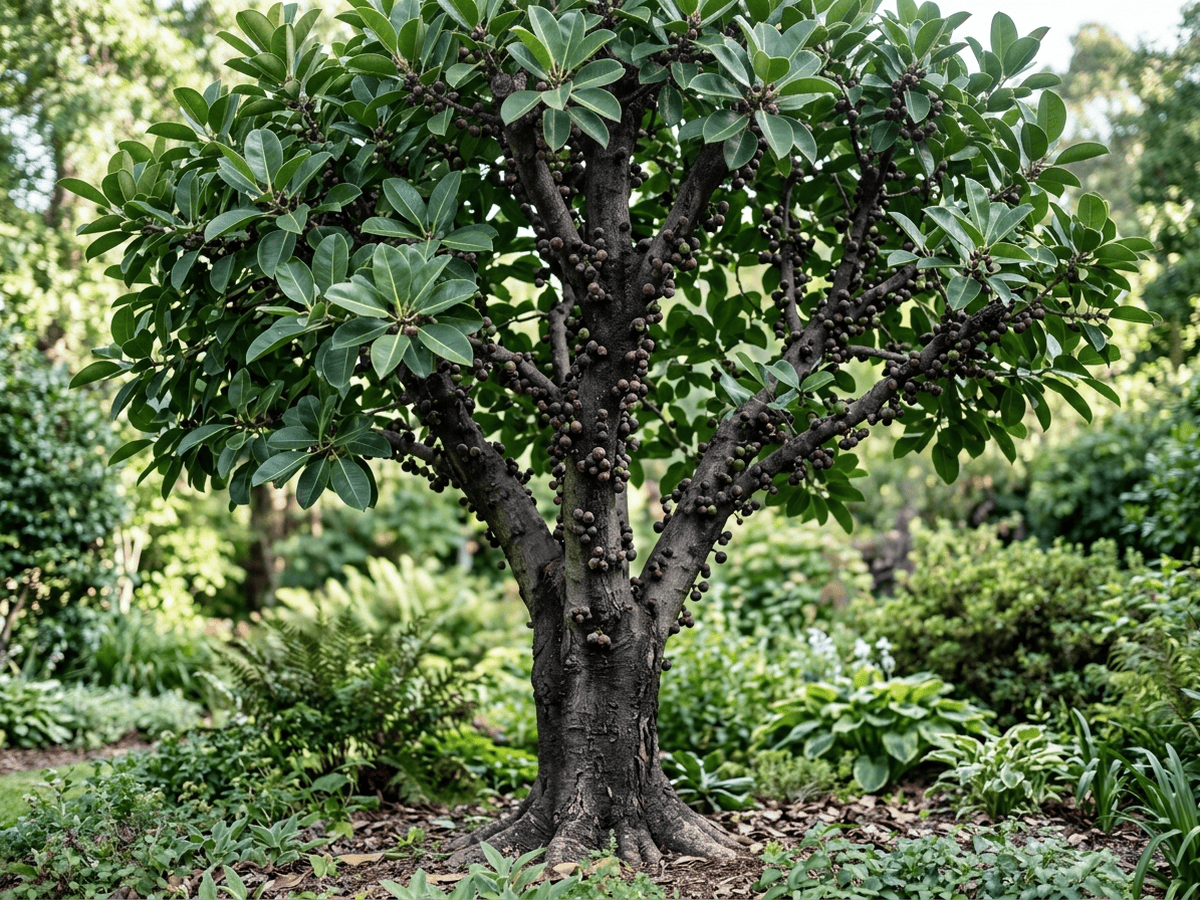 Bastard Natal FigFicus craterostoma
Plants with similar care
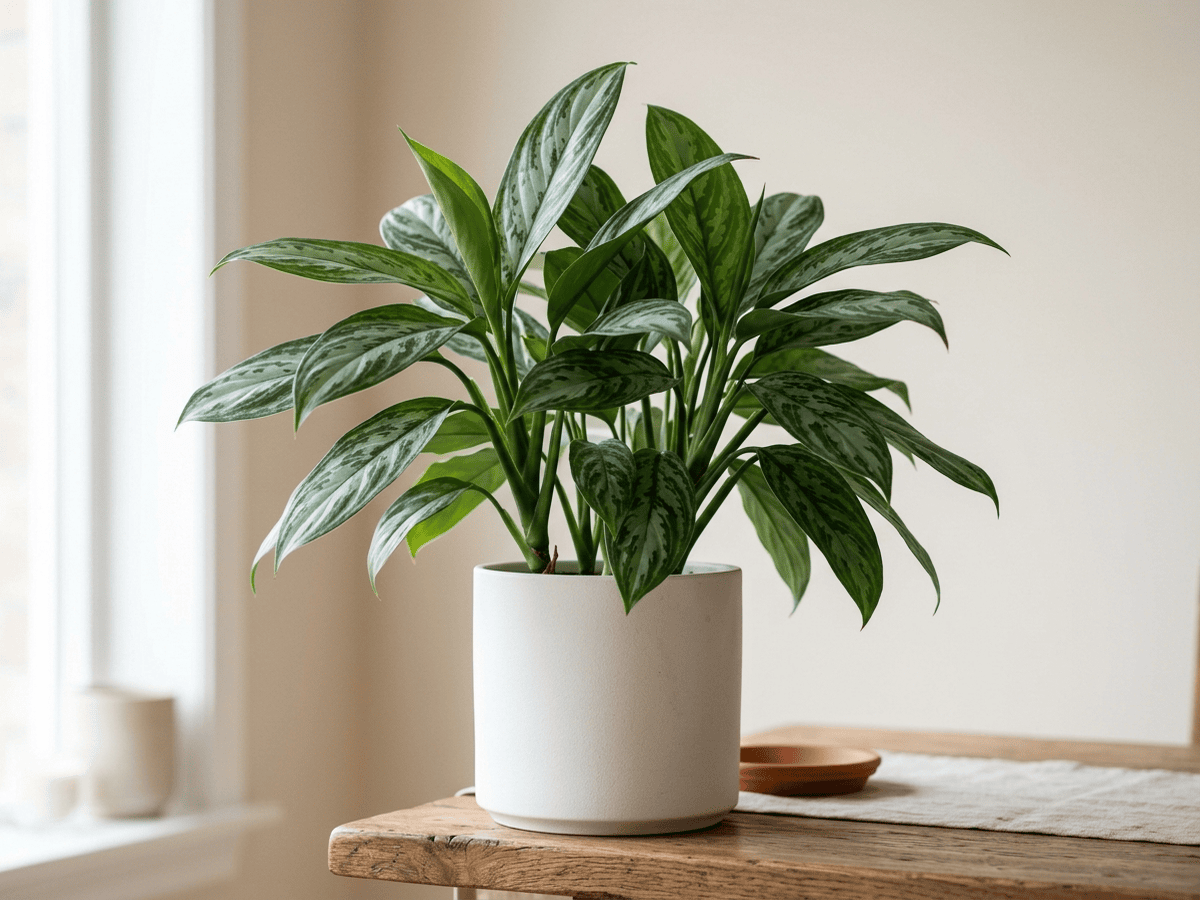 Philippine EvergreenAglaonema commutatum
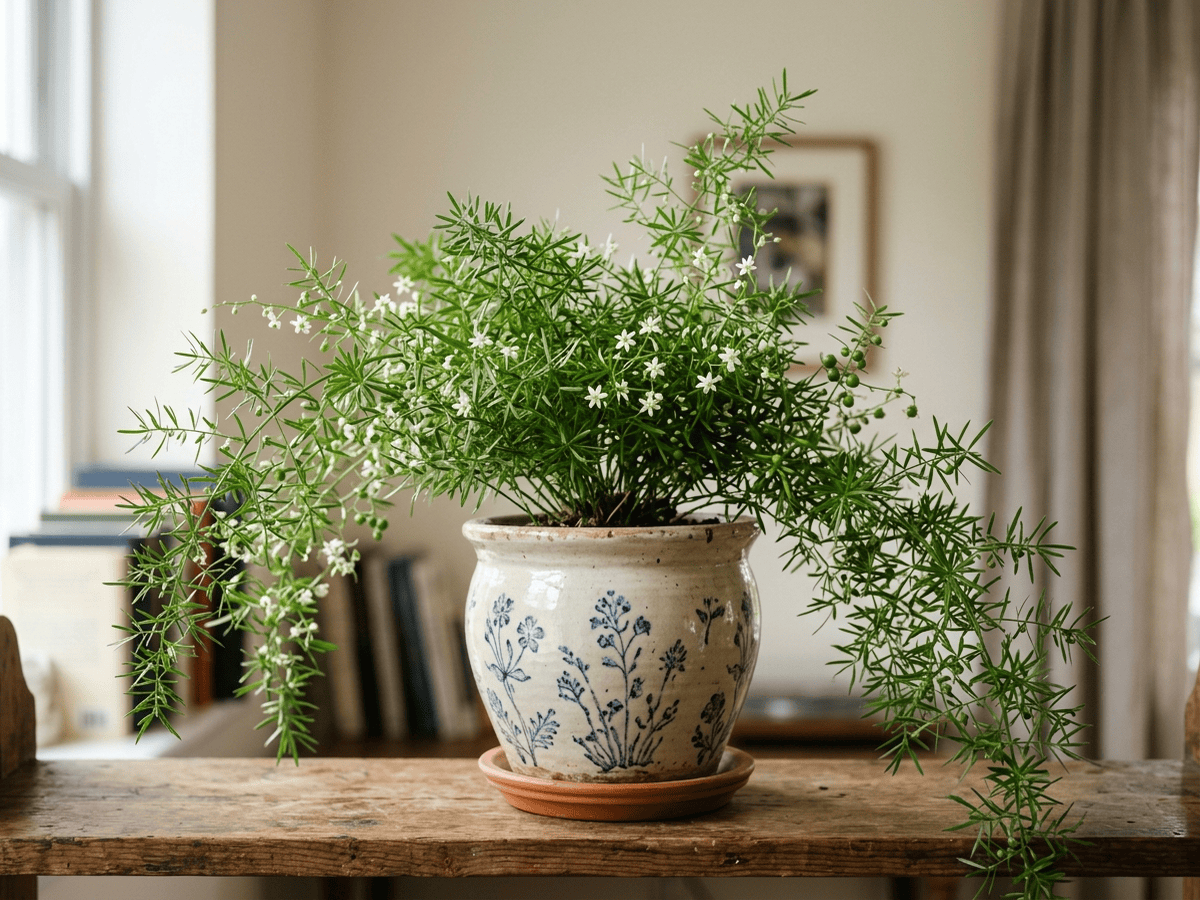 Sprenger's AsparagusAsparagus densiflorus
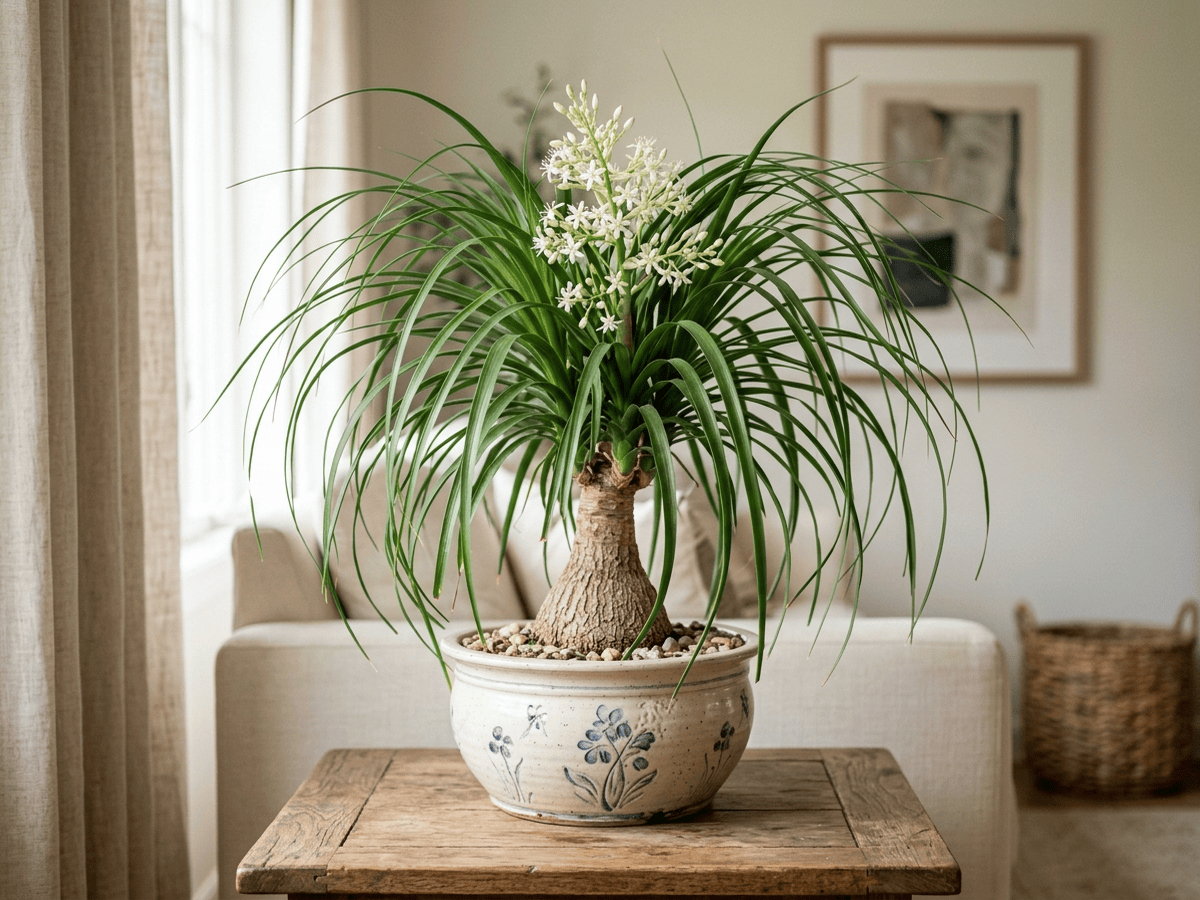 Ponytail PalmBeaucarnea recurvata
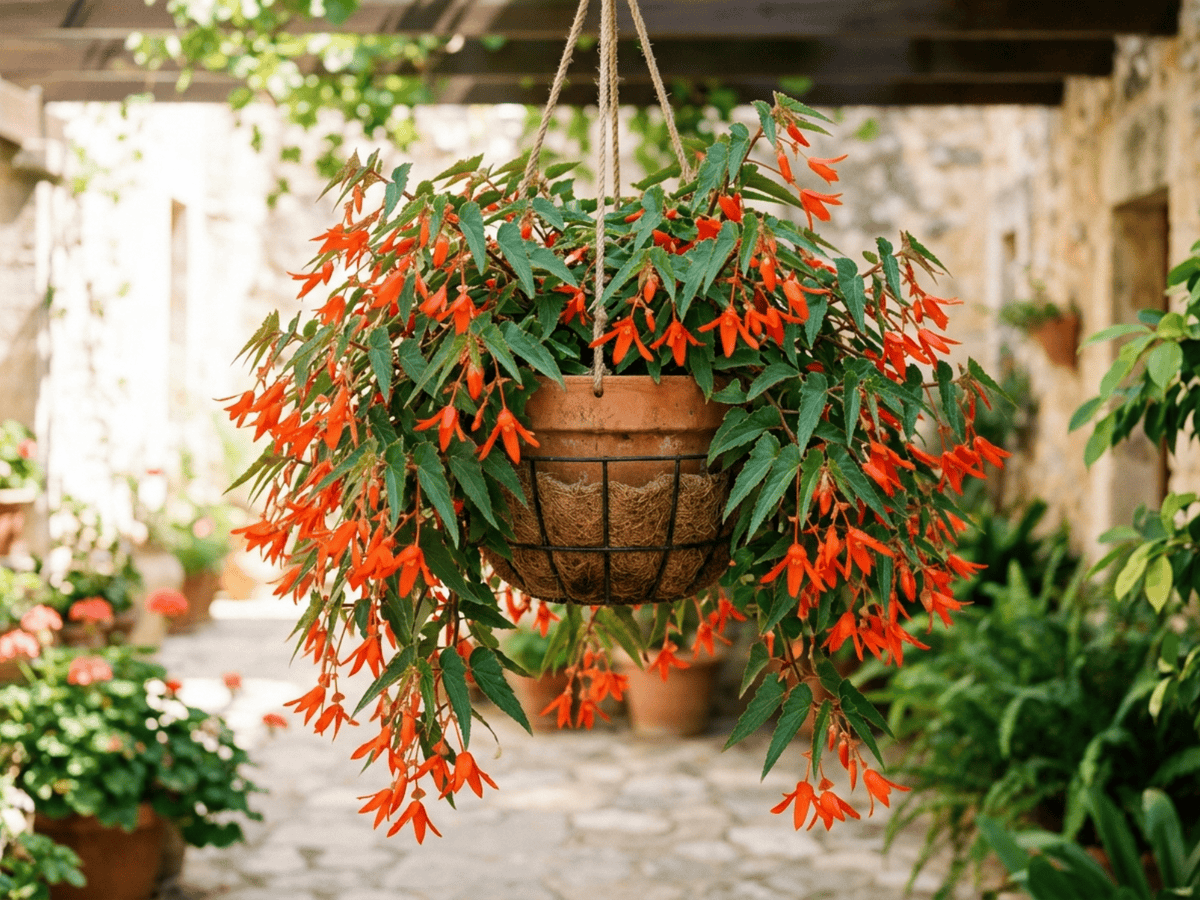 Tuberous BegoniaBegonia boliviensis
Frequently asked questions
How often should I water Rubber Plant?
In summer, water about every 5 days; in winter, about every 14 days. Adjust for heat, pot size and drainage.
How much light does Rubber Plant need?
Part shade: 2–4 hrs direct. Watch the leaves — scorching or stretching means the light needs adjusting.
Is Rubber Plant toxic to cats or dogs?
Pets Slight (Dogs Slight · Cats Slight) Educational information, not medical or veterinary advice. If exposure is suspected, contact a doctor or veterinarian.
Is Rubber Plant easy to grow?
Yes — it is considered an easy, beginner-friendly plant.
Can Rubber Plant be grown indoors?
Yes, it adapts well to indoor growing given the right light.
YardMate
Identify any plant in seconds
Snap a photo — YardMate names the plant, diagnoses problems, and reminds you when to water.
Download on the App Store