 YardMate
Bastard Natal Fig
Ficus craterostoma
Hard · Experienced growersAbout Bastard Natal Fig
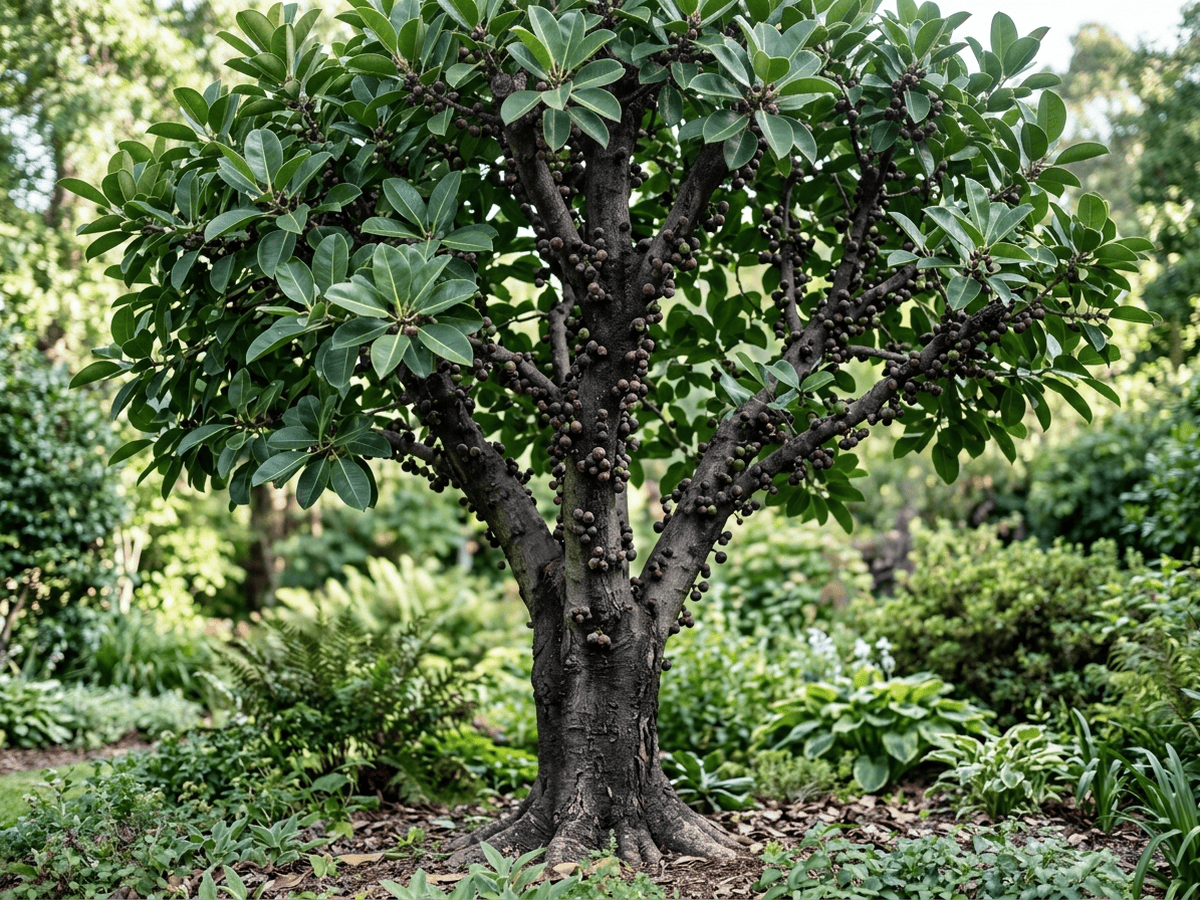
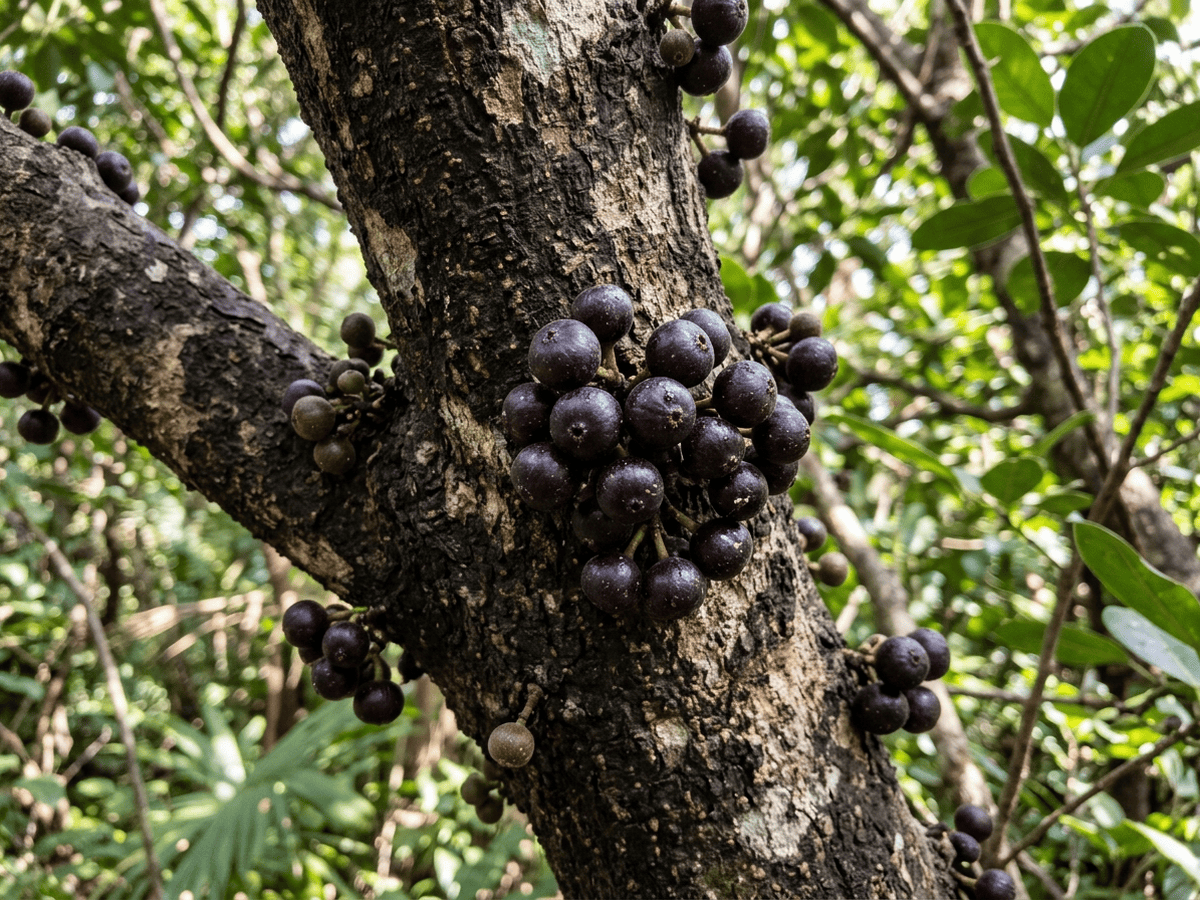
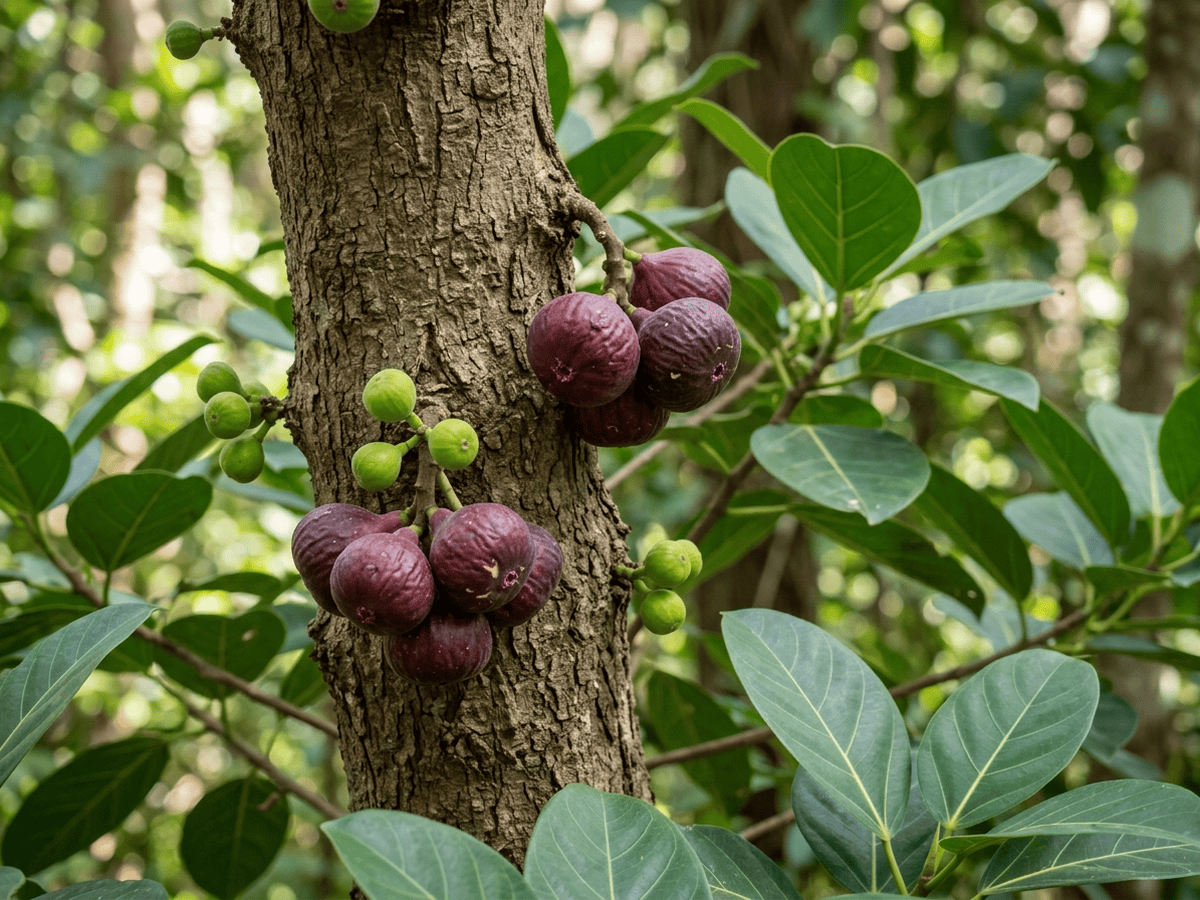
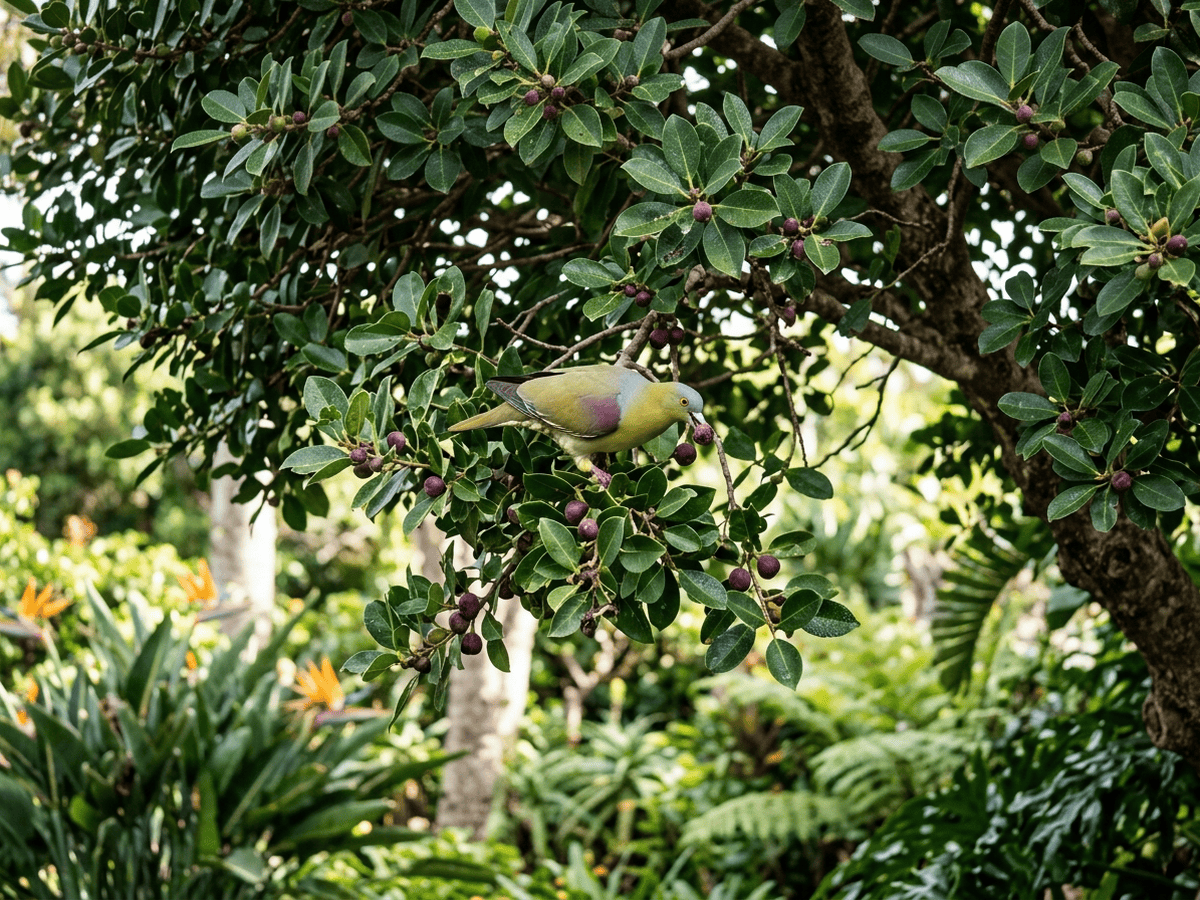
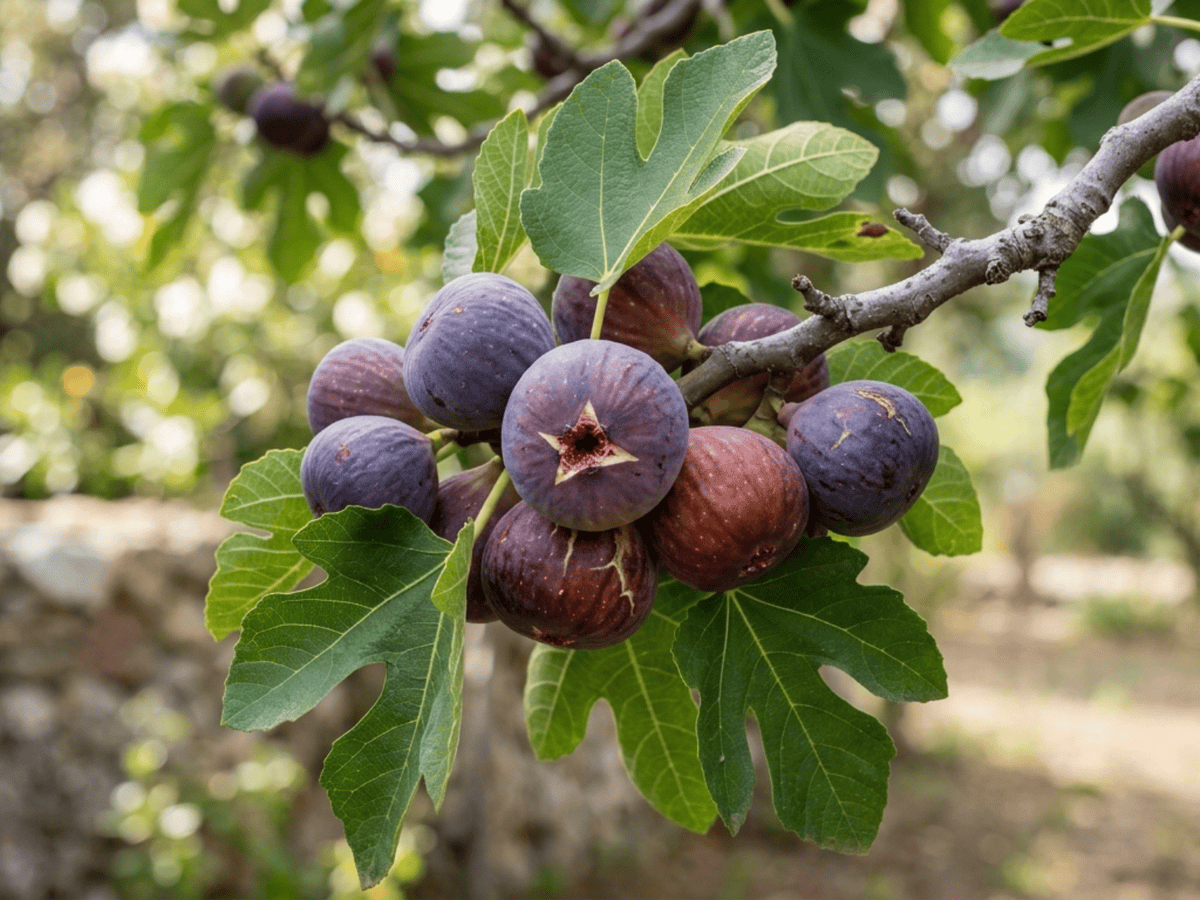
Ficus craterostoma, the Bastard Natal Fig, is a medium-sized evergreen tree native to the coastal forests and riverine kloofs of southern and eastern Africa. It grows 15–30 feet tall with a dense rounded canopy of large, leathery dark-green leaves. Like all figs, its flowers are hidden inside the fleshy syconium—what we call the 'fig'—and pollinated by tiny specialist wasps. Small purple-black edible figs are borne directly on the trunk and branches, maturing in late summer and autumn, and are eagerly sought by birds and mammals.
- Evergreen
- Drought-tolerant
- Pollinator-friendly
- Showy-fruit
How to care for Bastard Natal Fig
Watering
- Springevery 15 days
- Summerevery 15 days
- Fallevery 30 days
- Winterpause watering
Soil · Well-draining
- Top dressingPine bark mulch10%
- Main mixPotting soil + perlite 2:170%
- DrainageLECA / gravel20%
Never skip the drainage layer — standing water is the top cause of root rot.
FERTILIZER
Foliage Feed 24-8-16
Nitrogen leads so the plant spends its energy on dense green growth. Phosphorus and potassium follow just far enough to keep roots and stems up to speed.
- Nitrogen · Leaves
- Phosphorus · Roots + Blooms
- Potassium · Strength
- Springevery 30 days
- Summerevery 30 days
- Fallevery 60 days
At a Glance
- NativeAfrica
- Height15–30 ft (4.6–9.1 m)
- Spread15–20 ft (4.6–6.1 m)
- Foliage colorGreen
- Fruit colorPurple
- SoilWell-drained, Moist
- LocationsYard · Balcony
Fragrance
NO FRAGRANCE
Not fragrant.
Toxicity
Humans Slight · Pets Slight
ficin and psoralen
Slight
- Sap
- Leaf
- Contact
EXPOSURE Touching sap and leaves. Contact with sap and leaves.
EFFECT Skin irritation, eye irritation, and dermatitis.
NOTE Milky sap (latex) contains ficin (proteolytic enzyme) and furanocoumarins causing contact dermatitis in sensitive individuals. Ripe figs are edible; leaves and sap should be handled with gloves. Similar toxicity profile to other Ficus species.
Slight
- Sap
- Leaf
- Ingestion
- Contact
EXPOSURE Eating sap and leaves. Touching sap and leaves.
EFFECT Skin irritation, vomiting, and diarrhea.
NOTE Milky sap (latex) contains ficin (proteolytic enzyme) and furanocoumarins causing contact dermatitis in sensitive individuals. Ripe figs are edible; leaves and sap should be handled with gloves. Similar toxicity profile to other Ficus species.
Slight
- Sap
- Leaf
- Ingestion
- Contact
EXPOSURE Eating sap and leaves. Touching sap and leaves.
EFFECT Skin irritation, vomiting, and diarrhea.
NOTE Milky sap (latex) contains ficin (proteolytic enzyme) and furanocoumarins causing contact dermatitis in sensitive individuals. Ripe figs are edible; leaves and sap should be handled with gloves. Similar toxicity profile to other Ficus species.
Educational information, not medical or veterinary advice. If exposure is suspected, contact a doctor or veterinarian.
DISTRIBUTION


- Native
- Africa
History
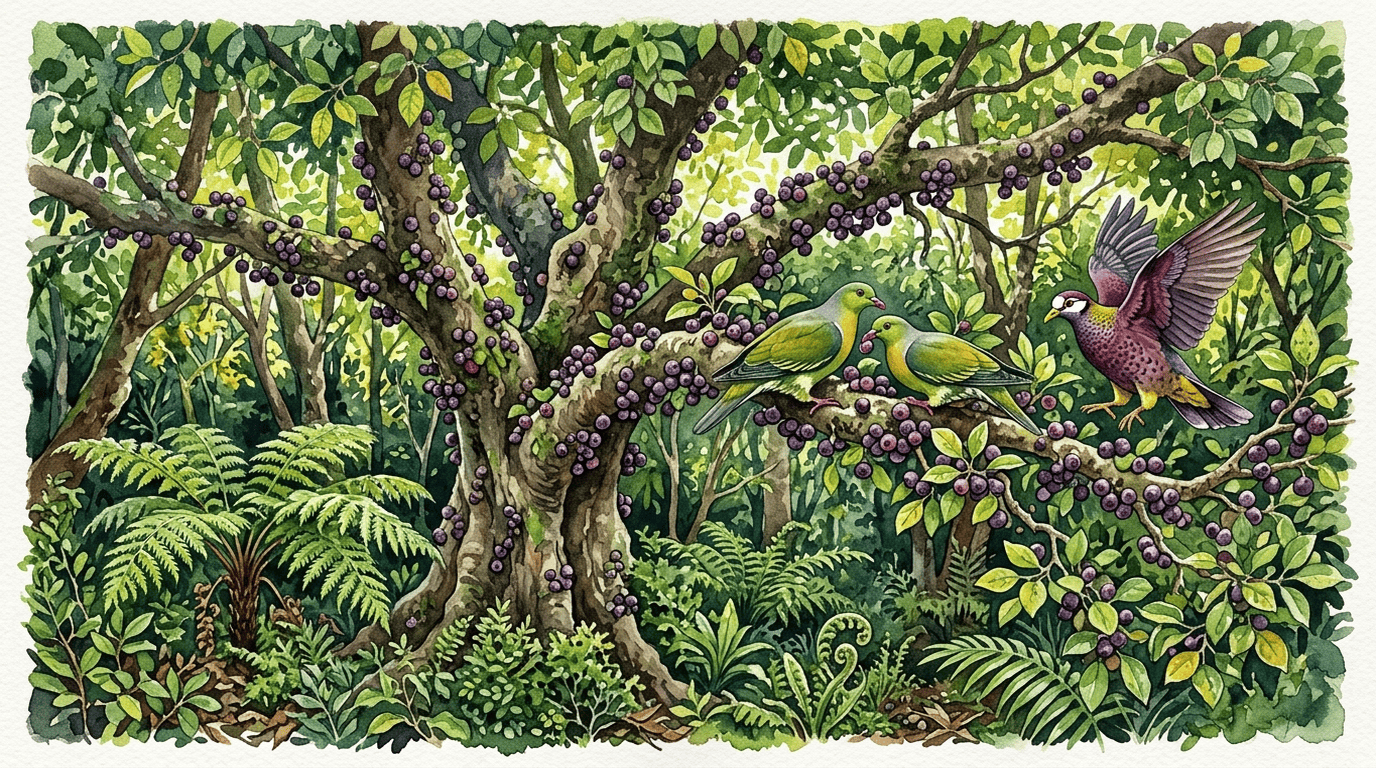
Ficus craterostoma grows in the moist coastal forests and sheltered river gorges (kloofs) of KwaZulu-Natal, the Eastern Cape, and parts of tropical East Africa. Like all members of the vast Ficus genus—over 800 species worldwide—it depends on a unique relationship with a tiny specialist fig wasp for pollination. The female wasp forces her way through a microscopic pore (the ostiole) at the tip of the developing fig, pollinates the hundreds of tiny flowers lining the interior, lays her eggs, and dies inside. This intimate mutualism, refined over 60 to 80 million years of co-evolution, means that each fig species can only be pollinated by one or a few wasp species—and vice versa.
In the forest ecosystems of southern Africa, large fruiting fig trees like Ficus craterostoma play the role of keystone species: their ample crops of cauliflorous (trunk-borne) figs ripen asynchronously across individuals and seasons, providing critical food during periods when other fruiting trees are bare. Green wood-hoopoes, crowned hornbills, Rameron pigeons, African green pigeons, and several primate and bat species all depend heavily on fig crops. Ecologists have described large fig trees as 'superfood resources' that support entire wildlife communities.
In traditional southern African medicine, various Ficus species have been used for skin complaints, respiratory ailments, and as fertility aids. The latex of Ficus craterostoma was applied to wounds and skin rashes in Zulu and Xhosa ethnobotany. The tree is also planted as a shade and garden specimen in warm subtropical gardens, valued for its wildlife value, bold foliage, and tolerance of poor drainage.
Symbolism & meaning
What It Symbolizes
The fig and its wasp have co-evolved for tens of millions of years in an arrangement so intimate it borders on the miraculous: each species of fig dependent on a single species of wasp, and vice versa. The female wasp squeezes through an impossibly small opening, pollinates flowers in the dark interior, lays her eggs, and never leaves. The tree provides a nursery; the wasp provides reproduction. The Bastard Natal Fig carries this ancient pact in every fruit—a reminder that the most enduring relationships are built on mutual necessity.
- generosity — The fig's trunk-borne crop feeds dozens of species, often when no other food is available—a tree that gives without condition.
- interconnection — Every fig is a closed world: wasp and tree locked in 80 million years of mutual dependence, neither able to exist without the other.
Where the Name Comes From
The genus name Ficus is the classical Latin word for fig. The species epithet craterostoma derives from the Greek 'krater' (bowl, cup) and 'stoma' (mouth), referring to the distinctive wide-mouthed opening (ostiole) at the tip of its figs. The common name Bastard Natal Fig distinguishes it from the true Natal Fig (Ficus natalensis) of the same region.
Uses & Fun Facts
- Trunk-borne fig crop is a critical food source for birds including hornbills, pigeons, and louries, as well as bats and monkeys
- Dense evergreen canopy provides shade and year-round structure in subtropical gardens; suitable as a screening tree or standalone specimen
- Latex traditionally used in Zulu and Xhosa ethnomedicine for skin complaints and wound treatment
Related plants
More Ficus plants



Plants with similar care
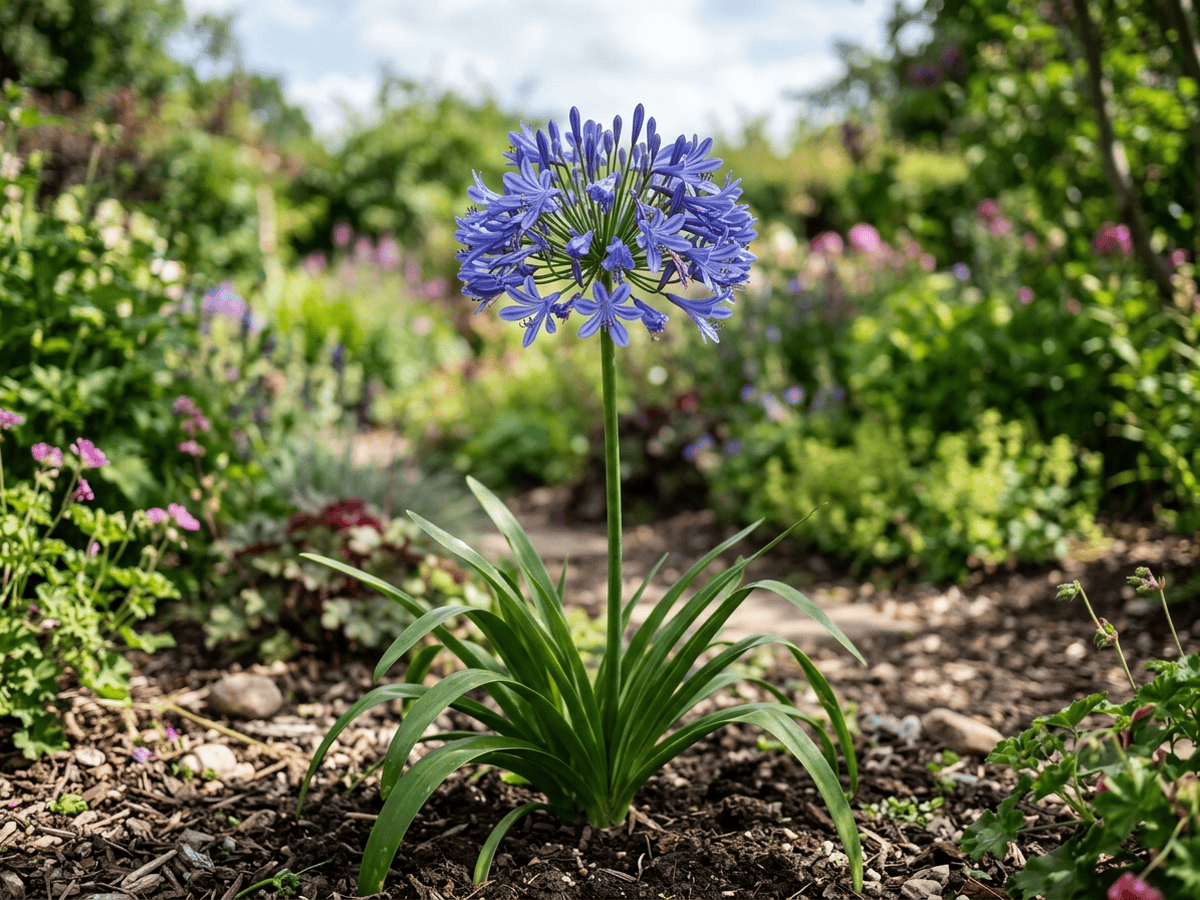 African LilyAgapanthus africanus
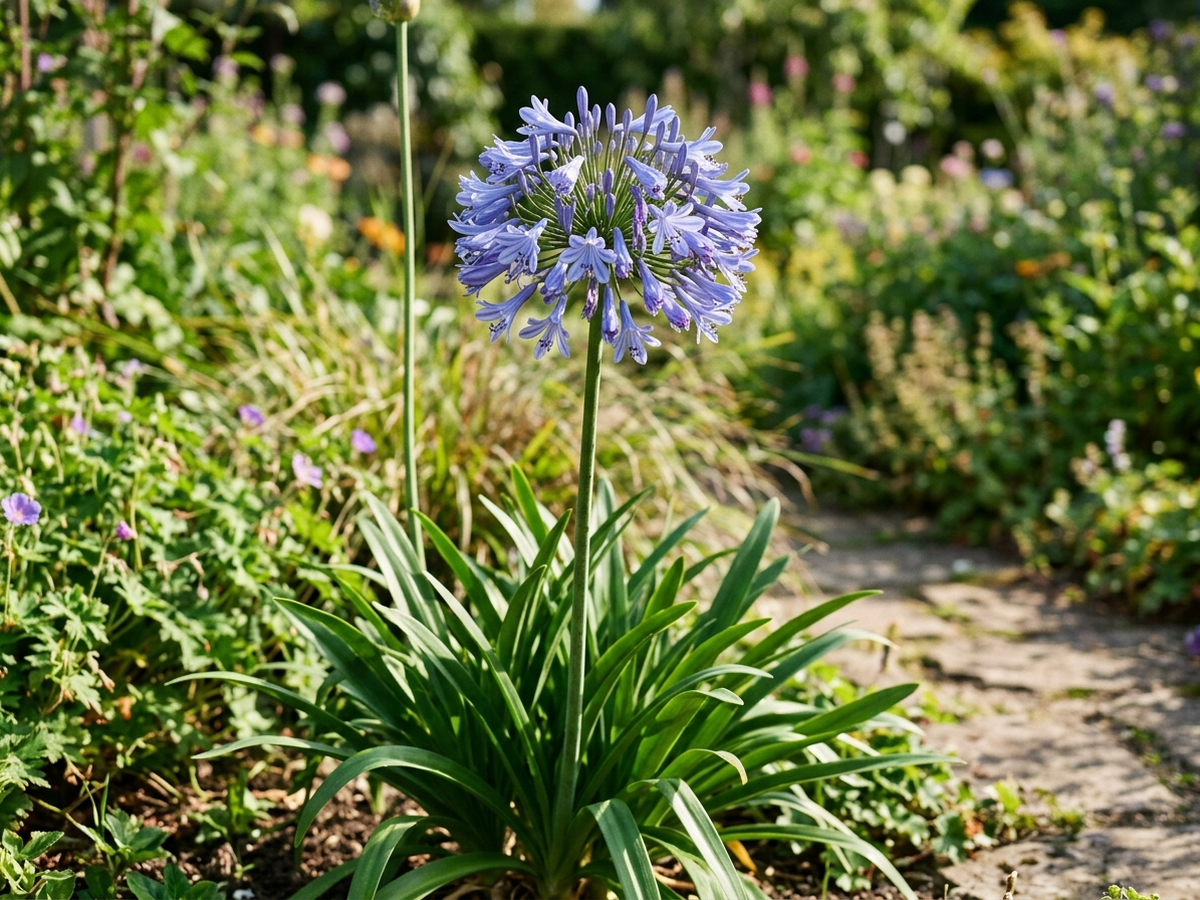 Bell AgapanthusAgapanthus campanulatus
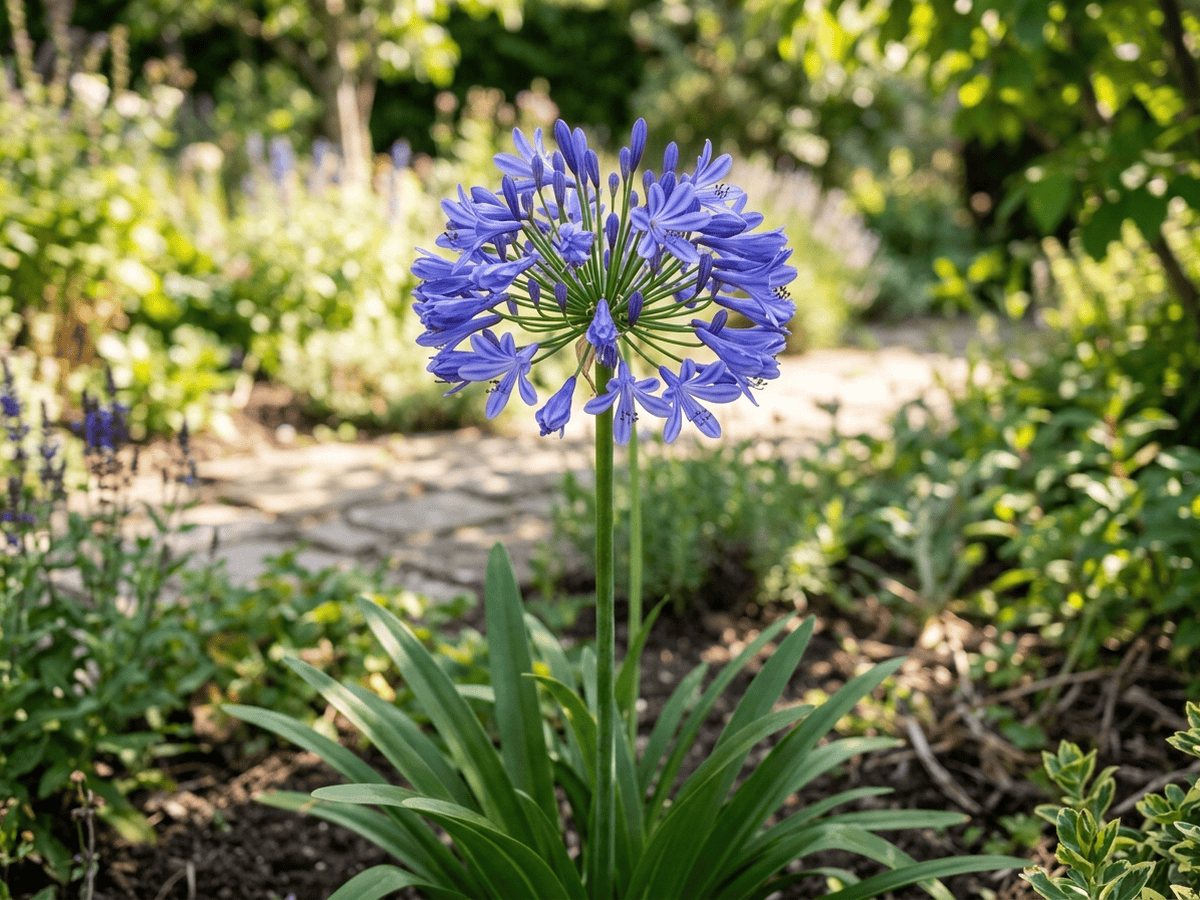 Common AgapanthusAgapanthus praecox
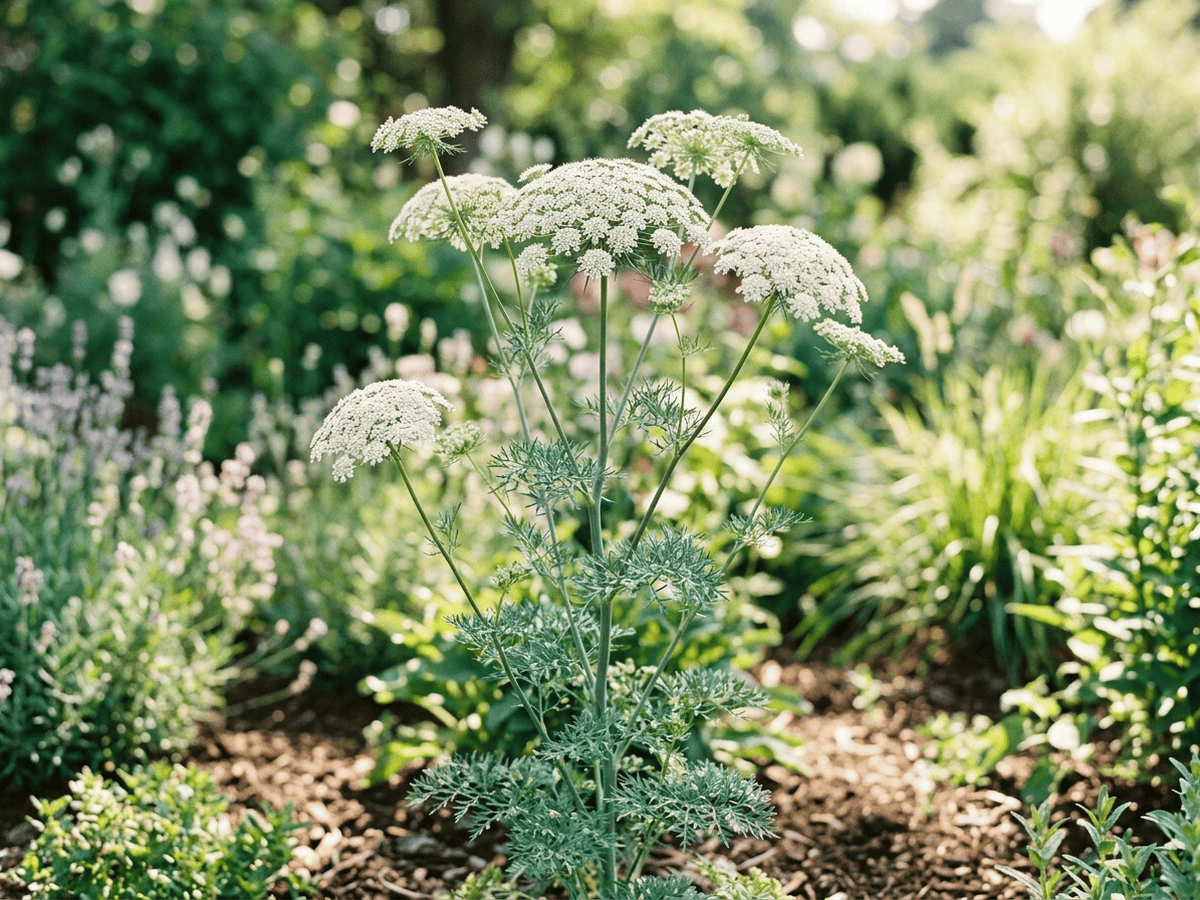 False Queen Anne's LaceAmmi majus glaucifolium
Frequently asked questions
How often should I water Bastard Natal Fig?
Water about every 15 days during the growing season, and always let excess water drain away.
How much light does Bastard Natal Fig need?
Part sun: 4–6 hrs direct. Watch the leaves — scorching or stretching means the light needs adjusting.
Is Bastard Natal Fig toxic to cats or dogs?
Pets Slight (Dogs Slight · Cats Slight) Educational information, not medical or veterinary advice. If exposure is suspected, contact a doctor or veterinarian.
Is Bastard Natal Fig easy to grow?
It is considered challenging and rewards experienced growers.
YardMate
Identify any plant in seconds
Snap a photo — YardMate names the plant, diagnoses problems, and reminds you when to water.
Download on the App Store