 YardMate

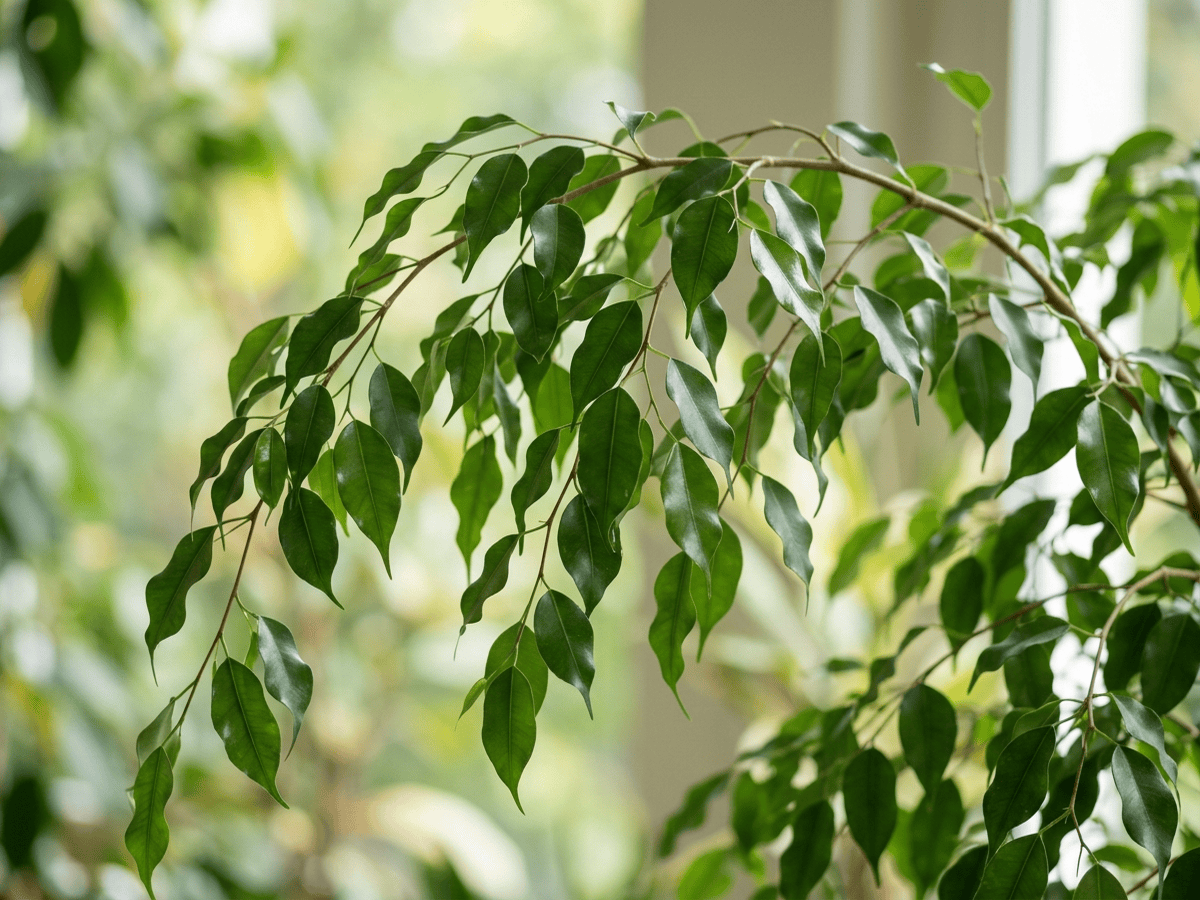


Weeping Fig
Ficus benjamina
Medium · Some experienceAbout Weeping Fig
Ficus benjamina, the weeping fig, is a graceful indoor tree with slender arching branches covered in small, pointed, glossy leaves. Native to South and Southeast Asia and northern Australia, it is the official tree of Bangkok. Indoors it can reach 2–3 meters, developing an elegant canopy. The plant is sensitive to environmental changes — moving it to a new spot often triggers dramatic leaf drop, which is temporary. It prefers consistent bright indirect light and moderate humidity. Its aerial root system is famously aggressive outdoors, capable of cracking pavements.
- Air-purifying
- Architectural
How to care for Weeping Fig
Watering
- Springevery 7 days
- Summerevery 5 days
- Fallevery 10 days
- Winterevery 14 days
Soil · Well-draining
- Main mixLoam + bark + perlite 2:1:175%
- DrainageLECA25%
Bark keeps the mix from compacting under a heavy root ball.
FERTILIZER
Balanced Feed 14-14-14
An even feed covers all three needs at once, keeping leaves, roots and blooms moving together with nothing pushed out of balance.
- Nitrogen · Leaves
- Phosphorus · Roots + Blooms
- Potassium · Strength
- Springevery 30 days
- Summerevery 30 days
- Fallevery 60 days
At a Glance
- NativeSouth Asia, East Asia, Australasia
- Height4–8 ft (1.2–2.4 m)
- Spread2–4 ft (0.6–1.2 m)
- Foliage colorGreen, Variegated
- SoilLoamy, Well-drained, Rich
- LocationsIndoor
Bloom time
BLOOM CYCLE
Rarely blooms indoors
Fragrance
NO FRAGRANCE
Not fragrant.
Toxicity
Humans Moderate · Pets Slight
ficin, ficusin, and latex proteins
Moderate
- Leaf
- Sap
- Contact
- Inhalation
- Ingestion
EXPOSURE Touching leaves and sap. Inhaling leaves and sap. Eating leaves and sap.
EFFECT Contact dermatitis from latex, inhaled particles can trigger asthma, rhinitis and allergic sensitization in chronically exposed individuals, and mild GI upset if ingested.
NOTE Recognized cause of occupational asthma; cross-reactive with natural rubber latex and some fruits (fig, kiwi, banana).
Slight
- Leaf
- Ingestion
EXPOSURE Eating leaves.
EFFECT Oral irritation, salivation, vomiting, diarrhea and per ASPCA.
NOTE Recognized cause of occupational asthma; cross-reactive with natural rubber latex and some fruits (fig, kiwi, banana).
Slight
- Leaf
- Ingestion
EXPOSURE Eating leaves.
EFFECT Oral irritation, salivation, vomiting, diarrhea and per ASPCA.
NOTE Recognized cause of occupational asthma; cross-reactive with natural rubber latex and some fruits (fig, kiwi, banana).
Educational information, not medical or veterinary advice. If exposure is suspected, contact a doctor or veterinarian.
DISTRIBUTION


- Native
- Introduced
- South Asia
- East Asia
- Australasia
History

Ficus benjamina is native from India and Nepal through Southeast Asia to the Philippines and northern Australia, where it can grow into a large spreading evergreen with drooping branchlets. Those graceful branchlets give the tree its English name, weeping fig.
In tropical cities from Bangkok to Brisbane it is widely planted as a street and temple tree, though its strong surface roots can lift paving and make it controversial in tight urban spaces. In parts of South and Southeast Asia, old specimens also carry religious associations, especially because Ficus belongs to the same broader lineage as the sacred fig.
In Europe and North America, the species became one of the defining office and atrium plants of the 1970s and 1980s. It can be braided, clipped, and shaped into living sculpture, but it also drops leaves noticeably when stressed by cold, low light, or sudden relocation.
Symbolism & meaning
What It Symbolizes
The Weeping Fig expresses unity, its interconnected aerial roots in tropical settings weaving into a single supportive structure that holds the whole tree together. It symbolizes togetherness and community, the strength that comes from many slender supports rather than a single trunk. To bring its into a home is to invite a quiet emblem of connection, of lives held up by the weave of small daily ties.
- Unity — Its interconnected aerial roots symbolize togetherness and community
Where the Name Comes From
Ficus is Latin for fig. Benjamina may derive from the Indian word 'banyan' or refer to a resin (benzoin) obtained from related trees.
Uses & Fun Facts
- Graceful weeping indoor tree with glossy small leaves
- Adaptable houseplant tree for living spaces
- Trained as bonsai or floor-statement indoor tree
Related plants
More Ficus plants
 Ficus AudreyFicus audrey
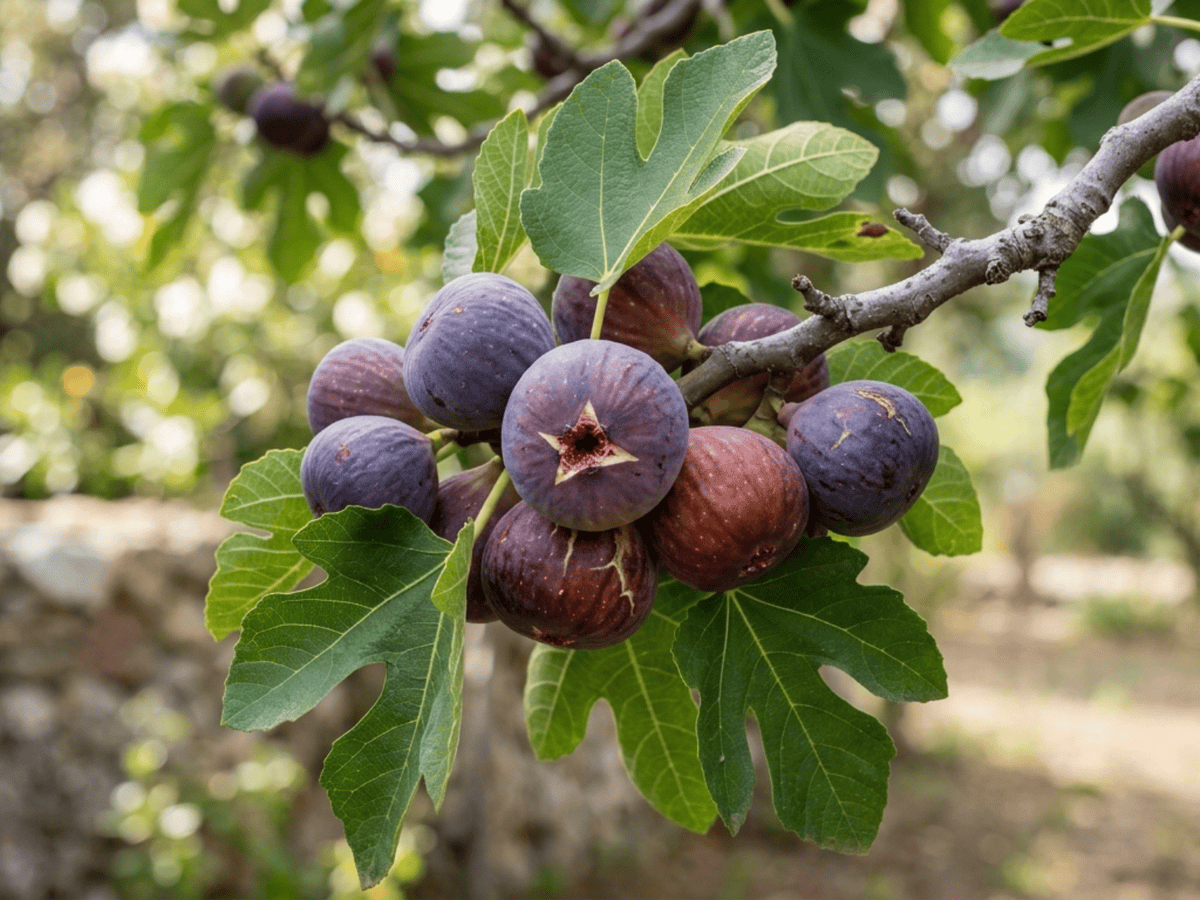 Common FigFicus carica
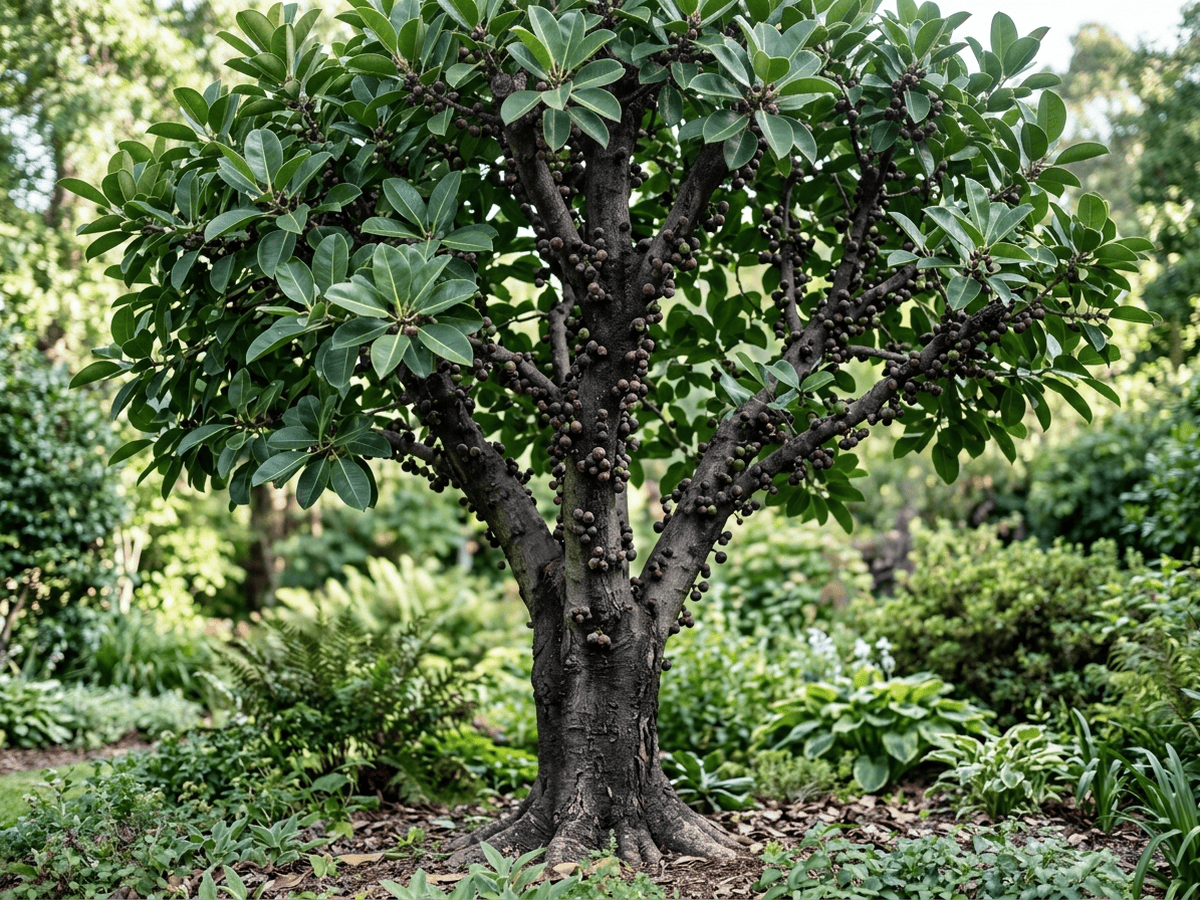 Bastard Natal FigFicus craterostoma
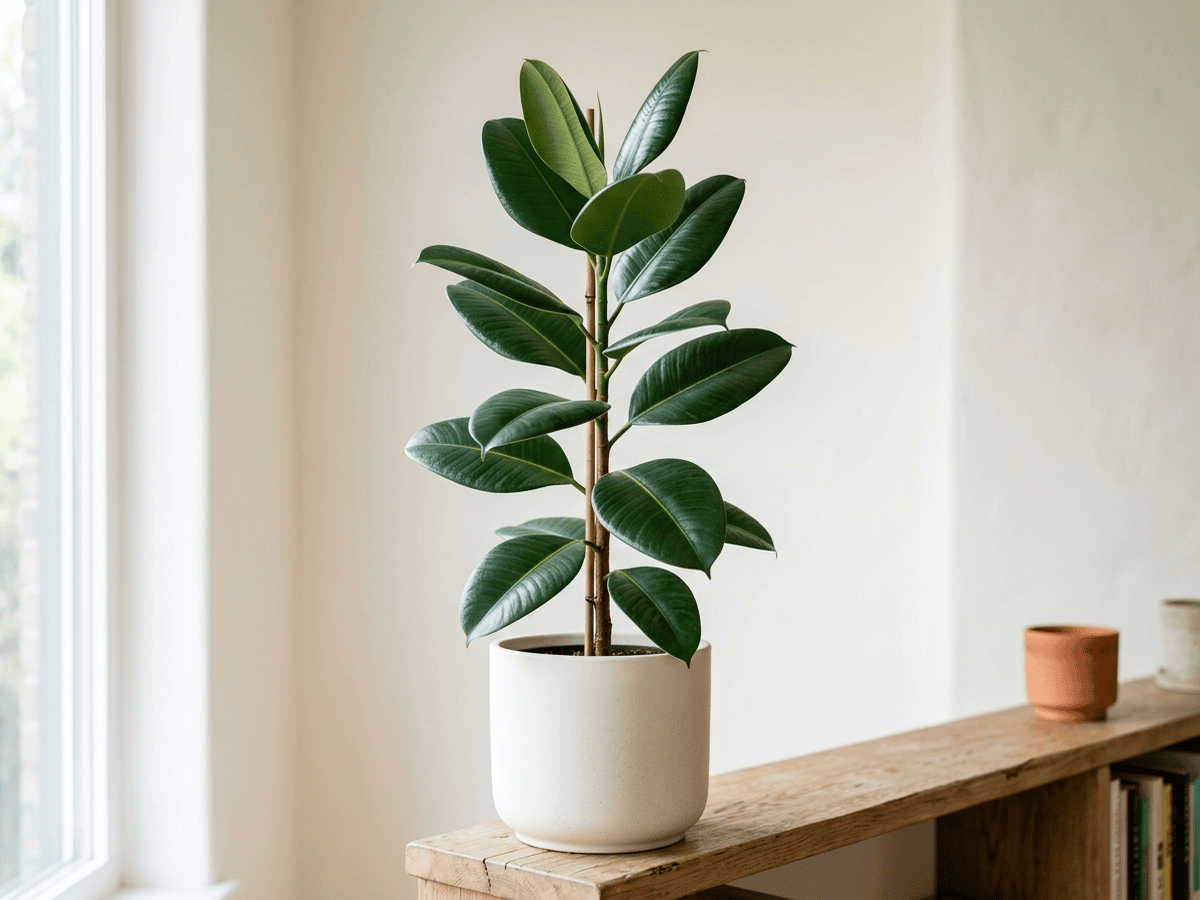 Rubber PlantFicus elastica
Plants with similar care
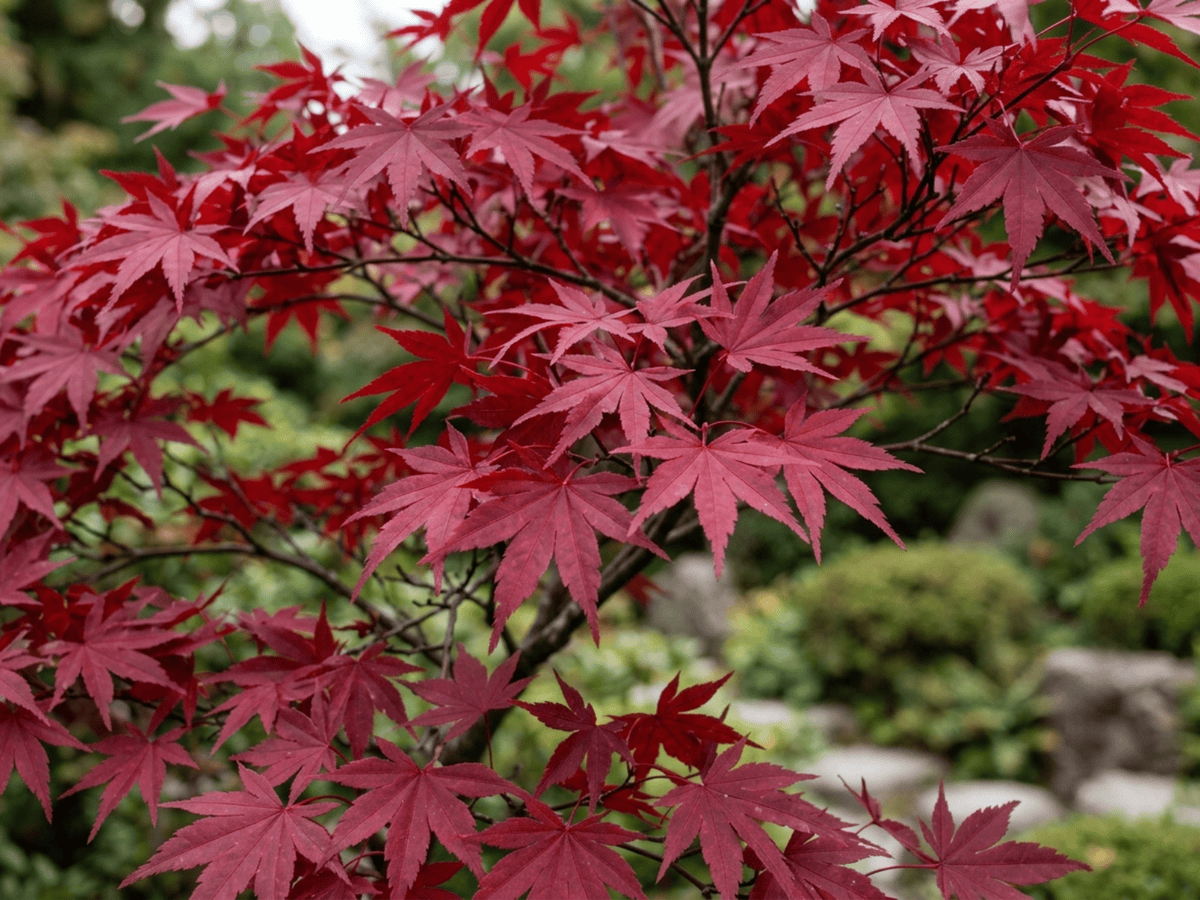 Japanese MapleAcer palmatum
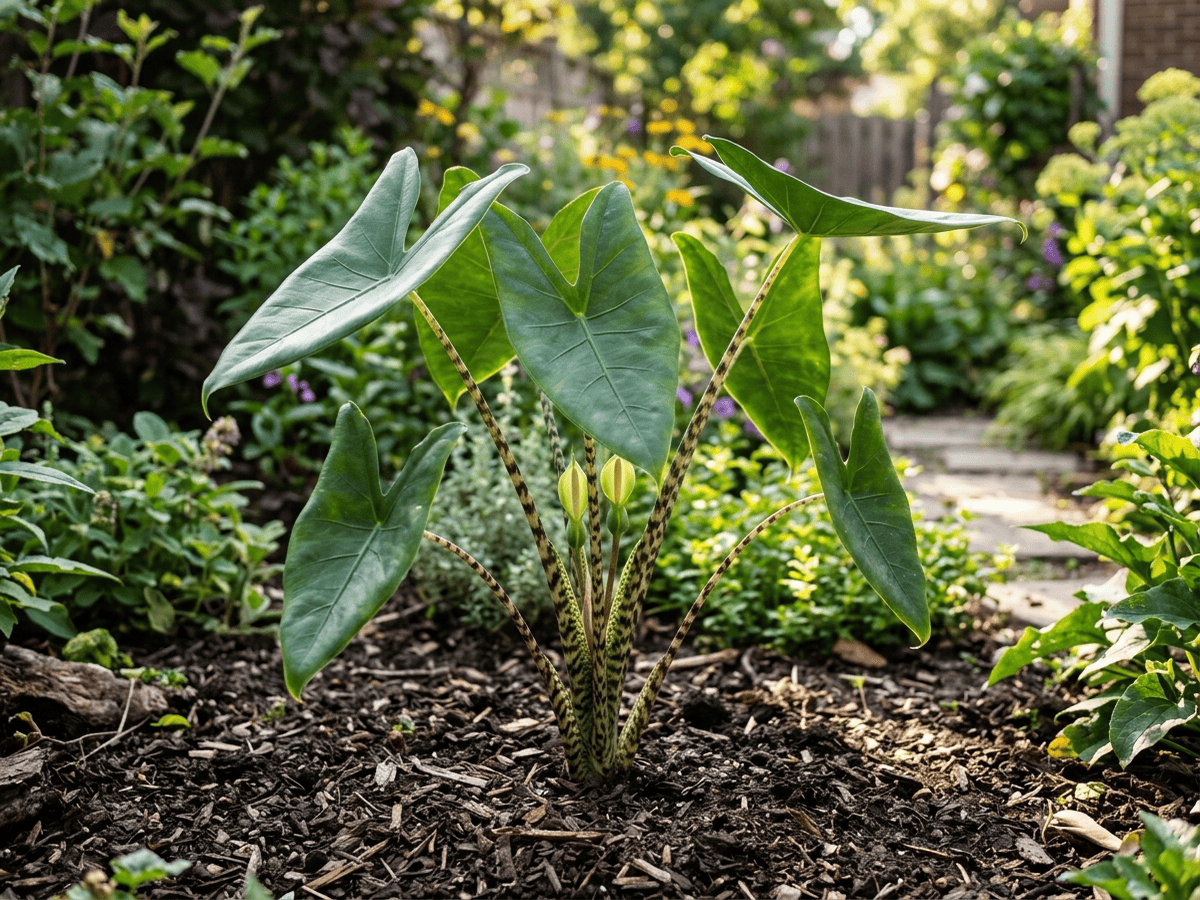 Alocasia zebrinaAlocasia zebrina
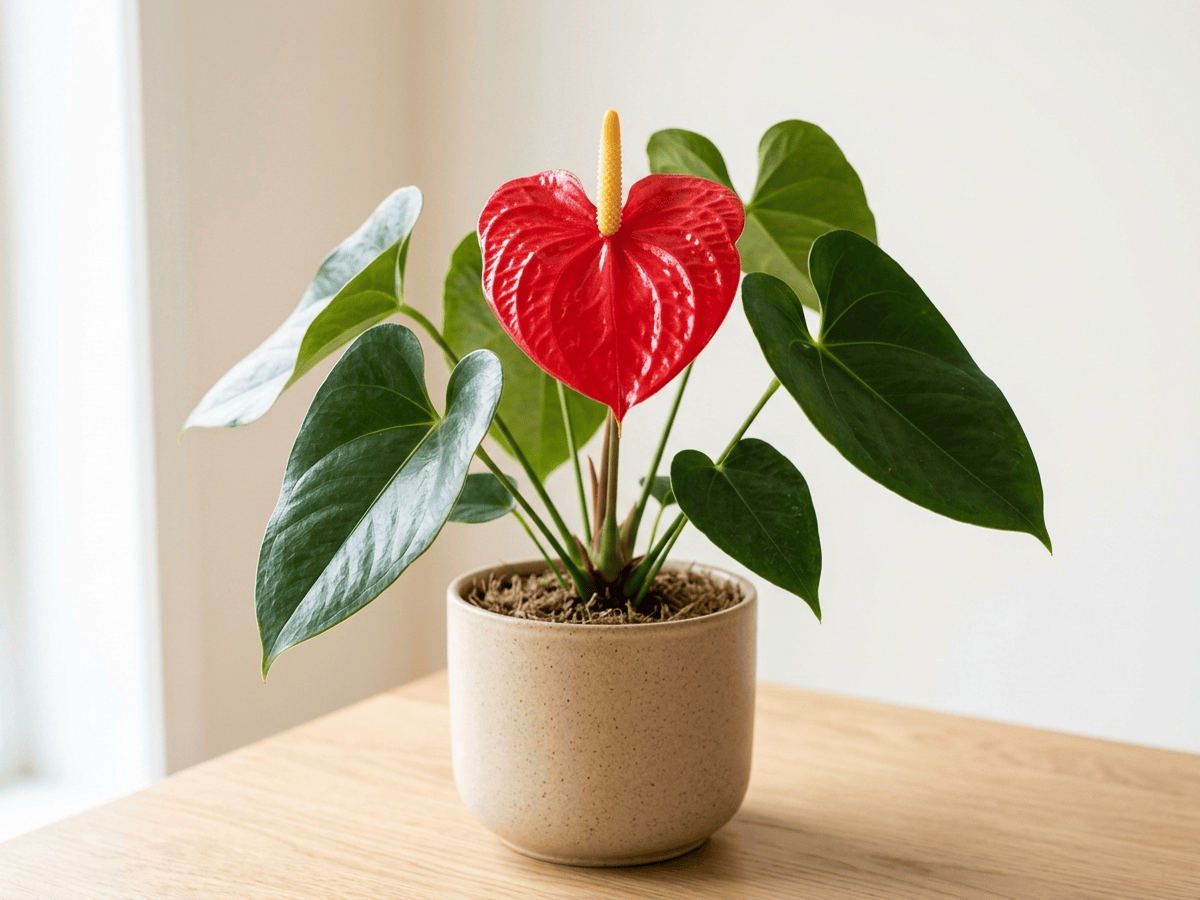 Painter's-PaletteAnthurium andraeanum
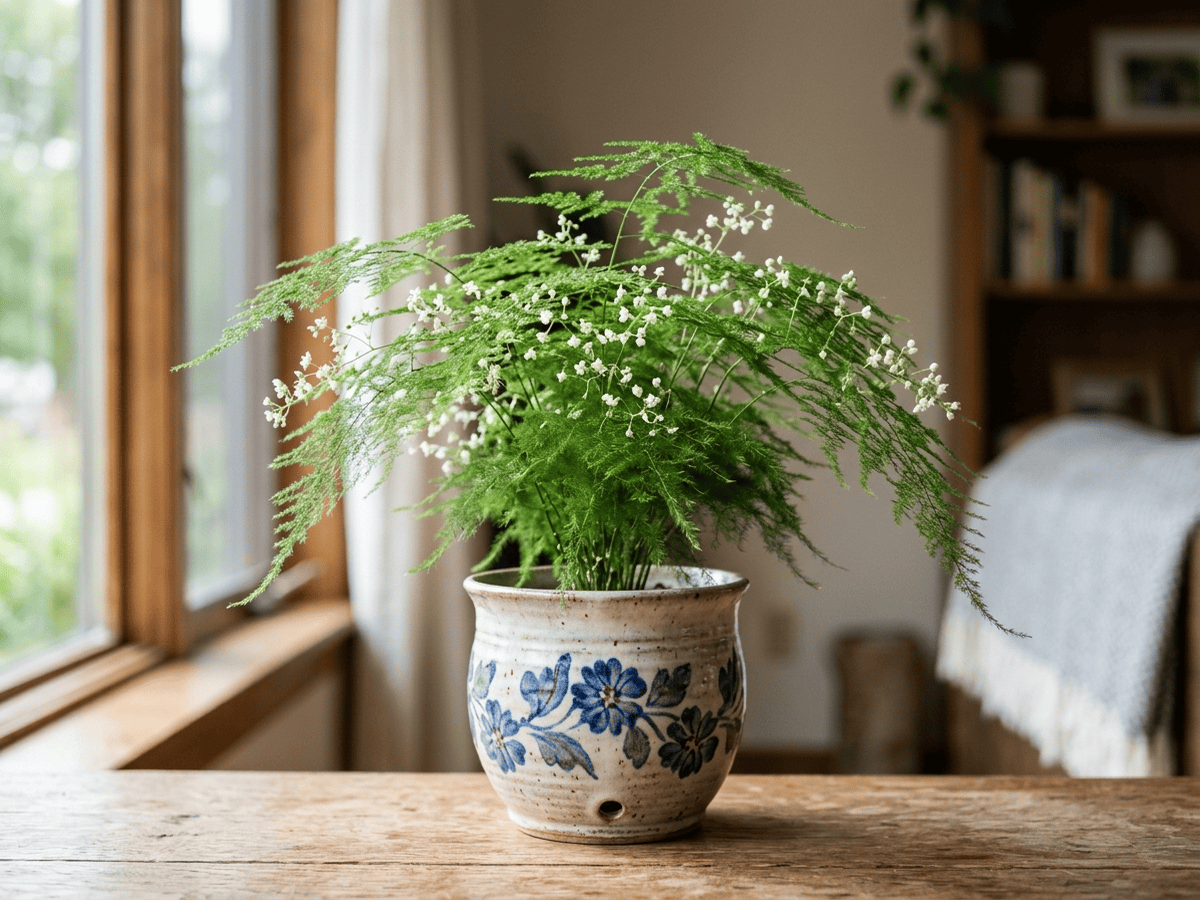 Common Asparagus FernAsparagus setaceus
Frequently asked questions
How often should I water Weeping Fig?
In summer, water about every 5 days; in winter, about every 14 days. Adjust for heat, pot size and drainage.
How much light does Weeping Fig need?
Part shade: 2–4 hrs direct. Watch the leaves — scorching or stretching means the light needs adjusting.
Is Weeping Fig toxic to cats or dogs?
Pets Slight (Dogs Slight · Cats Slight) Educational information, not medical or veterinary advice. If exposure is suspected, contact a doctor or veterinarian.
Is Weeping Fig easy to grow?
It is moderately demanding: a good choice once you have a little experience.
Can Weeping Fig be grown indoors?
Yes, it adapts well to indoor growing given the right light.
YardMate
Identify any plant in seconds
Snap a photo — YardMate names the plant, diagnoses problems, and reminds you when to water.
Download on the App Store