 YardMate



Climbing Fig
Ficus pumila
Easy · Beginner friendlyAbout Climbing Fig
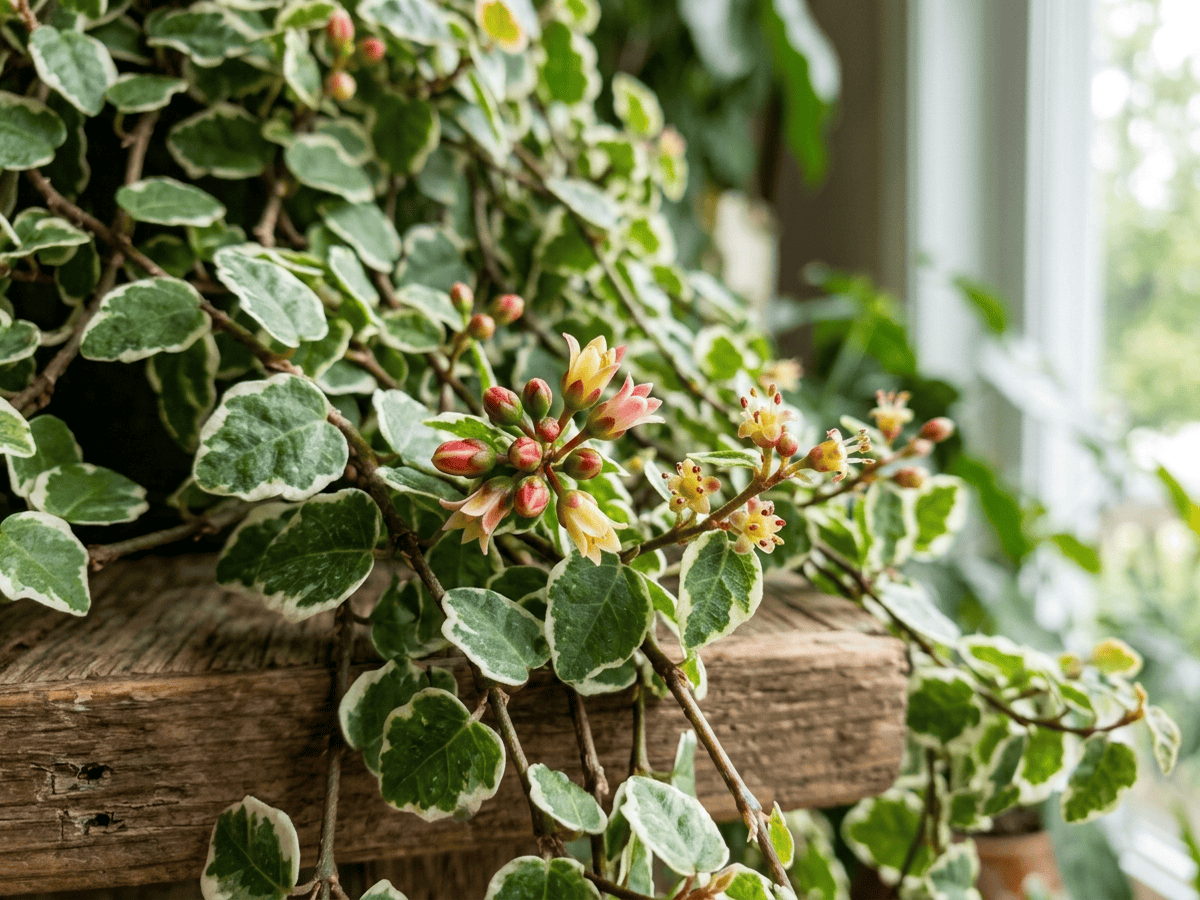
Ficus pumila, the creeping fig, is an aggressive climbing vine with tiny heart-shaped leaves that clings tightly to any surface using adhesive aerial roots. Native to East Asia, it is used to cover walls, topiaries, and trellises, creating a lush green carpet. Indoors, it is popular in terrariums and as a trailing plant. The juvenile leaves are small and delicate; mature outdoor plants develop much larger leathery leaves and produce inedible figs. The vine's grip is remarkably strong — removing it from walls often pulls off paint and plaster. It prefers moist conditions and indirect light.
- Climbing
- Fast-growing
How to care for Climbing Fig
Watering
- Springevery 7 days
- Summerevery 5 days
- Fallevery 10 days
- Winterevery 14 days
Soil · Well-draining
- Top dressingPine bark mulch10%
- Main mixPotting soil + perlite 2:170%
- DrainageLECA / gravel20%
Never skip the drainage layer — standing water is the top cause of root rot.
FERTILIZER
Balanced Feed 14-14-14
An even feed covers all three needs at once, keeping leaves, roots and blooms moving together with nothing pushed out of balance.
- Nitrogen · Leaves
- Phosphorus · Roots + Blooms
- Potassium · Strength
- Springevery 30 days
- Summerevery 30 days
- Fallevery 60 days
At a Glance
- NativeEast Asia
- Height10–15 ft (3–4.6 m)
- Spread3–6 ft (0.9–1.8 m)
- Foliage colorGreen, Variegated
- Fruit colorGreen, Purple
- SoilLoamy, Well-drained
- LocationsIndoor · Yard
Bloom time
BLOOM CYCLE
Peak bloom
Jun–Aug
Figs produced only on mature outdoor plants
Fragrance
NO FRAGRANCE
Not fragrant.
Toxicity
Humans Slight · Pets Slight
ficin, psoralens, and latex
Slight
- Leaf
- Sap
- Contact
EXPOSURE Touching leaves and sap.
EFFECT Contact dermatitis from latex and allergic reactions possible in sensitive individuals.
NOTE Same Ficus profile; Taiwanese jelly (愛玉) is safe because the seed pectin is separated from the latex sap.
Slight
- Leaf
- Sap
- Ingestion
EXPOSURE Eating leaves and sap.
EFFECT Oral irritation, vomiting, dermatitis from sap and per ASPCA.
NOTE Same Ficus profile; Taiwanese jelly (愛玉) is safe because the seed pectin is separated from the latex sap.
Slight
- Leaf
- Sap
- Ingestion
EXPOSURE Eating leaves and sap.
EFFECT Oral irritation, vomiting, dermatitis from sap and per ASPCA.
NOTE Same Ficus profile; Taiwanese jelly (愛玉) is safe because the seed pectin is separated from the latex sap.
Educational information, not medical or veterinary advice. If exposure is suspected, contact a doctor or veterinarian.
DISTRIBUTION


- Native
- Introduced
- East Asia
History
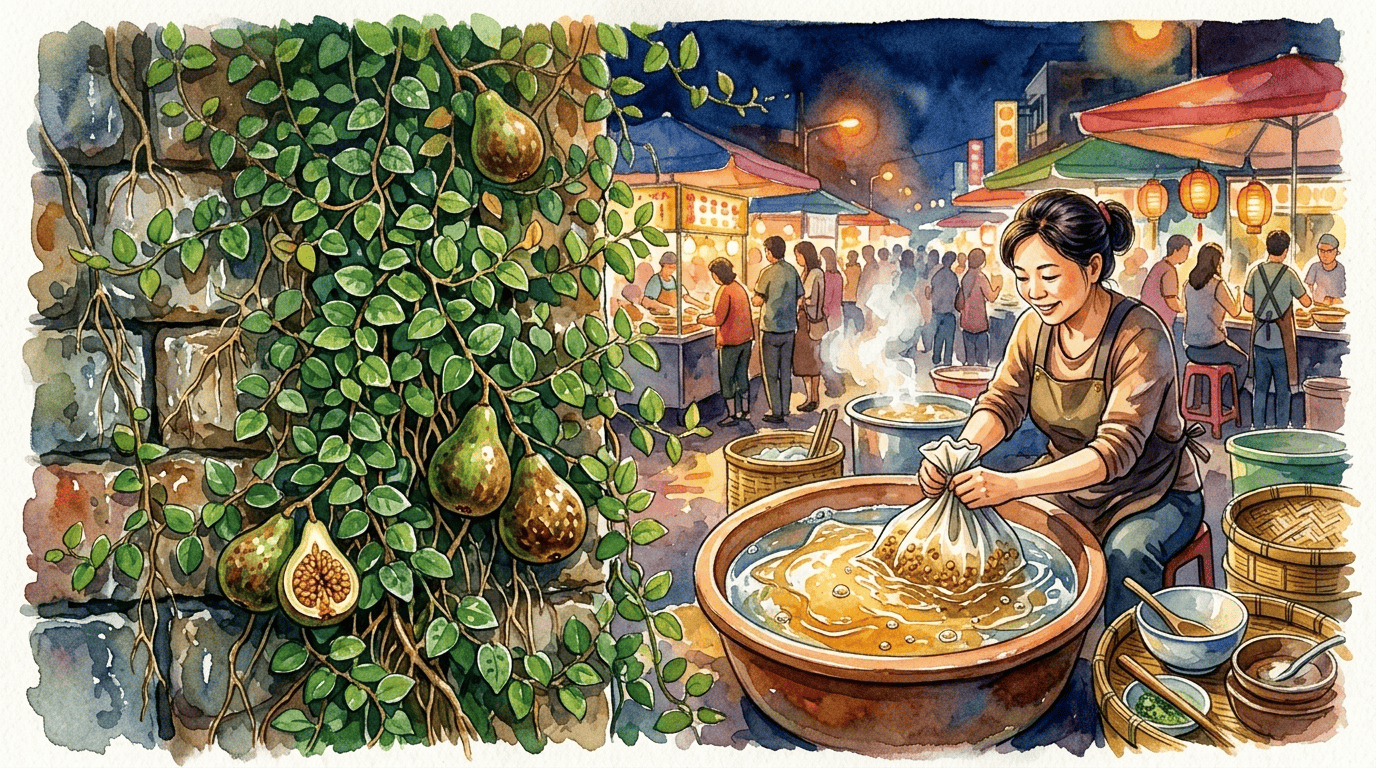
Ficus pumila, creeping fig, is native to East Asia, including China, Japan, Taiwan, Korea, and Vietnam. For centuries it has been used to soften stone walls, garden courtyards, and tree trunks with a living green skin held by adhesive aerial rootlets. Juvenile vines make the small-leaved form familiar to houseplant growers, while mature high-climbing stems produce larger leaves and figs.
In Taiwan those mature fruits are the source of aiyu jelly: the seeds release a natural pectin-like gel when massaged in cold water, creating a clear golden dessert served with lemon and honey in night markets. The same clinging habit that makes the plant beautiful can also make it stubborn on buildings, but its botanical trick has inspired interest in natural adhesives and biomimetic attachment.
Mild latex toxicity aside, it is one of the great wall-softening plants of Asian and Mediterranean gardens.
Symbolism & meaning
What It Symbolizes
The Climbing Fig is devotion made green, its tiny adhesive rootlets gripping walls, columns, and tree trunks with unwavering attachment. Year by year it knits itself ever more closely to whatever surface it has chosen, refusing to let go. In its quiet, persistent embrace lies an emblem of loyalty — the kind that grows tighter, not looser, with time.
- Devotion — Its tenacious clinging to surfaces represents unwavering attachment and loyalty
Where the Name Comes From
The name Climbing Fig describes its climbing habit. Ficus is Latin for fig. Pumila means 'dwarf' in Latin, referring to the small juvenile leaves.
Uses & Fun Facts
- Self-clinging vine covers walls, columns, and topiary frames
- Trailing leaves drape from terrariums and mixed houseplants
- Forms dense green carpet in mild-climate shaded courtyards
Related plants
More Ficus plants
 Ficus AudreyFicus audrey
 Weeping FigFicus benjamina
 Common FigFicus carica
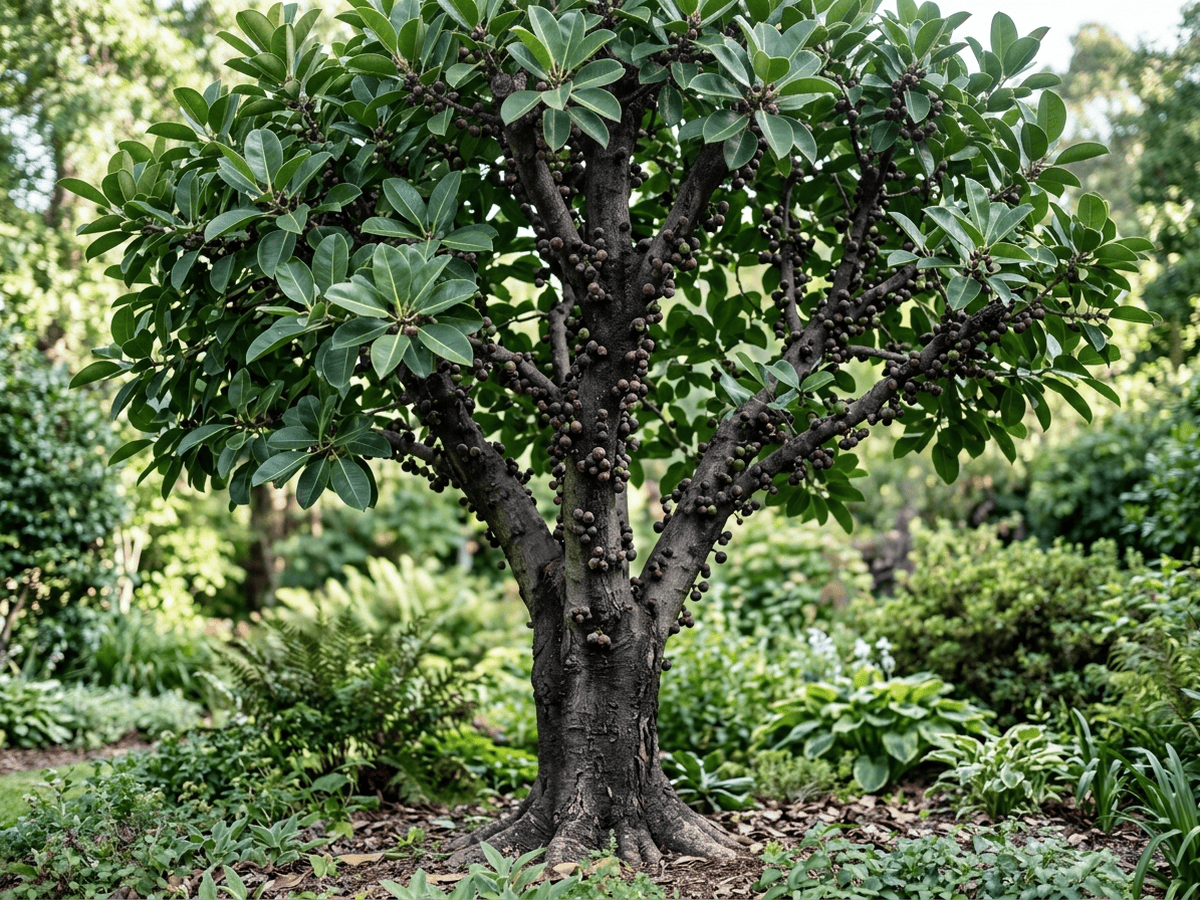 Bastard Natal FigFicus craterostoma
Plants with similar care
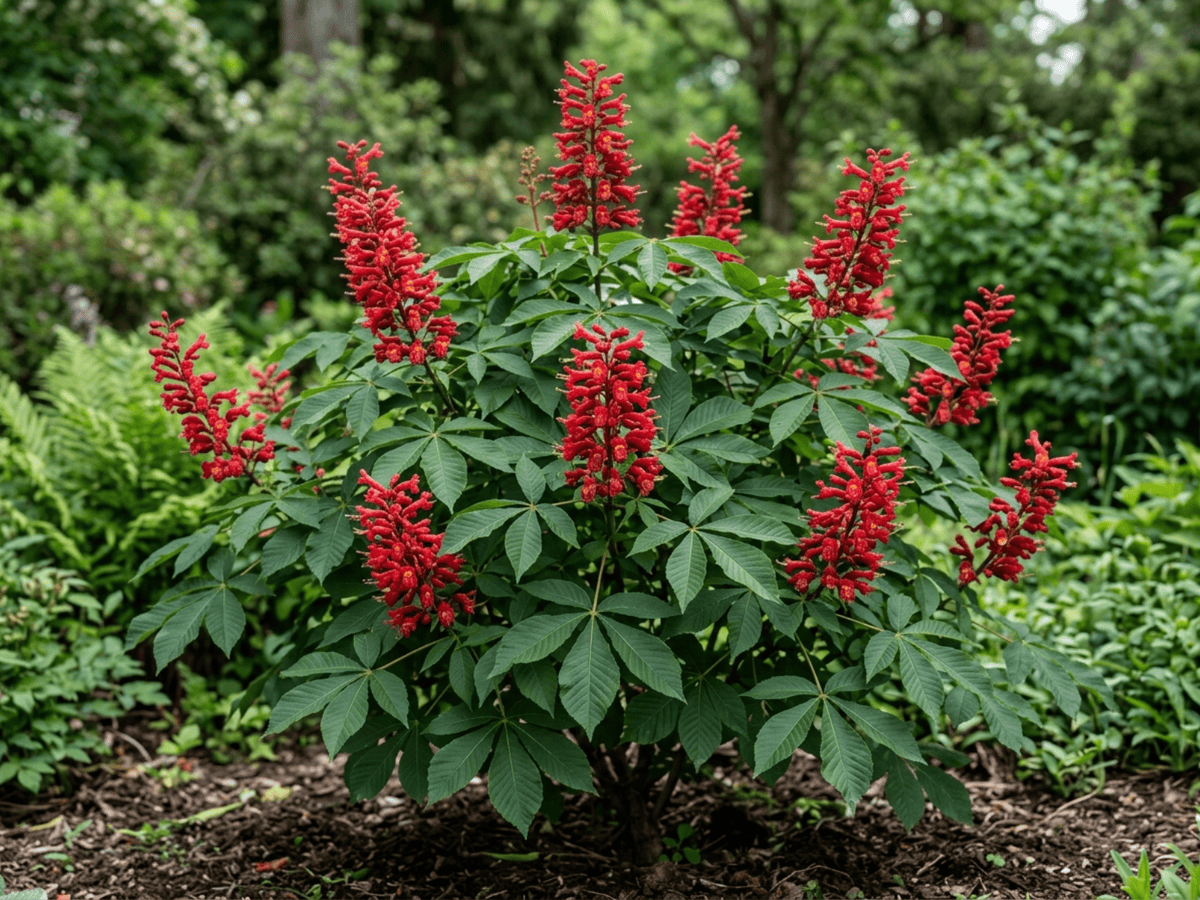 Red BuckeyeAesculus pavia
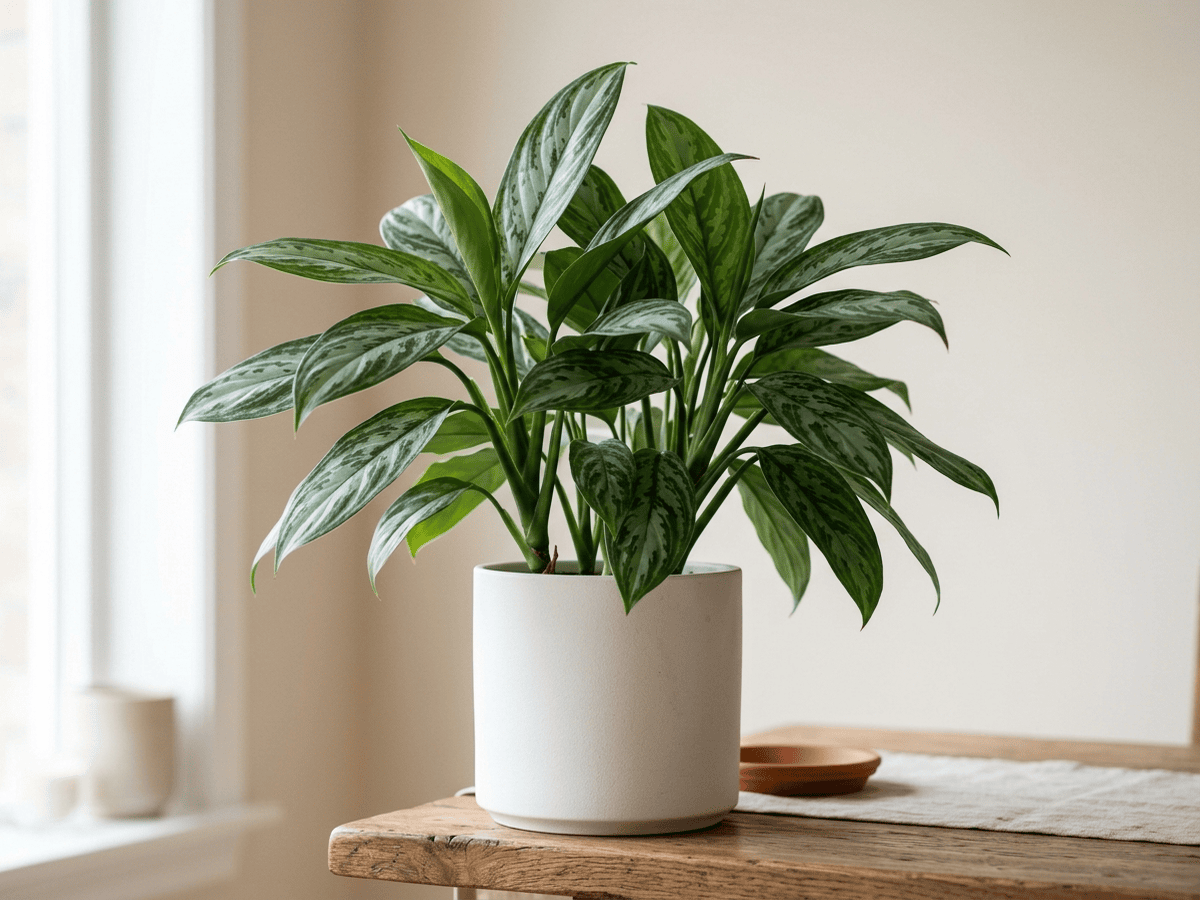 Philippine EvergreenAglaonema commutatum
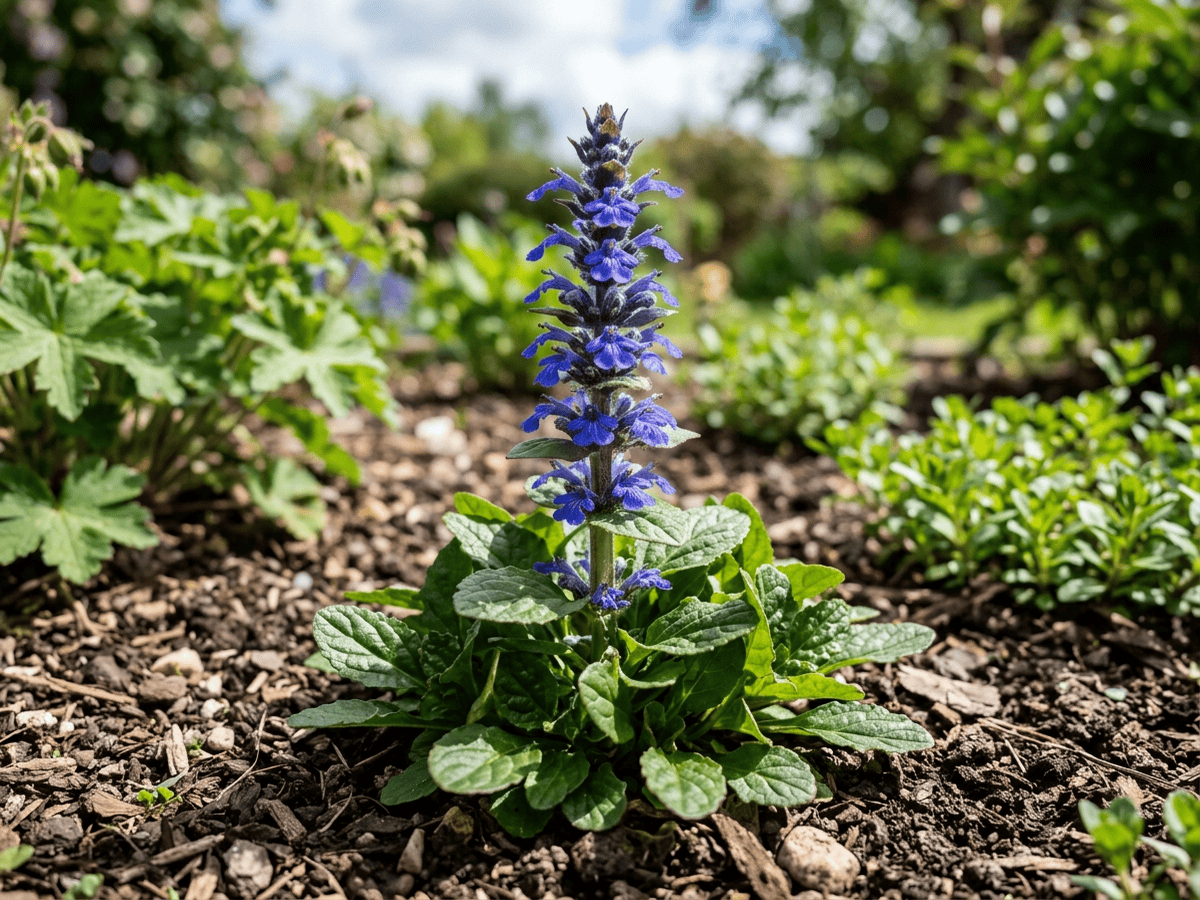 Blue BugleAjuga genevensis
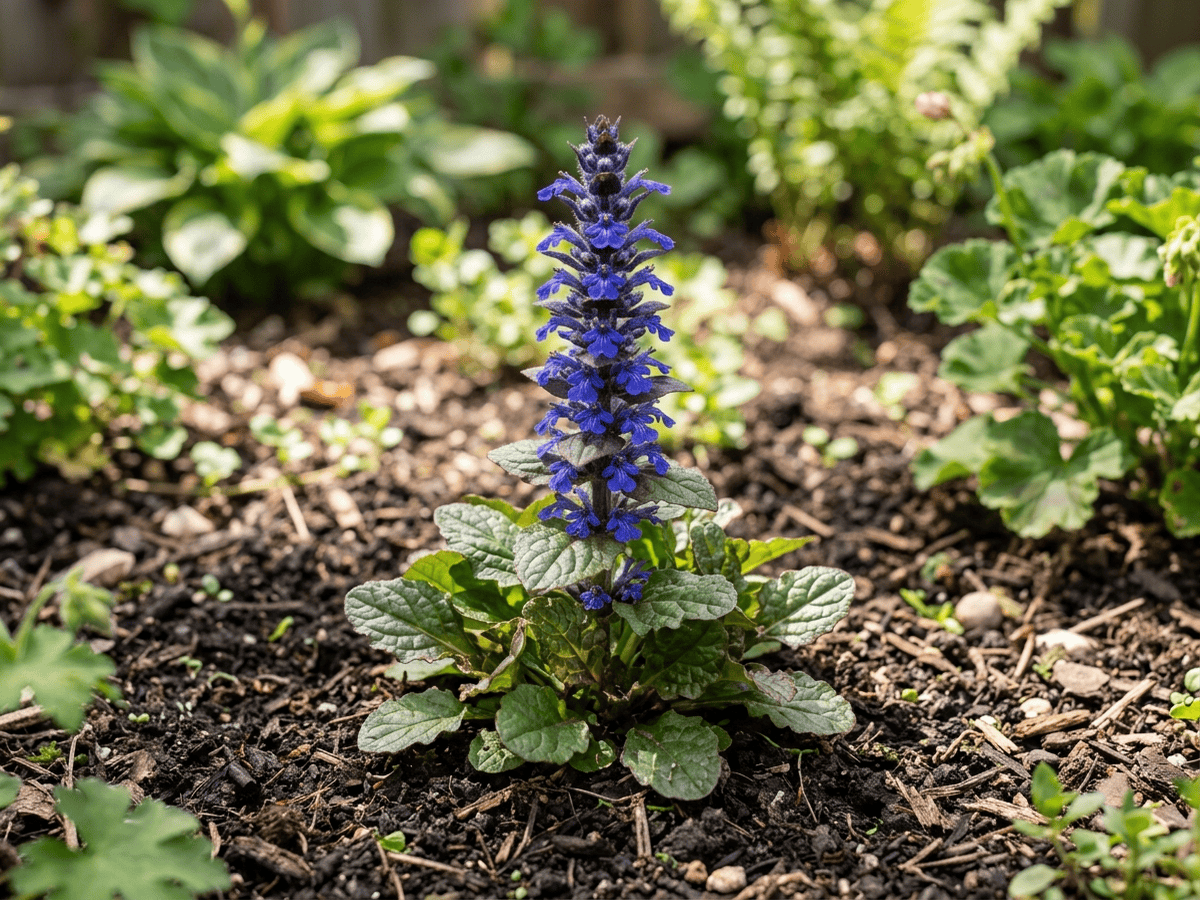 Pyramidal BugleAjuga pyramidalis
Frequently asked questions
How often should I water Climbing Fig?
In summer, water about every 5 days; in winter, about every 14 days. Adjust for heat, pot size and drainage.
How much light does Climbing Fig need?
Part shade: 2–4 hrs direct. Watch the leaves — scorching or stretching means the light needs adjusting.
Is Climbing Fig toxic to cats or dogs?
Pets Slight (Dogs Slight · Cats Slight) Educational information, not medical or veterinary advice. If exposure is suspected, contact a doctor or veterinarian.
Is Climbing Fig easy to grow?
Yes — it is considered an easy, beginner-friendly plant.
Can Climbing Fig be grown indoors?
Yes, it adapts well to indoor growing given the right light.
When does Climbing Fig bloom?
It typically blooms Jun–Aug in the Northern Hemisphere.
YardMate
Identify any plant in seconds
Snap a photo — YardMate names the plant, diagnoses problems, and reminds you when to water.
Download on the App Store