 YardMate


Sweetheart Tree
Ficus triangularis
Easy · Beginner friendlyAbout Sweetheart Tree
Triangle Fig is a tropical African evergreen shrub or small tree with distinctive triangular dark-green leaves shaped like an inverted triangle—wide and notched at the tip. Reaching 4-8 feet indoors, the variegated form 'Variegata' shows striking cream and green markings that have made it a sought-after collector houseplant. More forgiving than many ficus relatives, it tolerates moderate light and irregular watering, and has become a defining trendy ficus of the modern American houseplant scene.
- Container-friendly
- Evergreen
How to care for Sweetheart Tree
Watering
- Springevery 10 days
- Summerevery 10 days
- Fallevery 14 days
- Winterevery 21 days
Soil · Well-draining
- Top dressingPine bark mulch10%
- Main mixPotting soil + perlite 2:170%
- DrainageLECA / gravel20%
Never skip the drainage layer — standing water is the top cause of root rot.
FERTILIZER
Balanced Feed 14-14-14
An even feed covers all three needs at once, keeping leaves, roots and blooms moving together with nothing pushed out of balance.
- Nitrogen · Leaves
- Phosphorus · Roots + Blooms
- Potassium · Strength
- Springevery 30 days
- Summerevery 30 days
- Fallevery 60 days
At a Glance
- NativeAfrica
- Height2–4 ft (0.6–1.2 m)
- Spread1–2 ft (0.3–0.6 m)
- Foliage colorGreen, Variegated
- Fruit colorRed
- SoilLoamy, Well-drained
- LocationsIndoor · Balcony
Bloom time
BLOOM CYCLE
Inconspicuous figs (rare indoors)
Toxicity
Humans Slight · Pets Moderate
ficin enzyme and furocoumarins
Slight
- Sap
- Contact
- Ingestion
EXPOSURE Touching sap. Eating sap.
EFFECT Skin irritation.
NOTE Documented concern for humans: Skin irritation.
Moderate
- Sap
- Leaf
- Contact
- Ingestion
EXPOSURE Touching sap and leaves. Eating sap and leaves.
EFFECT Oral irritation, vomiting, and dermatitis.
NOTE ASPCA lists Ficus as toxic due to irritant latex.
Moderate
- Sap
- Leaf
- Contact
- Ingestion
EXPOSURE Touching sap and leaves. Eating sap and leaves.
EFFECT Oral irritation, vomiting, and dermatitis.
NOTE ASPCA lists Ficus as toxic due to irritant latex.
Educational information, not medical or veterinary advice. If exposure is suspected, contact a doctor or veterinarian.
DISTRIBUTION


- Native
- Introduced
- Africa
History

Ficus triangularis is a small tree or shrub in the family Moraceae native to tropical and southern Africa, including Angola, the Democratic Republic of Congo, Malawi, Tanzania, Zambia, Zimbabwe, and Mozambique, where it grows as a small evergreen tree or epiphytic strangler in lowland savanna and riverine forest. German botanist Otto Warburg formally described the species in 1894. The epithet triangularis refers to the extremely distinctive leaf shape: each leaf is a broad triangle-to-deltoid wedge 3-6 cm long with a truncate (flat-cut) apex that gives the appearance of having been snipped off with scissors, unique among cultivated Ficus.
In cultivation the plant grows as a compact houseplant or small specimen tree 1-2 meters tall with dense branching and glossy thick dark green leaves. The 'Variegata' cultivar with cream-yellow leaf margins is the primary commercial form, and the plant has become popular in modern houseplant retail.
Produces small red-pink fig syconia rarely in indoor conditions. Carries typical Ficus latex toxicity. Native to South Africa and tropical Africa.
Symbolism & meaning
What It Symbolizes
The Sweetheart Tree is the only ficus to wear triangular leaves, and so its meaning is uniqueness, a quiet reminder that even within a vast genus a single form can stand apart. Another layer is vitality, the lush growth it produces in bright interior conditions, leaves overlapping into small green hearts wherever light is generous. In the modern indoor garden, ficus triangularis is the affectionate exception, a houseplant that signs its own name in every leaf.
- Uniqueness — no other ficus shares its triangular leaf shape
- Vitality — lush growth in bright interior conditions
Where the Name Comes From
The name Sweetheart Tree describes its sweet scent or flavor. 'Ficus' is the classical Latin name for the fig; 'triangularis' refers to the distinctive triangular leaf shape.
Uses & Fun Facts
- Triangle-leaved fig adapts to bright indoor pots
- Unusual wedge foliage on a glossy houseplant
Related plants
More Ficus plants
 Ficus AudreyFicus audrey
 Weeping FigFicus benjamina
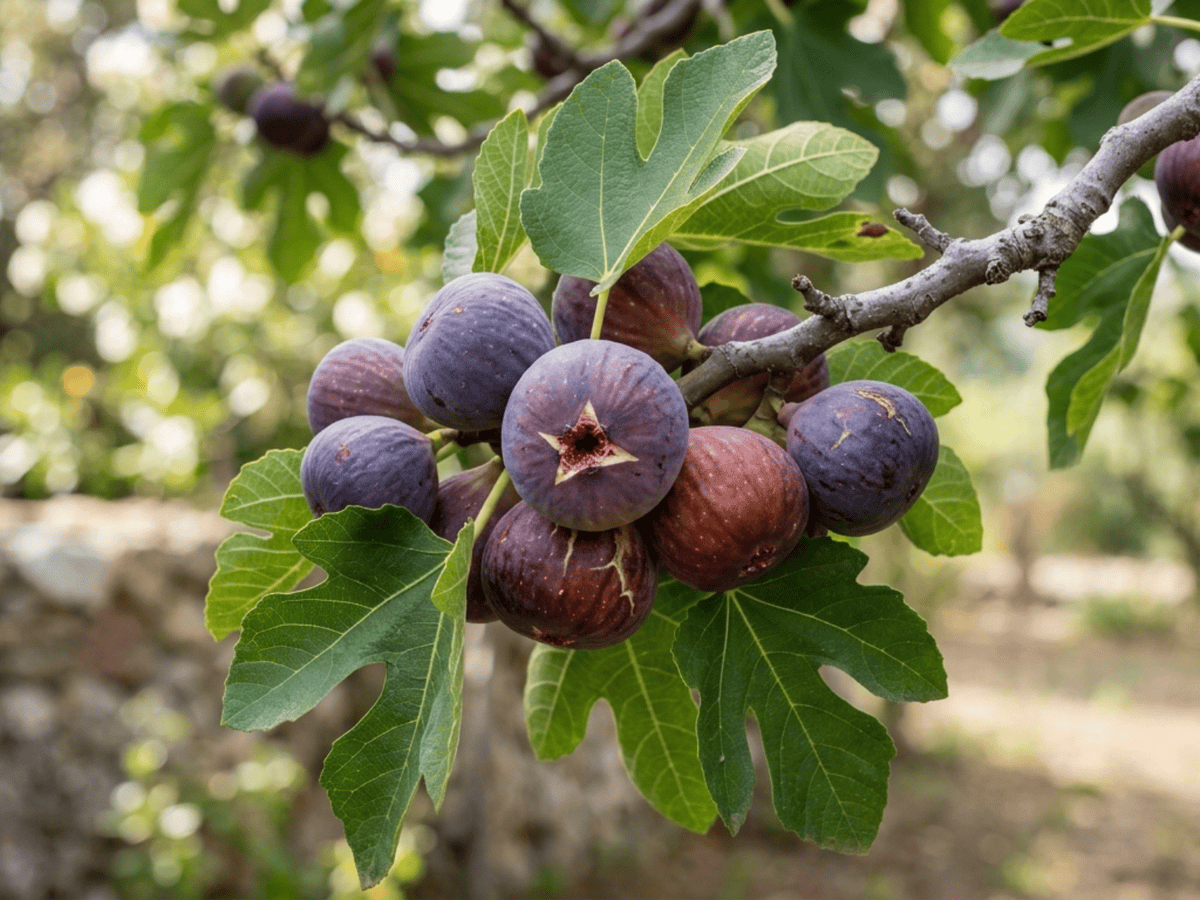 Common FigFicus carica
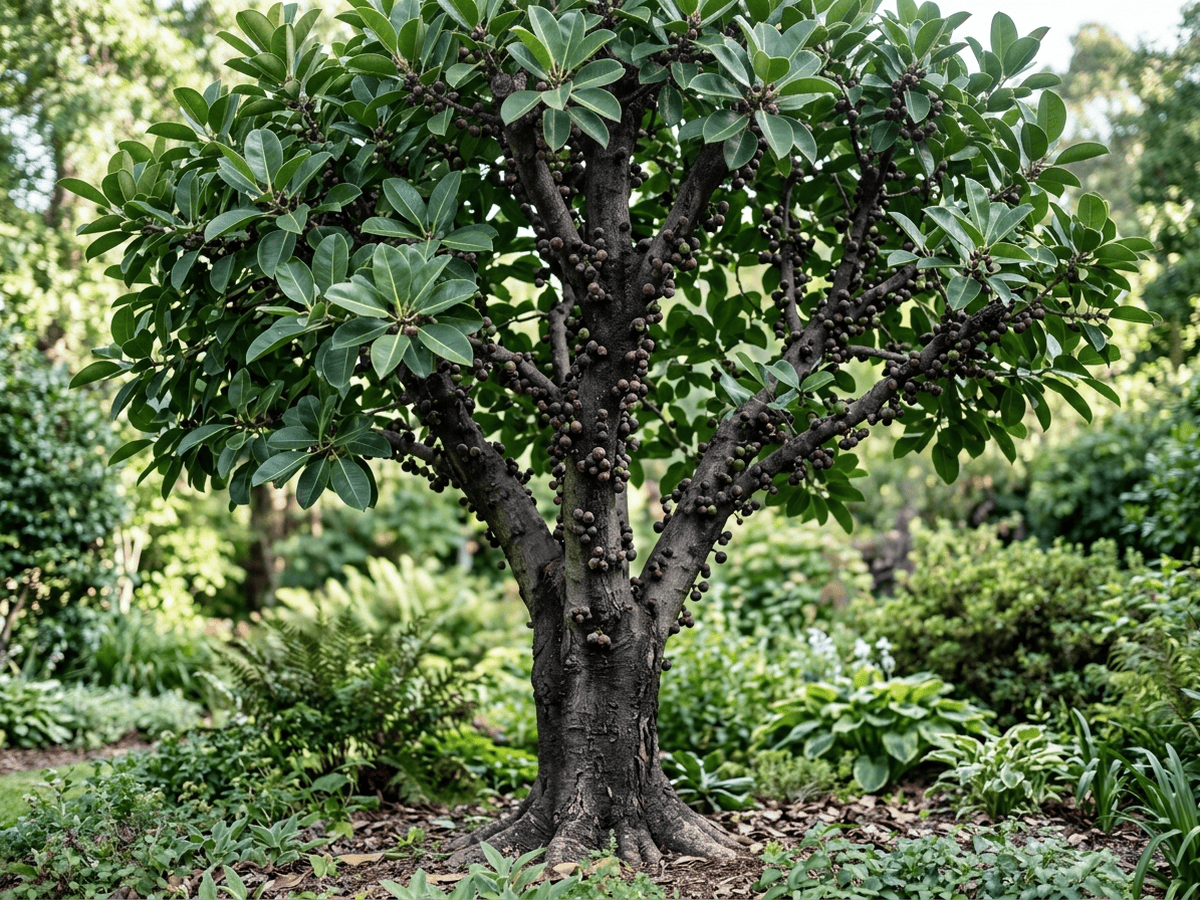 Bastard Natal FigFicus craterostoma
Plants with similar care
 Giant TaroAlocasia macrorrhizos
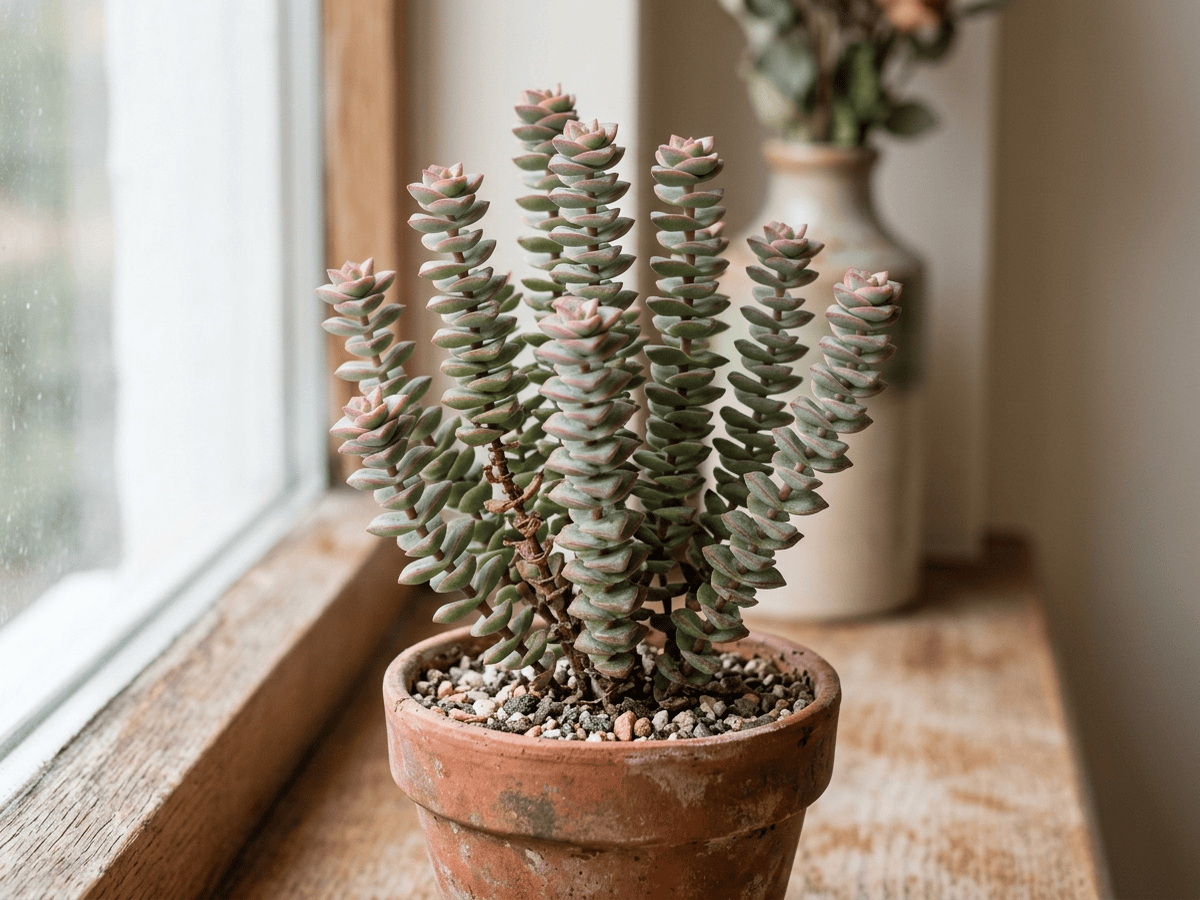 Concertina PlantCrassula perforata
 Song Of IndiaDracaena reflexa
 Snake PlantDracaena trifasciata
Frequently asked questions
How often should I water Sweetheart Tree?
In summer, water about every 10 days; in winter, about every 21 days. Adjust for heat, pot size and drainage.
How much light does Sweetheart Tree need?
Indirect: Filtered light. Watch the leaves — scorching or stretching means the light needs adjusting.
Is Sweetheart Tree toxic to cats or dogs?
Pets Moderate (Dogs Moderate · Cats Moderate) Educational information, not medical or veterinary advice. If exposure is suspected, contact a doctor or veterinarian.
Is Sweetheart Tree easy to grow?
Yes — it is considered an easy, beginner-friendly plant.
Can Sweetheart Tree be grown indoors?
Yes, it adapts well to indoor growing given the right light.
YardMate
Identify any plant in seconds
Snap a photo — YardMate names the plant, diagnoses problems, and reminds you when to water.
Download on the App Store