 YardMate


Rock Crane's-Bill
Geranium macrorrhizum
Easy · Beginner friendlyAbout Rock Crane's-Bill
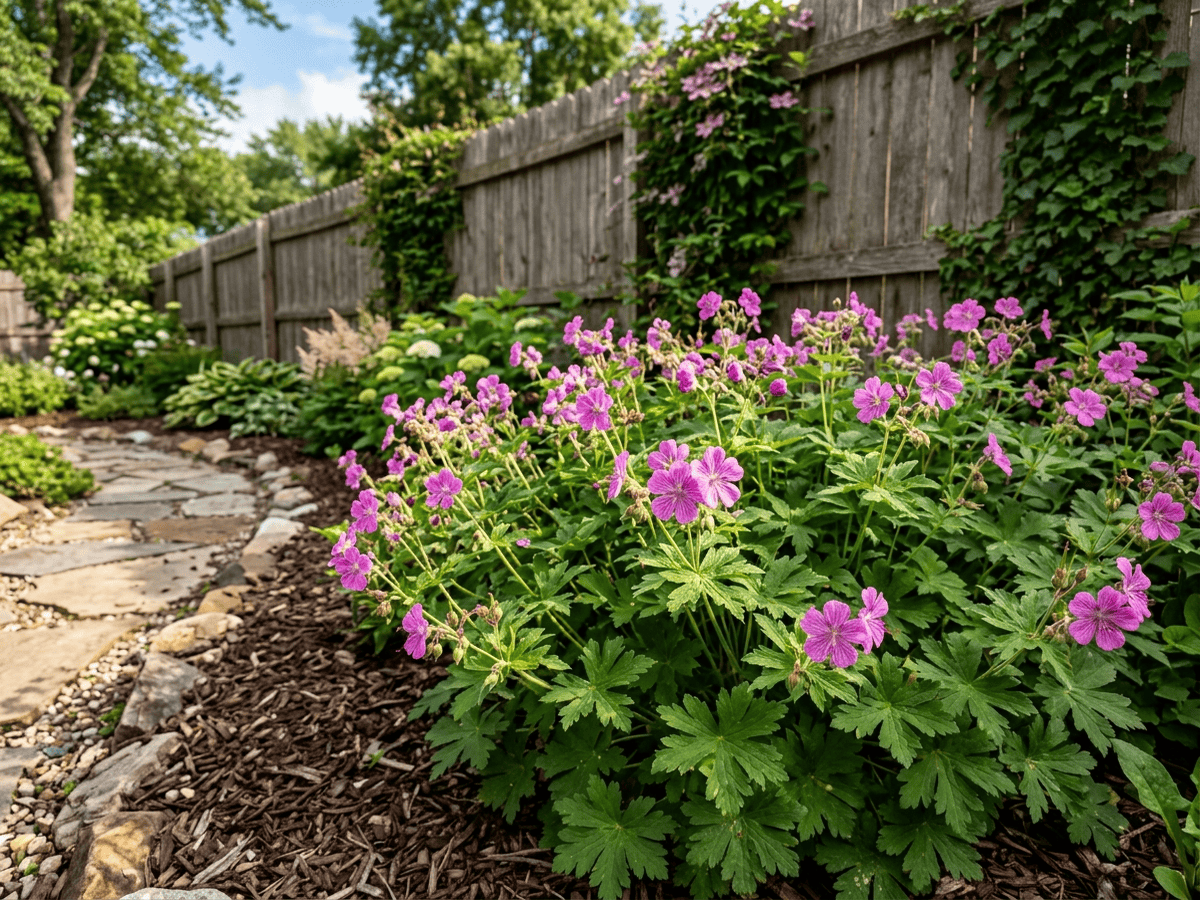
Bigroot Geranium is a tough rhizomatous perennial from the Balkans and southern Europe, forming dense weed-smothering mats 12-18 inches tall with aromatic palmately lobed leaves and magenta, pink, or white flowers in late spring. Exceptionally drought-tolerant once established, deer- and rabbit-resistant, and hardy in USDA zones 3-8, it is one of the most useful groundcovers for difficult sites in American gardens, including dry shade under trees.
- Fragrant
- Drought-tolerant
- Shade-tolerant
- Deer-resistant
How to care for Rock Crane's-Bill
Watering
- Springevery 7 days
- Summerevery 5 days
- Fallevery 10 days
- Winterpause watering
Soil · Well-draining
- Top dressingPine bark mulch10%
- Main mixPotting soil + perlite 2:170%
- DrainageLECA / gravel20%
Never skip the drainage layer — standing water is the top cause of root rot.
FERTILIZER
- Springevery 30 days
- Summerevery 30 days
At a Glance
- NativeEurope
- Height1–1.5 ft (0.3–0.5 m)
- Spread1.5–2 ft (0.5–0.6 m)
- Flower colorPink, Purple, White
- Foliage colorGreen, Red
- SoilLoamy, Well-drained
- LocationsYard
Bloom time
BLOOM CYCLE
Peak bloom
May–Jun
Magenta, pink, or white flowers May to June
Fragrance
STRONG FRAGRANCE
The foliage has an aromatic, resinous, pine-like scent.
Toxicity
No toxicity has been reported for this plant. Still, it is wise to keep pets from chewing on any houseplant.
Educational information, not medical or veterinary advice. If exposure is suspected, contact a doctor or veterinarian.
DISTRIBUTION


- Native
- Introduced
- Europe
History
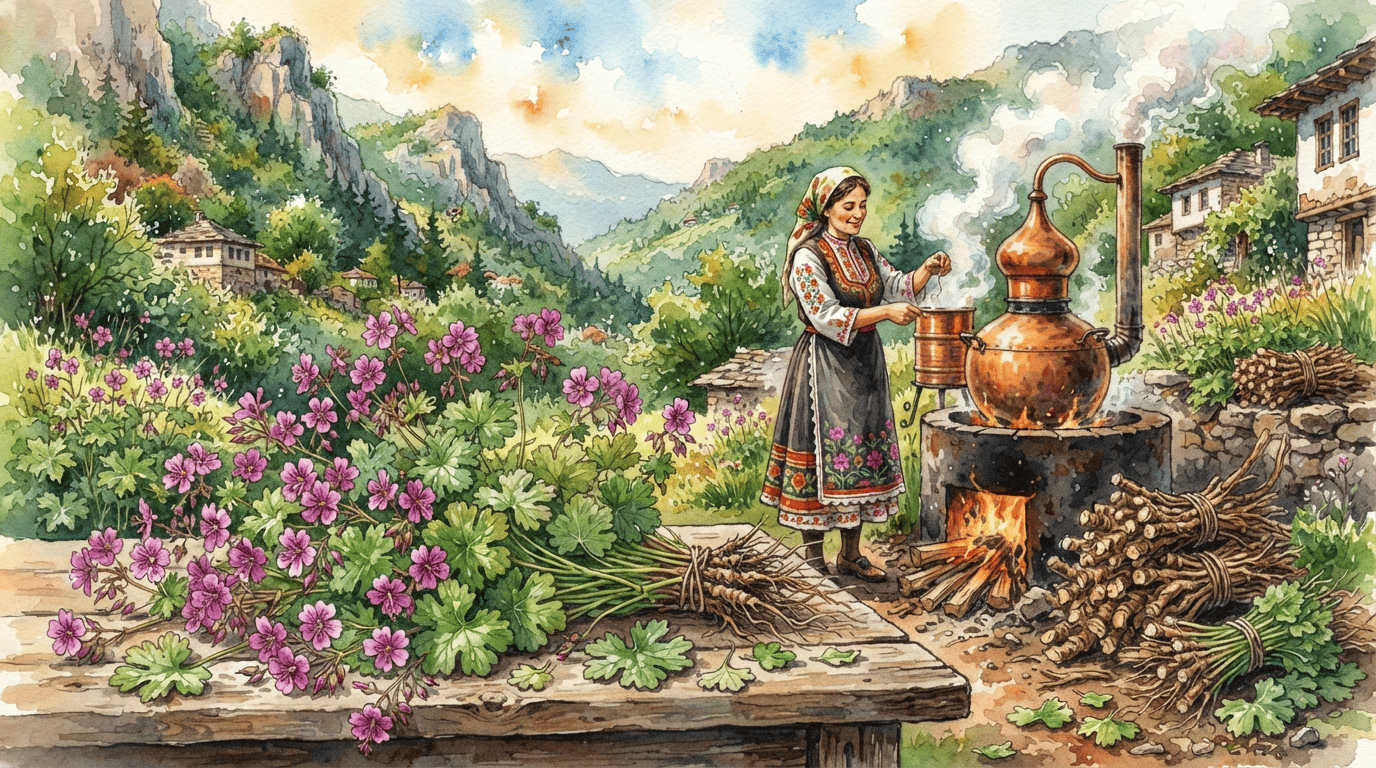
Geranium macrorrhizum is native to the Balkans, Apennines, and Carpathians on limestone cliffs and rocky slopes. In Bulgaria, aromatic essential oil called zdravetz is distilled from its rhizomes, used traditionally in perfumery, Orthodox Easter celebrations, and folk healing—the oil is an important Bulgarian export. Linnaeus described the species in 1753.
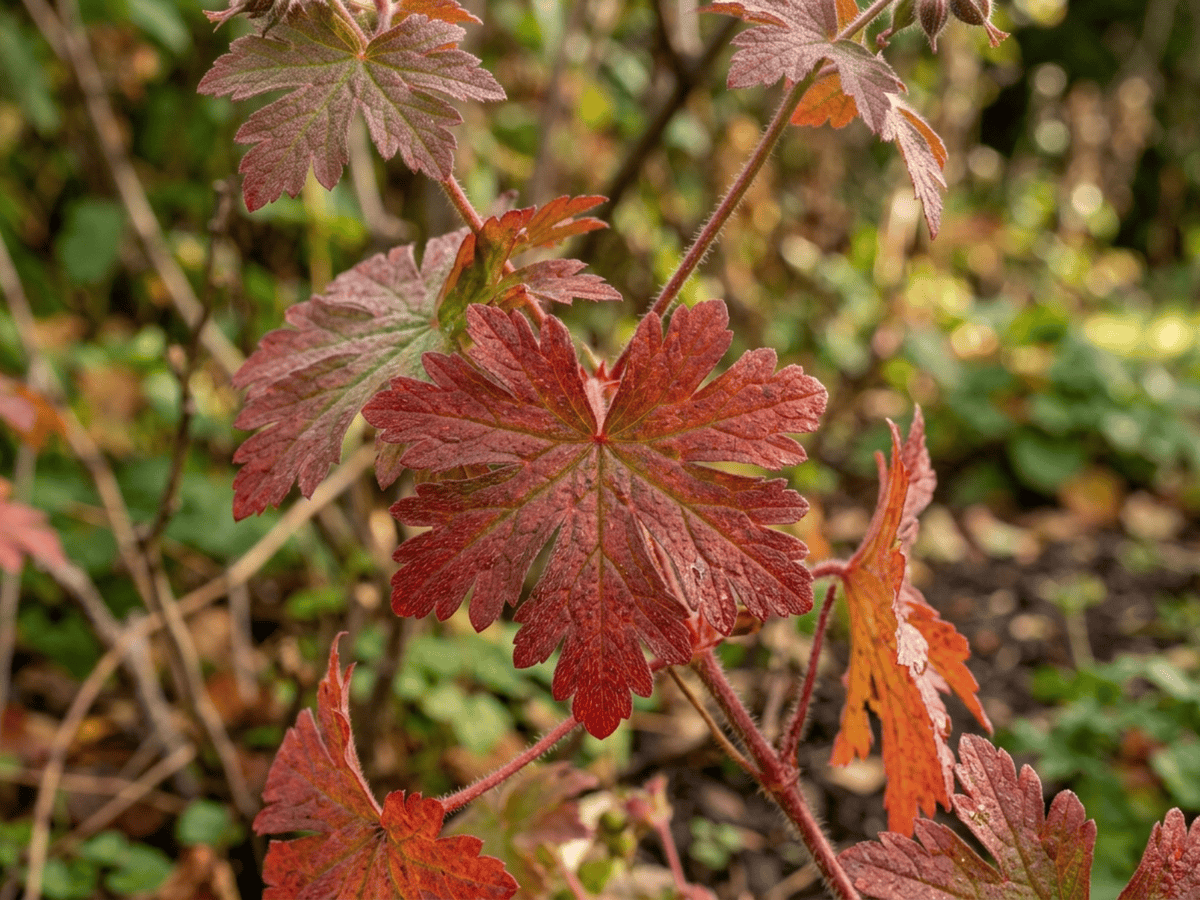
Its remarkable tolerance of dry shade and ability to form dense weed-suppressing groundcover under mature trees made it a staple of mid-to-late 20th-century shade gardens, championed by designers including Graham Stuart Thomas and Beth Chatto. Cultivars including 'Ingwersen's Variety' (collected by Walter Ingwersen in Montenegro in 1929), 'Spessart', 'Bevan's Variety', and 'Czakor' provide varied flower colors. The foliage develops excellent red fall color in cool climates.
Native to the Balkans, Italy, and the Carpathians. The Bulgarian oil industry distills the fragrant leaves for zdravetz oil, a traditional cosmetic ingredient. Cultivars 'Bevan's Variety' (magenta), 'Ingwersen's Variety' (soft pink), and 'Spessart' (white) are all mainstays of American perennial gardens.
Symbolism & meaning
What It Symbolizes
Rock crane's-bill is fortitude in groundcover form, rooting cheerfully in dry shade and stony clay where finer plants give up entirely. As a piece of Balkan heritage its scented rhizomes have been distilled for fragrance and soap for centuries, lending villages a particular spicy-green note. Few perennials offer this combination: tough enough for the worst corner, fragrant enough to hand down through generations.
- Fortitude — thrives where other plants fail
- Heritage — traditional Balkan fragrance plant
Where the Name Comes From
The name Rock Crane's-Bill points to rocky habitats. 'Macrorrhizum' means 'large-rooted' in Greek, referring to its thick aromatic rhizomes.
Uses & Fun Facts
- Resin-scented foliage releases aroma when brushed or crushed
- Spreading rhizomes form weed-suppressing mats in dry shade
- Pink late-spring flowers feed bees in woodland edges
Related plants
More Geranium plants
 Himalayan Crane's-BillGeranium himalayense
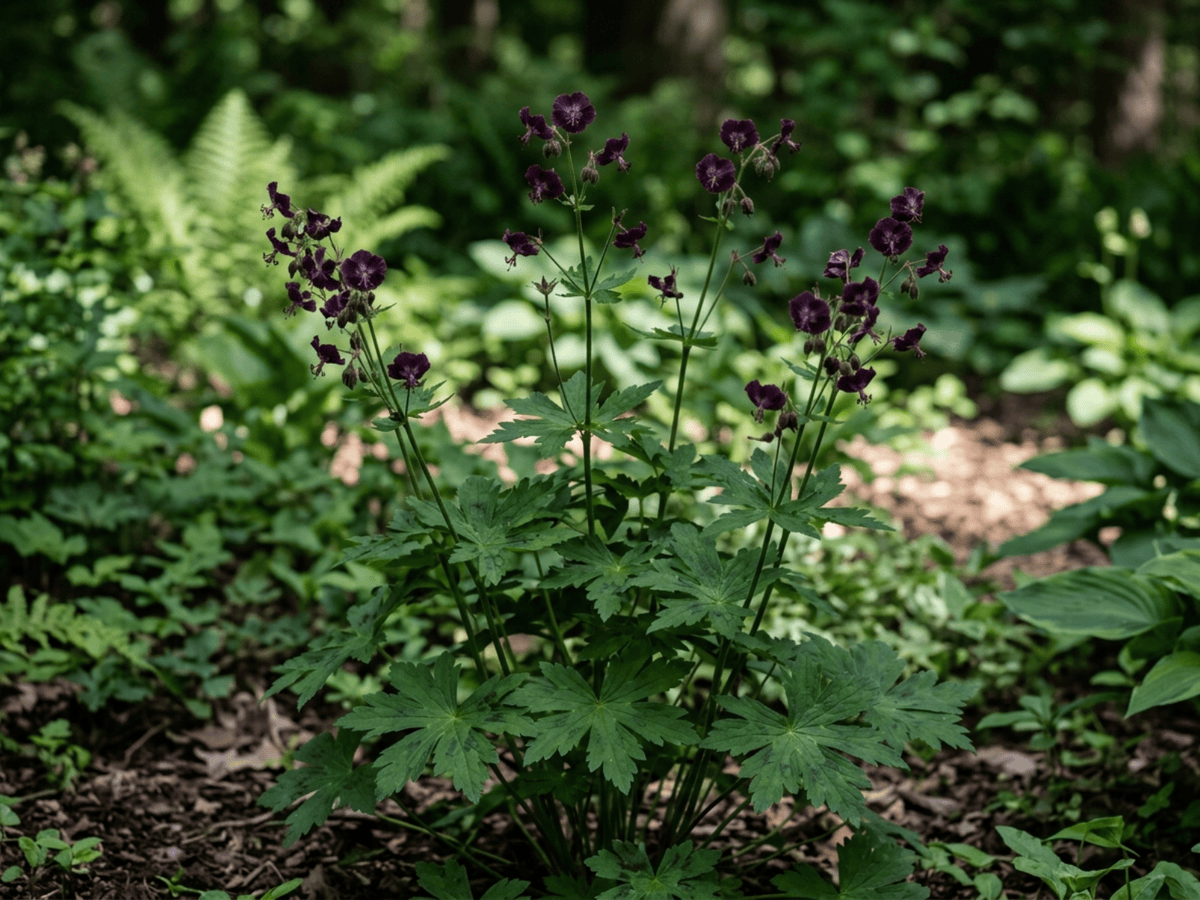 Dusky Crane's-BillGeranium phaeum
 Meadow Crane's-BillGeranium pratense
 Bloody Crane's-BillGeranium sanguineum
Plants with similar care
 Chinese AbeliaAbelia chinensis
 Fragrant AbeliaAbelia mosanensis
 Large-Flowered AbeliaAbelia uniflora
 Glossy AbeliaAbelia x grandiflora
Frequently asked questions
How often should I water Rock Crane's-Bill?
Water about every 7 days during the growing season, and always let excess water drain away.
How much light does Rock Crane's-Bill need?
Full sun: 6+ hrs direct. Watch the leaves — scorching or stretching means the light needs adjusting.
Is Rock Crane's-Bill toxic to cats or dogs?
No toxicity has been reported for this plant. Still, it is wise to keep pets from chewing on any houseplant. Educational information, not medical or veterinary advice. If exposure is suspected, contact a doctor or veterinarian.
Is Rock Crane's-Bill easy to grow?
Yes — it is considered an easy, beginner-friendly plant.
When does Rock Crane's-Bill bloom?
It typically blooms May–Jun in the Northern Hemisphere.
YardMate
Identify any plant in seconds
Snap a photo — YardMate names the plant, diagnoses problems, and reminds you when to water.
Download on the App Store