 YardMate


Late Bobbejaantjie
Gladiolus nanus
Easy · Beginner friendlyAbout Late Bobbejaantjie
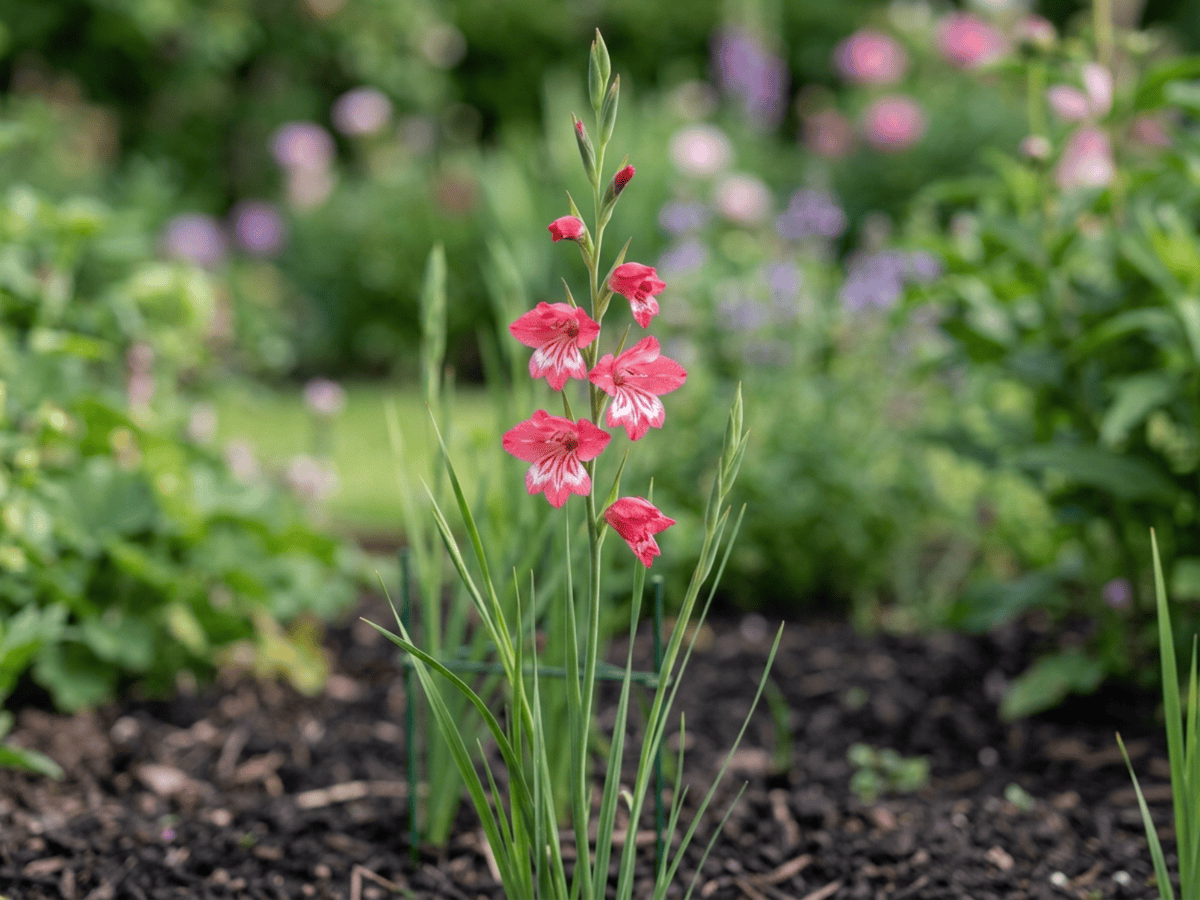
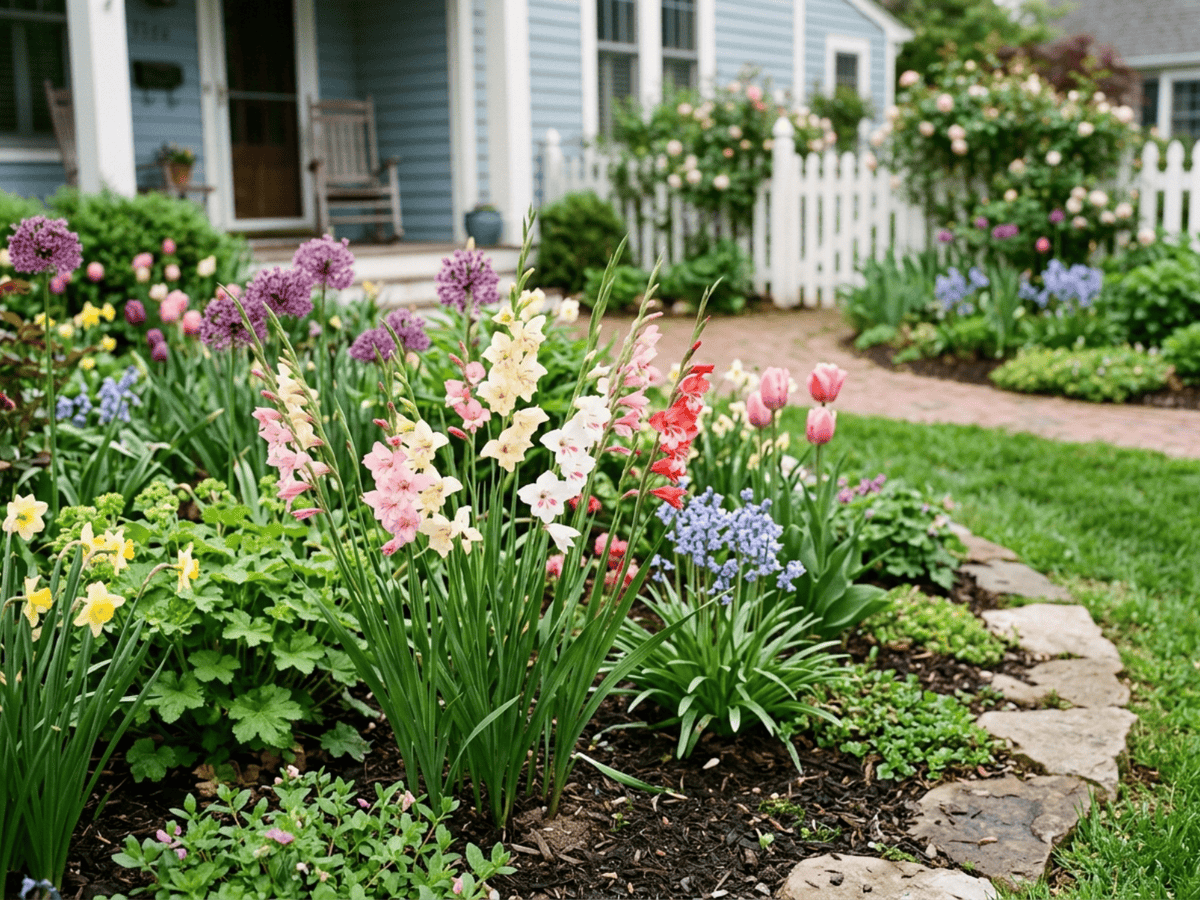
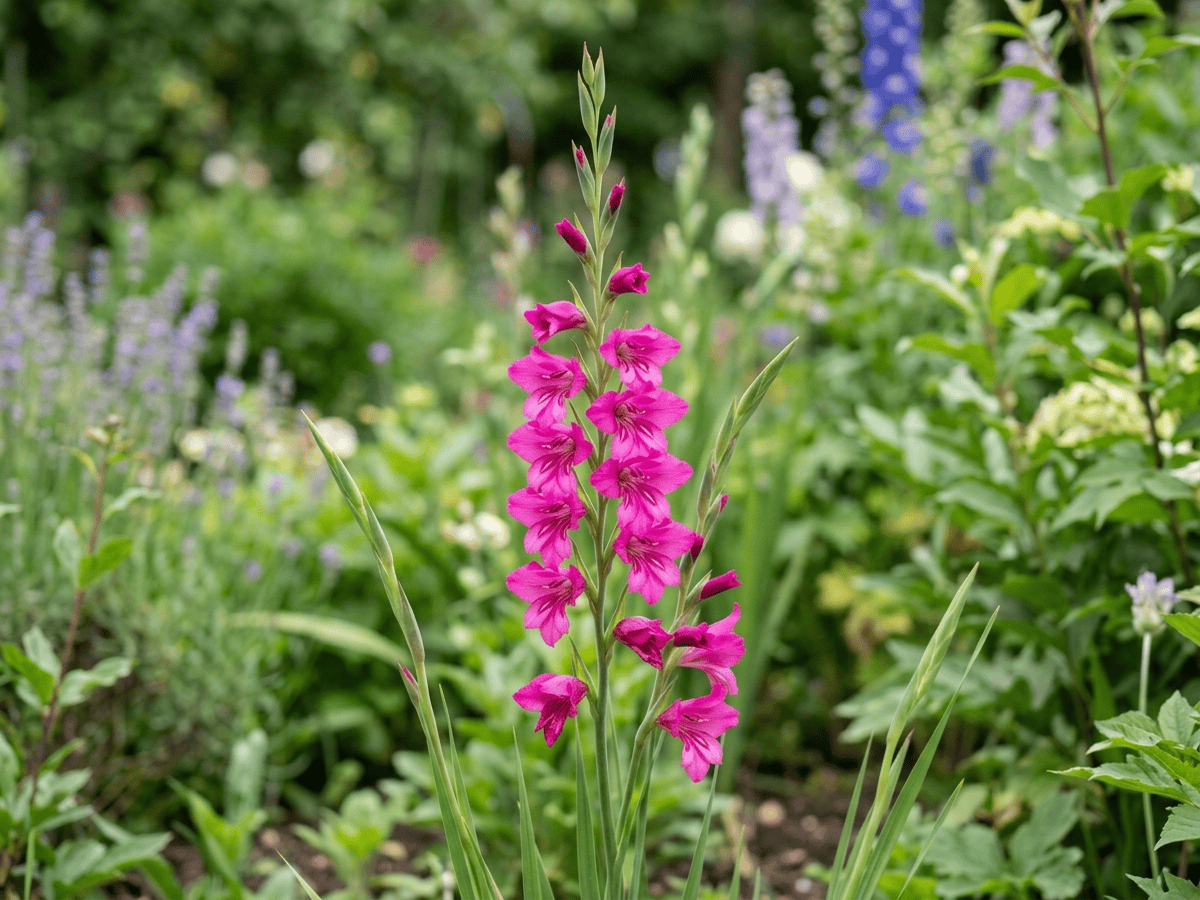
Hardy Gladiolus is a smaller, more graceful gladiolus with slender stems 18-24 inches tall bearing sprays of delicate loose-petaled flowers in soft whites, pinks, and reds, often marked with contrasting blotches. Blooming in early summer, it is hardier than standard gladiolus and often overwinters in USDA zones 5-9 without digging. A refined choice for American cottage gardens and cut-flower beds seeking gladiolus charm without the stiff formality.
- Cut-flower
- Cold-hardy
- Pollinator-friendly
How to care for Late Bobbejaantjie
Watering
- Springevery 4 days
- Summerevery 3 days
- Fallevery 5 days
- Winterpause watering
Soil · Well-draining
- Main mixLoam + coarse sand 3:175%
- DrainageGravel25%
Sharp drainage matters most — bulbs rot in wet soil while dormant.
FERTILIZER
Balanced Feed 14-14-14
An even feed covers all three needs at once, keeping leaves, roots and blooms moving together with nothing pushed out of balance.
- Nitrogen · Leaves
- Phosphorus · Roots + Blooms
- Potassium · Strength
- Springevery 30 days
- Summerevery 30 days
At a Glance
- Height1.5–2 ft (0.5–0.6 m)
- Spread0.5–1 ft (0.2–0.3 m)
- Flower colorWhite, Pink, Red, Purple
- Foliage colorGreen
- SoilLoamy, Well-drained, Sandy
- LocationsYard
Bloom time
BLOOM CYCLE
Peak bloom
May–Jun
White, pink, or red flowers May to June
Fragrance
LIGHT FRAGRANCE
The flowers have a mild scent.
Toxicity
Humans Slight · Pets Moderate
unidentified glycosides
Slight
- Corm
- Ingestion
EXPOSURE Eating corm.
EFFECT Mild GI.
NOTE Documented concern for humans: Mild GI.
Moderate
- Corm
- Ingestion
EXPOSURE Eating corm.
EFFECT Vomiting, diarrhea, and drooling.
NOTE ASPCA lists Gladiolus as toxic to pets; corms most concentrated.
Moderate
- Corm
- Ingestion
EXPOSURE Eating corm.
EFFECT Vomiting, diarrhea, and drooling.
NOTE ASPCA lists Gladiolus as toxic to pets; corms most concentrated.
Educational information, not medical or veterinary advice. If exposure is suspected, contact a doctor or veterinarian.
DISTRIBUTION


- Native
- Introduced
History
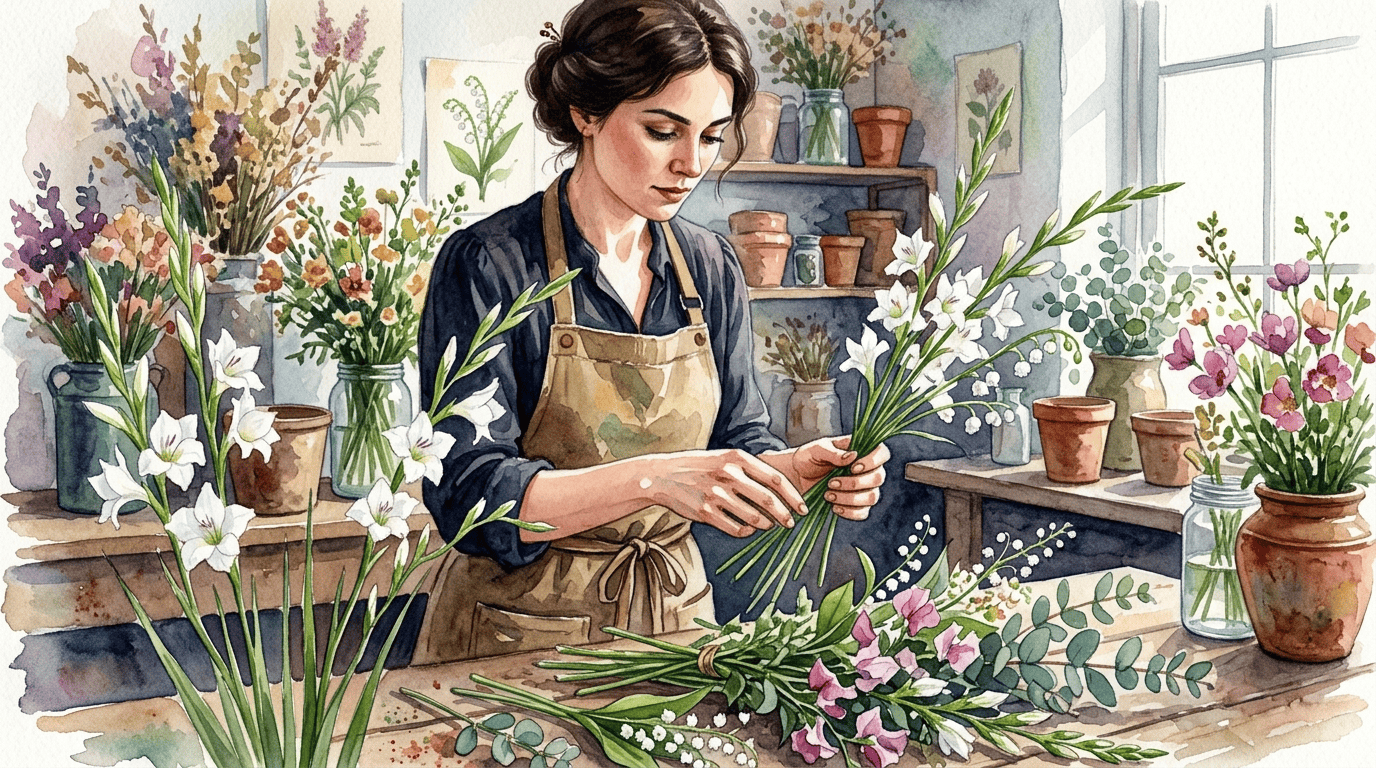
Gladiolus nanus as sold in horticulture is a hybrid complex developed from crosses of South African winter-growing species including G. tristis, G. cardinalis, G. carneus, and G. floribundus. Dutch and British breeders produced these miniature hybrids starting in the early 20th century to complement the tall summer-blooming hybrid gladiolus. Typical 'nanus' types reach only 18-24 inches with delicate wispy spikes of 1-2 inch flowers in late spring to early summer, well before conventional gladiolus.
Classic cultivars include 'The Bride' (pure white), 'Nymph' (white with red throat), 'Charm' (pink), and 'Impressive' (pink and white). They bloom from autumn-planted corms in mild climates and are treated as spring-planted annuals in colder zones. Flower arrangers particularly value them for wispy texture.
Symbolism & meaning
What It Symbolizes
Late Bobbejaantjie carries the traditional gladiolus meaning of strength of character — the gladiolus, after all, is named for the gladiator's sword. Paired with elegance in this smaller-flowered form, it offers refinement without the heavy stake-and-tie demands of its larger cousins. It is strength dressed in finer clothes, holding its meaning with quieter poise.
- Strength of Character — traditional gladiolus symbolism
- Elegance — refined smaller-flowered form
Where the Name Comes From
'Gladiolus' means 'small sword' in Latin, referring to the leaf shape; 'nanus' means 'dwarf'.
Uses & Fun Facts
- Slender flower spikes prized for elegant smaller bouquets
- Hooded blooms attract long-tongued bees and hummingbirds
- Smaller hardy gladiolus suits sunny patio pots
Related plants
More Gladiolus plants
 Eastern GladiolusGladiolus communis
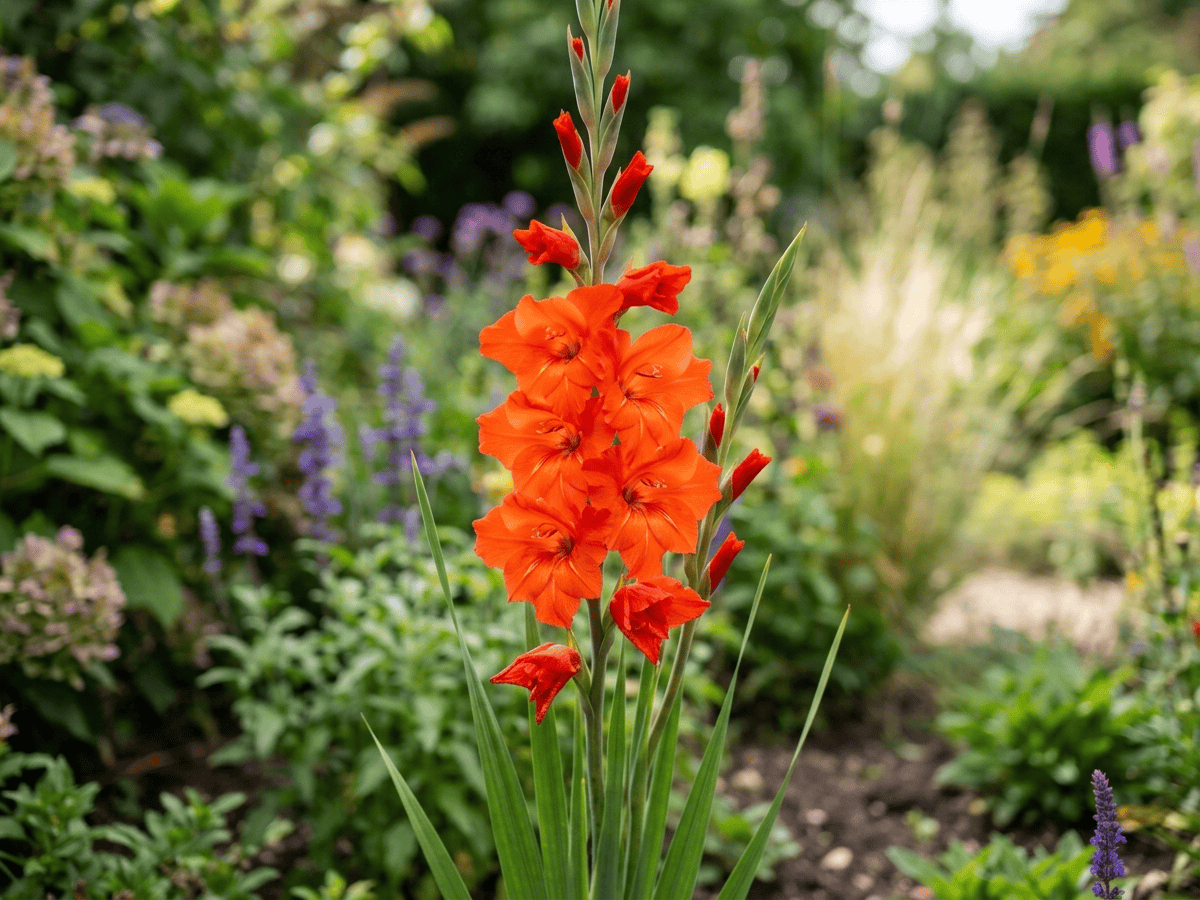 Dragon's-Head LilyGladiolus dalenii
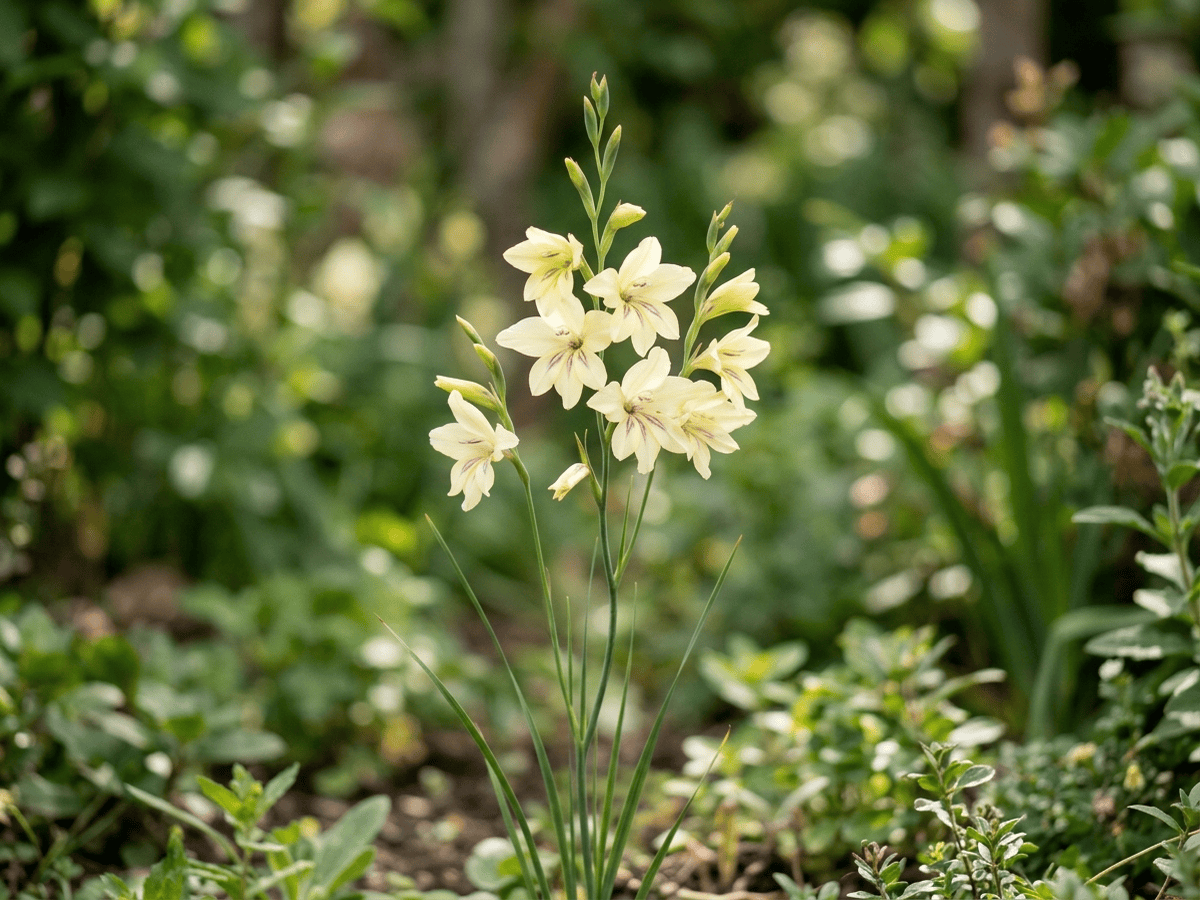 Marsh AfrikanerGladiolus tristis
 GladiolusGladiolus x gandavensis
Plants with similar care
 Chinese AbeliaAbelia chinensis
 Fragrant AbeliaAbelia mosanensis
 Large-Flowered AbeliaAbelia uniflora
 Glossy AbeliaAbelia x grandiflora
Frequently asked questions
How often should I water Late Bobbejaantjie?
Water about every 4 days during the growing season, and always let excess water drain away.
How much light does Late Bobbejaantjie need?
Full sun: 6+ hrs direct. Watch the leaves — scorching or stretching means the light needs adjusting.
Is Late Bobbejaantjie toxic to cats or dogs?
Pets Moderate (Dogs Moderate · Cats Moderate) Educational information, not medical or veterinary advice. If exposure is suspected, contact a doctor or veterinarian.
Is Late Bobbejaantjie easy to grow?
Yes — it is considered an easy, beginner-friendly plant.
When does Late Bobbejaantjie bloom?
It typically blooms May–Jun in the Northern Hemisphere.
YardMate
Identify any plant in seconds
Snap a photo — YardMate names the plant, diagnoses problems, and reminds you when to water.
Download on the App Store