 YardMate


Eastern Gladiolus
Gladiolus communis
Easy · Beginner friendlyAbout Eastern Gladiolus
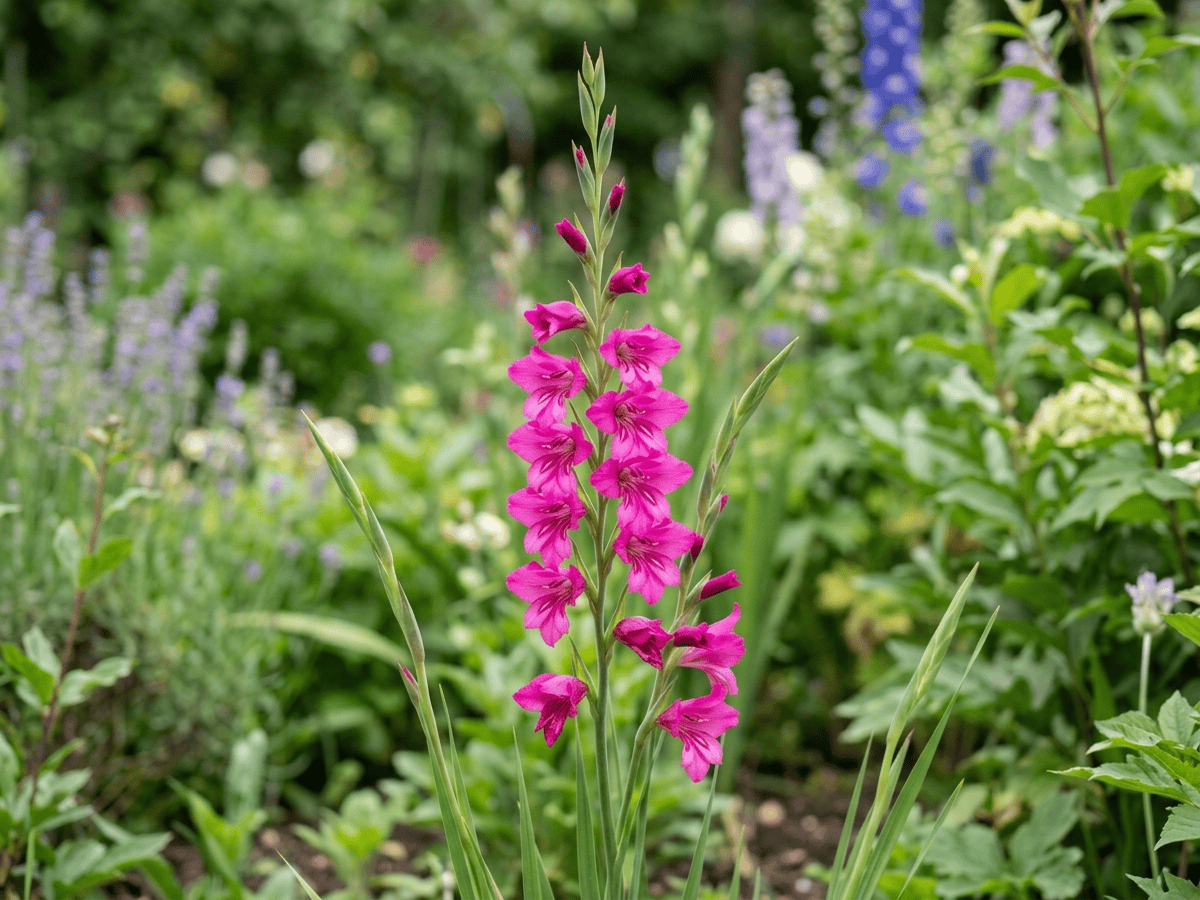
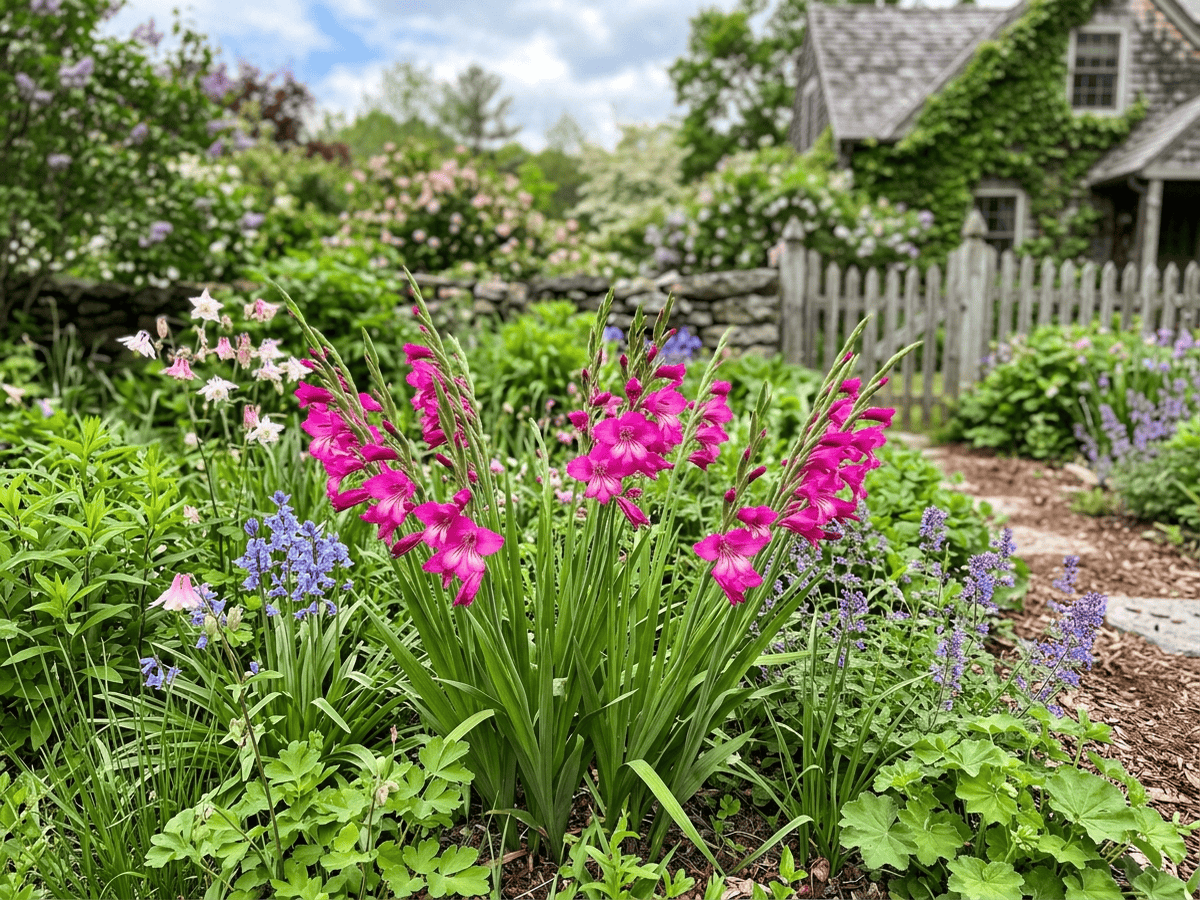
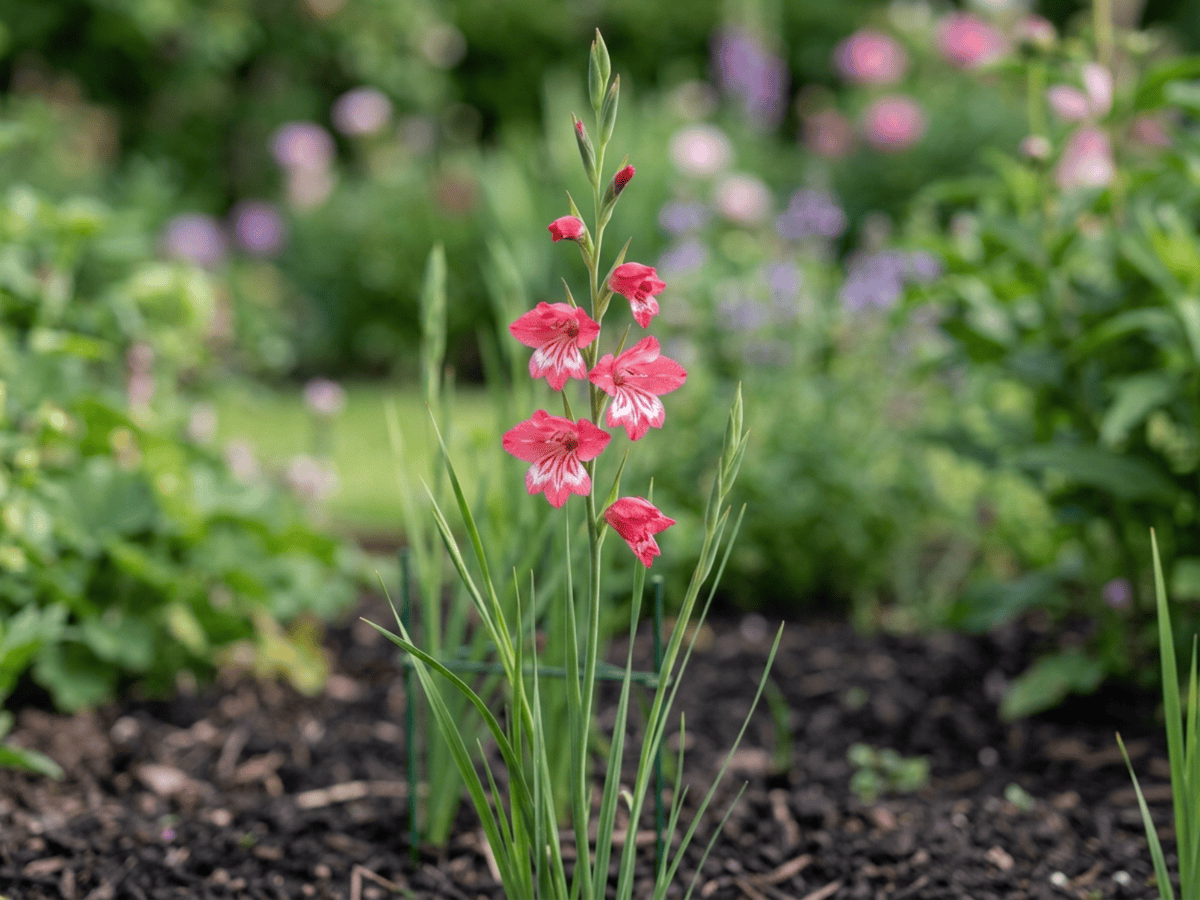
Byzantine Gladiolus is a Mediterranean native species gladiolus growing 2 to 3 feet tall, producing graceful spikes of deep magenta-pink flowers in late spring, months earlier than summer-flowering hybrid gladioli. Winter-hardy through zone 6 with protection, it naturalizes beautifully in American cottage and meadow gardens, multiplying into drifts over time.
- Drought-tolerant
How to care for Eastern Gladiolus
Watering
- Springevery 7 days
- Summerevery 10 days
- Fallevery 10 days
- Winterpause watering
Soil · Well-draining
- Main mixLoam + coarse sand 3:175%
- DrainageGravel25%
Sharp drainage matters most — bulbs rot in wet soil while dormant.
FERTILIZER
Balanced Feed 14-14-14
An even feed covers all three needs at once, keeping leaves, roots and blooms moving together with nothing pushed out of balance.
- Nitrogen · Leaves
- Phosphorus · Roots + Blooms
- Potassium · Strength
- Springevery 30 days
- Fallevery 60 days
At a Glance
- NativeMediterranean, Africa, Western Asia
- Height2–3 ft (0.6–0.9 m)
- Spread0.5–1 ft (0.2–0.3 m)
- Flower colorPurple, Pink
- Foliage colorGreen
- SoilLoamy, Well-drained
- LocationsYard
Bloom time
BLOOM CYCLE
Peak bloom
Mar–May
Magenta-pink flower spikes in late spring
Toxicity
Humans Slight · Pets Slight
unidentified irritants
Slight
- Bulb
- Ingestion
EXPOSURE Eating bulbs.
EFFECT Vomiting and diarrhea.
NOTE Documented concern for humans: Vomiting and diarrhea.
Slight
- Bulb
- Ingestion
EXPOSURE Eating bulbs.
EFFECT Vomiting, drooling, and lethargy.
NOTE ASPCA lists Gladiolus as toxic to pets.
Slight
- Bulb
- Ingestion
EXPOSURE Eating bulbs.
EFFECT Vomiting, drooling, and lethargy.
NOTE ASPCA lists Gladiolus as toxic to pets.
Educational information, not medical or veterinary advice. If exposure is suspected, contact a doctor or veterinarian.
DISTRIBUTION


- Native
- Introduced
- Mediterranean
- Africa
- Western Asia
History
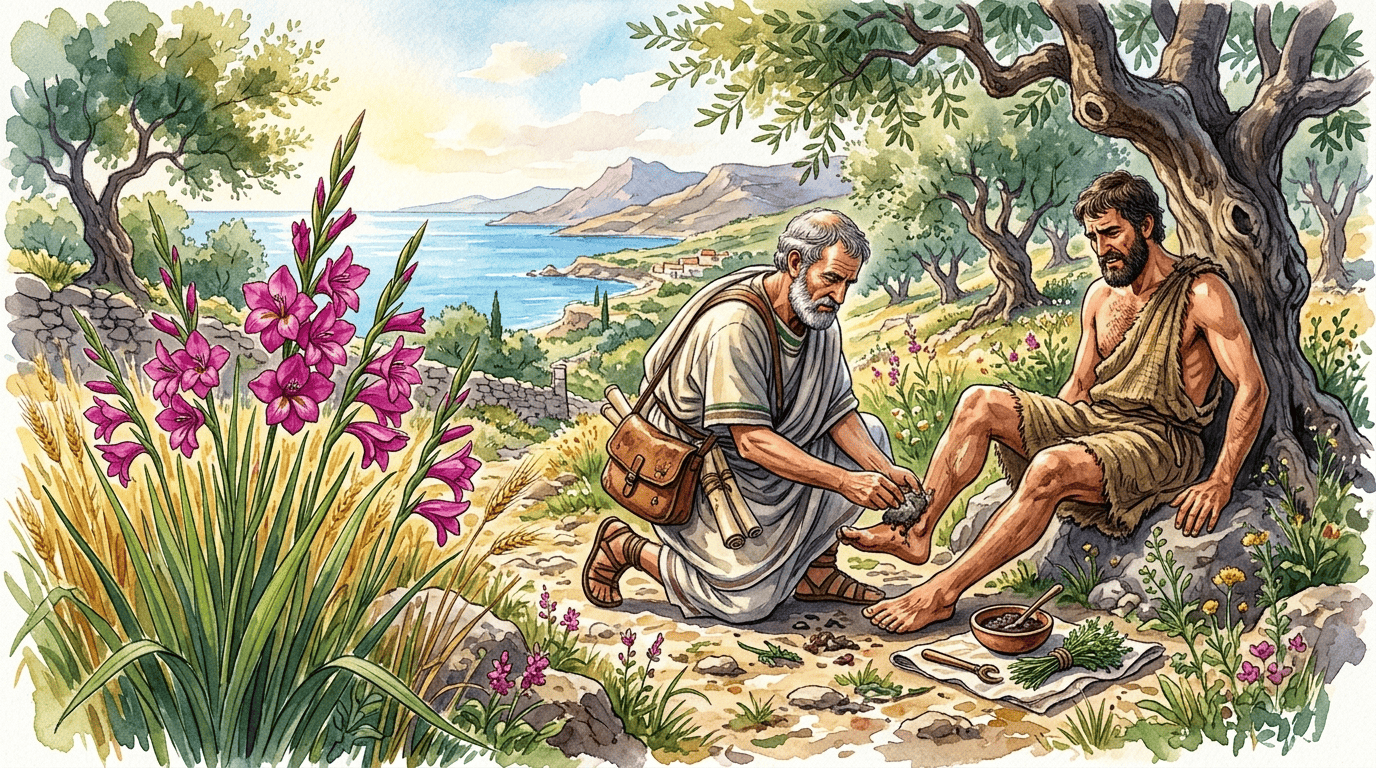
Gladiolus communis grows wild in meadows, olive groves, and traditional wheat fields across southern Europe and the Mediterranean basin. Linnaeus described it in Species Plantarum (1753). The genus name derives from Latin gladius (sword), alluding to the sword-shaped leaves.
Pliny the Elder recorded it in the 1st century CE, recommending the corm poultice for drawing thorns and splinters. The subspecies G. communis subsp. byzantinus — the magenta-pink 'Byzantine gladiolus' — was brought from Turkey to European gardens by the 16th century and became a beloved cottage-garden bulb, especially in England where it naturalized in Cornwall and the Scilly Isles. Unlike the tender hybrid gladiolus, this species is hardy to zone 6 and persists for decades in meadow-style plantings, making it a staple of naturalistic spring designs.
Native across the Mediterranean from Portugal to Turkey, cultivated since antiquity and featured in Roman and Byzantine gardens. Introduced to American gardens through European horticulture, now a classic naturalizing spring bulb in cottage and heritage plantings. Sometimes called 'Byzantine gladiolus' for its Eastern Mediterranean heritage.
Symbolism & meaning
What It Symbolizes
Eastern gladiolus carries ancient devotion — its sword-shaped foliage and spike of magenta blooms have been cultivated since Roman times, and the Latin gladius gave the genus its name. As Mediterranean heritage it lined classical gardens long before the showy hybrids of the modern flower trade. To grow it is to keep company with a flower that gladiators and their poets would still recognize.
- Ancient devotion — cultivated since Roman times
- Mediterranean heritage — from ancient European gardens
Where the Name Comes From
'Eastern gladiolus' refers to its eastern Mediterranean and southeastern European range rather than eastern North America. Gladiolus means 'little sword', for the narrow swordlike leaves; communis means common or gregarious.
Uses & Fun Facts
- Magenta-pink spikes prized for late-spring cottage arrangements
- Naturalizes into drifts in Mediterranean and meadow gardens
Related plants
More Gladiolus plants
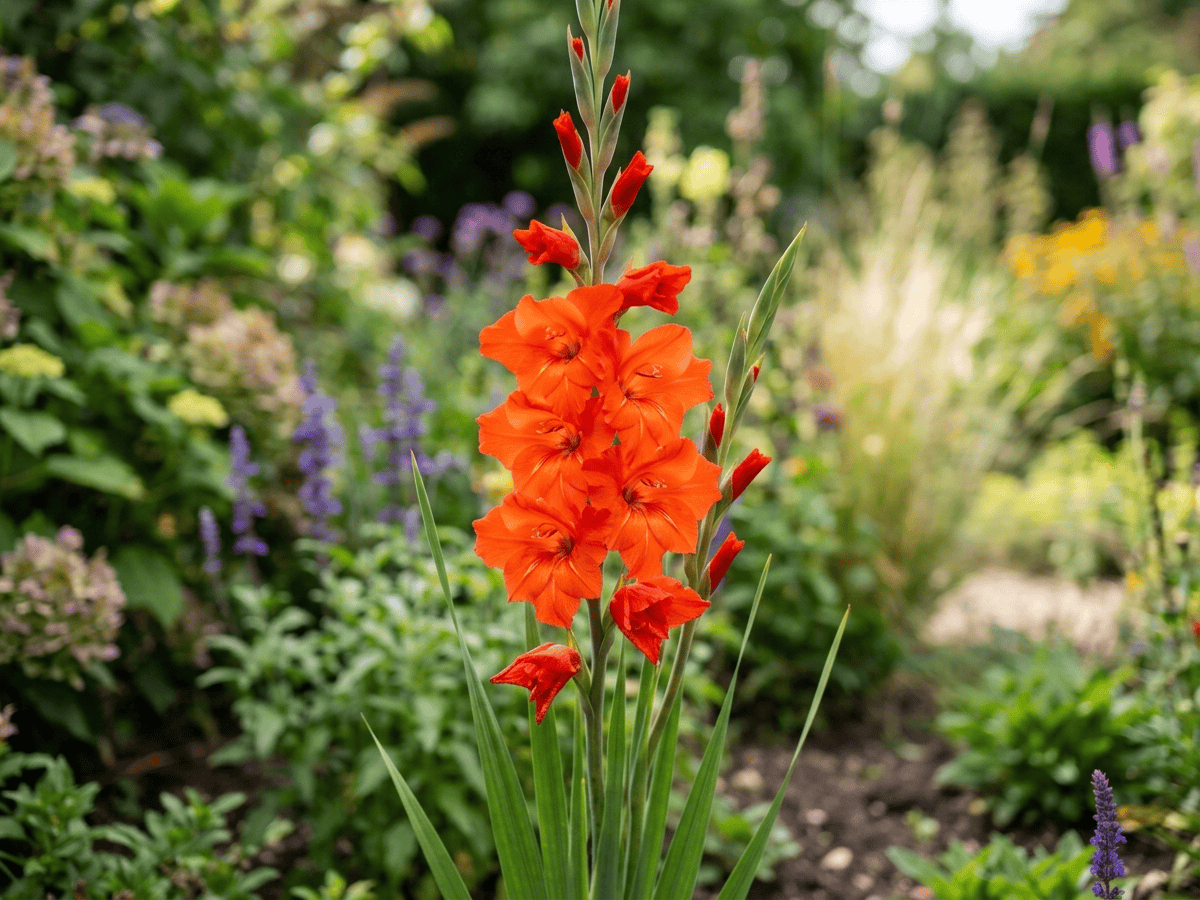 Dragon's-Head LilyGladiolus dalenii
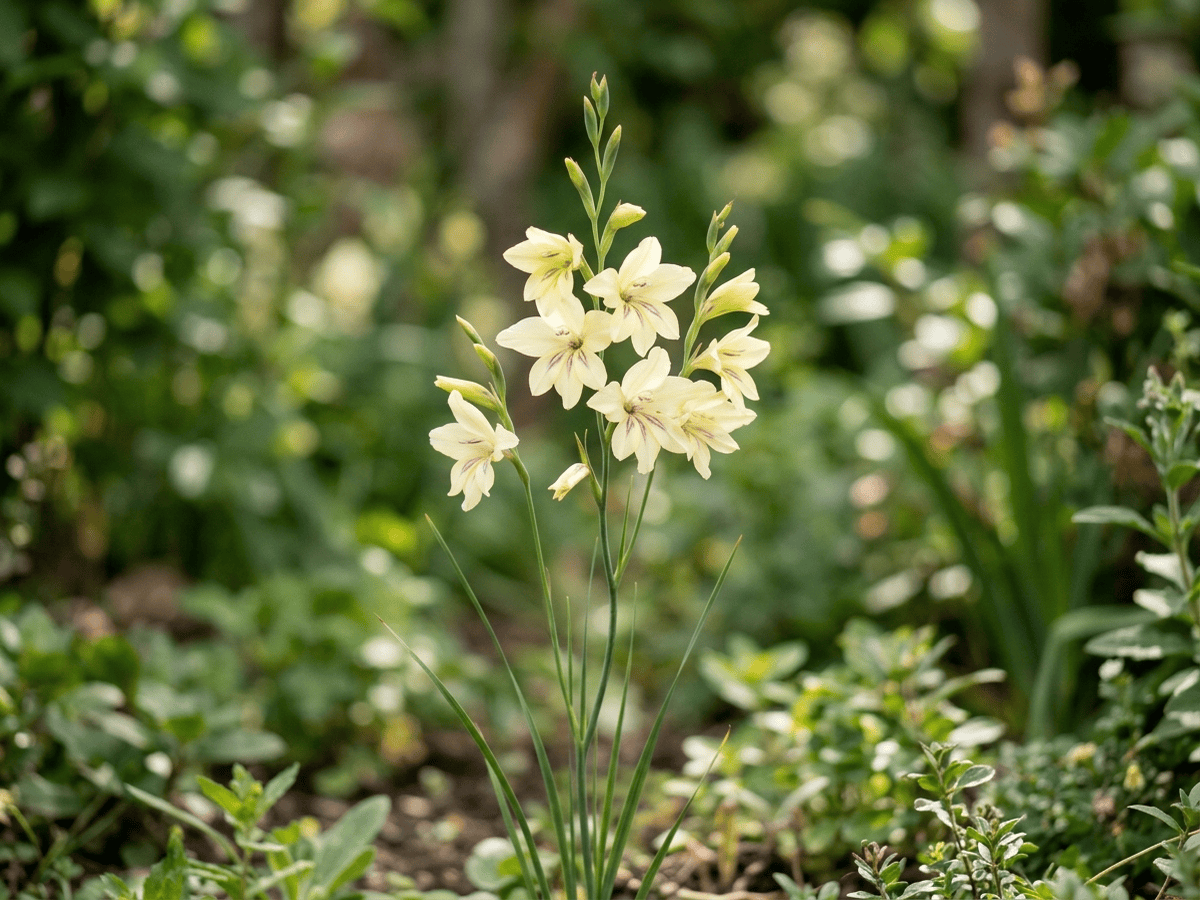
 Late BobbejaantjieGladiolus nanus
 Marsh AfrikanerGladiolus tristis
 GladiolusGladiolus x gandavensis
Plants with similar care
 Chinese AbeliaAbelia chinensis
 Fragrant AbeliaAbelia mosanensis
 Large-Flowered AbeliaAbelia uniflora
 Glossy AbeliaAbelia x grandiflora
Frequently asked questions
How often should I water Eastern Gladiolus?
Water about every 7 days during the growing season, and always let excess water drain away.
How much light does Eastern Gladiolus need?
Full sun: 6+ hrs direct. Watch the leaves — scorching or stretching means the light needs adjusting.
Is Eastern Gladiolus toxic to cats or dogs?
Pets Slight (Dogs Slight · Cats Slight) Educational information, not medical or veterinary advice. If exposure is suspected, contact a doctor or veterinarian.
Is Eastern Gladiolus easy to grow?
Yes — it is considered an easy, beginner-friendly plant.
When does Eastern Gladiolus bloom?
It typically blooms Mar–May in the Northern Hemisphere.
YardMate
Identify any plant in seconds
Snap a photo — YardMate names the plant, diagnoses problems, and reminds you when to water.
Download on the App Store