 YardMate


Marsh Afrikaner
Gladiolus tristis
Medium · Some experienceAbout Marsh Afrikaner
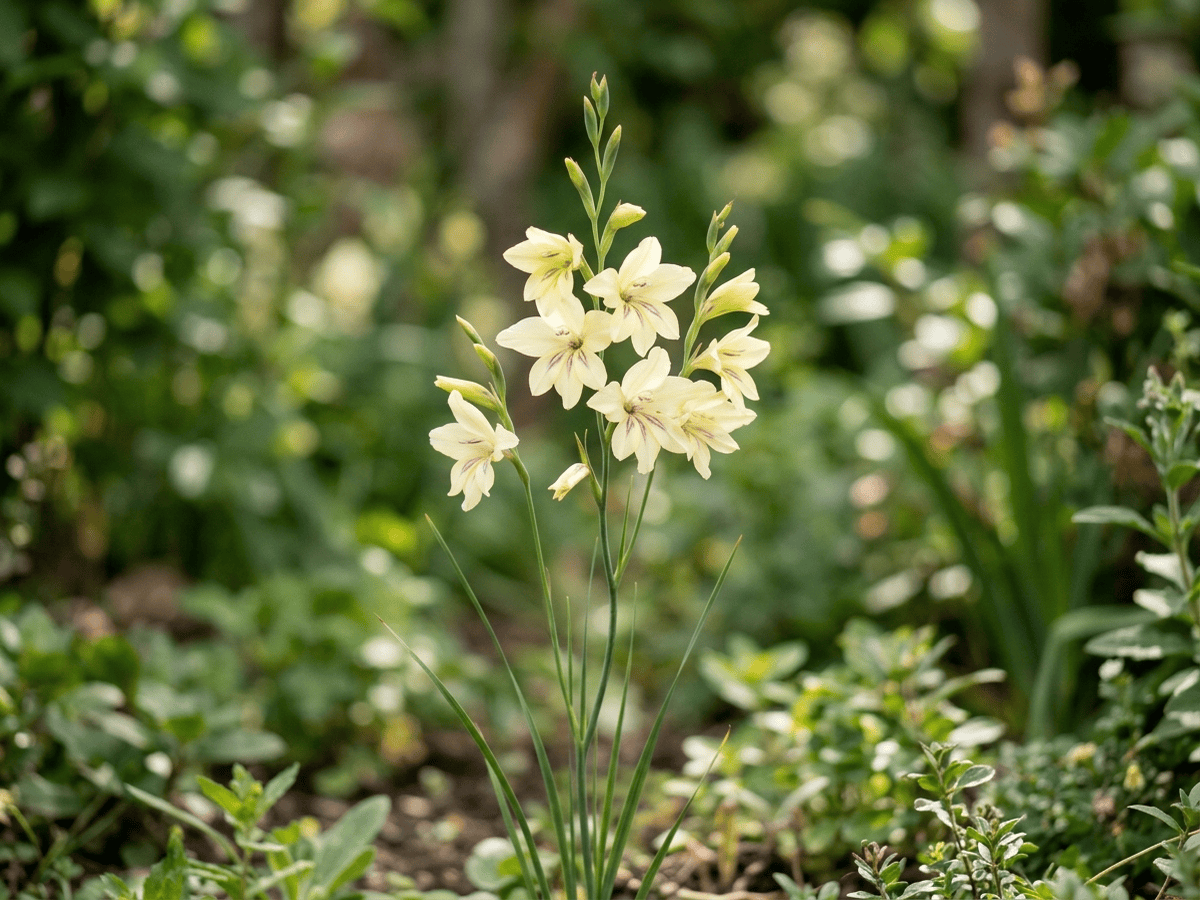
Evening-scented Gladiolus is a South African winter-growing species, producing 2 to 3 foot slender spikes of pale cream-yellow flowers in early spring, releasing a strong sweet fragrance at dusk. A signature heirloom for American Pacific Coast and Gulf Coast gardens where winter-growing bulbs thrive, prized by fragrance-garden enthusiasts for evening perfume.
- Fragrant
- Pollinator-friendly
How to care for Marsh Afrikaner
Watering
- Springevery 5 days
- Summerpause watering
- Fallevery 7 days
- Winterevery 5 days
Soil · Well-draining
- Main mixLoam + coarse sand 3:175%
- DrainageGravel25%
Sharp drainage matters most — bulbs rot in wet soil while dormant.
FERTILIZER
Balanced Feed 14-14-14
An even feed covers all three needs at once, keeping leaves, roots and blooms moving together with nothing pushed out of balance.
- Nitrogen · Leaves
- Phosphorus · Roots + Blooms
- Potassium · Strength
- Fallevery 60 days
- Winterevery 60 days
At a Glance
- NativeAfrica
- Height2–3 ft (0.6–0.9 m)
- Spread0.5–1 ft (0.2–0.3 m)
- Flower colorCream, Yellow
- Foliage colorGreen
- SoilSandy, Well-drained
- LocationsYard
Bloom time
BLOOM CYCLE
Peak bloom
Mar–May
Cream-yellow fragrant flowers in early spring, scent strongest at dusk
Fragrance
STRONG FRAGRANCE
Flowers intensely clove- and honey-scented at dusk; nearly unscented by day.
Toxicity
Humans Slight · Pets Slight
unidentified irritants
Slight
- Bulb
- Ingestion
EXPOSURE Eating bulbs.
EFFECT Vomiting and diarrhea.
NOTE Documented concern for humans: Vomiting and diarrhea.
Slight
- Bulb
- Ingestion
EXPOSURE Eating bulbs.
EFFECT Vomiting and drooling.
NOTE ASPCA lists Gladiolus as toxic to pets.
Slight
- Bulb
- Ingestion
EXPOSURE Eating bulbs.
EFFECT Vomiting and drooling.
NOTE ASPCA lists Gladiolus as toxic to pets.
Educational information, not medical or veterinary advice. If exposure is suspected, contact a doctor or veterinarian.
DISTRIBUTION


- Native
- Introduced
- Africa
History
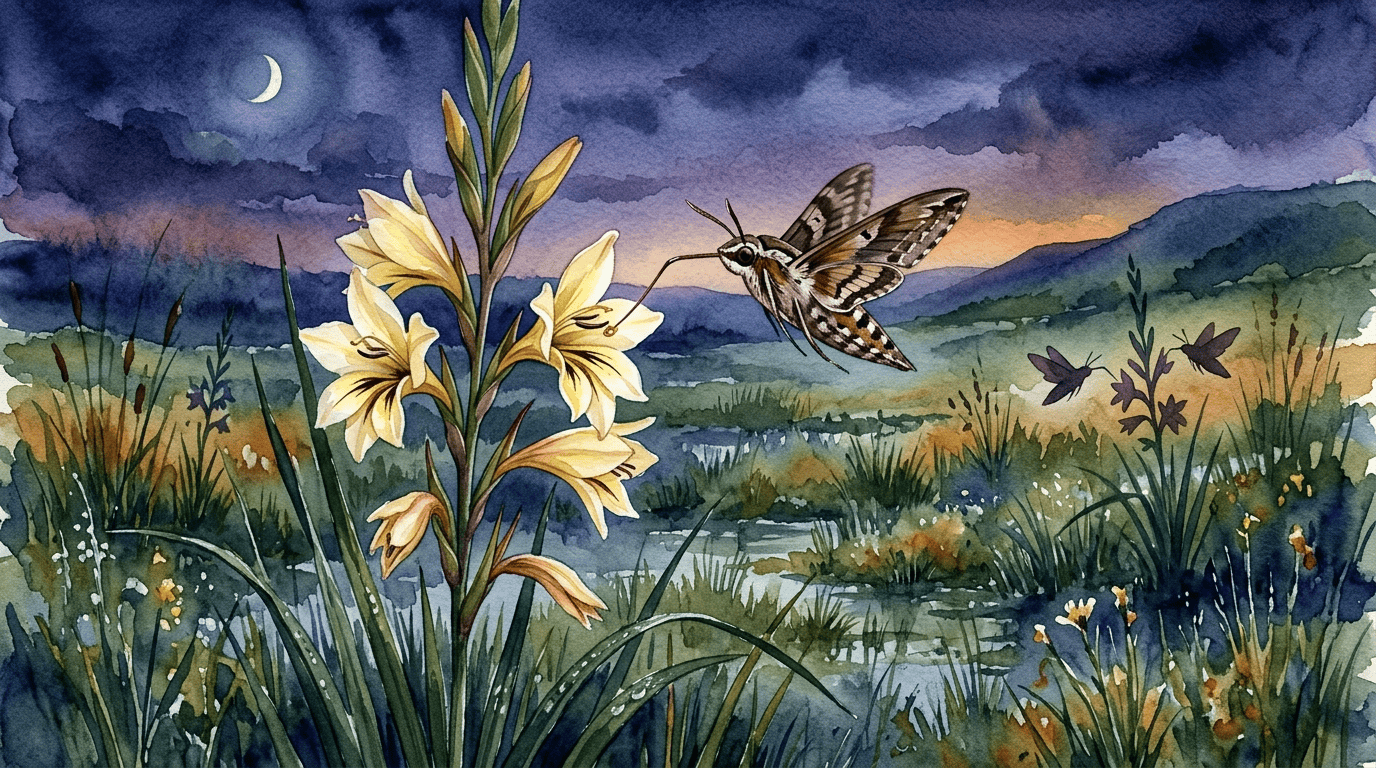
Gladiolus tristis grows naturally in marshy ground and seasonally wet meadows across the southwestern Cape of South Africa. Linnaeus described it in his Species Plantarum second edition (1762); the epithet tristis ('sad' or 'dull') refers to the muted creamy-yellow flower color by day. At dusk the flowers open fully and release a powerful clove-like fragrance that attracts night-flying hawk moths, a pollination strategy rare among gladioli.
The species reached Europe in 1745 via the Dutch East India Company and was quickly adopted in English gardens, where it became a parent of the 19th-century fragrant hybrid strain G. x colvillii. Wild-type G. tristis remains beloved in Mediterranean-climate gardens for cut flowers.
Modern cultivar 'Christabel' (West Dean Gardens) preserves the concentrated evening perfume. Native to the Cape region of South Africa, cultivated in European gardens since the 18th century. Adapted to winter-rainfall climates, it thrives in American California and Gulf Coast gardens where it blooms in early spring.
Symbolism & meaning
What It Symbolizes
Marsh Afrikaner carries twilight devotion, its cream-yellow flowers releasing a sweet clove fragrance that strengthens at dusk and through the night. As a winter-growing species of the South African Cape, it also embodies a regional Cape heritage, blooming when most gardens elsewhere are dormant. It is often read as a flower of evening attention, a bloom whose secret is that it gives it best self after the day has ended.
- Twilight devotion — fragrance strengthens at dusk
- Cape heritage — South African winter-growing species
Where the Name Comes From
'tristis' from Latin means sad or dull, possibly referring to the muted cream color or the drooping bud posture.
Uses & Fun Facts
- Cream flowers release strong sweet perfume at dusk
- Heritage bulb for moon and Mediterranean gardens
- Evening scent draws moth pollinators to spring beds
Related plants
More Gladiolus plants
 Eastern GladiolusGladiolus communis
 Dragon's-Head LilyGladiolus dalenii
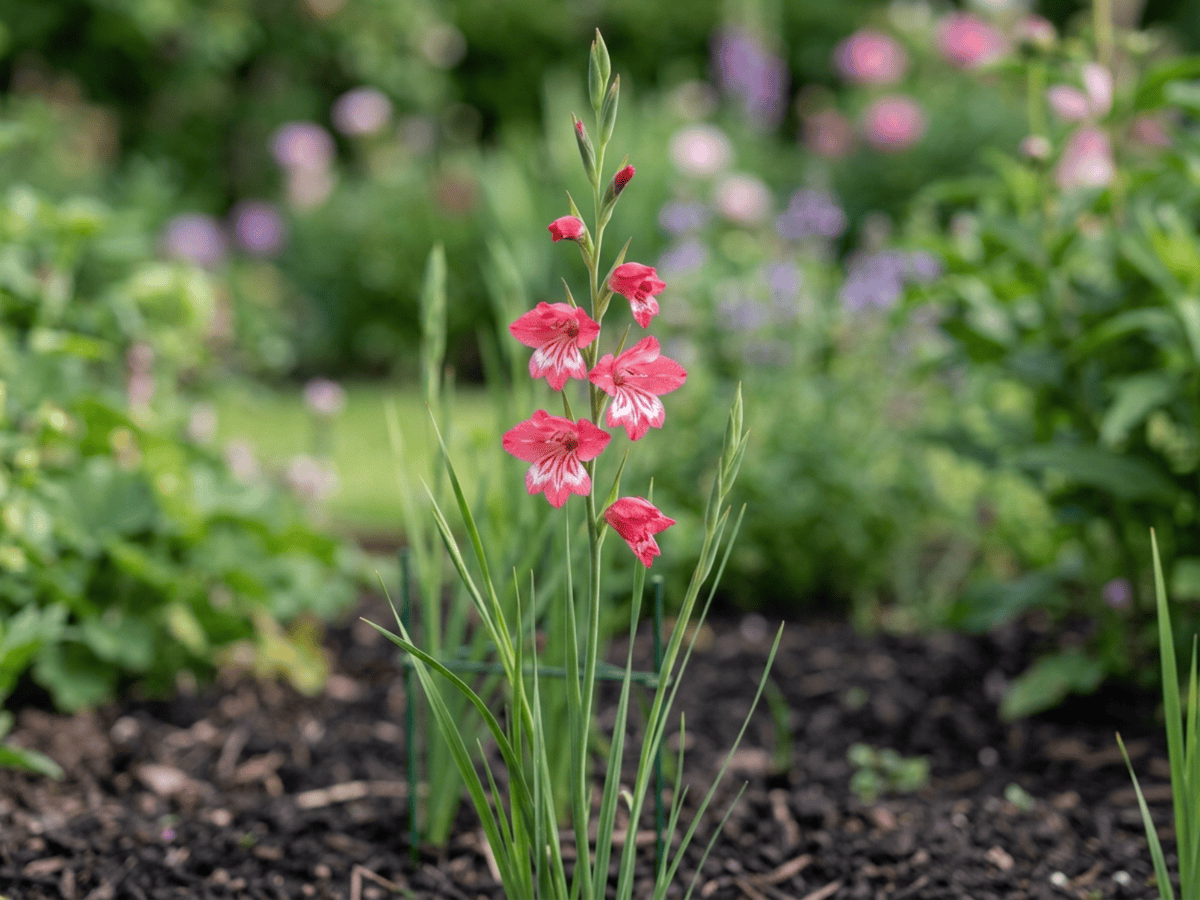 Late BobbejaantjieGladiolus nanus
 GladiolusGladiolus x gandavensis
Plants with similar care
 Mexican AbeliaAbelia floribunda
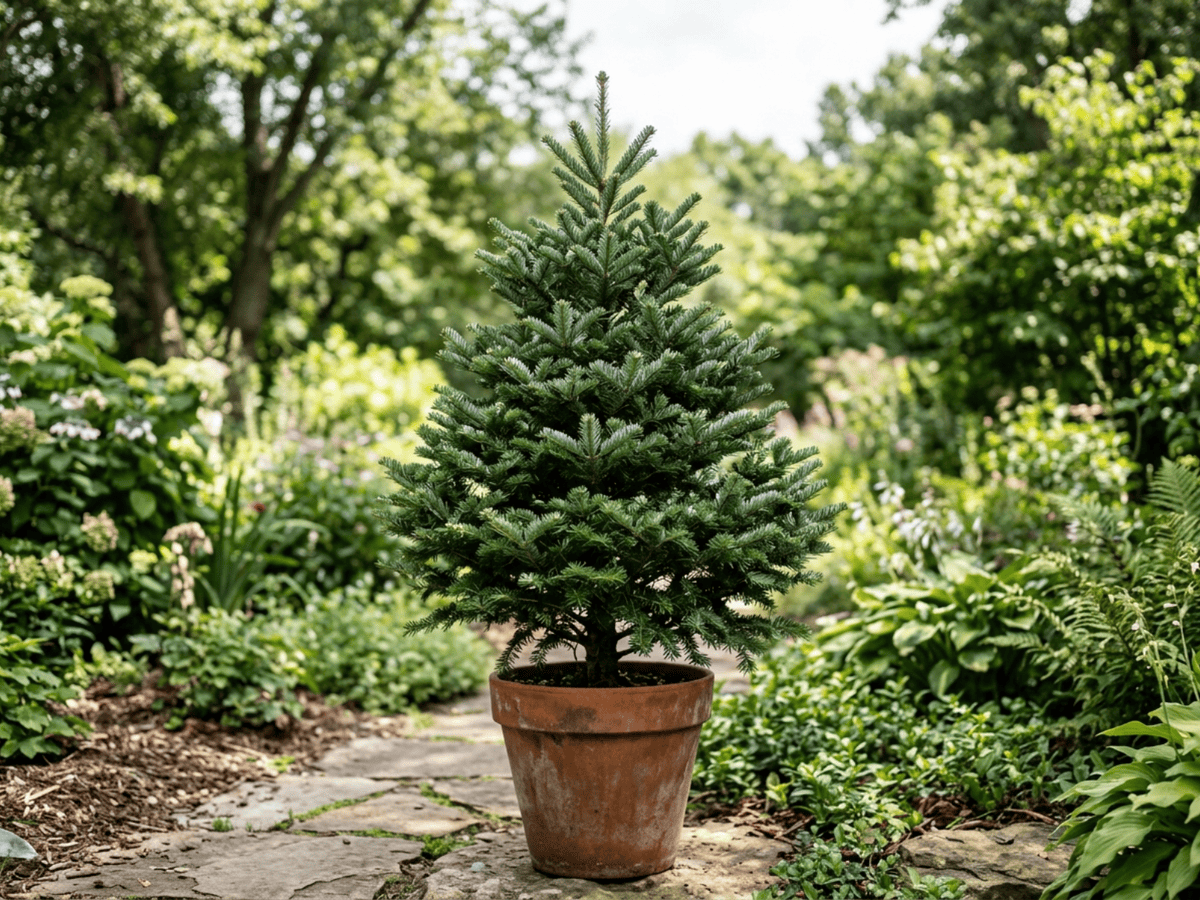 Fraser FirAbies fraseri
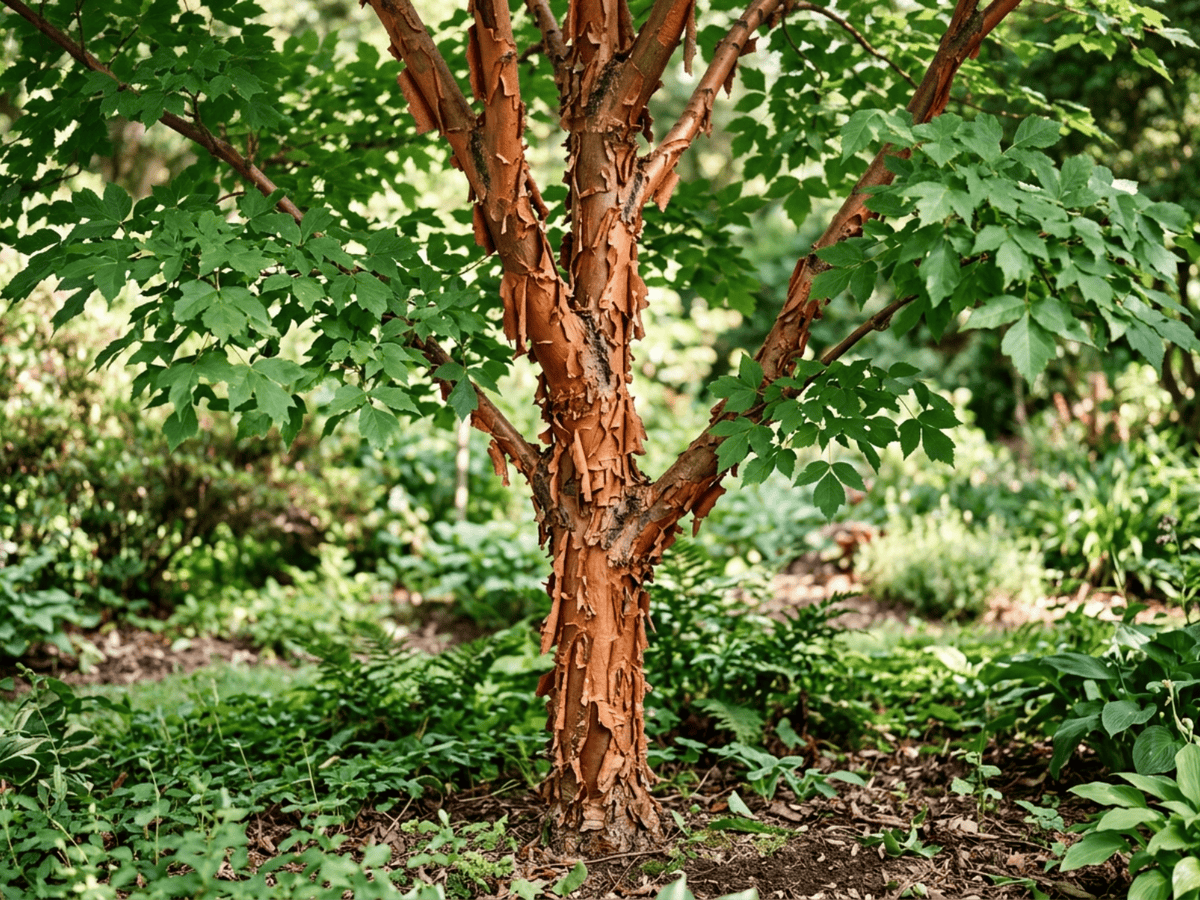 Paperbark MapleAcer griseum
 Sugar MapleAcer saccharum
Frequently asked questions
How often should I water Marsh Afrikaner?
Water about every 5 days during the growing season, and always let excess water drain away.
How much light does Marsh Afrikaner need?
Full sun: 6+ hrs direct. Watch the leaves — scorching or stretching means the light needs adjusting.
Is Marsh Afrikaner toxic to cats or dogs?
Pets Slight (Dogs Slight · Cats Slight) Educational information, not medical or veterinary advice. If exposure is suspected, contact a doctor or veterinarian.
Is Marsh Afrikaner easy to grow?
It is moderately demanding: a good choice once you have a little experience.
When does Marsh Afrikaner bloom?
It typically blooms Mar–May in the Northern Hemisphere.
YardMate
Identify any plant in seconds
Snap a photo — YardMate names the plant, diagnoses problems, and reminds you when to water.
Download on the App Store