 YardMate

Small Daylily
Hemerocallis minor
Easy · Beginner friendlyAbout Small Daylily
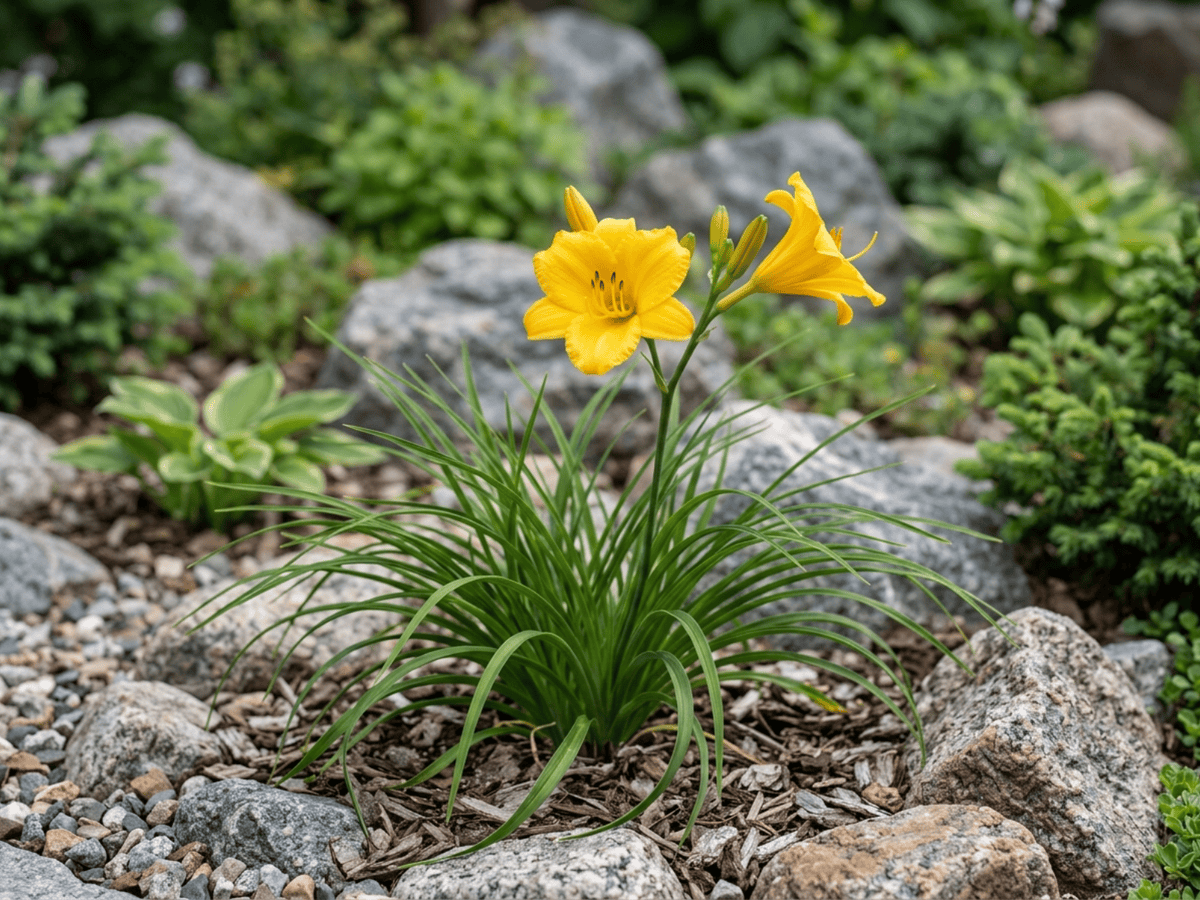
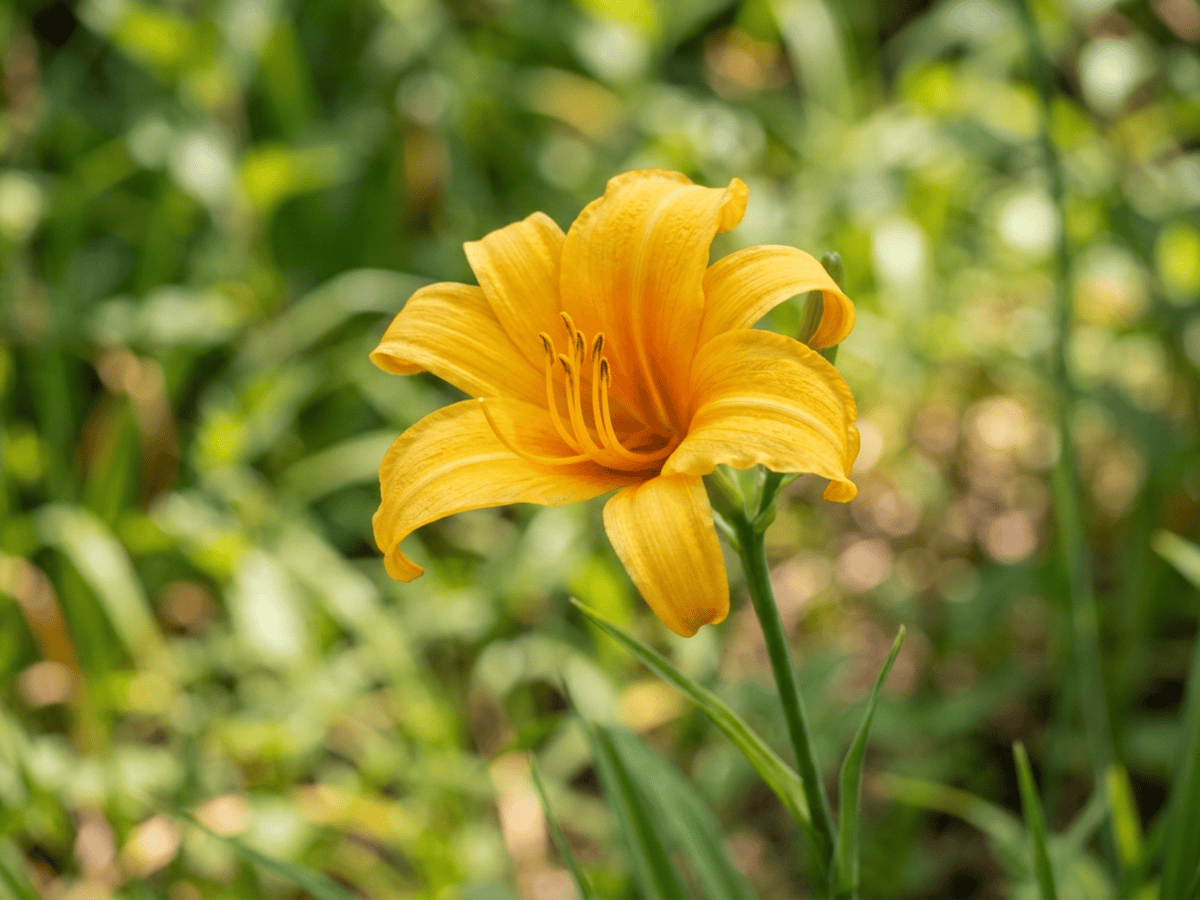
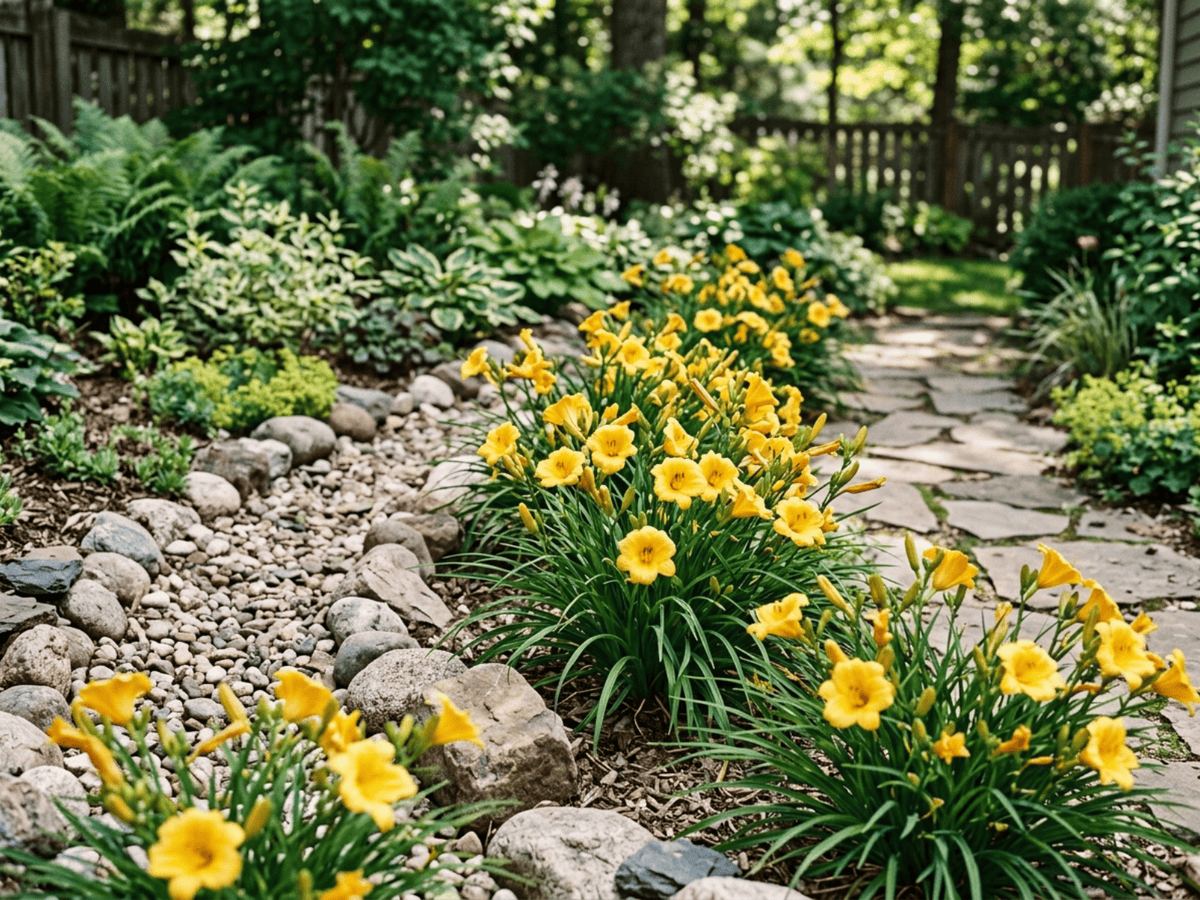
Dwarf Yellow Daylily is a small species daylily, 12–18 inches tall, native to Siberia and northern China, bearing fragrant clear yellow trumpet flowers in late spring. Exceptionally hardy to USDA zone 3, it is grown in Northern American gardens and as a parent for dwarf daylily hybrids. Narrow grassy foliage and compact habit make it ideal for edging, rock gardens, and the front of mixed borders.
- Fragrant
- Cold-hardy
- Compact
How to care for Small Daylily
Watering
- Springevery 5 days
- Summerevery 4 days
- Fallevery 7 days
- Winterpause watering
Soil · Rich & well-draining
- Top dressingCompost10%
- Main mixPotting soil + compost 3:180%
- DrainageGravel10%
Top up the compost layer each season.
FERTILIZER
Balanced Feed 14-14-14
An even feed covers all three needs at once, keeping leaves, roots and blooms moving together with nothing pushed out of balance.
- Nitrogen · Leaves
- Phosphorus · Roots + Blooms
- Potassium · Strength
- Springevery 30 days
- Summerevery 30 days
At a Glance
- NativeEast Asia, Mediterranean
- Height1–2 ft (0.3–0.6 m)
- Spread1–2 ft (0.3–0.6 m)
- Flower colorYellow
- Foliage colorGreen
- SoilLoamy, Well-drained
- LocationsYard · Balcony
Bloom time
BLOOM CYCLE
Peak bloom
May
Fragrant yellow trumpets late spring
Fragrance
MODERATE FRAGRANCE
The flowers have a sweet scent.
Toxicity
Humans Slight · Cats Toxic
unidentified nephrotoxin
Slight
- All
- Ingestion
EXPOSURE Eating any part of the plant.
EFFECT Mild GI upset if eaten raw.
NOTE Documented concern for humans: Mild GI upset if eaten raw.
Safe
EXPOSURE No exposure route is reported.
EFFECT No toxic effect is reported.
NOTE Listed as non-toxic for dogs; avoid eating ornamental plants unless confirmed edible.
Toxic
- All
- Ingestion
EXPOSURE Eating any part of the plant.
EFFECT Kidney failure, vomiting, and lethargy.
NOTE Daylilies are severe for cats, but ASPCA/NC State list them as non-toxic to dogs. Keep cat warning high; dog toxicity is not expected beyond nonspecific plant-material upset.
Educational information, not medical or veterinary advice. If exposure is suspected, contact a doctor or veterinarian.
DISTRIBUTION


- Native
- East Asia
- Mediterranean
History

Hemerocallis minor ranges across Mongolia, northern China, Korea, and southeastern Siberia in meadows and forest edges. Philip Miller described it in his Gardeners Dictionary in 1768 from seed introduced through Russian trade. Growing only 12-18 inches tall with narrow grassy foliage, it is distinctly more delicate than other daylily species.
Its fragrant nocturnal yellow flowers appear in early summer. Russian and Scandinavian gardeners historically favored it for cold tolerance, and it became parent to several small-statured cultivars. Though overshadowed in modern American breeding by larger diploid and tetraploid forms, it remains valued by daylily specialists and in traditional European perennial borders for its modest scale. Introduced to American horticulture in the late 19th century and used extensively in breeding dwarf daylily hybrids popular today for Northern US and container growing.
Symbolism & meaning
What It Symbolizes
Small Daylily suggests cheerful simplicity — modest in size, clear yellow in color, untroubled by any need to impress. It is also remarkably hardy, thriving where colder gardens defeat showier daylilies. A reminder that not every flower has to be a showpiece; some simply open each morning, do their bright little job, and ask nothing else of the day.
- Cheerful simplicity — modest size, clear yellow charm
- Hardiness — thrives in coldest gardens
Where the Name Comes From
Genus means 'day-beauty'; 'minor' means 'smaller'.
Uses & Fun Facts
- Lemon-yellow blooms carry sweet citrus evening fragrance
- Buds used in Chinese cuisine as golden-needle vegetable
- Compact daylily suits rock gardens and sunny edges
Related plants
More Hemerocallis plants
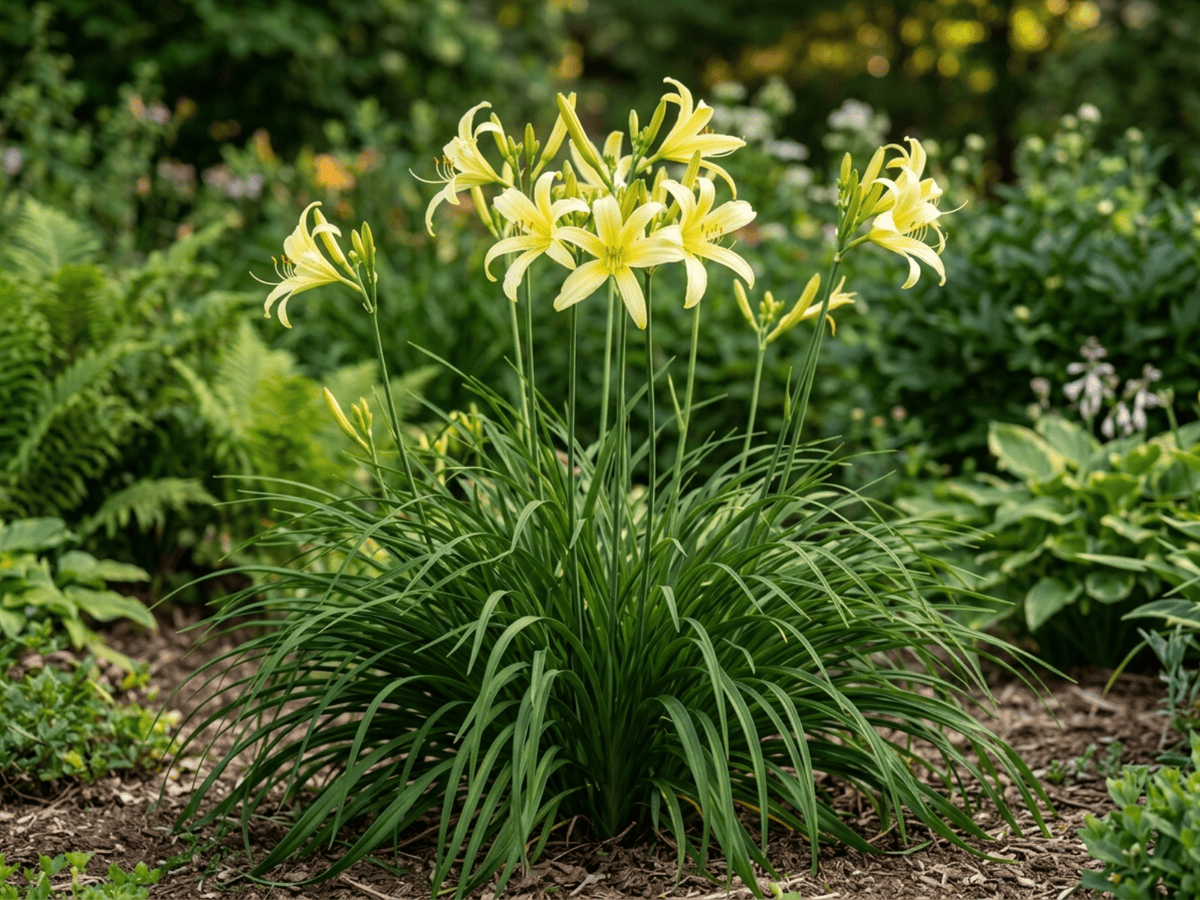 Citron Day-LilyHemerocallis citrina
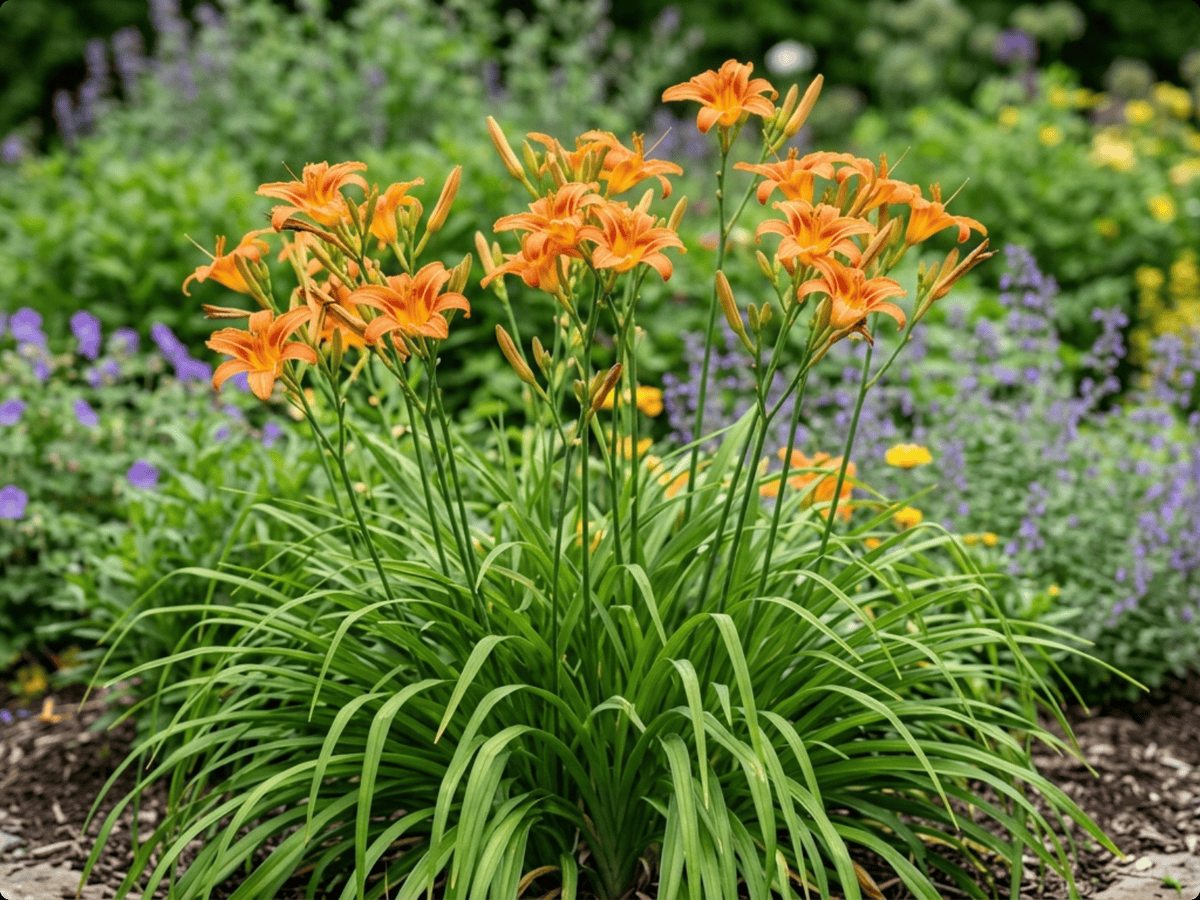 Orange Day-LilyHemerocallis fulva
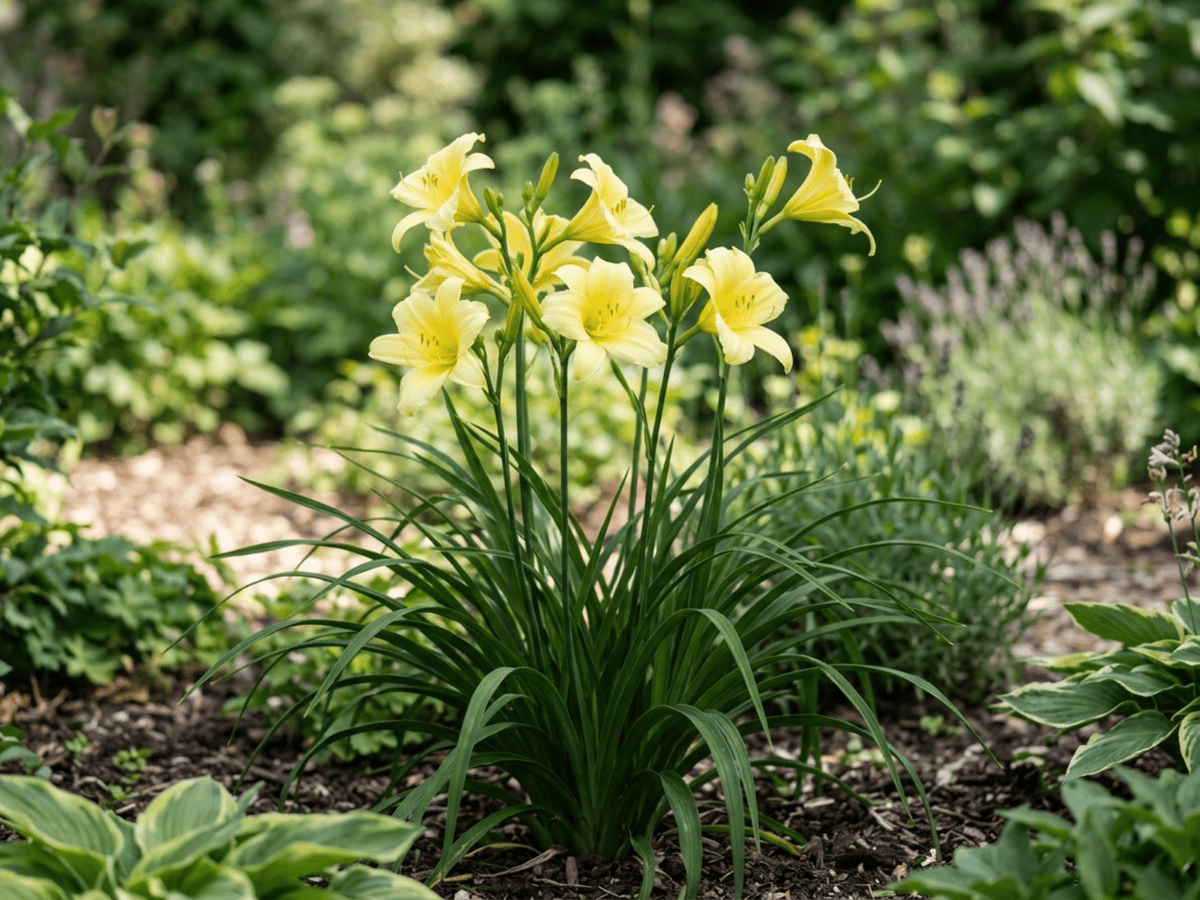 Yellow DaylilyHemerocallis lilioasphodelus
Plants with similar care
 Chinese AbeliaAbelia chinensis
 Fragrant AbeliaAbelia mosanensis
 Large-Flowered AbeliaAbelia uniflora
 Glossy AbeliaAbelia x grandiflora
Frequently asked questions
How often should I water Small Daylily?
Water about every 5 days during the growing season, and always let excess water drain away.
How much light does Small Daylily need?
Full sun: 6+ hrs direct. Watch the leaves — scorching or stretching means the light needs adjusting.
Is Small Daylily toxic to cats or dogs?
Pets Toxic (Dogs Safe · Cats Toxic) Educational information, not medical or veterinary advice. If exposure is suspected, contact a doctor or veterinarian.
Is Small Daylily easy to grow?
Yes — it is considered an easy, beginner-friendly plant.
When does Small Daylily bloom?
It typically blooms May in the Northern Hemisphere.
YardMate
Identify any plant in seconds
Snap a photo — YardMate names the plant, diagnoses problems, and reminds you when to water.
Download on the App Store