 YardMate
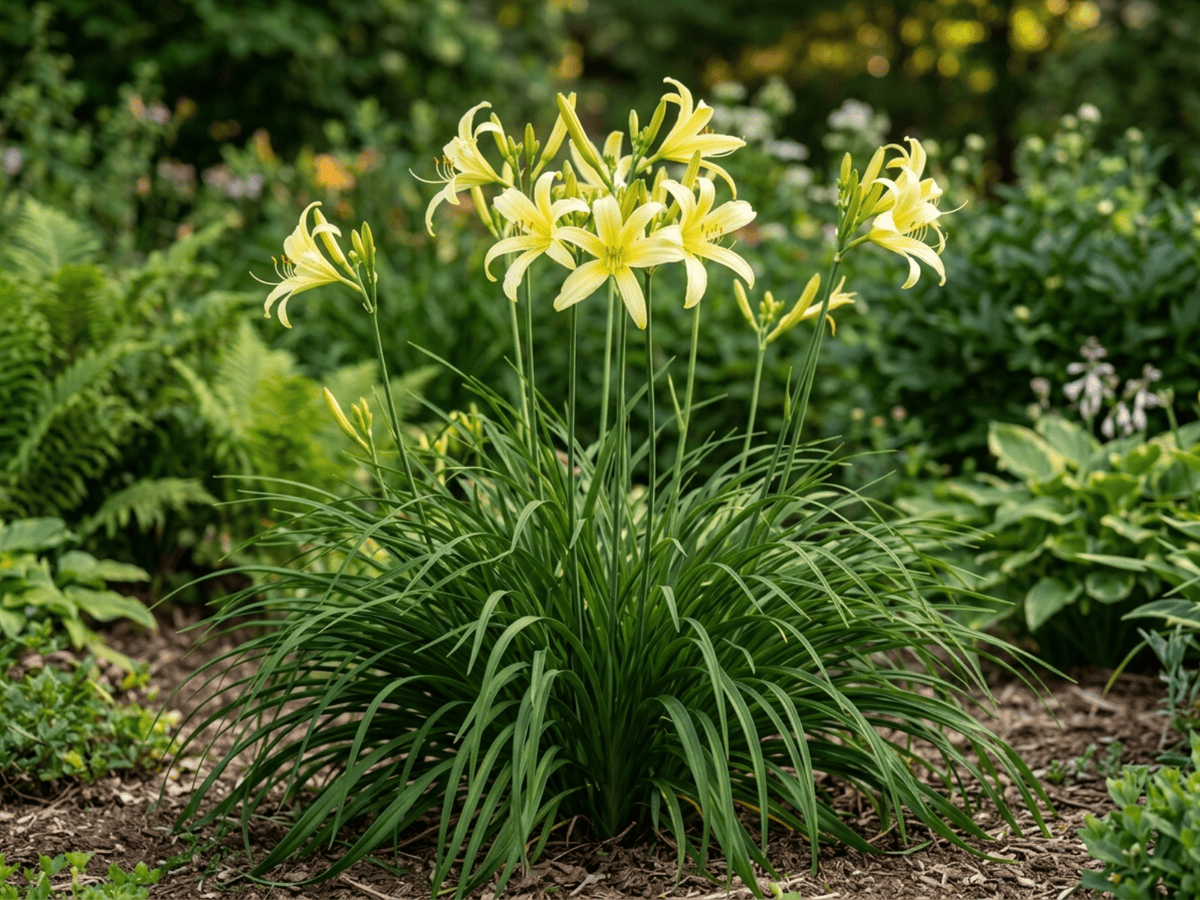


Citron Day-Lily
Hemerocallis citrina
Easy · Beginner friendlyAbout Citron Day-Lily
Citron Daylily is a species daylily from China, 3–4 feet tall, bearing narrow pale yellow nocturnal trumpet flowers in midsummer that open in late afternoon and release a strong citrus-sweet fragrance by evening. Grown in American specialty daylily collections for its parentage of many modern fragrant hybrids. Long-lived, hardy to zone 4, and beloved by moth pollinators.
- Fragrant
- Pollinator-friendly
How to care for Citron Day-Lily
Watering
- Springevery 5 days
- Summerevery 4 days
- Fallevery 7 days
- Winterpause watering
Soil · Well-draining
- Top dressingPine bark mulch10%
- Main mixPotting soil + perlite 2:170%
- DrainageLECA / gravel20%
Never skip the drainage layer — standing water is the top cause of root rot.
FERTILIZER
Balanced Feed 14-14-14
An even feed covers all three needs at once, keeping leaves, roots and blooms moving together with nothing pushed out of balance.
- Nitrogen · Leaves
- Phosphorus · Roots + Blooms
- Potassium · Strength
- Springevery 30 days
- Summerevery 30 days
At a Glance
- NativeEast Asia
- Height3–4 ft (0.9–1.2 m)
- Spread1.5–2.5 ft (0.5–0.8 m)
- Flower colorYellow
- Foliage colorGreen
- SoilLoamy, Well-drained, Rich
- LocationsYard
Bloom time
BLOOM CYCLE
Peak bloom
Jun–Aug
Pale yellow nocturnal trumpets midsummer
Fragrance
STRONG FRAGRANCE
The flowers have a citrus, lemon scent.
Toxicity
Humans Slight · Pets Toxic
unidentified nephrotoxin
Slight
- Flower
- Ingestion
EXPOSURE Eating flowers.
EFFECT If eaten fresh: mild GI; colchicine-like compounds in some reports require cooking/drying.
NOTE Buds edible dried/cooked in Chinese cuisine; all daylilies severely nephrotoxic to cats.
Slight
- All
- Ingestion
EXPOSURE Eating any part of the plant.
EFFECT Mild vomiting.
NOTE Buds edible dried/cooked in Chinese cuisine; all daylilies severely nephrotoxic to cats.
Toxic
- All
- Ingestion
EXPOSURE Eating any part of the plant.
EFFECT Kidney failure, vomiting, and lethargy.
NOTE Buds edible dried/cooked in Chinese cuisine; all daylilies severely nephrotoxic to cats.
Educational information, not medical or veterinary advice. If exposure is suspected, contact a doctor or veterinarian.
DISTRIBUTION


- Native
- East Asia
History

Hemerocallis citrina grows wild across northern and central China. The species is central to traditional Chinese vegetable gardens, where dried unopened buds called jin zhen cai or golden needle vegetable have been harvested for over 1500 years, appearing in Tang dynasty texts. Botanist Auguste Baroni described it scientifically in 1897 from Chinese specimens.
Its unique nocturnal blooming habit—flowers open in late afternoon and last one night—and strong lemon fragrance are unusual within the genus. American hybridizers including A.B. Stout at the New York Botanical Garden incorporated it extensively in the early 20th century to breed fragrant and late-blooming daylily cultivars.
Commercial bud production remains a significant agricultural crop in Shanxi and Hunan provinces. Native to eastern China and long grown as both ornament and edible—the dried buds ('golden needles') are used in Chinese cuisine. Widely used as a parent in American daylily breeding for evening fragrance and pale yellow color.
Symbolism & meaning
What It Symbolizes
The Citron Day-Lily suggests quiet joy, its lemon-pale flowers opening toward evening rather than competing with the noonday sun. An ancient ornamental and culinary plant of Chinese tradition — its dried buds known as golden needles — it carries a heritage of both garden beauty and quiet kitchen use. This is the daylily of subtle pleasures, a flower for those who prefer twilight gladness over midday spectacle.
- Quiet joy — subtle evening beauty
- Tradition — ancient Chinese ornamental and culinary plant
Where the Name Comes From
The name Citron Day-Lily describes its lily-like flowers. Genus means 'day-beauty'; 'citrina' refers to the lemon-yellow color and citrus scent.
Uses & Fun Facts
- Lemon-scented evening flowers perfume summer paths
- Citron Day-Lily flowers nourish foraging bees and pollinators
Related plants
More Hemerocallis plants
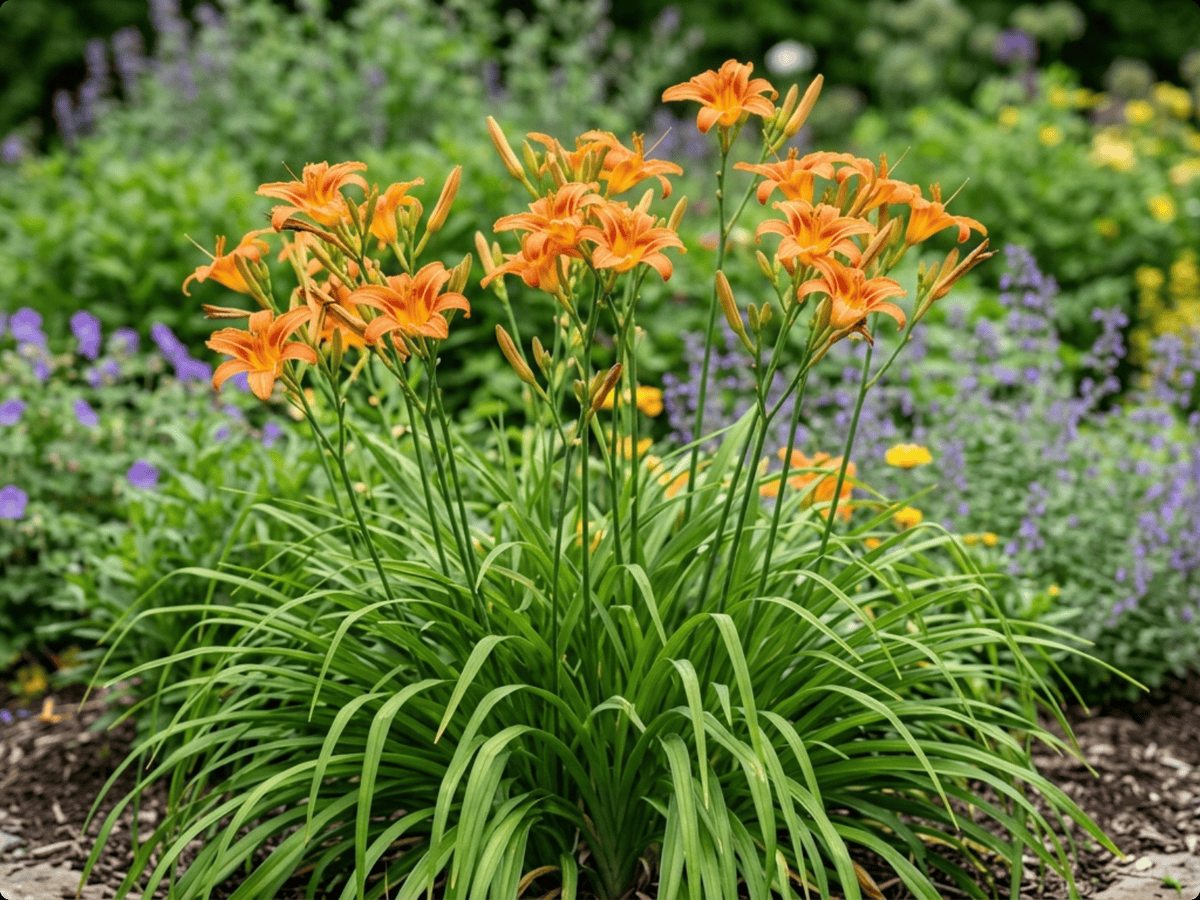 Orange Day-LilyHemerocallis fulva
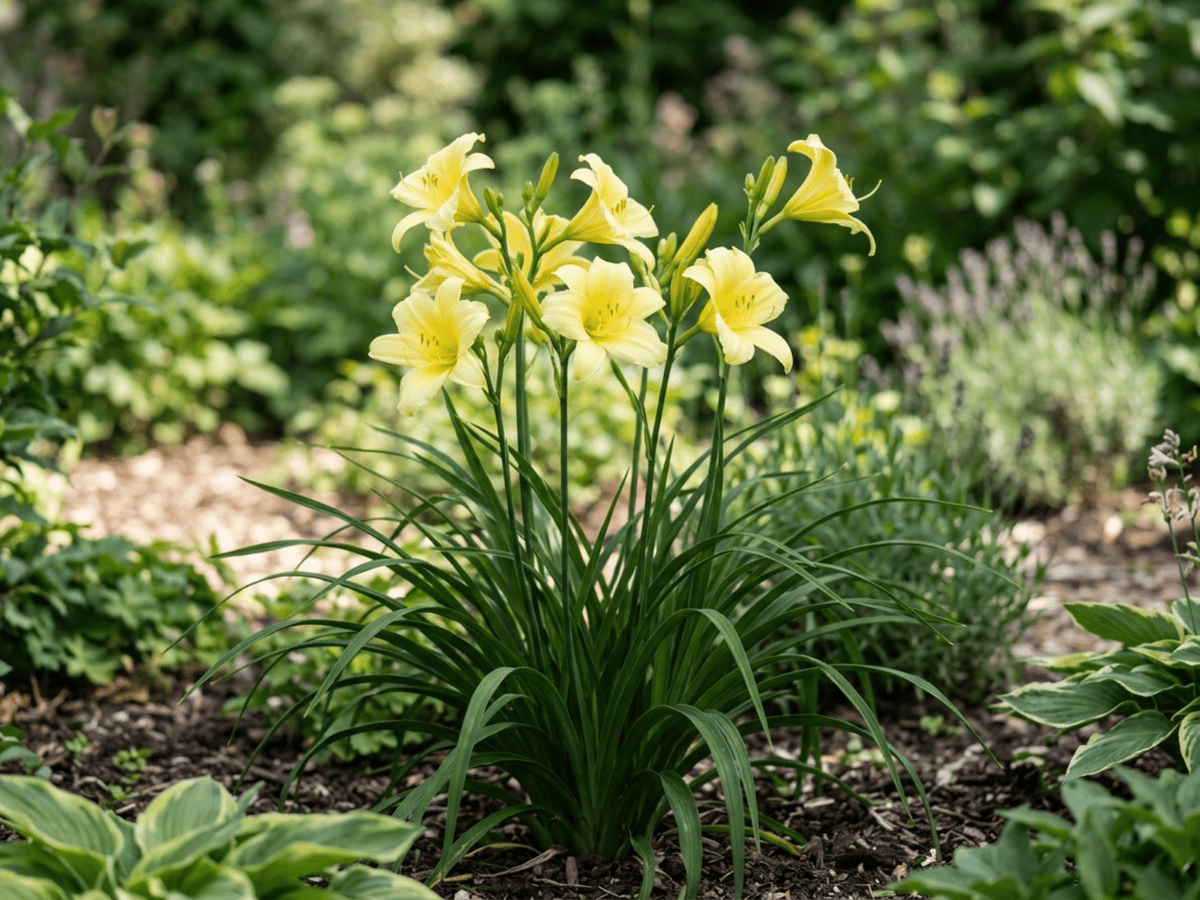 Yellow DaylilyHemerocallis lilioasphodelus
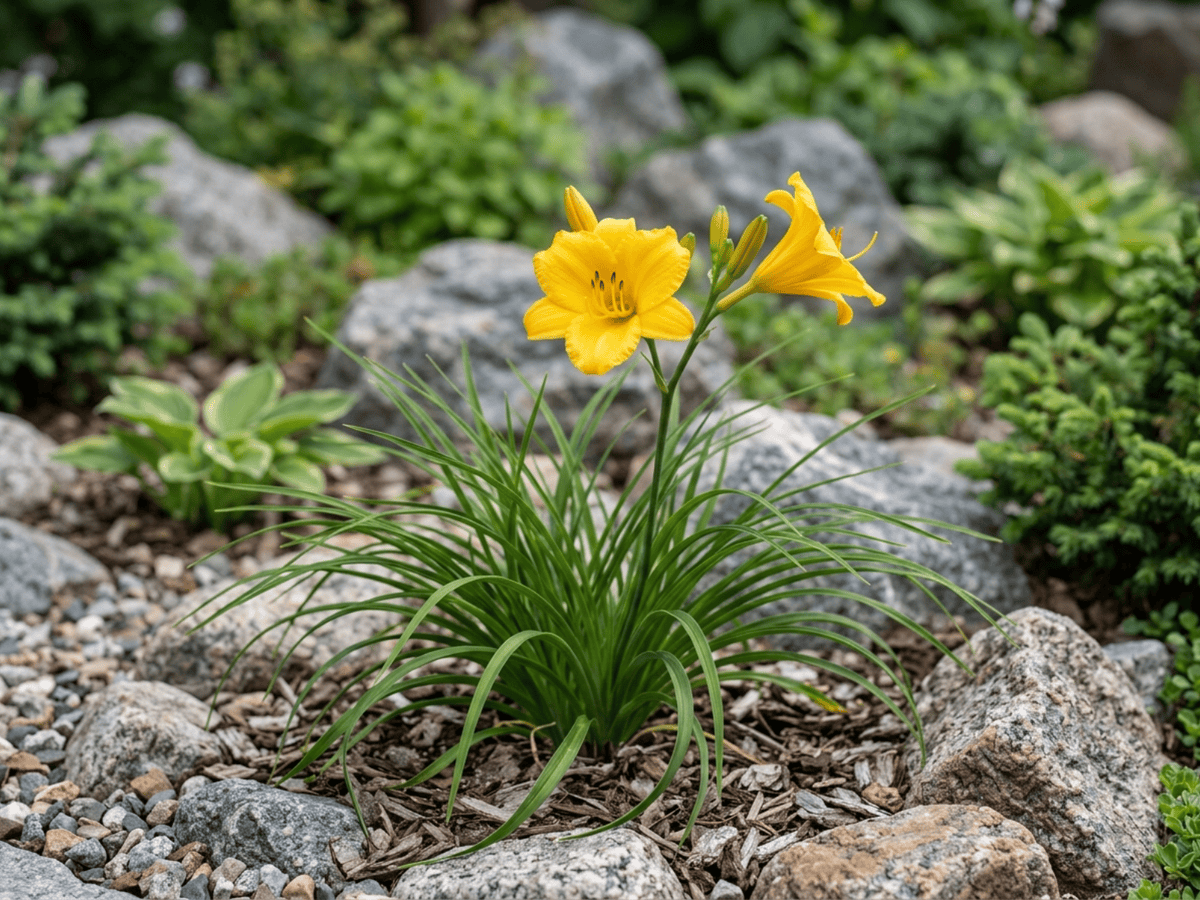 Small DaylilyHemerocallis minor
Plants with similar care
 Chinese AbeliaAbelia chinensis
 Fragrant AbeliaAbelia mosanensis
 Large-Flowered AbeliaAbelia uniflora
 Glossy AbeliaAbelia x grandiflora
Frequently asked questions
How often should I water Citron Day-Lily?
Water about every 5 days during the growing season, and always let excess water drain away.
How much light does Citron Day-Lily need?
Full sun: 6+ hrs direct. Watch the leaves — scorching or stretching means the light needs adjusting.
Is Citron Day-Lily toxic to cats or dogs?
Pets Toxic (Dogs Slight · Cats Toxic) Educational information, not medical or veterinary advice. If exposure is suspected, contact a doctor or veterinarian.
Is Citron Day-Lily easy to grow?
Yes — it is considered an easy, beginner-friendly plant.
When does Citron Day-Lily bloom?
It typically blooms Jun–Aug in the Northern Hemisphere.
YardMate
Identify any plant in seconds
Snap a photo — YardMate names the plant, diagnoses problems, and reminds you when to water.
Download on the App Store