 YardMate


Orange Day-Lily
Hemerocallis fulva
Easy · Beginner friendlyAbout Orange Day-Lily
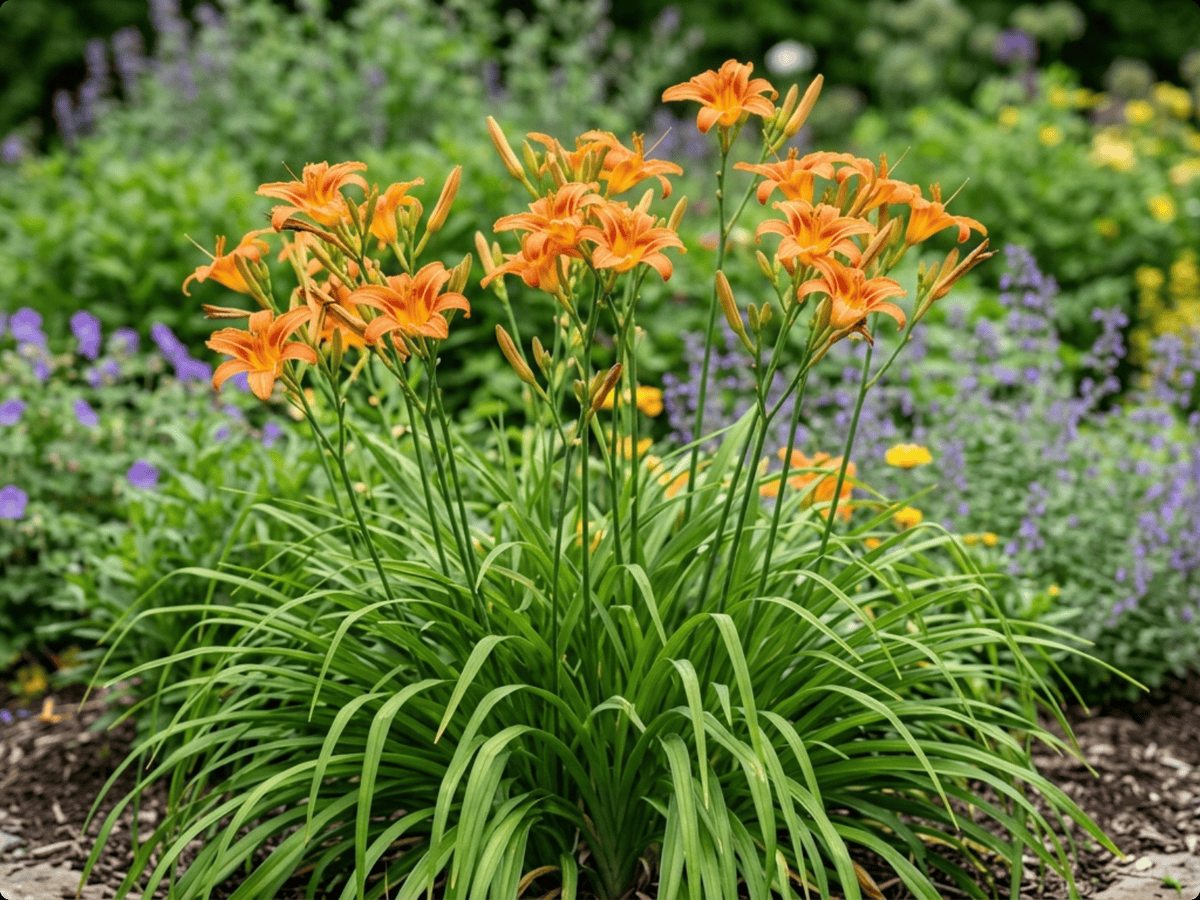
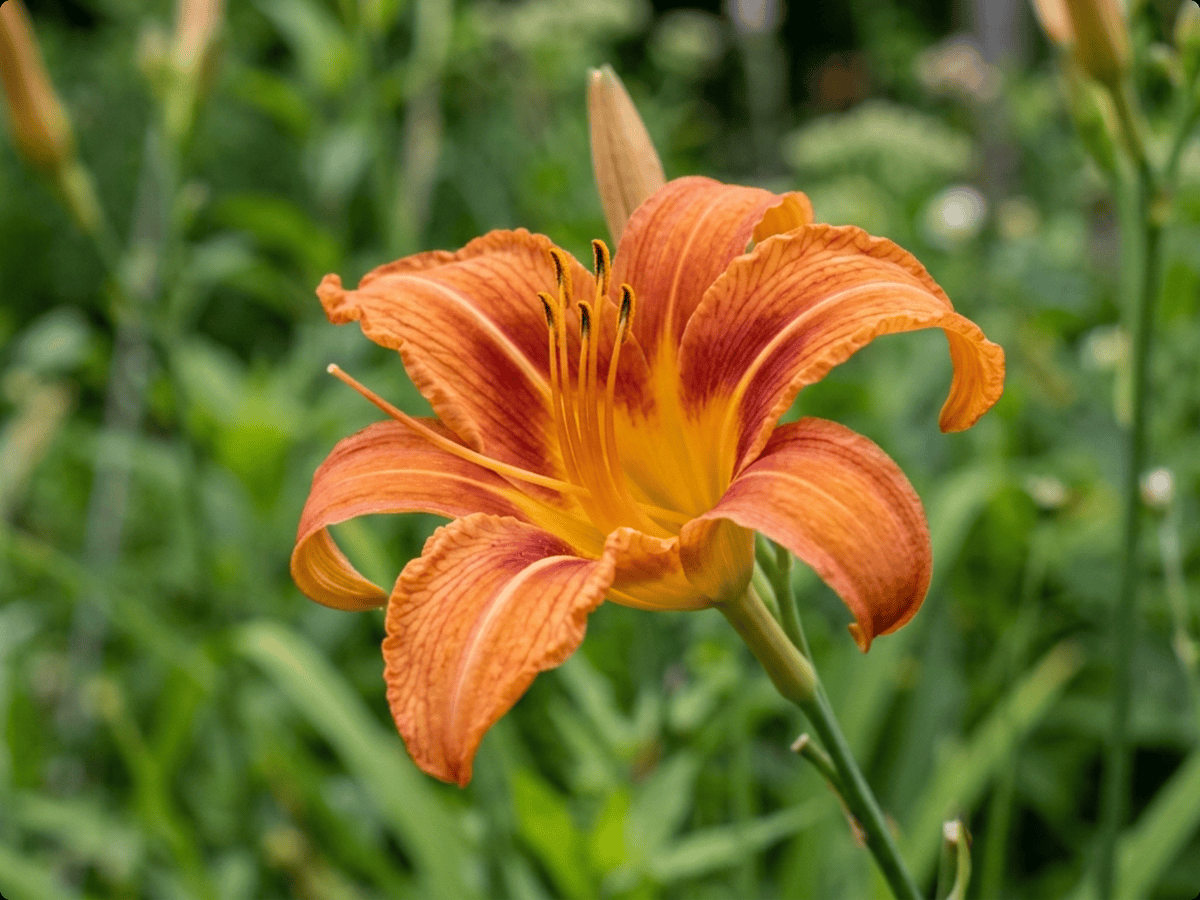
Hemerocallis fulva, the orange or tawny daylily, is one of the toughest perennials in cultivation, thriving in neglected borders, roadsides, old homesteads, and ordinary garden soil. Each copper-orange flower lasts only a day, but mature clumps produce enough buds to bloom for weeks. Native to East Asia and long grown as a sterile triploid clone, it spreads by roots rather than seed, which explains the persistent colonies along North American roadsides. The unopened buds are edible and, when dried, are known in East Asian cooking as golden needles, used in soups and stir-fries. It is not a true lily, though cat owners should still be cautious around daylilies.
- Edible
- Drought-tolerant
How to care for Orange Day-Lily
Watering
- Springevery 7 days
- Summerevery 5 days
- Fallevery 10 days
- Winterevery 21 days
Soil · Rich & well-draining
- Top dressingCompost10%
- Main mixPotting soil + compost 3:180%
- DrainageGravel10%
Top up the compost layer each season.
FERTILIZER
Balanced Feed 14-14-14
An even feed covers all three needs at once, keeping leaves, roots and blooms moving together with nothing pushed out of balance.
- Nitrogen · Leaves
- Phosphorus · Roots + Blooms
- Potassium · Strength
- Springevery 30 days
- Summerevery 30 days
At a Glance
- NativeEast Asia
- Height2–4 ft (0.6–1.2 m)
- Spread2–3 ft (0.6–0.9 m)
- Flower colorOrange, Red
- Foliage colorGreen
- SoilLoamy, Well-drained
- LocationsYard
Bloom time
BLOOM CYCLE
Peak bloom
Jun–Aug
Each flower lasts one day; mature clumps bloom for weeks; divide every 3–5 years
Fragrance
LIGHT FRAGRANCE
Most daylilies are weakly scented; some modern cultivars have been bred for stronger fragrance.
Toxicity
Cats Toxic
unidentified nephrotoxin (cat-specific, shared with true Lilium)
Not reported
EXPOSURE No exposure route is reported.
EFFECT Flower buds and tubers are traditional foods in East Asian cuisine.
NOTE No toxicity is reported for humans in this catalog; this is not evidence that the plant is edible or harmless.
Not reported
EXPOSURE No exposure route is reported.
EFFECT Not notably toxic to dogs.
NOTE No toxicity is reported for dogs in this catalog; this is not evidence that the plant is edible or harmless.
Toxic
- Flower
- Leaf
- Stem
- Ingestion
EXPOSURE Eating flowers, leaves, and stems.
EFFECT Acute kidney failure possible, less universally lethal than true Lilium but still emergency-grade, and per ASPCA.
NOTE Despite being unrelated to true lilies, daylilies share the cat-specific nephrotoxic property and must be kept away from cats.
Educational information, not medical or veterinary advice. If exposure is suspected, contact a doctor or veterinarian.
DISTRIBUTION

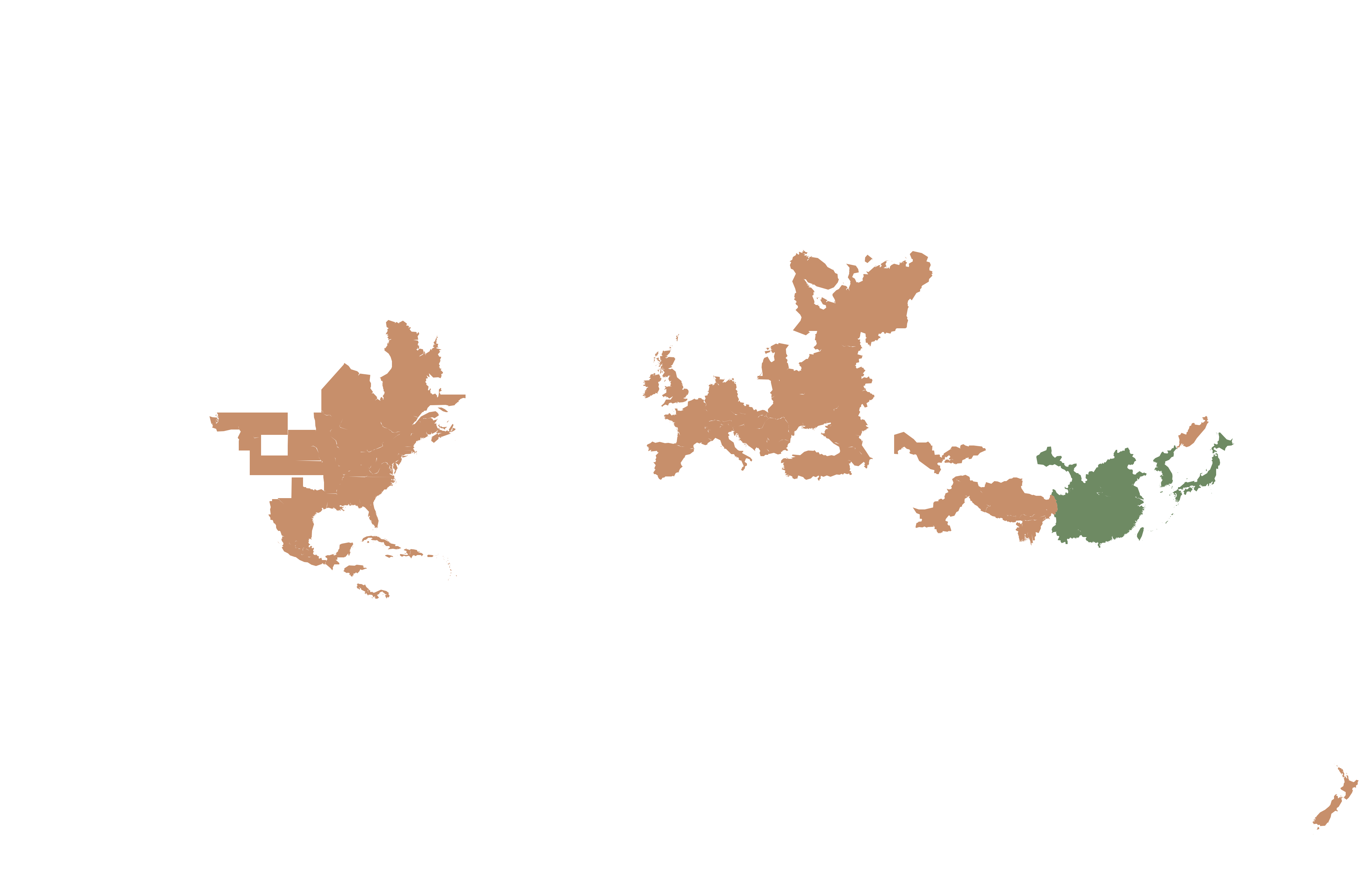
- Native
- Introduced
- East Asia
History

Hemerocallis fulva, the orange daylily, is a sterile triploid cultigen that spread from ancient Chinese cultivation to roadsides, farmsteads, and old gardens across Europe and North America. Because it is sterile, it moves by division rather than seed; many wild-looking colonies are really fragments of old plantings that marched outward by roots. Despite the common name, daylilies are not true lilies.
Their flowers and unopened buds are edible, and dried buds known as golden needles are a traditional East Asian ingredient in soups and stir-fries. In older Chinese tradition the plant was also linked with motherhood and the wish for sons.
Its toughness made it nearly indestructible around homesteads, while modern breeding turned the genus into one of the largest ornamental plant obsessions: the American Hemerocallis Society registers tens of thousands of cultivars. The humble orange roadside daylily is the rugged ancestor in that story.
Symbolism & meaning
What It Symbolizes
Orange Day-Lily carries the old Chinese idea of 'forgetting grass,' a flower associated with easing sorrow and letting grief loosen its grip. Each bloom lasts only a day, then gives way to the next. Its symbolism is release: not denial, but the grace of setting one trouble down before another sunrise.
- Forgetfulness — Called 'forgetting grass' in Chinese culture, it represents release from sorrow
Where the Name Comes From
Hemerocallis from Greek 'hemera' (day) and 'kallos' (beauty) — beautiful for a day. Fulva means 'tawny orange.'
Uses & Fun Facts
- Buds and petals stir-fried as Chinese golden needle vegetable
- Tough fibrous clumps colonize roadsides and bare slopes
- Naturalizing orange daylily for tough sites and roadside plantings
Related plants
More Hemerocallis plants
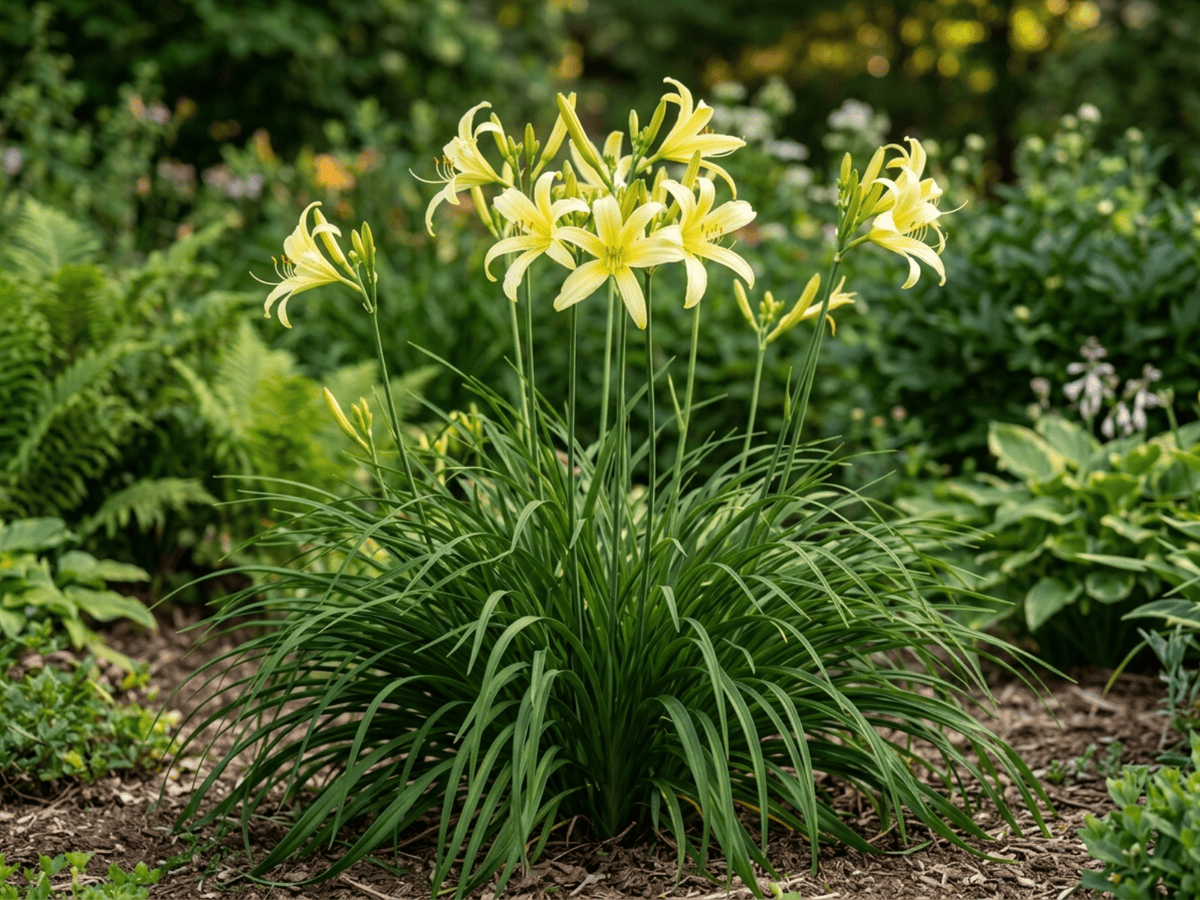 Citron Day-LilyHemerocallis citrina
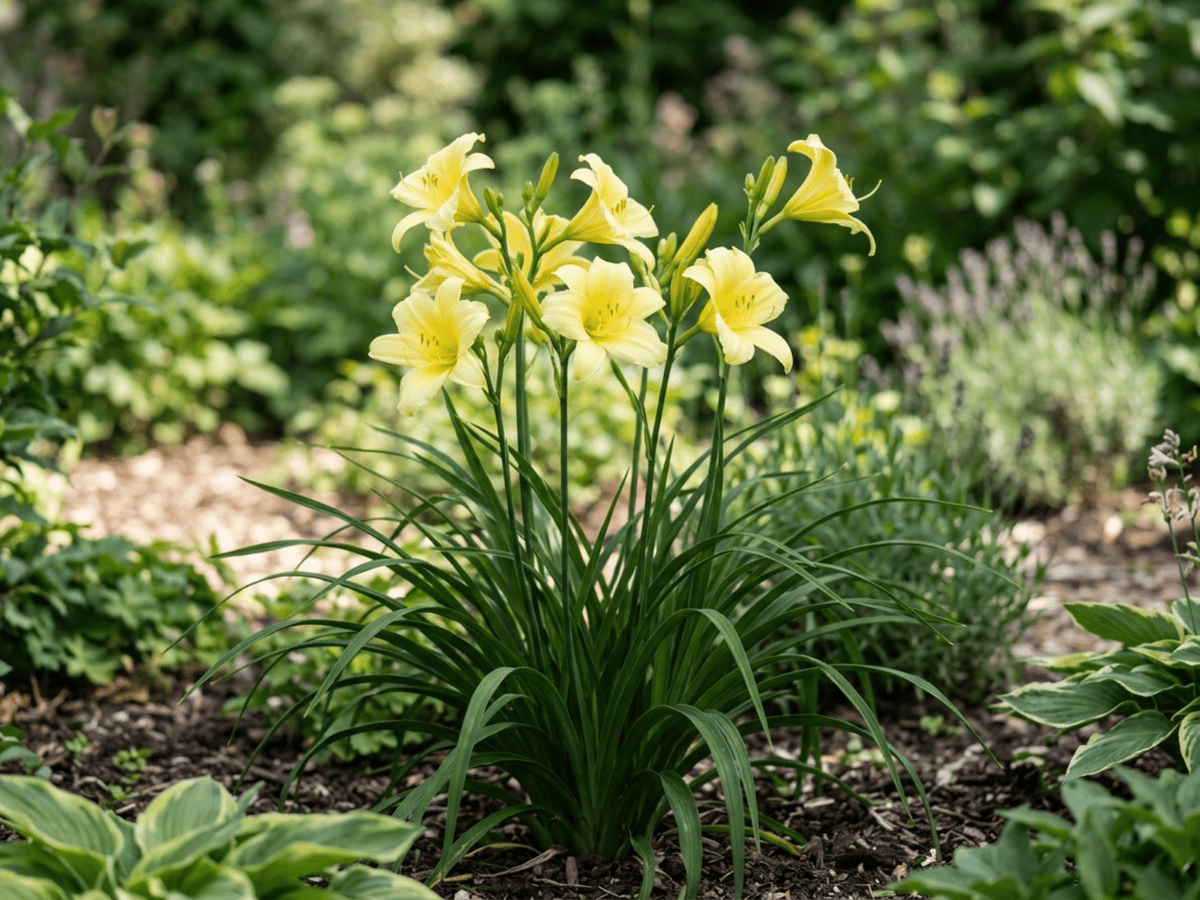 Yellow DaylilyHemerocallis lilioasphodelus
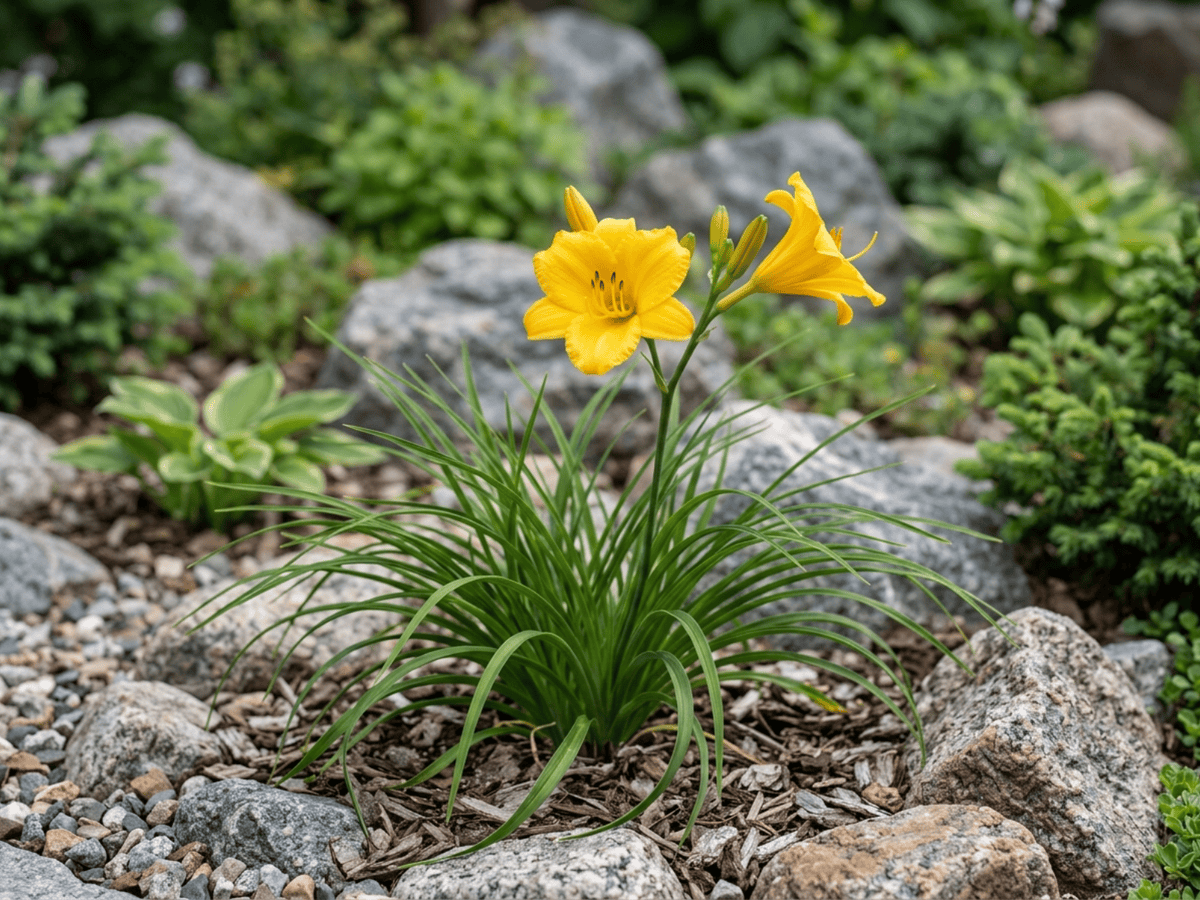 Small DaylilyHemerocallis minor
Plants with similar care
 Chinese AbeliaAbelia chinensis
 Fragrant AbeliaAbelia mosanensis
 Large-Flowered AbeliaAbelia uniflora
 Glossy AbeliaAbelia x grandiflora
Frequently asked questions
How often should I water Orange Day-Lily?
In summer, water about every 5 days; in winter, about every 21 days. Adjust for heat, pot size and drainage.
How much light does Orange Day-Lily need?
Full sun: 6+ hrs direct. Watch the leaves — scorching or stretching means the light needs adjusting.
Is Orange Day-Lily toxic to cats or dogs?
Pets Toxic (Dogs Not reported · Cats Toxic) Educational information, not medical or veterinary advice. If exposure is suspected, contact a doctor or veterinarian.
Is Orange Day-Lily easy to grow?
Yes — it is considered an easy, beginner-friendly plant.
When does Orange Day-Lily bloom?
It typically blooms Jun–Aug in the Northern Hemisphere.
YardMate
Identify any plant in seconds
Snap a photo — YardMate names the plant, diagnoses problems, and reminds you when to water.
Download on the App Store