 YardMate


Wax Plant
Hoya carnosa
Easy · Beginner friendlyAbout Wax Plant
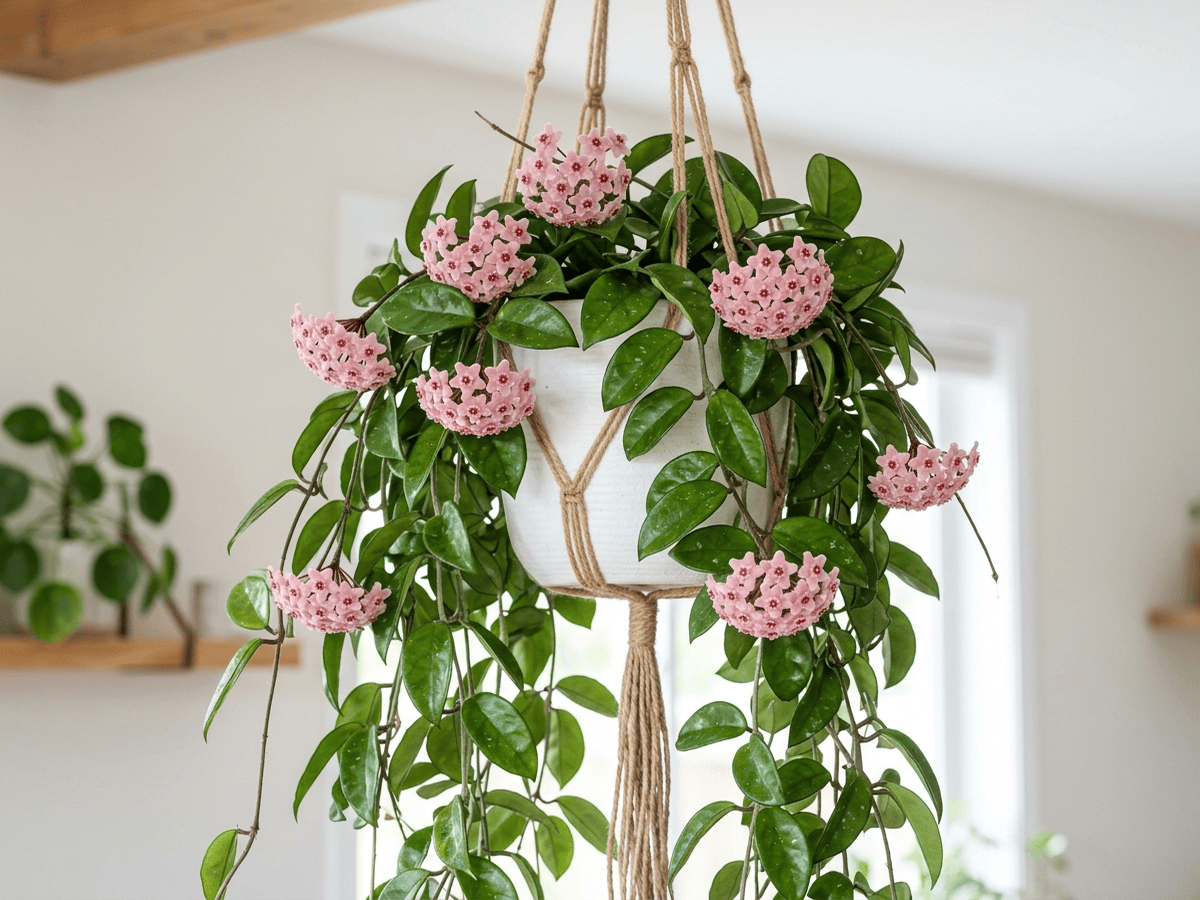
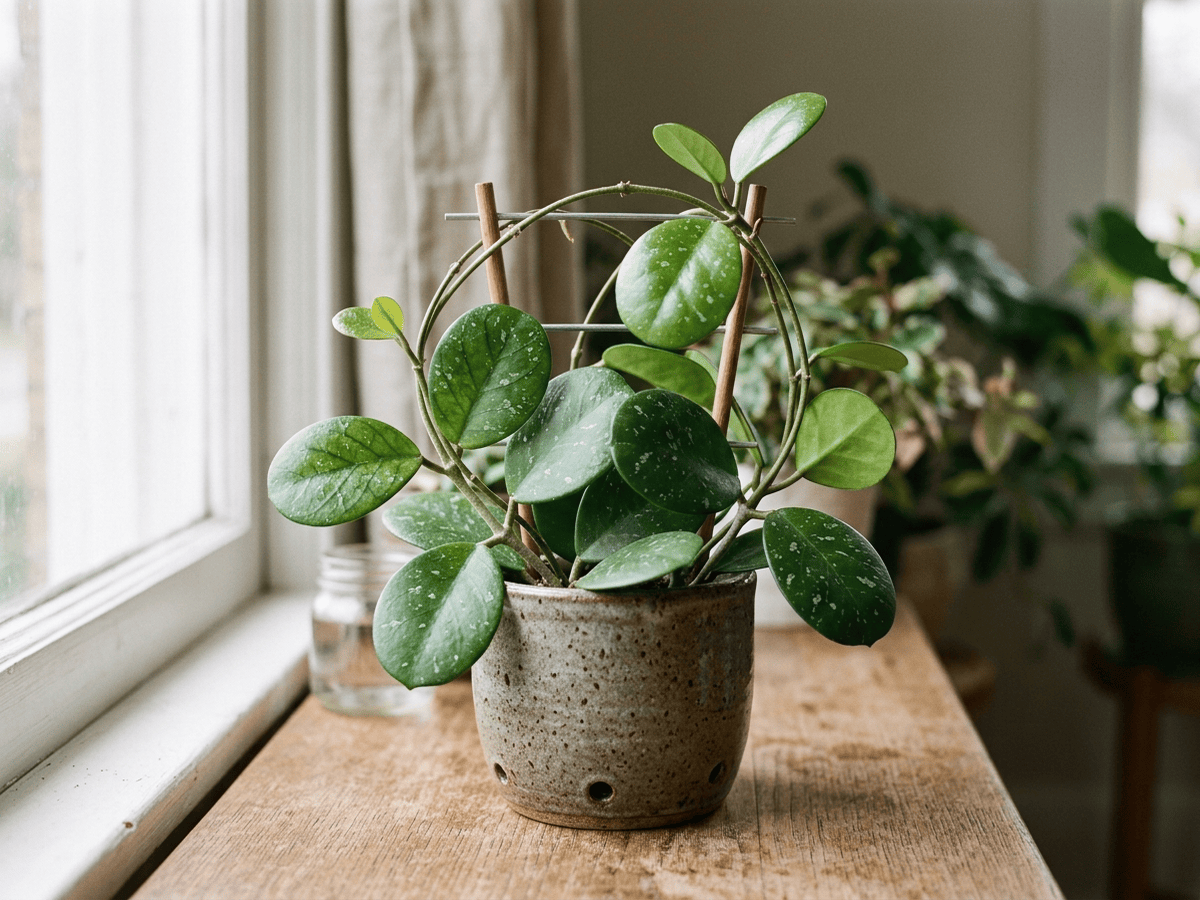
Hoya carnosa, the wax plant, is a long-lived climbing or trailing vine with thick, waxy, dark green leaves and spectacular clusters of star-shaped, fragrant flowers that glisten as if coated in sugar crystals. Native to Eastern Asia and Australia, individual plants can live for decades, becoming family heirlooms. The porcelain-like flower clusters appear from the same spurs year after year — never cut spent flower stalks. It thrives on benign neglect, preferring to be slightly rootbound and dried out between waterings. Variegated forms like 'Krimson Queen' and twisted-leaf 'Compacta' are popular cultivars.
- Fragrant
- Trailing
- Long-blooming
How to care for Wax Plant
Watering
- Springevery 10 days
- Summerevery 10 days
- Fallevery 14 days
- Winterevery 21 days
Soil · Fast-draining
- Main mixSand + pumice + soil 1:1:150%
- DrainagePumice / gravel50%
Keep grit at half the mix or more — this soil is meant to dry out fast.
FERTILIZER
Bloom Booster 10-52-10
A phosphorus-forward feed fuels abundant blooms, with just enough nitrogen and potassium to keep foliage and roots steady.
- Nitrogen · Leaves
- Phosphorus · Roots + Blooms
- Potassium · Strength
- Springevery 45 days
- Summerevery 45 days
At a Glance
- NativeEast Asia, Southeast Asia
- Height6–12 ft (1.8–3.7 m)
- Spread1–2 ft (0.3–0.6 m)
- Flower colorWhite, Pink, Red
- Foliage colorDark-green, Variegated
- SoilWell-drained, Loamy
- LocationsIndoor · Balcony
Bloom time
BLOOM CYCLE
Peak bloom
Jun–Aug
Fragrant waxy star clusters; blooms from same spurs yearly — do not prune spent stalks
Fragrance
STRONG FRAGRANCE
Flowers emit a strong sweet perfume likened to chocolate, caramel, or honey, most intense after dusk.
Toxicity
Pets Safe
None reported
Not reported
EXPOSURE No exposure route is reported.
EFFECT No toxic effect is reported.
NOTE No human toxicity is reported in this catalog; avoid eating ornamental plants unless confirmed edible.
Safe
EXPOSURE No exposure route is reported.
EFFECT No toxic effect is reported.
NOTE Listed as non-toxic for dogs; avoid eating ornamental plants unless confirmed edible.
Safe
EXPOSURE No exposure route is reported.
EFFECT No toxic effect is reported.
NOTE Listed as non-toxic for cats; avoid eating ornamental plants unless confirmed edible.
Educational information, not medical or veterinary advice. If exposure is suspected, contact a doctor or veterinarian.
DISTRIBUTION


- Native
- Introduced
- East Asia
- Southeast Asia
History

Hoya carnosa is native to a broad sweep of eastern and southeastern Asia from southern China and India through the Malay Archipelago to Queensland, Australia, where it climbs as an epiphyte in humid forests. The genus was named in 1810 in honor of Thomas Hoy, gardener to the Duke of Northumberland. It was one of the earliest tropical vines brought into European cultivation, reaching England in 1802, and it remained a standard Victorian parlor plant through the 19th century.
Its flowers are its signature: perfectly symmetrical five-pointed stars clustered in pendant spheres, with a porcelain sheen and a star-shaped secondary corona at the center. They release an intense sweet fragrance strongest at night, and produce visible sticky nectar droplets. Confirmed non-toxic to pets.
Hoya carnosa has been passed down through generations as a family heirloom plant, with some specimens documented at over 50 years old. In Korea, it is called 'Choyong flower' and given as a gift to newlyweds, believed to bring harmony to the household. The sweet nighttime fragrance attracts moth pollinators in the wild.
Symbolism & meaning
What It Symbolizes
The Wax Plant can symbolize protection, traditionally given to Korean newlyweds as a guardian of domestic harmony. Its waxy, star-shaped flowers and rope-like vines suggest enduring bonds that strengthen rather than fray with time. Few houseplants are so closely tied to the early years of married life — a slow-growing, fragrant gift meant to watch over a household through its first vulnerable seasons.
- Protection — Traditionally given to newlyweds in Korea as a guardian of domestic harmony
Where the Name Comes From
Hoya honors Thomas Hoy, 18th-century English gardener. Carnosa means 'fleshy,' describing the thick, succulent-like leaves.
Uses & Fun Facts
- Wax flowers release a rich evening perfume near windows, patios, and hanging baskets
- Trailing vines thrive in hanging pots while waxy flower clusters form with age
- Flexible vines wrap hoops, small trellises, or hanging baskets indoors
Related plants
More Hoya plants
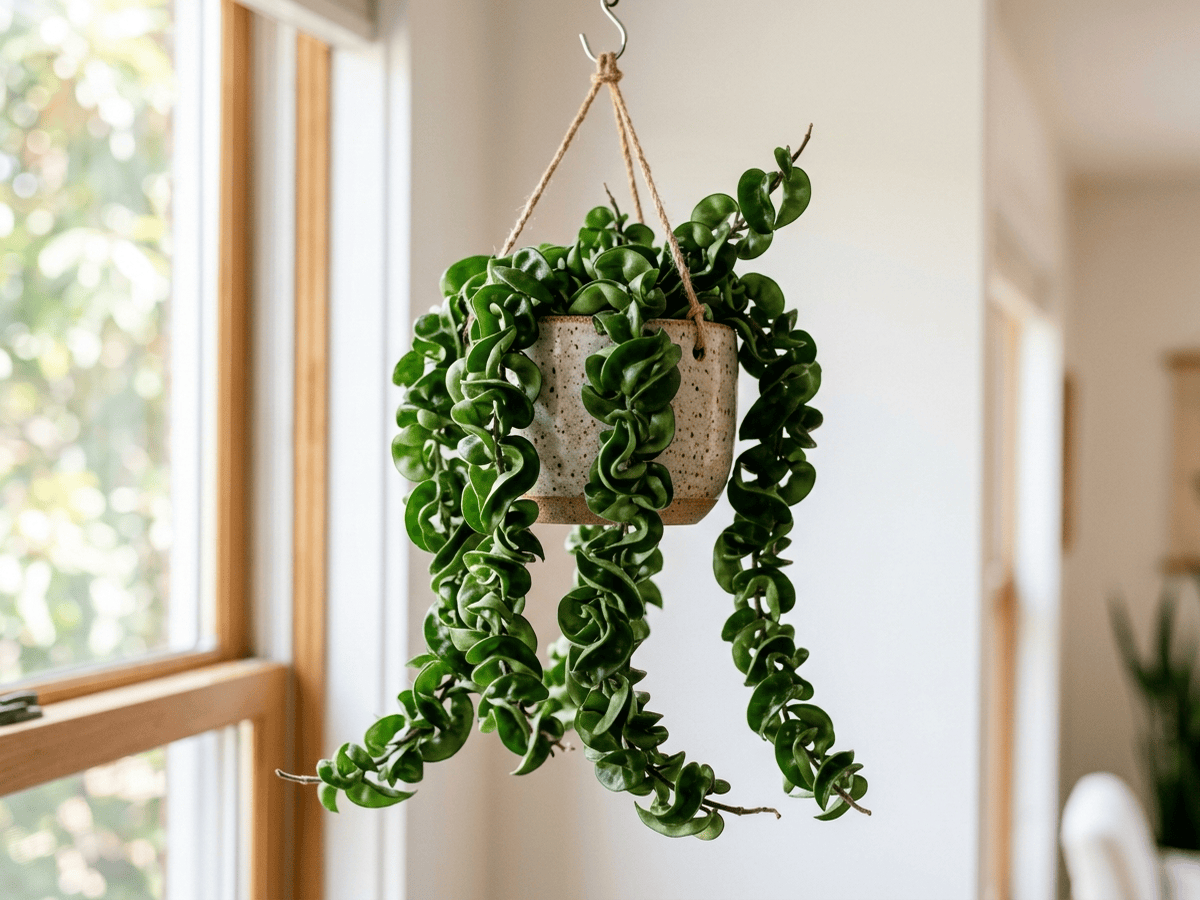
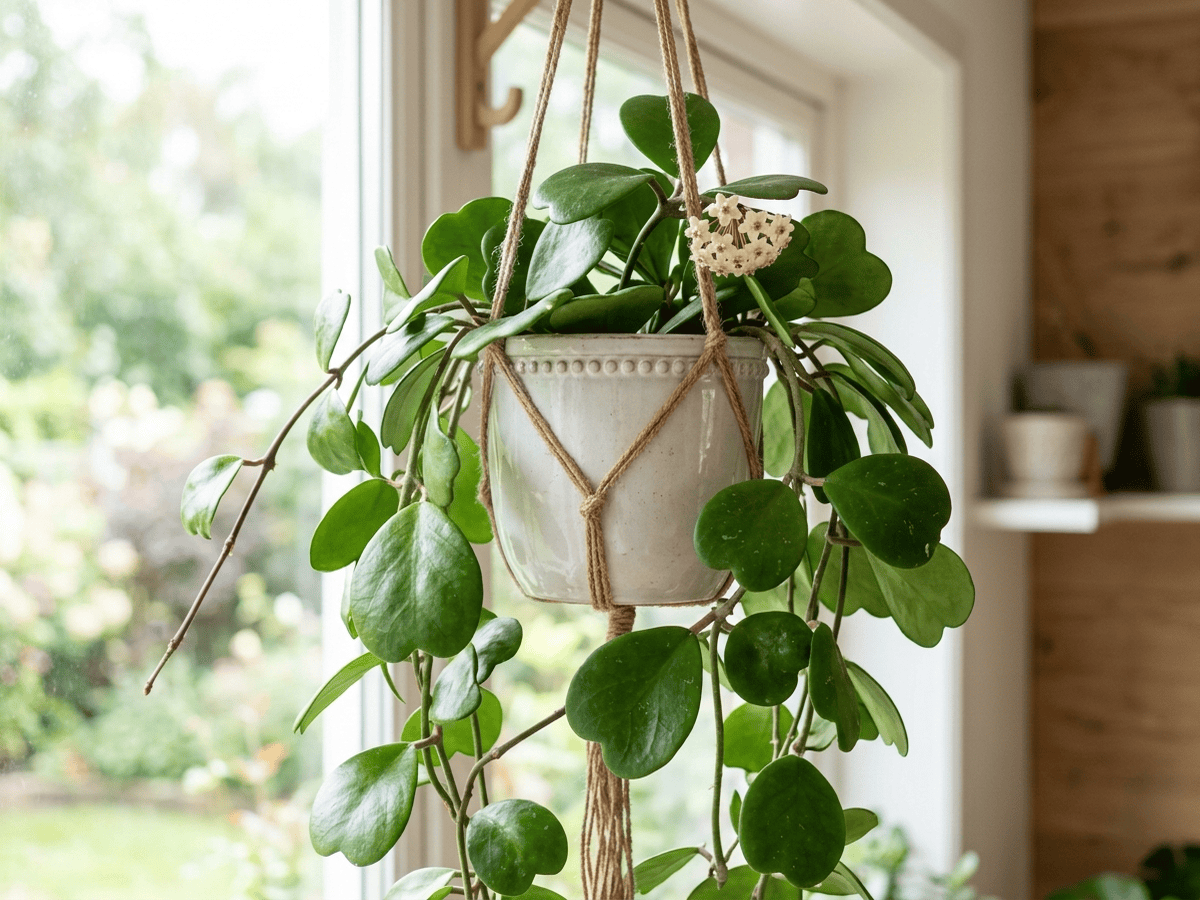
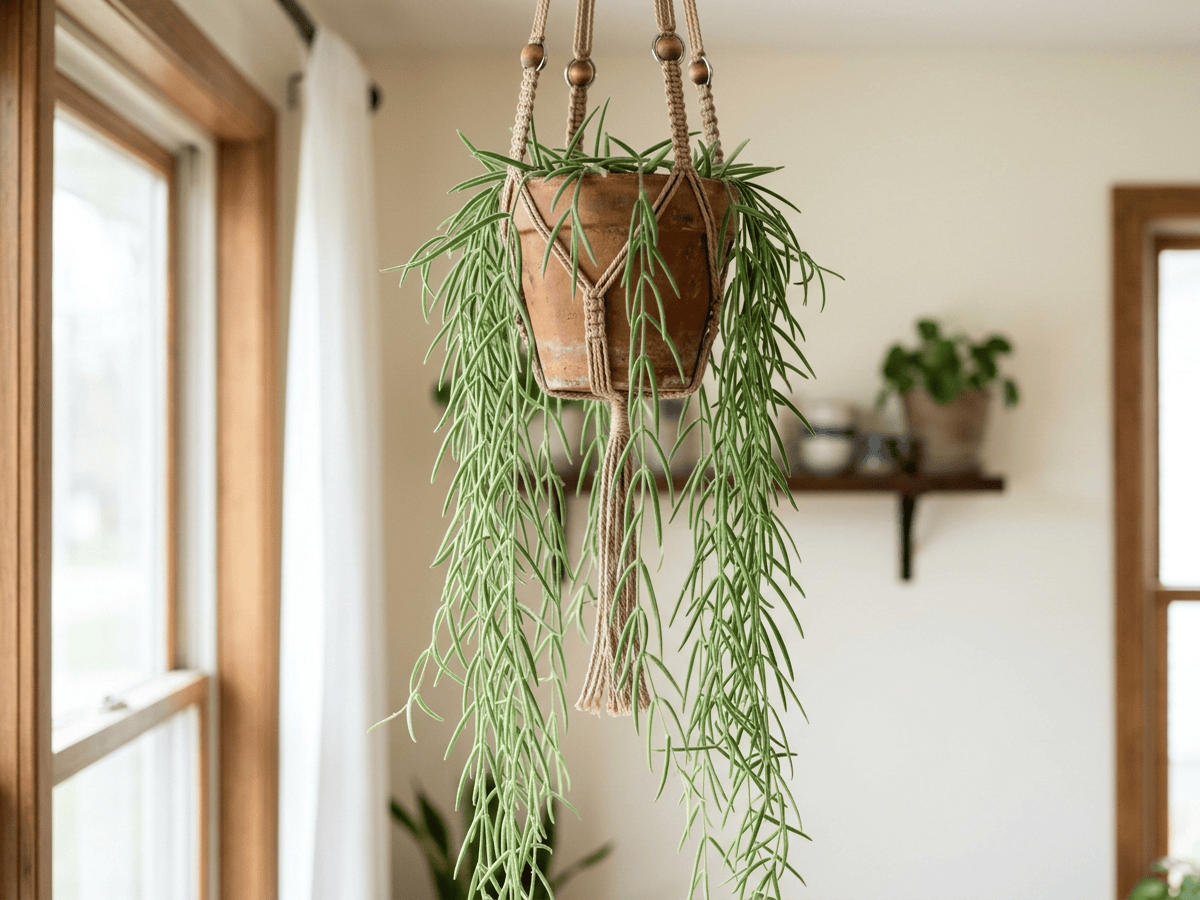
Plants with similar care
 Giant TaroAlocasia macrorrhizos
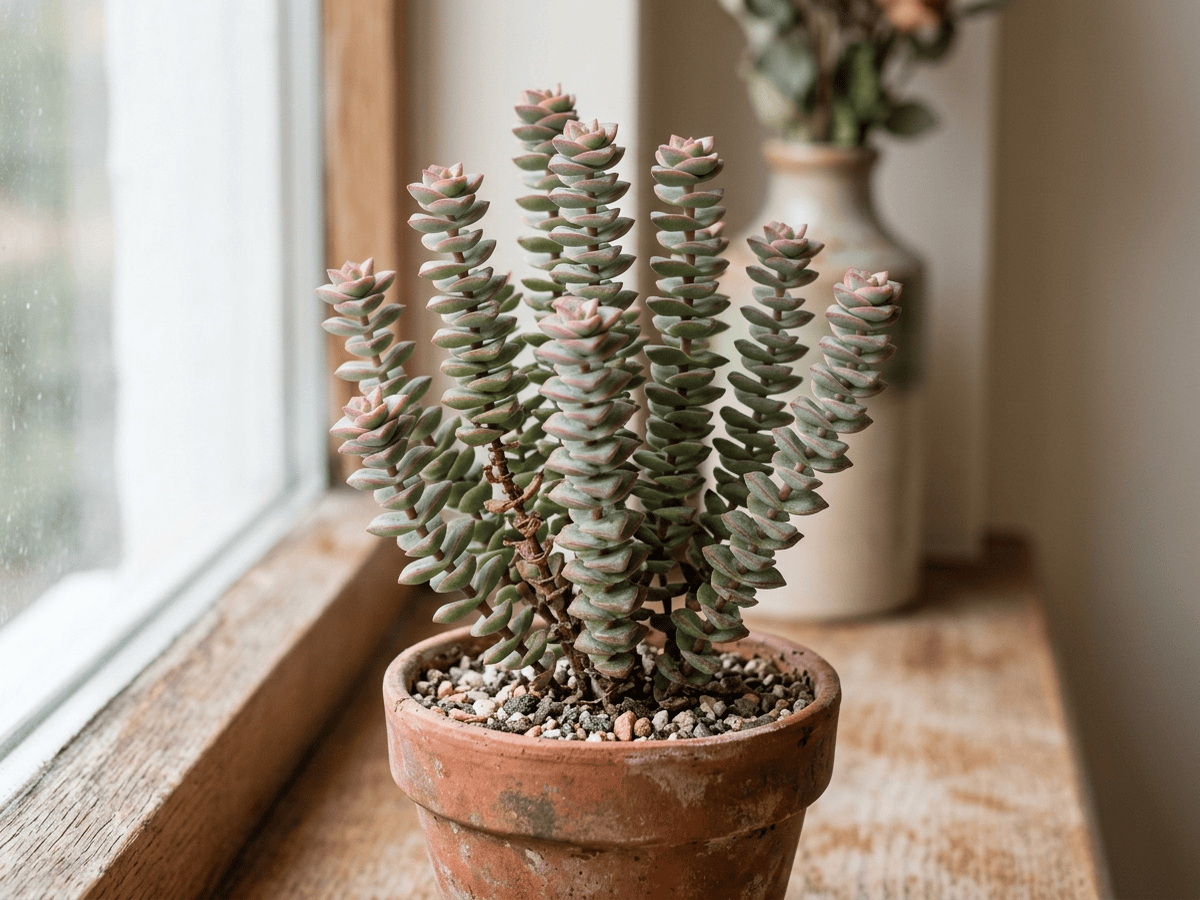 Concertina PlantCrassula perforata
 Song Of IndiaDracaena reflexa
 Snake PlantDracaena trifasciata
Frequently asked questions
How often should I water Wax Plant?
In summer, water about every 10 days; in winter, about every 21 days. Adjust for heat, pot size and drainage.
How much light does Wax Plant need?
Indirect: Filtered light. Watch the leaves — scorching or stretching means the light needs adjusting.
Is Wax Plant toxic to cats or dogs?
Pets Safe (Dogs Safe · Cats Safe) Educational information, not medical or veterinary advice. If exposure is suspected, contact a doctor or veterinarian.
Is Wax Plant easy to grow?
Yes — it is considered an easy, beginner-friendly plant.
Can Wax Plant be grown indoors?
Yes, it adapts well to indoor growing given the right light.
When does Wax Plant bloom?
It typically blooms Jun–Aug in the Northern Hemisphere.
YardMate
Identify any plant in seconds
Snap a photo — YardMate names the plant, diagnoses problems, and reminds you when to water.
Download on the App Store