 YardMate

Hoya linearis
Hoya linearis
Medium · Some experienceAbout Hoya linearis
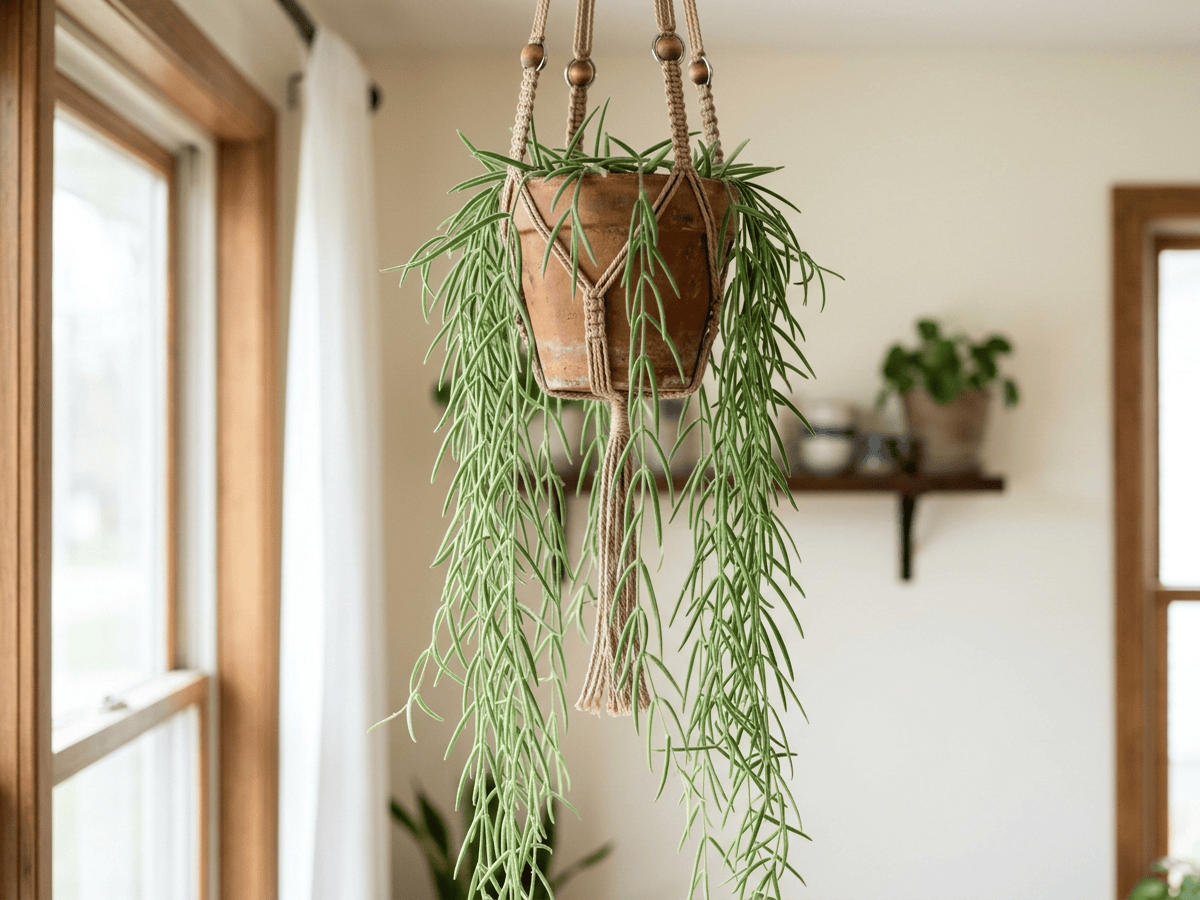
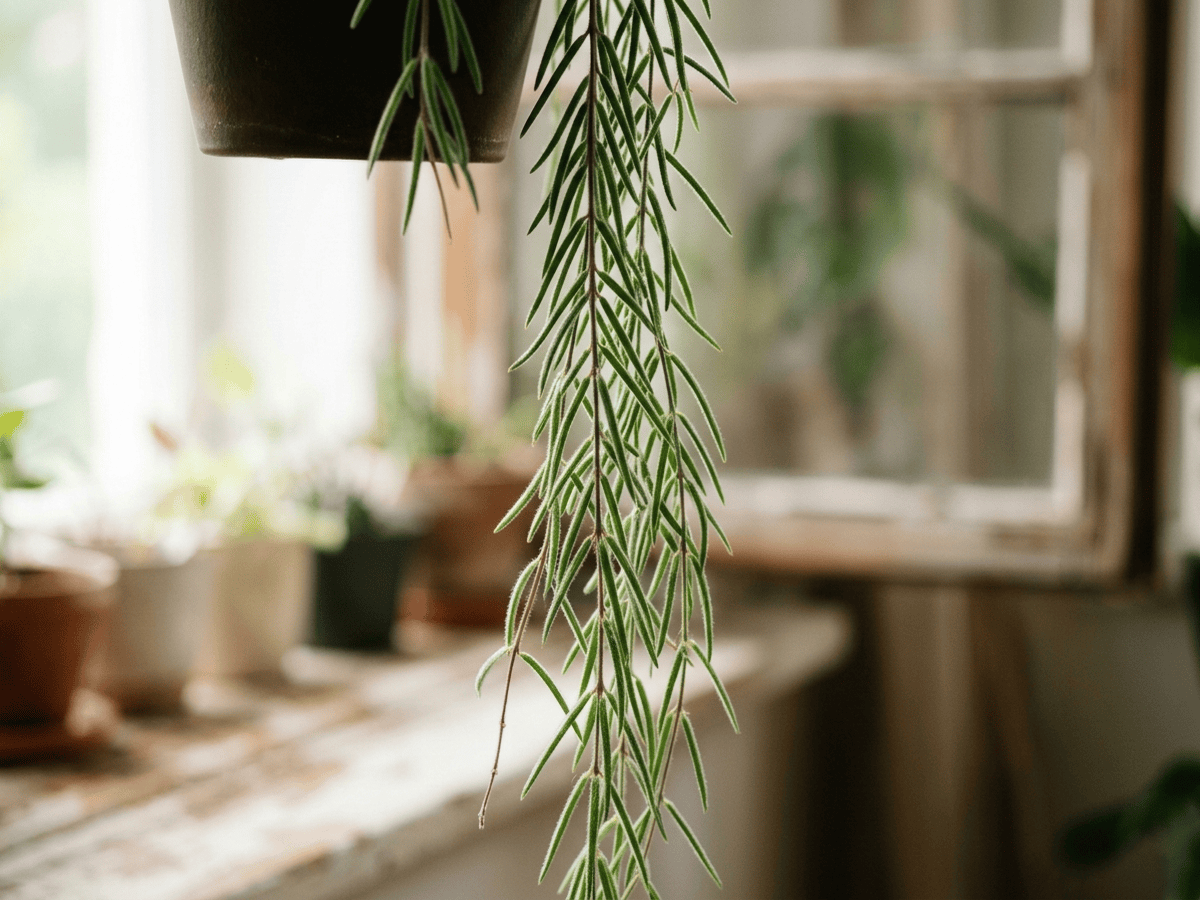
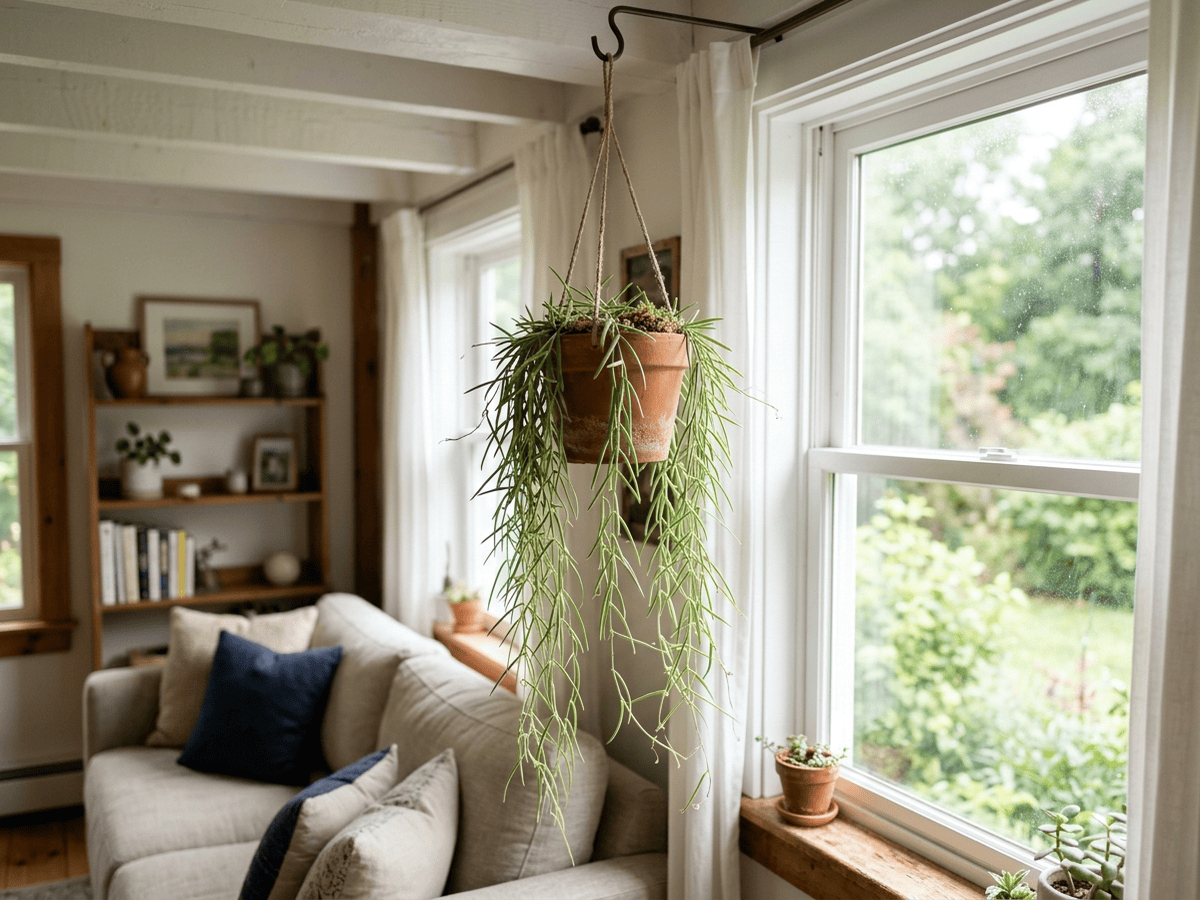
String of Pearls Hoya is a delicate Himalayan epiphytic vine with cascading slender stems densely lined with narrow needle-like soft-green leaves covered in fine hairs. Trailing 2-4 feet from a hanging basket, it produces small clusters of white star-shaped fragrant flowers in fall. Among the most distinctive of all hoyas, it requires cool temperatures and high humidity—a challenging but beloved plant in modern American collections.
- Fragrant
- Trailing
- Evergreen
How to care for Hoya linearis
Watering
- Springevery 7 days
- Summerevery 7 days
- Fallevery 14 days
- Winterevery 21 days
Soil · Fast-draining
- Main mixSand + pumice + soil 1:1:150%
- DrainagePumice / gravel50%
Keep grit at half the mix or more — this soil is meant to dry out fast.
FERTILIZER
Balanced Feed 14-14-14
An even feed covers all three needs at once, keeping leaves, roots and blooms moving together with nothing pushed out of balance.
- Nitrogen · Leaves
- Phosphorus · Roots + Blooms
- Potassium · Strength
- Springevery 45 days
- Summerevery 45 days
At a Glance
- NativeSouth Asia
- Height1–2 ft (0.3–0.6 m)
- Spread3–6 ft (0.9–1.8 m)
- Flower colorWhite, Cream
- Foliage colorGreen
- SoilWell-drained, Loamy
- LocationsIndoor
Bloom time
BLOOM CYCLE
Peak bloom
Sep–Nov
Small white star-shaped fragrant flowers in fall
Fragrance
MODERATE FRAGRANCE
The flowers have a lemon-vanilla scent when open.
Toxicity
Pets Safe
None reported
Not reported
EXPOSURE No exposure route is reported.
EFFECT No toxic effect is reported.
NOTE No human toxicity is reported in this catalog; avoid eating ornamental plants unless confirmed edible.
Safe
EXPOSURE No exposure route is reported.
EFFECT No toxic effect is reported.
NOTE Listed as non-toxic for dogs; avoid eating ornamental plants unless confirmed edible.
Safe
EXPOSURE No exposure route is reported.
EFFECT No toxic effect is reported.
NOTE Listed as non-toxic for cats; avoid eating ornamental plants unless confirmed edible.
Educational information, not medical or veterinary advice. If exposure is suspected, contact a doctor or veterinarian.
DISTRIBUTION


- Native
- South Asia
History

Hoya linearis is a distinctive pendant epiphytic vine in the milkweed family (Apocynaceae, subfamily Asclepiadoideae) native to cool mid-elevation Himalayan forests of Nepal, Bhutan, northeastern India, and southwestern China at 1600-2400 meters elevation. Danish botanist Nathaniel Wallich collected the species and David Don published the name in 1825 in Prodromus Florae Nepalensis. The species is remarkable among Hoyas for its extraordinarily atypical growth habit: rather than trailing or climbing with thick waxy leaves, H. linearis produces cascading curtains of slender thread-like stems bearing 4-6 cm long, very narrow needle-like light green leaves softly covered in short white hairs, giving the whole plant the appearance of hanging green fringe.
Small clusters of 6-8 starry white flowers with yellow-cream coronas appear at stem tips in autumn, emitting a distinct lemon-vanilla fragrance. Because the species naturally grows in cool humid cloud forest, it is more cold-tolerant than most Hoyas but less heat-tolerant, often struggling in warm low-elevation conditions.
Native to the Himalayan foothills of India, Nepal, and southwestern China at elevations of 5,000-8,000 feet. Its preference for cool nights makes it one of the more challenging hoyas in heated American homes, but its delicate cascading form has made it a coveted collector plant.
Symbolism & meaning
What It Symbolizes
Hoya linearis wears grace in its delicate cascading form, slender needle-like leaves trailing down like fine, flowing hair. Yet it asks for patience in return — it rewards careful temperature and humidity management rather than casual neglect, blooming sparingly for those who take the time to learn its preferences. A houseplant that respects gardeners willing to listen closely.
- Grace — delicate cascading form like flowing hair
- Patience — rewards careful temperature and humidity management
Where the Name Comes From
'Linearis' from Latin meaning linear, for the slender needle-like leaves.
Uses & Fun Facts
- Star-shaped white blooms release sweet evening lemon scent
- Threadlike trailing stems prized in hanging-basket displays
- Pendulous needle-leaf hoya for bright humid indoor spots
Related plants
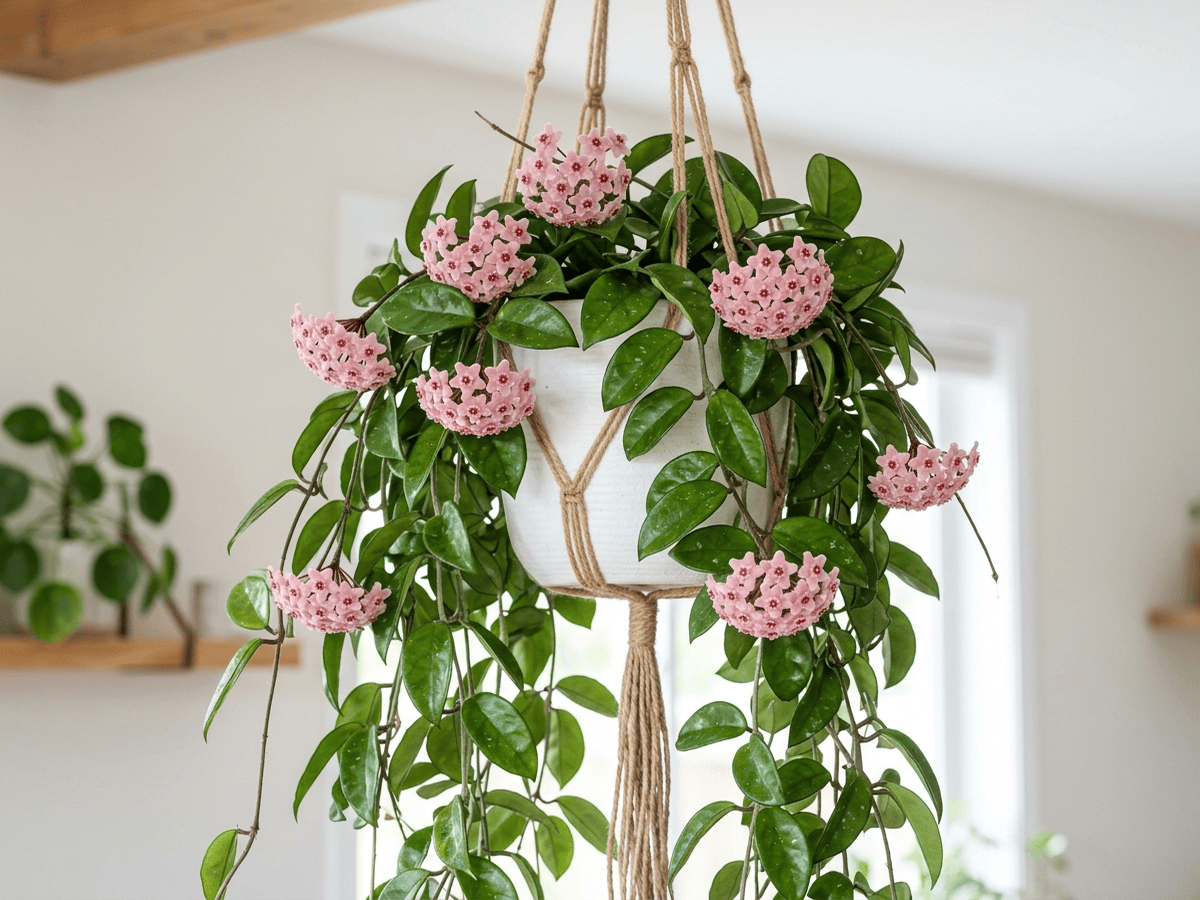
More Hoya plants
Plants with similar care
 Aglaonema AroidAglaonema pictum
 Aglaonema rotundumAglaonema rotundum
 AlocasiaAlocasia polly
 Black Velvet AlocasiaAlocasia reginula
Frequently asked questions
How often should I water Hoya linearis?
In summer, water about every 7 days; in winter, about every 21 days. Adjust for heat, pot size and drainage.
How much light does Hoya linearis need?
Indirect: Filtered light. Watch the leaves — scorching or stretching means the light needs adjusting.
Is Hoya linearis toxic to cats or dogs?
Pets Safe (Dogs Safe · Cats Safe) Educational information, not medical or veterinary advice. If exposure is suspected, contact a doctor or veterinarian.
Is Hoya linearis easy to grow?
It is moderately demanding: a good choice once you have a little experience.
Can Hoya linearis be grown indoors?
Yes, it adapts well to indoor growing given the right light.
When does Hoya linearis bloom?
It typically blooms Sep–Nov in the Northern Hemisphere.
YardMate
Identify any plant in seconds
Snap a photo — YardMate names the plant, diagnoses problems, and reminds you when to water.
Download on the App Store