 YardMate

Hoya obovata
Hoya obovata
Easy · Beginner friendlyAbout Hoya obovata
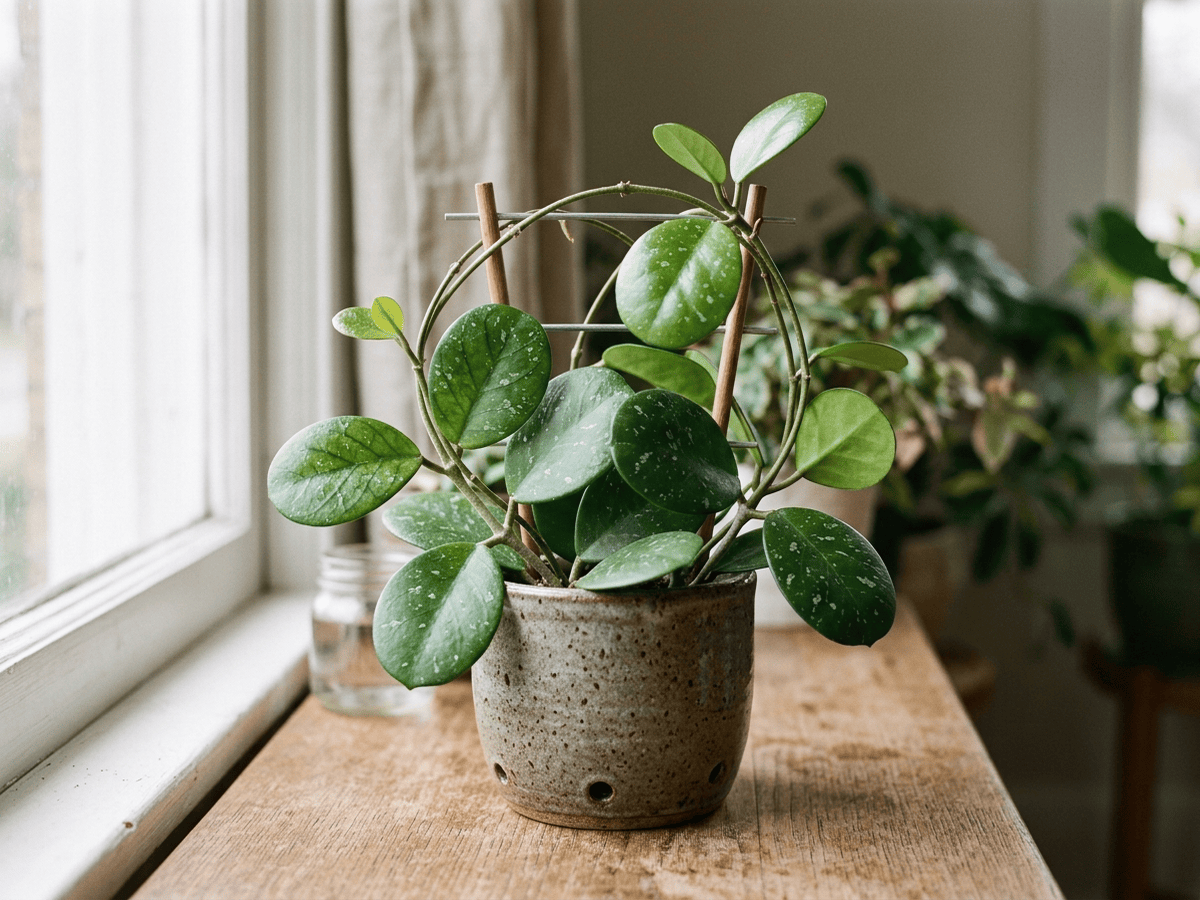
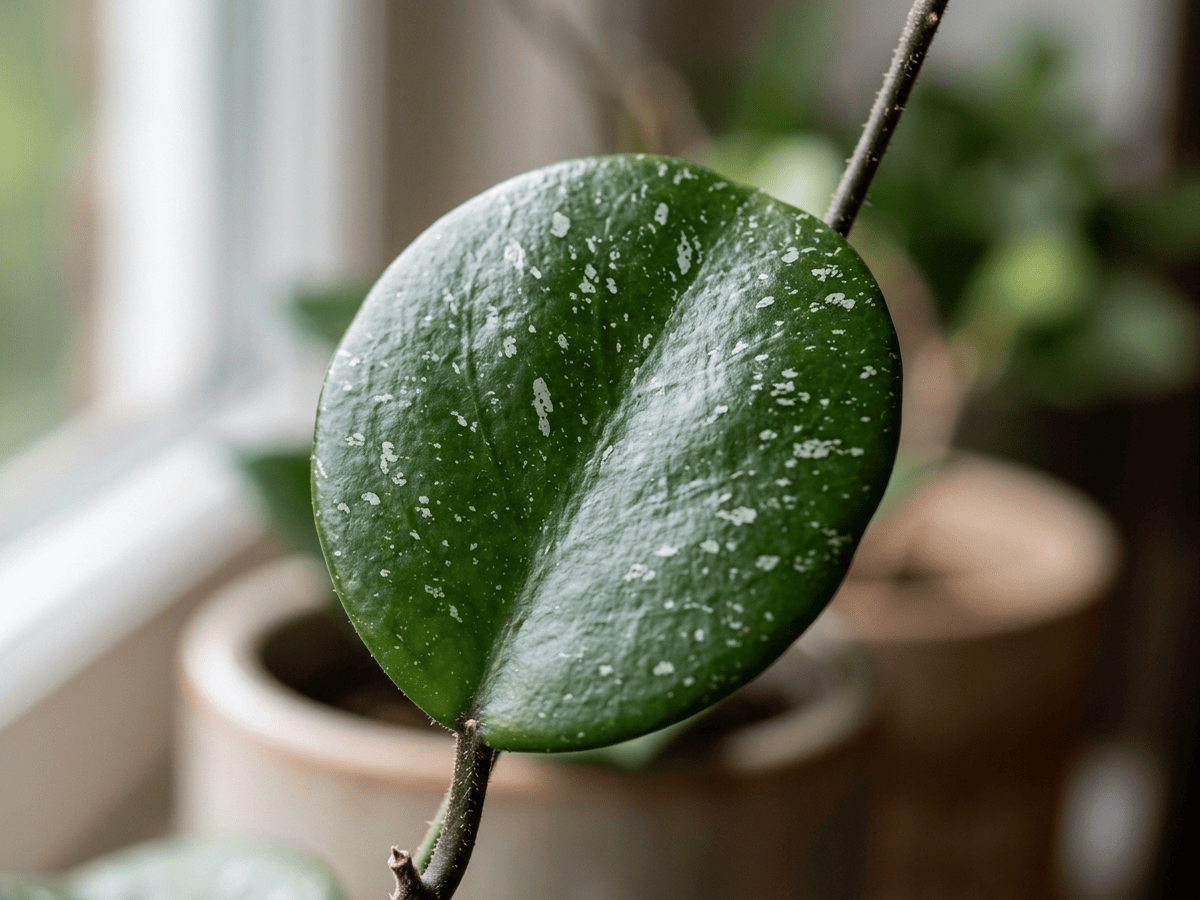
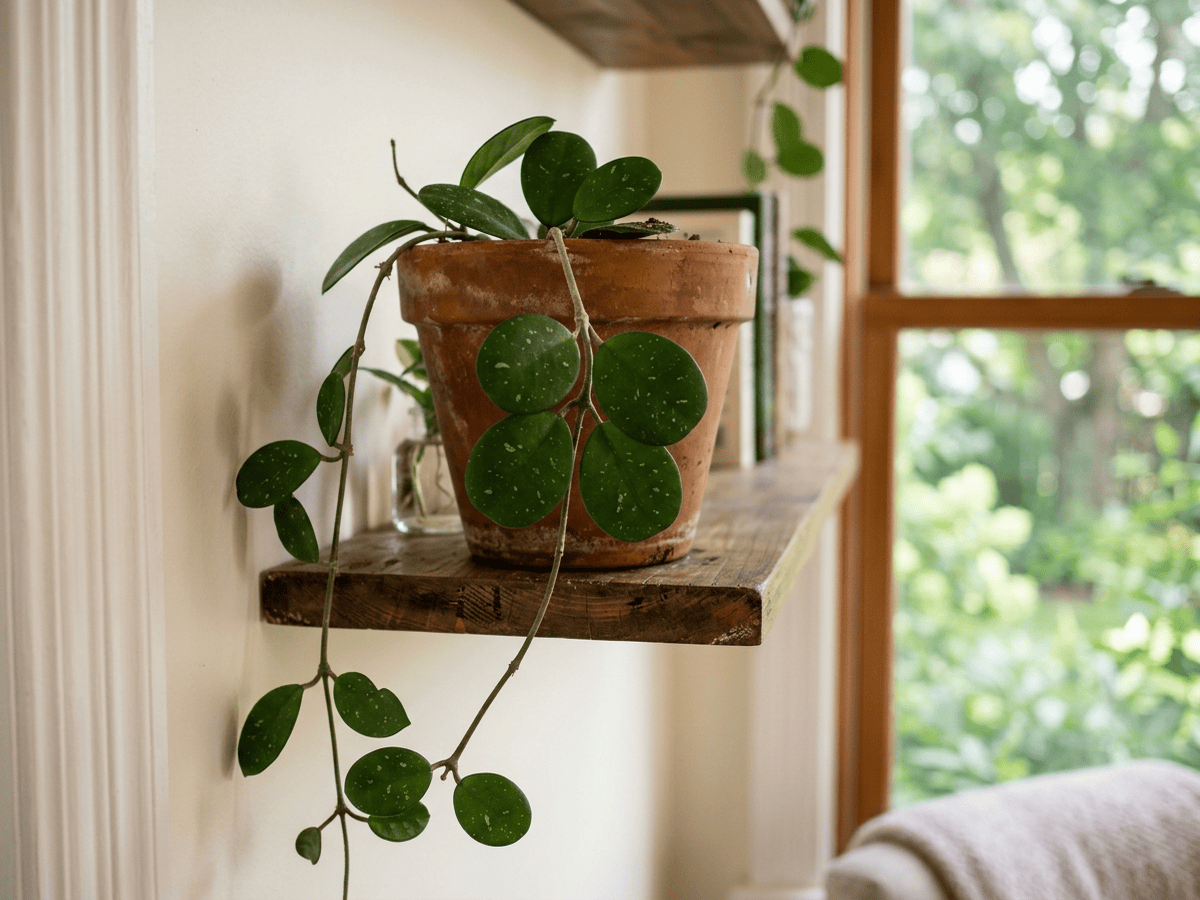
Hoya obovata is a tropical Asian epiphytic vine with thick succulent oval-shaped silver-flecked green leaves on slow-trailing stems. Reaching 3-6 feet, it produces clusters of starry pink flowers with deep red centers, intensely fragrant in the evening. Often called 'Hoya Splash' for its silvery leaf flecking, it is among the easiest hoyas for beginners and one of the most popular trailing hoyas in modern American houseplant culture.
- Fragrant
- Evergreen
- Trailing
- Container-friendly
How to care for Hoya obovata
Watering
- Springevery 10 days
- Summerevery 10 days
- Fallevery 14 days
- Winterevery 21 days
Soil · Fast-draining
- Main mixSand + pumice + soil 1:1:150%
- DrainagePumice / gravel50%
Keep grit at half the mix or more — this soil is meant to dry out fast.
FERTILIZER
Balanced Feed 14-14-14
An even feed covers all three needs at once, keeping leaves, roots and blooms moving together with nothing pushed out of balance.
- Nitrogen · Leaves
- Phosphorus · Roots + Blooms
- Potassium · Strength
- Springevery 45 days
- Summerevery 45 days
At a Glance
- NativeSoutheast Asia
- Height3–6 ft (0.9–1.8 m)
- Spread1–2 ft (0.3–0.6 m)
- Flower colorPink, Burgundy
- Foliage colorGreen, Variegated
- SoilWell-drained, Loamy
- LocationsIndoor · Balcony
Bloom time
BLOOM CYCLE
Peak bloom
Jun–Aug
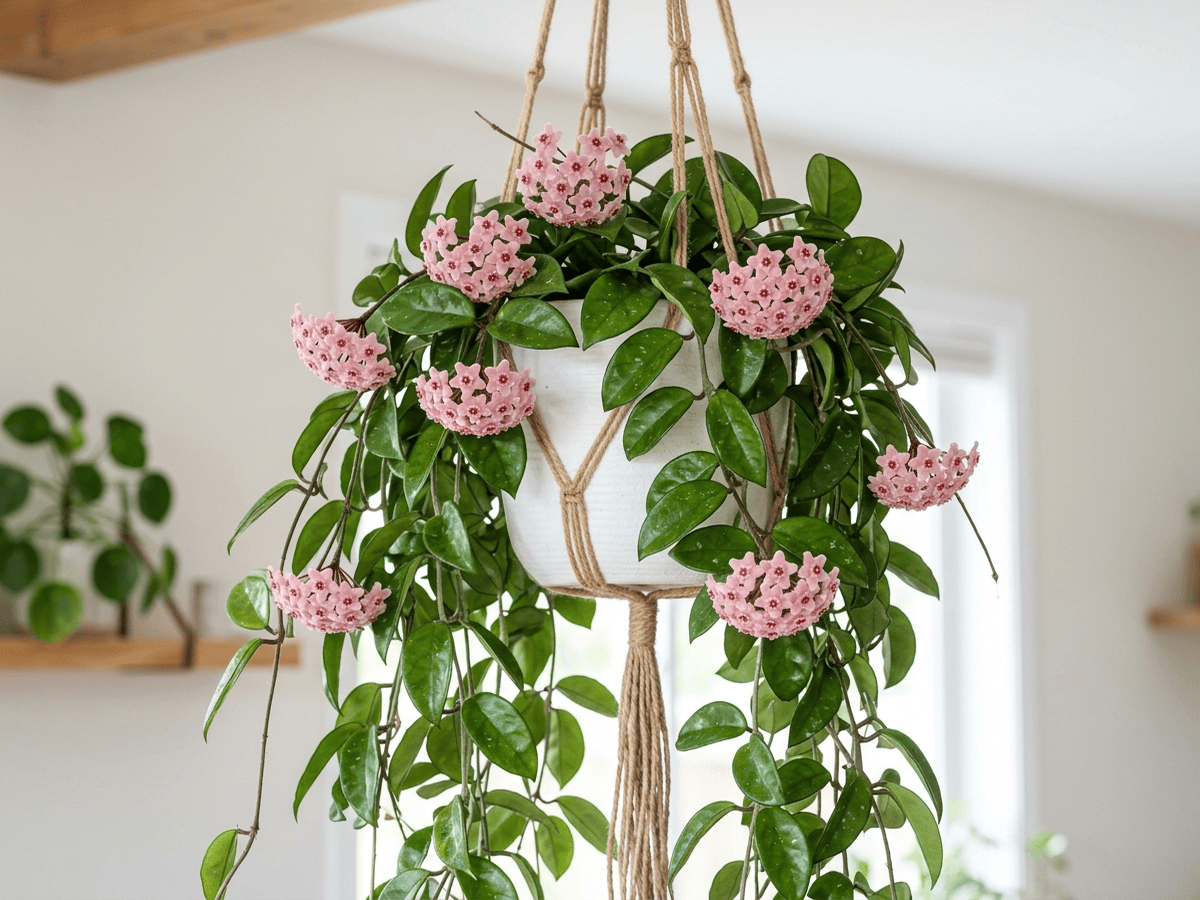
Pink star-shaped fragrant flower clusters in summer
Fragrance
MODERATE FRAGRANCE
Honey-vanilla scent, stronger at night.
Toxicity
Pets Safe
None reported
Not reported
EXPOSURE No exposure route is reported.
EFFECT No toxic effect is reported.
NOTE No human toxicity is reported in this catalog; avoid eating ornamental plants unless confirmed edible.
Safe
EXPOSURE No exposure route is reported.
EFFECT No toxic effect is reported.
NOTE Listed as non-toxic for dogs; avoid eating ornamental plants unless confirmed edible.
Safe
EXPOSURE No exposure route is reported.
EFFECT No toxic effect is reported.
NOTE Listed as non-toxic for cats; avoid eating ornamental plants unless confirmed edible.
Educational information, not medical or veterinary advice. If exposure is suspected, contact a doctor or veterinarian.
DISTRIBUTION


- Native
- Southeast Asia
History

Hoya obovata is a climbing epiphytic vine in the milkweed family (Apocynaceae, subfamily Asclepiadoideae) native to a broad range across tropical Asia from northeastern India, Myanmar, and Thailand through peninsular Malaysia, Sumatra, Java, Fiji, and the Philippines. French botanist Joseph Decaisne described the species in 1844. The epithet obovata refers to the distinctive rounded obovate (inverse-oval, broadest near the tip) leaf shape uncommon among Hoyas.
Plants produce thick succulent 5-8 cm round leaves that are glossy medium green, frequently speckled with small silvery-white flecks, on relatively slow-growing climbing or trailing stems. Spherical umbels of 15-25 small pale pink 1 cm star-shaped waxy flowers with deeper pink-burgundy centers appear from peduncles that flower repeatedly over years—never cut spent peduncles. The plant emits a sweet honey-vanilla fragrance most intensely at night.
Popular relatively easy-to-bloom Hoya for indoor cultivation. Non-toxic to pets. Introduced to Western horticulture in the 19th century. Surged to popularity in the 2010s-2020s American houseplant scene as one of the easiest blooming hoyas and a favorite of pet-friendly indoor gardeners.
Symbolism & meaning
What It Symbolizes
Hoya obovata's clusters of star-shaped blooms drip honey-like fragrance in the evening, an unmistakable sweetness rewarding anyone patient enough to wait for its first flowering. Patience, in fact, is half its meaning — this is a slow vine that may grow for years before blooming, then continue for decades. To live with one is to learn the long, sweet rhythm of plants that measure time differently.
- Sweetness — honey-fragrant evening blooms
- Patience — slow-growing but long-lived bloomer
Where the Name Comes From
'Obovata' from Latin meaning inversely egg-shaped, for the leaf form.
Uses & Fun Facts
- Star-shaped flower clusters release sweet evening scent
- Trailing succulent vine popular as indoor hanging plant
- Twining stems train on small indoor trellises and hoops
Related plants
More Hoya plants
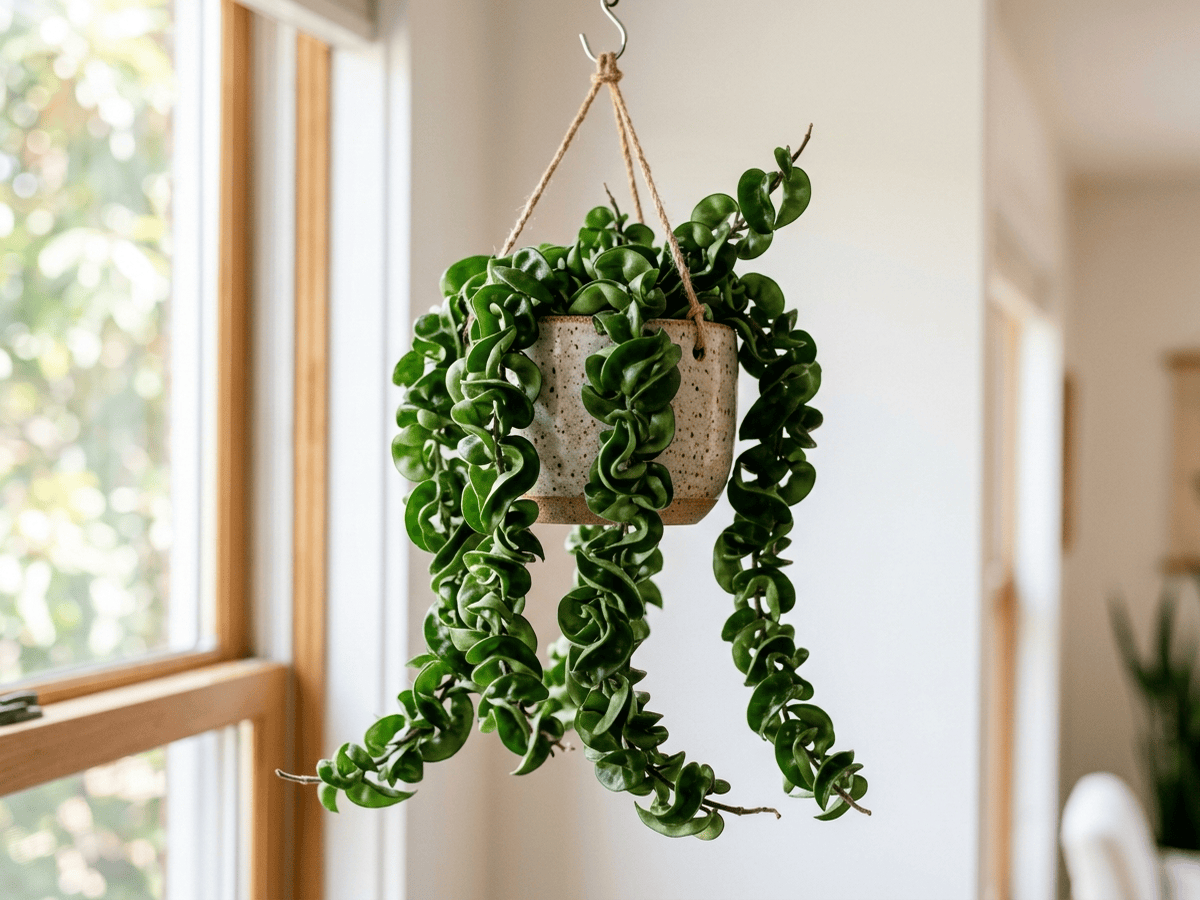
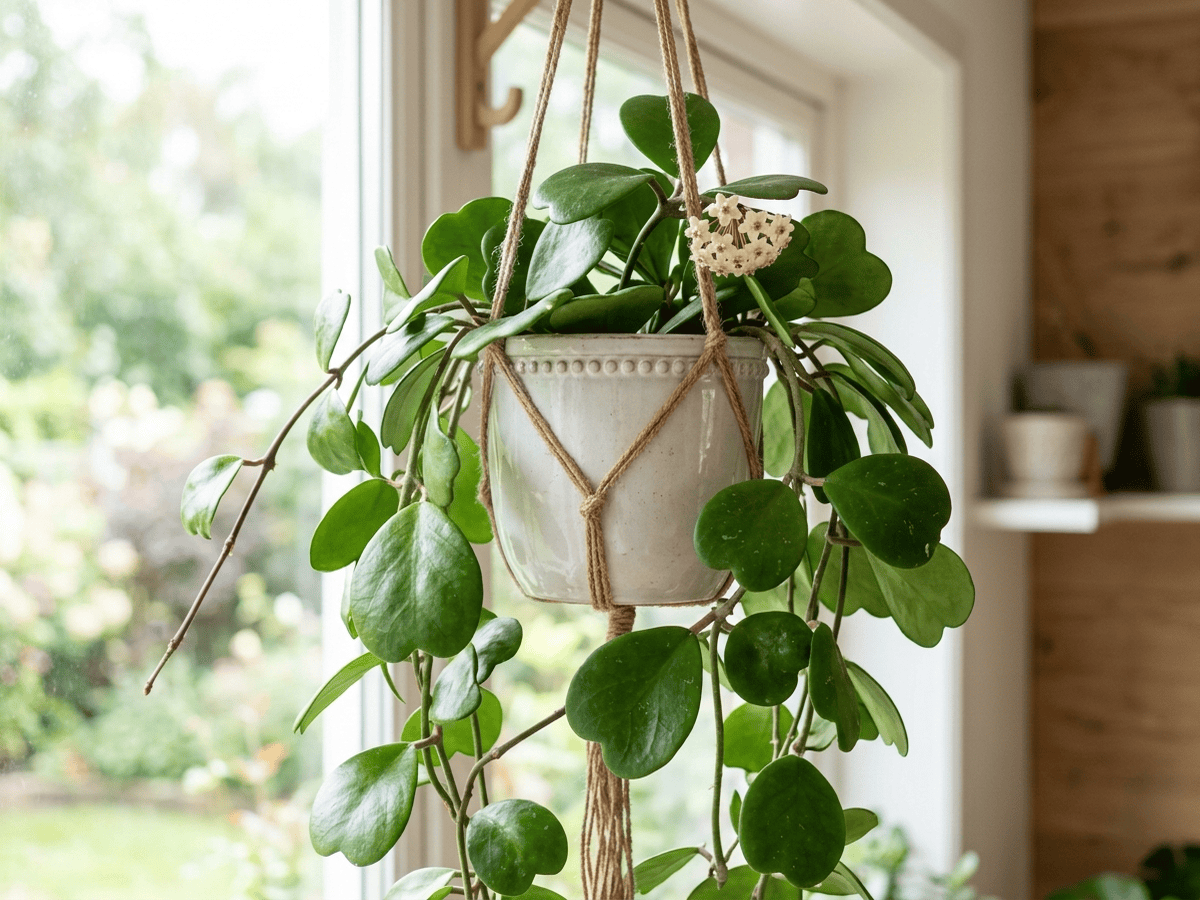
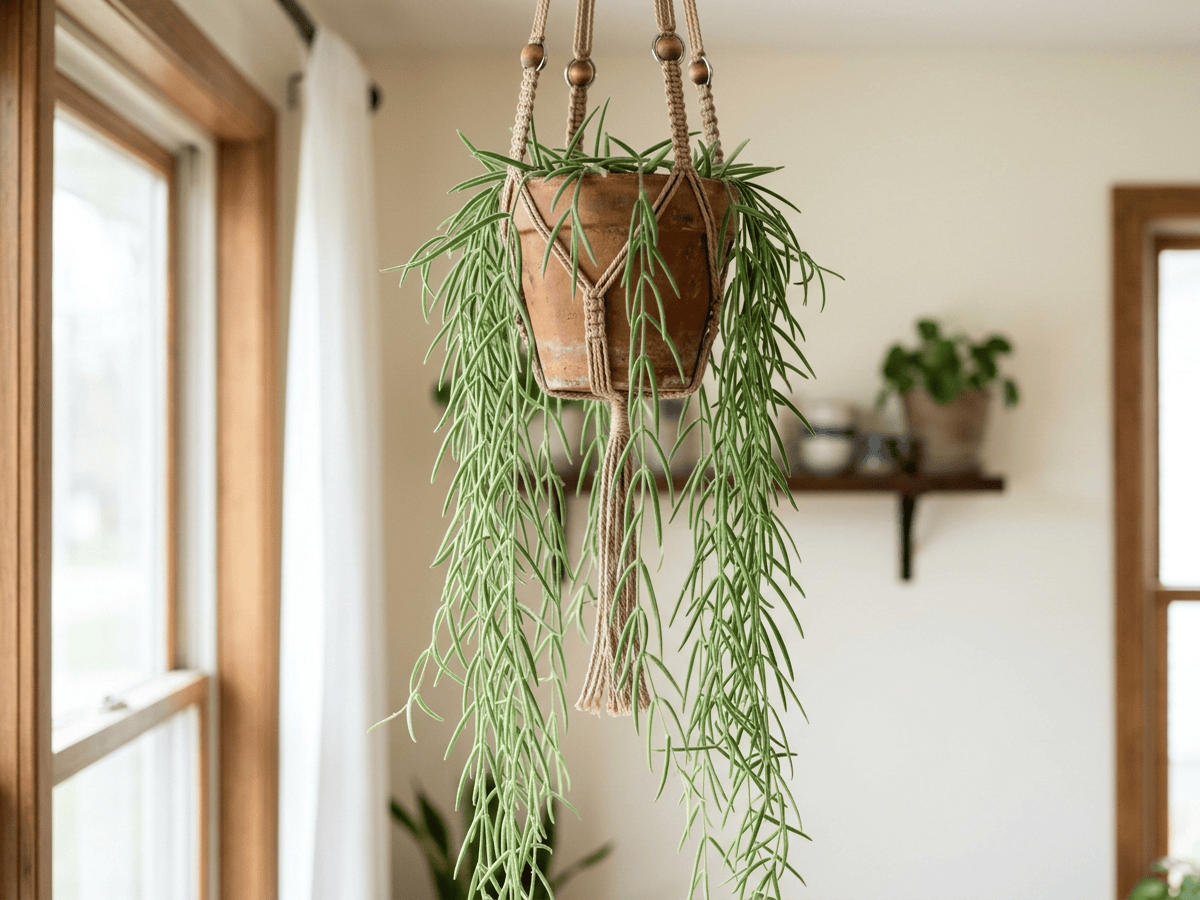
Plants with similar care
 Giant TaroAlocasia macrorrhizos
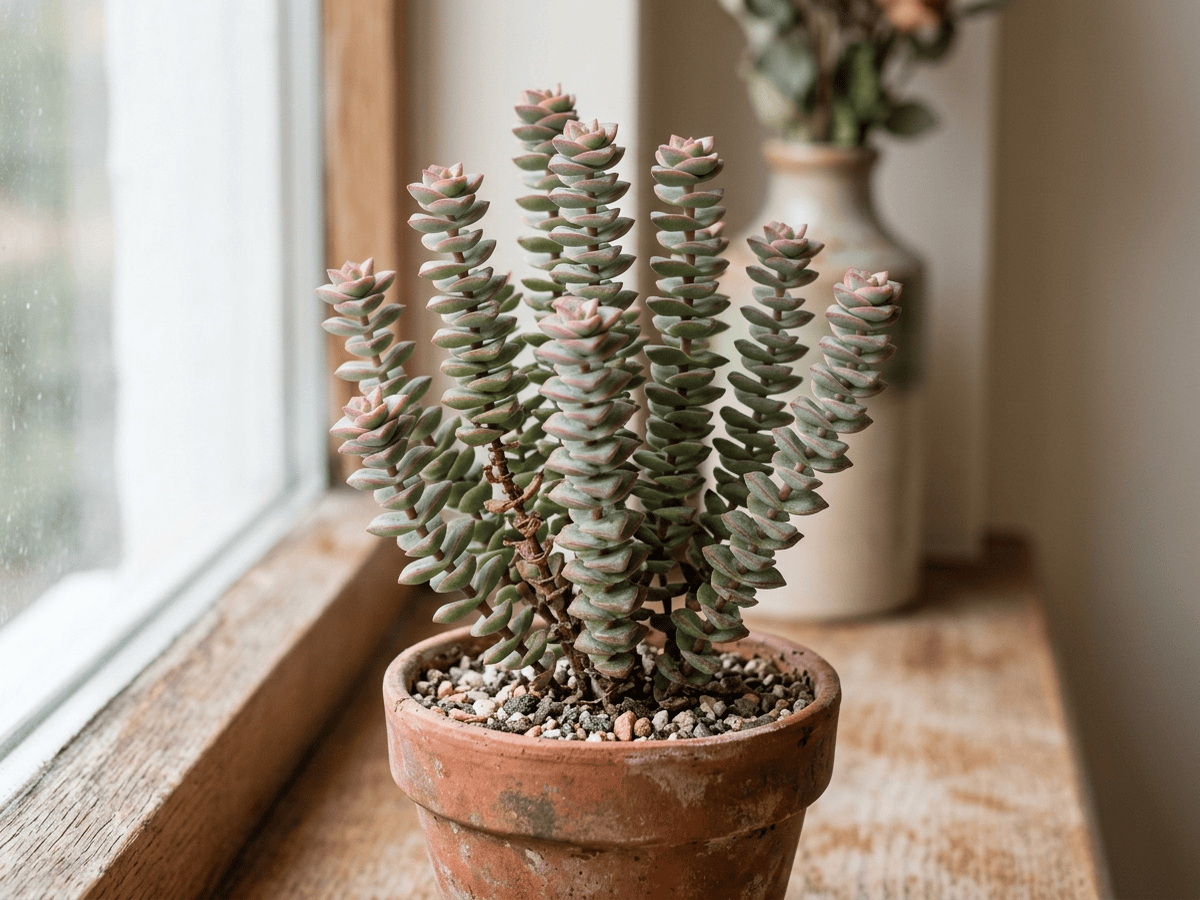 Concertina PlantCrassula perforata
 Song Of IndiaDracaena reflexa
 Snake PlantDracaena trifasciata
Frequently asked questions
How often should I water Hoya obovata?
In summer, water about every 10 days; in winter, about every 21 days. Adjust for heat, pot size and drainage.
How much light does Hoya obovata need?
Indirect: Filtered light. Watch the leaves — scorching or stretching means the light needs adjusting.
Is Hoya obovata toxic to cats or dogs?
Pets Safe (Dogs Safe · Cats Safe) Educational information, not medical or veterinary advice. If exposure is suspected, contact a doctor or veterinarian.
Is Hoya obovata easy to grow?
Yes — it is considered an easy, beginner-friendly plant.
Can Hoya obovata be grown indoors?
Yes, it adapts well to indoor growing given the right light.
When does Hoya obovata bloom?
It typically blooms Jun–Aug in the Northern Hemisphere.
YardMate
Identify any plant in seconds
Snap a photo — YardMate names the plant, diagnoses problems, and reminds you when to water.
Download on the App Store