 YardMate


Wax Plant
Hoya compacta
Easy · Beginner friendlyAbout Wax Plant
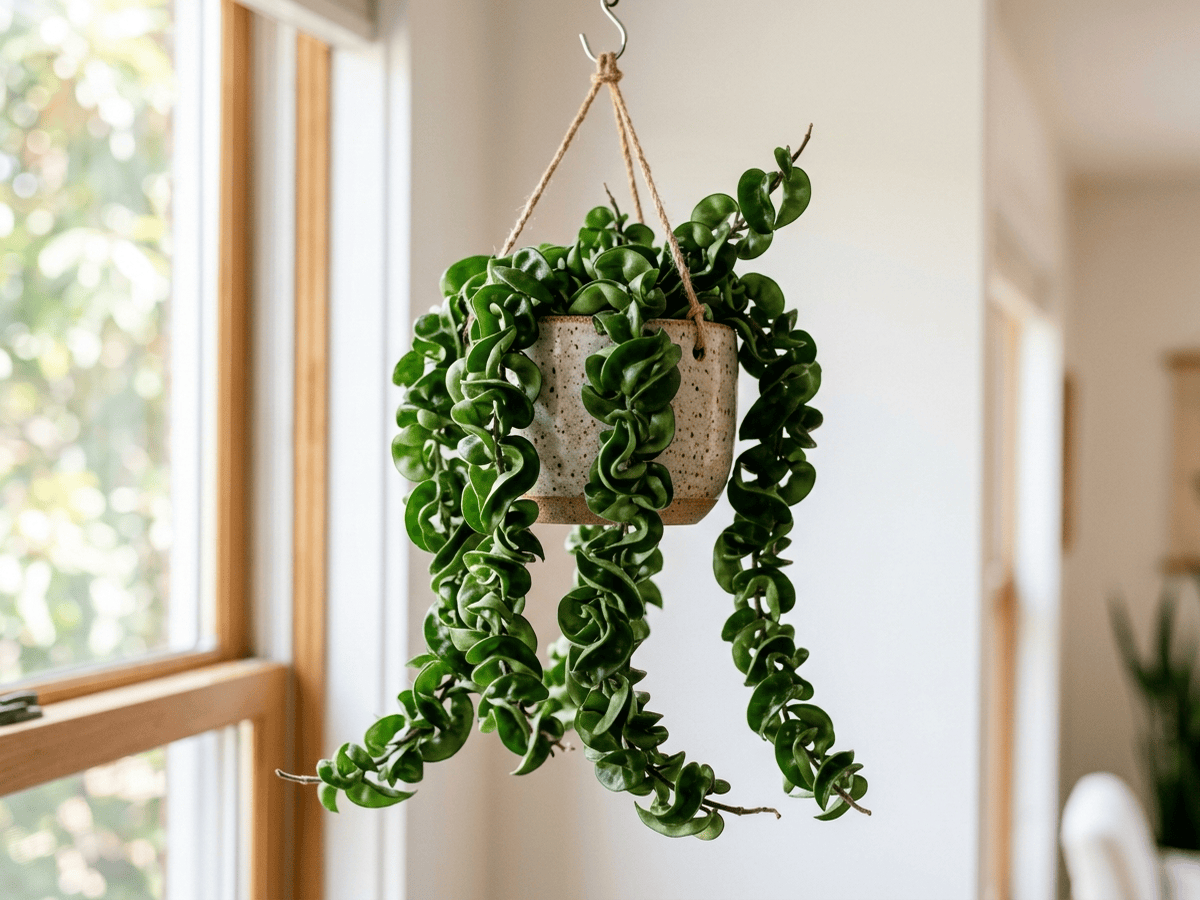
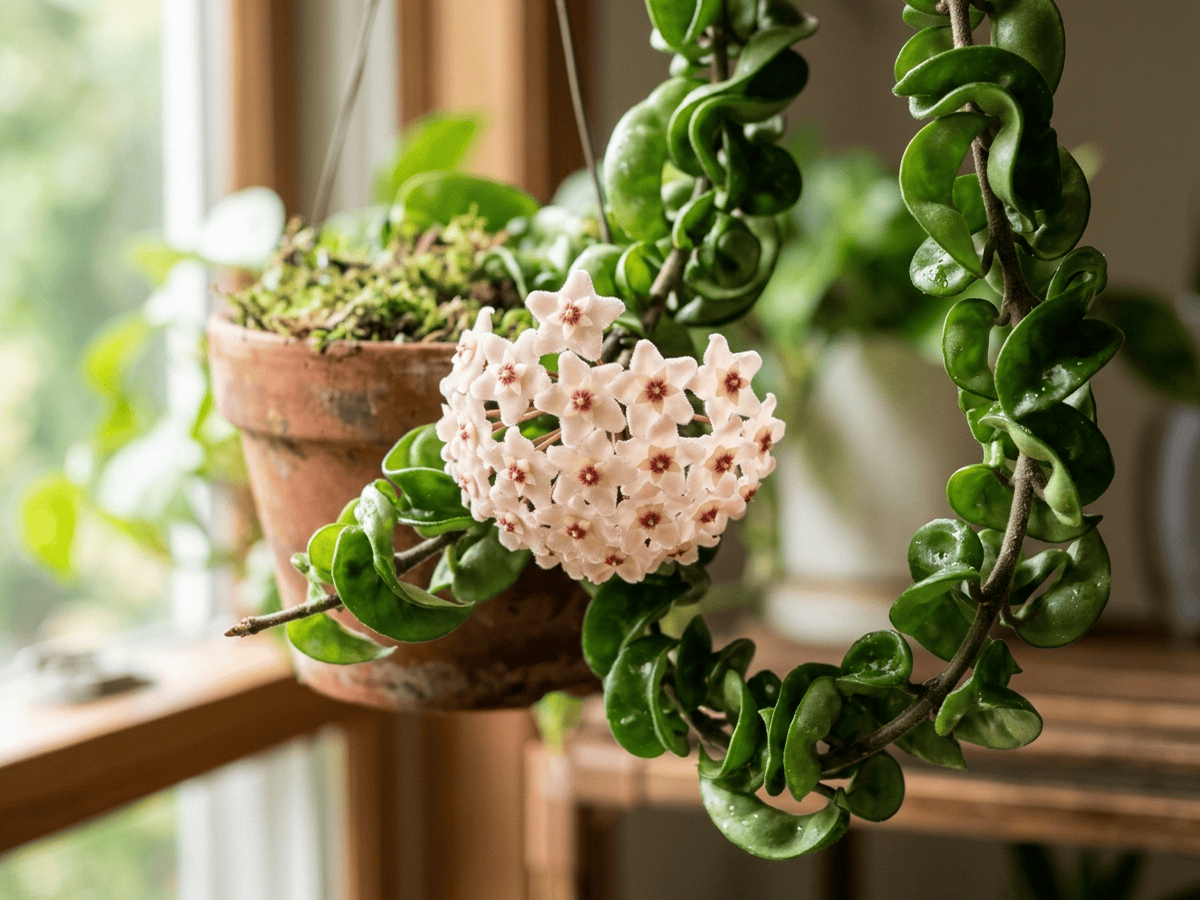
Hindu Rope Plant is a curious cultivated form of Hoya carnosa with curled twisted dark-green leaves clustered tightly along trailing stems—looking like a leafy rope or chain. Reaching 2-4 feet trailing, it produces clusters of fragrant pink-and-red star-shaped wax flowers in summer. The unusual leaf form earned it 'Hindu Rope' as a popular common name, though it is unrelated to Indian flora. A long-time fixture of American windowsill collections.
- Fragrant
- Trailing
- Evergreen
How to care for Wax Plant
Watering
- Springevery 10 days
- Summerevery 10 days
- Fallevery 14 days
- Winterevery 21 days
Soil · Fast-draining
- Main mixSand + pumice + soil 1:1:150%
- DrainagePumice / gravel50%
Keep grit at half the mix or more — this soil is meant to dry out fast.
FERTILIZER
Bloom Booster 10-52-10
A phosphorus-forward feed fuels abundant blooms, with just enough nitrogen and potassium to keep foliage and roots steady.
- Nitrogen · Leaves
- Phosphorus · Roots + Blooms
- Potassium · Strength
- Springevery 45 days
- Summerevery 45 days
At a Glance
- NativeEast Asia, Southeast Asia
- Height6–12 ft (1.8–3.7 m)
- Spread1–2 ft (0.3–0.6 m)
- Flower colorWhite, Pink, Red
- Foliage colorDark-green, Variegated
- SoilWell-drained, Loamy
- LocationsIndoor · Balcony
Bloom time
BLOOM CYCLE
Peak bloom
Jun–Aug
Pink-red fragrant star flower clusters in summer
Fragrance
MODERATE FRAGRANCE
Sweet evening fragrance from flowers.
Toxicity
Pets Safe
None reported
Not reported
EXPOSURE No exposure route is reported.
EFFECT No toxic effect is reported.
NOTE No human toxicity is reported in this catalog; avoid eating ornamental plants unless confirmed edible.
Safe
EXPOSURE No exposure route is reported.
EFFECT No toxic effect is reported.
NOTE Listed as non-toxic for dogs; avoid eating ornamental plants unless confirmed edible.
Safe
EXPOSURE No exposure route is reported.
EFFECT No toxic effect is reported.
NOTE Listed as non-toxic for cats; avoid eating ornamental plants unless confirmed edible.
Educational information, not medical or veterinary advice. If exposure is suspected, contact a doctor or veterinarian.
DISTRIBUTION


- Native
- Introduced
- East Asia
- Southeast Asia
History
Hoya compacta, commonly called Hindu rope plant, is a cultivated curled-leaf form of the widespread Southeast Asian Hoya carnosa, sometimes classified as Hoya carnosa 'Compacta' or H. carnosa var. compacta (the latter not formally validly published). The cultivar first appeared in mid-20th-century East Asian horticulture and has been propagated clonally ever since—no wild populations exist. Plants form thick rope-like trailing stems entirely composed of tightly twisted, curled, and folded succulent dark green leaves that appear to spiral around the stem like a braid, giving the plant its Hindu rope common name.
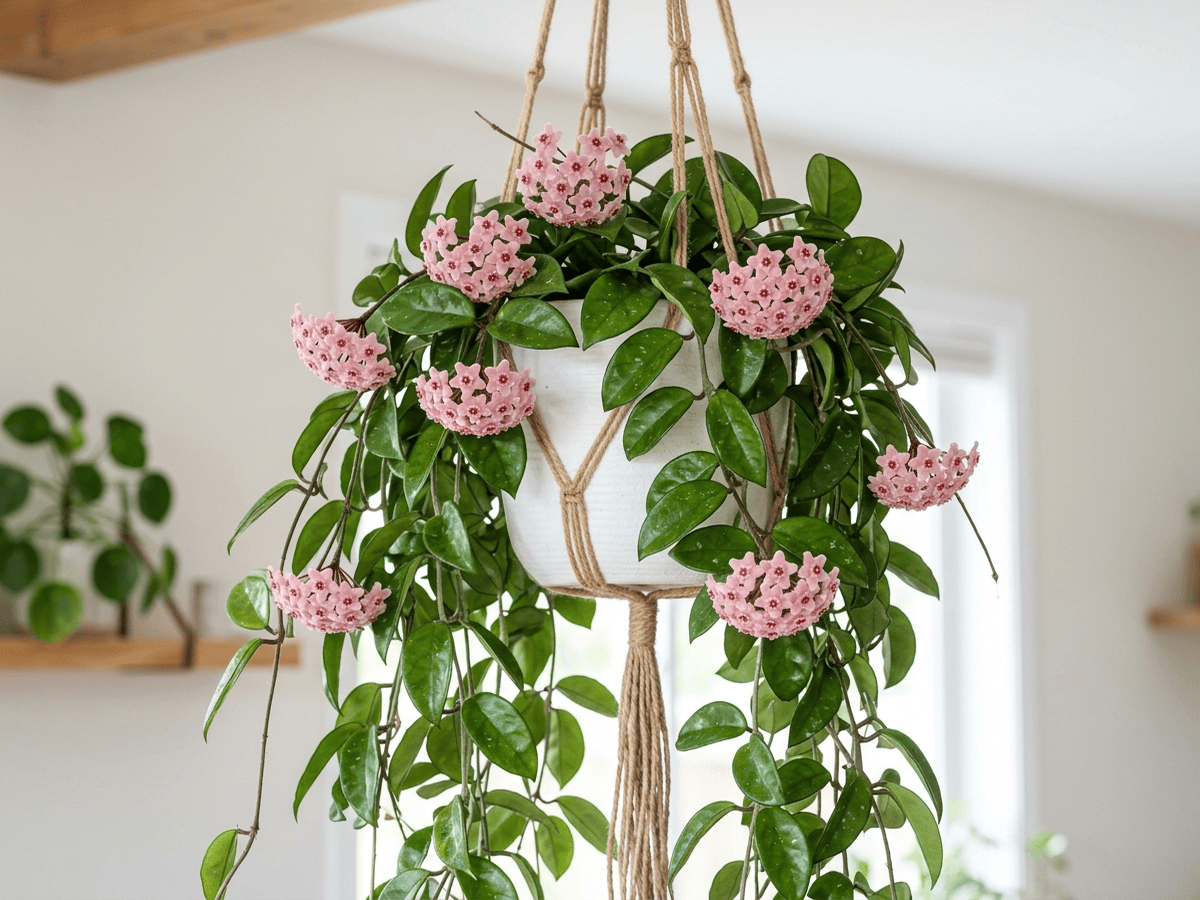
The 'Krinkle Curl', 'Regalis' (variegated creamy-white and green), and 'Mauna Loa' (yellow-centered variegation) selections add colored variegation to the curled form. Umbels of 15-25 pink-tinged creamy-white starry waxy flowers with sweet evening fragrance identical to H. carnosa appear on older plants from the curled stems.
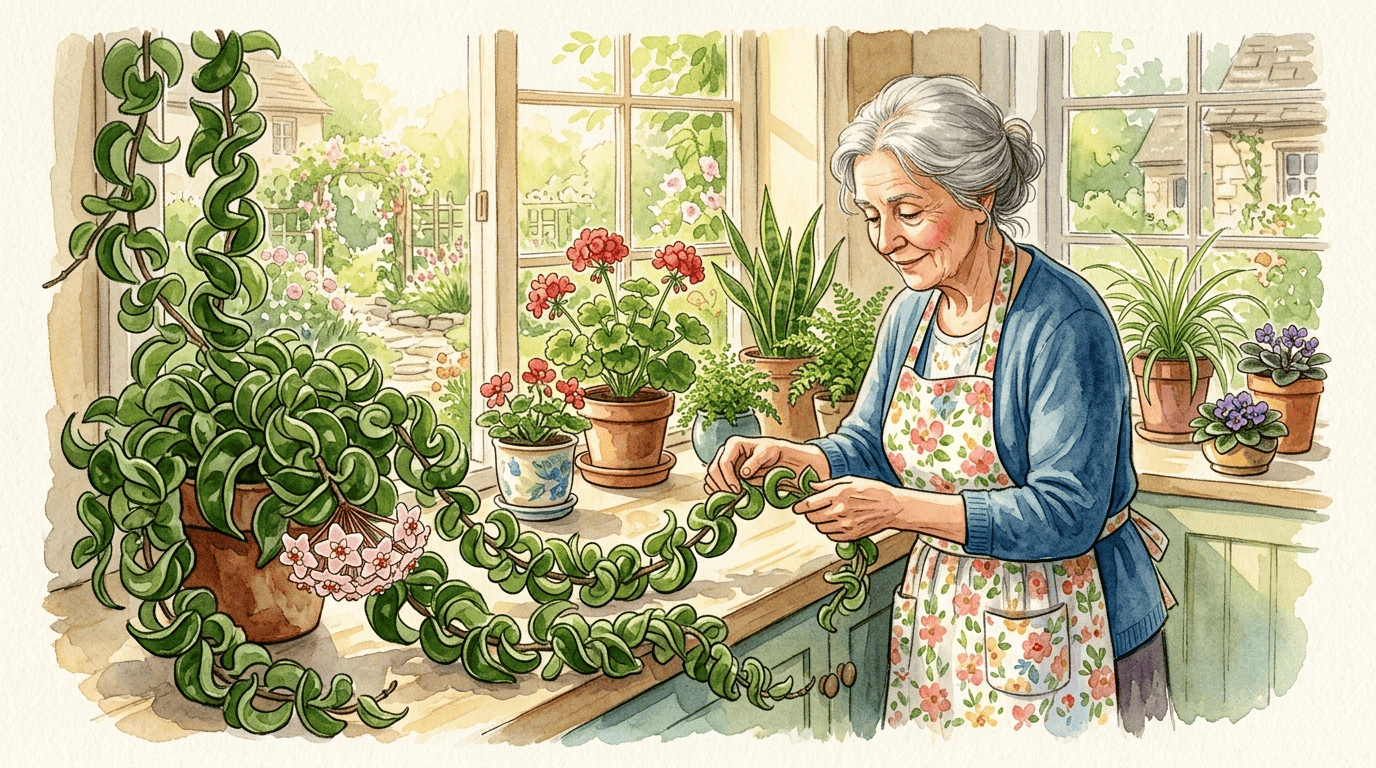
Introduced to American horticulture in the mid-20th century, it became a fixture of grandmother-era windowsill collections and has remained popular ever since for its unusual rope-like form. Grows very slowly, making each plant long-lived and compact.
Symbolism & meaning
What It Symbolizes
The Wax Plant carries curiosity in its strange twisted, curling foliage — a leaf form that almost asks to be examined. Paired with endurance, hoyas are famously long-lived heirloom houseplants, sometimes passed from one generation of windowsill to the next. To grow one is to keep both a conversation piece and a slow, patient companion that may outlast the room it lives in.
- Curiosity — unusual twisted leaf form draws attention
- Endurance — long-lived heirloom houseplant
Where the Name Comes From
'Compacta' refers to the densely packed twisted leaves; 'Hoya' honors Thomas Hoy, gardener to the Duke of Northumberland.
Uses & Fun Facts
- Waxy star-flower clusters release sweet nighttime chocolate scent
- Curly Hindu rope hoya ideal for hanging baskets indoors
Related plants
More Hoya plants
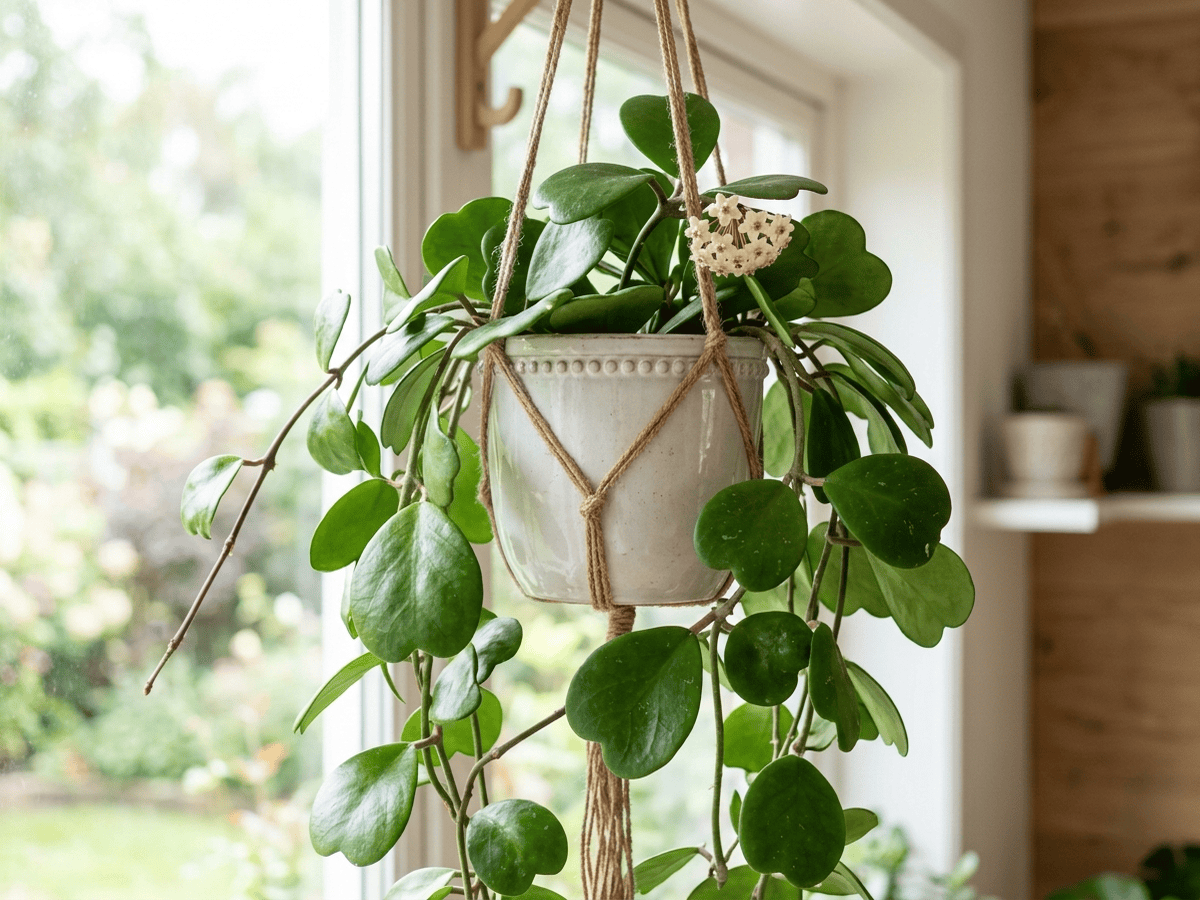
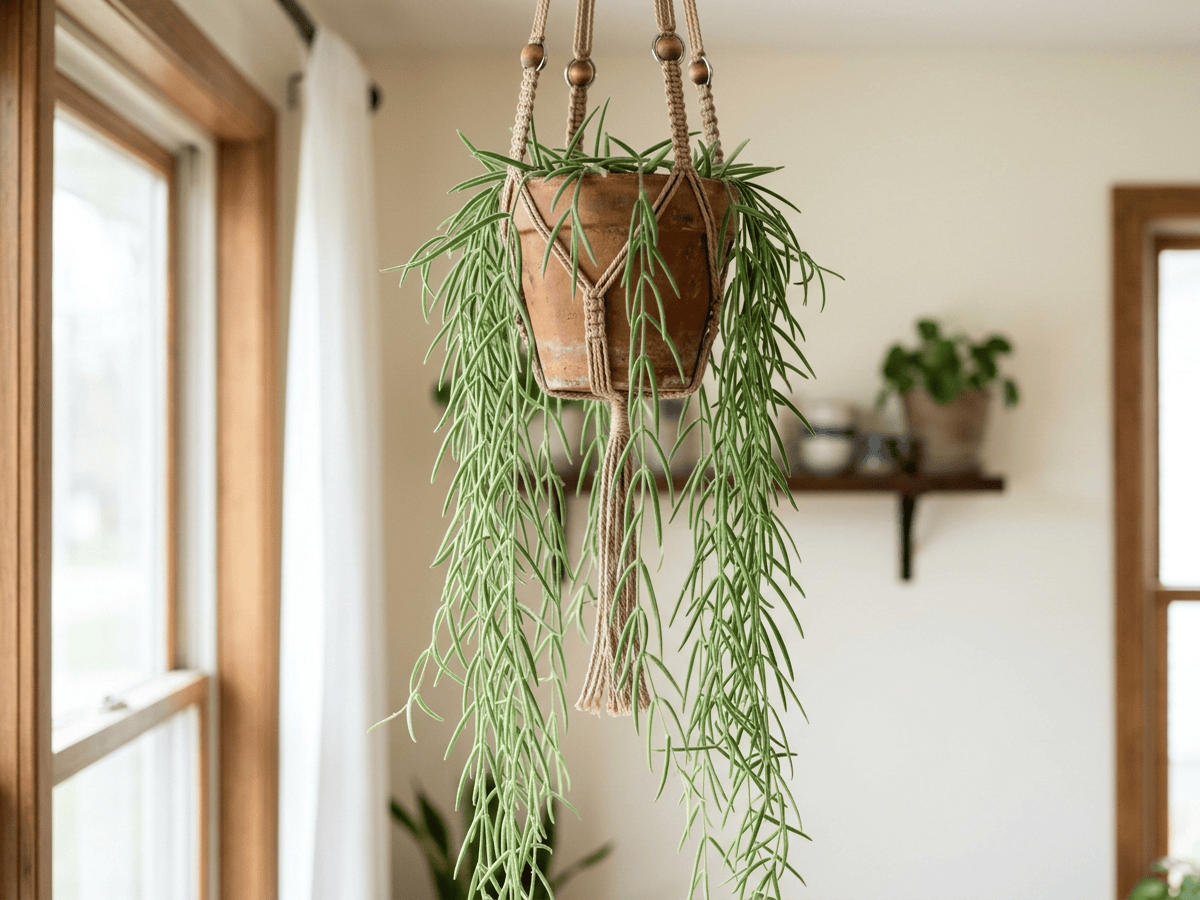
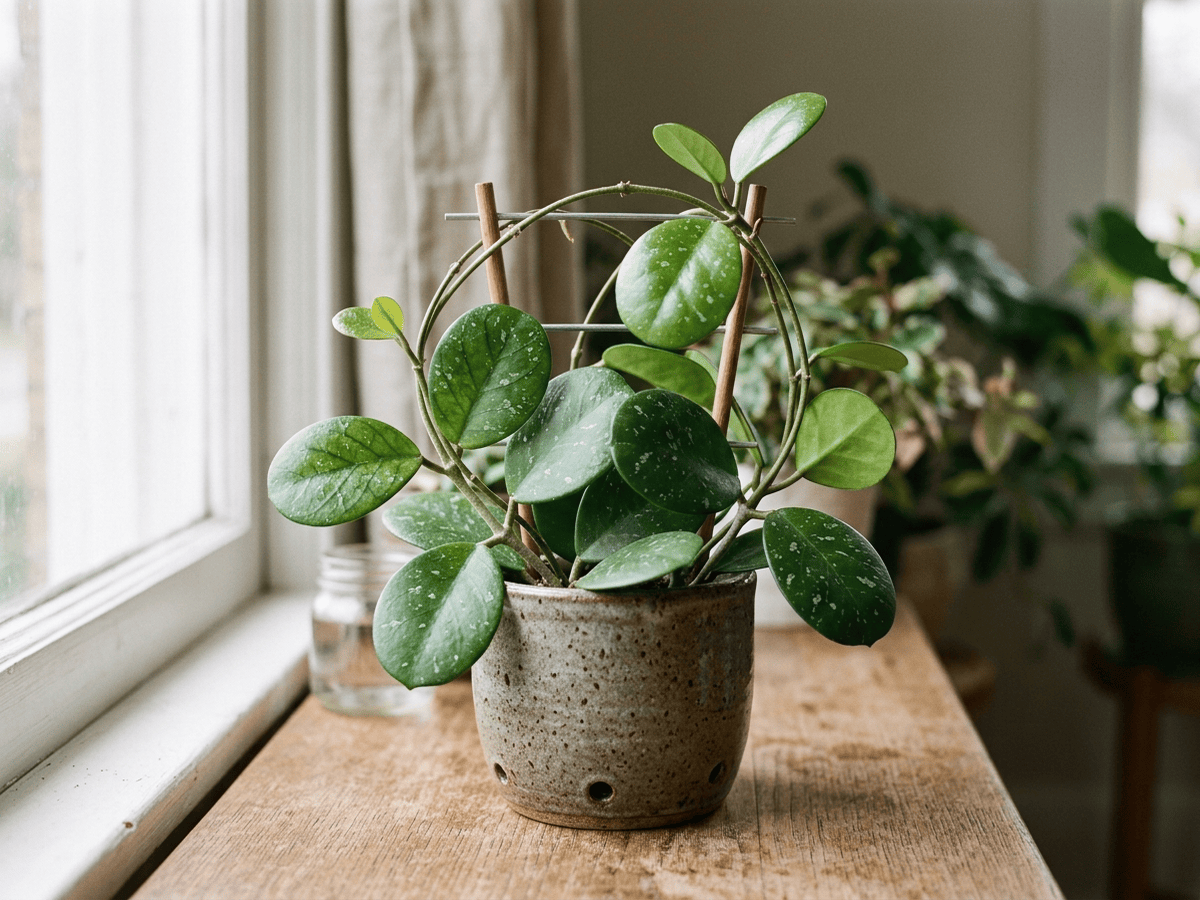
Plants with similar care
 Giant TaroAlocasia macrorrhizos
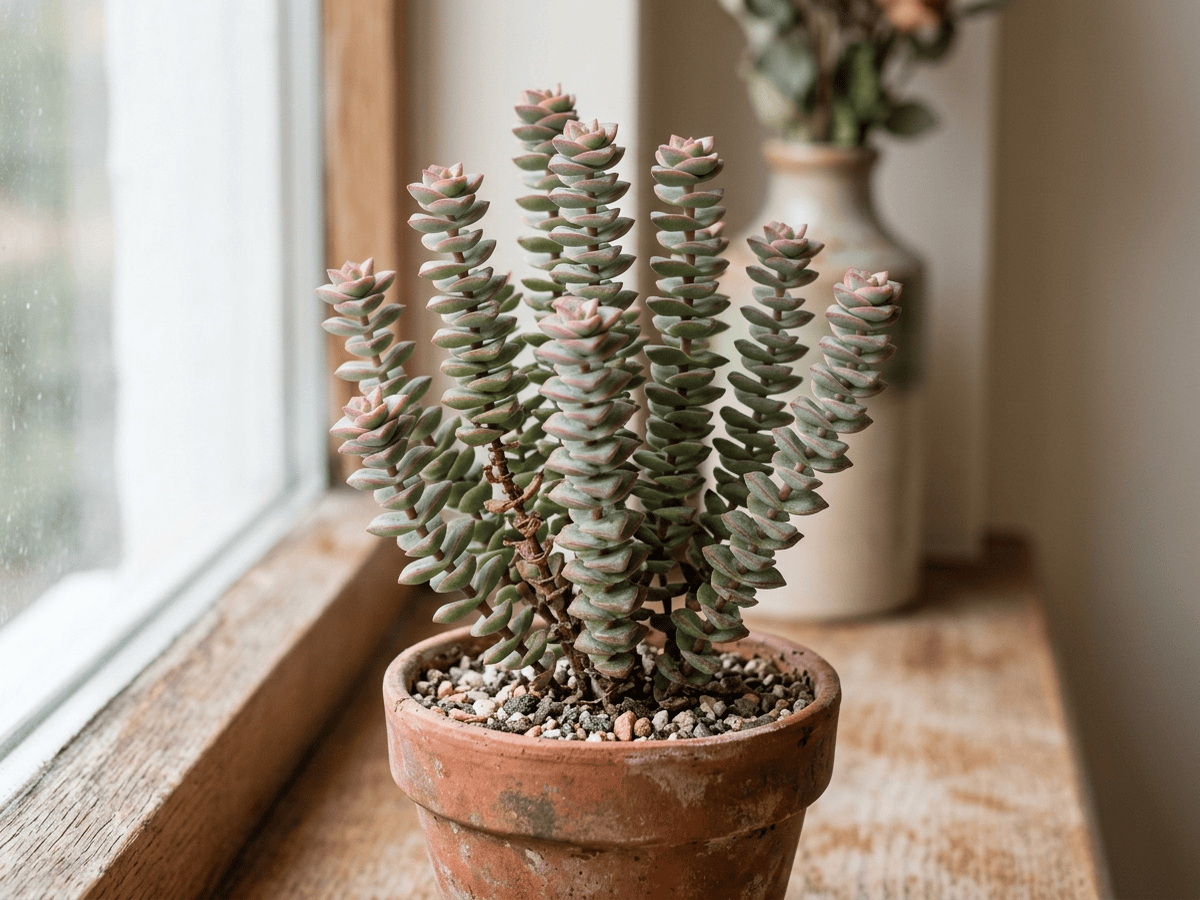 Concertina PlantCrassula perforata
 Song Of IndiaDracaena reflexa
 Snake PlantDracaena trifasciata
Frequently asked questions
How often should I water Wax Plant?
In summer, water about every 10 days; in winter, about every 21 days. Adjust for heat, pot size and drainage.
How much light does Wax Plant need?
Indirect: Filtered light. Watch the leaves — scorching or stretching means the light needs adjusting.
Is Wax Plant toxic to cats or dogs?
Pets Safe (Dogs Safe · Cats Safe) Educational information, not medical or veterinary advice. If exposure is suspected, contact a doctor or veterinarian.
Is Wax Plant easy to grow?
Yes — it is considered an easy, beginner-friendly plant.
Can Wax Plant be grown indoors?
Yes, it adapts well to indoor growing given the right light.
When does Wax Plant bloom?
It typically blooms Jun–Aug in the Northern Hemisphere.
YardMate
Identify any plant in seconds
Snap a photo — YardMate names the plant, diagnoses problems, and reminds you when to water.
Download on the App Store