 YardMate

Heart Hoya
Hoya kerrii
Easy · Beginner friendlyAbout Heart Hoya
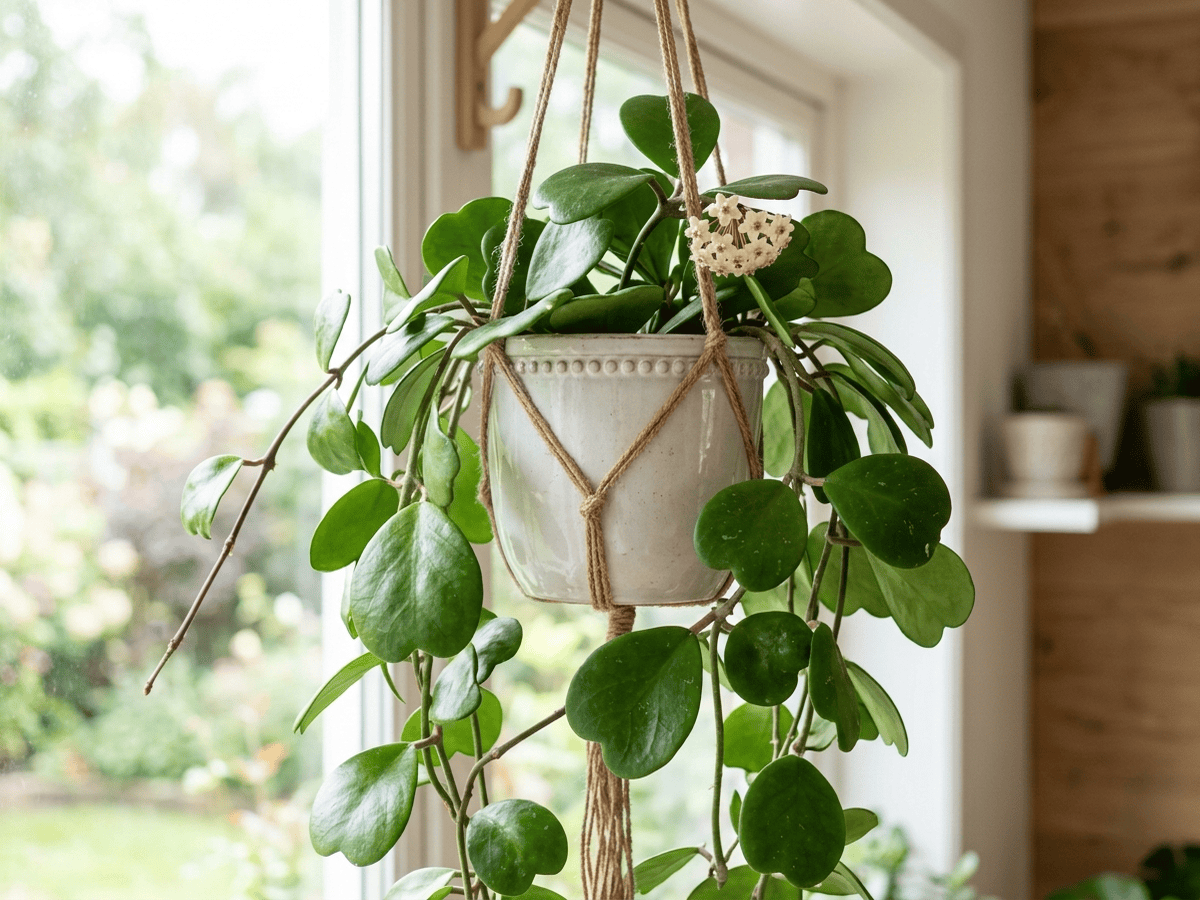
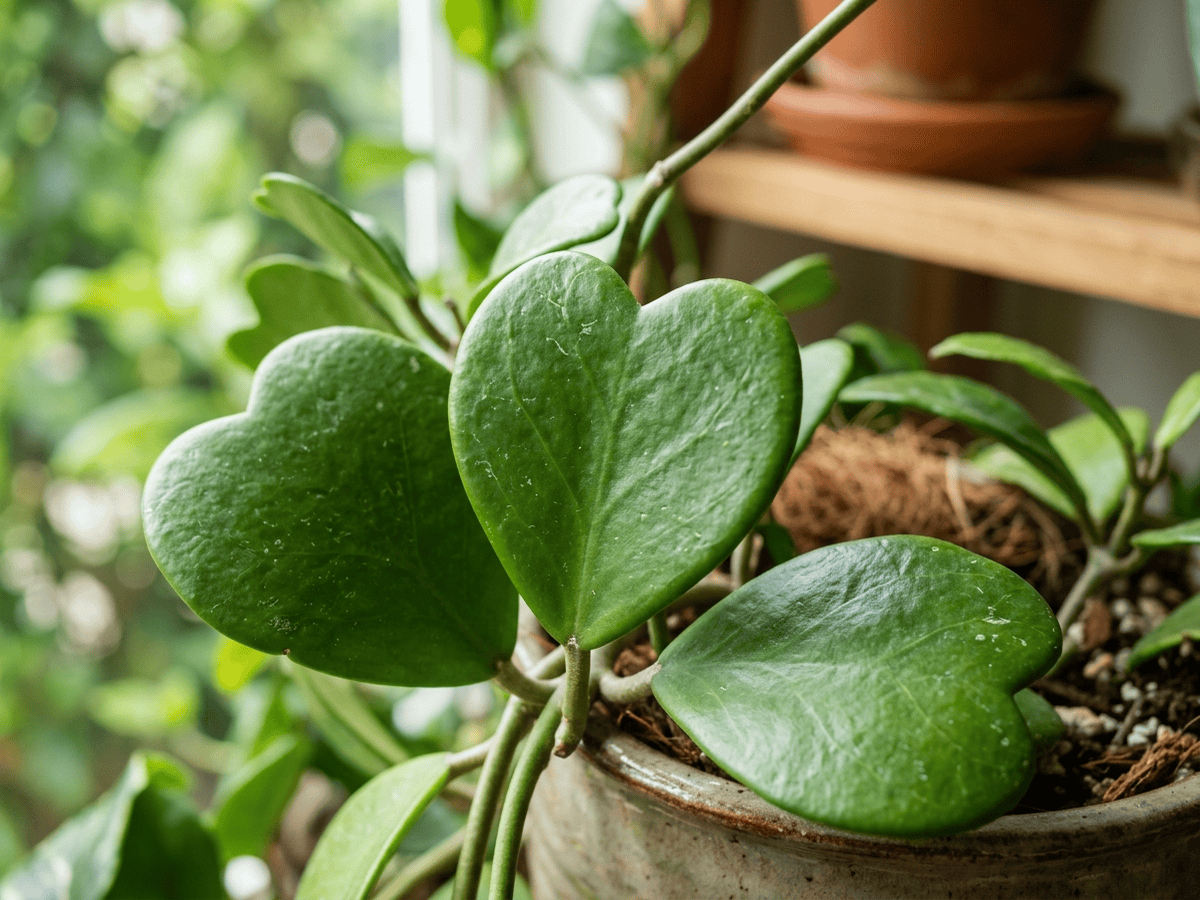
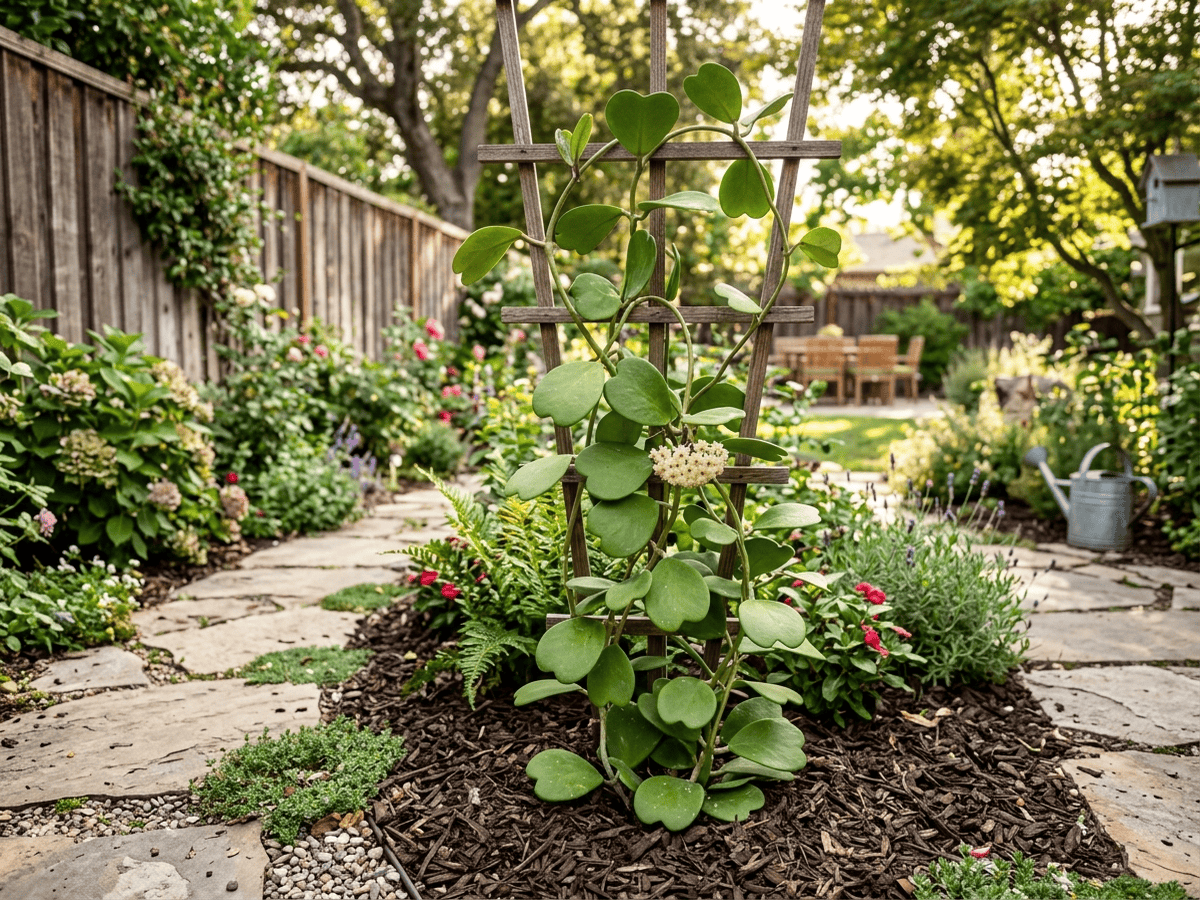
Hoya kerrii, the sweetheart plant, is beloved for its perfectly heart-shaped, thick succulent leaves. Native to Southeast Asian forests, it climbs using aerial roots and can grow several meters as a mature vine with clusters of small, fuzzy, red-centered flowers. However, most people know it from single-leaf cuttings sold in cute pots as Valentine's Day gifts. A single leaf can survive for years but rarely grows into a vine unless a stem node was included. Full plants are slow-growing but eventually produce the same waxy, fragrant flower clusters as other Hoyas.
- Trailing
- Drought-tolerant
- Low-maintenance
- Container-friendly
How to care for Heart Hoya
Watering
- Springevery 10 days
- Summerevery 7 days
- Fallevery 14 days
- Winterevery 21 days
Soil · Fast-draining
- Main mixSand + pumice + soil 1:1:150%
- DrainagePumice / gravel50%
Keep grit at half the mix or more — this soil is meant to dry out fast.
FERTILIZER
Balanced Feed 14-14-14
An even feed covers all three needs at once, keeping leaves, roots and blooms moving together with nothing pushed out of balance.
- Nitrogen · Leaves
- Phosphorus · Roots + Blooms
- Potassium · Strength
- Springevery 45 days
- Summerevery 45 days
- Fallevery 60 days
At a Glance
- NativeEast Asia
- Height0.5–1 ft (0.2–0.3 m)
- Spread0.5–1 ft (0.2–0.3 m)
- Flower colorPink, Red
- Foliage colorGreen, Variegated
- SoilWell-drained, Loamy
- LocationsIndoor
Bloom time
BLOOM CYCLE
Peak bloom
Jun–Aug
Fuzzy pink-red flower clusters; requires mature vine
Fragrance
MODERATE FRAGRANCE
Flowers have a sweet butterscotch scent, most noticeable at night.
Toxicity
No toxicity has been reported for this plant. Still, it is wise to keep pets from chewing on any houseplant.
Educational information, not medical or veterinary advice. If exposure is suspected, contact a doctor or veterinarian.
DISTRIBUTION


- Native
- Introduced
- East Asia
History
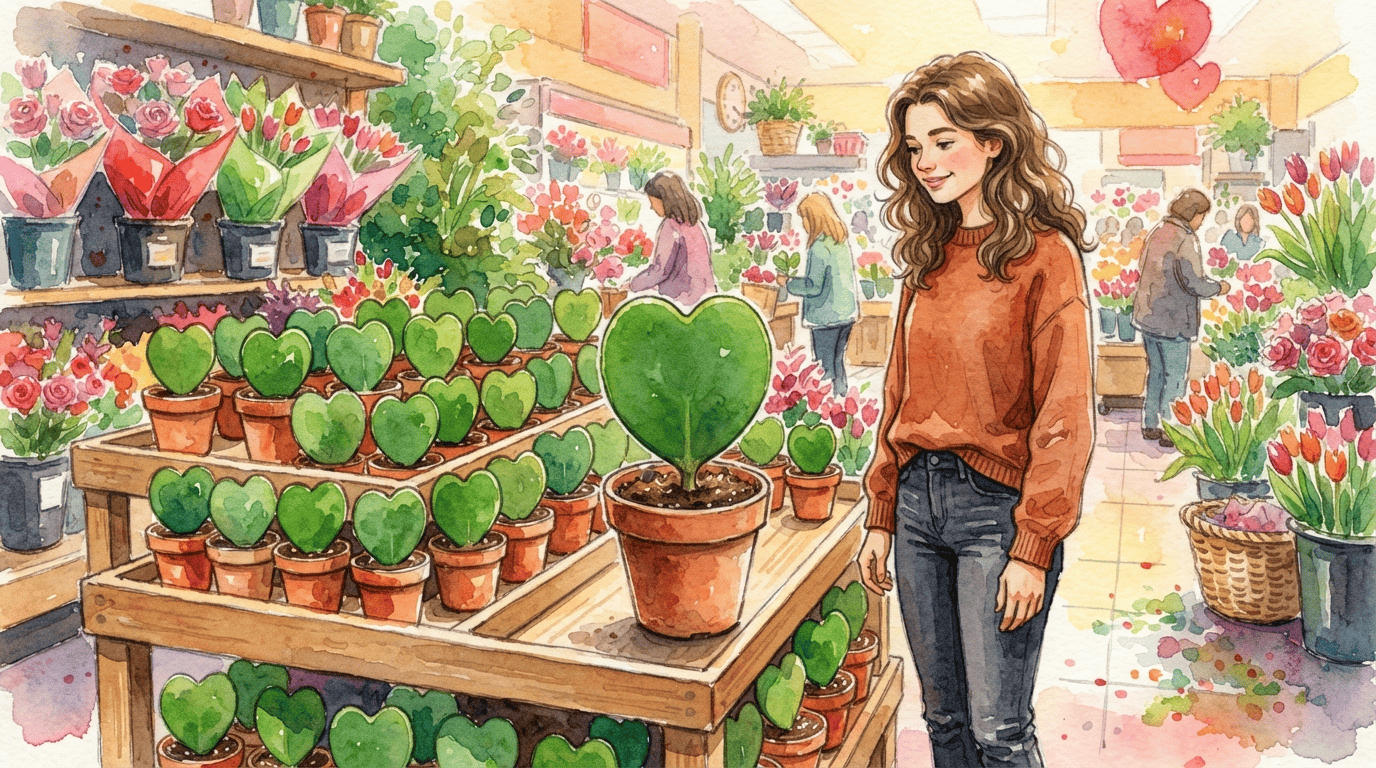
Hoya kerrii is native to Thailand, Laos, Cambodia, Vietnam, and southern China, where it climbs as a woody-stemmed epiphyte in tropical forest. It was described in 1911 and named after the British physician and botanist Arthur Francis George Kerr, who collected extensively in Thailand in the early 20th century. Its famous heart-shaped succulent leaves made it a novelty Valentine's Day gift worldwide; the 'single-leaf-in-a-pot' version sold at supermarkets is a rooted leaf-cutting without a growing node, and although the leaf can remain alive and attractive for years, it will typically never grow into a full plant.
To get a climbing vine, one needs a cutting that includes part of a stem with a node. Flowers are fragrant clustered star-shaped blooms, and the plant is pet-safe. While trekking through Doi Suthep mountain near Chiang Mai, he found the heart-leaved vine climbing a tree.
The plant remained relatively obscure until garden centers discovered its marketing potential for Valentine's Day in the early 2000s. Single-leaf cuttings — adorable but often lacking the stem node needed to grow into a vine — became a global Valentine's Day phenomenon, selling millions of units each February. A variegated form with creamy white edges is especially sought-after.
Symbolism & meaning
What It Symbolizes
Heart Hoya needs no flower to declare its meaning, for each thick succulent leaf is already a perfect heart, making it a universal symbol of love and romantic affection. Often sold as a single rooted leaf at Valentine's, it has become the houseplant of given hearts. It is the bloom whose foliage is the message, a slow-growing emblem of feeling that asks only patience and a sunny windowsill.
- Love — Its perfect heart-shaped leaves make it a universal symbol of romantic affection
Where the Name Comes From
Hoya for Thomas Hoy. Kerrii honors Arthur Francis George Kerr, the Irish doctor-botanist who discovered it in Thailand in 1911.
Uses & Fun Facts
- Heart-shaped leaf cuttings sold as Valentine's gifts
- Mature vine climbs by aerial roots in collector greenhouses
- Thick succulent heart leaves as novelty houseplant
Related plants
More Hoya plants
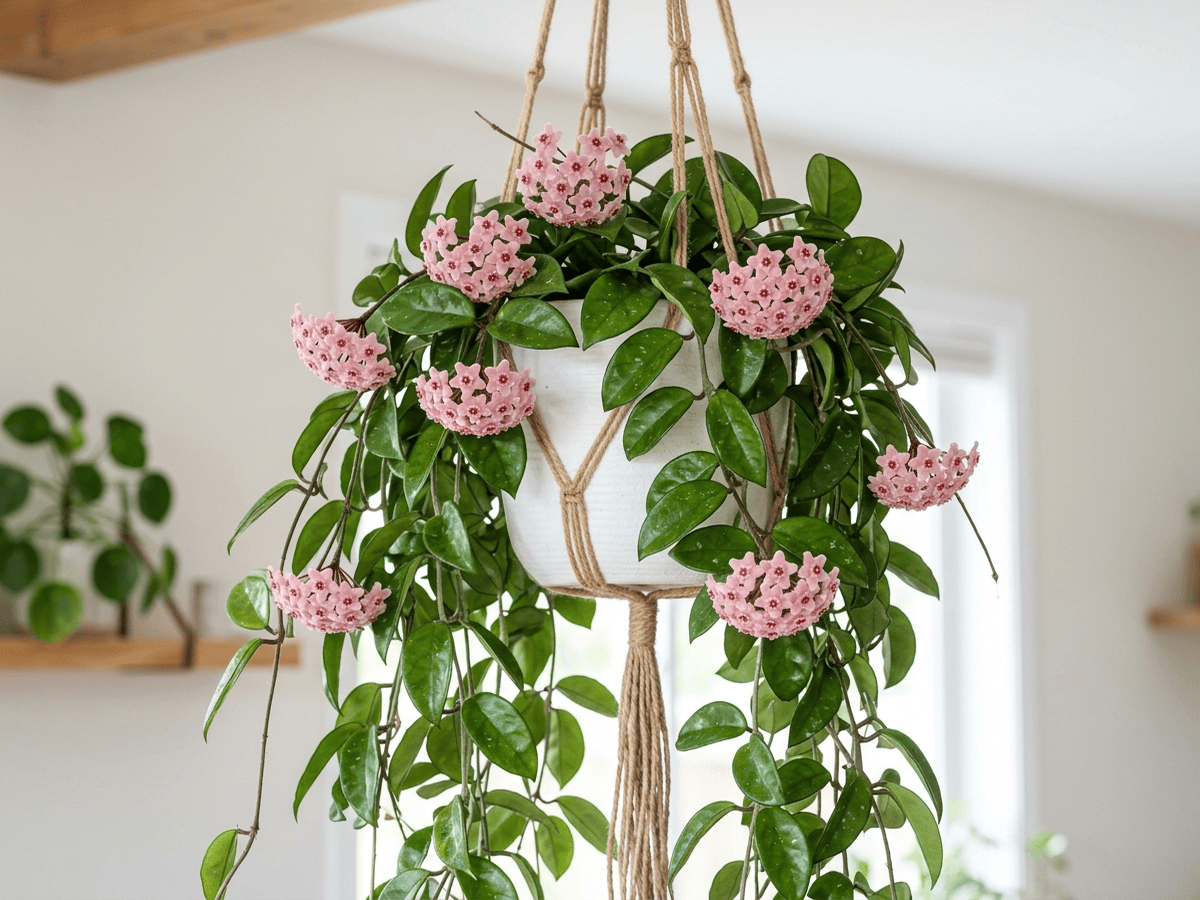
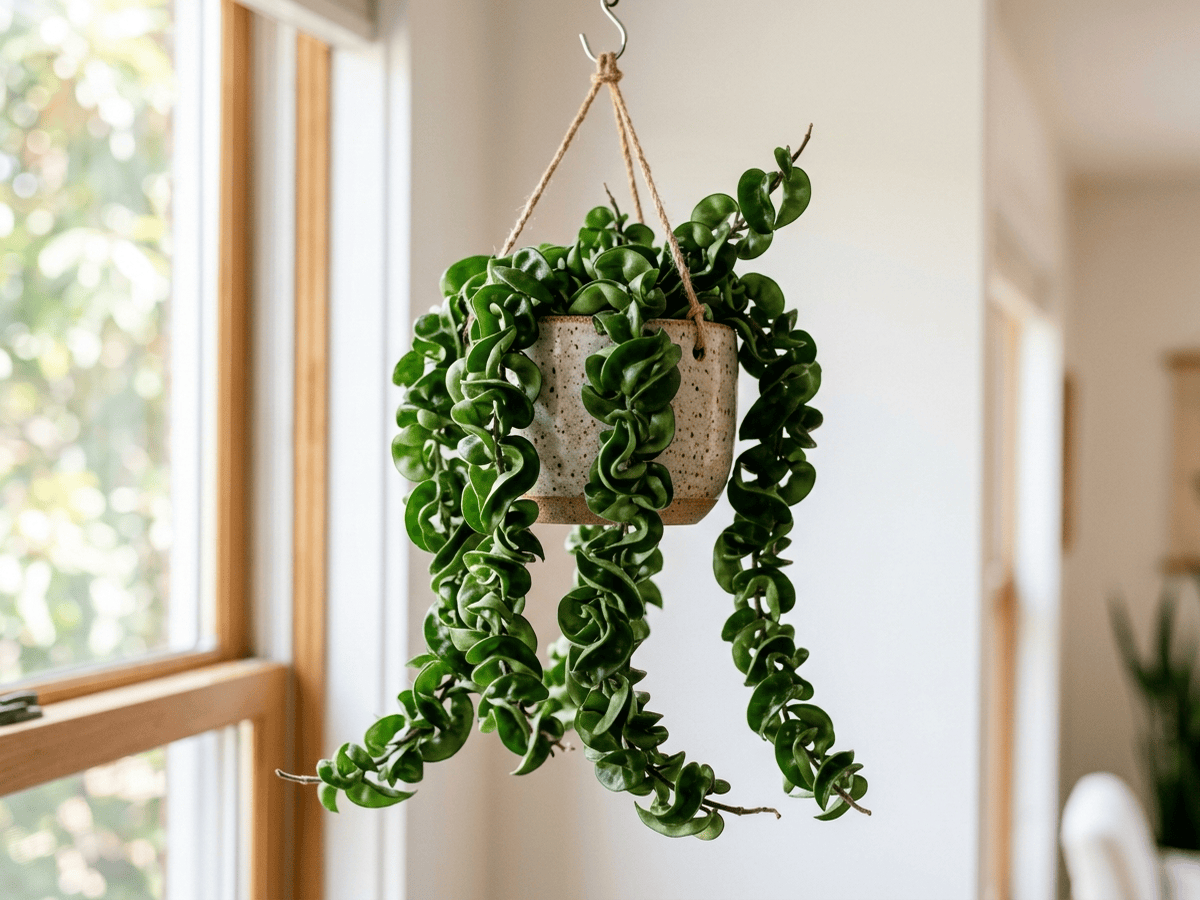
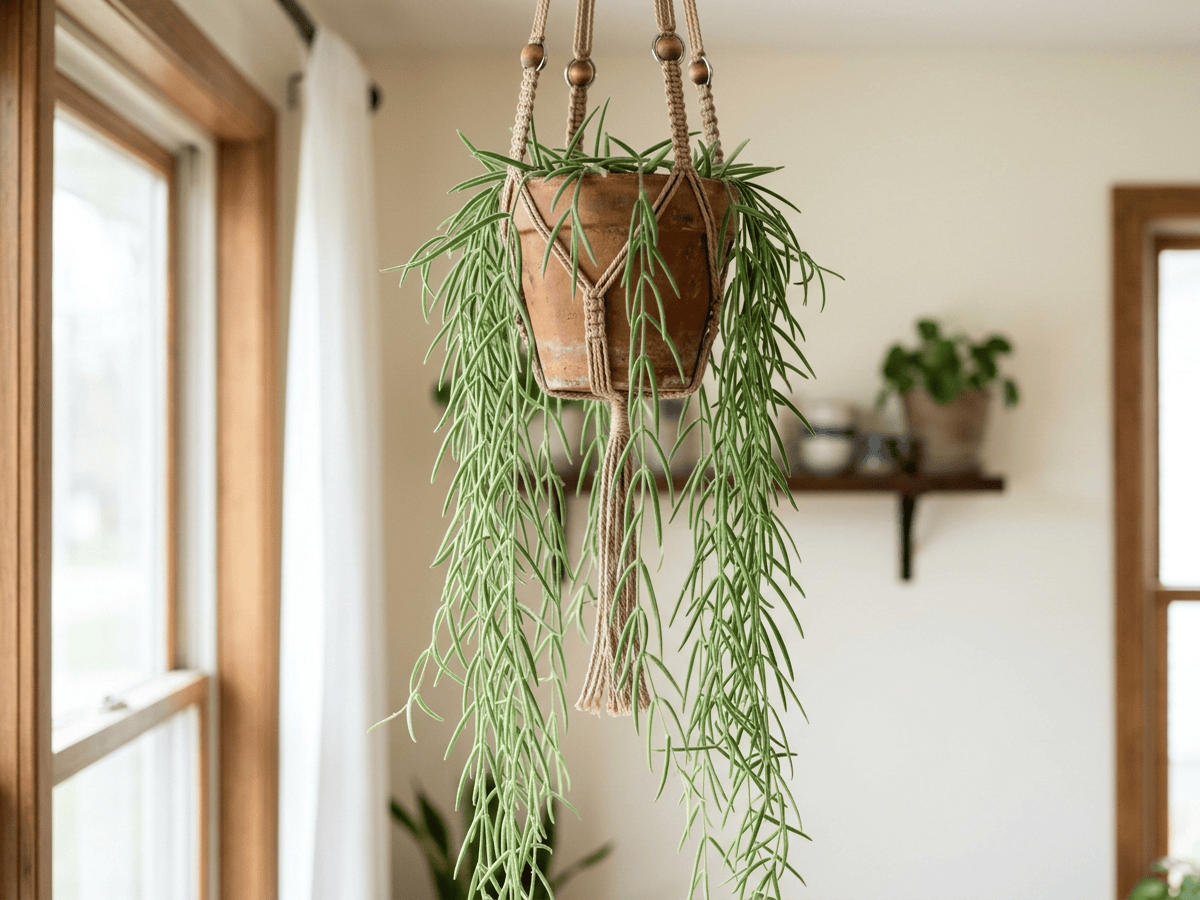
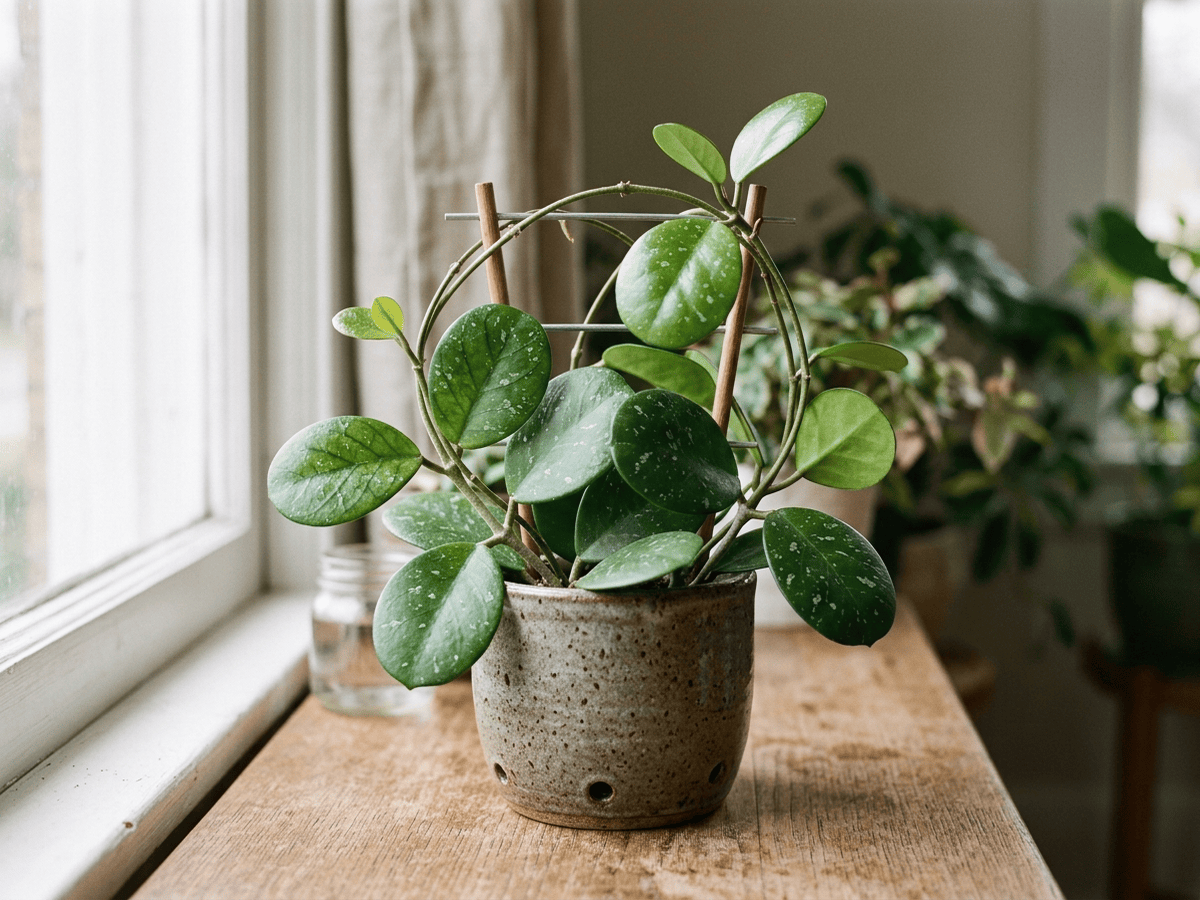
Plants with similar care
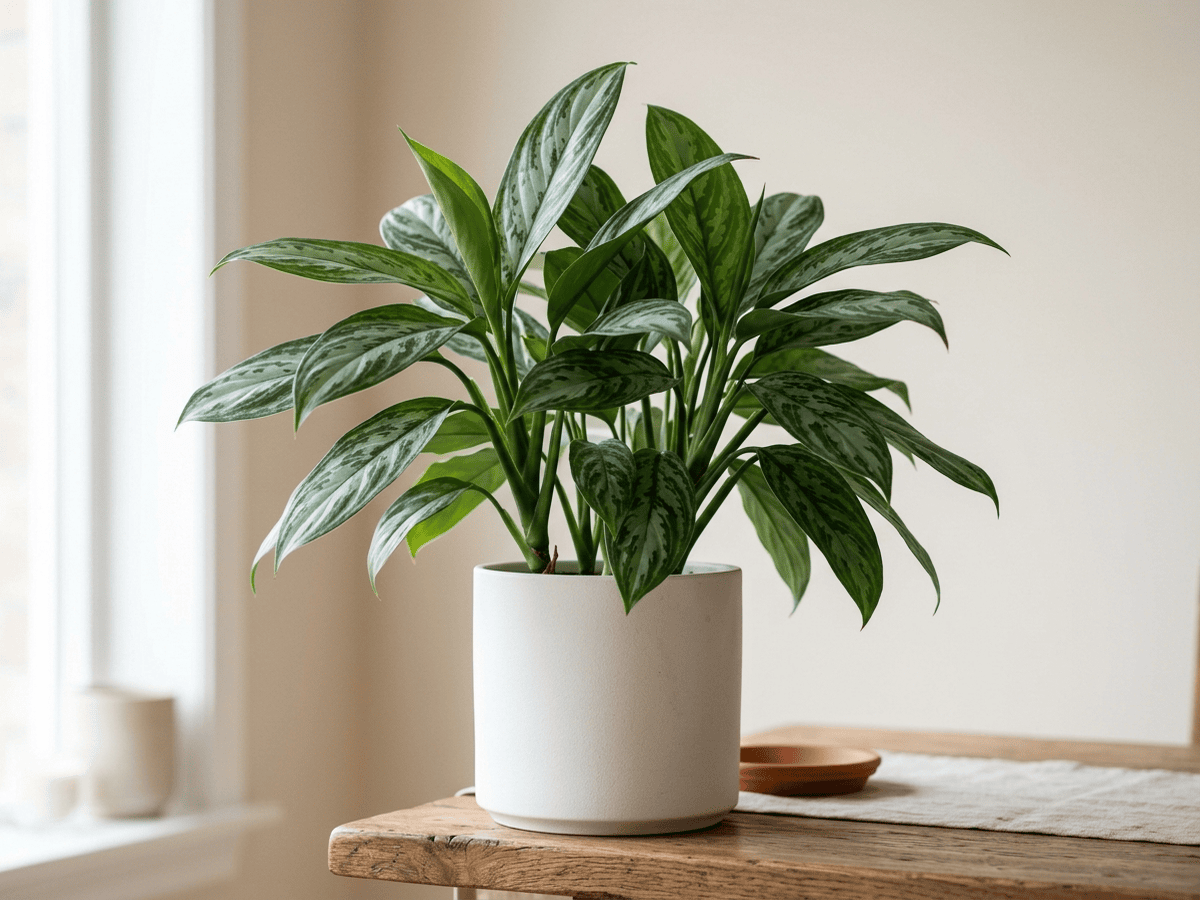 Philippine EvergreenAglaonema commutatum
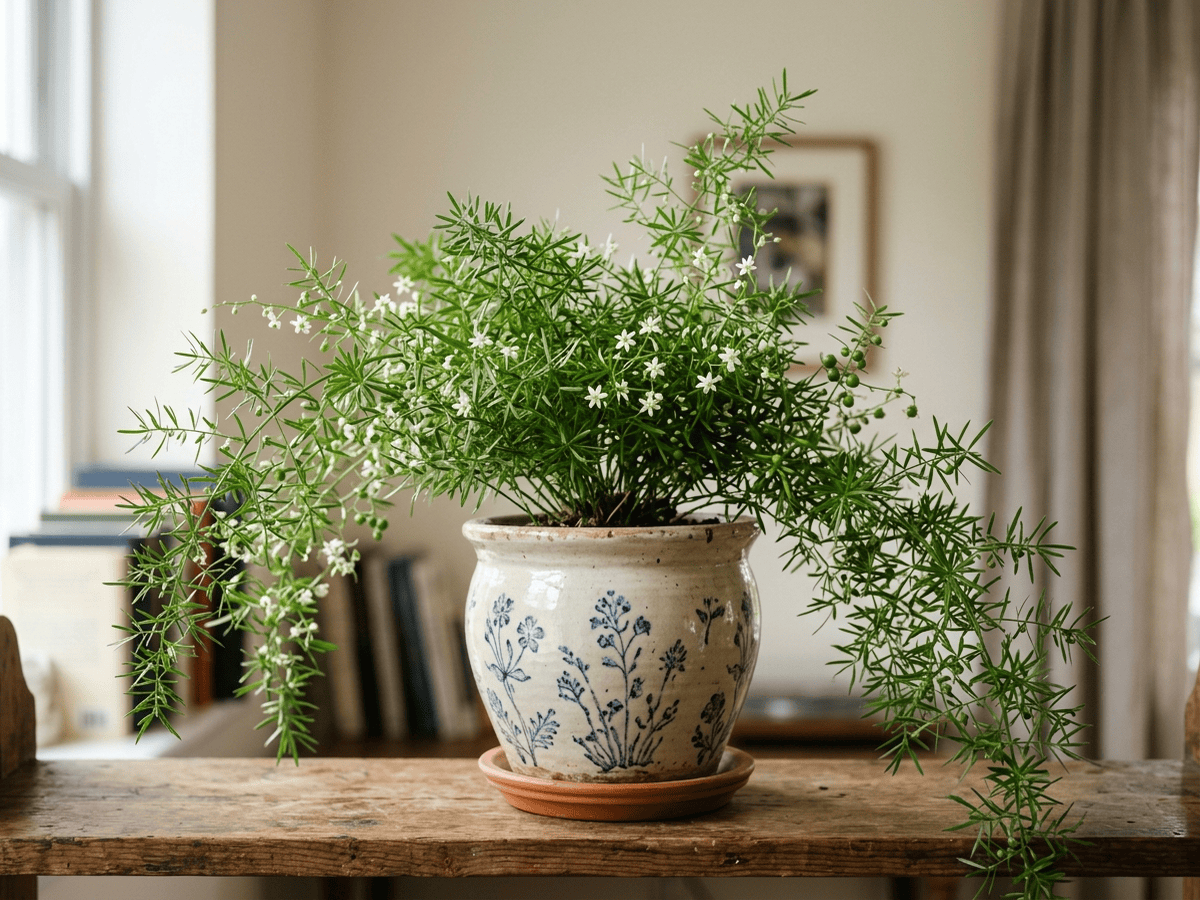 Sprenger's AsparagusAsparagus densiflorus
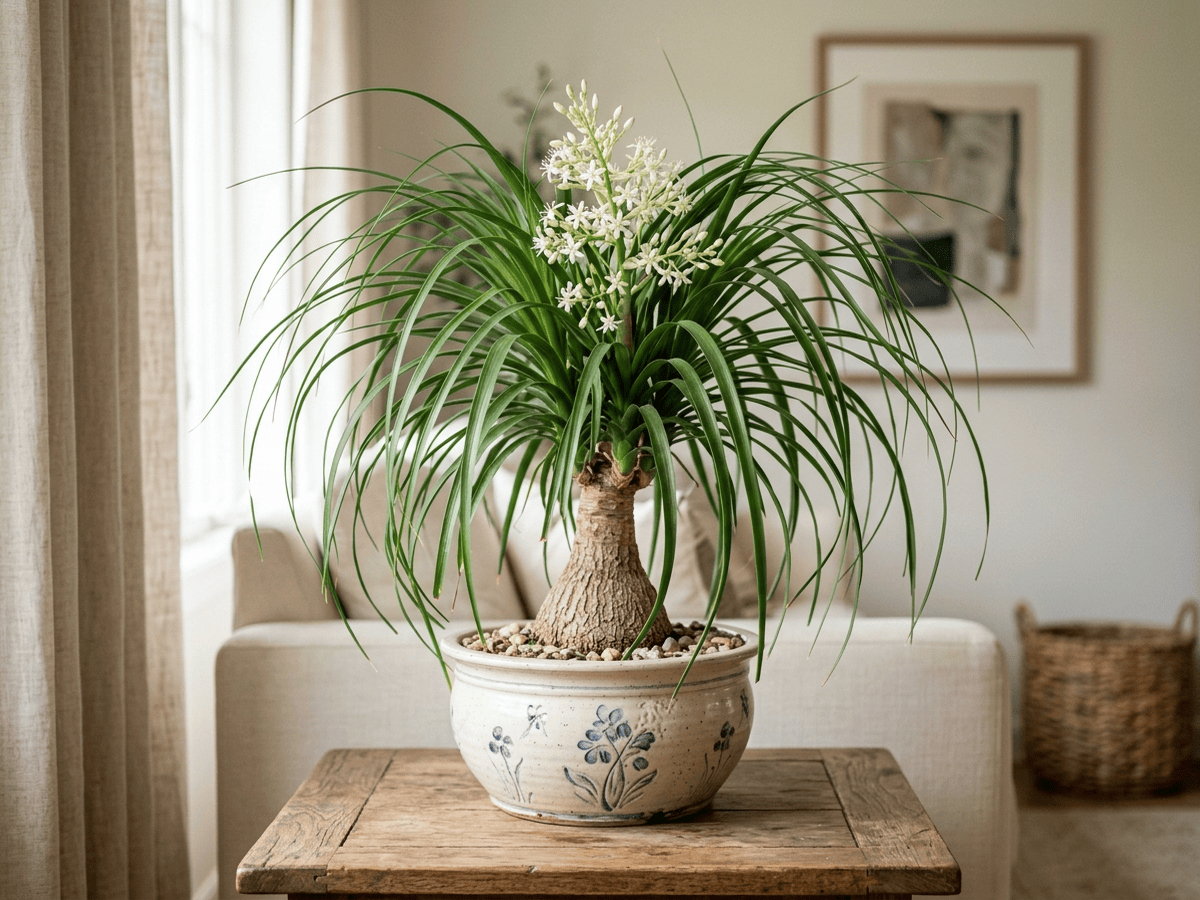 Ponytail PalmBeaucarnea recurvata
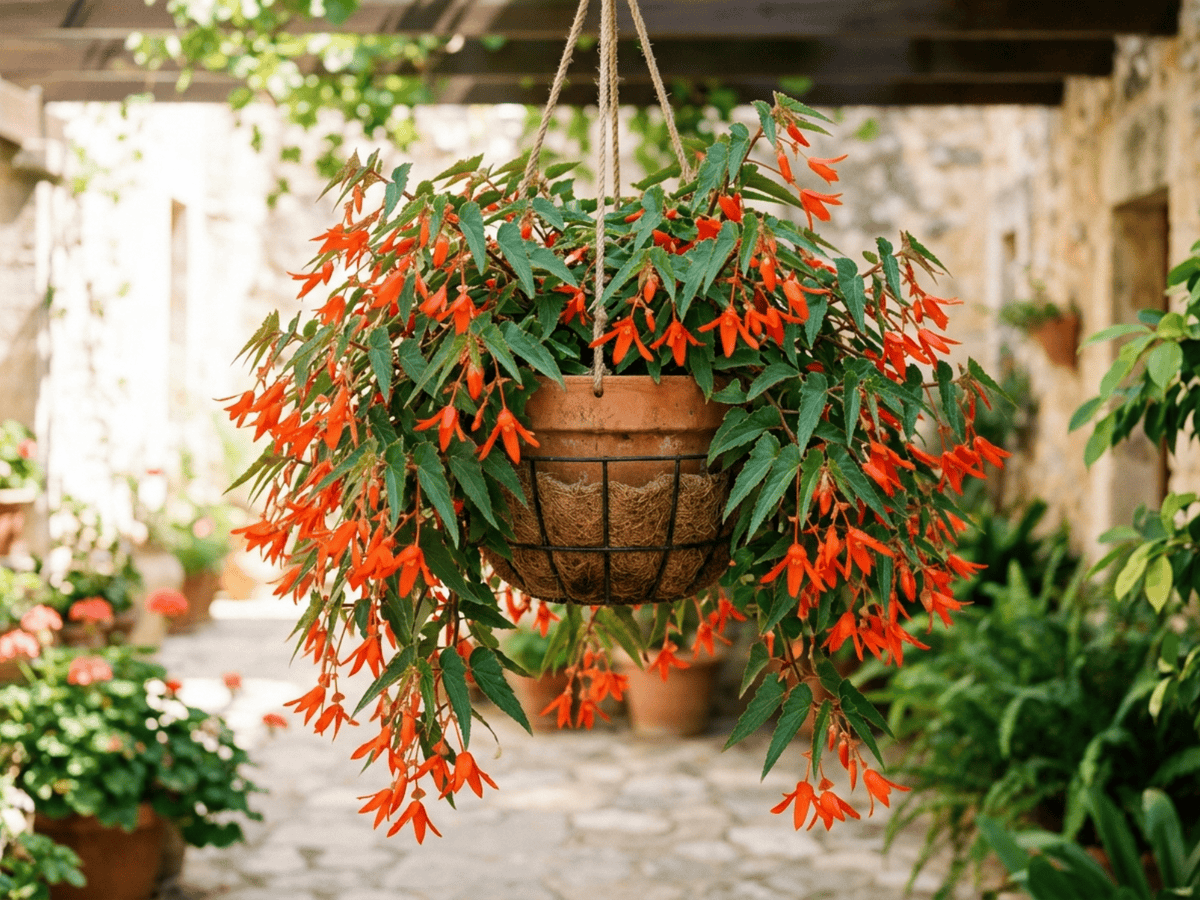 Tuberous BegoniaBegonia boliviensis
Frequently asked questions
How often should I water Heart Hoya?
In summer, water about every 7 days; in winter, about every 21 days. Adjust for heat, pot size and drainage.
How much light does Heart Hoya need?
Part shade: 2–4 hrs direct. Watch the leaves — scorching or stretching means the light needs adjusting.
Is Heart Hoya toxic to cats or dogs?
No toxicity has been reported for this plant. Still, it is wise to keep pets from chewing on any houseplant. Educational information, not medical or veterinary advice. If exposure is suspected, contact a doctor or veterinarian.
Is Heart Hoya easy to grow?
Yes — it is considered an easy, beginner-friendly plant.
Can Heart Hoya be grown indoors?
Yes, it adapts well to indoor growing given the right light.
When does Heart Hoya bloom?
It typically blooms Jun–Aug in the Northern Hemisphere.
YardMate
Identify any plant in seconds
Snap a photo — YardMate names the plant, diagnoses problems, and reminds you when to water.
Download on the App Store