 YardMate

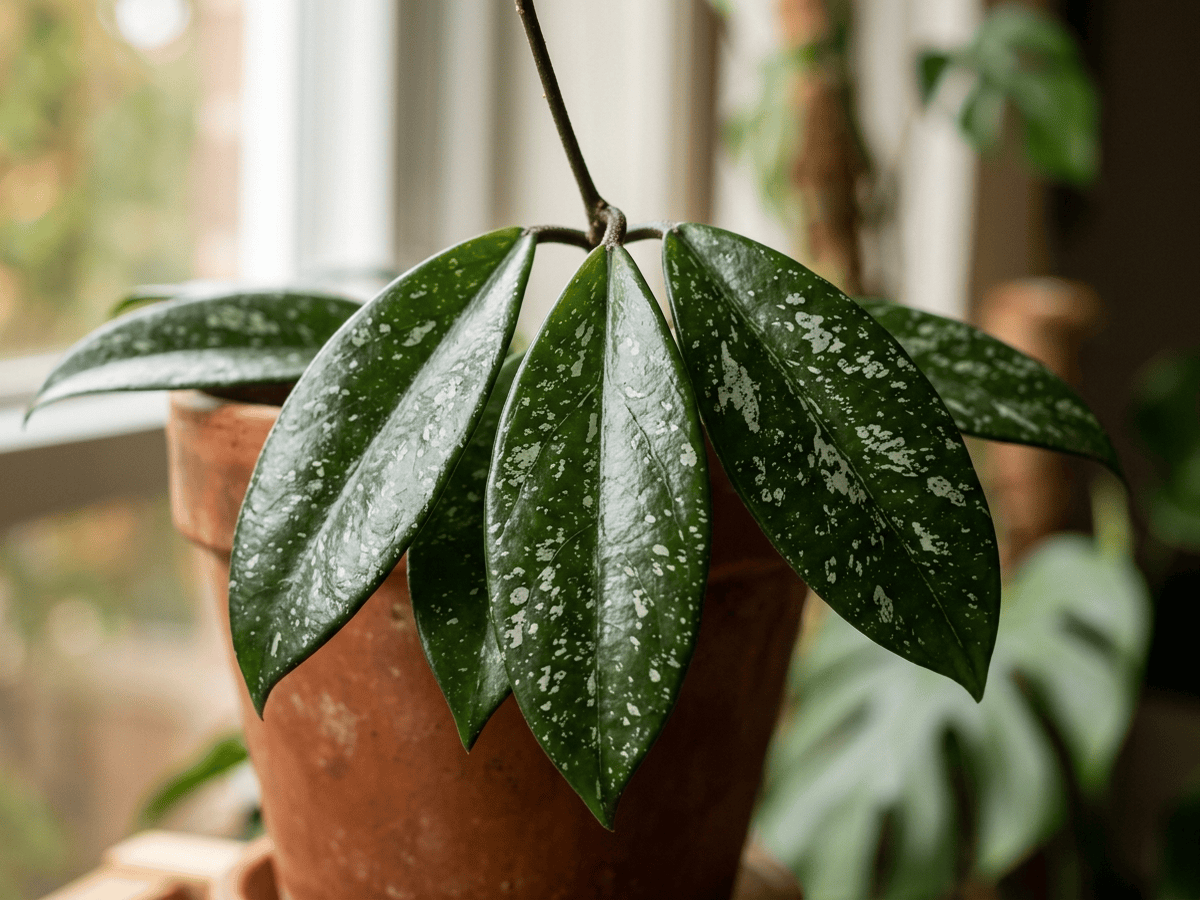

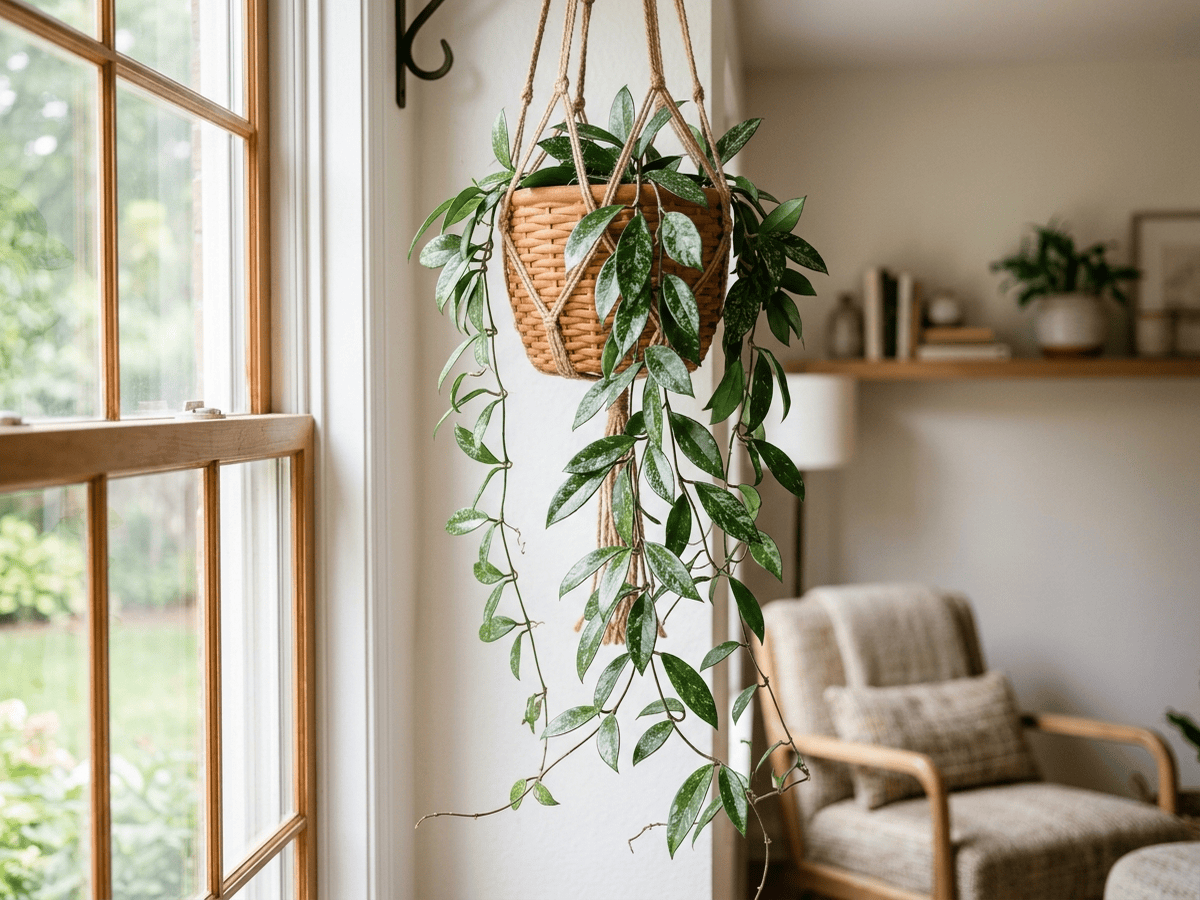
Hoya pubicalyx
Hoya pubicalyx
Easy · Beginner friendlyAbout Hoya pubicalyx
Hoya pubicalyx is a vigorous Philippine epiphytic vine with thick waxy oval green leaves often splashed with silvery flecks. Climbing or trailing 4-10 feet, it produces clusters of dozens of small star-shaped wax-textured flowers in shades from deep red-black through pink to lavender, depending on the cultivar. The 'Royal Hawaiian Purple' selection produces some of the darkest hoya flowers known—nearly black at peak bloom. A reliable beginner hoya for American collectors.
- Fragrant
- Evergreen
- Trailing
- Container-friendly
How to care for Hoya pubicalyx
Watering
- Springevery 10 days
- Summerevery 10 days
- Fallevery 14 days
- Winterevery 21 days
Soil · Fast-draining
- Main mixSand + pumice + soil 1:1:150%
- DrainagePumice / gravel50%
Keep grit at half the mix or more — this soil is meant to dry out fast.
FERTILIZER
Balanced Feed 14-14-14
An even feed covers all three needs at once, keeping leaves, roots and blooms moving together with nothing pushed out of balance.
- Nitrogen · Leaves
- Phosphorus · Roots + Blooms
- Potassium · Strength
- Springevery 45 days
- Summerevery 45 days
At a Glance
- NativeSoutheast Asia
- Height4–8 ft (1.2–2.4 m)
- Spread2–4 ft (0.6–1.2 m)
- Flower colorBurgundy, Red, Pink
- Foliage colorDark-green, Silver
- SoilWell-drained, Loamy
- LocationsIndoor · Balcony
Bloom time
BLOOM CYCLE
Peak bloom
Jun–Aug
Star-shaped wax flowers in red, pink, or near-black clusters in summer
Fragrance
MODERATE FRAGRANCE
Sweet nocturnal fragrance from flowers.
Toxicity
Pets Safe
None reported
Not reported
EXPOSURE No exposure route is reported.
EFFECT No toxic effect is reported.
NOTE No human toxicity is reported in this catalog; avoid eating ornamental plants unless confirmed edible.
Safe
EXPOSURE No exposure route is reported.
EFFECT No toxic effect is reported.
NOTE Listed as non-toxic for dogs; avoid eating ornamental plants unless confirmed edible.
Safe
EXPOSURE No exposure route is reported.
EFFECT No toxic effect is reported.
NOTE Listed as non-toxic for cats; avoid eating ornamental plants unless confirmed edible.
Educational information, not medical or veterinary advice. If exposure is suspected, contact a doctor or veterinarian.
DISTRIBUTION


- Native
- Southeast Asia
History
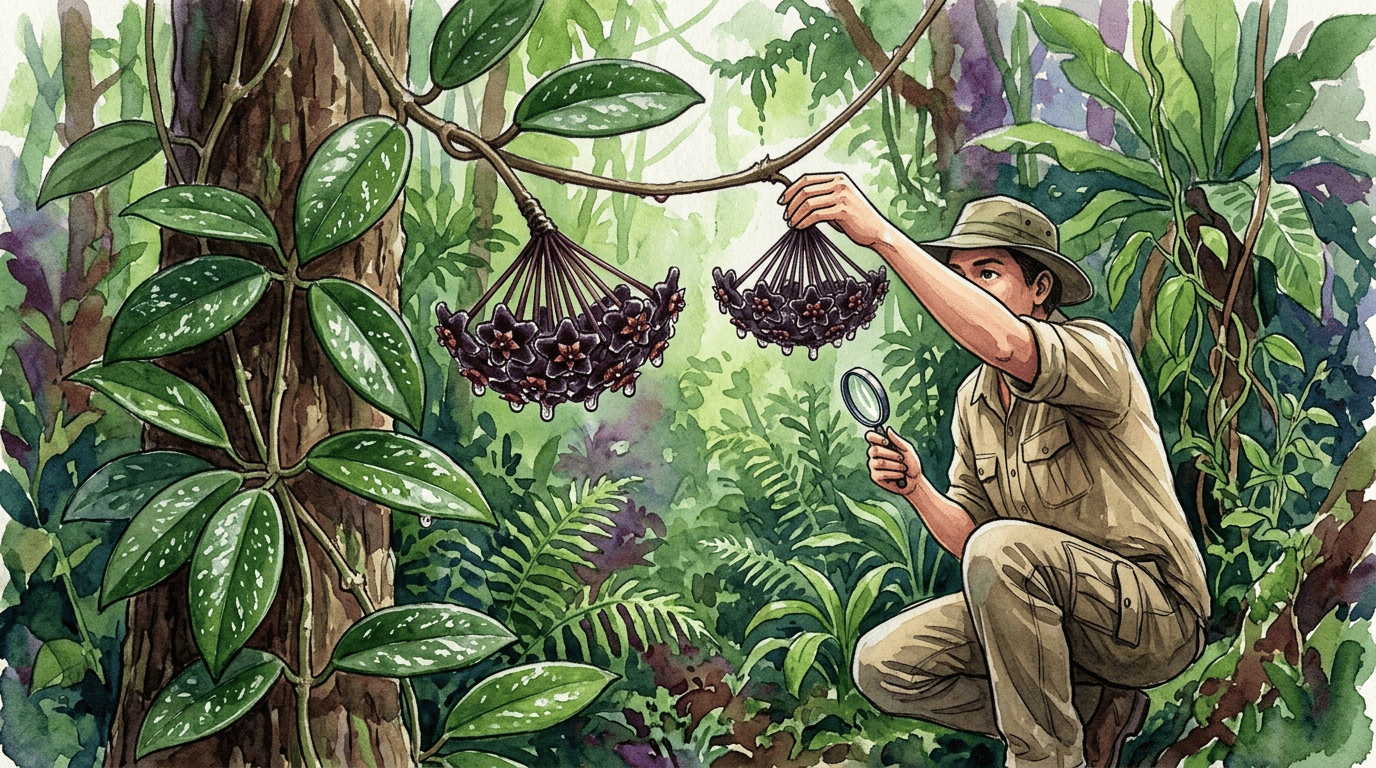
Hoya pubicalyx is a vigorous climbing twining vine in the milkweed family (Apocynaceae, subfamily Asclepiadoideae) endemic to the Philippines, particularly Luzon Island, where it grows as an epiphyte in lowland rainforest. American botanist Elmer Drew Merrill described the species in 1918 based on Philippine collections. The epithet pubicalyx refers to the fine pubescence on the calyx lobes.
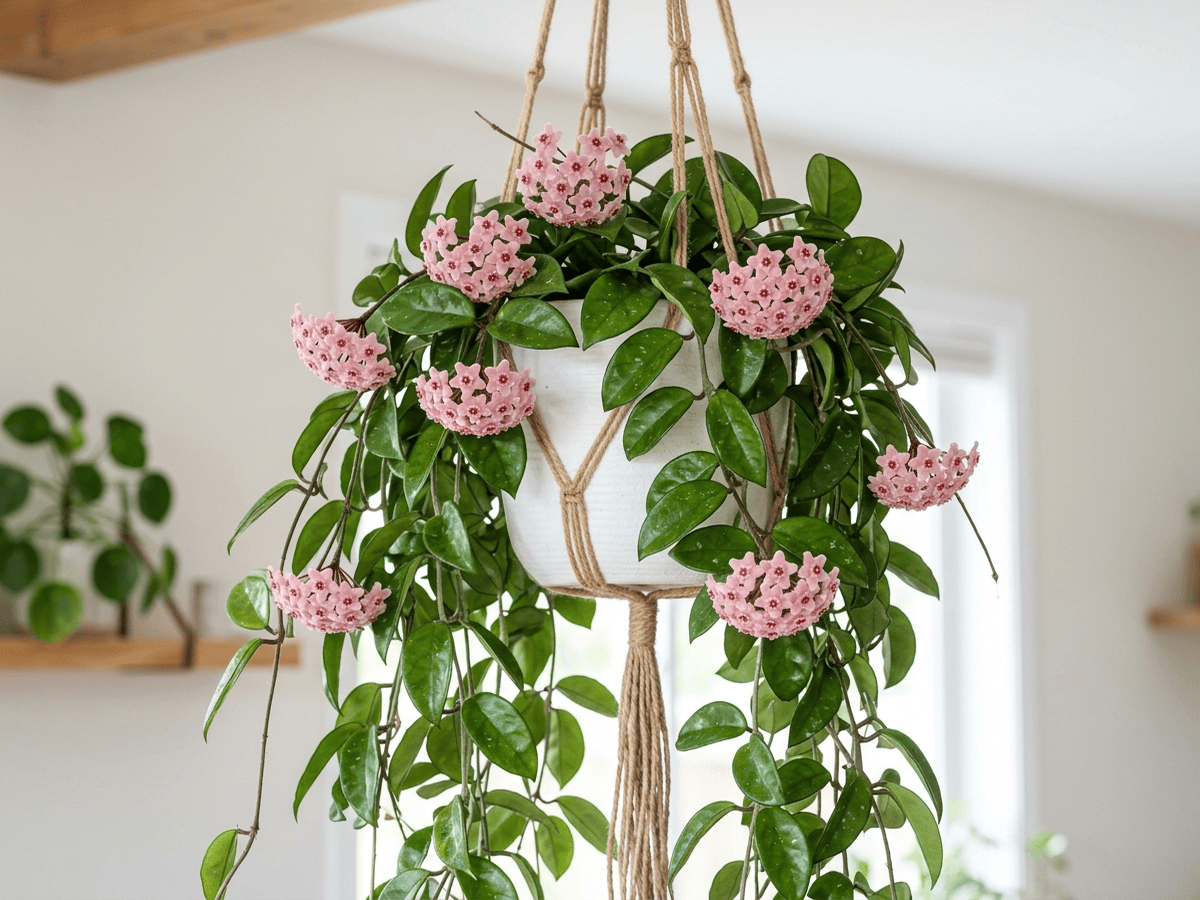
Plants are fast-growing climbers with thick 10-15 cm oval-elliptic dark green leaves, often irregularly flecked with silver in some clones. The showy feature is pendulous spherical umbels of 20-30 starry 1-1.5 cm waxy flowers in striking colors ranging from pale pink to deep burgundy-red, dark chocolate, or near-black (cultivars 'Red Buttons', 'Royal Hawaiian Purple', 'Black Dragon', 'Silver Pink'). The flowers exude a sweet nocturnal fragrance and secrete copious shiny nectar.
Among the fastest-blooming and easiest Hoya species for beginners, widely cultivated worldwide as a houseplant. Non-toxic to pets per ASPCA. Long popular in American houseplant collections, it returned to prominence during the 2010s-2020s houseplant boom as Hoyas became among the most actively traded collector plants. The Royal Hawaiian Purple selection emerged in mid-century Hawaiian horticulture.
Symbolism & meaning
What It Symbolizes
Hoya pubicalyx is devotion rewarded — give it years of consistent light and modest care and it answers with clusters of waxy star-flowers dripping nectar in little crystal beads. In its Philippine jungles it carries allure on the night air, its evening fragrance summoning moths to the canopy. It is the houseplant that teaches patience and then, eventually, dazzles the patient.
- Devotion — rewards consistent care with abundant blooms
- Allure — evening fragrance attracts moths in the wild
Where the Name Comes From
'Hoya' honors English botanist Thomas Hoy; 'pubicalyx' means hairy-calyx.
Uses & Fun Facts
- Trailing wax vine for hanging baskets in bright indirect light
- Star-shaped flower clusters release sweet evening fragrance
- Twines onto indoor trellises and moss poles over time
Related plants
More Hoya plants
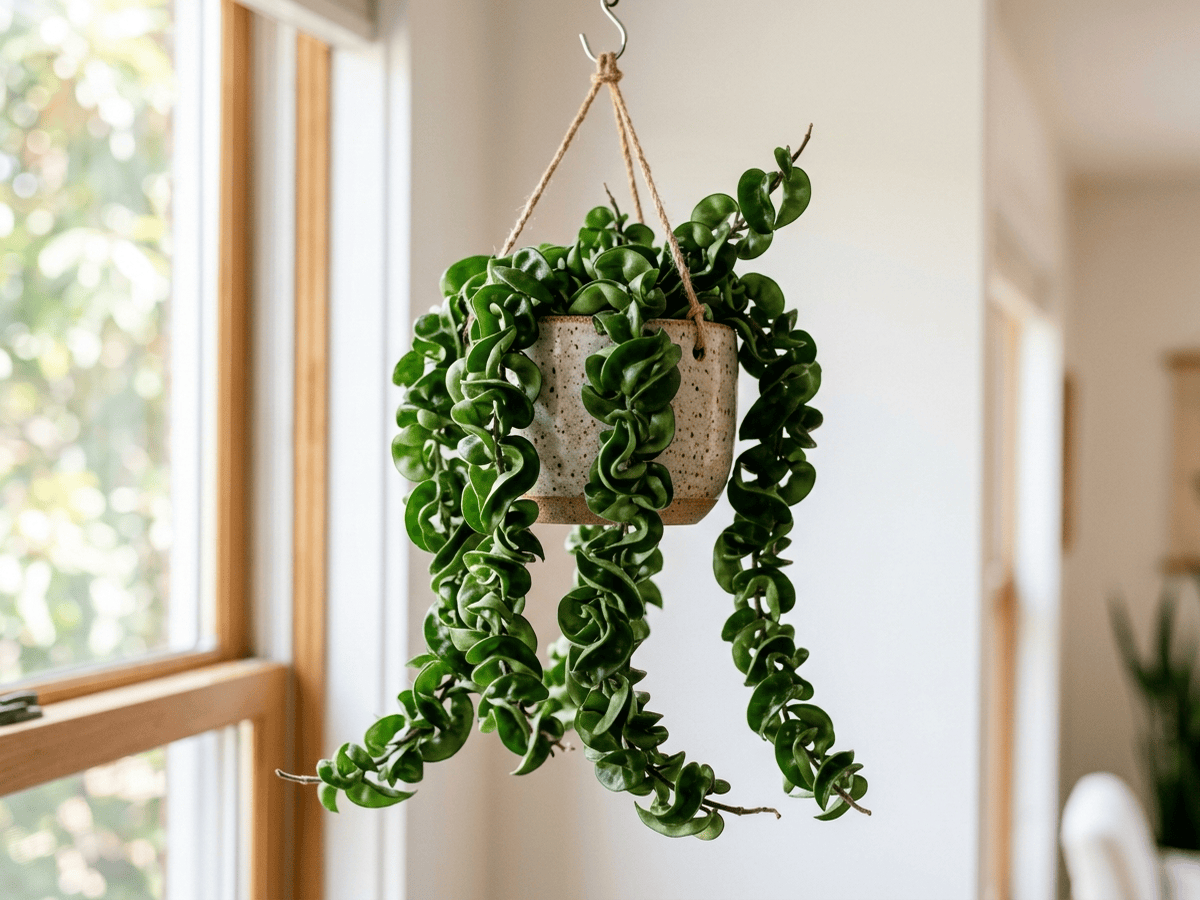
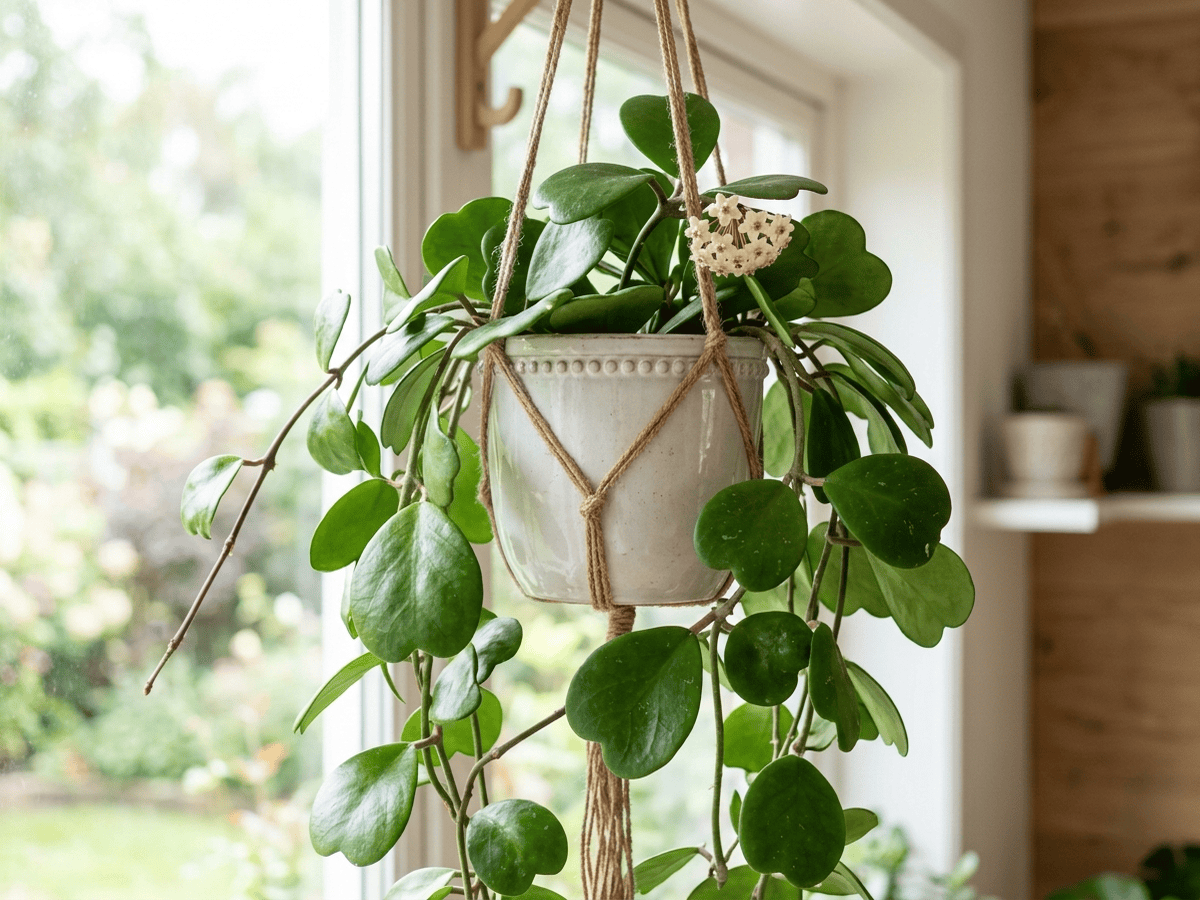
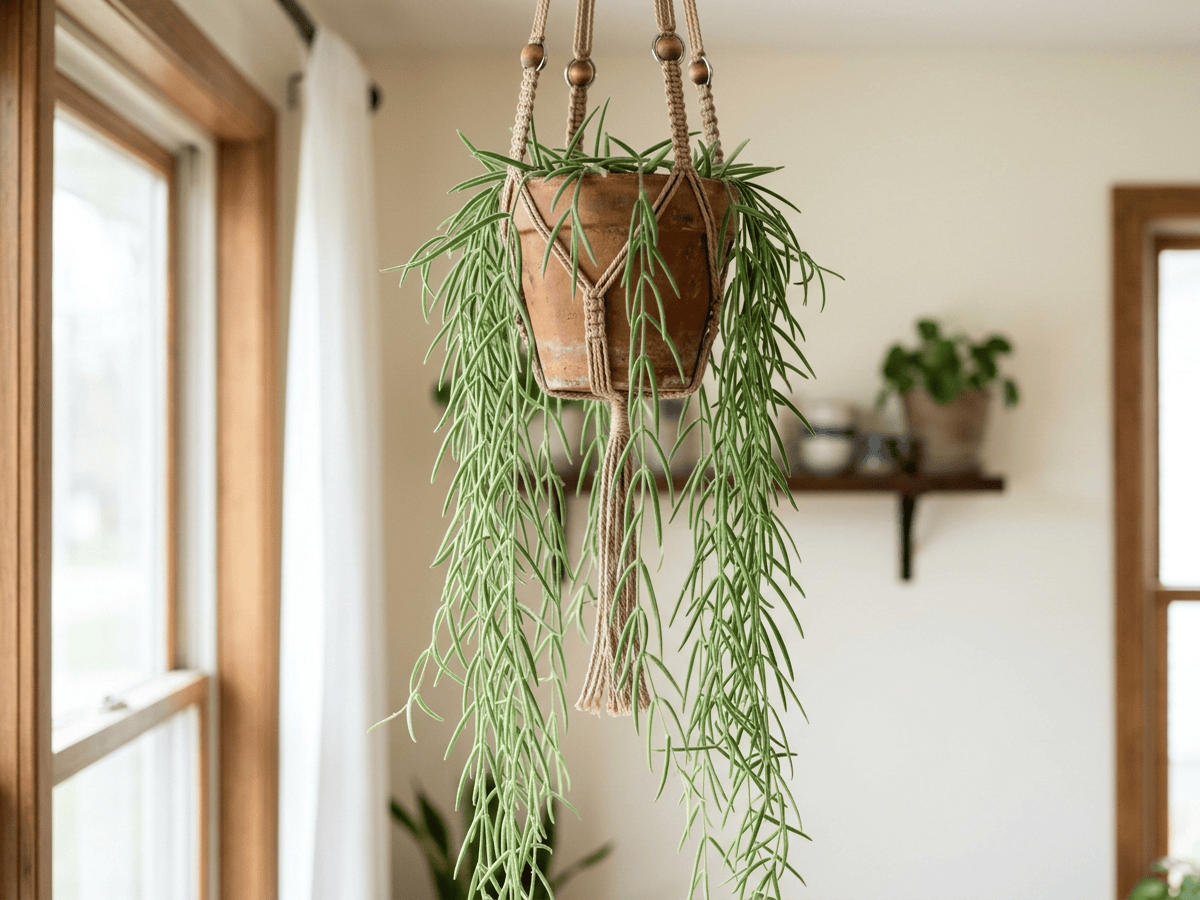
Plants with similar care
 Giant TaroAlocasia macrorrhizos
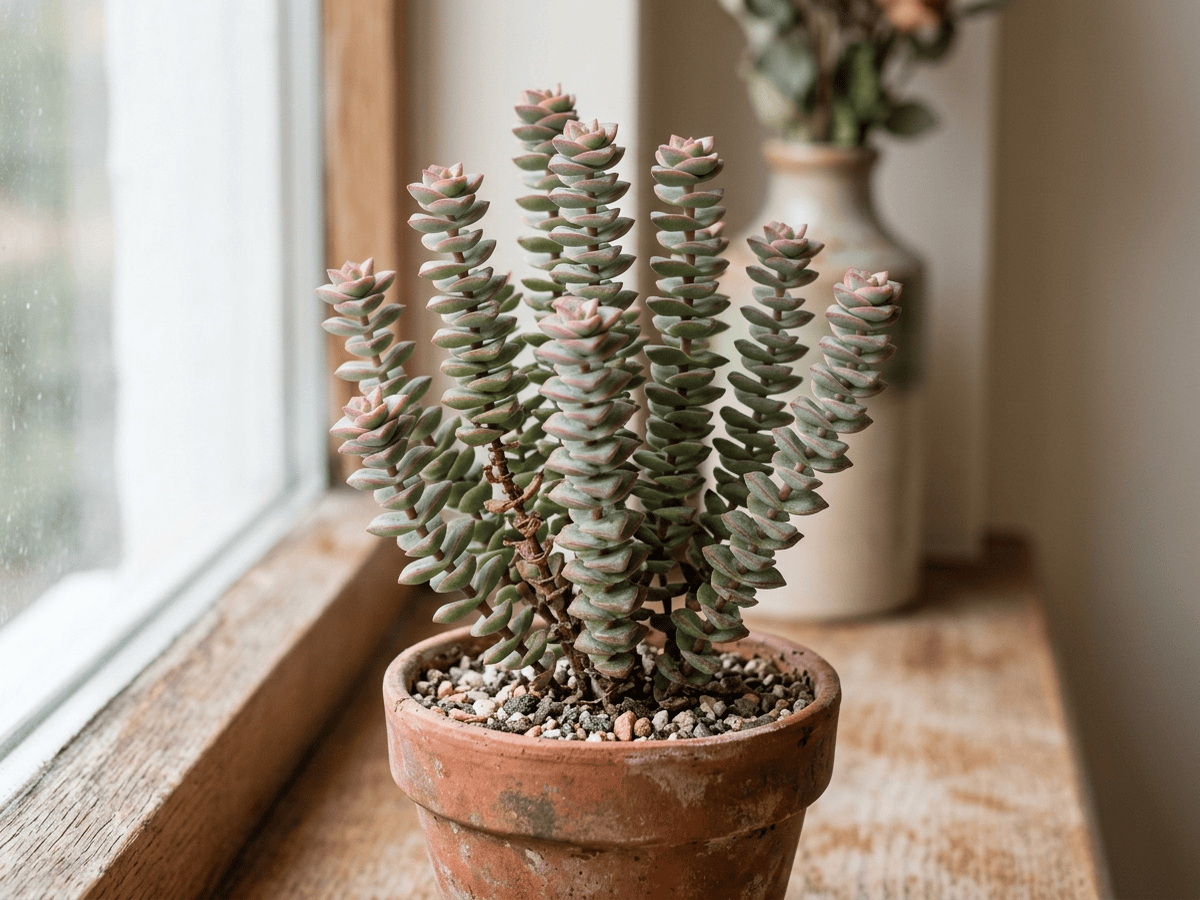 Concertina PlantCrassula perforata
 Song Of IndiaDracaena reflexa
 Snake PlantDracaena trifasciata
Frequently asked questions
How often should I water Hoya pubicalyx?
In summer, water about every 10 days; in winter, about every 21 days. Adjust for heat, pot size and drainage.
How much light does Hoya pubicalyx need?
Indirect: Filtered light. Watch the leaves — scorching or stretching means the light needs adjusting.
Is Hoya pubicalyx toxic to cats or dogs?
Pets Safe (Dogs Safe · Cats Safe) Educational information, not medical or veterinary advice. If exposure is suspected, contact a doctor or veterinarian.
Is Hoya pubicalyx easy to grow?
Yes — it is considered an easy, beginner-friendly plant.
Can Hoya pubicalyx be grown indoors?
Yes, it adapts well to indoor growing given the right light.
When does Hoya pubicalyx bloom?
It typically blooms Jun–Aug in the Northern Hemisphere.
YardMate
Identify any plant in seconds
Snap a photo — YardMate names the plant, diagnoses problems, and reminds you when to water.
Download on the App Store