 YardMate


Panicle Hydrangea
Hydrangea paniculata
Easy · Beginner friendlyAbout Panicle Hydrangea
Hydrangea paniculata, the panicle hydrangea, produces large cone-shaped flower clusters that open white or green and gradually age to pink, then deep rose as autumn approaches. Unlike mophead hydrangeas, it blooms on new wood, so it can be pruned hard in late winter without sacrificing flowers. Native to China, Japan, and far eastern Russia, it is the most cold-hardy hydrangea, surviving to -35°C. Popular cultivars include 'Limelight' (green to pink) and 'Vanilla Strawberry' (white to red). It can be trained as a small tree or left as a multi-stemmed shrub.
- Cut-flower
- Cold-hardy
How to care for Panicle Hydrangea
Watering
- Springevery 3 days
- Summerevery 2 days
- Fallevery 5 days
- Winterevery 14 days
Soil · Rich & loamy
- Top dressingBark mulch15%
- Main mixRich loam + compost 3:170%
- DrainageGravel15%
Use fully finished compost — fresh compost burns roots.
FERTILIZER
Balanced Feed 14-14-14
An even feed covers all three needs at once, keeping leaves, roots and blooms moving together with nothing pushed out of balance.
- Nitrogen · Leaves
- Phosphorus · Roots + Blooms
- Potassium · Strength
- Springevery 30 days
- Summerevery 30 days
At a Glance
- NativeEast Asia, Europe
- Height8–15 ft (2.4–4.6 m)
- Spread6–10 ft (1.8–3 m)
- Flower colorWhite, Pink, Green
- Foliage colorGreen
- SoilRich, Moisture-retentive, Loamy
- LocationsYard
Bloom time
BLOOM CYCLE
Peak bloom
Jun–Aug
Cone-shaped clusters; white→pink→rose color progression; blooms on new wood
Fragrance
LIGHT FRAGRANCE
The flowers have a light honey scent.
Toxicity
Humans Moderate · Pets Moderate
hydrangin
Moderate
- Flower
- Leaf
- Stem
- Ingestion
EXPOSURE Eating flowers, leaves, and stems.
EFFECT Nausea, vomiting, abdominal pain, diarrhea from cyanogenic glycosides.
NOTE Same cyanogenic glycoside toxicity as other Hydrangeas.
Moderate
- Flower
- Leaf
- Stem
- Ingestion
EXPOSURE Eating flowers, leaves, and stems.
EFFECT Vomiting, diarrhea, depression, lethargy and per Hydrangea genus ASPCA listing.
NOTE Same cyanogenic glycoside toxicity as other Hydrangeas.
Moderate
- Flower
- Leaf
- Stem
- Ingestion
EXPOSURE Eating flowers, leaves, and stems.
EFFECT Vomiting, diarrhea, depression, lethargy and per Hydrangea genus ASPCA listing.
NOTE Same cyanogenic glycoside toxicity as other Hydrangeas.
Educational information, not medical or veterinary advice. If exposure is suspected, contact a doctor or veterinarian.
DISTRIBUTION


- Native
- Introduced
- East Asia
- Europe
History
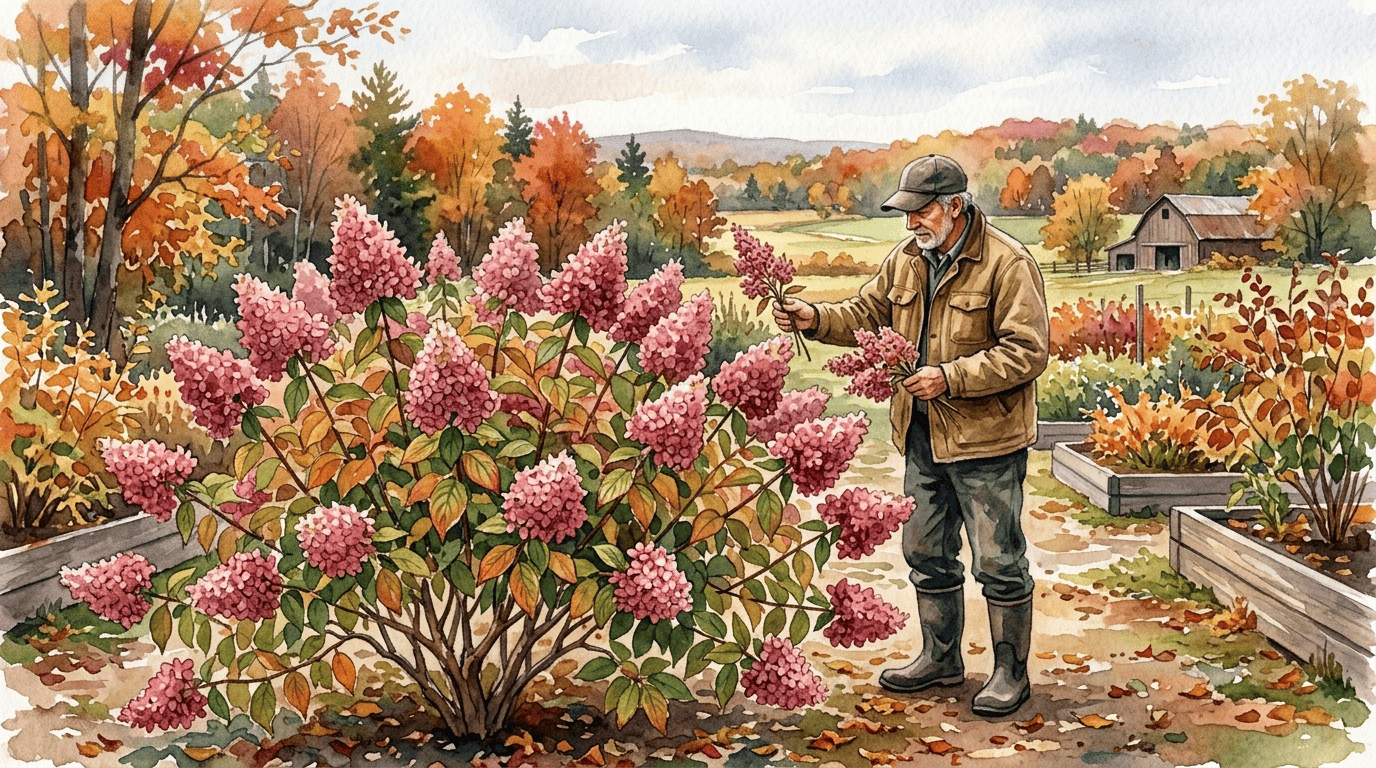
Hydrangea paniculata is native to China, Korea, Japan, and the Russian Far East, where it grows as a large shrub or small tree in mountain forests. The cultivar 'Grandiflora', better known as PeeGee hydrangea, reached Europe from Japan in 1861 and dominated Western gardens for more than a century with large white flower panicles that aged pink. The modern revolution came from late-20th and early-21st-century breeding in Belgium and the Netherlands, which produced compact, heavy-flowering, sun-tolerant cultivars such as 'Limelight', 'Pinky Winky', and 'Little Lime'.
Unlike bigleaf hydrangeas, panicle hydrangeas bloom on new wood, so late frosts and cold winters do far less damage; that trait made them essential in northern American landscapes. Their flowers open white or greenish, age through pink and rose, and dry well for winter arrangements, turning a once-old-fashioned shrub into a garden-center powerhouse.
Symbolism & meaning
What It Symbolizes
Panicle Hydrangea carries gratitude in its great conical blooms, which open creamy white and age toward dusty rose. In Japanese hanakotoba, hydrangeas express heartfelt thanks — a meaning that lingers each summer as the panicles grow heavier with each passing week. To plant one near a doorway is to leave a long, slow note of appreciation that flowers from July well into fall.
- Gratitude — In Japanese hanakotoba (flower language), hydrangeas express heartfelt thanks
Where the Name Comes From
Hydrangea from Greek 'hydor' (water) and 'angeion' (vessel), for the cup-shaped seed capsule. Paniculata means 'with panicles,' describing the cone-shaped flower clusters.
Uses & Fun Facts
- Cone-shaped panicles dry beautifully for autumn arrangements
- Cold-hardy hydrangea with creamy panicles aging to pink
- Used as small flowering tree or focal shrub
Related plants
More Hydrangea plants
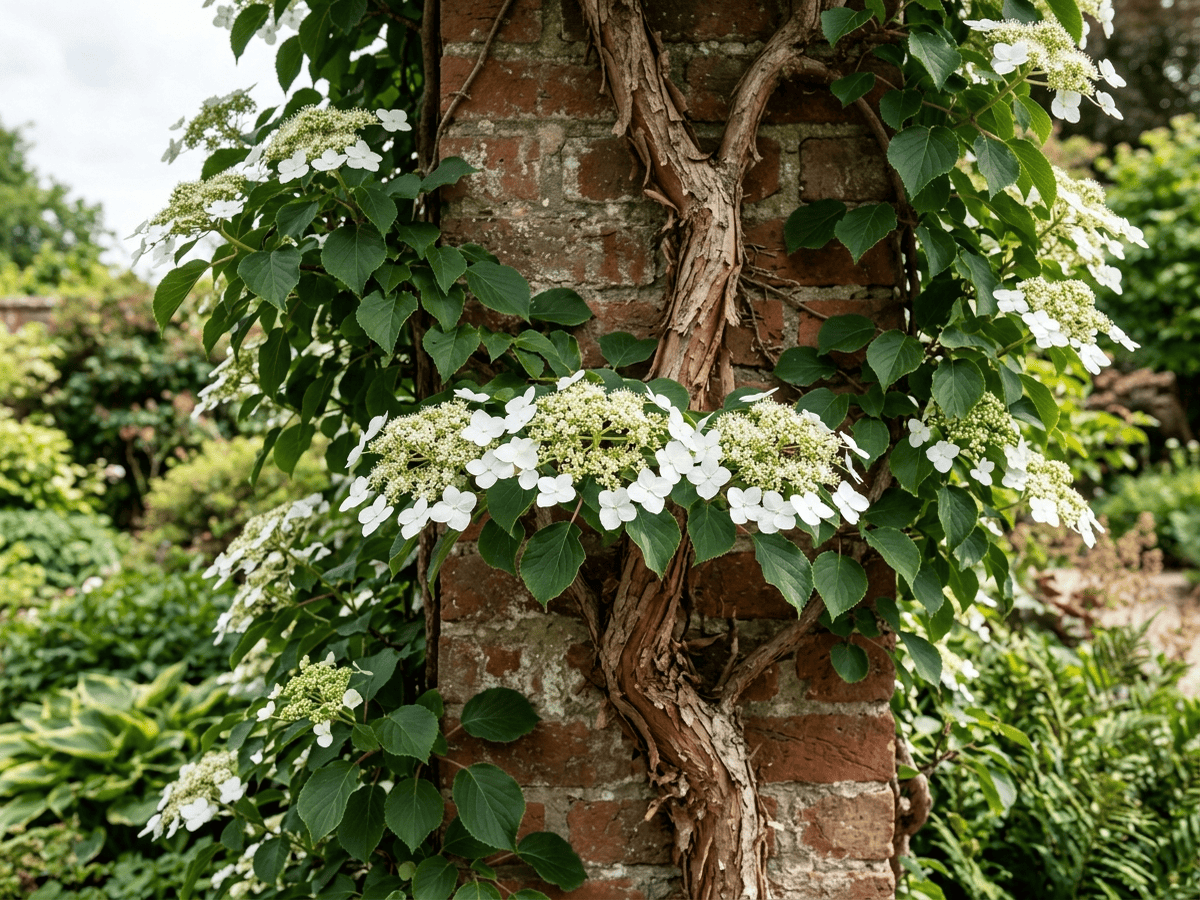 Chinese HydrangeaHydrangea anomala
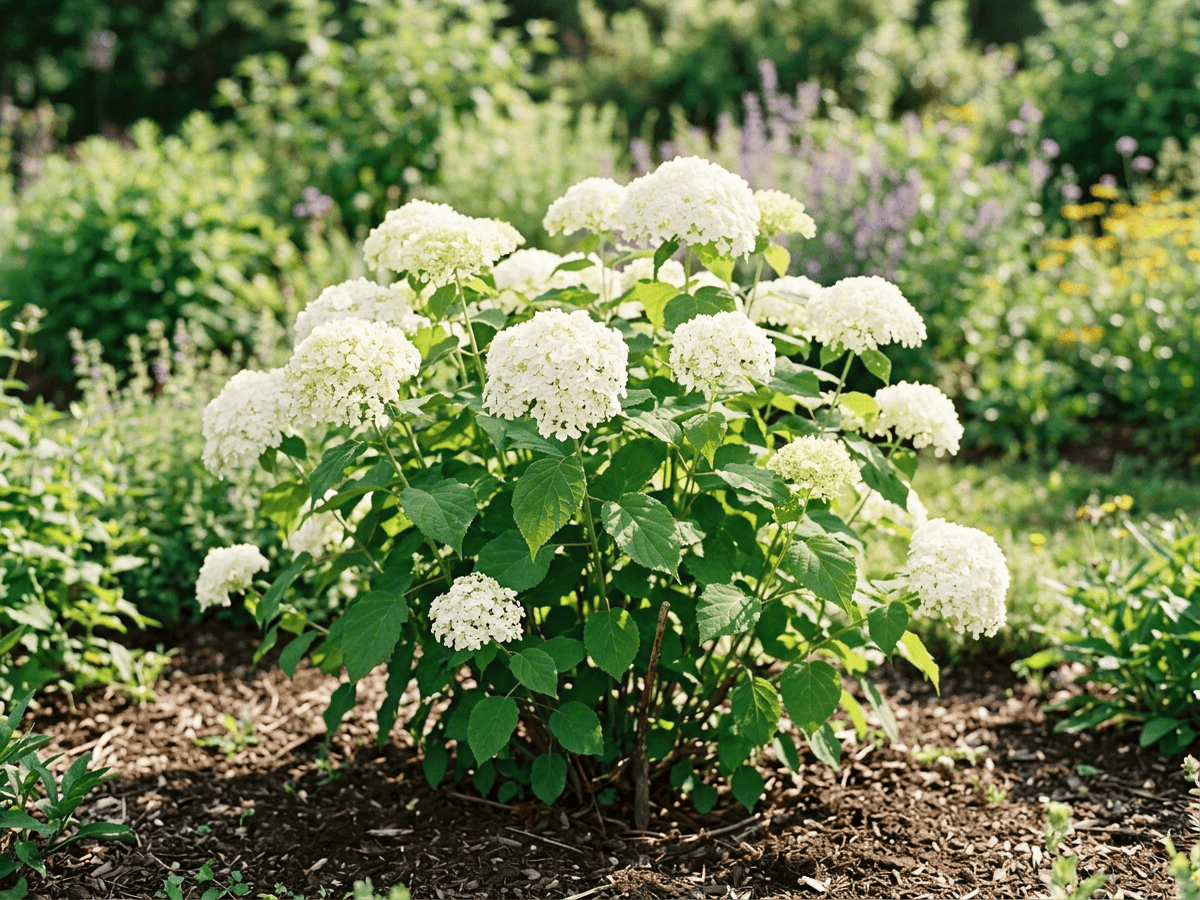 Wild HydrangeaHydrangea arborescens
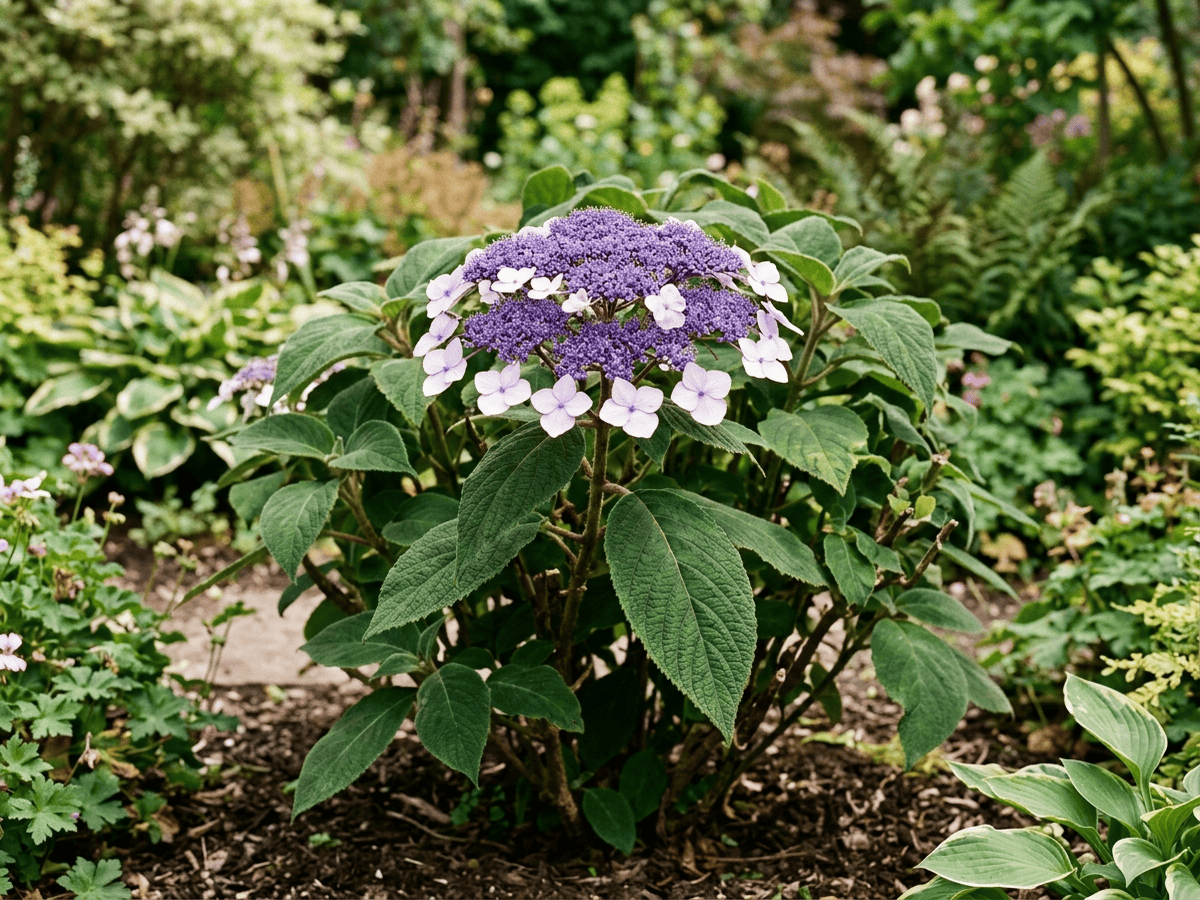 Rough-Leaved HydrangeaHydrangea aspera
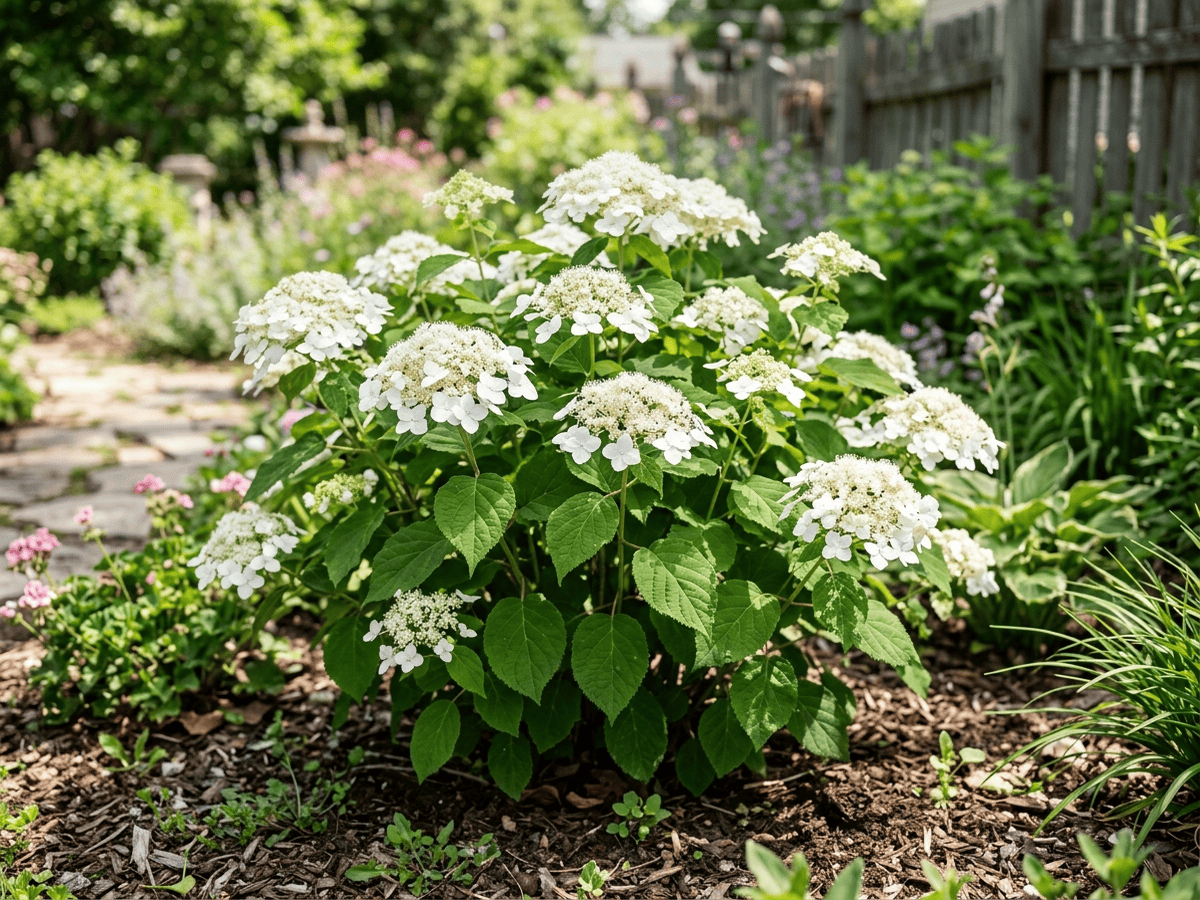 Himalayan HydrangeaHydrangea heteromalla
Plants with similar care
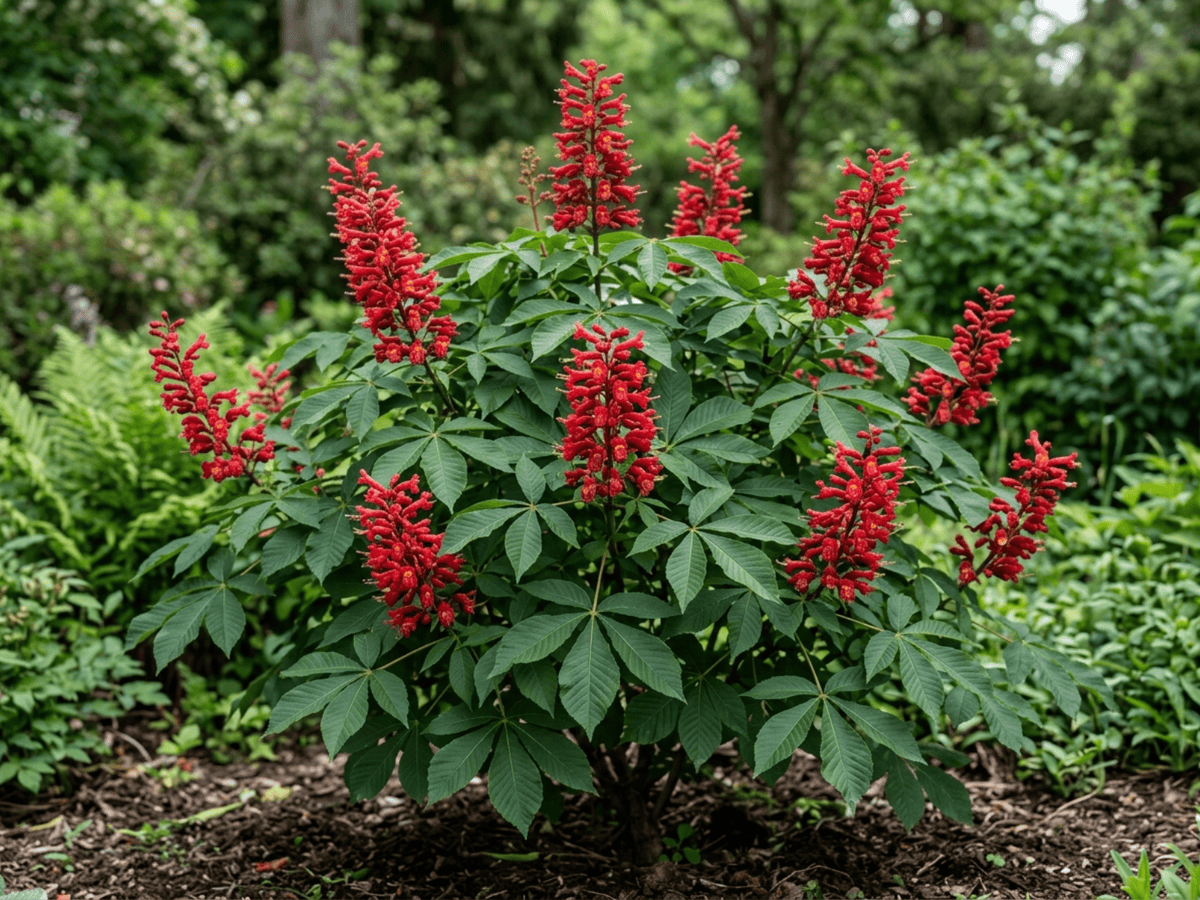 Red BuckeyeAesculus pavia
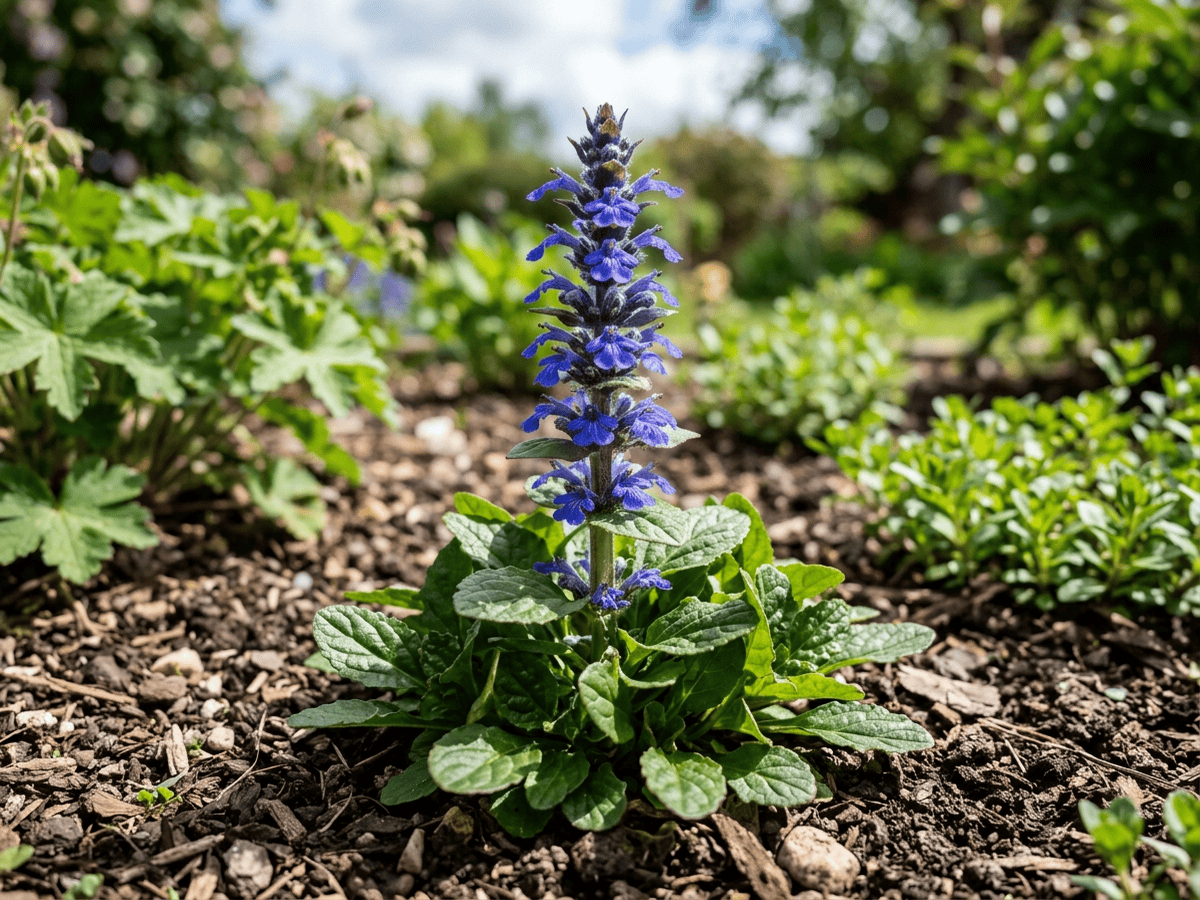 Blue BugleAjuga genevensis
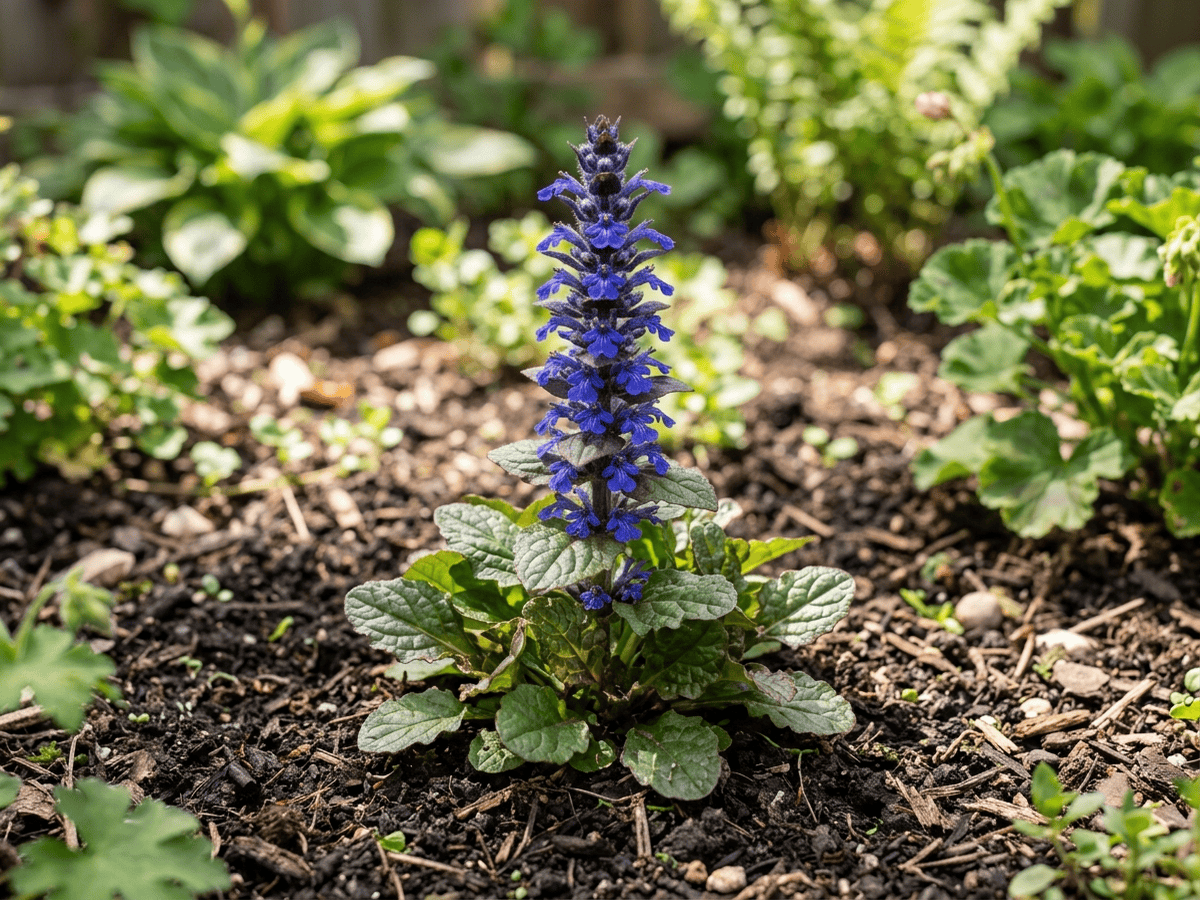 Pyramidal BugleAjuga pyramidalis
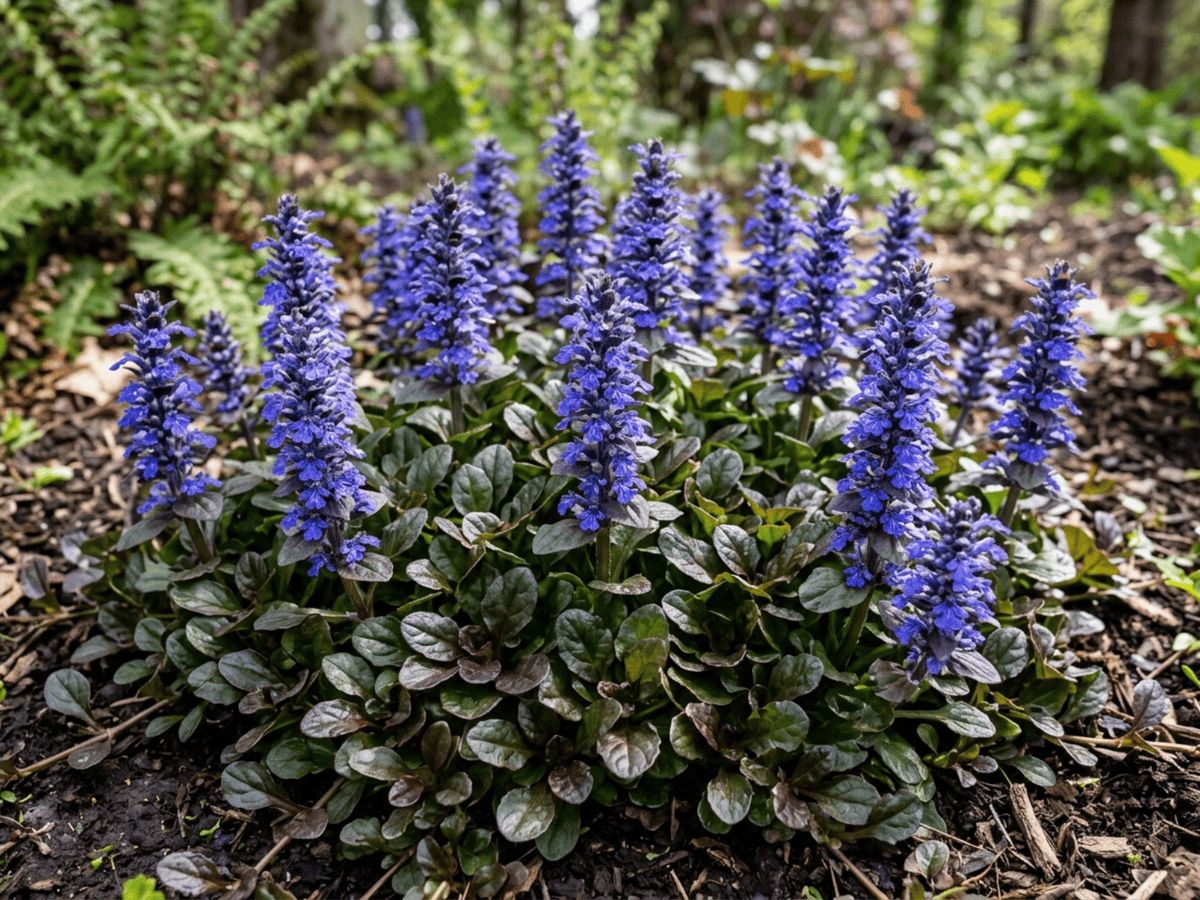 Carpet BugleAjuga reptans
Frequently asked questions
How often should I water Panicle Hydrangea?
In summer, water about every 2 days; in winter, about every 14 days. Adjust for heat, pot size and drainage.
How much light does Panicle Hydrangea need?
Part shade: 2–4 hrs direct. Watch the leaves — scorching or stretching means the light needs adjusting.
Is Panicle Hydrangea toxic to cats or dogs?
Pets Moderate (Dogs Moderate · Cats Moderate) Educational information, not medical or veterinary advice. If exposure is suspected, contact a doctor or veterinarian.
Is Panicle Hydrangea easy to grow?
Yes — it is considered an easy, beginner-friendly plant.
When does Panicle Hydrangea bloom?
It typically blooms Jun–Aug in the Northern Hemisphere.
YardMate
Identify any plant in seconds
Snap a photo — YardMate names the plant, diagnoses problems, and reminds you when to water.
Download on the App Store